The Black Cow Cafe
The Black Cow occupies a corner of Honolulu Avenue in Montrose, California, a walkable village strip that punches well above its size in neighborhood dining character. Positioned in a community where regulars return often and word-of-mouth carries real weight, it represents the kind of local anchor that defines a street's culinary identity more than any single accolade could.
Pearl is the En Primeur Club membership app — saves, bookings, and concierge access live there. Same editors, same standards.
- Address
- 2219 Honolulu Ave, Montrose, CA 91020
- Phone
- +18189575282
- Website
- theblackcowcafe.com
- Directions
- Get directions
 Saves & bookings on Pearl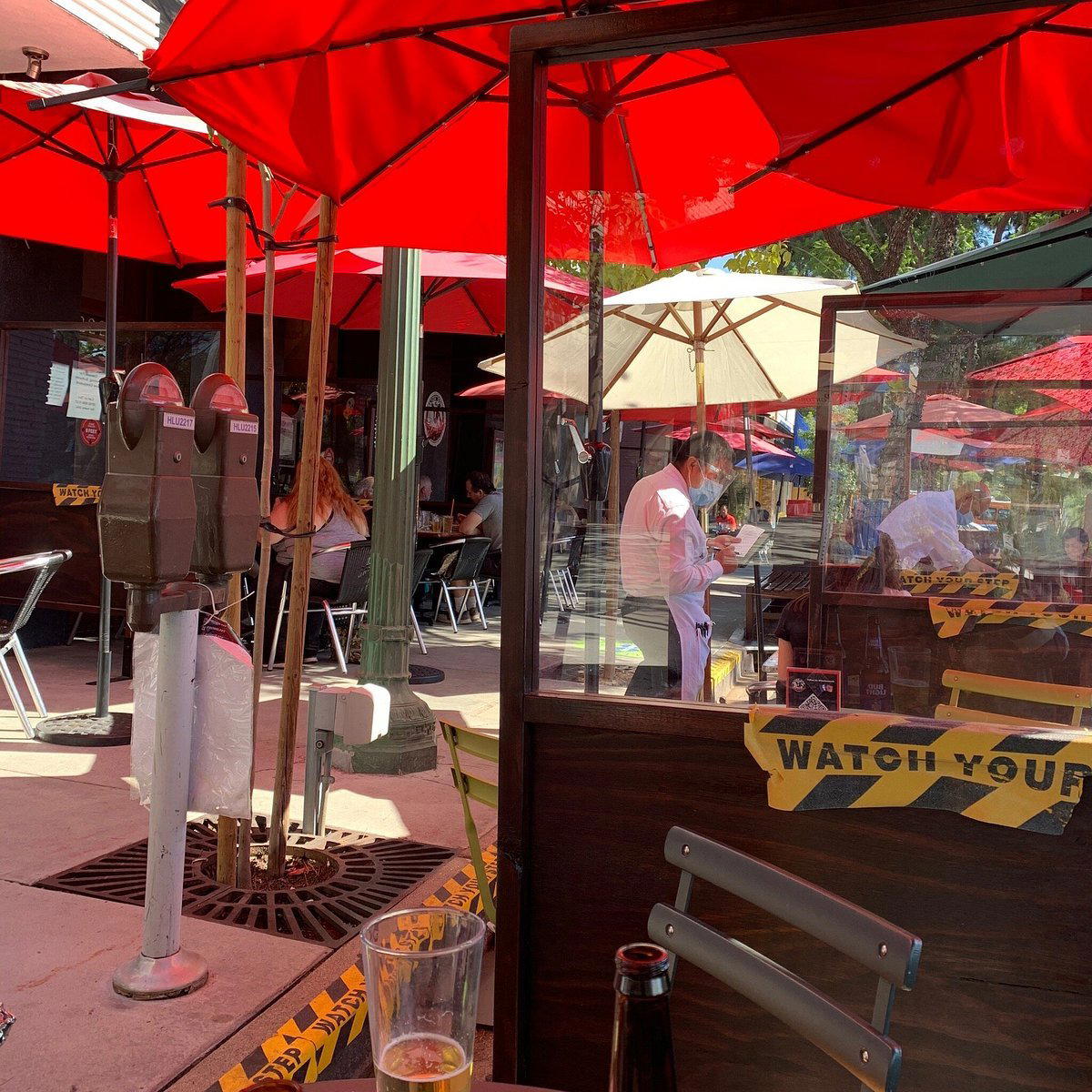
Honolulu Avenue and the Case for Neighborhood Dining
There is a particular kind of American dining room that the glossy reservation platforms tend to overlook: the neighborhood anchor. Not a destination restaurant requiring advance planning and a rideshare from downtown Los Angeles, but a place that earns its place on a street by showing up consistently for the people who live there. Montrose, a compact and walkable village district tucked into the foothills of the San Gabriel Mountains in the La Cañada Flintridge corridor, operates exactly on that logic. Honolulu Avenue, its main commercial spine, carries a dining culture built on familiarity and return visits rather than novelty tourism. The Black Cow, at 2219 Honolulu Ave, sits inside that framework.
To understand what The Black Cow represents, it helps to understand Montrose itself. This is not Pasadena, with its established fine-dining infrastructure and proximity to the Huntington's cultural gravity. It is not Glendale, with its dense Armenian and Korean dining corridors that draw regional food press. Montrose operates on a quieter register: a pedestrian-friendly strip where independent operators hold ground against the franchise drift that has swallowed comparable suburban corridors elsewhere in Los Angeles County. That independence is not incidental. It reflects a community that has consistently chosen character over convenience, and local operators that understand the difference between serving a neighborhood and merely occupying real estate in one.
The Cultural Weight of the American Steakhouse Tradition
The name signals something specific. "Black Cow" as a designation carries connotations deep in American food culture: the phrase historically refers to a root beer float, a mid-century soda fountain staple, but in a dining context it just as readily evokes beef, the American table's central protein and the foundation of a culinary tradition that runs from roadside diners to the white-tablecloth steakhouse tier occupied by places like The French Laundry in Napa or the tasting menus at Alinea in Chicago. The American relationship with beef at the table is long and layered, and neighborhood spots that engage with that tradition honestly tend to earn the loyalty that fine-dining destinations have to work considerably harder to manufacture.
Across the broader American dining spectrum, the venues that age well are rarely those chasing trend cycles. Le Bernardin in New York City built four decades of authority by committing absolutely to one ingredient category and executing it without distraction. Lazy Bear in San Francisco earned its reputation through format discipline rather than menu restlessness. At the neighborhood level, the same principle applies: commitment to a clear identity, consistently delivered, is what converts first-time visitors into regulars. The Black Cow's foothold on Honolulu Avenue suggests it understands that equation.
Where The Black Cow Sits in the Montrose Dining Ecosystem
Montrose's dining strip operates as a genuine community ecosystem rather than a collection of competing individual concepts. Divina Cucina and Portobello's anchor the Italian presence on the avenue, occupying the comfort-driven, family-friendly tier that Montrose diners return to repeatedly. The Black Cow operates within that same culture of regularity and reliability, competing not on spectacle but on the kind of consistent quality that sustains a neighborhood business across years rather than seasons.
That positioning matters in Los Angeles County context. The broader LA dining world pulls attention toward tasting-menu formats at places like Providence in Los Angeles or toward the progressive American formats that define venues like Single Thread Farm in Healdsburg. The Foothills corridor, by contrast, rewards a different kind of ambition: the ambition to be the place a community depends on, rather than the place it saves up for. That distinction is not a consolation prize. In a region where destination dining competes ferociously for attention and press cycles, being embedded in a neighborhood's weekly rhythm is its own form of durability.
For a broader map of what Montrose offers across price points and formats, our full Montrose restaurants guide covers the avenue's key operators in detail.
American Dining Benchmarks and the Neighborhood Standard
The venues that tend to define American dining at the national conversation level, from Blue Hill at Stone Barns in Tarrytown to Addison in San Diego to The Inn at Little Washington, earn their authority through sustained excellence and verifiable recognition over many years. That tier sets the standard against which all American table culture is implicitly measured, even when the context is a neighborhood strip rather than a destination property. The standard matters because it raises baseline expectations: diners who have eaten at Bacchanalia in Atlanta or Emeril's in New Orleans bring those reference points with them when they sit down anywhere, including Honolulu Avenue.
That cross-referencing is part of what makes neighborhood dining genuinely interesting to write about. The conversation between high-end formats and community anchors is not one-directional. Neighborhood spots absorb culinary progress from the best of the market and translate it into formats that work at their scale and price point. The American dining culture visible at venues like Brutø in Denver or Causa in Washington, D.C. filters eventually into the neighborhood tier, shifting expectations around ingredient sourcing, technique, and presentation even in rooms that never appear in award shortlists. What emerges across formats, from the Korean precision of Atomix in New York City to the Italian-inflected comfort of Honolulu Avenue, is a dining culture that rewards specificity and penalizes vagueness.
Planning a Visit
The Black Cow is located at 2219 Honolulu Ave, Montrose, CA 91020, in the heart of the pedestrian-friendly shopping and dining district that defines the neighborhood's commercial character. Montrose is accessible from the 210 Freeway and sits roughly equidistant between Pasadena and La Crescenta, making it a practical stop for anyone moving through the Foothills corridor. Street parking along Honolulu Avenue and in adjacent municipal lots is generally available, which distinguishes it from the parking-constrained dining districts further west in Los Angeles. Given the venue's neighborhood positioning and the community-oriented character of the strip, the format is suited to casual visits without the advance booking pressure that defines reservation-driven restaurants at higher price points. For context on the area's broader dining options and how different venues on the avenue serve different occasions, the Montrose restaurants guide covers the full picture.
Continue exploring
More in Montrose
Restaurants in Montrose
Browse all →
Bars in Montrose
Browse all →
Hotels in Montrose
Browse all →
Wineries in Montrose
Browse all →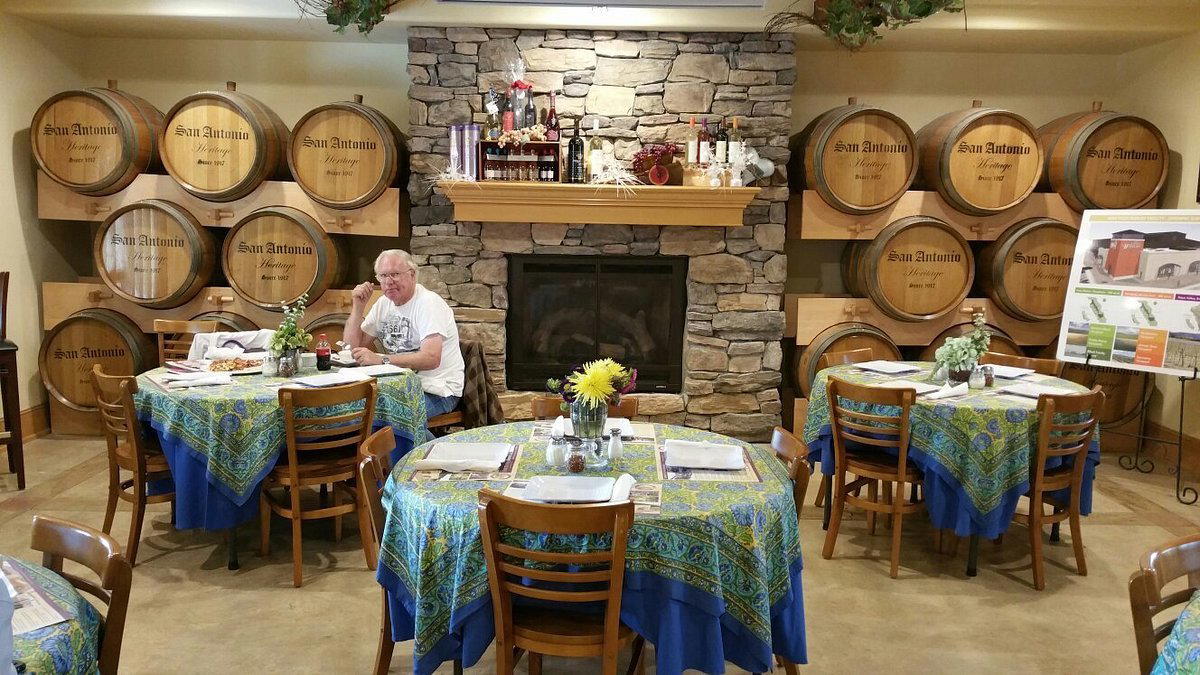
At a Glance
- Cozy
- Rustic
- Classic
- Brunch
- Casual Hangout
- Family
- Standalone
Current opening hours
- Monday
- 8 AM–8 PM
- Tuesday
- 8 AM–8 PM
- Wednesday
- 8 AM–8 PM
- Thursday
- 8 AM–8 PM
- Friday
- 8 AM–8:30 PM
- Saturday
- 8 AM–8:30 PM
- Sunday
- 8 AM–8 PM
Hours can change for holidays and private events. Last verified .
Rustic and cozy neighborhood atmosphere with a welcoming, homey feel focused on comfort and familiarity.
Know Before You Go
- Getting there
- 2219 Honolulu Ave, Montrose, CA 91020