The Baring



Michelin Plate · The Good Food Guide GFG Good
Our verdict
A Michelin Plate-recognised address on a quiet Islington residential street, The Baring operates at a level of culinary ambition that sits well above the standard gastropub tier. Pan-European influences produce dishes that are spare in presentation but precise in flavour, with the quail shish drawing repeat visits from the neighbourhood crowd. At the ££ price point, it represents one of inner north London's stronger value cases for serious cooking.

Pearl is the En Primeur Club membership app — saves, bookings, and concierge access live there. Same editors, same standards.
- Address
- 55 Baring St, London N1 3DS, United Kingdom
- Phone
- +44 20 7916 5861
- Hours
- Mon ClosedTue–Sat 12–11 PMSun 12–6 PM
- Website
- thebaring.co.uk
- Directions
- Get directions
- Booking
- Book on SevenRooms
Why The Baring Deserves Your Attention in North London
If you do one deliberate thing on a north London evening, make it a table at The Baring. Not because the building announces itself, but precisely because it doesn't. The address at 55 Baring Street, N1, sits in the kind of quiet Islington residential grid that Londoners walk through without expecting to find cooking of this calibre. That gap between expectation and delivery is, at this point in London's dining scene, increasingly rare at the ££ price tier.
Contemporary European cooking in London spans an enormous range, from the ££££ end occupied by places like Restaurant Gordon Ramsay and CORE by Clare Smyth down through a mid-market where technique and creativity tend to drop off sharply once the tasting-menu budgets disappear. The Baring operates in that mid-market but performs closer to the upper bracket, with a Michelin Plate in both 2024 and 2025 providing an external calibration point that goes beyond neighbourhood loyalty.
Where European Contemporary Cooking Sits Right Now
The term "European Contemporary" covers a lot of ground across the London dining scene, from Scandinavian-inflected minimalism to Iberian char-led cooking to French classical techniques applied to British ingredients. What the category shares, at its better end, is a willingness to draw from the full European canon without anchoring to a single national identity. That freedom, when it works, produces menus that feel intellectually honest rather than fusion-awkward.
The Baring sits in that mode. Dishes arrive uncluttered — the kind of plate discipline that takes confidence, since there is nowhere to hide behind garnish or sauce volume. The influences travel across the continent in a way that reflects how European cooking actually moves through professional kitchens rather than how it gets packaged for marketing purposes. The quail shish is the noted marker here: a preparation that draws on Middle Eastern and Eastern Mediterranean technique while sitting comfortably within a pan-European frame, and one that has already established itself as a repeat-order dish among the regulars who book the room.
For a broader comparison of how this style translates at the luxury end of the European contemporary category, Zén in Singapore and Schwarzer Adler in Hall in Tirol illustrate what happens when the same culinary orientation operates at a much higher price point and with greater resource behind it. The Baring is not competing in that tier, but the underlying cooking philosophy has clear family resemblances.
The Gastropub Frame and What It Obscures
The gastropub as a format has been a reliable feature of London dining for three decades, but the category has bifurcated over time. One branch produces competent comfort food in heritage-pub interiors; the other uses the pub setting as a delivery mechanism for cooking that would hold its own in a stripped-back restaurant context. The Baring belongs to the second branch, and the Michelin recognition confirms it sits at the serious end of that cohort.
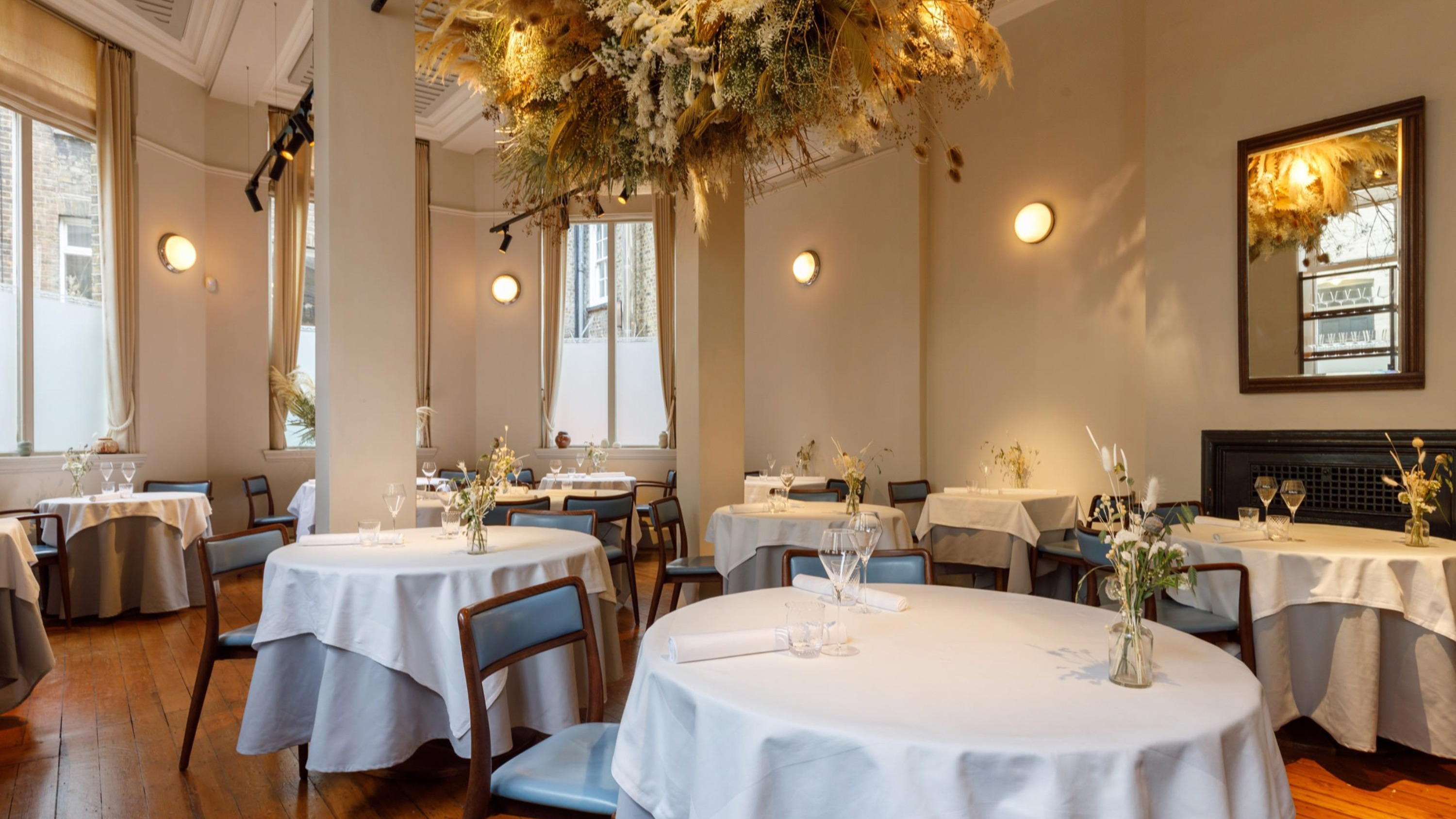
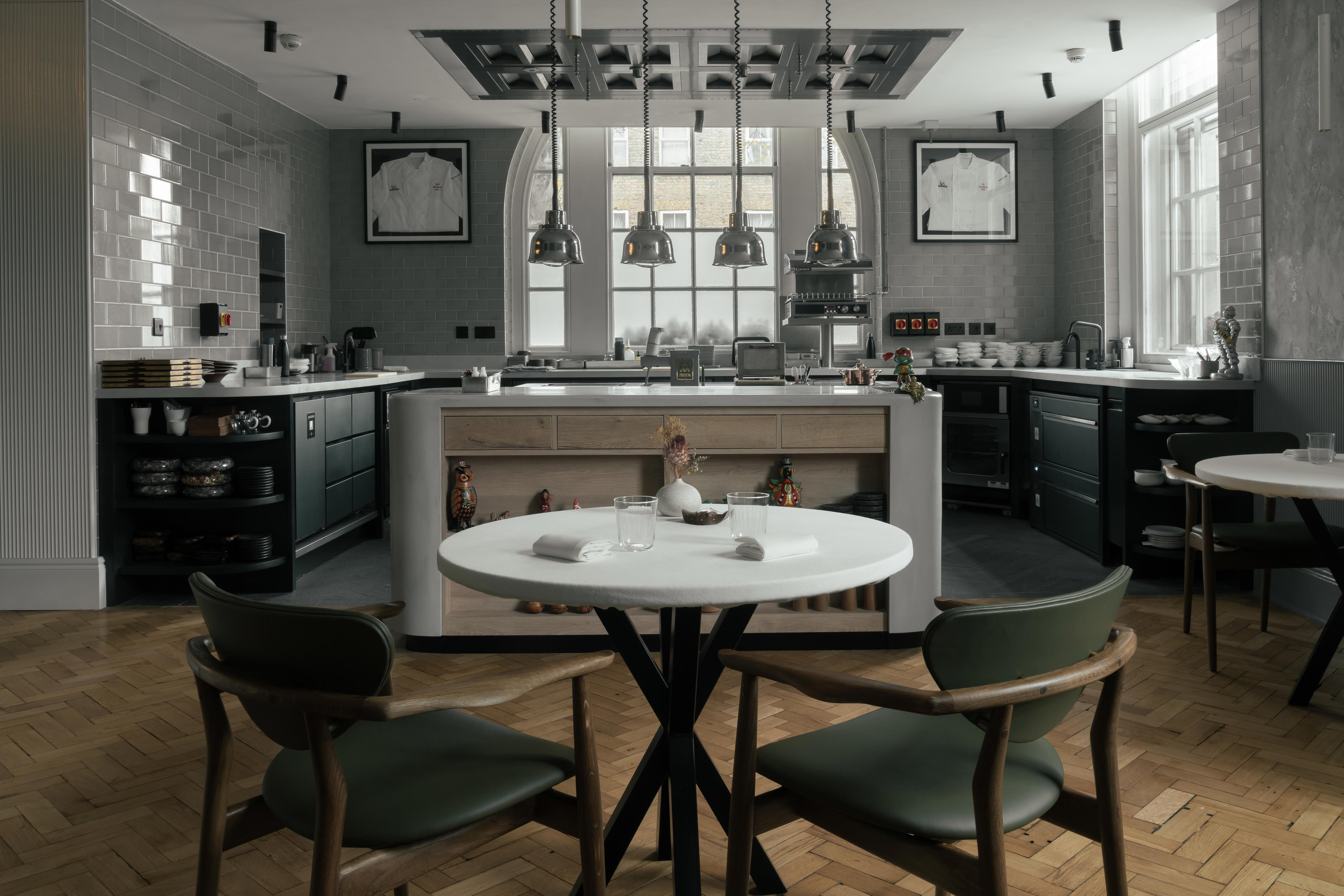
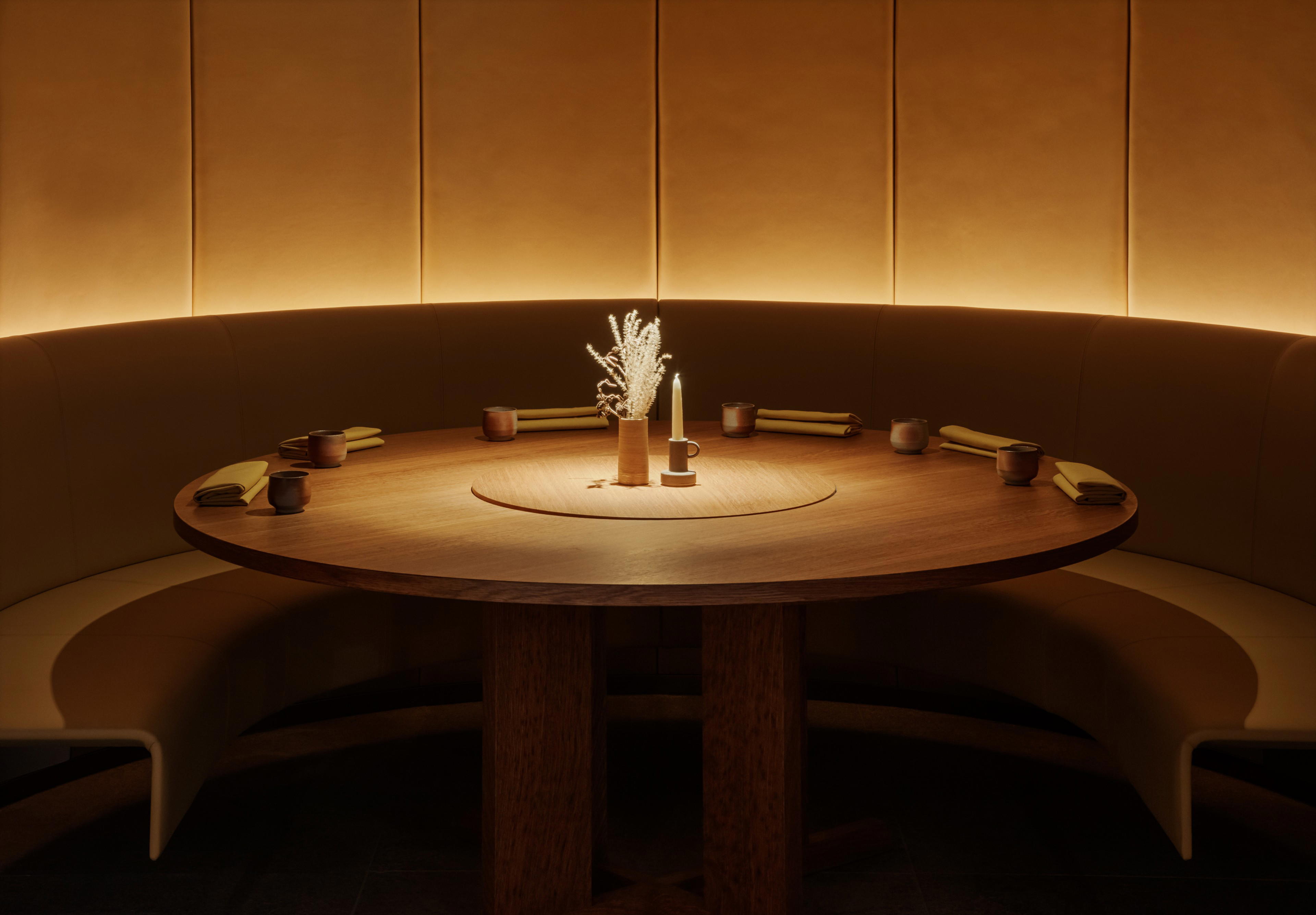
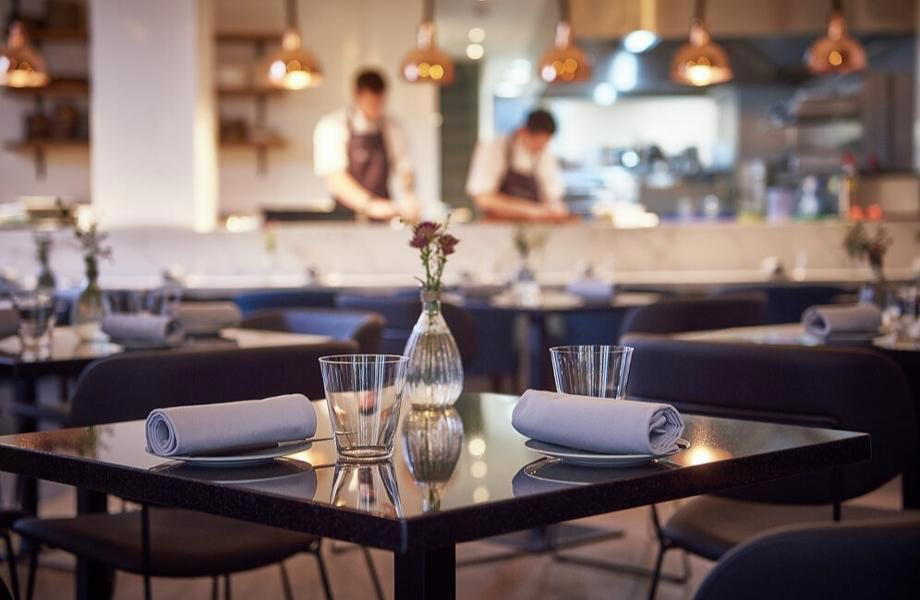
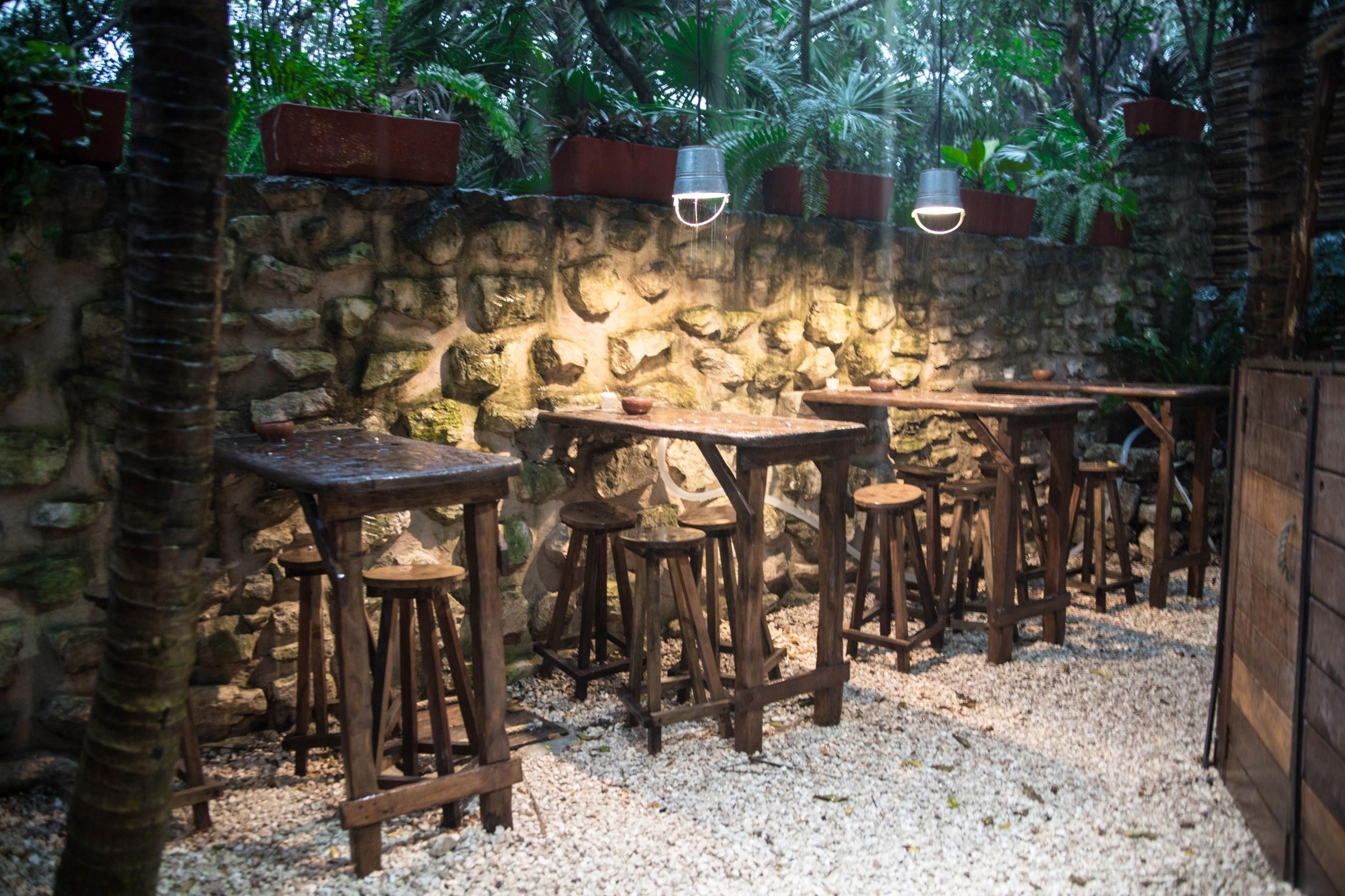
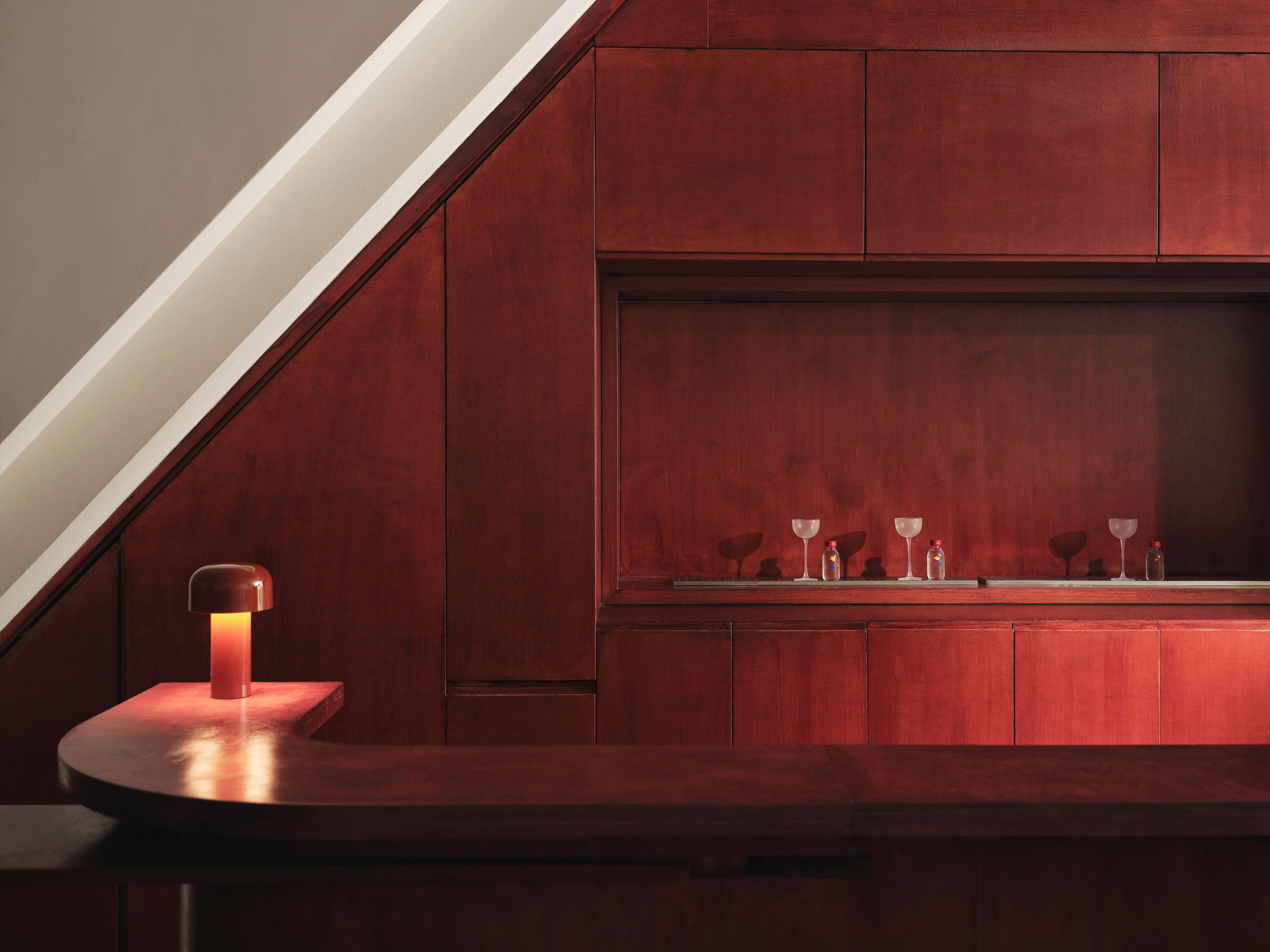
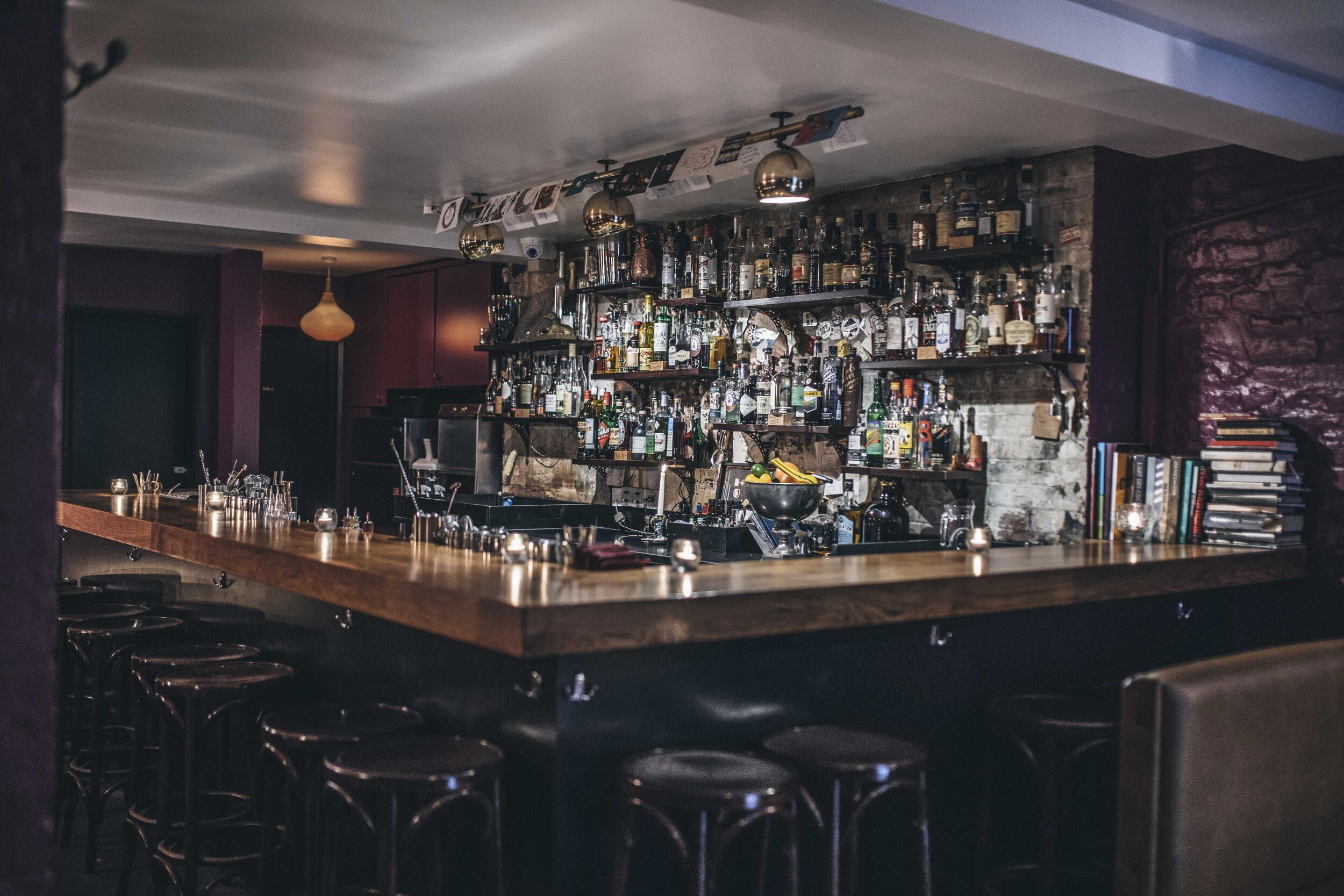
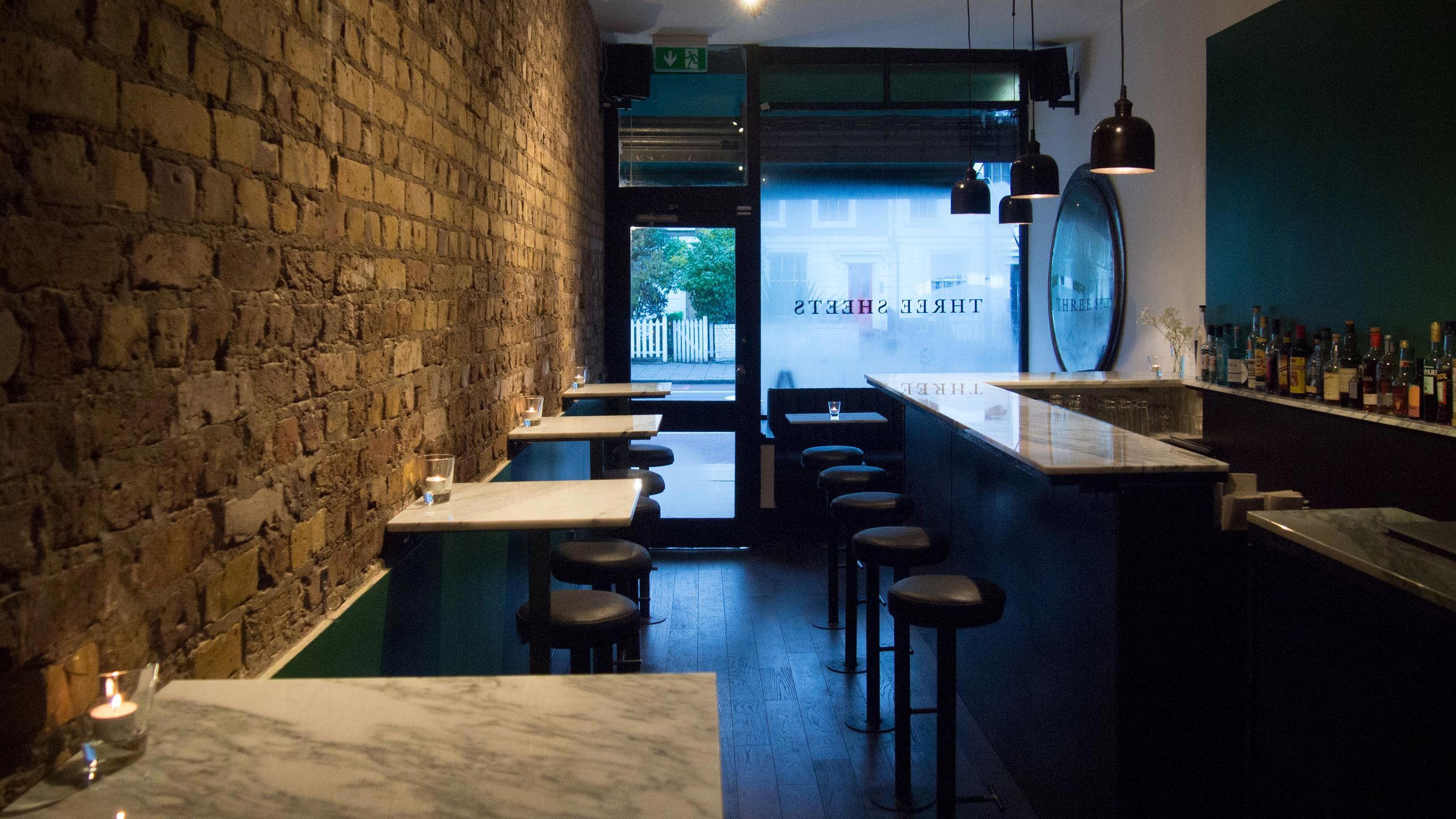
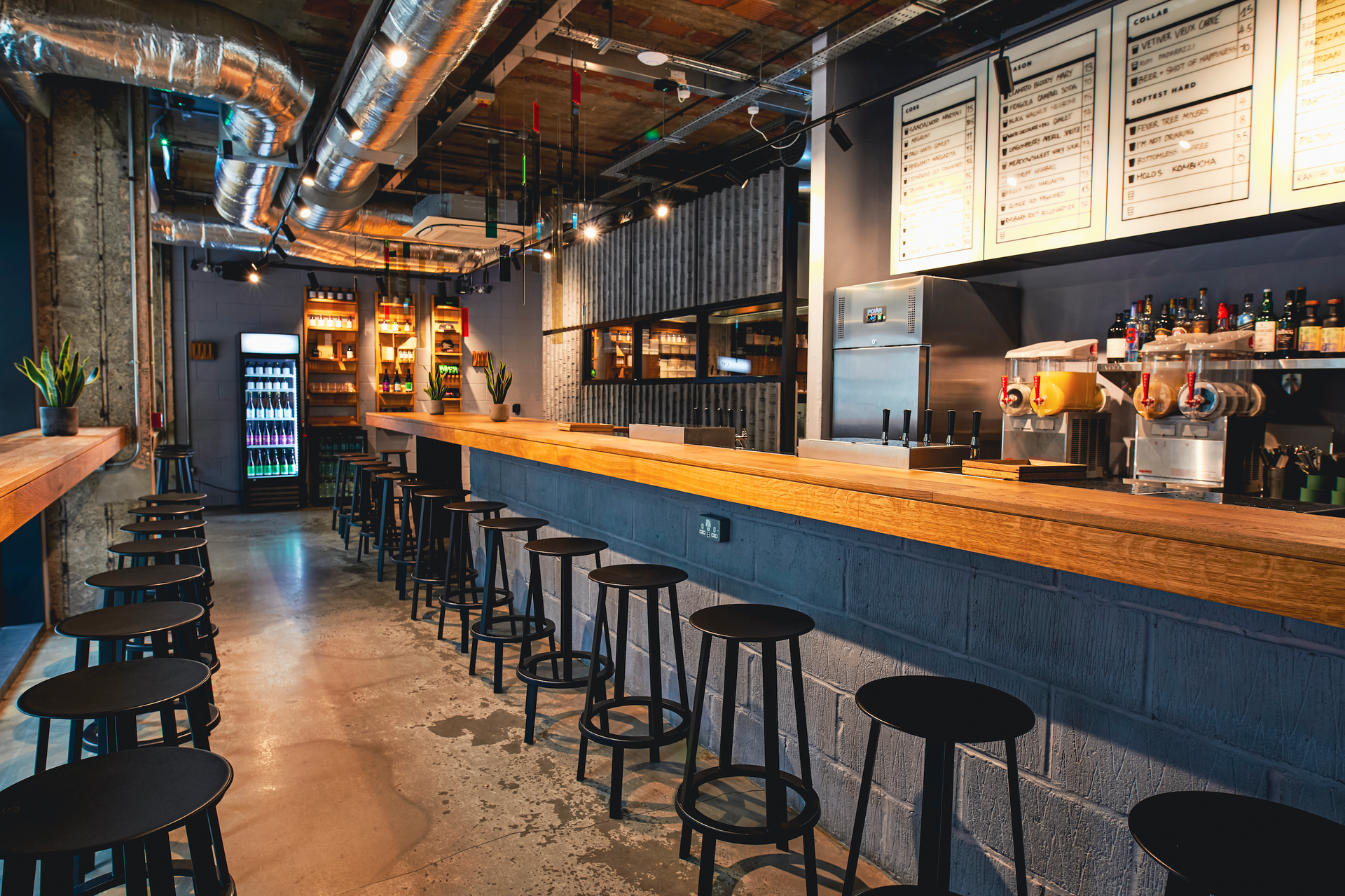
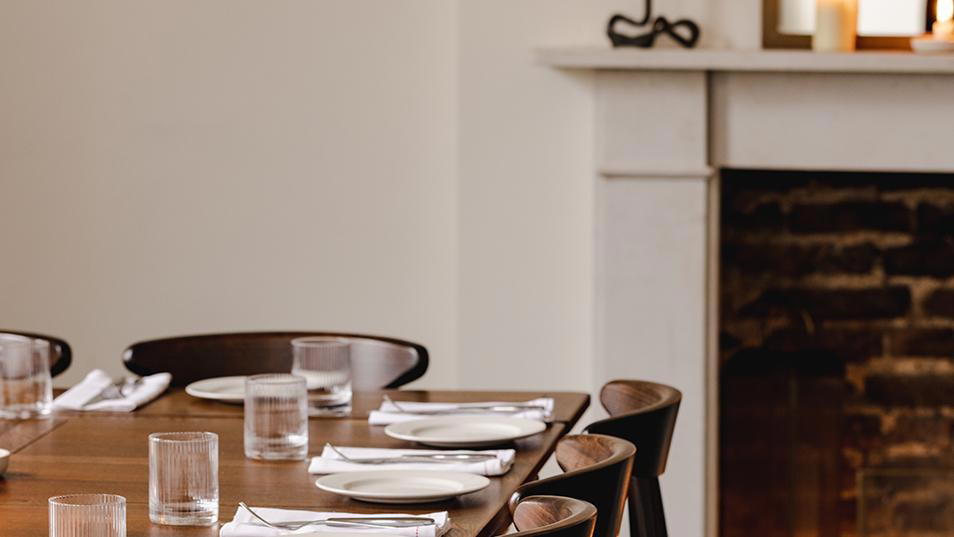
The décor reads as cool simplicity rather than either the maximalist pub-conversion style or the deliberately austere Nordic-influenced spaces that became common in inner London through the 2010s. Service is described as warm and outgoing, which in practice means the room functions more like a neighbourhood restaurant with regulars than like a formal dining room managing strangers. That combination — disciplined cooking, low-key room, human service, is exactly what makes the mid-tier European contemporary category work when it does. Places like Caractère, Caia, and Sune operate in adjacent registers within London's broader contemporary European scene, each anchoring in a specific neighbourhood with a similar blend of ambition and accessibility.
The Cultural Roots Behind the Menu's Logic
European contemporary cooking as a category carries specific cultural weight that is worth understanding. The post-national approach to European cuisine, drawing freely from French classical structure, Italian ingredient focus, Iberian technique, Nordic restraint, and Eastern Mediterranean spicing, emerged partly from how chefs trained across borders through the 1990s and 2000s. The result is a culinary grammar that is simultaneously cosmopolitan and deeply rooted in European culinary history.
The quail shish at The Baring is a useful illustration. Shish preparations have a long presence across the Eastern Mediterranean and into the Balkans, and their integration into contemporary European menus in London reflects both the city's demographic complexity and the willingness of kitchens here to treat the full European culinary inheritance as legitimate source material. That is a different project from fusion, which tends to treat cuisines as textures to be combined for novelty. The better European contemporary kitchens treat the tradition as a living set of techniques and flavour principles with coherent internal logic.
For readers interested in how this cooking mode performs at its most resourced, the comparison cases across the UK and further afield are instructive. Domestically, the country-house and destination-restaurant tier, represented by places like The Fat Duck in Bray, L'Enclume in Cartmel, Moor Hall in Aughton, Gidleigh Park in Chagford, Hand and Flowers in Marlow, and Le Manoir aux Quat' Saisons in Great Milton, operate with far larger budgets and at price points three to four times higher. The Baring's Michelin recognition at its price point signals that the cooking quality is not merely relative to neighbourhood expectation but calibrated against a broader standard.
Planning Your Visit
The Baring sits at 55 Baring Street, N1 3DS, in a residential pocket of Islington accessible on foot from Canonbury or Essex Road overground stations. The ££ pricing means a meal here sits well below the cost of London's formal tasting-menu tier, making it a practical first choice for a serious midweek dinner without the forward-planning pressure that the city's most in-demand rooms require. For broader London planning, the EP Club guides to London restaurants, London hotels, London bars, London wineries, and London experiences provide full category coverage across the city.
Frequently asked questions
What cuisine category does The Baring fall under?
Is The Baring Michelin-listed?
The Baring has received recognition including: It may look like just another renovated pub in a smart residential street, but the food here displays far more imagination and ability that usual gastropub fare. There are influences from across Europe, with dishes that are uncluttered yet ….
What's the best thing to order at The Baring?
Michelin's own write-up singles out the quail shish as a standout starter, noting it has already become a fixture favourite among regulars. Beyond that specific dish, the kitchen's signature is European cooking that reads uncluttered on the plate but carries more technical depth than the pub setting implies. The Michelin Plate recognition in both 2024 and 2025 suggests consistent execution across the menu rather than a single-dish show.
What's the price range at The Baring?
Pricing at The Baring is listed as ££.
Peers Worth Knowing
Comparable options at a glance, pulled from our tracked venues.
| Venue | Cuisine | Price | Awards | Notes |
|---|---|---|---|---|
| The BaringThis venue — the venue you are viewing | Modern Gastropub | $50–100 | Michelin Plate · The Good Food Guide GFG Good | Not listed |
| The Ledbury | Modern British Fine Dining | $300–500 | 3 Michelin Stars · World's 50 Best #42 | Modern European, Modern Cuisine |
| Sketch, The Lecture Room and Library | Modern French Fine Dining | $200–300 | 3 Michelin Stars · World's 50 Best #18 | Modern French |
| CORE by Clare Smyth | Modern British Fine Dining | $150–200 | 3 Michelin Stars · World's 50 Best #97 | Modern British |
| Restaurant Gordon Ramsay | French Fine Dining | $200–300 | 3 Michelin Stars · World's 50 Best #13 | Contemporary European, French |
| Dinner by Heston Blumenthal | Historic British Fine Dining | $200–300 | 2 Michelin Stars · World's 50 Best #45 | Modern British, Traditional British |
Recognition history
Dated appearances from independent guides and award organizations, with the underlying list record or original source where available.
Michelin Plate
Michelin
Top 50 Gastropubs 2026 Estrella Damm Top 100 Gastropubs #17
Top 50 Gastropubs
The Good Food Guide GFG Good
The Good Food Guide
Full recognition history (5 entries)
Michelin Plate
Michelin
Michelin Plate
Michelin