Thaï.J
Thaï.J sits on Dadun Road in Taichung's Nantun District, bringing Thai cuisine into a dining scene better known for Taiwanese and international tasting menus.
Pearl is the En Primeur Club membership app — saves, bookings, and concierge access live there. Same editors, same standards.
- Address
- 大墩路533號1樓, Nantun District, 408
- Directions
- Get directions
 Saves & bookings on Pearl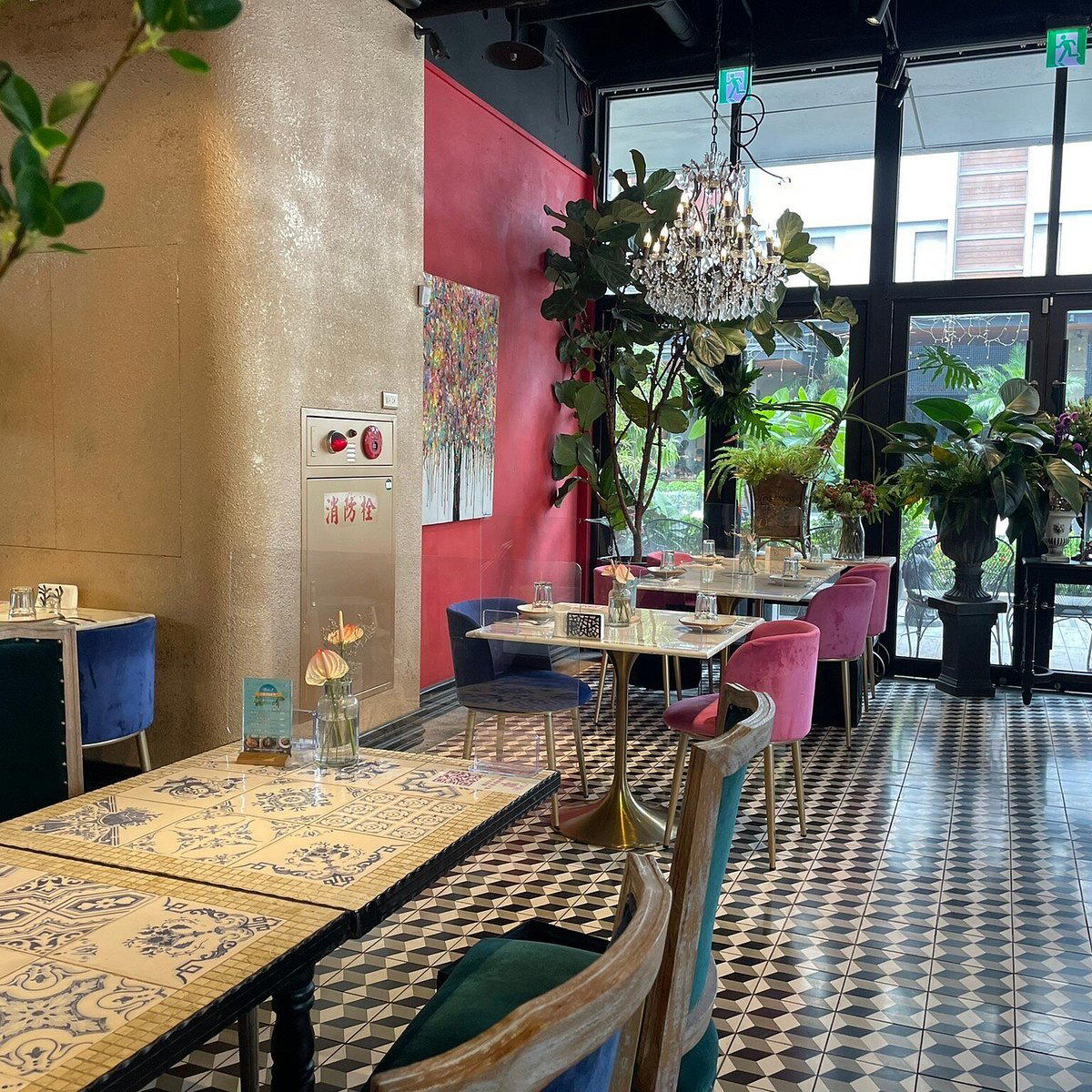
Thai Cooking in Central Taiwan's Most Competitive Dining District
Nantun District occupies a particular position in Taichung's restaurant geography. It is the part of the city where international fine dining and neighbourhood specialists share the same streets, where a Michelin-starred modern Singaporean counter like JL Studio in Taichung can exist a short distance from longstanding local rice and noodle shops. Into this mix, Thai restaurants occupy a distinct niche: they trade on sourcing integrity and aromatic precision in a way that sets them apart from both the tasting-menu circuit and the casual Taiwanese staple houses. Thaï.J is a Thai Garden Restaurant in Nantun District, Taichung, with a price tier of about USD 25 per person.
The address places it along one of Nantun's principal commercial arteries, a road that runs through the district's middle and connects residential clusters to retail and dining corridors. Ground-floor addresses on Dadun Road tend to attract a mix of local regulars and deliberate visitors rather than passing tourist traffic, which shapes the kind of restaurant that succeeds there. The format rewards repeat visits and word-of-mouth more than walk-in volume.
Why Ingredient Sourcing Defines Thai Cuisine's Credibility Abroad
Thai cooking, when practised at a serious level outside Thailand, lives or dies on the provenance of a short list of ingredients. Galangal, lemongrass, kaffir lime leaf, Thai basil, bird's eye chillies, and fish sauce are not interchangeable with their closest regional substitutes. The aromatic profile of a good tom kha or a proper green curry paste depends on the freshness and variety of each component in a way that, say, a slow-braised Taiwanese pork dish does not. This is why sourcing becomes the defining editorial question when assessing Thai restaurants in Taiwan.
Taiwan's import infrastructure for Southeast Asian produce has improved considerably over the past decade, driven partly by the country's growing Southeast Asian diaspora and partly by demand from restaurants that take the cuisine seriously. Markets in Taichung, including those serving the city's sizeable Thai and Southeast Asian communities, provide access to fresh aromatics that would have been difficult to source reliably in central Taiwan fifteen years ago. A Thai restaurant in Nantun today operates in a more favourable sourcing environment than its predecessors did, and the quality gap between Bangkok and Taichung kitchens has narrowed accordingly. For context on how ingredient-led approaches play out across Taiwan's wider dining scene, logy in Taipei represents one end of that commitment at the fine-dining tier, where sourcing specificity is a central editorial proposition.
The Broader Thai Dining Pattern in Taichung
Thai restaurants in Taiwanese cities tend to cluster in two tiers. The first is high-volume casual, built around accessible price points and approximated flavours for a local palate less attuned to the full heat and pungency of the original. The second is a smaller, more serious group that targets ingredient fidelity and is willing to sacrifice some commercial volume to maintain it. This second tier has grown in Taichung as the city's dining culture has matured, partly encouraged by the attention that restaurants like JL Studio have brought to the city's international food credentials.
The same pattern of bifurcation appears in other Taiwanese cities. In Kaohsiung, GEN and in Tainan, A Xia demonstrate how cities outside Taipei have developed serious dining cultures with their own internal hierarchies. Nantun, as one of Taichung's more established commercial districts, fits into that pattern.
How Nantun Compares to Taiwan's Other Dining Corridors
Taichung's dining identity is often framed against Taipei's, but the more instructive comparison is internal. Nantun differs from the West District's design-conscious café clusters and from Xitun's chain-heavy commercial strips. It has a settled, residential quality that gives its better restaurants a local anchor, the kind of repeat custom that sustains kitchens through the slow periods that tourist-dependent restaurants cannot survive. This neighbourhood dynamic is visible across Taiwan's mid-sized cities. For reference points further afield, GARDENh in Yonghe District and Volcanic rock in Zhubei City illustrate how neighbourhood-rooted restaurants outside the major urban cores develop their own loyal ecosystems. So do more rural Taiwan operators like Chenggong Douhua in Chenggong and Ah Zhen Rou Bao in Lukang.
Internationally, the tension between a cuisine's home-country sourcing standards and what a diaspora or transplant kitchen can achieve is not distinctive to Thai food in Taiwan. It runs through every transplanted tradition. Le Bernardin in New York City resolved it through obsessive supply-chain control; Atomix in New York City resolved it by reframing Korean ingredients through a contemporary tasting-menu lens. The Thai restaurant in a Taiwanese neighbourhood has a narrower set of tools but the same fundamental challenge.
Planning a Visit to Thaï.J
Thaï.J is at 大墩路533號1樓, Nantun District, Taichung 408. The ground-floor location on Dadun Road is accessible by taxi or ride-share from central Taichung, and the address is direct to locate via standard mapping applications. Other Taiwan dining destinations worth cross-referencing include Golden Formosa Taiwanese Cuisine in Shilin, Good Good Hainan Chicken Rice in Xinyi, and Hómee (好饗廚房) in Dayuan for the range of what Taiwan's neighbourhood-scale cooking looks like across the island.
Side-by-Side Snapshot
Comparable venues nearby, for context on price, style, and recognition.
| Venue | Cuisine | Price | Awards | Notes |
|---|---|---|---|---|
| Thaï.JThis venue — the venue you are viewing | Thai Garden Restaurant | $$$ | Not listed | Not listed |
| Thai & Thai | Authentic Fine Dining Thai | $$$ | Michelin Plate | Songji |
| Akame | Modern Indigenous Rukai Grill | $$$ | Not listed | Guchabo'an, Wutai Township |
| Alchemy | Cocktail Bar | $$$ | Not listed | Xicun |
| Mu: Taipei | Innovative Taiwanese Fine Dining | $$$ | Not listed | Sinsing District |
| Moon Mucang | High-End Hot Pot | $$$ | Not listed | Chaoyang |
Continue exploring
More in Nantun District
Restaurants in Nantun District
Browse all →
Bars in Nantun District
Browse all →


At a Glance
- Cozy
- Scenic
- Casual Hangout
- Date Night
- Garden
- Garden
Green and colorful tropical garden atmosphere with comfortable outdoor dining.