Our verdict
Mu: Taipei occupies a lane-set address in Da-an District, where Taipei's more considered dining choices tend to cluster away from the main boulevard traffic. The venue sits in a segment of the city's restaurant scene defined less by spectacle and more by format discipline, placing it alongside the wave of smaller, focused operations that have reshaped how the capital approaches a serious meal.

Pearl is the En Primeur Club membership app, where members save venues, book tables and use the concierge.
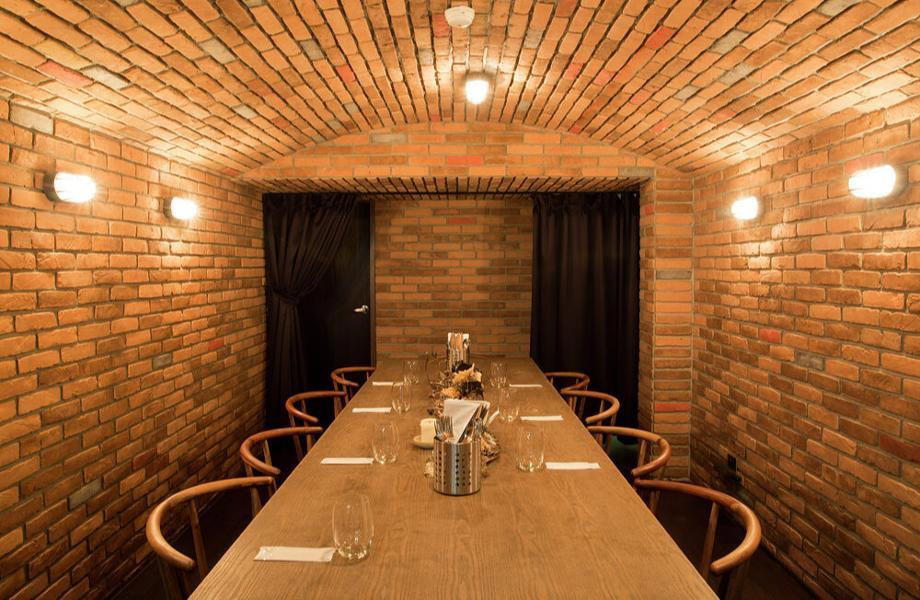
The menu
What to order
- Chargrilled smoked beef short ribs
Da-an's Quieter Dining Register
Taipei's Da-an District has developed a recognisable two-speed dining character over the past decade. The main arteries, Dunhua South Road among them, carry the flagship addresses and hotel dining rooms, while the lanes threading off them have become home to a different category of restaurant: smaller in footprint, less dependent on walk-in traffic, and more likely to build a following through word of mouth and booking depth rather than street-level visibility. Mu: Taipei, addressed at Lane 190 off Dunhua South Road Section 1, sits squarely in that second register. The lane address is not incidental. In Taipei's dining shorthand, it signals intent.
This pattern mirrors shifts happening across the city's premium tier. Where Taipei restaurants of an earlier era competed on grandeur and scale, the more recent wave has moved toward restraint in format, with the ambition expressed through the plate rather than the room. Mu fits that trajectory, and understanding where it stands requires mapping it against the broader evolution rather than treating it in isolation.
How Taipei's Mid-to-Premium Tier Has Shifted
The transformation of Taipei's restaurant scene across the 2010s and into the present decade has followed a recognisable arc. International fine dining formats arrived first, anchored by names like L'Atelier de Joël Robuchon and the long-running Cantonese authority of Le Palais, which holds Michelin stars and operates at the formal end of the spectrum. Alongside those established pillars, a second generation of Taipei restaurants began articulating something more locally inflected. Taïrroir built its reputation on Taiwanese ingredients read through a French structural lens. Logy brought a Modern European and Asian Contemporary approach that positioned it firmly in the city's upper tier. Molino de Urdániz extended a Spanish contemporary voice into the market.
What these addresses share is a willingness to commit to a specific format and hold it, adjusting over time rather than pivoting toward whatever the broader market demands in a given season. Mu: Taipei operates in that same current. The question its lane address and positioning raise is what kind of evolution it represents within a city that has seen its fine dining conversation shift considerably in a short period.
The Evolution Frame: Reinvention in a Changing City
Reading a venue through the lens of evolution requires acknowledging what the city around it has changed into. Taipei's restaurant scene in 2024 is materially different from what it was even five years ago. The Michelin Guide's arrival in Taiwan sharpened the competitive vocabulary. Restaurants across the price spectrum began to think more deliberately about format, consistency, and the signals their physical environment sends before a dish arrives. In this context, a Da-an lane address like Mu's carries a specific set of associations: it implies a certain kind of seriousness, a deliberate step back from the boulevard, and a bet that the experience itself will do the persuasion.
This is a posture that has become more common, not less, as Taipei's dining has matured. The city's most discussed openings and reinventions over recent years have tended toward smaller, more committed formats rather than expansive ones. That observation holds across Taiwan more broadly: JL Studio in Taichung built its reputation on a specific creative stance, and GEN in Kaohsiung represents a similar pattern of focused intent outside the capital. Even at the more accessible end, places like A Xia in Tainan demonstrate that Taiwan's dining culture rewards venues with a clear point of view.
Mu: Taipei's place in this pattern is that of a venue whose address and format suggest alignment with the post-spectacle phase of Taipei dining, where the room recedes and the experience at the table is expected to carry the weight.
Locating Mu in the Da-an Dining Cluster
Da-an District functions as Taipei's most concentrated zone for the kind of restaurant that doesn't need to shout. The MRT Zhongxiao Dunhua and Da-an Park stations bookend a corridor where mid-to-premium dining options cluster at a density few other Taipei districts match. Reaching Lane 190 off Dunhua South Road Section 1 is direct by MRT, with Zhongxiao Dunhua Station placing visitors within comfortable walking distance. For those arriving by taxi or rideshare, the lane address is specific enough to navigate without difficulty, though as with many Taipei lane restaurants, the entrance may be less immediately apparent than a main-road frontage.
The same applies to any dietary requirements: lane restaurants of this format typically prefer to manage these conversations ahead of arrival rather than at the table.
How It Compares in the Taipei Premium Set
Positioning Mu against its Da-an peers requires acknowledging the range that exists within the district's premium tier. At the upper end of pricing and format formality, addresses like Taïrroir and Logy set the benchmark for what Taipei's internationally recognised fine dining looks like. At the accessible end of the premium register, the neighbourhood also supports places with a more casual posture. Mu's lane address places it in the middle of that spectrum in terms of visibility, though format specifics from the venue itself would be needed to locate it precisely on the price axis.
What can be said from the address and category alone is that this is a venue operating in the same general competitive set as the wave of focused, lower-profile Taipei restaurants that have grown their reputation through consistency rather than through awards-cycle positioning. For comparison, the equivalent dynamic plays out in cities like New York, where Atomix built a following through format discipline, and where even a name as established as Le Bernardin continues to hold relevance through consistency over decades rather than reinvention for its own sake.
For a fuller picture of where Mu: Taipei sits within the capital's dining options, our full Taipei restaurants guide maps the city's scene from neighbourhood-level specifics to category comparisons across price tiers. Related venues across Taiwan, including GARDENh in Yonghe District and Volcanic Rock in Zhubei City, offer additional reference points for how the island's dining has diversified beyond the capital.
Frequently asked questions
Where do I go for Mu: Taipei?
Mu: Taipei is located at 54 Dunhua South Road Section 1 Lane 190, Da-an District, 10691, Taipei.
Where exactly is Mu: Taipei located and how do you find it?
Mu: Taipei is at 54 Dunhua South Road Section 1, Lane 190, Da-an District, a lane address that won't appear prominently on street-level signage along the main road. In Da-an, lane numbers branch off the primary arterial; reaching Lane 190 means turning off Dunhua South Road and following the smaller residential street inward. The MRT Zhongxiao Dunhua station places you within walking distance of the Dunhua South Road corridor.
What do people recommend at Mu: Taipei?
Confirmed dish-level data for Mu: Taipei is not available at publication. The Da-an lane address and positioning in Taipei's post-spectacle dining tier suggest a tightly edited menu rather than a broad à la carte spread, the kind of kitchen where the format itself shapes what gets ordered rather than individual standout dishes driving the visit.
What's the best way to book Mu: Taipei?
No phone number or website is listed in confirmed venue data for Mu: Taipei. Lane restaurants of this type in Da-an District commonly operate on reservation-only terms, often through walk-in inquiry or third-party Taiwanese booking platforms such as inline.app. Arriving without a reservation on a weekend evening carries real risk.
What's Mu: Taipei best at?
Based on its lane address at 190 Lane, Dunhua South Road Section 1 in Da-an District, Mu: Taipei sits within a cohort of Taipei restaurants that prioritise format discipline over ambient spectacle. That address type in Da-an correlates strongly with focused, single-direction menus and a low public profile maintained deliberately rather than by default.
How does Mu: Taipei handle allergies?
In Da-an's lane restaurant category, where kitchen scope is typically tight, dietary requests are best communicated at booking rather than on arrival, though confirmed policy should be verified directly with the venue before your visit.
Is Mu: Taipei good value for money?
Price range data is not confirmed for Mu: Taipei. Contextually, Da-an lane restaurants in Taipei's premium segment tend to price below the fully formal fine-dining tier, typically positioning between NT$800 and NT$2,500 per person depending on format, while delivering a more considered experience than the district's casual end. Confirmed pricing should be verified directly.
Accolades, Compared
Comparable options at a glance, pulled from our tracked venues.
| Venue | Cuisine | Price | Awards | Notes |
|---|---|---|---|---|
| Mu: TaipeiThis venue (the venue you are viewing) | Innovative Taiwanese Fine Dining | Not listed | Not listed | Not listed |
| logy | Modern Japanese-Taiwanese Fusion Omakase | $100–150 | 2 Michelin Stars · World's 50 Best #22 | Modern European, Asian Contemporary |
| Le Palais | Fine Dining Cantonese | $150–200 | 3 Michelin Stars · La Liste Top Restaurants | Cantonese |
| Taïrroir | Taiwanese-French Fusion Fine Dining | $150–200 | 3 Michelin Stars · La Liste Top Restaurants | Taiwanese/French, Taiwanese contemporary |
| Mudan Tempura | Michelin-Starred Tempura | Not listed | 2 Michelin Stars · La Liste Top Restaurants | Tempura |
| Golden Formosa | Traditional Taiwanese | $20–30 | 1 Michelin Star | Taiwanese |
Continue exploring
More in Taipei
Restaurants in Taipei
All restaurants in Taipei →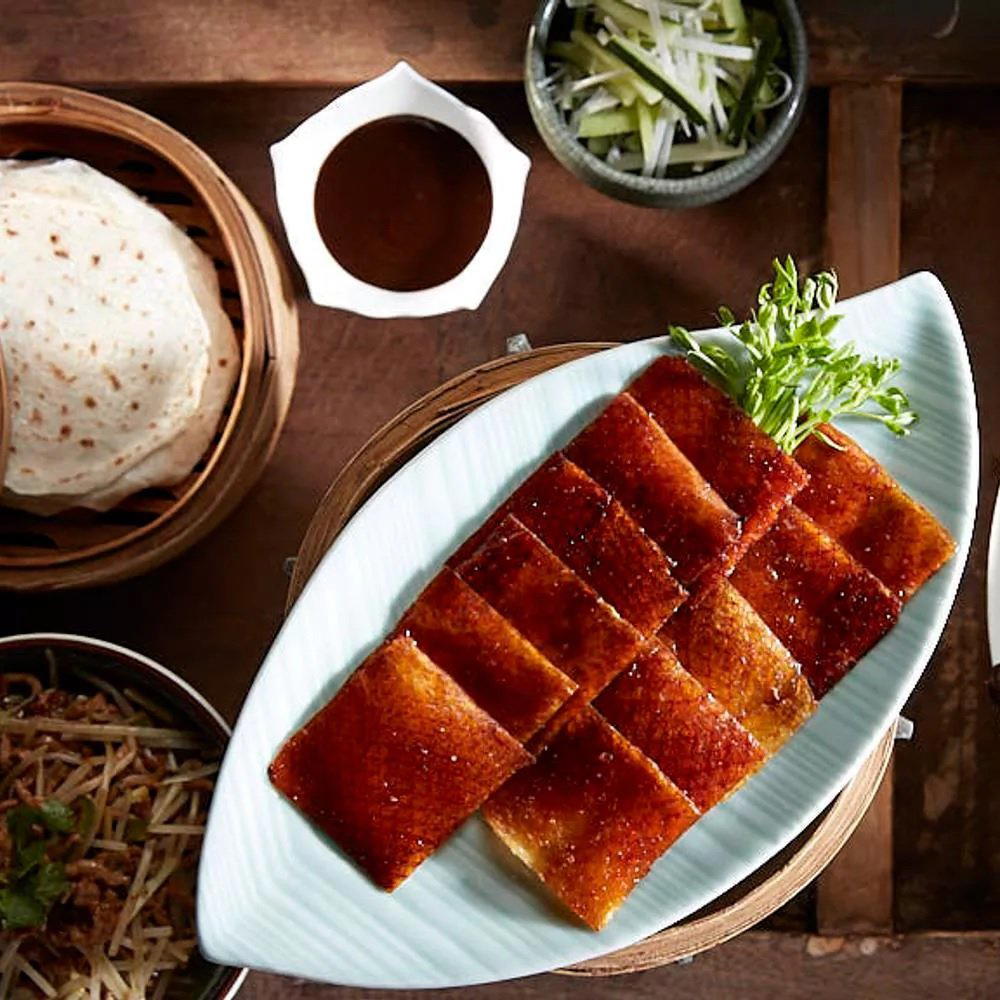
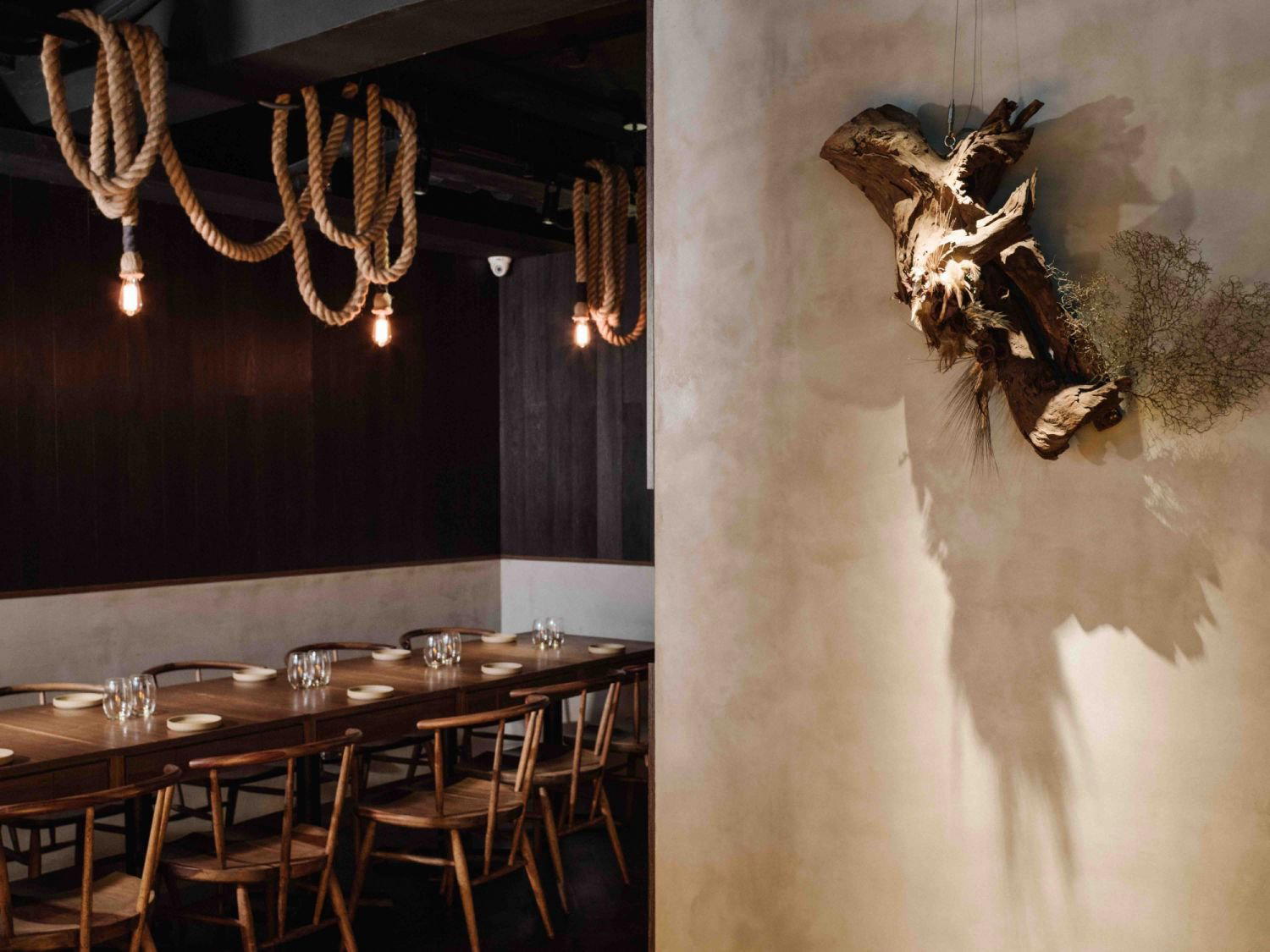
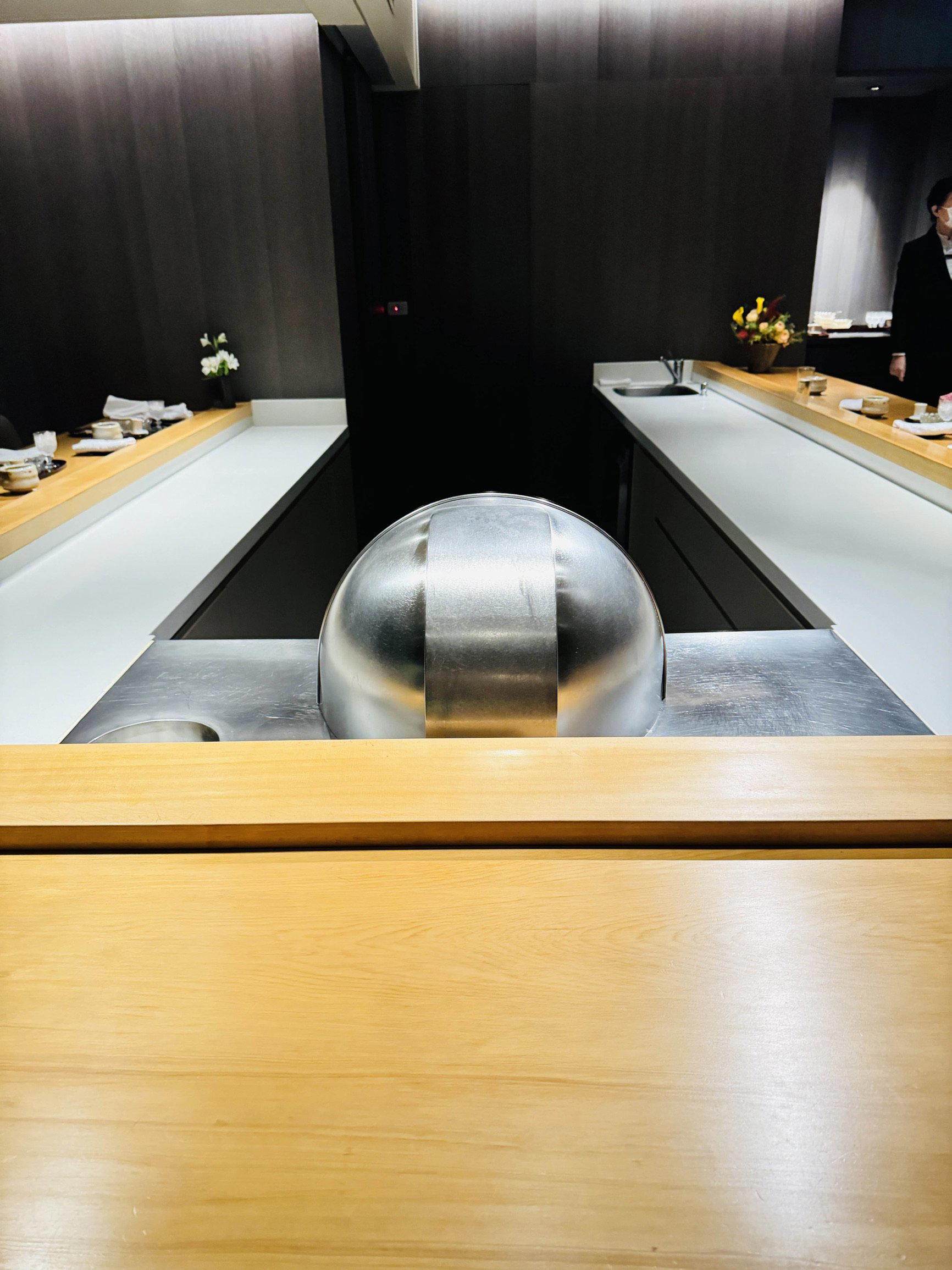
Bars in Taipei
All bars in Taipei →
Hotels in Taipei
All hotels in Taipei →
Wineries in Taipei
Browse all →
Details
- Intimate
- Elegant
- Modern
- Special Occasion
- Local Sourcing
- Tasting Menu
Snug, homely with a muted, monochromatic room that feels timeless.