
Tabelog 100 #43
Our verdict
A reservation-only soba house in Kanazawa’s Nagata area, Teuchi Soba Koyori places handmade buckwheat noodles inside the slower grammar of a kominka setting. Its Tabelog 100 Soba WEST 2025 selection, 24-seat format, local buckwheat focus and sake pairing culture make it a serious stop for travelers reading Kanazawa through craft rather than spectacle.

Pearl is the En Primeur Club membership app, where members save venues, book tables and use the concierge.
The menu
What to order
- Teuchi soba (handmade buckwheat noodles)
- Tempura with soba
Approaching a soba house in Kanazawa asks for a different tempo than the city’s busier premium dining rooms. The signal is quieter: a pause before noodles are served, a concise service rhythm, and the expectation that buckwheat is not a supporting carbohydrate but the center of the meal. Teuchi Soba Koyori belongs to that slower register, with a focused style that reinforces the cuisine’s central idea: restraint can carry authority when the ingredients and technique are disciplined.
Kanazawa’s dining identity is often reduced to seafood, seasonal produce and polished hospitality. Soba cuts across that image. It is less ceremonial than elaborate Japanese dining, less transactional than quick meals, and more revealing of a cook’s hand than many travelers expect. In Kanazawa, where visitors often build itineraries around food, culture and lodging, a focused soba meal gives a cleaner reading of appetite: grain, broth, supporting dishes and quiet repetition.
Handmade soba as Kanazawa's quieter counterpoint to sushi
Soba culture rewards small differences. The handling of the buckwheat, the cut of the noodle and the temperature at service all matter, but the format rarely announces itself with luxury signals. Koyori’s selection for Tabelog 100 Soba WEST 2025 places it in a specialist category rather than the broad premium-dining race. That matters in Kanazawa, where a traveler can spend far more at Sushi-ya Kozakura or other high-ticket counters and leave with a different, more familiar story about the city.
The cuisine here is soba and Japanese cuisine, keeping the emphasis on buckwheat noodles and supporting Japanese dishes. The appeal is not a loud tasting-menu performance but a restaurant working inside established soba grammar. That makes the meal feel precise without needing excess explanation, and it gives travelers a way to understand Kanazawa through technique rather than spectacle.
That distinction is useful for planning a Kanazawa table sequence. A day might put casual eating around the city, beef at Aburi Niku Garan, sweets at other Kanazawa dining rooms, and soba here as the meal that resets the palate. For a broader city map, Our full Kanazawa restaurants guide is the better frame than treating any single address as the whole argument.
The focused format keeps the meal close to soba tradition
The quiet style is not incidental decoration. Soba has long sat between domestic cooking, temple-adjacent foodways and urban specialist shops; serving it in a setting that keeps attention on the bowl supports that history. Koyori’s format remains compact in feeling without turning into a highly formal ritual, and the mood is gentler than the severity found in some premium Japanese dining rooms.
Kanazawa has enough polished hospitality to make informality feel intentional. The city’s hotel scene, covered separately in Our full Kanazawa hotels guide, often sells heritage through architecture and service. In a soba house, heritage is more tactile in the food itself: buckwheat, broth, and a bowl arriving without theatrical narration. Travelers interested in craft beyond restaurants can pair that with Our full Kanazawa experiences guide, while drinking routes sit better in Our full Kanazawa bars guide and regional beverage context in Our full Kanazawa wineries guide.
The restrained atmosphere fits the soba genre more than it reads as etiquette fussiness. Buckwheat and dashi are not built to compete with distraction. In this category, restraint is not a mood board; it is part of how the food is perceived. That is also why a focused ordering structure suits the house. Rather than forcing a long progression, it lets diners treat soba as the point and add around it with Japanese dishes that support the bowl.
Where Koyori sits in a broader Japanese craft itinerary
For travelers building a Japan route around food rather than only landmarks, soba offers a useful contrast to higher-spend genres. In Kanazawa, Sushi-ya Kozakura plays in a far more expensive sushi bracket, while Aburi Niku Garan sits in a mid-range grilled-meat lane. Koyori’s price band is modest by comparison, listed at JPY 2,000 - JPY 2,999, but its recognition puts it in a craft-led tier where judgment comes from execution, not luxury ingredients alone. That is the central reason to include it: the meal measures Kanazawa’s discipline at a quieter volume.
The comparison also helps avoid a common mistake. Not every strong meal in Japan needs to chase scarcity or ceremony. Some of the country’s clearest food memories come from formats with narrow scope: soba, rice dishes, curry, sweets, grilled food and coffee. A traveler moving between regions can read this same principle through other focused dining rooms, each showing how single-category attention can carry a meal.
Kanazawa’s own range is broad enough to support that approach. Everyday restaurants, specialist counters and premium rooms each occupy different registers, while dining outside Ishikawa shows how Japanese forms travel, adapt and narrow their focus. Koyori’s value is that it does not need to be explained through luxury shorthand. It speaks from inside the tradition, in the city’s own rhythm.
The editorial call is simple: use Teuchi Soba Koyori when the itinerary needs a precise, craft-led lunch rather than another prestige reservation. Its Tabelog 100 Soba WEST 2025 selection supplies the external signal; the stronger argument is cultural. Soba is one of Japan’s great exercises in reduction, and Kanazawa’s version of luxury is often strongest when it knows when to stay quiet.
Frequently asked questions
What are the opening hours for Teuchi Soba Koyori?
Check current opening hours directly with Teuchi Soba Koyori before visiting.
What's the pricing like at Teuchi Soba Koyori?
Pricing at Teuchi Soba Koyori is listed as JPY 2,000 - JPY 2,999.
Where is Teuchi Soba Koyori located?
Kanazawa.
What's the standout thing about Teuchi Soba Koyori?
The draw is the combination of soba, Japanese cuisine and a restrained setting in Kanazawa. It also carries Tabelog 100 Soba WEST 2025 recognition, with the listed price band at JPY 2,000 - JPY 2,999.
Cost Snapshot
Nearby venues at a similar price tier for orientation.
| Venue | Cuisine | Price | Awards | Notes |
|---|---|---|---|---|
| Teuchi Soba KoyoriThis venue (the venue you are viewing) | Handmade Soba Noodle Shop | $30–50 | Tabelog 100 #43 | Not listed |
| 料理 小松 | Traditional Omakase Sushi | $200–300 | Tabelog Bronze #199 | Kanazawa, Traditional Kaiseki |
| Omicho Ichibazushi (近江町市場寿し) | Market Conveyor Belt Sushi | $20–30 | Not listed | Omicho Market, Market Conveyor Belt Sushi |
| Amanatto Kawamura | Traditional Japanese Sweets and Amanatto | $10–20 | Tabelog 100 #28 | Kanazawa, Traditional Japanese Sweets and Amanatto |
| Shizenha Ramen Kagura | Natural additive‑free ramen | $10–20 | Tabelog 100 #54 | Kanazawa, Natural additive‑free ramen |
| 田万里 | Japanese Obanzai Kappo | $30–50 | Not listed | 片町, Traditional Japanese Obanzai |
Recognition history
Dated appearances from independent guides and award organizations, with the underlying list record or original source where available.
Tabelog 100 #43 · No. 43
Tabelog · Tabelog 100 - Soba - WEST - 2025
Continue exploring
More in Kanazawa
Restaurants in Kanazawa
All restaurants in Kanazawa →
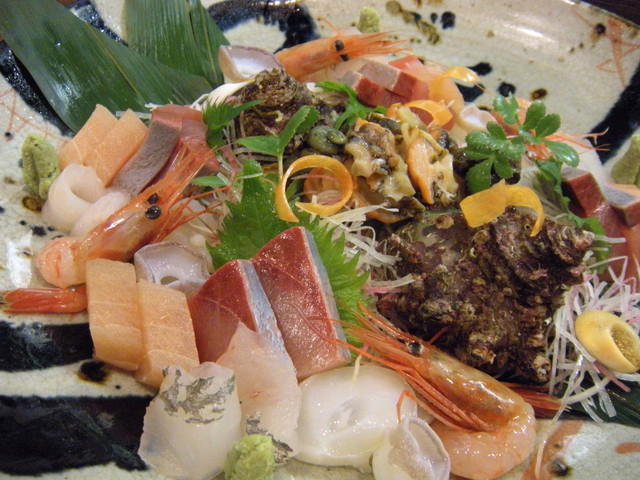
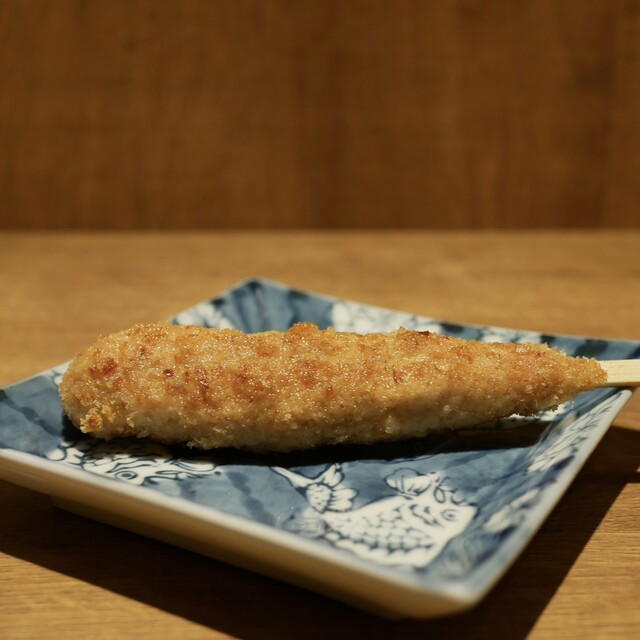
Hotels in Kanazawa
All hotels in Kanazawa →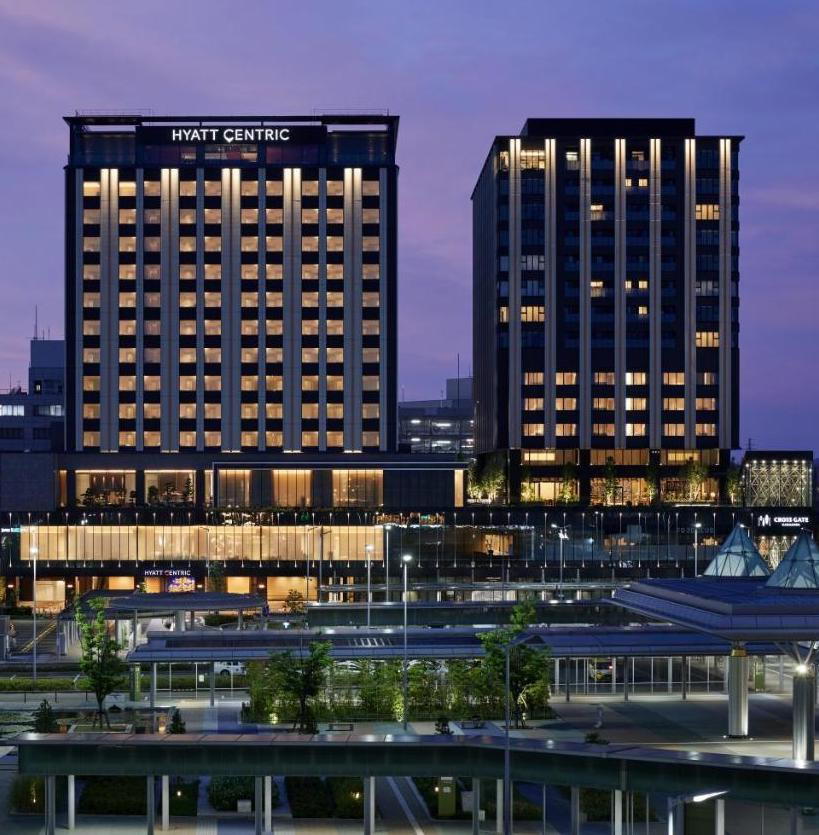
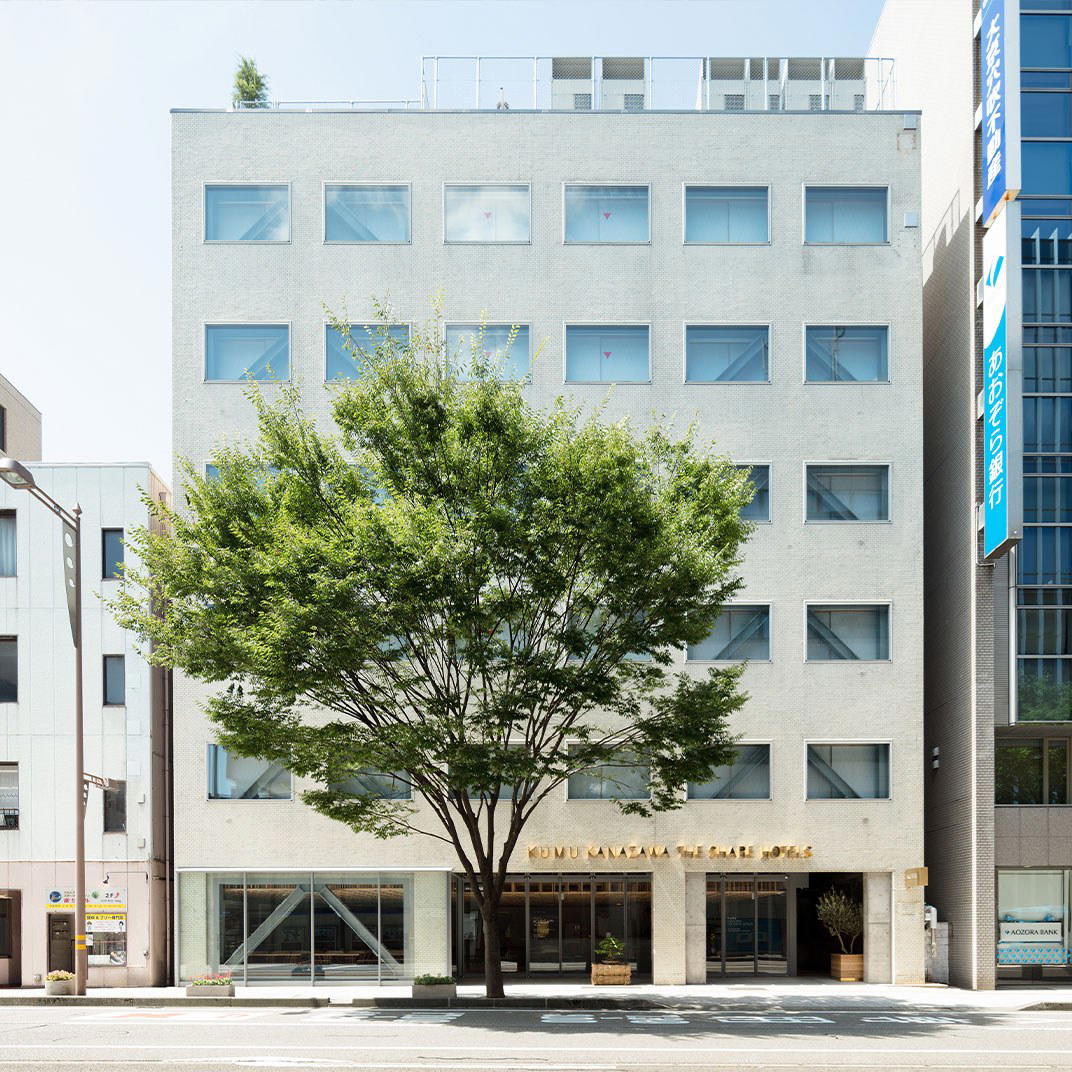
Wineries in Kanazawa
Browse all →
Details
- Cozy
- Classic
- Quiet
- Solo
- Casual Hangout
- Date Night
- Standalone
- Historic Building
- A La Carte
- Counter Dining
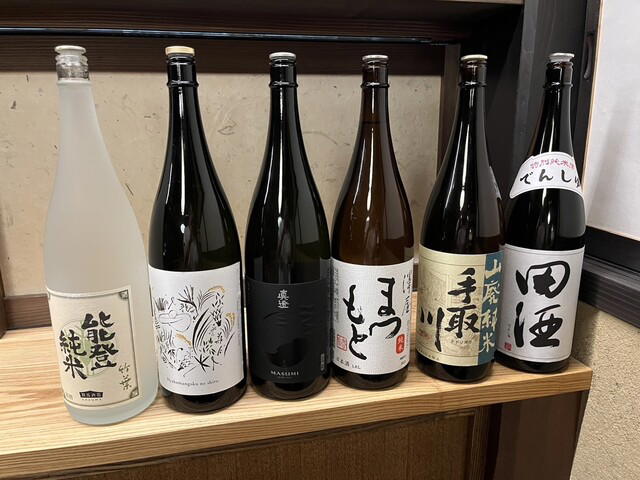
- Sake Program
Current opening hours
- Monday
- Closed
- Tuesday
- 11 AM–2 PM
- Wednesday
- 11 AM–2 PM
- Thursday
- 11 AM–2 PM
- Friday
- 11 AM–2 PM
- Saturday
- 11 AM–2 PM
- Sunday
- Closed
Hours can change for holidays and private events. Hours as of .
Reviews and guides describe a serene, traditional soba shop atmosphere with a calm, almost ceremonial feel; the space is small and understated, with a classic interior that emphasizes the soba rather than design flourishes, creating a quiet, relaxed environment ideal for focused dining.