
Tabelog 100 #72
Our verdict
Tokyo ramen culture is no longer confined to central wards, and this Chofu counter makes the point with unusual clarity. Teuchi Mensai Kamei sits in Kikunodai near Shibasaki Station, has 8 counter seats, and carries Tabelog Ramen TOKYO “Tabelog 100” selections from 2022 through 2025, placing a small suburban room inside the city’s serious noodle conversation.

Pearl is the En Primeur Club membership app, where members save venues, book tables and use the concierge.
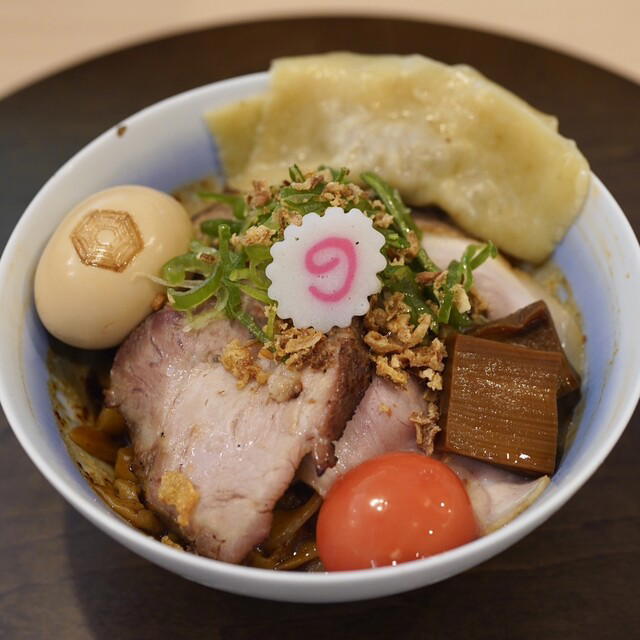
The menu
What to order
- Shoyu ramen with handmade noodles
- Chuka shoyu
- Abura soba
Approaching a Tokyo ramen venue changes the meal’s tempo before the bowl arrives. Some Tokyo ramen stops bring queues, camera-ready bowls, and commuter-hour compression; elsewhere in the city, the format can feel more local and more exacting. Teuchi Mensai Kamei fits into that broader category: a Tokyo ramen venue where the pace, ordering rhythm, and bowl matter together.
Tokyo ramen has split into tiers: station-adjacent shops built for speed, attention-getting specialists, and local rooms whose scale often forces discipline. The distinction is control, not luxury: kitchen timing, soup and noodle handling, ordering flow, and a team moving diners through a focused service window without making the meal mechanical. Kamei’s 2025 recognition in Tabelog’s ramen listings places it in that specialist conversation, because the category rewards consistency in a field crowded with obsessive operators.
A Tokyo ramen venue built around focus and tight pacing
The defining idea is precision, set inside a format where operational choices are part of the experience. Ramen at this level is a collaboration between kitchen timing and service discipline, not a solo performance. The ordering structure, compact rhythm, and queue management all serve one goal: keeping the line, kitchen, and diners synchronized. In a ramen city where delays can damage the eating experience, that choreography is part of the craft.
The price band matters. At JPY 1,000 to JPY 1,999 for lunch and dinner, this is not the rarefied omakase economy that shapes much Tokyo dining coverage. It sits in the everyday-premium ramen bracket, where a bowl must justify attention through technique rather than ceremony. That makes the Tabelog recognition more useful than a generic popularity claim. A 3.81 Tabelog score and a place in the 2025 ramen selection signal peer attention in a category where small differences in noodle texture, soup balance, and serving rhythm define reputation.
Tokyo is not a one-note ramen corridor. Shibasaki Tei Tsutsujigaoka honten operates in a similar low-price ramen band, while Don Bravo brings another style of dining into the same broader Tokyo conversation; Tezukuri Gyoza no Mise Yoshiharu and Tio Danjo add further local contrast. That mix explains why Tokyo rewards specificity. Diners are choosing between purpose-built formats, each with a narrow promise. For broader planning, Our full Tokyo restaurants guide gives the wider map, while nearby category browsing can extend into Our full Tokyo bars guide, Our full Tokyo hotels guide, Our full Tokyo experiences guide, and Our full Tokyo wineries guide.
Why small-format ramen rewards coordination over spectacle
Compact ramen venues change the economics of attention. In a large restaurant, atmosphere can absorb uneven timing; in a focused ramen setting, hesitation is visible. The team dynamic is practical rather than theatrical. The kitchen must match cooking to the pace of service, the room must manage sequence, and the overall flow must avoid behavior that breaks the system. Hospitality is expressed through order, not extended conversation.
Tokyo ramen differs from many premium dining genres. A sushi counter may slow time down; a ramen meal usually compresses it. The craft happens before and during a short meal, and the diner’s role is to read the room, order cleanly, and eat while the bowl is at its intended temperature and texture. Kamei belongs in that Tokyo ramen context. The room does not need elaborate storytelling. It needs a team able to repeat precise service many times a day with little margin for drift.
That discipline explains why an accessible price point can coexist with a serious ramen stop. The experience depends on timing and party behavior more than amenities. This is functional rather than decorative Tokyo: clear rules, short service windows, and a price point that keeps the meal accessible even when recognition raises demand.
Tokyo visitors often over-index on obvious dining routes and miss how much dining intelligence lives across the city. A ramen stop at Teuchi Mensai Kamei pairs poorly with a rushed cross-town crawl, but well with a deliberate Tokyo day. For contrast inside the city, compare the category focus here with other unnamed casual dining rooms, ramen venues, and quick-service specialists. For lighter Tokyo detours, the city’s cafes and casual formats show how varied its everyday dining culture has become.
How to place it in a Japan itinerary
Kamei is strongest for diners who care about ramen as a craft category rather than a quick filler between larger reservations. Its 2025 Tabelog recognition suggests it has earned attention within a competitive category. That is the useful editorial signal: not hype, but recognition in a field where repeatable execution matters.
The smarter use is not to build an entire day around one bowl. Pair it with broader Tokyo plans, then save other dining for another evening. Readers comparing Japanese casual formats beyond this stop can think generically about how ramen venues, gyoza shops, curry specialists, cafes, and casual dining rooms each organize pace, price, and craft in different ways. For Japanese food culture abroad, similar casual formats can offer a useful counterpoint to the precision and brevity of a Tokyo ramen meal.
The critical read is simple: Teuchi Mensai Kamei is compelling because it treats a modestly priced bowl as a system of craft, timing, and room control. In Tokyo, that can be as revealing as a far more expensive meal.
Nearby-ish Comparables
Comparable venues in the metro at similar price points.
| Venue | Cuisine | Price | Awards | Notes |
|---|---|---|---|---|
| Teuchi Mensai KameiThis venue (the venue you are viewing) | Handmade Noodle Ramen | $10–20 | Tabelog 100 #72 | Not listed |
| Don Bravo | Modern Italian with Japanese Influence | $150–200 | Tabelog Bronze #55 | Italian |
| Shibasaki Tei Tsutsujigaoka honten | Ramen | $1–10 | Tabelog 100 #14 | JPY 1,000 - JPY 1,999 JPY 1,000 - JPY 1,999 View spending breakdown |
| Tezukuri Gyoza no Mise Yoshiharu | Handmade Gyoza & Chinese Small Plates | $30–50 | Tabelog 100 #20 | JPY 5,000 - JPY 5,999 |
| Tio Danjo | Classic Spanish Tapas and Wine Bar | $30–50 | Tabelog 100 #29 | JPY 5,000 - JPY 5,999 |
Recognition history
Dated appearances from independent guides and award organizations, with the underlying list record or original source where available.
Tabelog 100 #72 · No. 72
Tabelog · Tabelog 100 - Ramen - TOKYO - 2025
Continue exploring
More in Tokyo
Restaurants in Tokyo
All restaurants in Tokyo →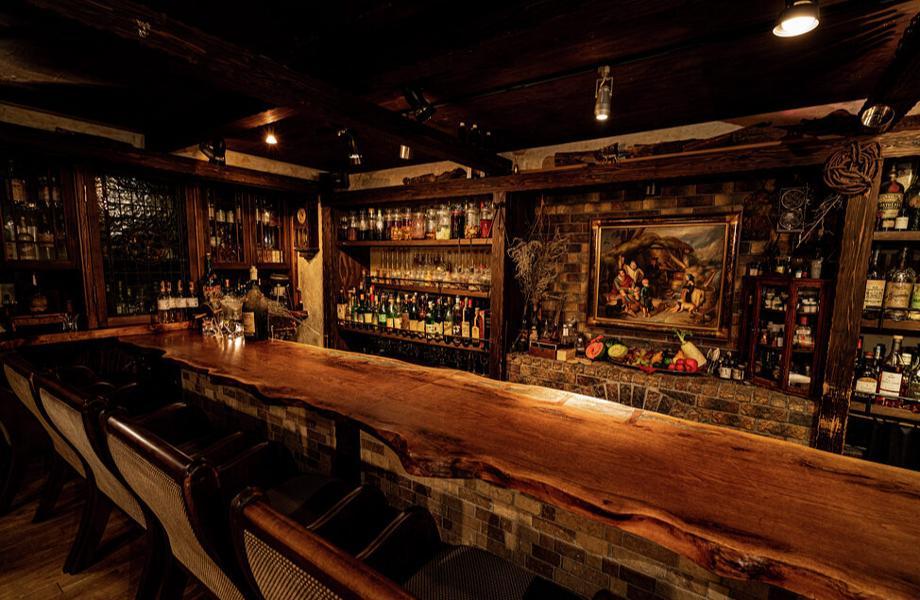


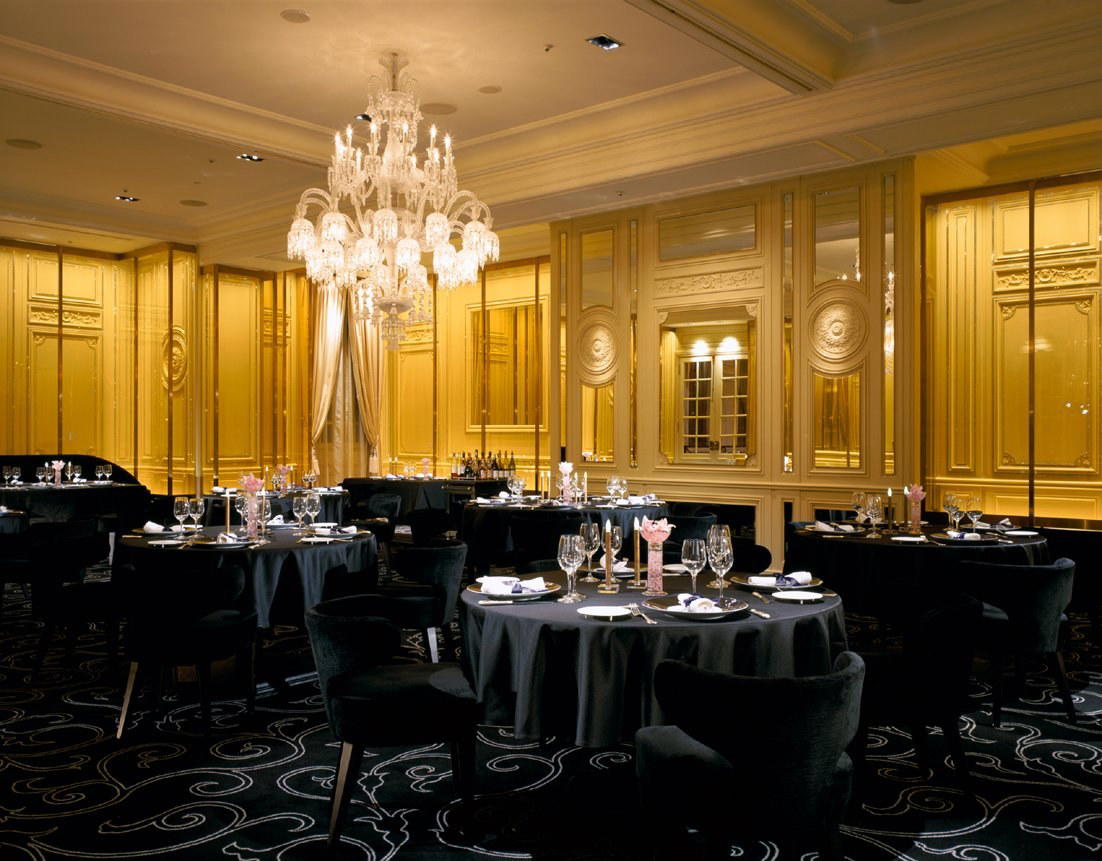
Bars in Tokyo
All bars in Tokyo →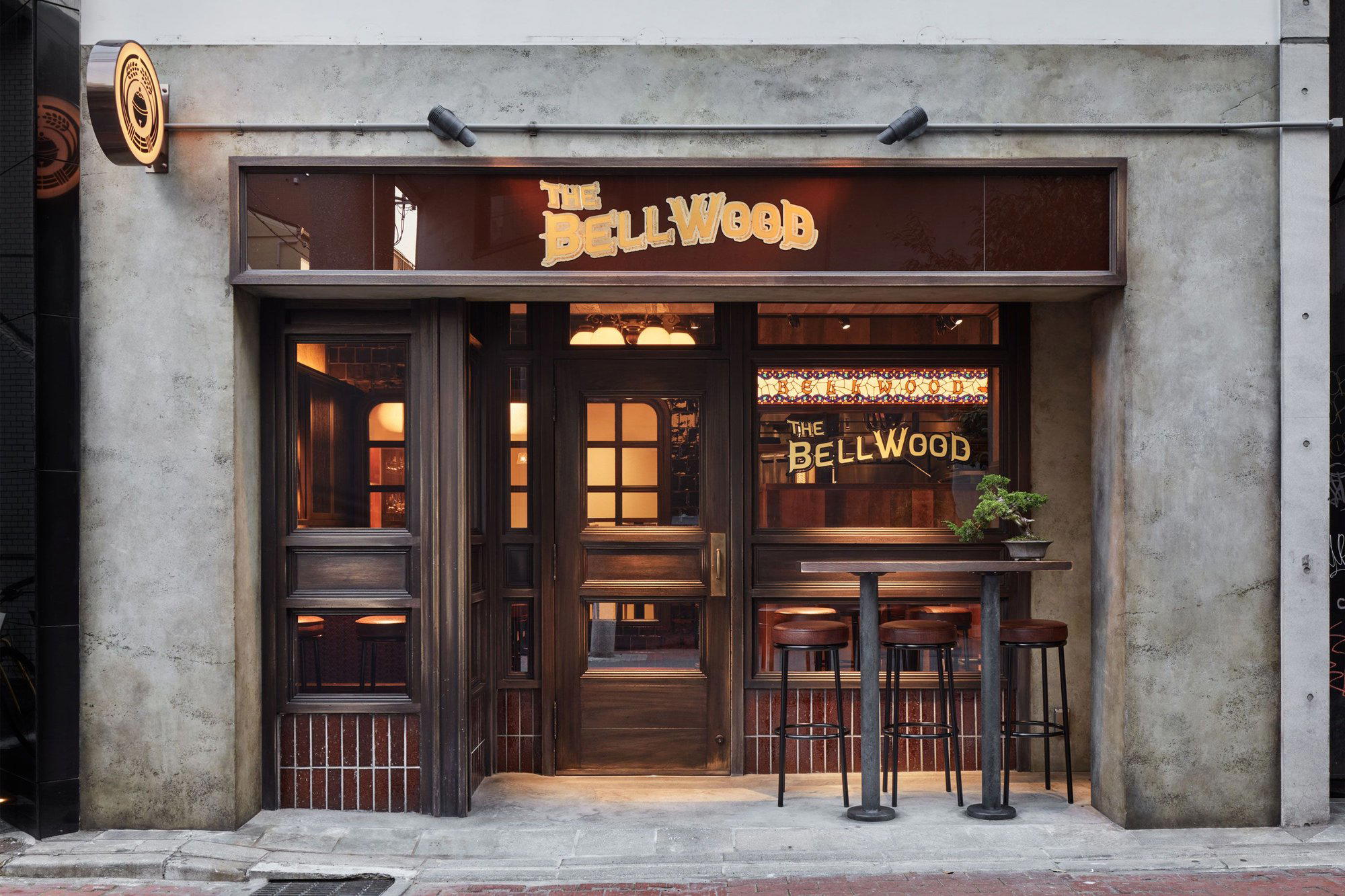

Hotels in Tokyo
All hotels in Tokyo →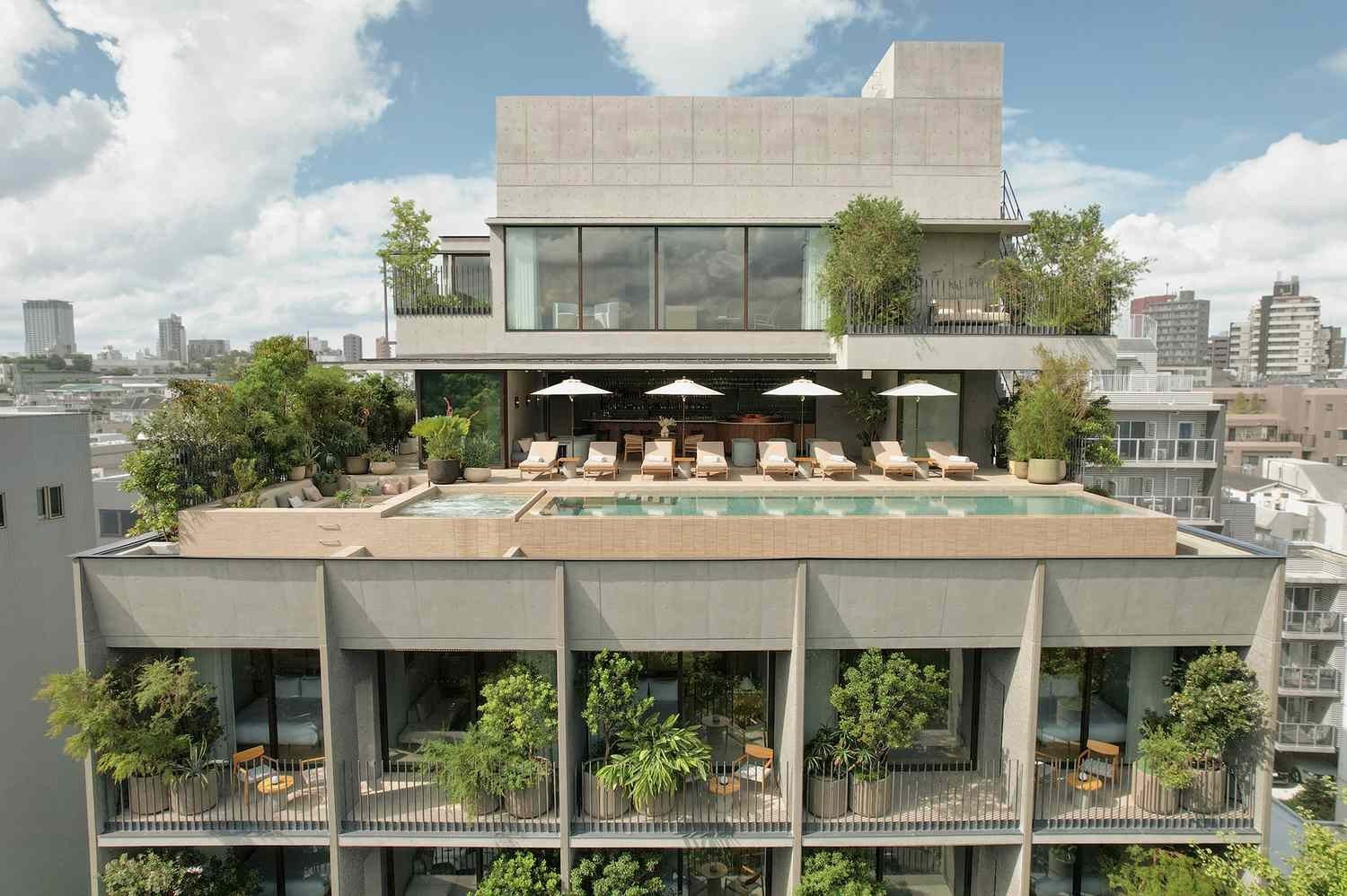
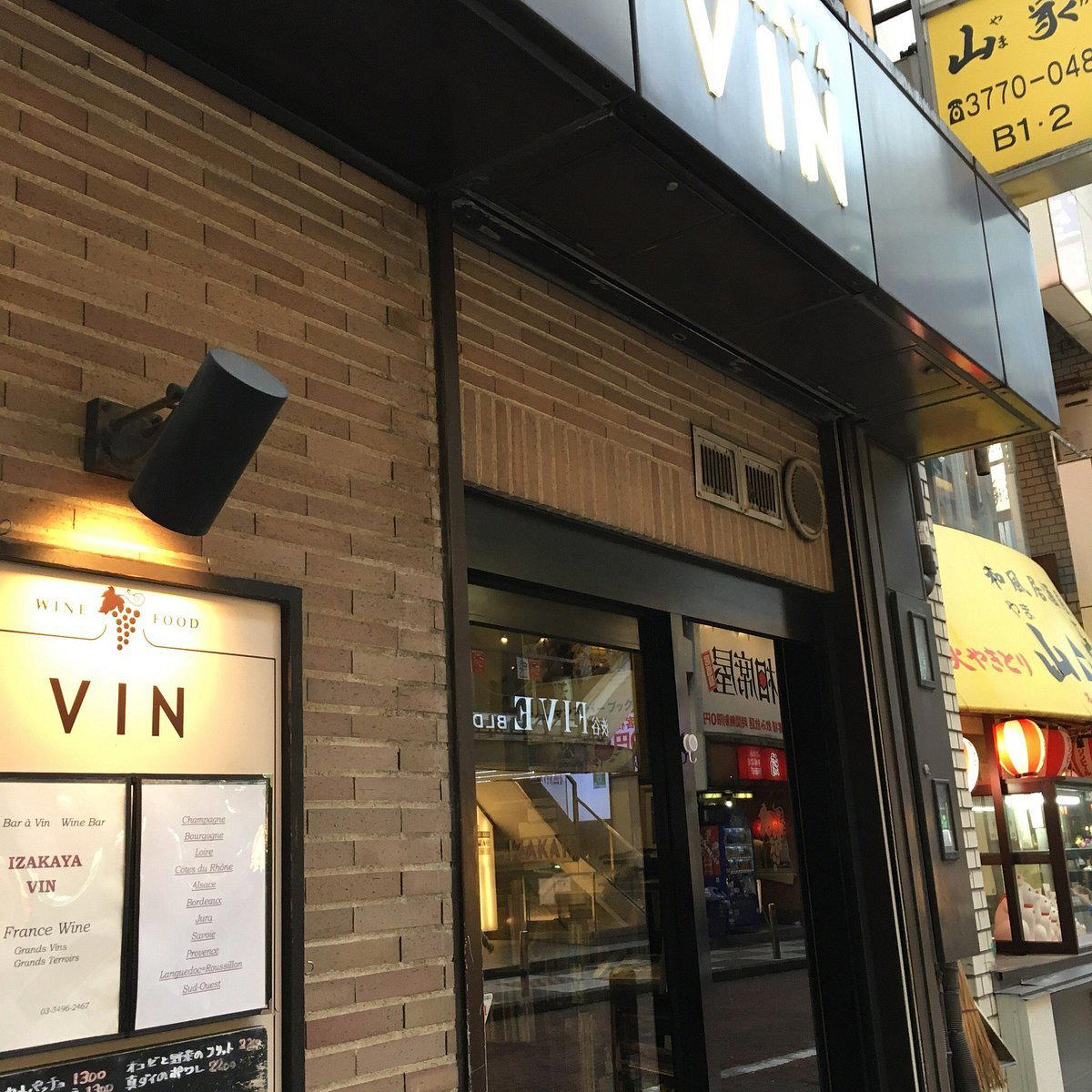
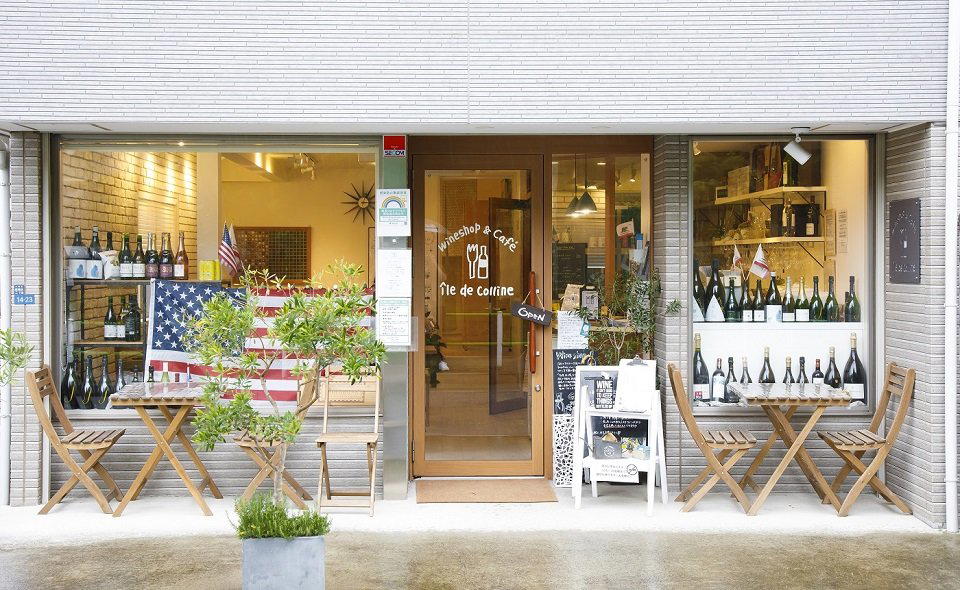
Wineries in Tokyo
Browse all →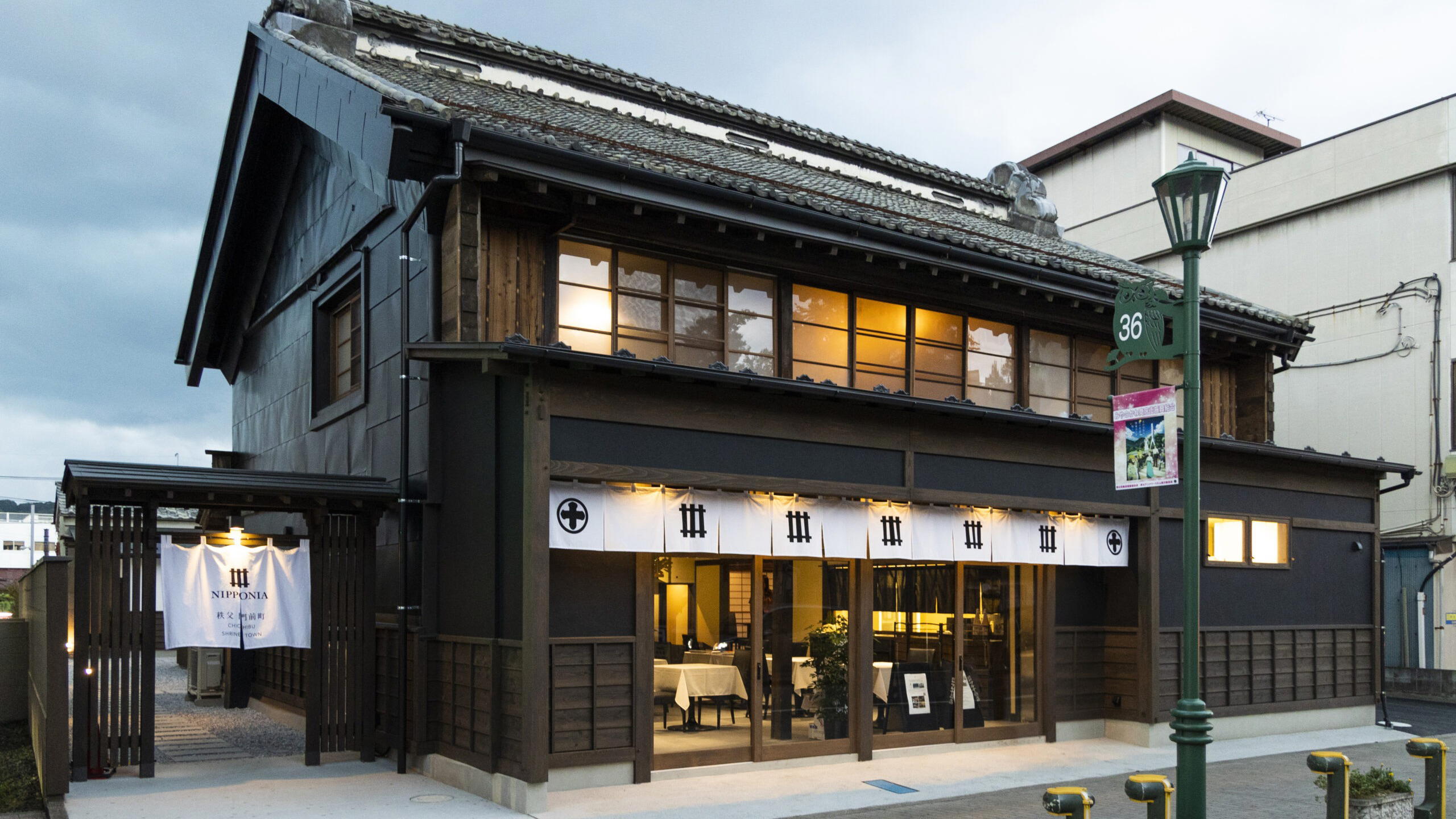
Details
- Trendy
- Cozy
- Modern
- Intimate
- Solo
- Casual Hangout
- After Work
- Family
- Chefs Counter
- Standalone
- Design Destination
- Street Scene
- A La Carte
- Counter Dining
Current opening hours
- Monday
- 11 AM–2:30 PM, 6–8 PM
- Tuesday
- Closed
- Wednesday
- Closed
- Thursday
- 11 AM–2:30 PM, 6–8 PM
- Friday
- 11 AM–2:30 PM, 6–8 PM
- Saturday
- 11 AM–2:30 PM, 6–8 PM
- Sunday
- 11 AM–2:30 PM, 6–8 PM
Hours can change for holidays and private events. Hours as of .
A small, stylish counter-only ramen shop with an emerald‑green exterior and a visible noodle-making area facing the street, creating an energetic yet cozy atmosphere focused on craft.