Terrassa Pompeia sits on the slopes of Montjuïc in Barcelona's Sants-Montjuïc district, occupying a position that places it at the intersection of the city's park culture and its growing interest in outdoor dining with a conscience. Details on format, price, and kitchen approach remain sparse, making it a venue worth investigating on the ground rather than from a distance.
Pearl is the En Primeur Club membership app — saves, bookings, and concierge access live there. Same editors, same standards.
- Address
- Carrer de la Foixarda, 2, Sants-Montjuïc, 08038 Barcelona, Spain
- Phone
- +34722886251
- Website
- opentable.com
- Directions
- Get directions
 Saves & bookings on Pearl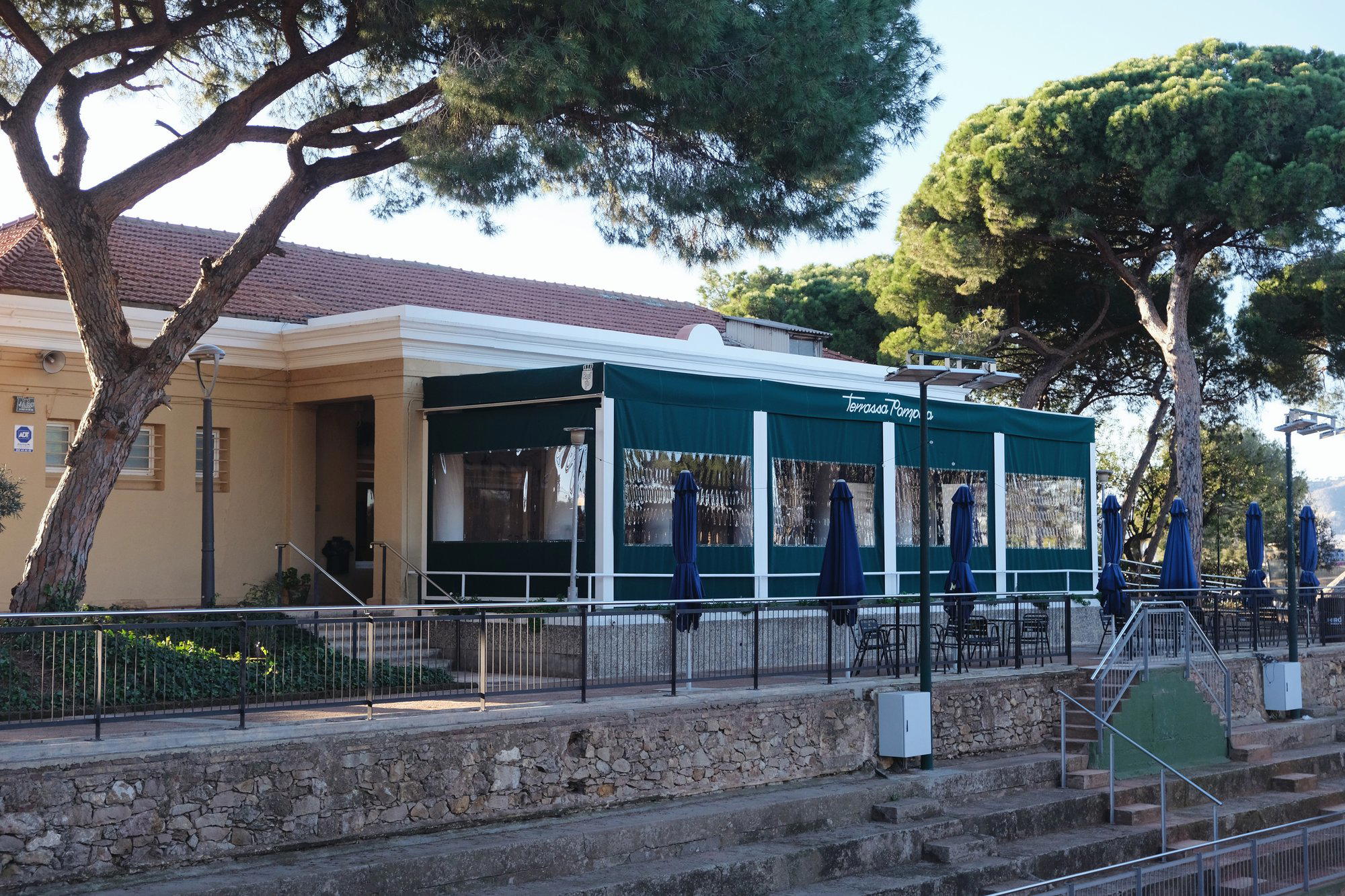
Montjuïc's Outdoor Dining Scene and Where Terrassa Pompeia Fits
Barcelona's relationship with outdoor dining has always been more layered than the cliché of pavement tables and sangria suggests. On Montjuïc, the hill that anchors the Sants-Montjuïc district to the southwest of the city centre, a different register of al fresco eating has developed over decades. The terraces here serve a local population that uses the park for daily life, not just weekend tourism, and that distinction shapes the food culture at addresses like Terrassa Pompeia on Carrer de la Foixarda. The venue sits within reach of the Jardins de Laribal and the Olympic stadium complex, placing it in a corridor of Barcelona that many visitors pass through on the way to the Fundació Joan Miró.
That geographic positioning matters for understanding the kind of dining this address represents. Montjuïc terraces tend to operate closer to the neighbourhood-serving end of the spectrum than to the destination-restaurant tier occupied by places like Disfrutar or ABaC. They are places that reward proximity and repeat visits rather than single-occasion pilgrimages, and their seasonal rhythms are tied to the hill's own calendar of events and foot traffic rather than to the Michelin announcement cycle.
Sustainability as a Structural Concern in Barcelona Dining
Across Spain's serious restaurant scene, the sustainability conversation has moved from optional signalling to structural practice. Azurmendi in Larrabetzu is one cited example at the summit tier, with an integrated garden and bioclimatic architecture that made environmental accountability part of the building's logic, not a menu footnote. Aponiente in El Puerto de Santa María has built an entire creative identity around marine by-products and discarded species. These are high-profile examples, but the current runs deeper into mid-market dining throughout Catalonia, where producer relationships, seasonal menus tied to what's actually available locally, and waste-reduction kitchen practices have become markers of credibility rather than novelty.
In Barcelona specifically, the pressure to connect sourcing to a coherent environmental position has intensified as the city's dining scene has matured. Operations in park-adjacent settings like Montjuïc carry an additional implicit expectation: that the physical environment outside the kitchen informs what happens inside it. A terrace that looks out over green space carries a different kind of accountability than a basement dining room in the Eixample. Barcelona diners at this tier of outdoor venue have become attentive to provenance in a way that was not true a decade ago.
For the sharpest examples of how Barcelona's top tier handles the sustainability question at scale, the work at Cocina Hermanos Torres and the sourcing discipline visible in the menus at Lasarte offer useful reference points. Both operate with ingredient traceability as a visible part of their editorial identity, and both have demonstrated that environmental consciousness can coexist with technical ambition. The broader Spanish context includes El Celler de Can Roca in Girona and Mugaritz in Errenteria, both of which have made sustainability a research-level preoccupation rather than a marketing position.
The Montjuïc Calendar and When to Visit
Timing shapes a Montjuïc visit more than at most Barcelona addresses. The hill's terrace culture is at its most functional from late spring through early autumn, when the evening light lasts well past nine o'clock and the temperature on the upper slopes tends to be a degree or two cooler than the Eixample or the Barceloneta waterfront. Summer evenings here have a particular character: the city visible below, the gardens quieter than during the afternoon, and the sense of being in a Barcelona that operates on its own schedule rather than the one set by Las Ramblas.
The Grec Festival, Barcelona's major performing arts programme, runs through July with events at the Teatre Grec amphitheatre on the hill, which historically increases foot traffic to Montjuïc addresses during that period. Visitors combining a Grec performance with dinner in the area are working with a well-established local habit. Winter on Montjuïc is a different proposition: the park is less populated, the terraces are less operative, and the value of outdoor seating diminishes. Spring visits, particularly in April and May before tourist volumes peak, tend to offer one comfortable version of the hill's outdoor dining experience.
For context on what Barcelona's serious kitchen culture looks like at its most ambitious year-round, Enigma and the broader creative scene documented in our full Barcelona restaurants guide provide a clear map of the city's tasting-menu tier. Terrassa Pompeia operates in a different register but shares a city shaped by those reference points. Elsewhere in Spain, the seasonal discipline visible at Quique Dacosta in Dénia, Arzak in San Sebastián, Martin Berasategui in Lasarte-Oria, Ricard Camarena in València, Atrio in Cáceres, and DiverXO in Madrid demonstrates how deeply the calendar has been absorbed into Spanish dining culture at every level. International comparisons at the technical extreme, including Le Bernardin in New York City and Atomix in New York City, show how far the sourcing-and-season conversation has travelled beyond Spain's borders.
Planning a Visit
The restaurant is located at Carrer de la Foixarda, 2, in the Sants-Montjuïc district of Barcelona (08038). The address is in Barcelona's Sants-Montjuïc district, near the Parc de Montjuïc cable car and the Montjuïc funicular from Paral·lel metro station. Reservations are recommended, especially during summer months and the Grec Festival period in July. Timing: Late spring through early autumn is one reliable window for outdoor terrace use; evening visits after 8 p.m. capture stronger examples from the Montjuïc light and the hill's quieter pace. Budget: Allow about $40 per person. Dress: Smart casual is appropriate.
Comparable Venues
Comparable venues nearby, for context on price, style, and recognition.
| Venue | Cuisine | Price | Notes |
|---|---|---|---|
| Terrassa PompeiaThis venue — the venue you are viewing | Traditional Spanish Mediterranean | $$$ | Not listed |
| Ajoblanco Restaurante & Coctelería | Modern Spanish Tapas & Cocktails | $$$ | Sant Gervasi - Galvany |
| Asador d'Aranda | Traditional Castilian Roast Meats | $$$ | Sant Gervasi - Galvany |
| Teòric Taverna Gastronòmica | Modern Catalan Taverna | $$$ | la Dreta de l'Eixample |
| Pompa | Modern Spanish Small Plates | $$$ | la Vila de Gracia |
| LABARRA ® | Spanish & Catalan Tapas | $$$ | l'Antiga Esquerra de l'Eixample |
Continue exploring
More in Barcelona
Restaurants in Barcelona
Browse all →
Bars in Barcelona
Browse all →
Hotels in Barcelona
Browse all →
At a Glance
- Romantic
- Scenic
- Date Night
- Special Occasion
- Terrace
- Street Scene
Current opening hours
- Monday
- 9 AM–10 PM
- Tuesday
- 9 AM–10 PM
- Wednesday
- 9 AM–10 PM
- Thursday
- 9 AM–10 PM
- Friday
- 9 AM–10 PM
- Saturday
- 9 AM–10 PM
- Sunday
- 9 AM–10 PM
Hours can change for holidays and private events. Last verified .
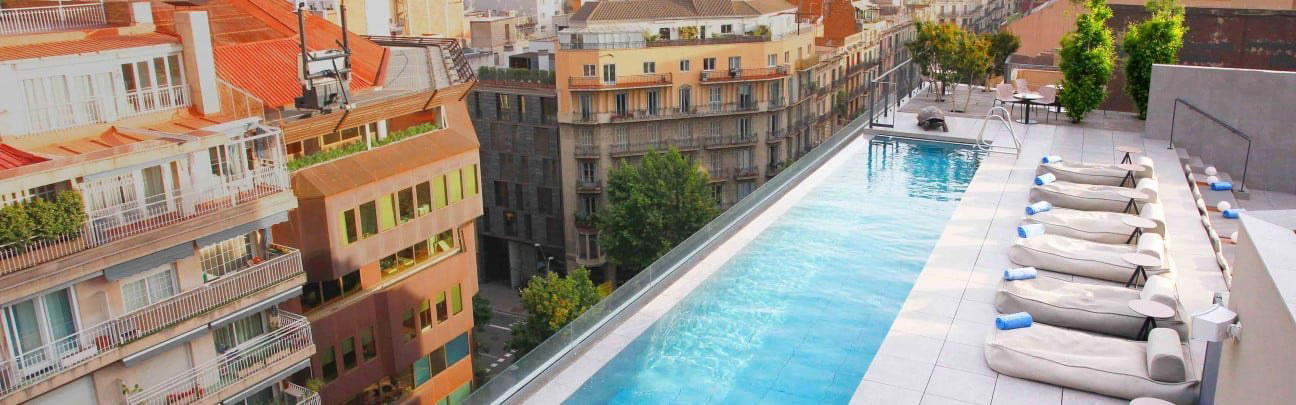
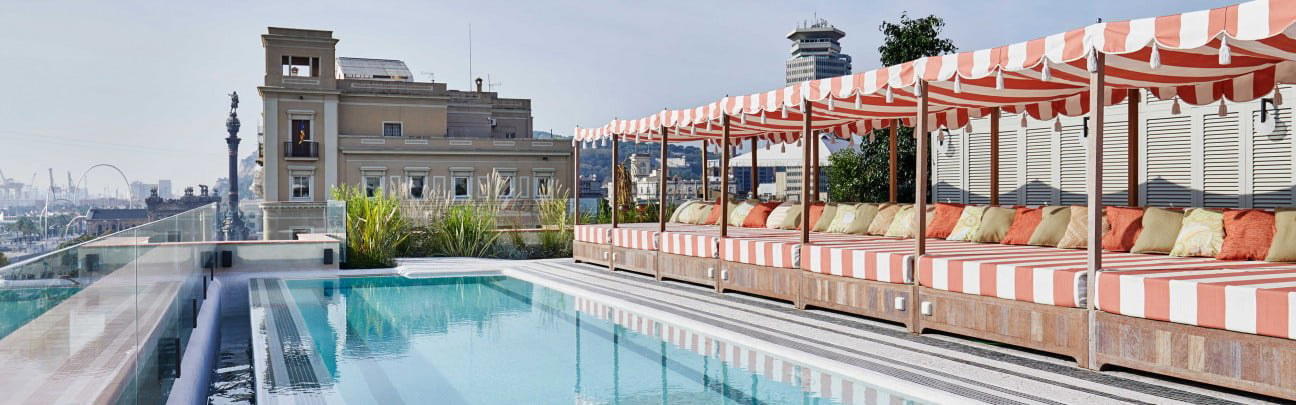
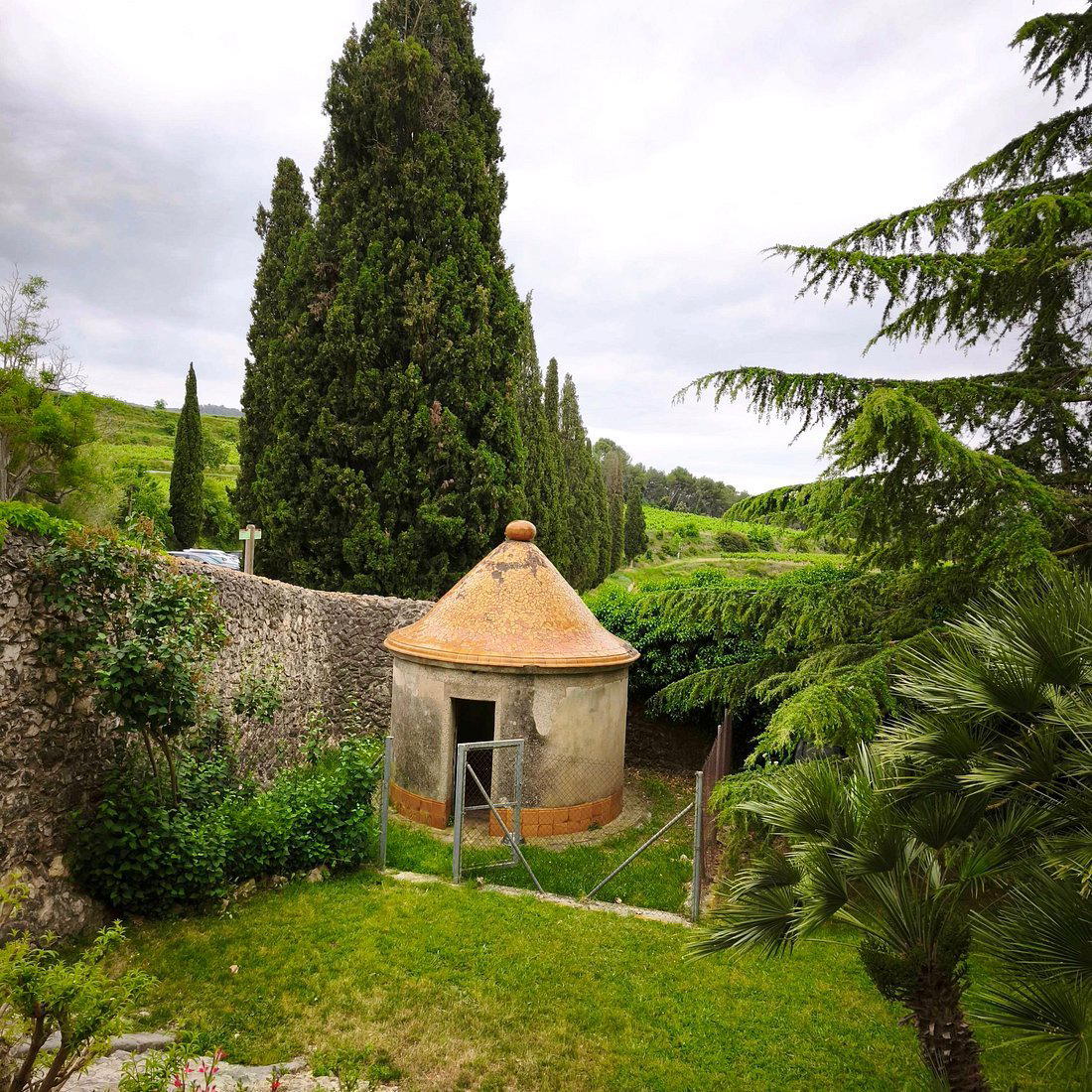
Romantic terrace ambiance with scenic city views.