Our verdict
Teppan Village occupies a prime position in Whistler Village Square, putting Japanese teppanyaki cooking at the centre of the après-ski dining circuit. The live-fire format suits the mountain crowd: theatrical, sociable, and built for groups who want dinner to feel like an event. For visitors working through Whistler's broader dining scene, it fills a specific niche that the Canadian-heavy roster around it does not.

Pearl is the En Primeur Club membership app — saves, bookings, and concierge access live there. Same editors, same standards.
- Address
- 4293 Mountain Square #301, Whistler, BC V8E 1B8, Canada
- Phone
- (604) 932-2223
- Hours
- Daily 5–9:30 PM
- Website
- teppanvillage.ca
- Directions
- Get directions
- Booking
- Book on OpenTable
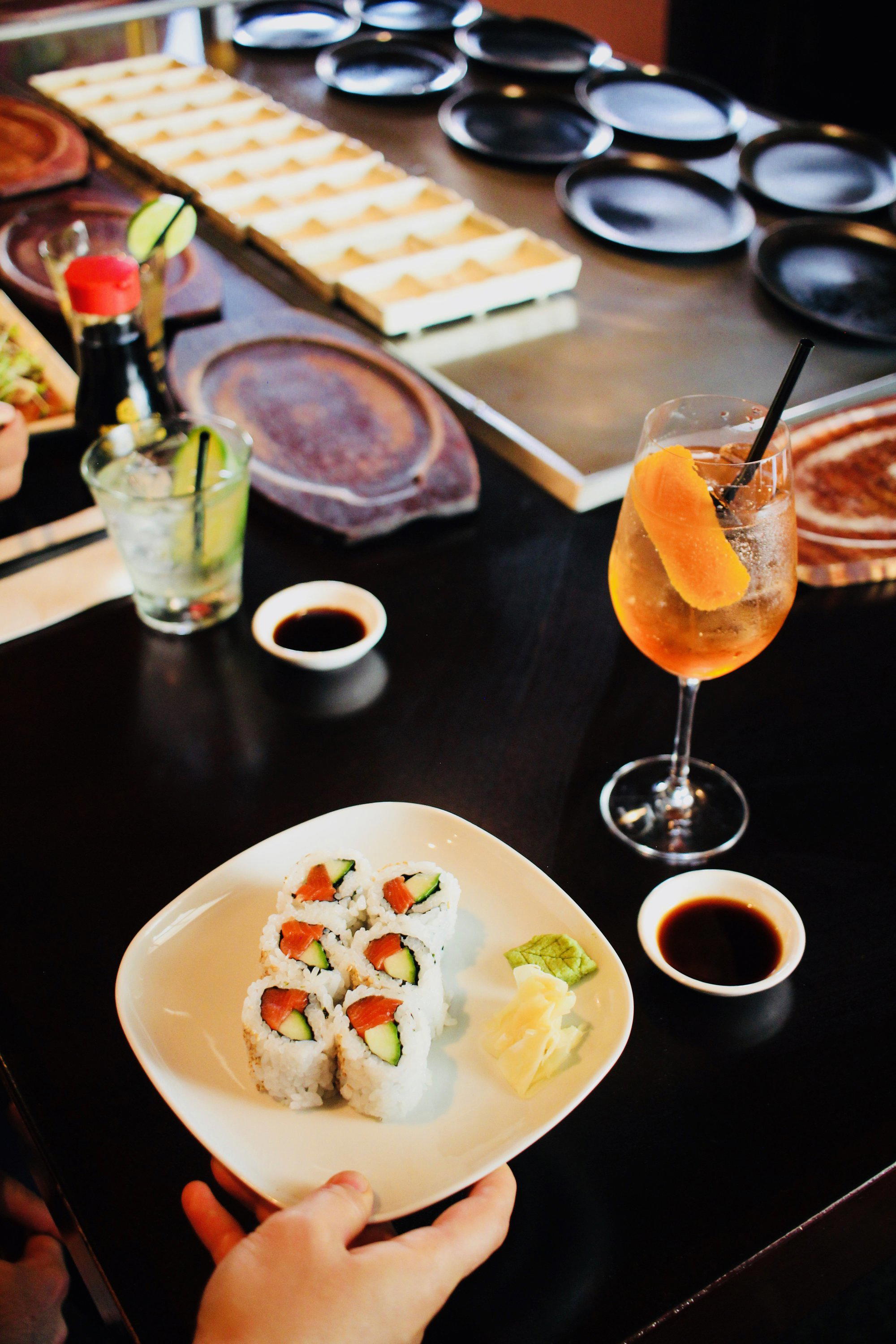
The menu
What to order
- Steak & Lobster
- Village Special Dinner
Where Live-Fire Cooking Meets the Mountain Dining Circuit
Mountain resort towns develop a particular dining rhythm. Lunch is fast and functional, taken in ski boots near the lifts. Dinner, by contrast, becomes the social anchor of the evening — the thing the group plans around, the place where the day's runs get debated over shared plates and something warm to drink. In Whistler, that dinner-as-event logic has shaped which restaurant formats hold their ground across decades of season changes. Teppan Village, positioned at Mountain Square in the Village, plugs directly into that dynamic. Teppanyaki — iron griddle cooking performed tableside, is a format built for groups, for spectacle, and for the kind of communal eating that a day on the mountain tends to generate. You sit around the grill together. The cooking happens in front of you. The theatre is baked into the method.
The Format and Why It Works Here
Japanese teppanyaki arrived in North America in a recognisably theatrical form, and Whistler's resort clientele has proven a reliable audience for it. The format asks very little of the diner in terms of menu navigation: proteins, vegetables, rice, noodles, cooked over high heat and plated at the table. That accessibility is not a weakness, it is the point. Resort dining at this price tier competes less on ingredient provenance and more on atmosphere and group legibility. A table of eight can all order differently and still share a meal in the same visual and spatial sense. Few formats manage that as efficiently as teppanyaki.
Whistler's dining scene has historically skewed toward Canadian bistro formats and internationally trained fine-dining rooms. Araxi anchors the high end with long-term critical recognition. Bearfoot Bistro (Canadian) holds territory at the experiential end of fine dining. Alta Bistro operates at the thoughtful, wine-forward mid-tier. Against that backdrop, Japanese teppanyaki sits in a different lane entirely, less about sourcing credentials or wine programming, more about delivering a dinner that functions as group entertainment. Caramba Restaurant and Buffalo Bill's fill adjacent casual-sociable slots, but neither replicates the live-cooking theatre that defines the teppanyaki format.
Planning the Visit: What to Know Before You Go
The editorial angle most relevant to Teppan Village is the booking question, and that question matters more in Whistler than in most Canadian cities. Whistler operates on compressed seasonal peaks, the weeks between Christmas and New Year, the February school holiday window, and the spring skiing stretch in March, during which popular dinner spots fill days, sometimes a week, in advance. A teppanyaki restaurant with group-friendly seating is precisely the kind of venue that gets swept up in large-party bookings early in the planning cycle. Visitors who treat dinner as a spontaneous decision tend to find their options narrowed significantly by 6 p.m. on a peak Saturday.
The practical recommendation is to treat Teppan Village the way you would treat any group-format venue in a resort town: plan ahead, book as early as the reservation window allows, and confirm the booking the day before. Groups of six or more should expect to arrange their visit with more lead time than a couple would need. The Mountain Square address puts the restaurant within easy walking distance of most Village accommodation, which removes transport logistics from the equation, a meaningful convenience when the group includes people at varying energy levels after a full day on the mountain.
For visitors building a broader Whistler dinner itinerary across a multi-day stay, the format spread across the village is worth mapping in advance. The Canadian fine-dining end of the spectrum, Araxi, Bearfoot Bistro, warrants early reservation regardless of party size. Teppan Village sits in a complementary tier, useful for a mid-trip group dinner when the mood is sociable rather than contemplative.
Teppanyaki in the Wider Canadian Dining Picture
Canadian dining at the recognized critical tier has trended strongly toward local-ingredient fine dining and regional tasting menus over the past decade. Tanière³ in Quebec City, Alo in Toronto, and AnnaLena in Vancouver represent that current. Further afield, Jérôme Ferrer - Europea in Montreal, Restaurant Pearl Morissette in Lincoln, and Eigensinn Farm in Singhampton operate in niche, reservation-intensive formats with strong regional identities. Narval in Rimouski, The Pine in Creemore, and Aux Anciens Canadiens in Quebec each illustrate how deeply regionalism has shaped the country's serious dining conversation.
Teppanyaki does not participate in that conversation, and it is not trying to. The format's appeal is orthogonal to farm-to-table sourcing narratives or wine-pairing ambition. It occupies a different part of the dining market, one closer in spirit to the group steakhouse or the high-volume yakitori bar, formats where the cooking method and the communal arrangement are the primary draws. Barra Fion in Burlington and international reference points like Le Bernardin in New York City or Atomix in New York City illustrate how differently the high end of dining can be structured, technique-driven, intimate, tightly controlled. Teppan Village is solving a different problem for a different kind of evening.
For visitors who want to understand the full width of what Whistler's dining scene currently offers, our full Whistler restaurants guide maps the scene across price tiers and formats.
Frequently asked questions
What part of town is Teppan Village in?
Teppan Village is located at 4293 Mountain Square #301, Whistler, BC V8E 1B8, Canada, Whistler.
Is Teppan Village in Whistler suitable for a large group dinner after skiing?
Teppanyaki's communal table format is well-suited to groups of six or more, making Teppan Village at Mountain Square a practical anchor for après-ski dinners in Whistler. The live-fire grill provides a shared focal point that keeps large parties engaged without requiring a fixed tasting menu or coordinated ordering. Groups with mixed dietary preferences — a common scenario in resort settings — can typically work within the protein-selection format, since components are cooked to order on the teppan surface rather than plated in advance.
What do regulars order at Teppan Village?
Teppanyaki menus are structured around a protein anchor — beef, seafood, chicken, or a combination plate — with shared sides of rice, noodles, and grilled vegetables cooked on the same iron surface. At a resort venue like Teppan Village in Whistler, combination options tend to be the practical choice for groups where appetite levels vary after a day on the mountain. The shared-table format means most orders arrive sequenced from the grill in front of you, so the protein selection drives the experience more than any single dish.
What's the best way to book Teppan Village?
Whistler's peak demand windows — Christmas through New Year and the February half-term period — put real pressure on group-format restaurants like Teppan Village, where communal tables fill quickly with ski parties. Booking ahead by at least a week during these windows is the practical approach; walk-in availability during peak season is limited. For shoulder-season visits — spring or early autumn — same-day or next-day reservations are more realistic. Teppan Village is located at 4293 Mountain Square, unit 301, placing it within the central village cluster where foot traffic is high year-round.
Side-by-Side Snapshot
Comparable venues nearby, for context on price, style, and recognition.
| Venue | Cuisine | Price | Notes |
|---|---|---|---|
| Teppan VillageThis venue — the venue you are viewing | Japanese Teppanyaki Steakhouse | $50–100 | Not listed |
| Sushi Village Japanese Restaurant | Japanese Sushi & Izakaya | $30–50 | Whistler Village |
| Caramba Restaurant | Italian-Mediterranean Comfort | $30–50 | Whistler Village |
| Ohyama Ramen | Authentic Japanese Ramen | $20–30 | Whistler Village |
| Elements Urban Tapas Parlour | Urban Tapas | Not listed | Whistler Village |
| Alta Bistro | Modern French Alpine Bistro | $50–100 | Whistler Village |
Details
- Lively
- Energetic
- Trendy
- Family
- Celebration
- Group Dining
- Open Kitchen
- Sake Program
- A La Carte
- Counter Dining
- Vegetarian Friendly
- Vegan Options
- Gluten Free Options
Current opening hours
- Monday
- 5–9:30 PM
- Tuesday
- 5–9:30 PM
- Wednesday
- 5–9:30 PM
- Thursday
- 5–9:30 PM
- Friday
- 5–9:30 PM
- Saturday
- 5–9:30 PM
- Sunday
- 5–9:30 PM
Hours can change for holidays and private events. Last verified .
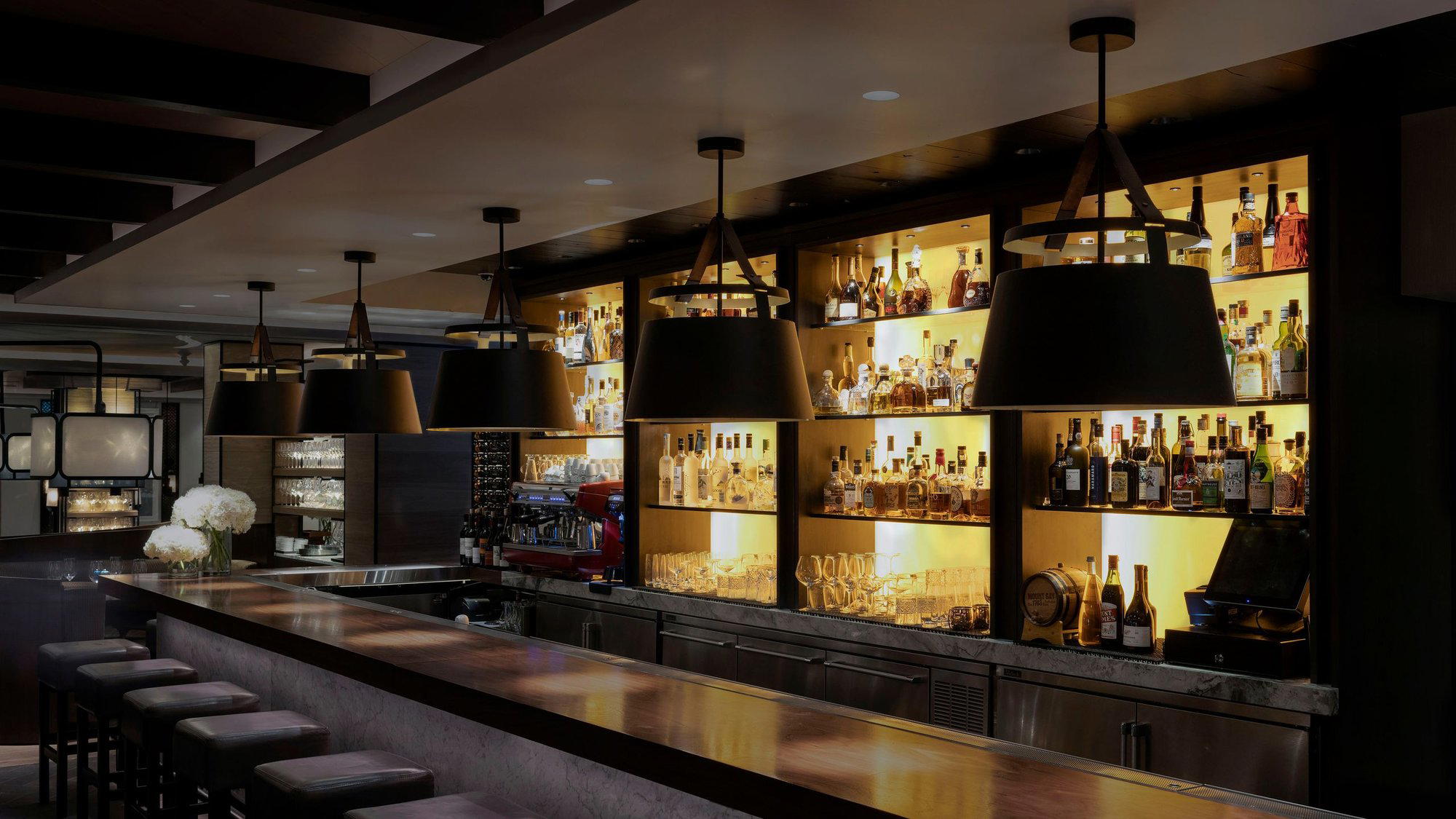
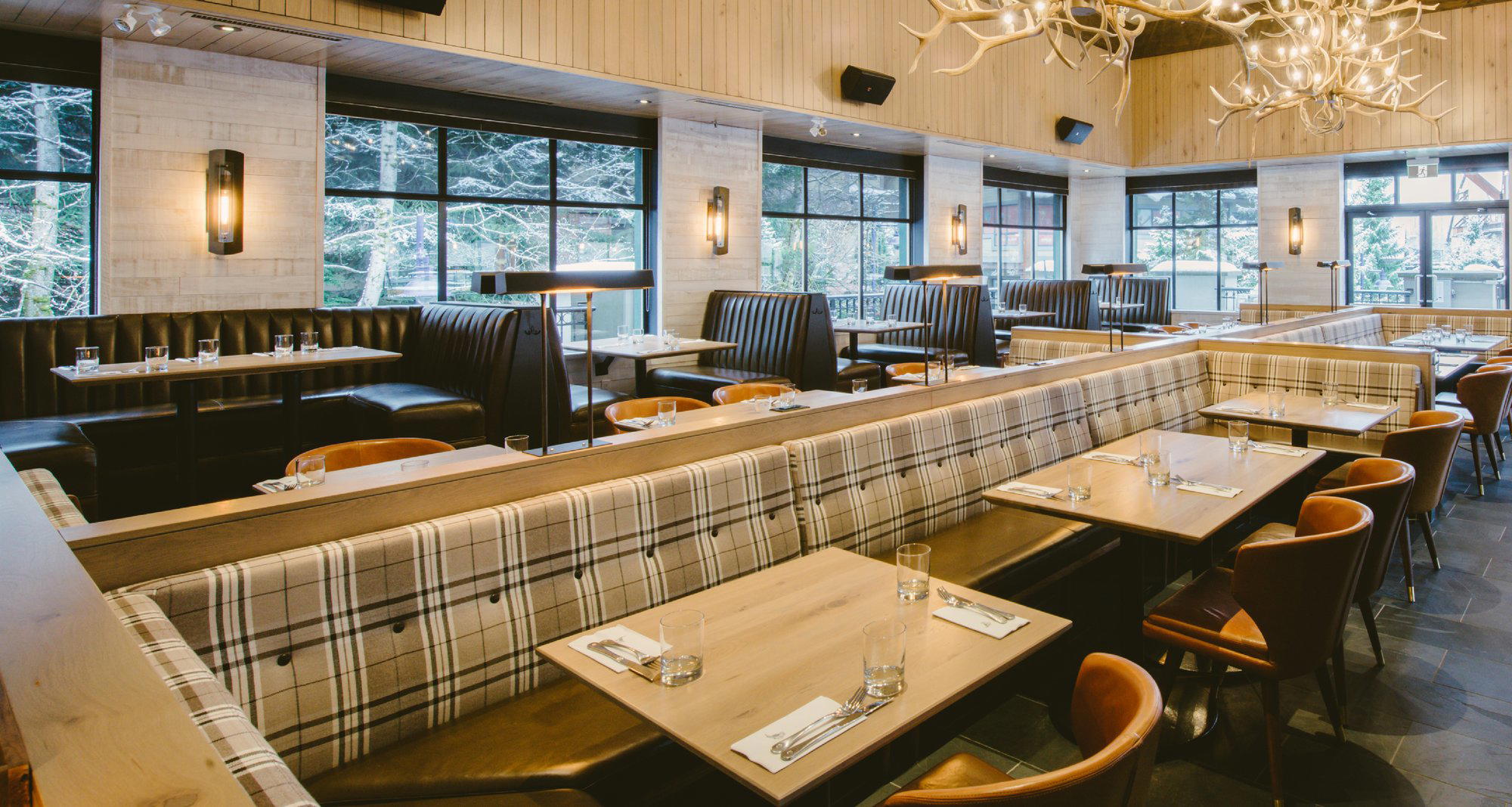
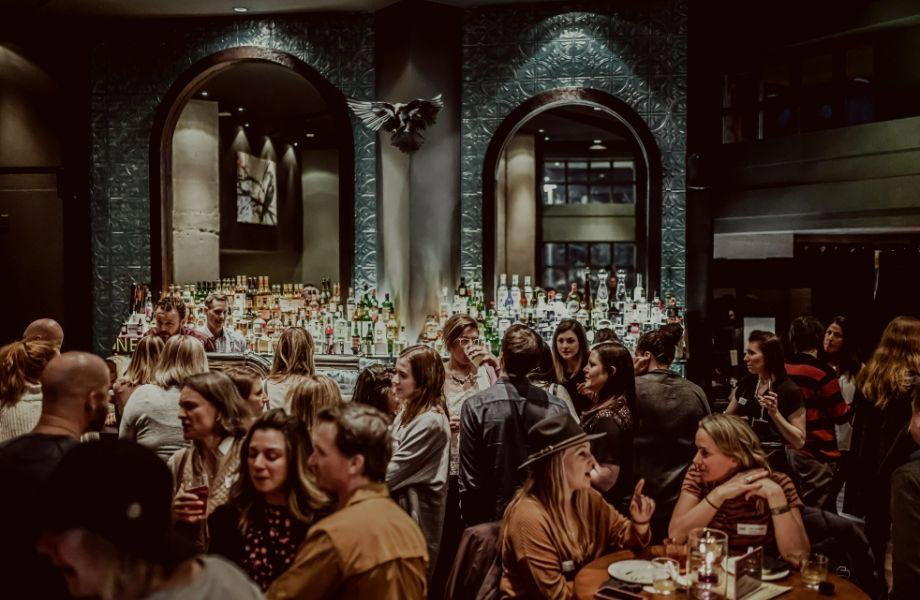
Casual, lively atmosphere with sleek urban design and communal tables for up to 8 guests per chef station.