Whistler Mountain Bike Park sits above Whistler Village as one of North America's most developed lift-accessed trail networks, running from late spring through autumn across terrain that spans beginner flow to double-black technical lines. The park's infrastructure, built into the flanks of Whistler and Fitzsimmons Creek drainage, reflects decades of intentional trail design rather than improvised access. It is the physical centrepiece of Whistler's warm-season identity.

Pearl is the En Primeur Club membership app — saves, bookings, and concierge access live there. Same editors, same standards.
- Address
- 4282 Mountain Square, Squamish, BC V8E 1B9, Canada
- Phone
- (866) 218-9690
- Website
- bike.whistlerblackcomb.com
- Directions
- Get directions
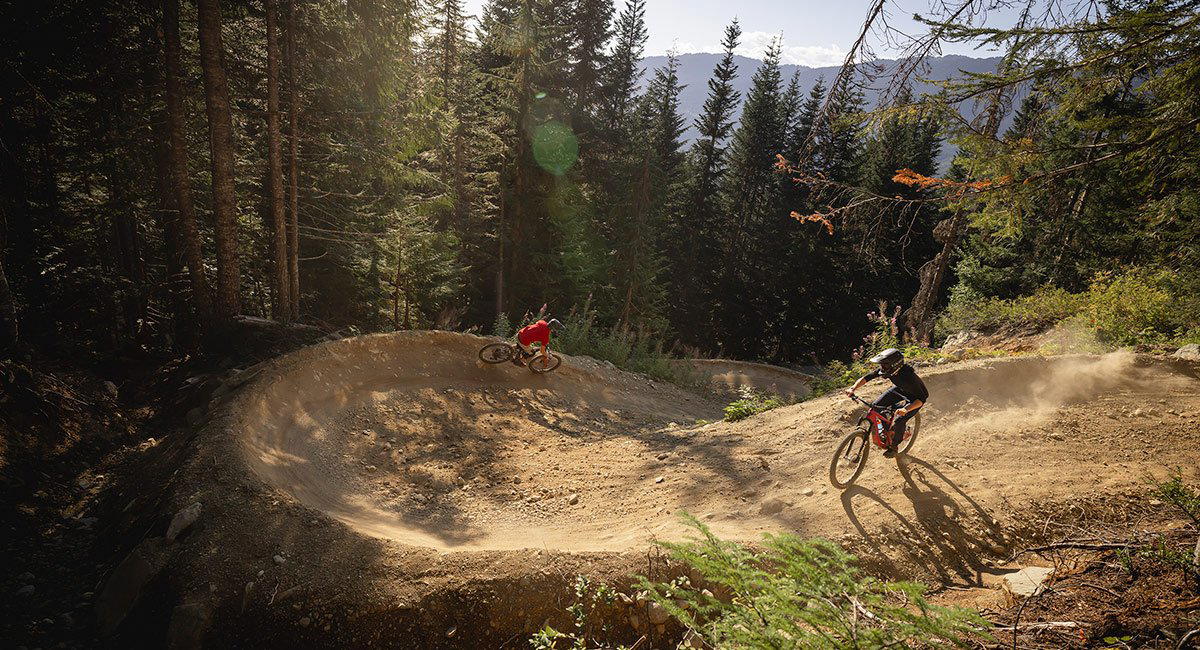
Where the Mountain Stops Being a Ski Resort
Most mountain resort towns spend their summers apologising for not being winter. Whistler does not have that problem. When the snowpack retreats and the lifts switch from ski mode, the mountain's lower and mid-elevation flanks reveal a trail network that has been shaped, reshaped, and extended over more than two decades into something that functions less like a recreational amenity and more like a purpose-built venue for the sport. The Whistler Mountain Bike Park is not a ski area that tolerates bikes in the off-season. It is a bike park that happens to share infrastructure with a ski resort, and that distinction defines the experience from the moment you arrive at the Fitzsimmons gondola base.
The physical approach matters here. The gondola corridor that in winter moves skiers in bulk transitions into a loading zone for riders with full-suspension bikes, body armour visible under jerseys, and helmets that belong closer to motorcycle culture than road cycling. The architecture of the access point is unchanged from winter, but the crowd reading it is entirely different. That dissonance, mountain resort infrastructure repurposed for a different kind of gravity sport, is part of what makes Whistler's warm-season character so legible at ground level.
Trail Architecture at Elevation
The park's trail design represents one of the clearest examples of intentional mountain infrastructure in outdoor recreation. Unlike trail networks that evolved organically through informal use and gradual formalisation, Whistler's system was substantially engineered, with machine-cut berms, timber features, and drainage architecture built to handle the volume of riders a lift-accessed venue generates. The result is trails that hold shape through heavy use and wet conditions in ways that natural-surface trails rarely can.
Network spans terrain from the valley floor to mid-mountain elevations, with the lift system providing access to upper entry points on both Whistler Mountain and the Fitzsimmons flank. The range of difficulty is genuine rather than nominal: beginner flow trails designed to teach body positioning and corner technique sit alongside double-black lines with mandatory air, mandatory commitment, and consequences for error. The park has long attracted professional athletes for filming and competition precisely because the trail architecture supports the kind of riding that requires more than natural terrain can offer. That professional use has a visible effect on how the trails are maintained and how features are sequenced.
Seasonally, the park typically opens in late May or early June, depending on snowpack and trail conditions, and runs through October. Peak season falls in July and August, when trail conditions are driest and the full network is generally accessible. Shoulder-season visits in June and September offer lower crowds and cooler temperatures, though some upper trails may have limited access depending on snow clearance and maintenance schedules. Riders planning a first visit should check trail condition reports in advance, as the opening and closing of specific runs shifts year to year.
Whistler's Warm-Season Identity in Context
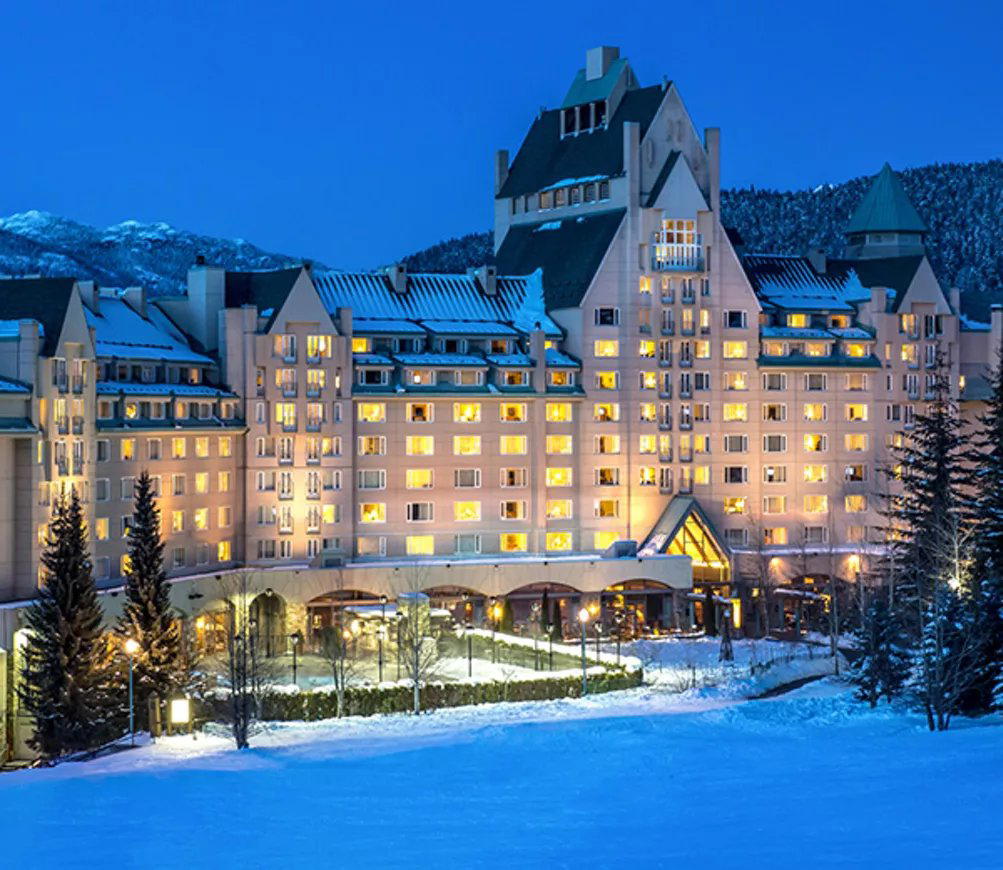
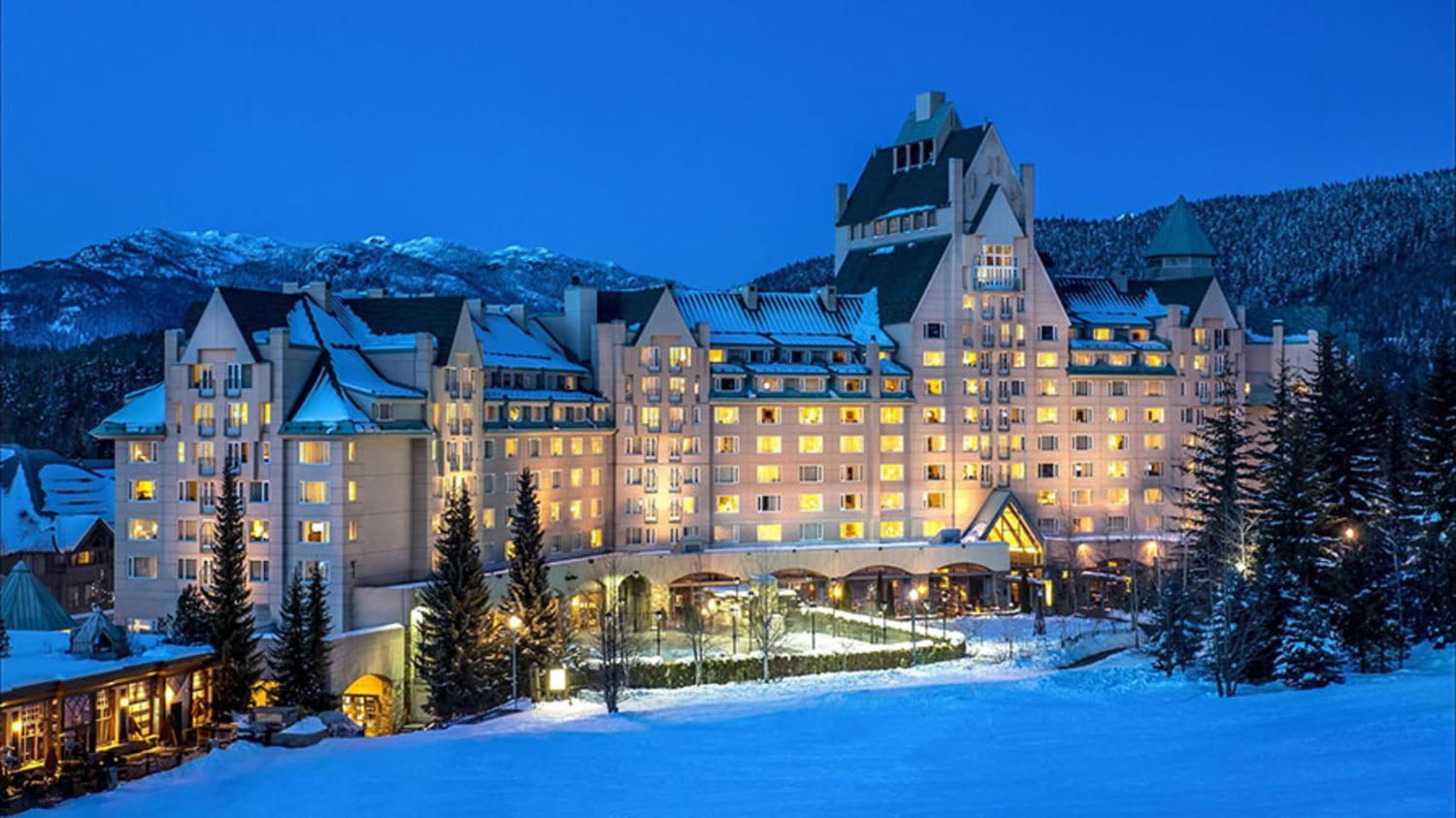
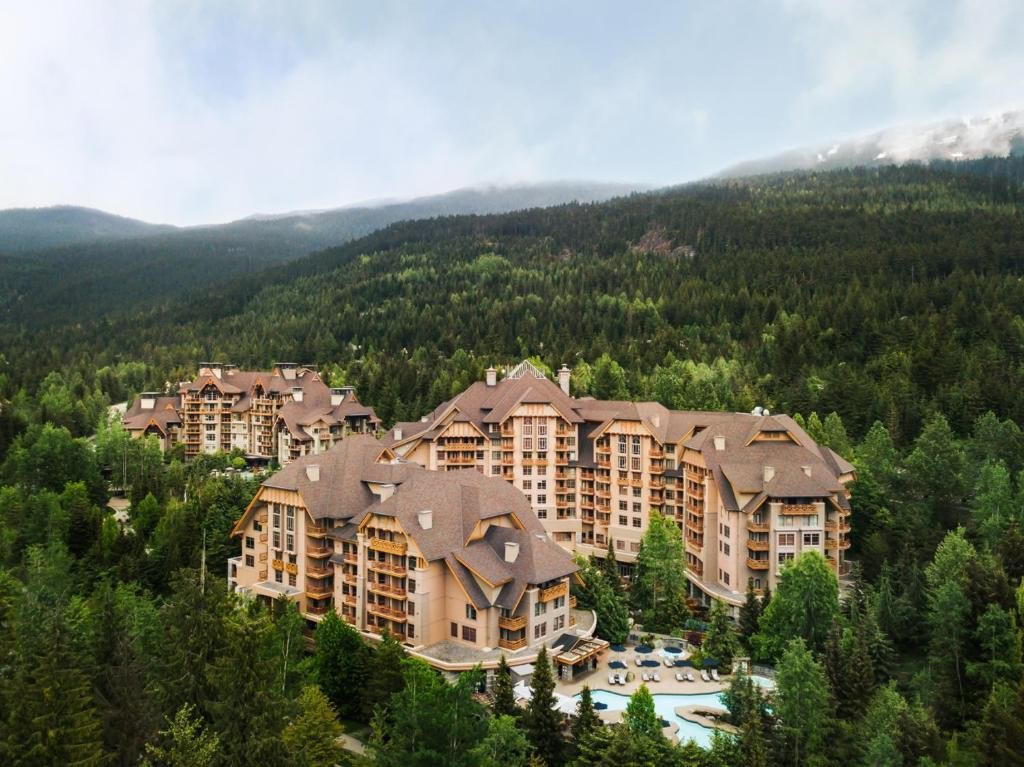
Whistler's position in the broader Canadian resort landscape is unusual. Most resort towns in Canada, whether in the Rockies or the Laurentians, draw their premium identity almost entirely from winter. The Fairmont Chateau Whistler and the Four Seasons Resort Whistler both fill beds in summer, but Whistler's warm-season market is not simply a spillover from ski season loyalty. The bike park is a primary draw in its own right, pulling riders who have no particular interest in skiing and who plan trips around park access, trail conditions, and events on the mountain calendar.
That warm-season identity separates Whistler from comparably positioned Canadian resort properties. The Fairmont Banff Springs in Banff and the Fairmont Chateau Lake Louise in Lake Louise anchor Rocky Mountain summer tourism largely through landscape and hiking, with the mountain as backdrop rather than active venue. Whistler's bike park inverts that relationship: the mountain is the activity, and the village exists in support of it.
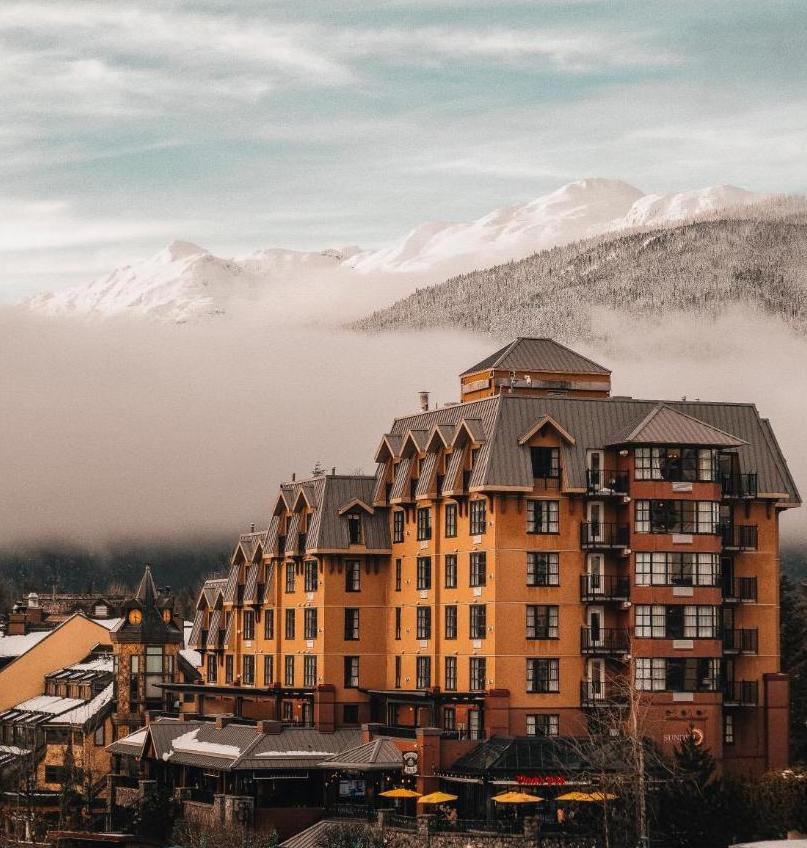
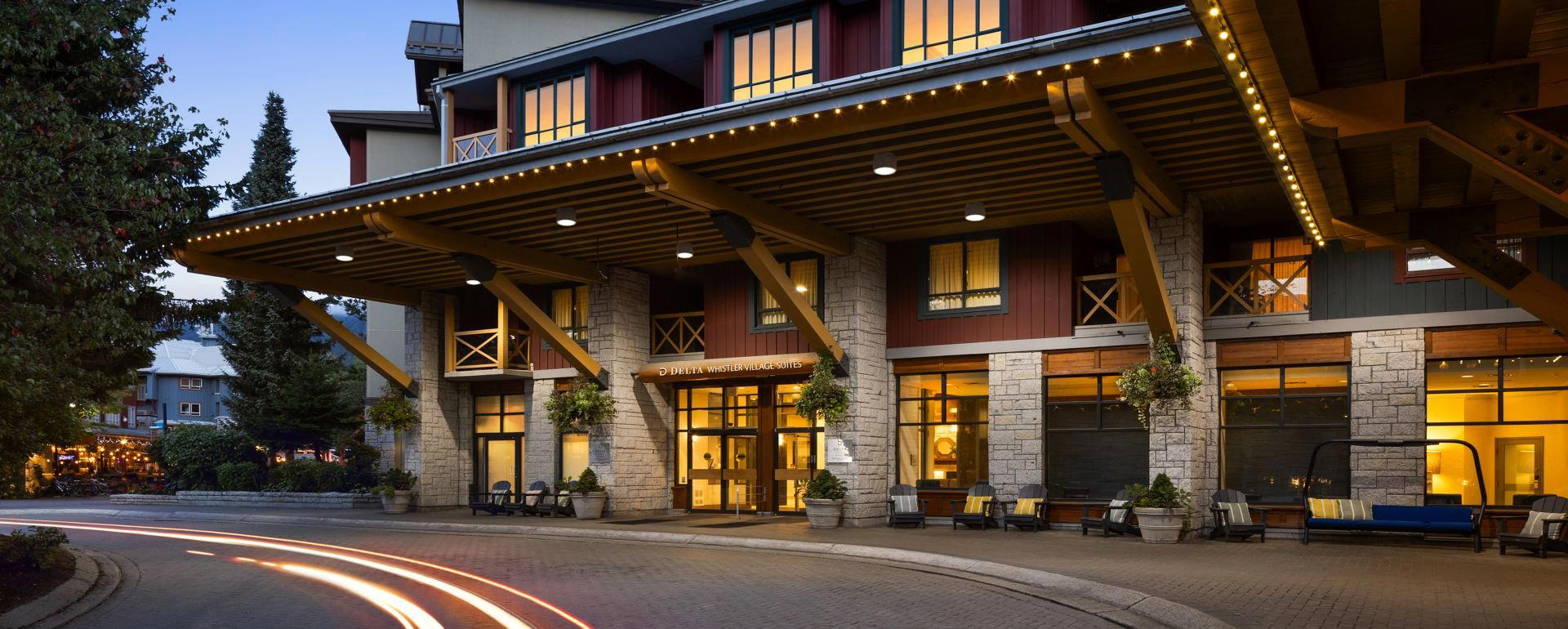
Accommodation choices reflect this dynamic. Riders who prioritise proximity to the gondola base tend to cluster in Whistler Village, where the Delta Hotels by Marriott Whistler Village Suites and Whistler Blackcomb properties sit within walking distance of the lifts. Those who want a quieter base with more considered design often choose Nita Lake Lodge, which sits south of the village near Creekside and offers a different tempo without adding significant travel time to the gondola.
For context within Canada's adventure-focused accommodation tier, the model here differs from properties like Clayoquot Wilderness Lodge in Tofino or Fogo Island Inn in Joe Batt's Arm, where the lodge itself is the primary experience and the surrounding environment is accessed passively. Whistler operates the other way: the mountain is the experience, and accommodation is the logistics layer around it.
Planning Around the Park
Lift access is typically sold by the day or through multi-day passes, with discounts available for advance purchase. Rental equipment, including full-suspension bikes and protective gear, is available from several operators in the village, making the park accessible to riders who travel without equipment. Lessons and guided runs are available for those entering the park for the first time or building toward more technical terrain.
The village itself supports the bike park visit with a concentration of bike shops, repair services, and post-ride infrastructure. For those combining a park visit with broader Whistler exploration, our full Whistler restaurants guide covers the dining options within range of the village.
Travellers building a wider Canadian itinerary around adventure and design-led properties might also consider Manoir Hovey in North Hatley, Le Germain Charlevoix Hotel & Spa in Baie-St-Paul, or Hôtel Quintessence in Mont-Tremblant for contrast in format and region. Urban extensions before or after a Whistler visit often route through Vancouver, where the Rosewood Hotel Georgia in Vancouver sits as the city's benchmark for heritage-building luxury.
Comparable Spots, Quickly
| Venue | Cuisine | Price | Awards |
|---|---|---|---|
| Whistler Mountain Bike ParkThis venue — the venue you are viewing | This venue | $200–300 | Not listed |
| Fairmont Chateau Whistler | Michelin 2 Key | Not listed | 2 Michelin Keys · Forbes Recommended |
| Four Seasons Resort Whistler | Michelin 2 Key | $300–500 | 2 Michelin Keys · La Liste Top Hotels |
| Nita Lake Lodge | Michelin 1 Key | $300–500 | 1 Michelin Key |
| Delta Hotels by Marriott Whistler Village Suites | Not listed | $100–200 | Not listed |
| Whistler Blackcomb | Not listed | $300–500 | Not listed |

Details
- Scenic
- Lively
- Modern
- Family Vacation
- Weekend Escape
- Ski In Ski Out
- Panoramic View
- Pool
- Fitness Center
- Mountain
Current opening hours
- Monday
- 10 AM–5 PM
- Tuesday
- 10 AM–5 PM
- Wednesday
- 10 AM–5 PM
- Thursday
- 10 AM–5 PM
- Friday
- 10 AM–5 PM
- Saturday
- 10 AM–5 PM
- Sunday
- 10 AM–5 PM
Hours can change for holidays and private events. Last verified .
Elegant mountain atmosphere with beautiful views and attentive service, praised for attention to detail and luxurious suites.