Alta Bistro occupies a measured position in Whistler's mid-to-upper dining tier, operating from a Main Street address that keeps it accessible to village foot traffic while maintaining a kitchen philosophy rooted in regional British Columbia sourcing. The room is quieter than the mountain-town party circuit, which is precisely the point for guests who want considered cooking after a day on the slopes.
Pearl is the En Primeur Club membership app — saves, bookings, and concierge access live there. Same editors, same standards.
- Address
- 4319 Main St #104, Whistler, BC V8E 1B1, Canada
- Phone
- +1 604 932 2582
- Website
- altabistro.com
- Directions
- Get directions
 Saves & bookings on Pearl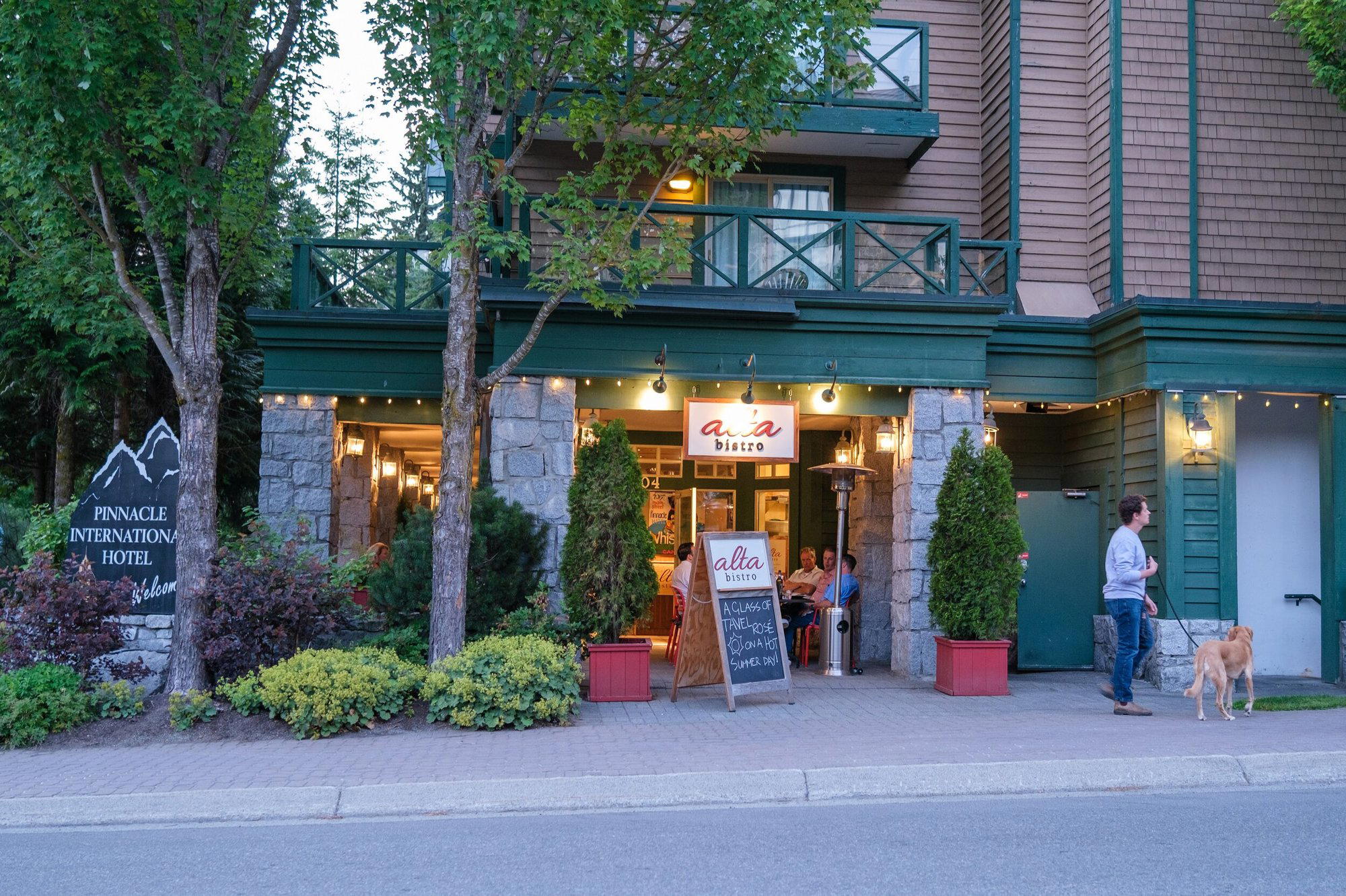
Where Whistler's Sourcing Conversation Gets Serious
Whistler's restaurant scene has long been divided between two modes: high-energy après venues that prioritise volume and atmosphere, and a smaller bracket of kitchens that treat the surrounding range of British Columbia as a pantry. Alta Bistro operates in the second category, on Main Street in the village core, where its address at 4319 Main Street places it within walking distance of the gondola base but at a noticeable remove from the louder end of the après circuit. That physical positioning reflects the kind of restaurant Alta Bistro is trying to be and the kind of diner it attracts.
The Canadian Pacific Northwest produces an extraordinary range of raw material: wild salmon runs through interior river systems, high-altitude forage, Pacific shellfish from the Georgia Strait, dry-aged beef from ranches within a few hours' drive, and a growing cohort of small-scale vegetable farms in the Pemberton Valley just north of Whistler. This region-as-pantry approach has become a legitimate identity marker for ambitious Canadian kitchens, from AnnaLena in Vancouver to Eigensinn Farm in Singhampton, each working within their own geography rather than importing prestige ingredients from elsewhere. Alta Bistro operates within this broader movement, anchoring its kitchen logic to what the Sea-to-Sky corridor and the wider BC interior can provide seasonally.
The Room and the Register
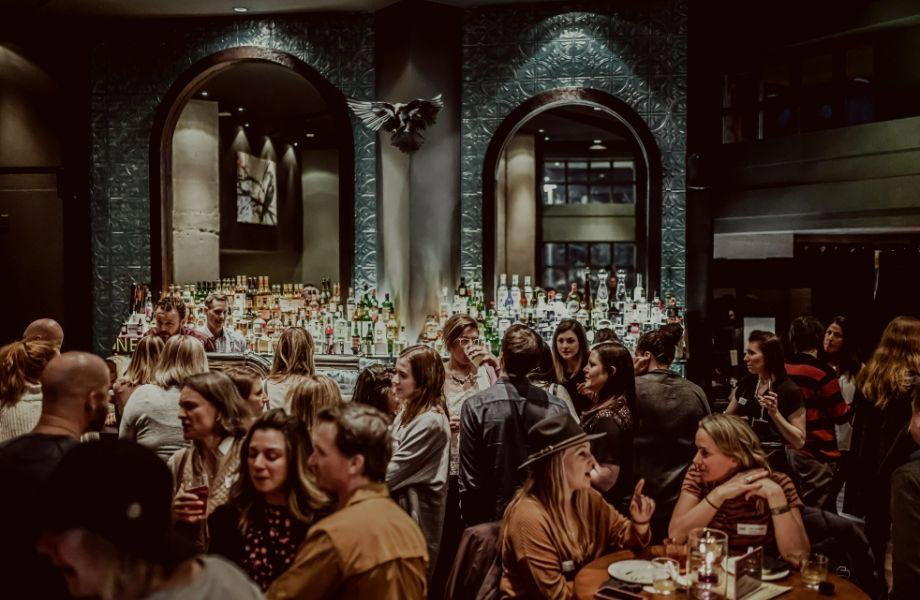
Walking into the restaurant, the mood shifts from Whistler's dominant après energy to something more composed. The dining room works at a smaller scale than the village's larger showcase restaurants, and that intimacy has a functional consequence: the kitchen's sourcing decisions become legible at the table in a way that's harder to achieve in a high-volume room. Conversations about where a particular cut came from, or which farm supplied the evening's vegetables, fit naturally into the format.
This smaller-room logic has been refined steadily in Canadian dining. Tanière³ in Quebec City built its entire reputation on a below-grade space that enforced intimacy as a precondition for its hyper-regional Quebec sourcing. Restaurant Pearl Morissette in Lincoln operates from a working winery estate where the dining room is deliberately secondary to the land. The restaurant's version of this logic is more urban in scale, but the underlying premise, that the room should not overwhelm the ingredient, reads as part of the same Canadian sensibility.
British Columbia on the Plate
The sourcing framework that defines serious BC restaurants is built around a few non-negotiable categories. Seafood from the Pacific coast, halibut, sablefish, Dungeness crab, spot prawns, occupies the prestige tier. Pemberton Valley, immediately north of Whistler, supplies some of the province's leading root vegetables and heritage potato varieties. The ranching country of the BC interior produces grass-fed beef that competes credibly with Alberta's commodity product on flavour grounds, even if it rarely wins the marketing battle. A kitchen at the restaurant's level in Whistler is positioned to work with all of these supply chains, and the village's tourist economy means there is a paying audience for ingredient-driven cooking year-round, not just during ski season.
That year-round viability matters. Mountain resort restaurants that anchor their identity to regional sourcing face a structural challenge: the peak tourist influx in winter does not always align with peak local harvest. The kitchens that manage this tension most successfully preserve, ferment, and store during summer abundance, then draw on those stocks through the winter months. It is an approach that connects Whistler's dining scene to the broader Canadian tradition of preservation-as-craft visible at places like Fogo Island Inn Dining Room in Joe Batt's Arm, where geographical isolation made preservation not a trend but a necessity.
Alta Bistro in Whistler's Competitive Tier
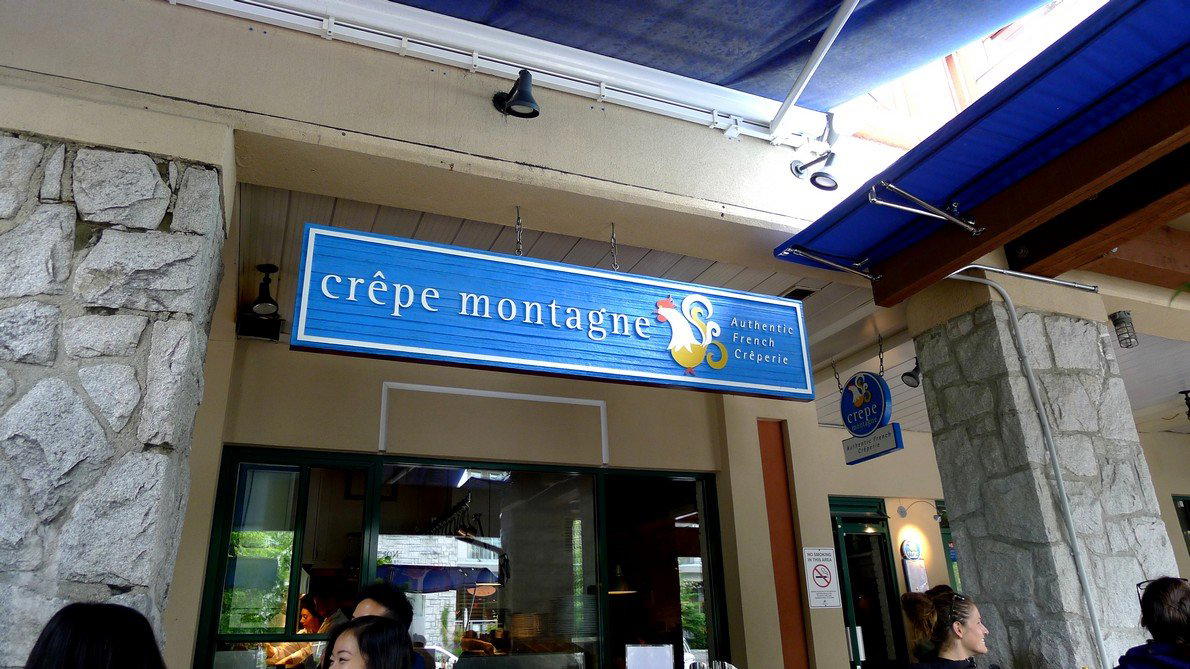
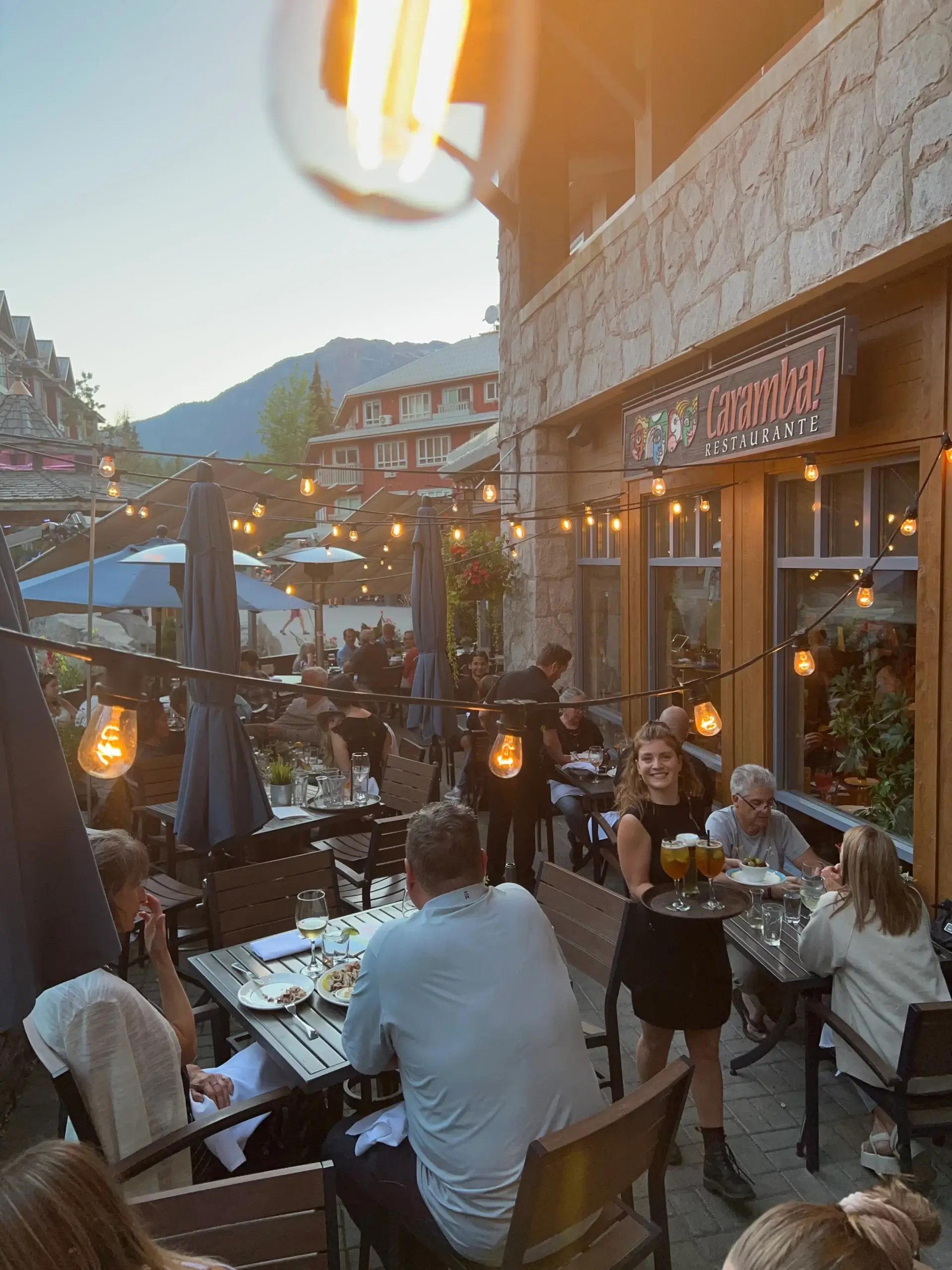
Within Whistler specifically, the restaurant occupies a different position than the village's established flagship addresses. Araxi holds the clearest benchmark status, it runs a long-term BC sourcing programme, has accumulated significant national recognition, and prices accordingly. Bearfoot Bistro operates in a showmanship register, known as much for its theatre as its kitchen. Buffalo Bill's and Caramba Restaurant serve a broader, more casual audience. Crêpe Montagne occupies a speciality niche of its own.
The restaurant sits between the casual majority and the formal flagship tier, which is a commercially sensible position in a resort town where guest spend varies enormously by the hour. A party that wants serious cooking without Araxi's full-service formality, or Bearfoot's performance energy, finds in the restaurant a middle register: ingredient-focused, relatively composed, and sized for a quieter kind of evening. This is the same gap that Alo in Toronto or Jérôme Ferrer - Europea in Montréal occupy in their respective cities, though at considerably higher price points and with larger national profiles attached.
For an international comparison, the sourcing-first mountain bistro format has parallels in the Alpine dining tradition, kitchens in the French and Swiss Alps that built serious cooking programmes around the logic of what the surrounding valleys produced, rather than importing urban restaurant conventions wholesale. Lazy Bear in San Francisco and Le Bernardin in New York City represent the premium end of ingredient-centric American cooking at urban scale; the restaurant's version of that sensibility operates at a more accessible price point in a resort context.
Planning Your Visit
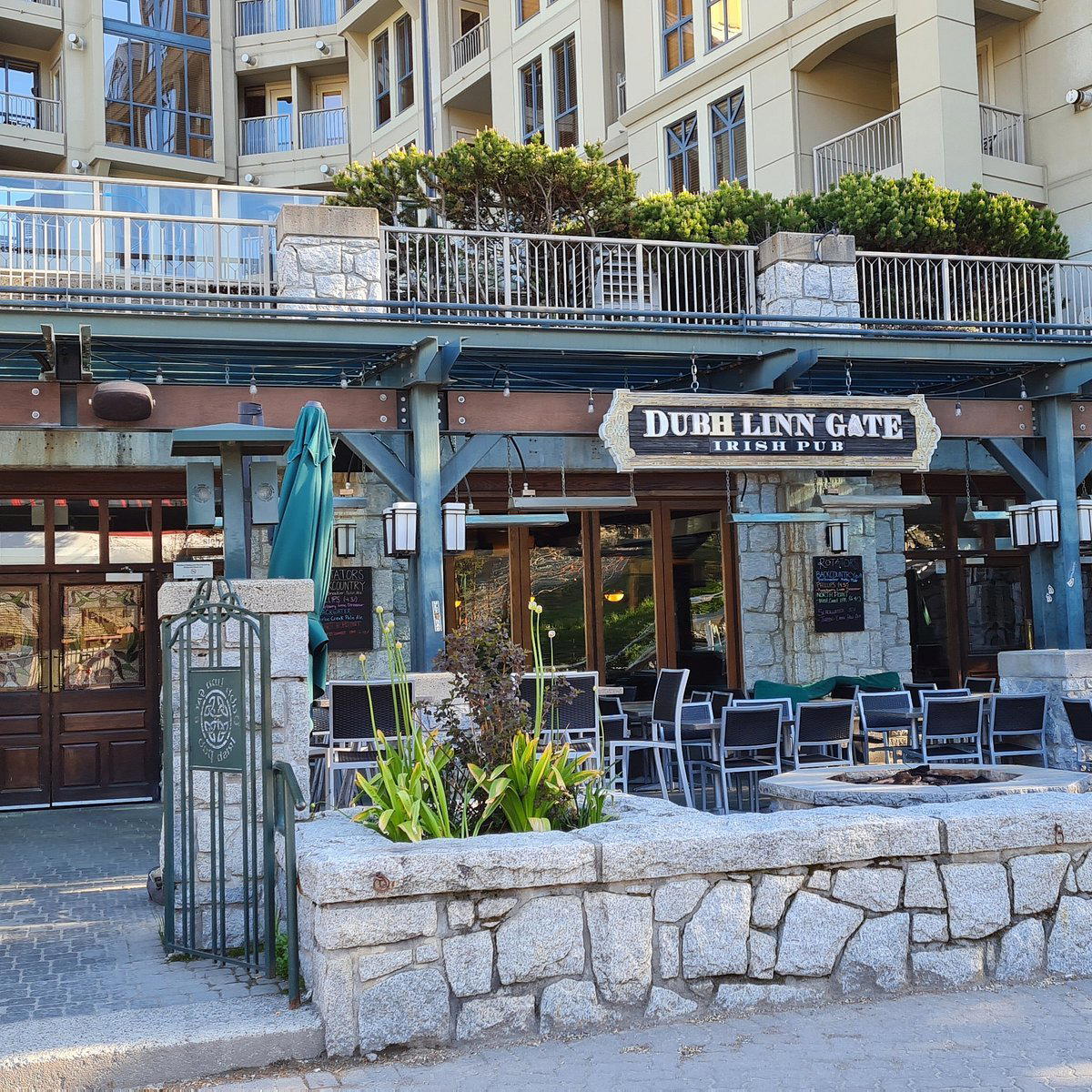
The restaurant is located at 4319 Main Street, Unit 104, in Whistler Village, accessible on foot from the main gondola base and the village stroll. Whistler's dining peak runs from late December through March (ski season) and again in July and August (mountain biking and hiking season); both windows reward advance planning at the village's more popular addresses. For a dinner after a day on the mountain, a reservation is the more reliable approach.
A Quick Peer Check
Comparable venues nearby, for context on price, style, and recognition.
| Venue | Cuisine | Price | Notes |
|---|---|---|---|
| Alta BistroThis venue — the venue you are viewing | Modern French Alpine Bistro | $$$ | Not listed |
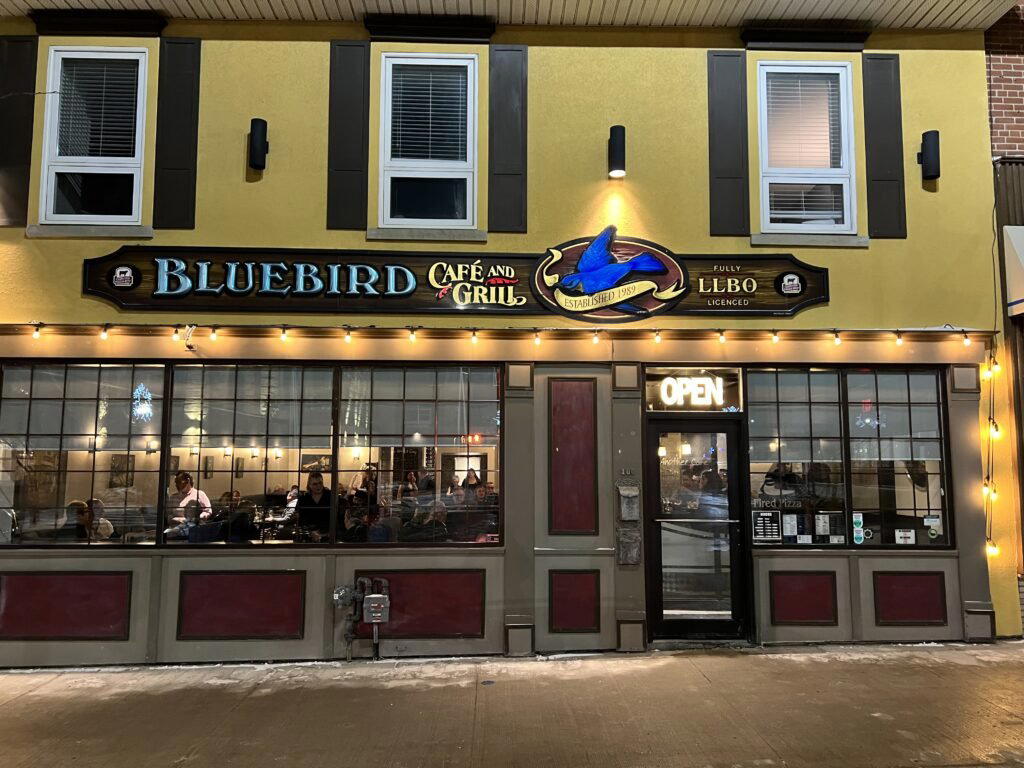
| Crêpe Montagne | Authentic French Crêperie | $$ | Whistler Village |
| Il Caminetto | Contemporary Italian with Regional Influences | $$$ | Whistler Village |
| Ohyama Ramen | Authentic Japanese Ramen | $$ | Whistler Village |
| Garfinkel's Whistler | Pub Grub & Cocktails | $$ | Whistler Village |
| The Green Moustache Organic Café | Organic Plant-Based Café | $$ | Whistler |


At a Glance
- Cozy
- Rustic
- Elegant
- Intimate
- Date Night
- Special Occasion
- Open Kitchen
- Craft Cocktails
- Extensive Wine List
- Local Sourcing
- Farm To Table
- Organic
Current opening hours
- Monday
- 5:30–10 PM
- Tuesday
- 5:30–10 PM
- Wednesday
- 5:30–10 PM
- Thursday
- 5:30–10 PM
- Friday
- 5:30–10 PM
- Saturday
- 5:30–10 PM
- Sunday
- 5:30–10 PM
Hours can change for holidays and private events. Last verified .
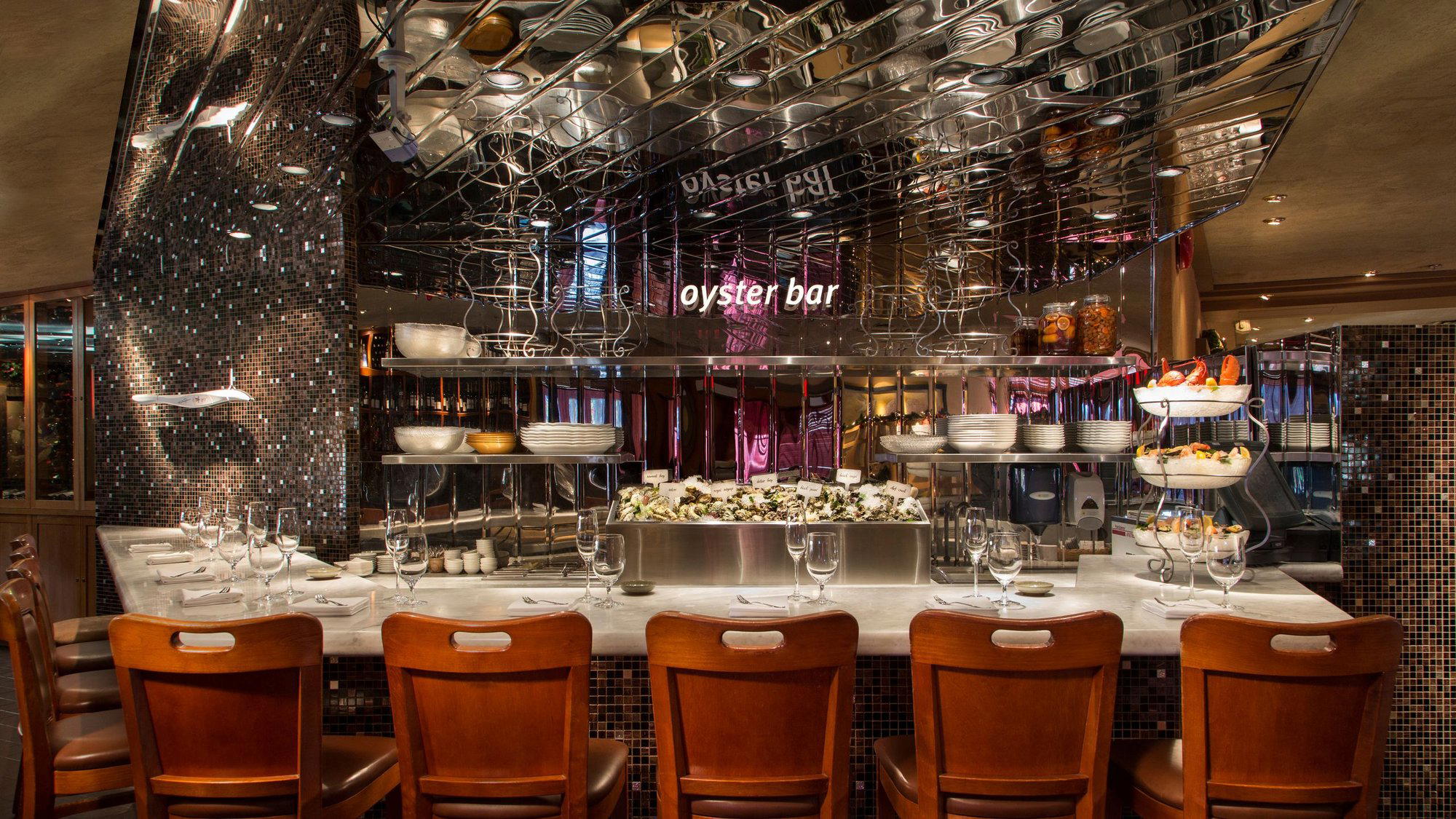
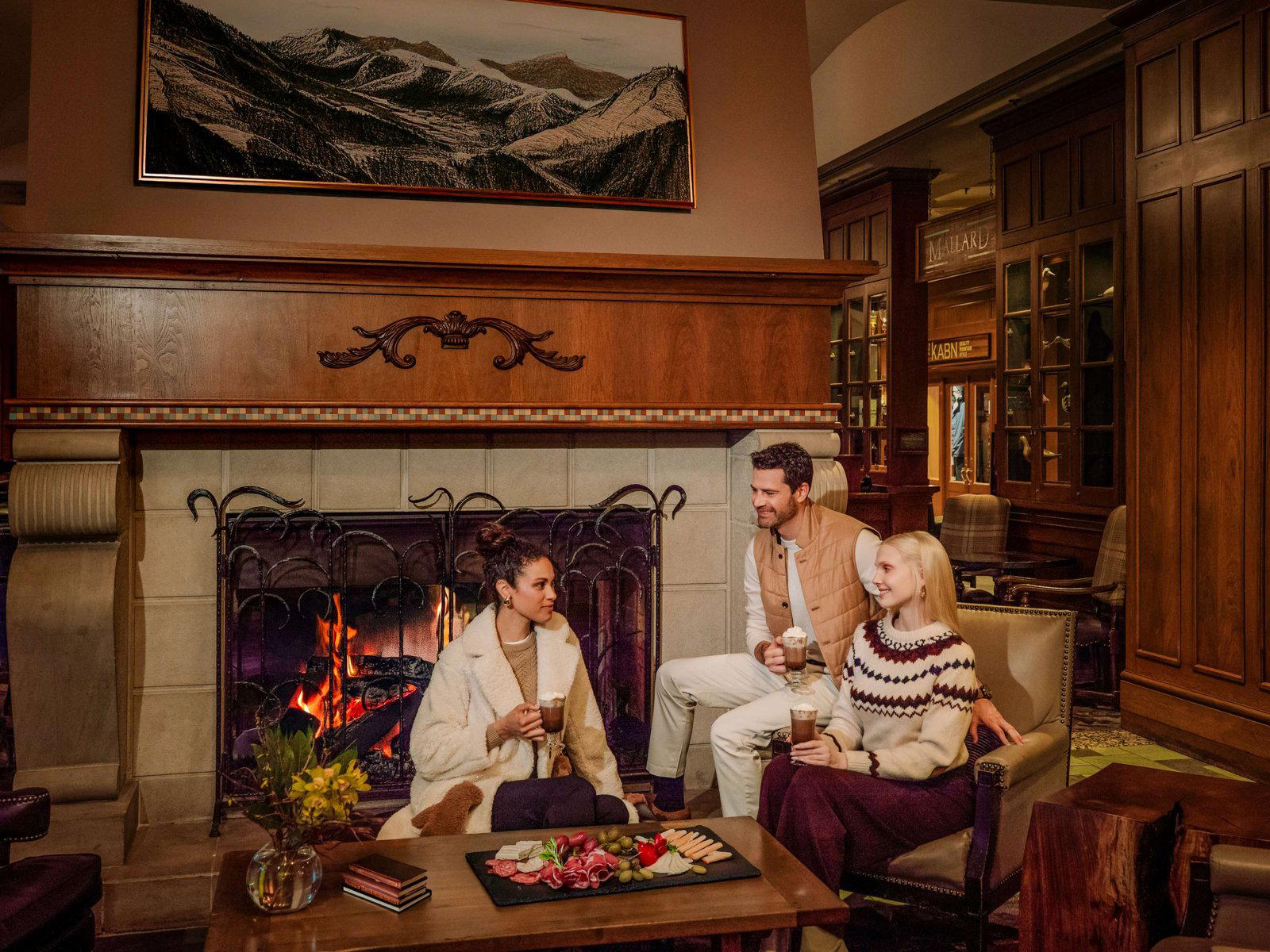
Warm lighting over deep reds and woodsy browns creating a rustic yet elegant mountain atmosphere.