Whistler Blackcomb is the largest ski resort in North America by skiable terrain, drawing serious winter athletes and summer mountain visitors alike to British Columbia's Coast Mountains. The dual-peak system connects Whistler Mountain and Blackcomb Mountain above a purpose-built alpine village with year-round lift access, dining, and accommodation options across multiple price tiers.

Pearl is the En Primeur Club membership app — saves, bookings, and concierge access live there. Same editors, same standards.
- Address
- 4545 Blackcomb Wy, Whistler, BC V0N 1B4, Canada
- Phone
- (604) 967-8950
- Website
- whistlerblackcomb.com
- Directions
- Get directions
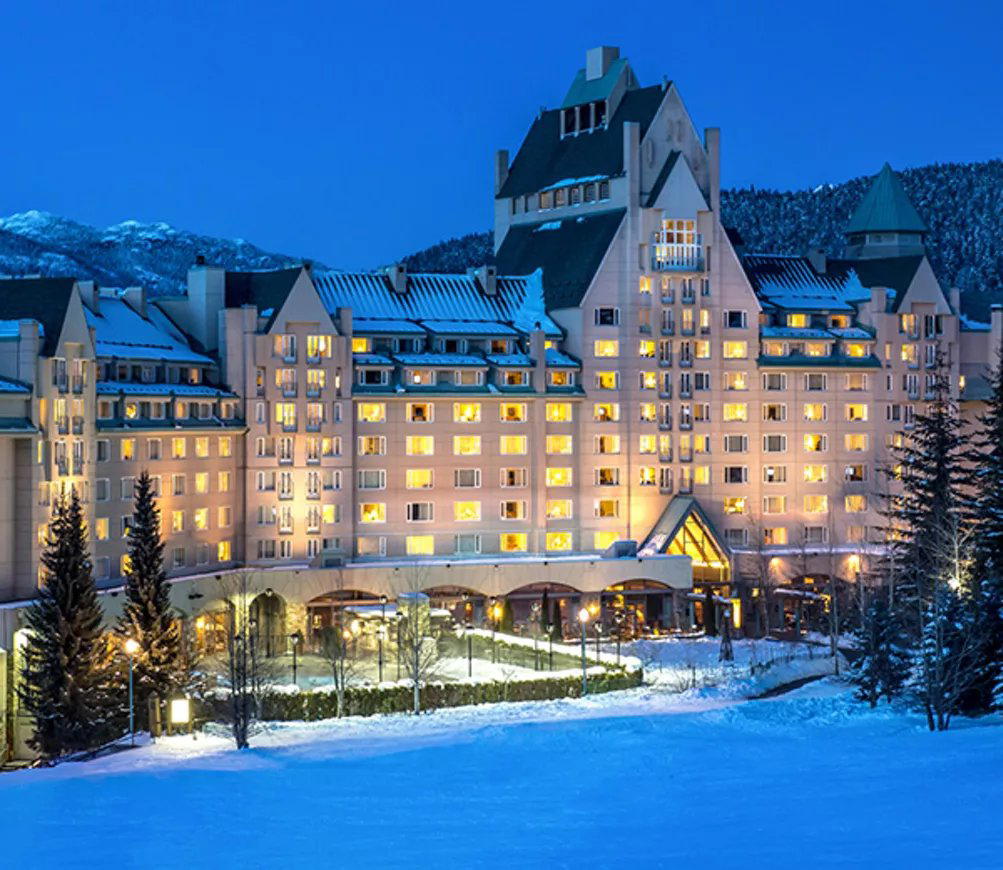
Two Mountains, One Legacy: The Scale and History of Whistler Blackcomb
Standing at the base of Whistler Mountain in winter, the scale registers before anything else. The vertical rise — 1,530 metres on Whistler, 1,609 metres on Blackcomb — is the largest in North America, and that fact reshapes how skiers and riders plan their time here. This is not a destination where a single focused day covers the terrain. Most serious visitors discover, usually mid-week, that the two mountains operate almost as separate resorts sharing a gondola connection: the PEAK 2 PEAK, which spans 4.4 kilometres between summits and holds Guinness World Records for both the longest unsupported span and the highest lift of its kind. The gondola opened in 2008 and fundamentally changed how guests move across the combined resort, shifting Whistler Blackcomb from a mountain-plus-annex arrangement into something closer to a continuous alpine environment.
The resort's history runs deeper than most North American ski areas. Whistler Mountain opened in 1966, developed partly to support Canada's bid for the 1968 Winter Olympics, a bid that ultimately went to Grenoble. Blackcomb followed in 1980, and for two decades the two mountains operated as genuine competitors under separate ownership, a dynamic that shaped the resort's infrastructure, its culture, and its institutional memory in ways that still show up in the terrain layout and lift naming conventions today. The merger came in 1997, and Vail Resorts acquired the combined operation in 2016, placing Whistler Blackcomb inside a global network that includes Colorado, Utah, and European properties, a positioning that affects everything from lift pass integration to the type of international skier who arrives each January.
Terrain, Season, and the Shape of a Whistler Winter
The combined skiable terrain runs to approximately 8,171 acres across 200-plus marked runs, with 16 alpine bowls and three glaciers providing access to high-alpine skiing through a season that typically stretches from late November into late April. Blackcomb's Horstman Glacier extends the window further, with summer glacier skiing available in some years through July. That temporal range matters for trip planning: the peak December-to-February window delivers the most reliable snow depth and the most congestion; March offers a balance of light and coverage that many experienced Whistler visitors prefer; and the spring shoulder, when lift lines thin and afternoon sun turns the groomers soft, has its own loyal following.
Expert terrain is a material part of the resort's identity. Couloirs accessed via the Whistler Peak and Blackcomb's Seventh Heaven zone, along with the double-black terrain above the treeline, draw serious skiers who measure resorts by what opens after a storm cycle. The 2010 Winter Olympics left physical infrastructure on both mountains, including the competition venue at Whistler Creekside, which gives the resort a documented international credential that extends beyond marketing claims. Visitors who want to understand the mountain's competitive history can trace the downhill course layout at Creekside, which hosted Olympic alpine events and remains a distinct base area separate from the main Whistler Village.
Whistler Village and Where to Stay
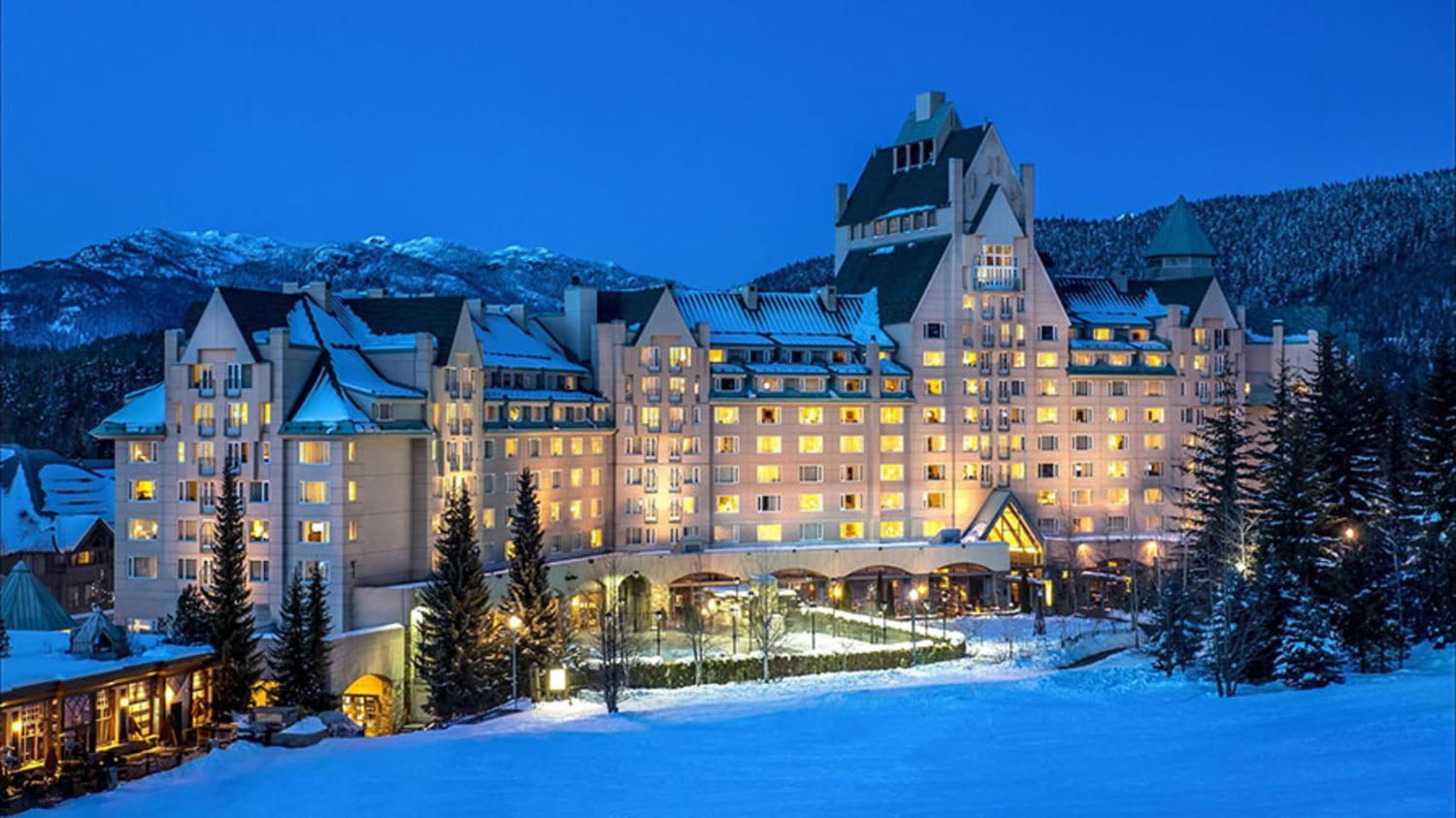
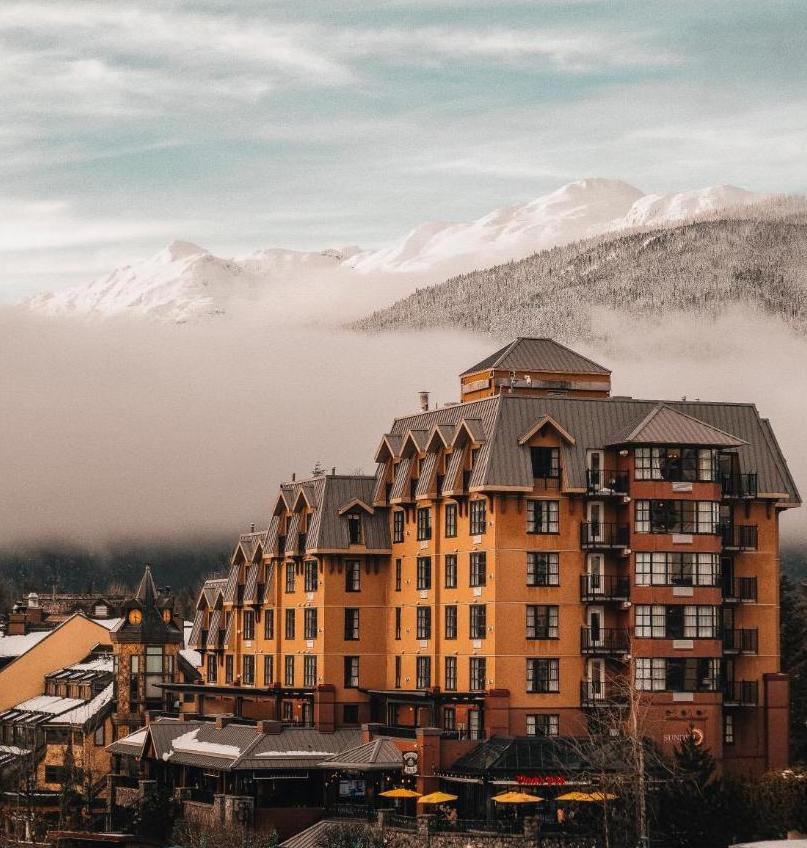
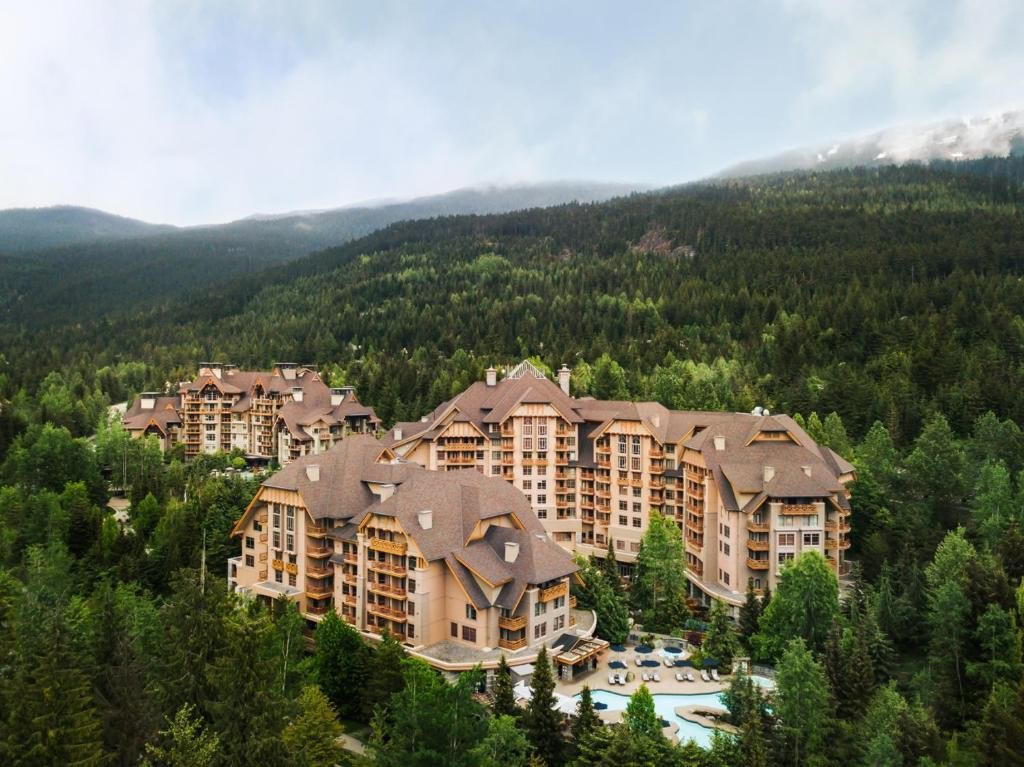
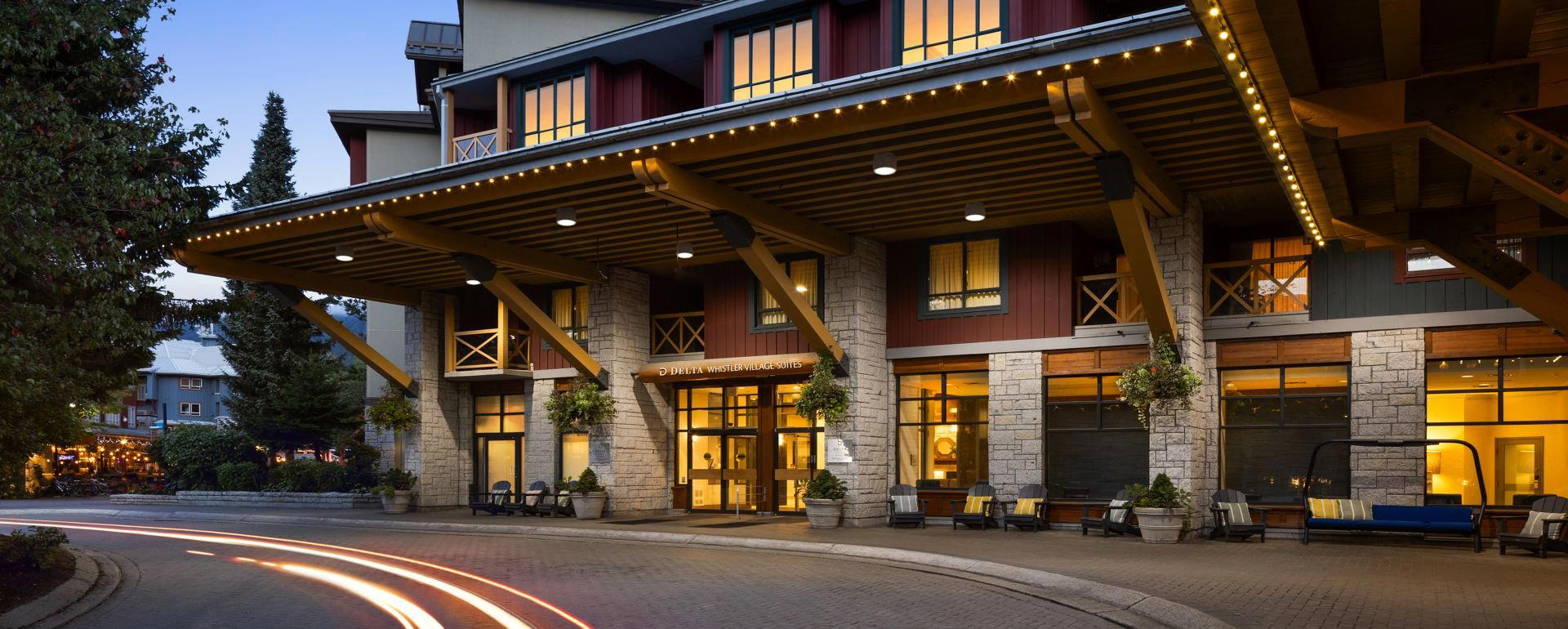
The village itself is car-free at its core, built in the 1970s and 1980s on a planned pedestrian model that was unusual for North American ski resort development at the time. Ski-in, ski-out access, proximity to the gondola bases, and the village's layout all influence the accommodation decision more than they would in a city hotel context. The Fairmont Chateau Whistler sits at the base of Blackcomb with direct slope access and positions itself at the top of the village's accommodation tier. The Four Seasons Resort Whistler occupies Upper Village with a quieter orientation. Nita Lake Lodge sits south of the village core in Creekside, offering a smaller-scale alternative with direct Creekside gondola access. Delta Hotels by Marriott Whistler Village Suites provides a mid-range option inside the village pedestrian zone. Each of these properties sits in a different relationship to the mountain access points, and that geography drives the choice more than brand affiliation for most repeat visitors.
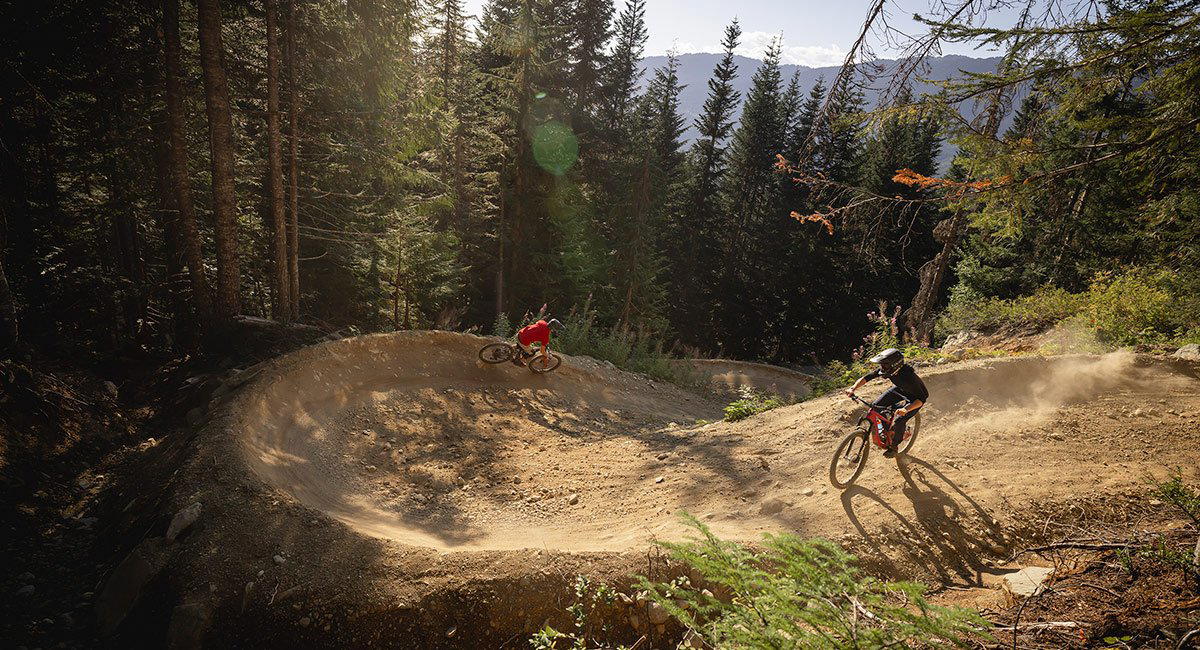
Beyond accommodation, the Whistler Mountain Bike Park operates on Whistler Mountain in summer, transforming the same vertical drop used by winter skiers into a lift-accessed trail network that draws a distinct international riding community from May through October. The seasonal flip is a material feature of how Whistler Blackcomb manages its infrastructure across the year and explains why the resort's shoulder seasons carry genuine appeal rather than serving purely as off-peak discount windows.
For trip planning logistics, Whistler sits approximately 125 kilometres north of Vancouver via Highway 99, the Sea-to-Sky corridor, making a Vancouver base with day trips possible but inefficient given the drive time. Most multi-day visitors stay in Whistler directly. For those building a broader Canada itinerary, properties such as the Rosewood Hotel Georgia in Vancouver serve as a natural urban anchor before or after a Whistler stay, while the Fairmont Banff Springs in Banff or the Fairmont Chateau Lake Louise in Lake Louise extend a mountain-focused Canada itinerary eastward into Alberta. Those oriented toward remote wilderness lodges rather than resort infrastructure might consider Clayoquot Wilderness Lodge in Tofino as a counterpoint on Vancouver Island, or Fogo Island Inn in Joe Batt's Arm for a different register of Canadian landscape entirely.
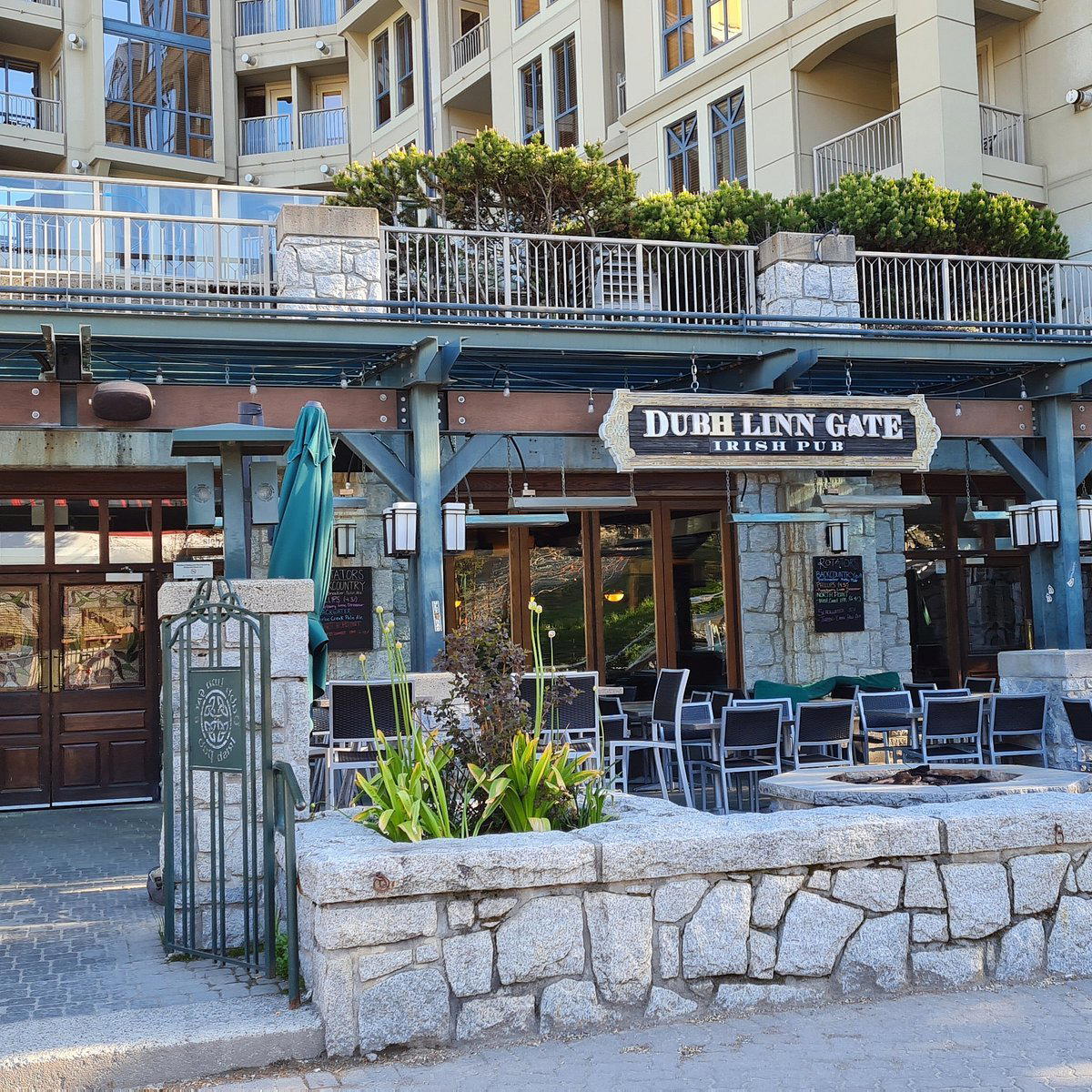
For dining context in Whistler and surrounding areas, the our full Whistler restaurants guide covers the village's food and beverage scene across price points and formats. Canada's broader luxury accommodation circuit also includes the Fairmont Empress Hotel in Victoria, the Manoir Hovey in North Hatley, the Hotel Le Germain Montreal in Montreal, the Hôtel Quintessence in Mont-Tremblant, the Le Germain Charlevoix Hotel & Spa in Baie-St-Paul, the The Dorian, Autograph Collection in Calgary, the The Royal Hotel in Picton, the Drake Motor Inn in Prince Edward, the Deerhurst Resort in Huntsville, the Elora Mill in Centre Wellington, and the Four Seasons Hotel Toronto in Toronto. For international reference points at a comparable tier of alpine or urban luxury, Aman New York in New York City, The Fifth Avenue Hotel in New York City, and Aman Venice in Venice illustrate the broader competitive set in which Whistler's premium accommodation layer competes for international travel budgets.
| Venue | Cuisine | Price | Awards |
|---|---|---|---|
| Whistler BlackcombThis venue — the venue you are viewing | This venue | $300–500 | Not listed |
| Fairmont Chateau Whistler | Not listed | Not listed | 2 Michelin Keys · Forbes Recommended |
| Four Seasons Resort Whistler | Not listed | $300–500 | 2 Michelin Keys · La Liste Top Hotels |
| Nita Lake Lodge | Not listed | $300–500 | 1 Michelin Key |
| Whistler Mountain Bike Park | Not listed | $200–300 | Not listed |
| Delta Hotels by Marriott Whistler Village Suites | Not listed | $100–200 | Not listed |
Details
- Scenic
- Rustic
- Modern
- Elegant
- Family Vacation
- Weekend Escape
- Ski In Ski Out
- Panoramic View
- Pool
- Hot Tub
- Spa
- Fitness Center
- Wi Fi
- Mountain
- Wheelchair Accessible
- Elevator
Current opening hours
- Monday
- 8 AM–4 PM
- Tuesday
- 8 AM–4 PM
- Wednesday
- 8 AM–4 PM
- Thursday
- 8 AM–4 PM
- Friday
- 8 AM–4 PM
- Saturday
- 8 AM–4 PM
- Sunday
- 8 AM–4 PM
Hours can change for holidays and private events. Last verified .
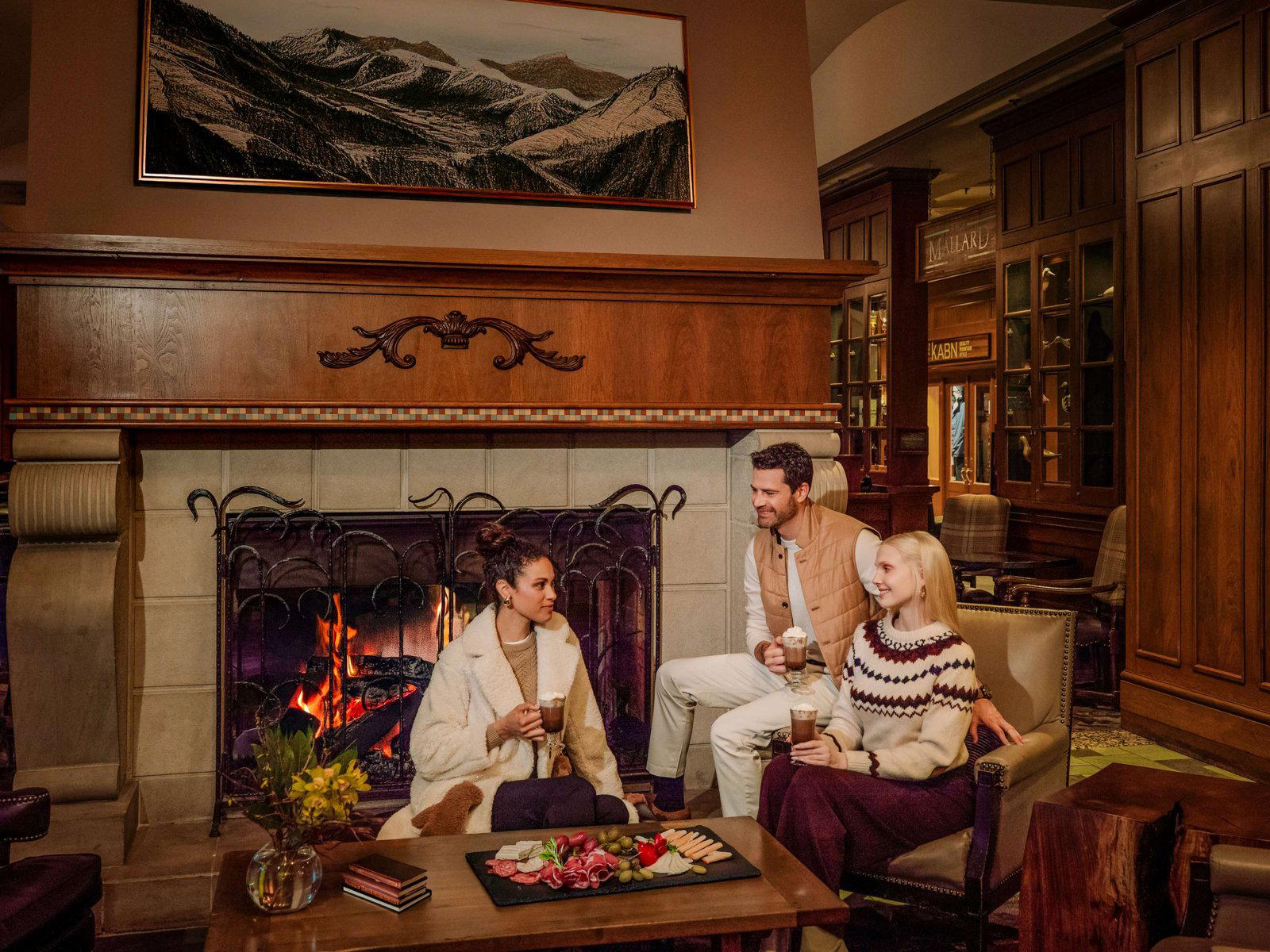
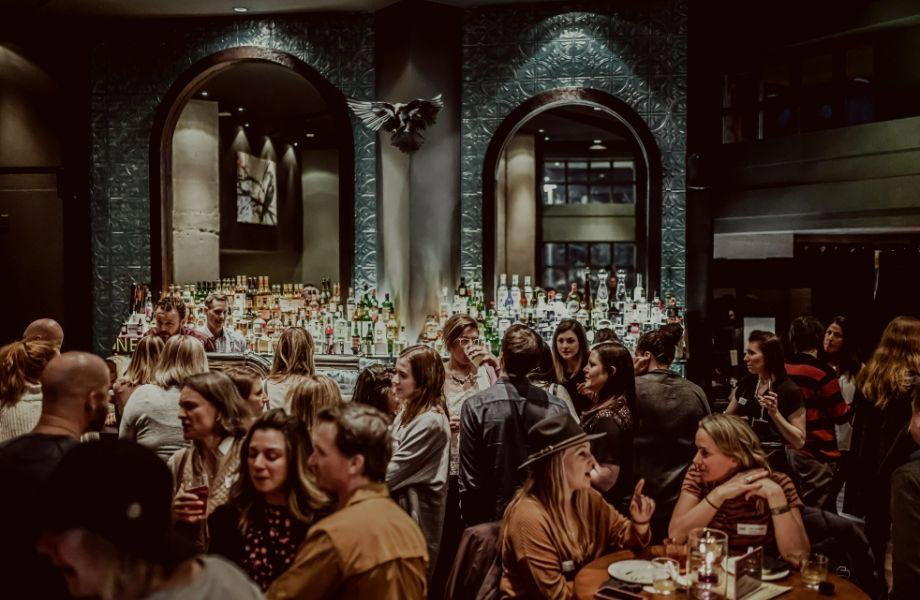
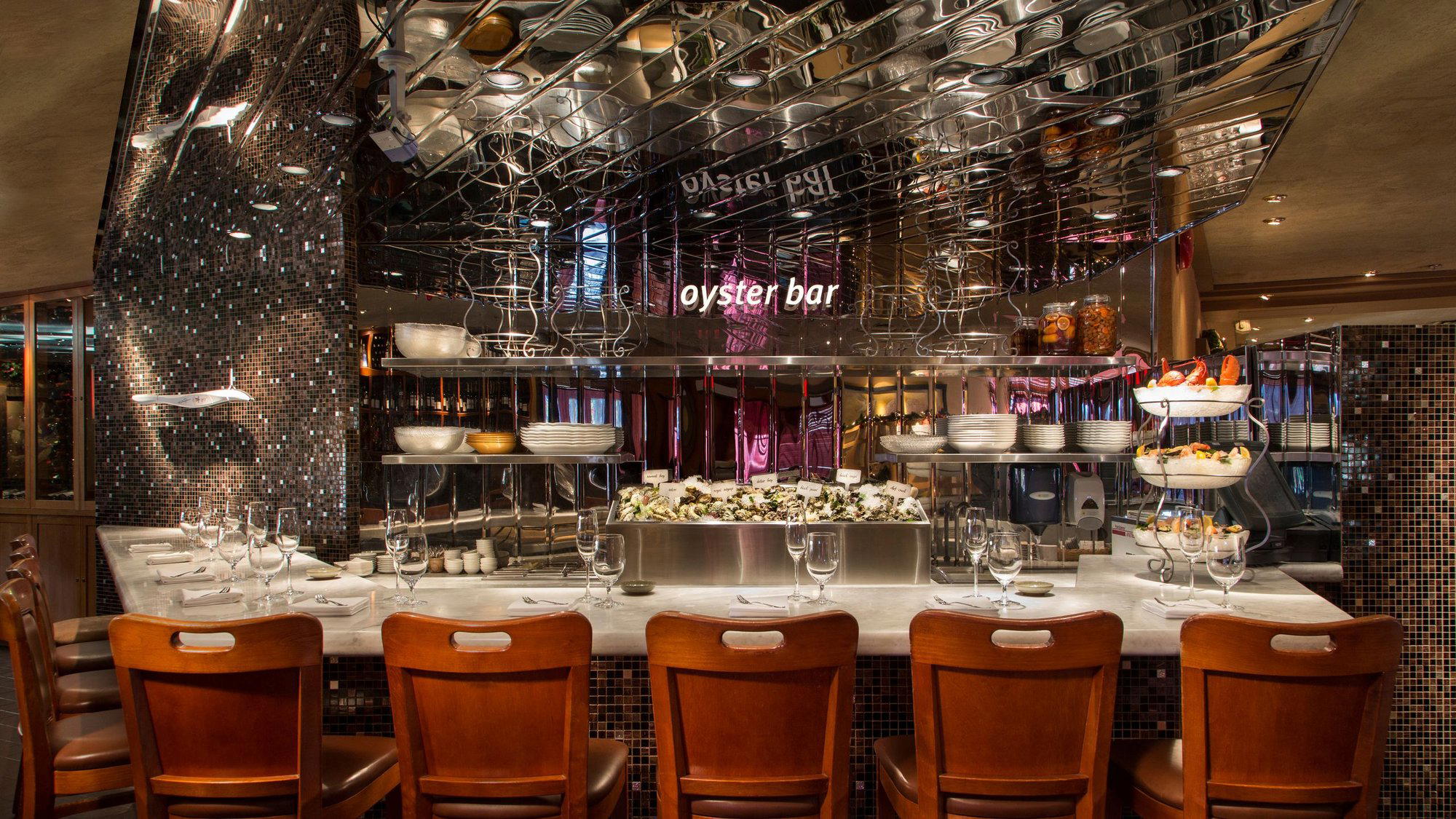
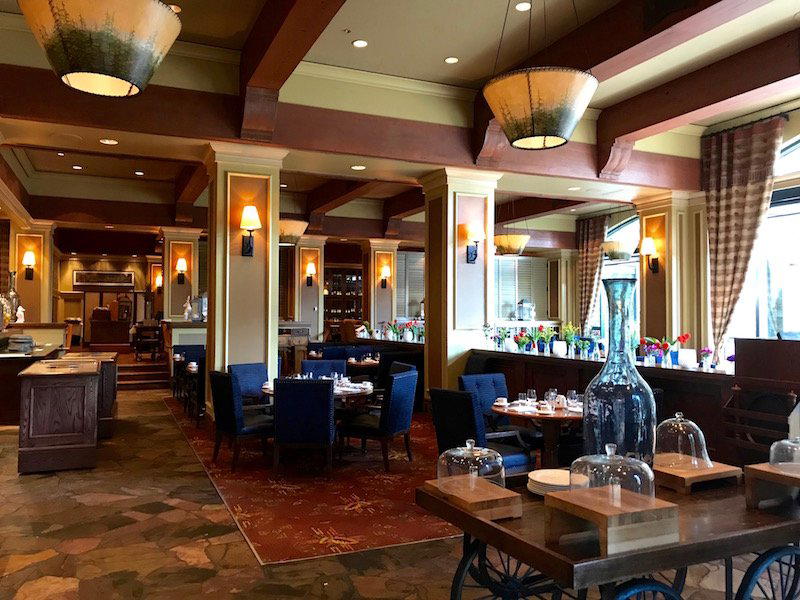
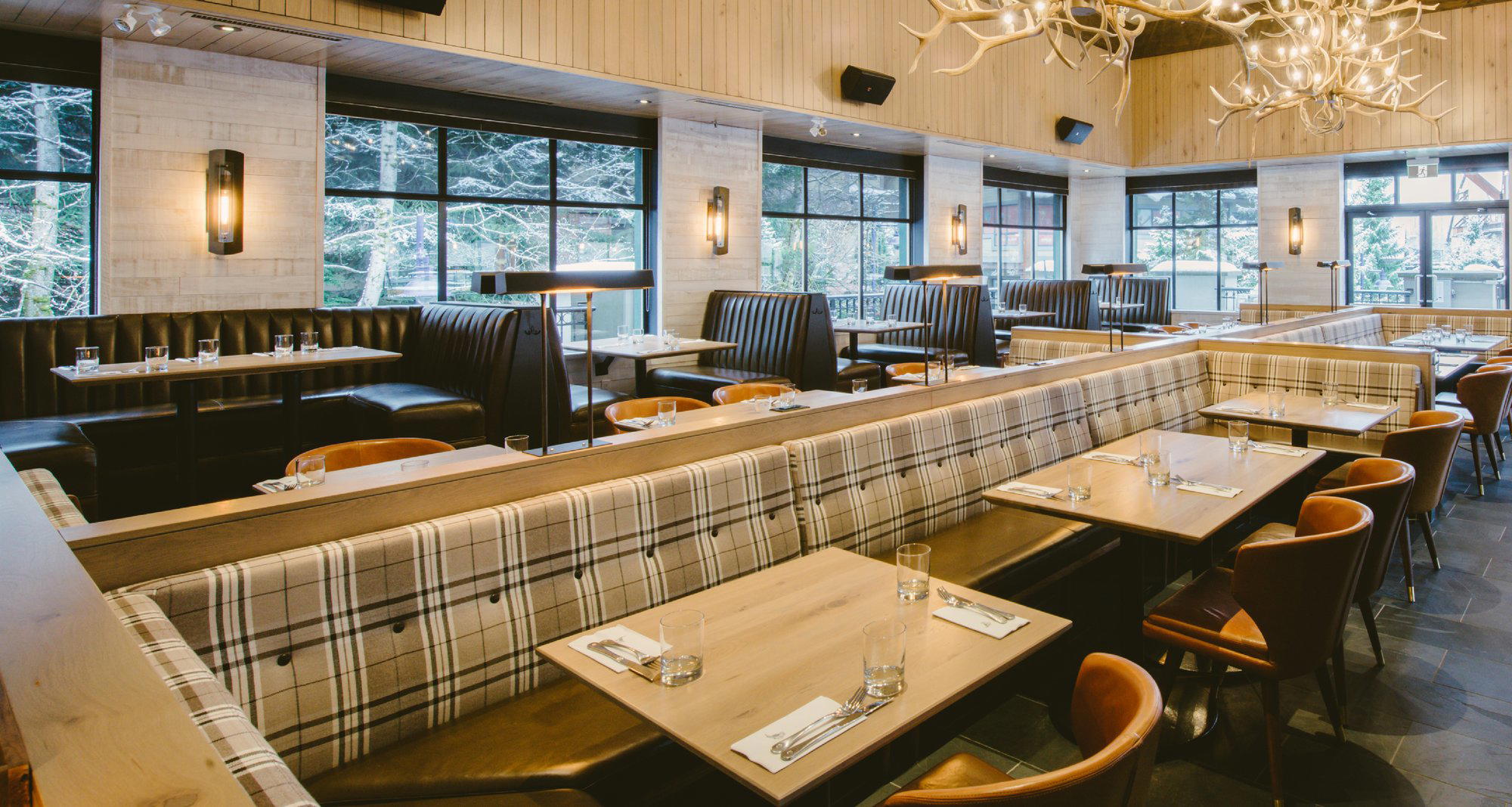
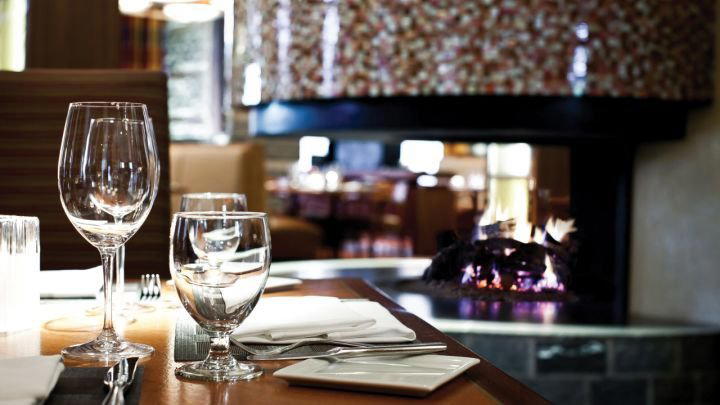
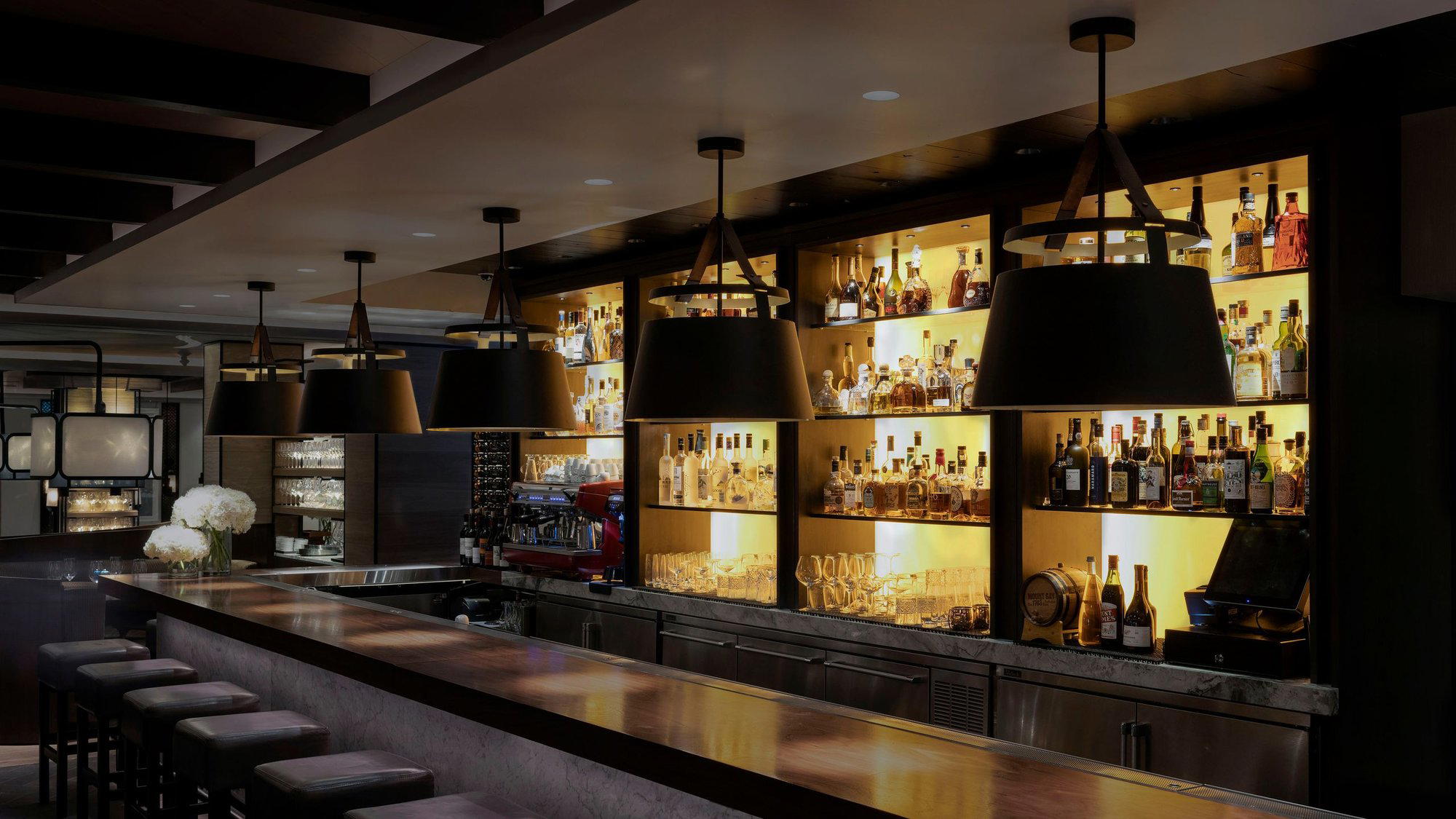
Cozy alpine lodge atmosphere blending rustic wood elements, fireplaces, and modern contemporary design with dramatic mountain views.