
Tenmasa places Namba’s everyday noodle culture in unusually sharp focus: udon, soba, and curry udon served from a compact counter in the city’s busiest south-side district. Its selection for Tabelog 100 Udon WEST 2024 gives the address a credible signal beyond convenience, while the format keeps the experience closer to Osaka street-level dining than destination tasting-menu ritual.
Pearl is the En Primeur Club membership app — saves, bookings, and concierge access live there. Same editors, same standards.
- Address
- 3 Chome-3-3 Namba, Chuo Ward, Osaka, 542-0076, Japan
- Phone
- +81 6-6641-1846
- Website
- nambacentergai.jp
- Directions
- Get directions
 Saves & bookings on Pearl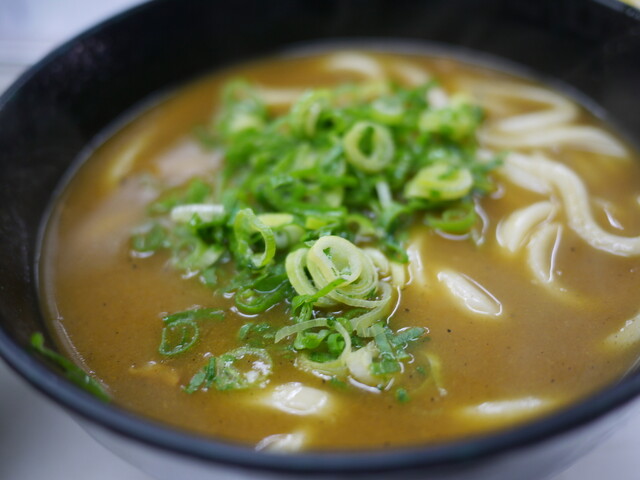
Namba does not ask diners to slow down. The area works by compression: station exits, shopping arcades, food counters, department-store basements, late trains, and Dotonbori’s pull a short walk away. Here, noodle shops carry responsibility. They feed office workers, shoppers, solo regulars, and visitors who know Osaka’s serious eating is not confined to reservations and long menus.
Tenmasa belongs to that Namba grammar. The room is counter-led; the category is udon, soba, and curry udon; the appeal sits between speed and attention. Osaka has polished restaurants with longer bills and bigger rooms, but its noodle culture often works well at close range, where the meal is brief, turnover natural, and the cooking must justify itself without ceremony. Selection for Tabelog 100 Udon WEST 2024 matters because it places a low-priced, everyday format in a regional field where consistency is judged against hundreds of competitors, not luxury-dining conventions.
Namba noodle culture rewards precision over ceremony
Udon in western Japan is less a single style than a set of local expectations: clean broth, restrained seasoning, wheat noodles with texture without heaviness, and a menu structure that lets a quick meal feel composed. Osaka adds pressure. In a city famous for takoyaki, kushikatsu, okonomiyaki, and department-store food halls, the noodle counter competes with faster snacks and louder formats. That is why the compact counter remains effective: little distance separates order, preparation, and eating.
Tenmasa’s recognition in the Udon WEST list puts it beyond casual station noodles, while its scale keeps it in the city’s daily rhythm. Its spread of udon, soba, and curry udon reflects how Osaka diners use noodle shops pragmatically. A shop does not need a grand tasting structure to earn loyalty; it needs range within a narrow field and enough discipline that repeat visits feel sensible rather than sentimental.
That context helps travelers build an Osaka eating map. Namba is dense with options, and the temptation is spectacle. The stronger move is to read the district as specialized stops: a noodle counter, a pork bun stop such as 551 Horai (551蓬莱), a bakery detour like 52CHO-ME BAKERY, or a coffee pause at .cafe. Seen that way, the neighborhood is less about one long meal than the precision of individual stops.
The counter format suits Osaka's solo-dining logic
Counter seating changes how a meal reads. It removes dining-room performance and centers pacing, turnover, and bowls moving across the counter. Tenmasa’s 11-seat, counter-only format fits Osaka’s casual specialist tradition, where a small shop can be judged rigorously because every seat is close to the work. This is not the city’s plush side; it is the useful side, where direct does not mean careless.
The comparison set around Namba clarifies the positioning. Juutei operates at a higher spend level, while Hokkyoku Nanba honten sits in a similar low-price band but in casual sweets. Creperie Alcyon and Havana pull the area toward café and bar-adjacent spending. Against those nearby formats, Tenmasa’s case is narrower and stronger: noodles as the main event, not a pause between plans.
Visitors who treat awards as shorthand for grandeur should note the distinction. Tabelog 100 recognition in udon does not imply white-tablecloth service or a long evening. It signals that a modest format has been taken seriously within its field. In Japan, that matters. A counter shop can carry more culinary relevance than a larger dining room if the category is specific and execution consistent enough to earn repeat attention.
Osaka’s broader dining scene makes room for both ends. Italian cooking has a foothold at a canto (Italian) and 99 Pizza Napoletana Gourmet, while quick-eating culture still defines how many visitors experience Namba. For a wider map, Our full Osaka restaurants guide is the better frame; hotels, bars, wineries, and experiences sit separately in Our full Osaka hotels guide, Our full Osaka bars guide, Our full Osaka wineries guide, and Our full Osaka experiences guide.
How to read the award signal without overreading it
Tabelog’s Hyakumeiten lists are useful because they sort by category and region rather than forcing every restaurant into one prestige ladder. For udon, the WEST scope is especially relevant: Kansai, and Osaka in particular, has deep everyday noodle culture that needs no Tokyo-style formality to be taken seriously. Tenmasa’s 2024 selection says the shop belongs in that regional conversation; it does not make the meal a luxury ritual.
That is the editorial point. Osaka rewards diners who understand format. A compact counter in Namba should be measured against other specialist counters, not kaiseki rooms or hotel restaurants. The appeal lies in category focus, low-friction dining, and credible recognition. For travelers, it works as a sharp Namba anchor before or after heavier eating, not the centerpiece of an entire evening.
Readers comparing casual Japanese formats beyond Osaka can place it alongside regional specialists: -Grilled beef Sukiyaki- KAMAKURA TANUKIAN 鎌倉 たぬき庵 in Kamakura. 鮪と炭火焼き うお炭 秋葉原店 in Tokyo.know in Kumamoto, (Shoku) Vietnam in Kawasaki, [Curry Senmon Ten] Maruyama Kyoju. in Sapporo, and [ki:] in Kyoto. The international Japanese-casual thread extends differently at Jōdo Saké Bar in Los Angeles and Onigiri Time in Pasadena, but those comparisons underline the same rule: simple formats travel well only when the details hold.
Expect not spectacle, but a compact Namba noodle counter with recognized standing in a competitive western Japan udon field, useful for diners who value category discipline over dining-room theatre. In Osaka, that is often where the city speaks with the least distortion.
Local
Comparable venues for orientation by cuisine and category.
| Venue | Cuisine | Price | Notes |
|---|---|---|---|
| TenmasaThis venue — the venue you are viewing | Budget Udon & Soba Noodle Shop | $ | Not listed |
| Cafe Basara Kaeru dou | Japanese Cafe-Curry | $ | Nishi |
| Hagu Ne | Japanese Curry Shop | $ | Kita |
| Chuka Soba Sen | Japanese Ramen | $ | Sumiyoshi |
| Kei Chan | Udon noodle shop | $ | Hirano |
| Jikoryu Ramen Watamen | Ramen & Tsukemen Shop | $ | Matsubara (Minami-Kawachi) |
Recognition history
Dated appearances from independent guides and award organizations, with the underlying list record or original source where available.
Tabelog 100 #4 · No. 4
Tabelog · Tabelog 100 - Udon - WEST - 2024
Continue exploring
More in Osaka
Restaurants in Osaka
Browse all →




Bars in Osaka
Browse all →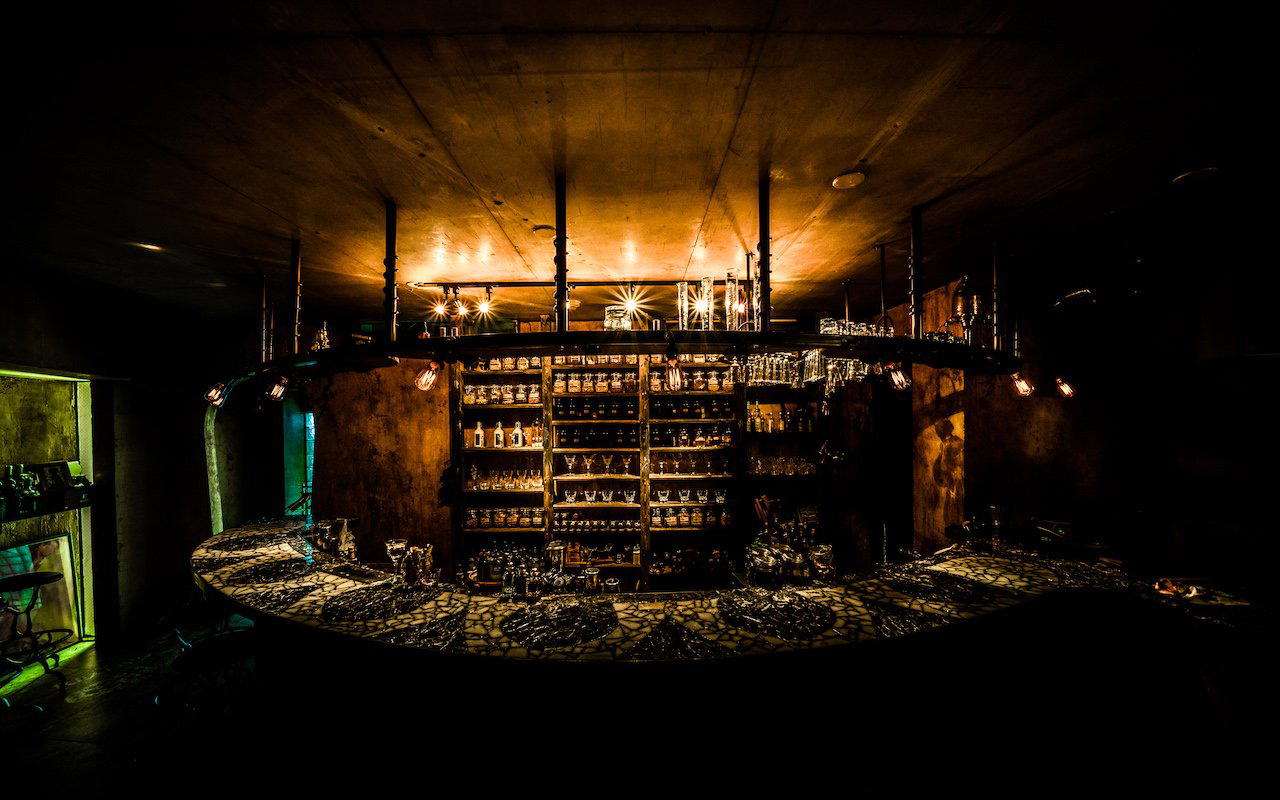


Hotels in Osaka
Browse all →



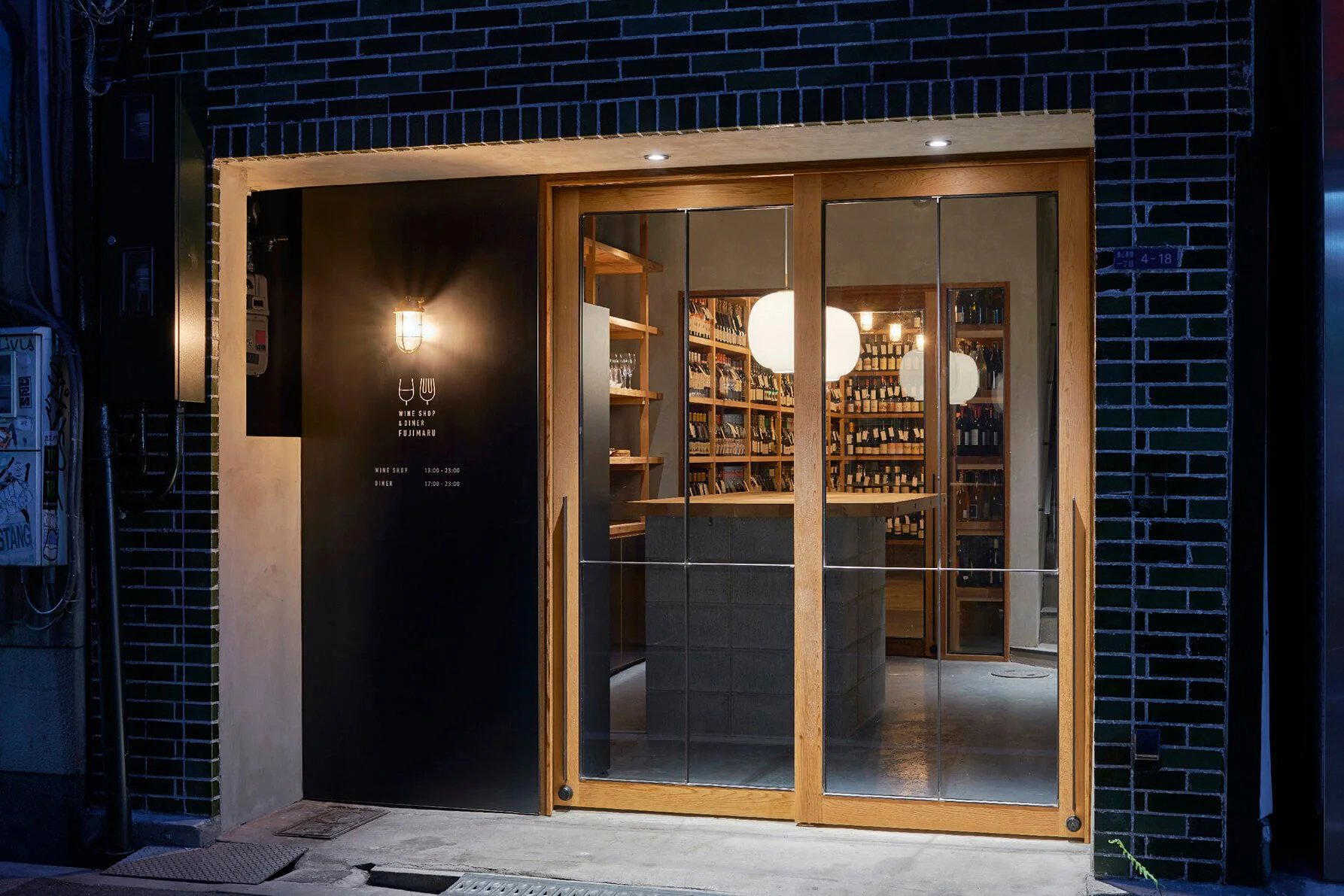
Wineries in Osaka
Browse all →
At a Glance
- Lively
- Cozy
- Solo
- Casual Hangout
- After Work
- Late Night
- Family
- Standalone
Current opening hours
- Monday
- 8:45 AM–7 PM
- Tuesday
- Closed
- Wednesday
- 8:45 AM–7 PM
- Thursday
- 8:45 AM–7 PM
- Friday
- 8:45 AM–7 PM
- Saturday
- 8:45 AM–7 PM
- Sunday
- 8:45 AM–7 PM
Hours can change for holidays and private events. Last verified .
A compact, counter-only noodle-stand atmosphere with bright, functional lighting and a bustling, local feel, focused on speed and value rather than decor.