
Tabelog 100 #69
Our verdict
Merlion brings Singaporean and broader Southeast Asian cooking into Nagoya’s everyday dining rhythm, with izakaya ease rather than tasting-menu ceremony. Its selection for Tabelog 100 Asian cuisine / Ethnic cuisine EAST 2024 gives the address a clear trust signal, while the 32-seat room keeps the meal in a casual, neighbourhood register.

Pearl is the En Primeur Club membership app, where members save venues, book tables and use the concierge.
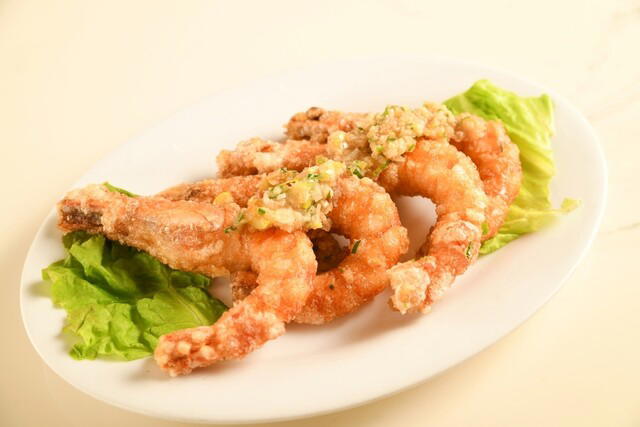
The menu
What to order
- Chicken rice
- Black rice
- Spicy black fried rice
Nagoya here is not the city of grand hotel lobbies or chef-counter theatre. It is local: station traffic, small addresses, restaurants folded into the city’s working pattern. Merlion fits Japan’s habit of absorbing regional Asian food into lunch, after-work drinking, and family meals, not special-occasion performance.
Nagoya’s dining reputation is usually filtered through miso katsu, hitsumabushi, kishimen, and its strong-flavoured comfort canon. Southeast Asian restaurants sit outside that headline story, so a Singaporean address selected for Tabelog 100 Asian cuisine / Ethnic cuisine EAST 2024 matters. It signals enough local traction to be judged beside regional peers, not merely treated as an alternative to Japanese standards.
Singaporean food in Nagoya works when it behaves like a meal, not a theme
Singaporean cooking travels poorly when reduced to flags, chilli heat, and menu clichés. Its logic is mixed-table eating: influences sharing space without formal sequence. In Japan, that requires translation. Spice levels, rice portions, drinking habits, and expectations around small shared plates all change once the meal enters a neighbourhood restaurant.
Merlion’s public positioning helps: Singaporean, Southeast Asian, and izakaya-style categories are listed together. That combination explains the ritual better than one cuisine label. The meal is neither kaiseki, where progression and seasonality control the table, nor prestige omakase, where the counter directs attention course by course. It is communal: order across the table, share dishes, keep drinks moving, and let spice, rice, and savoury depth set the pace.
The price tier matters. In Nagoya, Kojitsu sits in a formal Japanese bracket, while LE PIGNON occupies a high-spend European lane. Merlion plays in a different economy of pleasure, closer to casual repeat dining than destination ceremony. Yada Katsu, Seigetsu, and Tokugawa Cho Buta Fuku show the city’s neighbourhood variety, but Singaporean food brings another grammar: sauces, spice blends, shared plates, and a looser relationship between meal and drinking session.
The comparison is also expectation. A diner entering a refined Japanese room agrees to quiet, sequence, and deference to the kitchen. A Singaporean table in this format asks for appetite and social flexibility. The etiquette is simple: share generously, avoid treating spice as a dare, and order with balance rather than volume. Rice, noodles, vegetables, meat, and sauces should converse across the table.
The Hyakumeiten signal matters in a category that rarely gets headline billing
Tabelog’s Hyakumeiten lists can be blunt but useful: they identify restaurants with enough category-specific attention to rise above the noise. Merlion’s inclusion in the 2024 Asian cuisine / Ethnic cuisine EAST selection places it inside a defined regional group, not a vague “international dining” basket. For travellers, that separates a casual ethnic-cuisine address with local credibility from a novelty stop.
The listing score, 3.48, should be read through Japanese review culture rather than international star inflation. Tabelog ratings cluster tightly, and a mid-three score with a Hyakumeiten selection can indicate a restaurant with a steady audience within its genre. The number is not the whole argument, but it checks overstatement.
The format shapes the meal. Merlion suits repeat locals, small groups, and travellers preferring a proper neighbourhood dinner to a long hotel-restaurant booking. That keeps the experience nearer an izakaya rhythm than a production dining room. Solo diners can keep the meal compact; groups better serve the shared-plate logic of Singaporean and Southeast Asian food.
Its everyday usefulness is another clue. The restaurant belongs to a category where meals can be casual, social, and flexible rather than hushed or ceremonial. Because Singaporean food often works as a table of contrasts, the ritual is legible without elaborate explanation: food ordered, passed, adjusted, and enjoyed in company.
How to fit it into a Nagoya itinerary
The address is in Nagoya, suited to travellers eating beyond the predictable central-hotel circuit. The meal fits a casual lunch, a flavour-forward dinner without ceremony, or anyone who has covered Nagoya’s staples and wants to see how the city absorbs Southeast Asian cooking into everyday restaurant culture.
Payment habits can matter in smaller Japanese restaurants, so arrive prepared and check current conditions before going, especially as a group. Treat it less like an internationalised visitor venue than a local address with its own operating logic.
For planning, place this stop within a wider Nagoya food map rather than isolating it as a curiosity. The city runs from casual counters to formal Japanese rooms, and the contrast is the point. For more local context, see Our full Nagoya restaurants guide, then compare nearby dining references such as other Nagoya dining rooms and casual local options. For a wider city stay, pair restaurant planning with Our full Nagoya hotels guide, Our full Nagoya bars guide, Our full Nagoya wineries guide, and Our full Nagoya experiences guide.
Japan’s regional dining web helps calibrate expectations beyond Nagoya. The contrast between Singaporean cooking in Aichi and other casual specialist formats becomes clearer beside unnamed restaurants in other Japanese cities, where local habits can reshape imported or regional foodways. Internationally, similar casual formats show the same lesson: specificity matters more than polish.
The editorial case for Merlion is not that it replaces Nagoya’s local food canon. It broadens it. The restaurant shows how a city known for emphatic regional Japanese flavours can also sustain a Singaporean table with enough local recognition to earn a Hyakumeiten listing. Go for the rhythm: shared ordering, practical pricing, spice in a Japanese neighbourhood key, and a meal belonging to the city’s everyday dining life rather than its ceremonial fringe.
Frequently asked questions
What should I budget for a meal at Merlion?
Pricing at Merlion is listed as dinner JPY 2,000 - JPY 2,999 and lunch up to JPY 999.
What is Merlion known for?
Merlion is known for Singaporean and Southeast Asian cooking in Nagoya, with a Tabelog 100 Asian cuisine / Ethnic cuisine EAST 2024 selection and a listed Tabelog score of 3.48.
Cuisine and Awards Snapshot
Comparable venues at the same tier for side-by-side context.
| Venue | Cuisine | Price | Awards | Notes |
|---|---|---|---|---|
| MerlionThis venue (the venue you are viewing) | Singaporean Cuisine | $20–30 | Tabelog 100 #69 | Not listed |
| Patisserie Vivienne. | Japanese patisserie and cake shop | $10–20 | Tabelog 100 #65 | Shōwa |
| Toyo Ken Nagoya mitsukoshi ten | Yoshoku (Japanese-style Western) & Black Curry | $20–30 | Tabelog 100 #73 | Naka |
| BAR BARNS | Bar / Whiskey & Cocktail Bar | $30–50 | Tabelog 100 #97 | Naka |
| Le Supreme Jeiāru nagoya takashimaya ten | Artisanal bakery & bread shop | $1–10 | Tabelog 100 #8 | Nakamura |
| peu frequente | Artisan Bakery & Sandwiches | $1–10 | Tabelog 100 #74 | Mizuho |
Recognition history
Dated appearances from independent guides and award organizations, with the underlying list record or original source where available.
Tabelog 100 #69 · No. 69
Tabelog · Tabelog 100 - Asian cuisine / Ethnic cuisine - EAST - 2024
Continue exploring
More in Nagoya
Restaurants in Nagoya
All restaurants in Nagoya →





Details
- Cozy
- Classic
- Family
- Group Dining
- Date Night
- Celebration
- Private Event
- Casual Hangout
- Standalone
- Private Dining
- Beer Program
- Local Sourcing
- A La Carte
- Set Menu
- Beer
- Vegetarian Friendly
Current opening hours
- Monday
- 11:30 AM–2 PM, 5:30–10 PM
- Tuesday
- 11:30 AM–2 PM, 5:30–11 PM
- Wednesday
- 11:30 AM–2 PM, 5:30–11 PM
- Thursday
- 11:30 AM–2 PM, 5:30–11 PM
- Friday
- 11:30 AM–2 PM, 5:30–11 PM
- Saturday
- 11:30 AM–2 PM, 5:30–11 PM
- Sunday
- 11:30 AM–2 PM, 5:30–10 PM
Hours can change for holidays and private events. Hours as of .
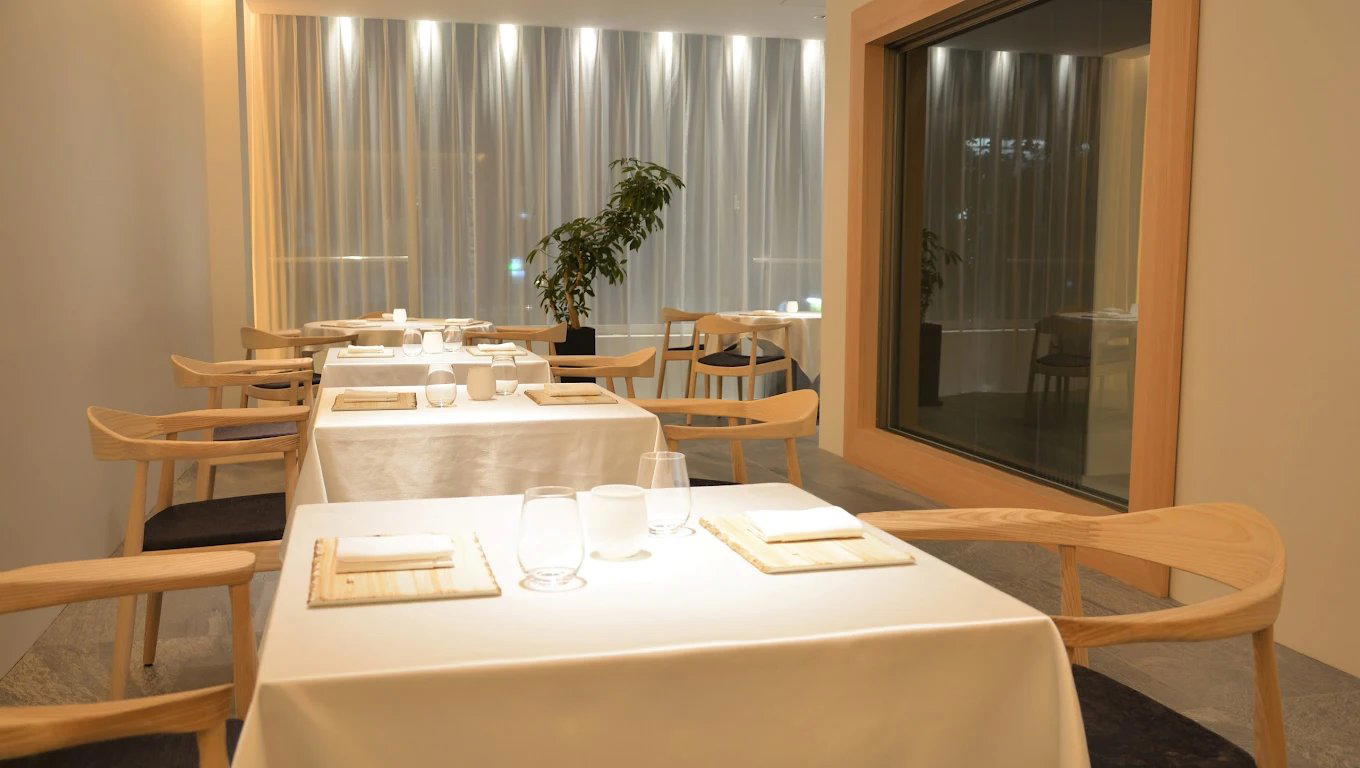
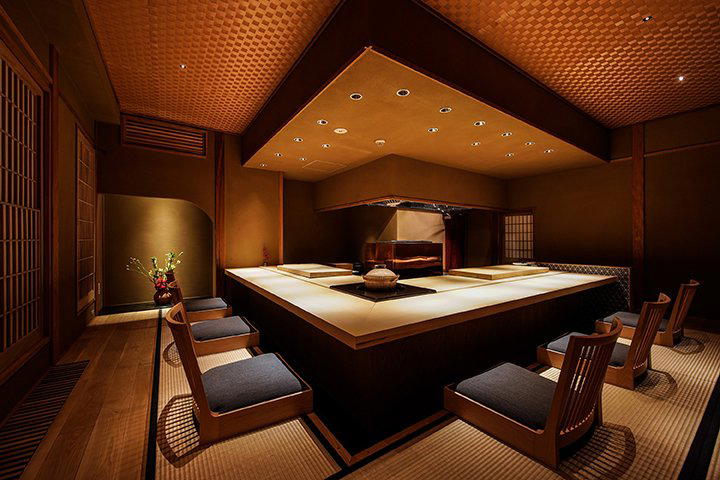
White-based, relaxed interior with a warm, welcoming atmosphere suited to family meals, dates, and group gatherings.