Tabelog 100 #56
Our verdict
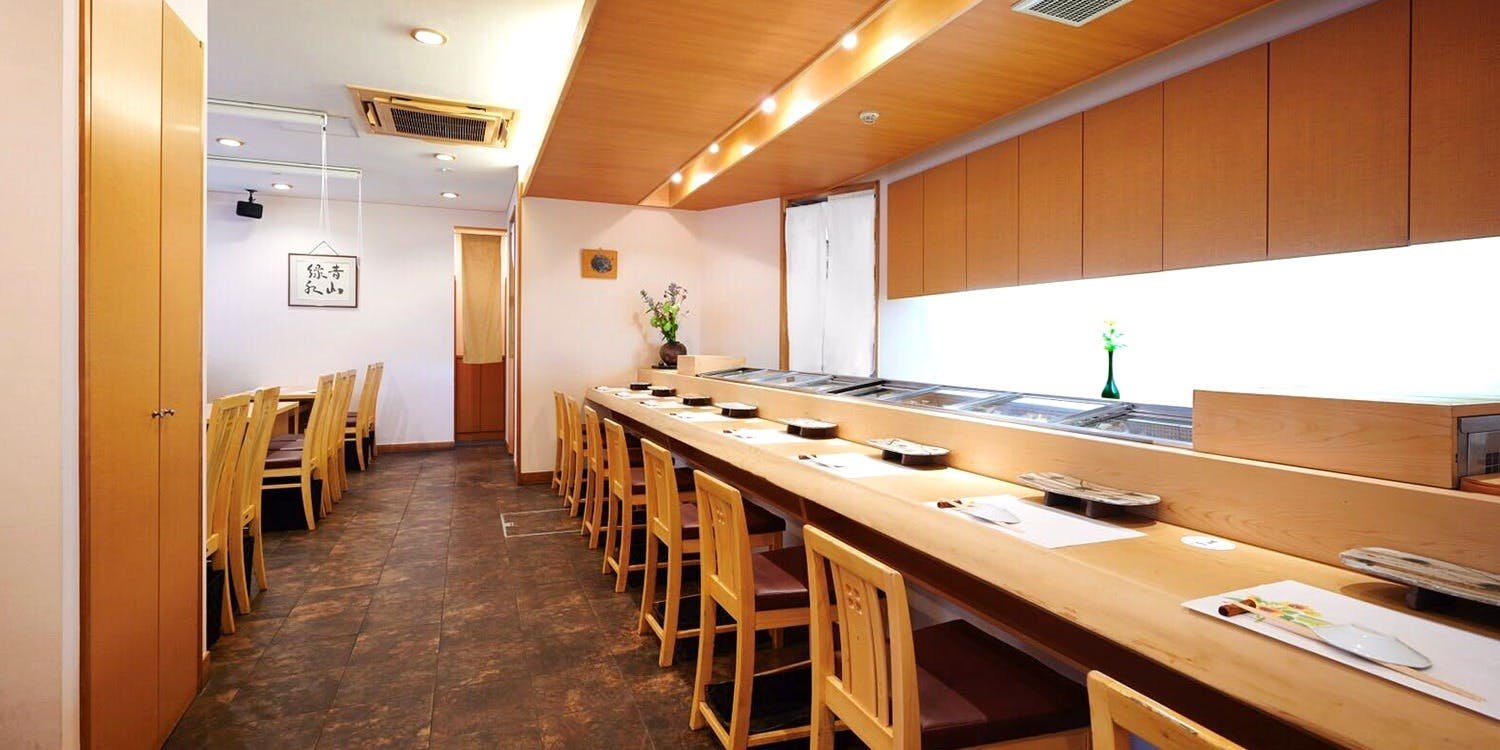
A compact Nihonbashi department-store tempura counter with 11 seats, counter service, and Tabelog Tempura 100 recognition in 2025 and 2022. Its interest lies in the way Edomae tempura has been adapted from formal restaurant ritual into a concise Mitsukoshi basement format without losing the signals that serious Tokyo diners read: specialization, restraint, and repeat selection.

Pearl is the En Primeur Club membership app, where members save venues, book tables and use the concierge.
The menu
What to order
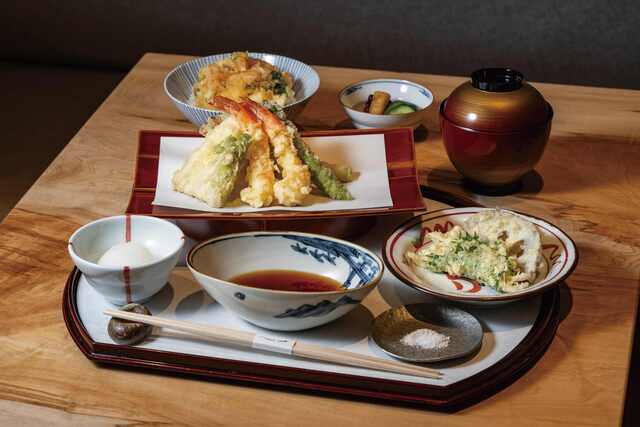
- Tempura bowl (tendon)
- Seasonal tempura course
Tokyo’s dining map often folds restaurants into the practical rhythm of the day: quick meals, specialist counters, prepared foods, sweets, and concise stops for diners who know exactly what they want. In Tokyo, that culture can meet specialist tempura in a compact, highly focused format, where the appeal is directness rather than ceremony.
Tempura Yama no Ue Mitsukoshi nihonbashi tennai belongs to a Tokyo category of focused specialist cooking in a retail-minded dining context. The tempo is practical. This is best understood less as an evening-long destination narrative and more as a concise stop for tempura and ten-don. For food built on timing, freshness, and immediate service, that shorter format can be part of the attraction.
Tempura, shortened for the department-store rhythm
Tokyo tempura has long stretched across different registers, from formal meals to everyday bowls and quick specialist stops. This venue’s listed categories are tempura and ten-don, placing it in the city’s everyday grammar rather than only the rarefied tasting-menu register, while its Tabelog Hyakumeiten recognition in 2025 gives it more critical weight than a purely convenience-driven meal.
That balance is the point. Tokyo dining often allows errands, transit, shopping, and meals to overlap without turning every restaurant visit into a major occasion. A tempura stop in this context is not trying to imitate maximum formality. It translates a craft associated with precision and immediacy into a setting where lunch, family meals, quick appointments, and a focused solo meal can coexist.
The venue’s role is useful rather than theatrical: a compact specialist address keeping tempura visible in a city where everyday commercial habits and high-spend dining sit side by side. Nearby comparison venues show the spread. Club Harie Nihonbashi mitsukoshi ten and The Mandarin Oriental Gourmet Shop sit in a lighter sweets-and-gourmet retail bracket; Daikanyama ASO Celeste Nihonbashi ten and Oriental Lounge occupy higher-price restaurant and lounge territory. This counter belongs to neither camp cleanly, which is why it reads as a Tokyo-specific compromise rather than a generic dining stop.
What the format says about Tokyo dining now
The compact scale is central. Small Tokyo specialist formats do more than save space; they preserve a close relationship between cooking and serving. In tempura, that relationship matters. Batter, oil, ingredient size, and timing lose meaning if the food waits too long between preparation and guest. Even in a shortened format, immediacy keeps the cuisine’s basic logic intact.
Price band also matters because it places the restaurant outside Tokyo’s luxury-tempura conversation. Serious tempura in the city can climb quickly in formal rooms and extended evening formats. Here, the appeal is narrower and practical: a recognized specialist venue with tempura and ten-don listed in the JPY 3,000 - JPY 3,999 range for both lunch and dinner. It suits travelers who want a focused reading of the category without committing to a long formal meal.
Access and timing should be treated with the same pragmatism as the format. Diners gain flexibility with a concise Tokyo meal, but should still allow for busier meal periods and the normal flow of a popular urban dining environment. Treat it as a focused stop within a Tokyo day, not necessarily the anchor of an evening itinerary. Tokyo rewards that planning: one precise meal, one part of the city, no forced drama.
Recognition from Tabelog Hyakumeiten is the main trust signal, alongside a listed Tabelog score of 3.55. It does not make the venue equivalent to the city’s highest-priced tempura rooms, and should not be read that way. It shows that within Japan’s user-driven restaurant culture, this branch has enough specialist credibility to sit inside a national tempura conversation. For a concise Tokyo tempura stop, that is meaningful.
How to fold it into a Tokyo itinerary
Tokyo corrects the idea that dining only happens in nightlife districts or reservation-only rooms. The city is commercial, layered, and efficient, with practical food stops forming a real part of the restaurant map. Pair this venue with a wider Tokyo day, a shopping plan, or an arrival schedule that needs a concise, satisfying meal rather than a long dining commitment.
For broader planning, keep the city’s categories separate. Tempura here answers a different need from other Tokyo dining rooms, casual café stops, seafood specialists, sweets counters, or neighbourhood restaurants with their own rhythms. This venue’s value is not breadth; it is a tight reading of one Tokyo tradition in a setting that fits easily into daily urban life.
Travelers building a wider Japan food route can use it as a Tokyo baseline before comparing regional formats elsewhere in the country. Other dining in Tokyo and beyond may frame Japanese ingredients, direct service, sweets, cafés, or casual meals differently, but this address shows how a specific format can sit inside daily urban life rather than only inside destination dining.
For Tokyo research beyond this venue, use broader Tokyo restaurant, hotel, bar, winery, and experience planning resources. The strongest case for Tempura Yama no Ue Mitsukoshi nihonbashi tennai is not spectacle. It is continuity: tempura and ten-don in a concise Tokyo format, recognized by a tempura-specific list, and priced for a meal that can sit inside an actual Tokyo day.
Frequently asked questions
How do I find Tempura Yama no Ue Mitsukoshi nihonbashi tennai?
Tempura Yama no Ue Mitsukoshi nihonbashi tennai is located in Tokyo.
What does dinner at Tempura Yama no Ue Mitsukoshi nihonbashi tennai typically cost?
Pricing at Tempura Yama no Ue Mitsukoshi nihonbashi tennai is listed as JPY 3,000 - JPY 3,999 JPY 3,000 - JPY 3,999, with both dinner and lunch shown in the JPY 3,000 - JPY 3,999 range.
Can I walk in to Tempura Yama no Ue Mitsukoshi nihonbashi tennai?
The available listing identifies Tempura Yama no Ue Mitsukoshi nihonbashi tennai as a Tokyo specialist for tempura and ten-don, but specific reservation rules, seating count, and opening hours should be confirmed directly before visiting.
What do critics highlight about Tempura Yama no Ue Mitsukoshi nihonbashi tennai?
The main signal provided is Tabelog Hyakumeiten recognition for 2025, with a listed Tabelog score of 3.55. The venue’s categories are tempura and ten-don, placing it within a focused Tokyo specialist-dining context.
Price Lens
Comparable venues by price and recognition.
| Venue | Cuisine | Price | Awards | Notes |
|---|---|---|---|---|
| Tempura Yama no Ue Mitsukoshi nihonbashi tennaiThis venue (the venue you are viewing) | Traditional Tempura Counter | $30–50 | Tabelog 100 #56 | Not listed |
| Matsugen (松玄 恵比寿) | Handmade Japanese Soba | $30–50 | Not listed | Ebisu, Handmade Soba Noodles |
| Nihonbashi Izumoya | Traditional Nihonbashi unagi restaurant | $50–100 | Tabelog 100 #6 | Chūō, Traditional Nihonbashi unagi restaurant |
| Yakiniku Akami Nikugatou Ningyouchou honten | Japanese Yakiniku | $50–100 | Tabelog 100 #85 | Chūō, Japanese Yakiniku |
| Aigamo Ippin Toriyasu | Traditional Duck Sukiyaki (Aigamo) | $50–100 | Tabelog 100 #24 | Chūō, Traditional Duck Sukiyaki (Aigamo) |
| Soba Kaiseki Tsukiji Bunkajin Kaza | Soba kaiseki with seasonal course menus | $50–100 | Tabelog 100 #15 | Chūō, Soba kaiseki with seasonal course menus |
Recognition history
Dated appearances from independent guides and award organizations, with the underlying list record or original source where available.
Tabelog 100 #56 · No. 56
Tabelog · Tabelog 100 - Tempura - 2025