
Tabelog 100 #6
Our verdict
Nihonbashi Izumoya belongs to Tokyo’s formal unagi tradition: eel, rice, private tatami rooms, and a pace closer to ceremony than quick lunch. Its Tabelog 100 - Unagi - 2024 selection, 70-seat house-restaurant format, and split lunch/dinner pricing place it in a more deliberate bracket than the area’s everyday noodle and donburi counters.

Pearl is the En Primeur Club membership app, where members save venues, book tables and use the concierge.
The menu
What to order
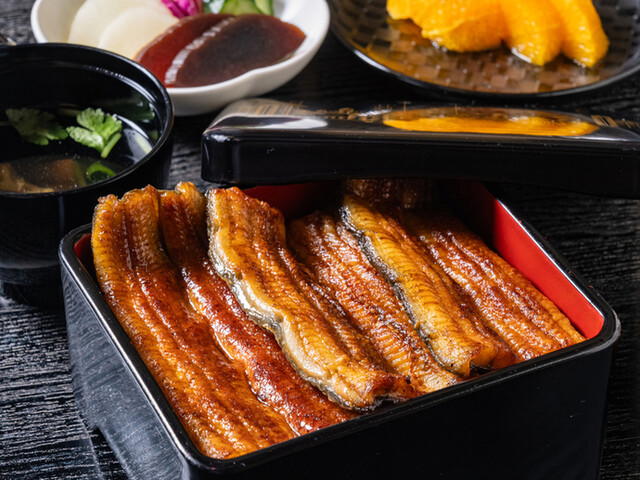
- Unajū (grilled eel over rice in lacquered box)
- Unagi kabayaki
- Unagi with fish sauce
- Unagi bento
- Unagi vacuum-packed for takeaway
Approaching Tokyo’s established dining scene, the mood shifts from station traffic to rooms and meals that ask guests to slow down. In Tokyo, unagi is not casual grilled fish but a set of decisions about timing, room, rice, and conduct. Nihonbashi Izumoya fits that older pattern: a restaurant built around eel, Japanese cooking, and donburi rather than the city’s accelerated lunch turnover.
The useful comparison is not trend-led dining, but Tokyo’s specialist eel houses, where reputation rests on repeatable craft and ritualized pacing. Its selection for Tabelog 100 - Unagi - 2024 is a clear trust signal in a category where diners often rely on specialist lists rather than international awards. Its Tabelog score of 3.69 also places it in a serious local conversation, especially in a genre where consistency matters more than novelty.
Unagi as a formal Tokyo meal, not a quick bowl
Unagi dining in Tokyo has its own etiquette. The meal is built around waiting, heat, lacquered boxes or bowls, and the balance between eel and rice, which is why the category can feel more ceremonial than the menu wording suggests. Eel, Japanese cuisine, and donburi read simply; in practice, the genre rewards patience and repetition done well.
Nihonbashi Izumoya’s position is clearest at dinner, where the listed budget is JPY 15,000 to JPY 19,999. Lunch, listed at JPY 4,000 to JPY 4,999, gives the same tradition another social role: business meals, family gatherings, and local regulars who want the form without a long evening. That split helps travelers understand how Tokyo eel restaurants move between daily comfort and formal occasion without changing cuisine.
The specialist-restaurant format matters. Rather than treating unagi as one option among many, Nihonbashi Izumoya is best understood through a narrower craft: eel, Japanese cooking, and rice-bowl traditions shaped into a meal with its own pace. That focus is part of the appeal for diners who want a Tokyo experience grounded in category knowledge rather than novelty.
Tokyo context: established dining, serious specialists
Tokyo has long favored restaurants serving office workers, family groups, and business hosts without chasing spectacle. The city’s mix includes soba, curry, Chinese dining, formal dining, and eel houses, each serving a different need. Comparison venues clarify the lane: Hongoku Tei and Muromachi Sunaba Nihonbashi hon ten suggest everyday specialist dining, while SIGNATURE sits in a more formal register. Unagi here is formal enough for hosting, grounded enough to avoid performance codes.
That is why the ritual is the story. A Tokyo eel meal is not mainly about menu breadth, but whether the restaurant can hold attention through narrow craft and whether the setting supports the occasion. Nihonbashi Izumoya’s appeal suits meals where pacing and a sense of occasion matter as much as the food category.
Tokyo travelers often over-index on omakase counters and ramen queues, but eel is one of the city’s better tests of dining literacy. It asks different questions: Is the meal quick or hosted? Is the room part of the decision? Does the price reflect specialist craft or luxury setting? Here, the answer is tradition with practical flexibility, especially for diners wanting a Japanese meal with social weight but not a tasting-menu performance.
How to use this restaurant in a Tokyo itinerary
The strongest use for Nihonbashi Izumoya is an occasion meal in Tokyo: lunch between city errands, or dinner when a slower table matters. Because the listed budgets differ meaningfully between lunch and dinner, it rewards planning around the kind of meal you want. Treat access and timing as part of the reservation conversation rather than assuming it will work as an improvised stop.
Reservations are the sensible approach for a restaurant with this level of local recognition. Once date, party size, and menu direction are fixed, travelers should confirm details directly with the restaurant. The meal is best treated as a scheduled anchor, not a flexible stop, especially if it is being used for hosting or a more formal Tokyo lunch or dinner.
Etiquette is plain rather than theatrical: arrive ready for a composed meal, keep the table calm, and avoid treating a specialist eel restaurant like a quick casual counter. This is not fussiness, but the operating logic of a Tokyo restaurant where room, meal, and neighboring tables share one frame.
For broader planning, compare this stop with other Tokyo dining categories rather than forcing it into a generic ranking. EP Club’s Tokyo restaurant coverage ranges across other Tokyo dining rooms, casual counters, cafes, and specialist restaurants. For the wider city edit, use Our full Tokyo restaurants guide, with parallel planning through Our full Tokyo hotels guide, Our full Tokyo bars guide, Our full Tokyo wineries guide, and Our full Tokyo experiences guide.
For a Japan-wide food route, contrast this Tokyo eel ritual with other regional meals, cafe stops, casual cooking, curry counters, and Kyoto dining. Japanese food culture abroad offers another comparison through unnamed overseas examples, but the Nihonbashi Izumoya meal remains rooted in Tokyo’s own codes: reserve with intent, arrive dressed for the room, and let eel set the pace.
Recognition Snapshot
Comparable venues at the same tier for side-by-side context.
| Venue | Cuisine | Price | Awards | Notes |
|---|---|---|---|---|
| Nihonbashi IzumoyaThis venue (the venue you are viewing) | Traditional Nihonbashi unagi restaurant | $50–100 | Tabelog 100 #6 | Not listed |
| Tachinomi Asakusa Sharemon | Japanese Izakaya / Standing Bar | $20–30 | Tabelog 100 #40 | Taitō |
| Ranma | Teppanyaki Japanese | $100–150 | Tabelog 100 #93 | Minato |
| 麻布 幸村 | Traditional Japanese Kaiseki | $50–100 | La Liste Top Restaurants · Tabelog Bronze #533 | Minato |
| Shiomi | Handmade Soba and Japanese Cuisine | $100–150 | Tabelog 100 #74 | Shinjuku |
| そかろ | Charcoal-Grilled Yakitori with Nagoya Cochin | $50–100 | Not listed | Bunkyō |
Recognition history
Dated appearances from independent guides and award organizations, with the underlying list record or original source where available.
Tabelog 100 #6 · No. 6
Tabelog · Tabelog 100 - Unagi - 2024
Continue exploring
More in Tokyo
Restaurants in Tokyo
All restaurants in Tokyo →


Bars in Tokyo
All bars in Tokyo →


Details
- Classic
- Cozy
- Well Known
- Business Dinner
- Group Dining
- Family
- Special Occasion
- After Work
- Solo
- Historic Building
- Standalone
- Private Dining
- Sake Program
- Beer Program
- Sustainable Seafood
- Local Sourcing
- Street Scene
- A La Carte
- Set Menu
- Sake
- Beer
- Tea
- Pescatarian Friendly
Current opening hours
- Monday
- 11 AM–2 PM, 5–9:30 PM
- Tuesday
- 11 AM–2 PM, 5–9:30 PM
- Wednesday
- 11 AM–2 PM, 5–9:30 PM
- Thursday
- 11 AM–2 PM, 5–9:30 PM
- Friday
- 11 AM–2 PM, 5–9:30 PM
- Saturday
- 11 AM–2 PM, 5–9:30 PM
- Sunday
- Closed
Hours can change for holidays and private events. Last verified .
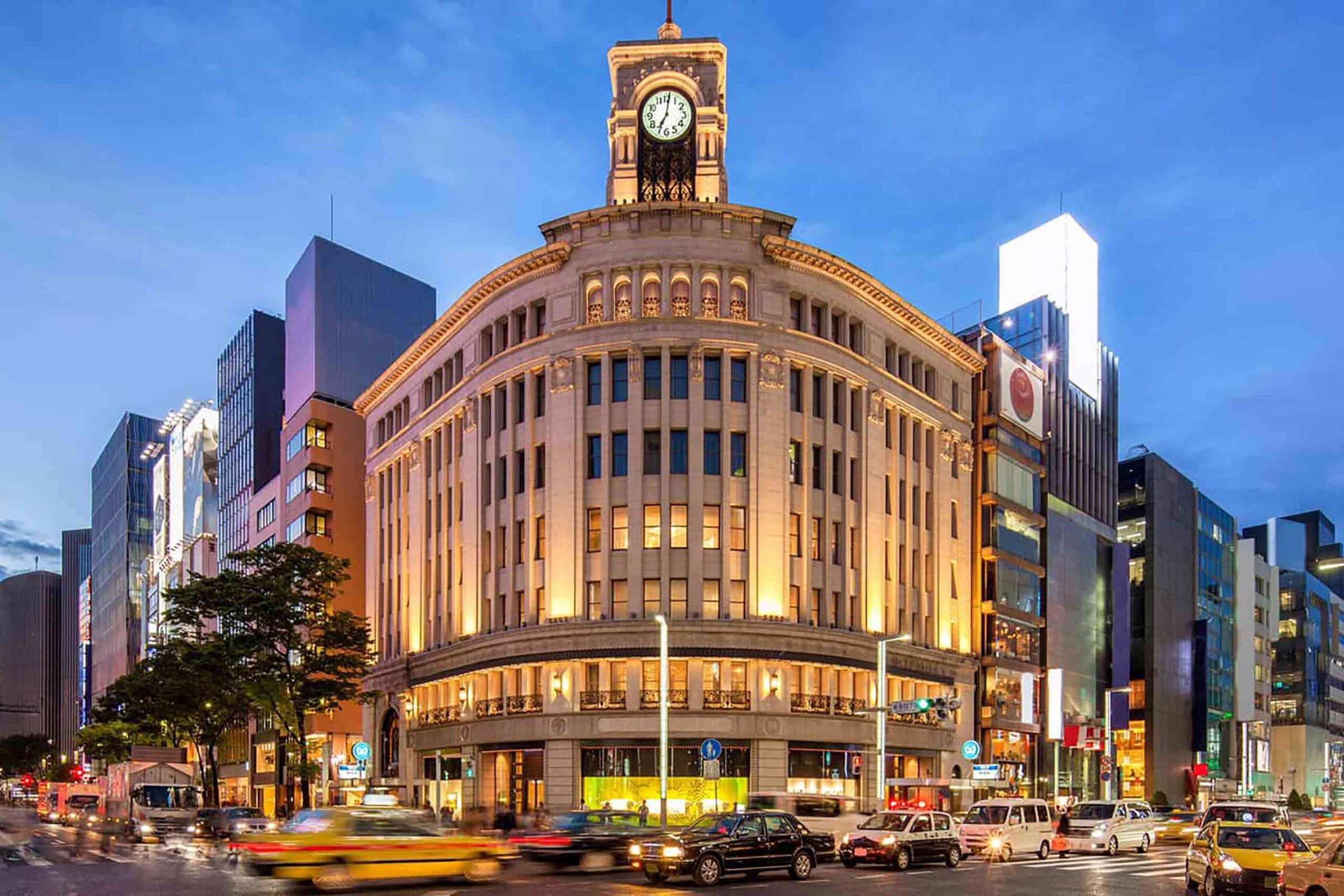
Traditional Edo-style unagi house with a Showa-era building facing Edo-dori, tatami rooms upstairs and table seating in the annex, creating a warm, nostalgic, and quietly bustling atmosphere suited to business meals and family gatherings.