
Tabelog 100 #81
Our verdict
Tempura Fukutarou sits in Yanaka’s quieter dining register, away from Ginza’s luxury-counter choreography and closer to the neighbourhood scale that makes Nezu compelling. Its Tabelog Tempura 100 selection for 2025, 14-seat room, counter-and-table format, and tempura-Japanese-unagi range place it in the special-occasion tier without turning the meal into theatre.

Pearl is the En Primeur Club membership app, where members save venues, book tables and use the concierge.
The menu
What to order
- Seasonal tempura omakase course
- Kakiage tendon
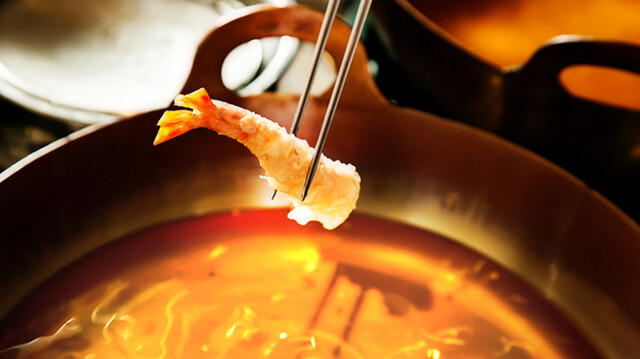
- Shrimp and fish tempura fried in two sesame oils
- Shiso-wrapped white fish tempura
Tokyo changes the tempo before dinner begins. Away from the city’s most polished restaurant corridors, a meal can feel slower, more focused, and less dependent on display. In that setting, tempura reads differently: less as a luxury performance and more as a disciplined craft meal, where oil, timing, seafood, rice, and the room’s rhythm decide the evening.
That matters for occasion dining. Tokyo has plenty of counter formats built for status, but quieter dining rooms reward a different kind of meal: less performative, and better suited to birthdays, anniversaries, family gatherings, or a serious dinner after a day moving through the city. Tempura Fukutarou belongs to that register. Its 2025 Tabelog Hyakumeiten recognition gives it a clear trust signal, while its listed Tabelog score of 3.70 places it within a category that diners can understand before booking.
Tokyo tempura with room for ceremony, not spectacle
Tempura in Tokyo sits on a spectrum. At one end are high-gloss central counters where every course is framed as a chef-led sequence. At the other are specialists where the craft is serious but the mood is less severe. Tokyo’s dining character can support both: soba, udon, yakitori, Japanese set meals, and focused specialist rooms that serve local regulars as well as destination diners.
Nezu Kamachiku and Soba Kokoro operate in a more casual noodle bracket, while Nezu Yakitori Terusumi occupies the yakitori lane. Teuchi Soba Nezu Takajo keeps handmade-soba identity in view. Tempura Fukutarou works for a different occasion, partly because tempura asks for a more controlled sequence and partly because its recognition places it among a narrower category of Tokyo specialists.
The food identity is broader than tempura alone. The listed categories include Japanese cuisine and unagi, which makes the restaurant useful for groups marking a milestone: tempura gives the meal its structure, while the wider Japanese repertoire allows the table to feel less rigid than a purist format where every beat is predetermined.
A measured format suits celebrations better than spectacle
Occasion restaurants often fail by confusing display with significance. A measured room can carry a milestone more effectively than a dining room built only for theatre, especially in Tokyo, where attentive dining already asks guests to notice pace, sequence, and proximity. Here the appeal is not grand-room production; it is the sense that the meal can suit couples and small groups without turning the evening into a performance.
The house-restaurant feeling also fits this kind of Tokyo meal. The city is not defined only by hotel lobbies or luxury retail frontage; it is also defined by independent dining rooms and a food culture that rewards planning rather than impulse. For a visitor, that changes the decision. This is not the table to bolt onto a packed nightlife schedule. It belongs in a Tokyo day built around culture, walking, and a meal where the pacing matches the occasion.
There is a useful discipline in choosing tempura for this kind of dinner. The cuisine rewards attention to fragrance, heat, texture, rice, and drink pairing, so the surrounding table affects the meal more than in louder formats. For celebratory groups, that makes the experience more adult and more considerate than a high-volume multi-course room built around constant presentation.
How to place it within a Tokyo dining itinerary
Tokyo dining itineraries often over-index on famous central districts, but the city’s stronger meals are frequently found by matching cuisine to mood. Sushi may justify polished formality; yakitori often works well in smaller rooms; soba gains force in quieter settings. Tempura can have that same logic. The right setting gives the meal room to breathe.
For readers mapping a wider trip, the comparison should be functional rather than hierarchical. Other Tokyo dining rooms can speak to the city’s skewer-and-counter tradition, specialised curry culture, dense urban nightlife, or more casual seafood registers. Tempura Fukutarou is the better fit when the meal needs quiet structure, category recognition, and enough focus for a date or family celebration.
Travelers building beyond one city can use the same category thinking elsewhere: choose meals by purpose rather than by checklist, whether the goal is a formal Japanese meal, a lighter urban stop, regional contrast, Vietnamese cooking in Tokyo, curry specialization, or a different city’s dining cadence. For sake-led context outside Japan, broader bar and comfort-food references can be useful, but Tempura Fukutarou should be judged on its own Tokyo occasion-dining terms.
For the broader Tokyo plan, use Our full Tokyo restaurants guide to balance counter meals, casual specialists, and occasion rooms. Pair that with Our full Tokyo hotels guide if the evening depends on cross-city movement, Our full Tokyo bars guide for a post-dinner drink, Our full Tokyo wineries guide for wine-focused planning, and Our full Tokyo experiences guide for the cultural day around it.
The editorial read is simple: choose this for a measured celebration in Tokyo rather than a high-volume night out. The 2025 Tabelog Hyakumeiten recognition supplies the external signal; the focused cooking and occasion-friendly pacing supply the reason it works for milestones.
Frequently asked questions
How do I find Tempura Fukutarou?
Tempura Fukutarou is located in Tokyo.
How much does it cost to eat at Tempura Fukutarou?
Pricing at Tempura Fukutarou is listed as Dinner: JPY 15,000 - JPY 19,999; Lunch: JPY 10,000 - JPY 14,999.
What's the best way to book Tempura Fukutarou?
Check current booking options through official or trusted reservation channels, or call +81-3-5834-2955 for the latest availability.
What is Tempura Fukutarou known for?
Tempura Fukutarou is known as a Tokyo restaurant listed for tempura, Japanese cuisine, and unagi, with 2025 Tabelog Hyakumeiten recognition and a listed score of 3.70.
The Short List
Comparable venues at similar price and category levels.
| Venue | Cuisine | Price | Awards | Notes |
|---|---|---|---|---|
| Tempura FukutarouThis venue (the venue you are viewing) | Seasonal Tempura Omakase | $150–200 | Tabelog 100 #81 | Not listed |
| Nezu Kamachiku | Traditional Udon in Historic Stone Warehouse | $20–30 | Tabelog 100 #13 | JPY 5,000 - JPY 5,999 JPY 2,000 - JPY 2,999 |
| Soba Kokoro | Traditional Soba Noodle Shop | $20–30 | Tabelog 100 #46 | JPY 3,000 - JPY 3,999 JPY 2,000 - JPY 2,999 View spending breakdown |
| Nezu Yakitori Terusumi | Yakitori Omakase | $100–150 | Tabelog 100 #50 | JPY 10,000 - JPY 14,999 |
| Teuchi Soba Nezu Takajo | Traditional hand-cut soba | $20–30 | Tabelog 100 #80 | JPY 2,000 - JPY 2,999 JPY 2,000 - JPY 2,999 View spending breakdown |
| Imojin | Traditional Japanese sweets & ice cream café | $1–10 | Tabelog 100 #48 | JPY 999 - JPY 999 |
Recognition history
Dated appearances from independent guides and award organizations, with the underlying list record or original source where available.
Tabelog 100 #81 · No. 81
Tabelog · Tabelog 100 - Tempura - 2025
Continue exploring
More in Tokyo
Restaurants in Tokyo
All restaurants in Tokyo →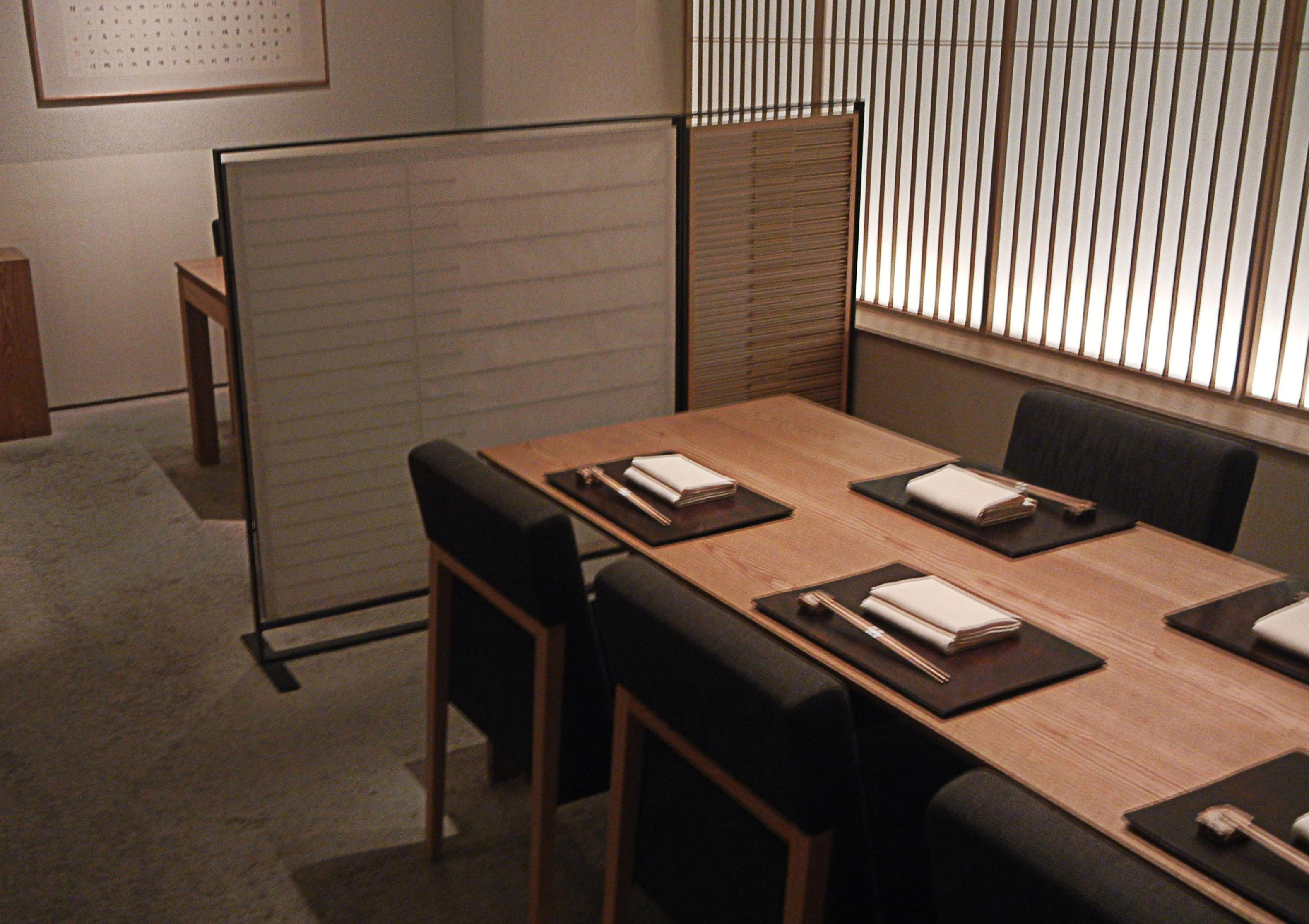






Details
- Intimate
- Elegant
- Quiet
- Classic
- Date Night
- Business Dinner
- Special Occasion
- Celebration
- Solo
- Chefs Counter
- Open Kitchen
- Standalone
- Sake Program
- Extensive Wine List
- Local Sourcing
- Farm To Table
- Sustainable Seafood
- Tasting Menu
- Omakase
- Counter Dining
- Set Menu
- Sake
- Wine
- Pescatarian Friendly
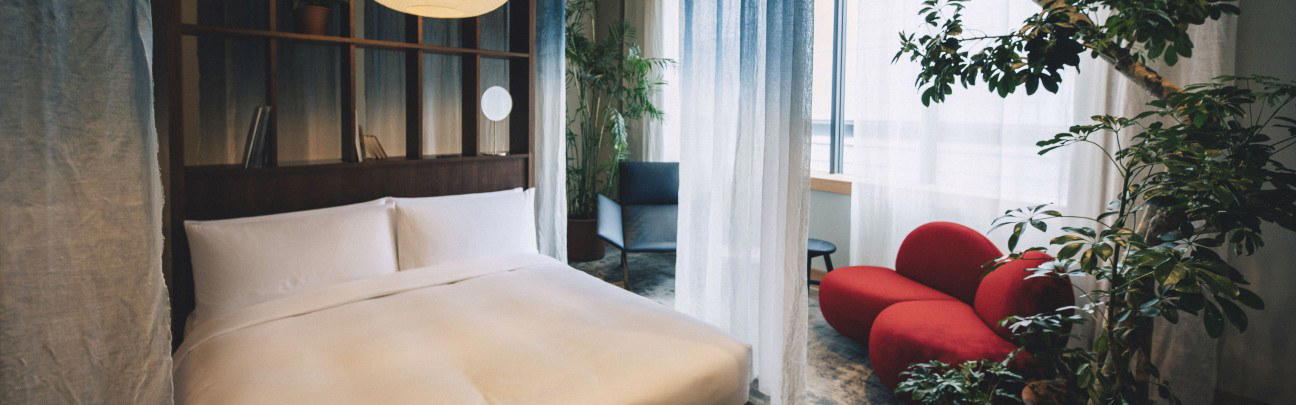
A small, quiet counter-focused space with just 6 counter seats and a few tables, offering a front-row view of the chef’s meticulous tempura frying; the atmosphere is refined yet warm, suited to special meals and celebrations rather than casual dining.