Tempranillo
Our verdict
A Spanish-inflected restaurant on Midland Avenue in Basalt, Colorado, Tempranillo sits in the quieter tier of Roaring Fork Valley dining, where ingredient sourcing and regional character matter more than metropolitan scale. The name signals a clear orientation: wines and kitchen sensibilities drawn from the Iberian tradition, set against a mountain-town context that rewards the kind of focused, produce-led cooking that larger resort towns rarely sustain.

Pearl is the En Primeur Club membership app — saves, bookings, and concierge access live there. Same editors, same standards.
- Address
- 165 Midland Ave, Basalt, CO 81621
- Phone
- (970) 927-3342
- Hours
- Daily 5–9 PM
- Website
- tempranillorestaurant.com
- Directions
- Get directions
- Booking
- Book on OpenTable
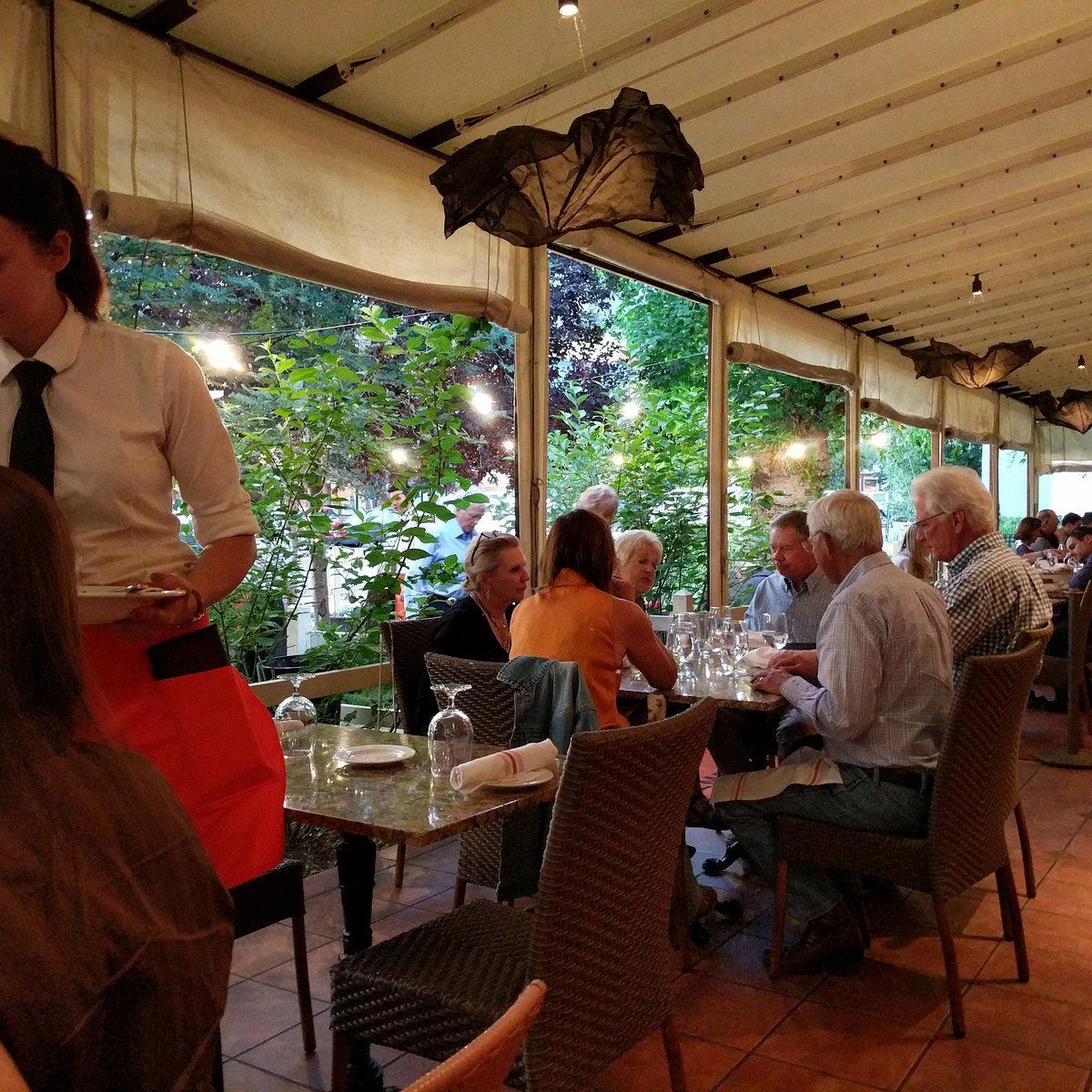
Where the Roaring Fork Valley Meets the Iberian Table
Basalt occupies an interesting position in Colorado's dining geography. Sandwiched between the resort spectacle of Aspen and the more workaday energy of Glenwood Springs, it has quietly developed a dining scene that operates on different logic: smaller rooms, sourcing-driven menus, and a customer base that lives in the valley year-round rather than arriving for a long weekend. Tempranillo, on Midland Avenue, sits inside that pattern. The address is unglamorous in the leading possible way — a main-street location that makes no architectural promises but puts the focus squarely on what arrives at the table.
The name itself is a statement of intent. Tempranillo, the grape that anchors Rioja and Ribera del Duero, is not a variety that typically gets a Colorado restaurant named after it. That choice signals a kitchen and wine program oriented toward the Iberian peninsula, in a region where the dominant dining conversation tends toward American mountain cuisine or generic pan-European. In the context of the Roaring Fork Valley, that specificity is a meaningful editorial position.
Sourcing in a Mountain-Town Context
The Roaring Fork Valley has genuine agricultural infrastructure for a mountain corridor. The region supports ranching, market gardens, and a short but productive growing season that runs from late spring into early autumn. Restaurants in Basalt and the surrounding towns that commit to local sourcing are working with real supply chains, not aspirational ones — a distinction that separates Colorado mountain dining from ski-resort food culture in other states, where local sourcing often means local storage rather than local production.
Spanish-influenced kitchens, when they operate with discipline, are well-suited to this kind of sourcing reality. The Iberian tradition is built on fat, acid, and fire rather than refined technique, which means the quality of base ingredients, the pork, the beans, the olive oil, the chiles, carries the dish. A kitchen drawing on Tempranillo's named tradition would have strong reasons to source with specificity: charcuterie from regional producers, local beef where it can substitute for Ibérico, peppers from Colorado's own chile-growing communities in the San Luis Valley, less than two hours south. Whether Tempranillo pursues that supply chain with rigor is something only a visit can confirm, but the culinary framework makes it a logical and rewarding direction for a kitchen in this position.
The broader Colorado dining scene has increasingly moved in this direction. Frasca Food & Wine in Boulder built its reputation on Friulian specificity and rigorous wine sourcing. Brutø in Denver operates in a produce-first register. These are restaurants where the sourcing story is also the menu story. Tempranillo's Iberian focus, in a valley that can supply many of the primary ingredients that tradition requires, suggests a similar logic operating at smaller scale.
Basalt as a Dining Context
Understanding Tempranillo requires understanding where Basalt sits in the regional hierarchy. Aspen, twenty miles up the highway, supports a dining culture priced for the global luxury market, comparable in some respects to resort dining in Vail or Park City, where names like The French Laundry in Napa or Alinea in Chicago serve as aspirational reference points rather than direct comparisons. Basalt is not that. Its restaurants serve a community of working residents and a secondary tier of visitors who want something more grounded than Aspen's price-point demands.
That positioning creates space for a restaurant like Tempranillo to occupy a niche that Aspen's dining economy cannot accommodate: focused, ingredient-driven, Spanish-accented cooking at prices that make repeat visits possible. The comparable positioning elsewhere in American dining would be neighbourhood-scale restaurants operating in the shadow of major dining cities, the kind of places that attract serious diners precisely because they are not competing on spectacle. Nationally, restaurants like Blue Hill at Stone Barns in Tarrytown and Single Thread Farm in Healdsburg have shown how deep sourcing commitment in non-metropolitan settings can produce more interesting cooking than urban flagships, though those operate at price points and scales that bear no direct comparison to a Basalt main-street address.
Other points of regional and national comparison: Providence in Los Angeles built its identity on seafood sourcing specificity; Addison in San Diego grounds its program in California produce networks; Bacchanalia in Atlanta has sustained a sourcing-first model in a mid-sized American city for decades. The lesson from each of these is that sourcing-led kitchens work leading when the supply chain is real and the menu is built around what that supply chain actually produces, not around what the kitchen wishes it could source.
Planning a Visit
Tempranillo is located at 165 Midland Ave in Basalt, Colorado, a direct drive from Aspen (roughly 25 minutes on CO-82) or from Glenwood Springs (approximately 20 minutes). For visitors flying into the region, Eagle County Regional Airport serves the valley, with Aspen-Pitkin County Airport as the closer but more limited option. Basalt itself is compact; parking on or near Midland Avenue is generally accessible. Current hours, reservation availability, and pricing are best confirmed directly with the venue, as this information was not available at time of writing. Given the scale of the Basalt dining market, booking ahead for weekend visits is a reasonable precaution regardless of the venue's formal policy.
Frequently asked questions
Does Tempranillo work for a family meal?
Basalt itself is a working mountain town rather than a resort destination, and Tempranillo at 165 Midland Ave sits in that community context. That setting typically supports a range of diners rather than an exclusively adult clientele. check the venue's official channels to confirm suitability for younger guests before booking.
Is Tempranillo formal or casual?
Tempranillo is in Basalt, Colorado — a town that sits between Aspen's resort formality and Glenwood Springs' everyday pace. That geography tends to produce a mid-register atmosphere: relaxed enough for locals, considered enough for visitors coming down from Aspen.
How does Tempranillo fit into dining options between Aspen and Glenwood Springs?
Tempranillo occupies a distinct position along the CO-82 corridor: it sits in Basalt rather than in either resort-driven Aspen or the more commercial Glenwood Springs, roughly 20 miles from each. For travellers moving between those two towns, 165 Midland Ave offers an Iberian-focused alternative to the high-ticket tasting menus that define the Aspen dining tier. That positioning makes it a practical stop for the valley's year-round residents as much as for visitors.
What's the must-try dish at Tempranillo?
Given the Iberian focus implied by the restaurant's name and its position in the Roaring Fork Valley, the kitchen likely draws on regional sourcing alongside Spanish-influenced preparations. Check the current menu directly when booking.
Where do I go for Tempranillo?
Tempranillo is located at 165 Midland Ave, Basalt, CO 81621, Basalt.
Do I need a reservation for Tempranillo?
Basalt draws spillover traffic from Aspen, roughly 25 minutes up CO-82, particularly on weekends and during ski season. That demand pattern makes advance booking advisable at Tempranillo, 165 Midland Ave, even for a mid-week visit. No reservation policy is formally documented, so confirm current availability by contacting the restaurant.
How It Stacks Up
Comparable venues nearby, for context on price, style, and recognition.
| Venue | Cuisine | Price | Awards | Notes |
|---|---|---|---|---|
| TempranilloThis venue — the venue you are viewing | Spanish & Italian Tapas | $50–100 | Not listed | Not listed |
| Mar Bella Boqueria | Spanish Neo-Bistro Tapas and Omakase | $50–100 | Not listed | Cherry Creek North |
| Heretík | Spanish & French Coastal Cuisine | Not listed | Michelin Plate | River North (RiNo) |
| Venga Venga | Modern Mexican Cantina | $20–30 | Not listed | Snowmass Village |
| Three Peaks Bar & Grill | Colorado Grill with Local Flavors | Not listed | Not listed | Snowmass Village |
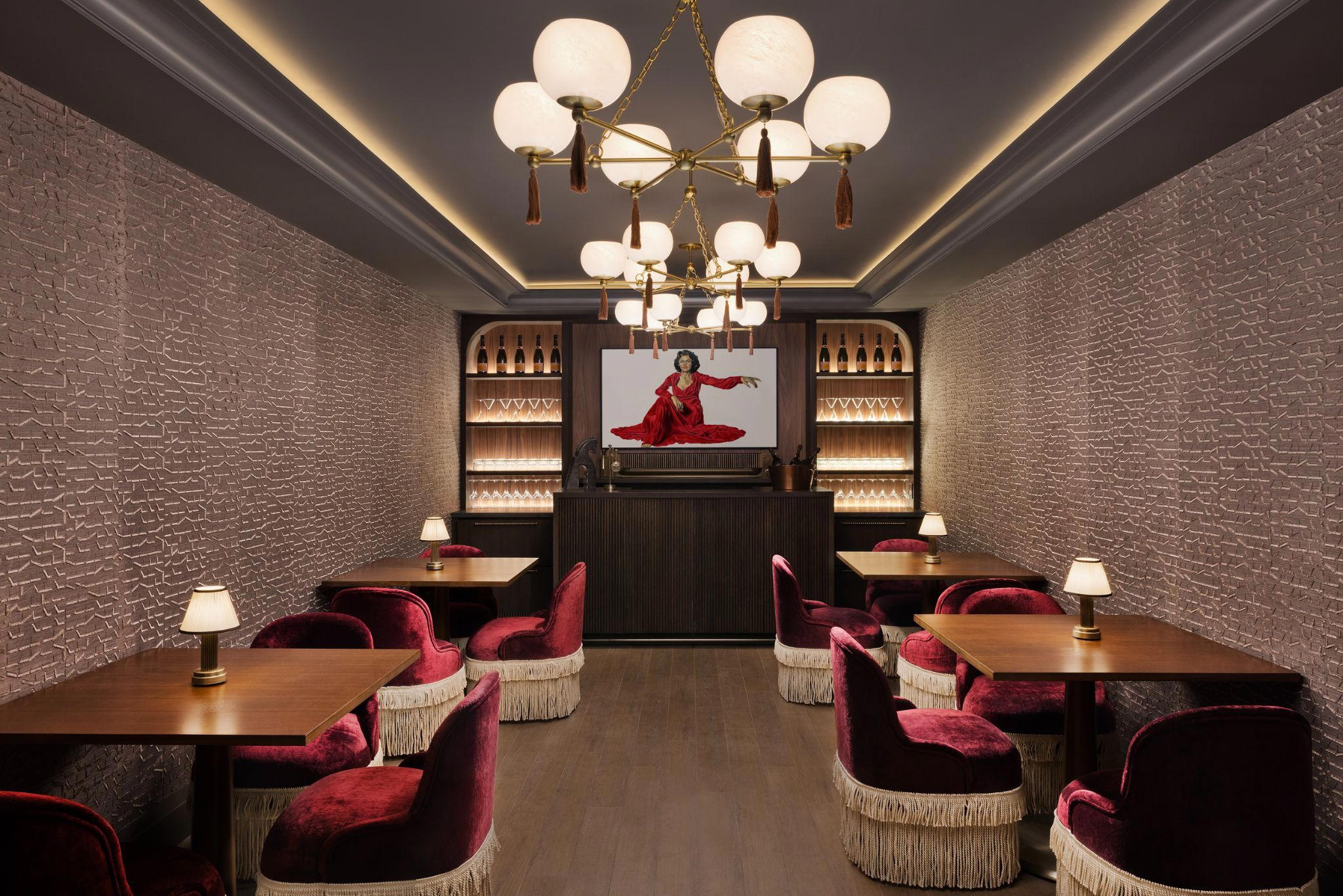
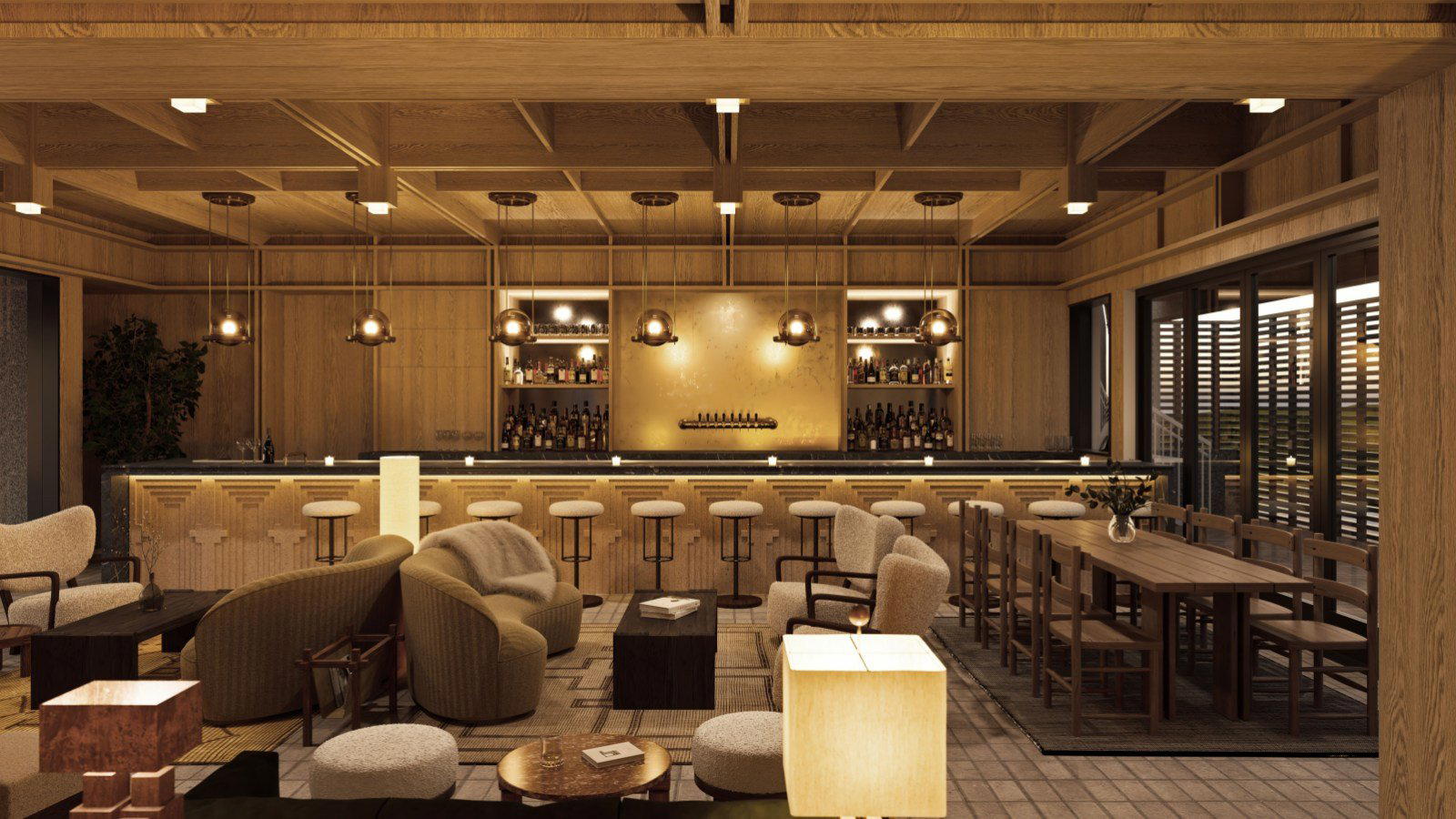
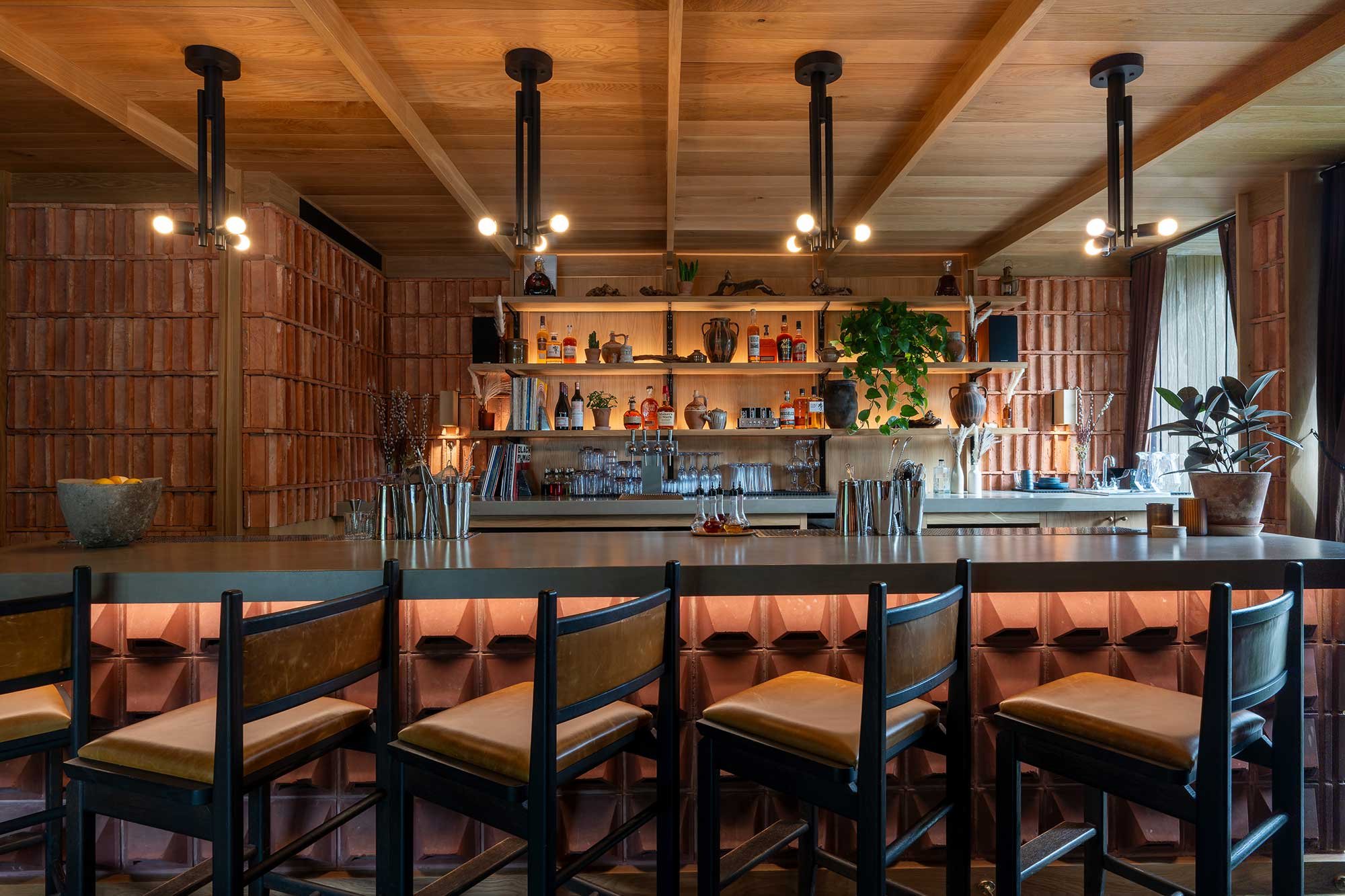
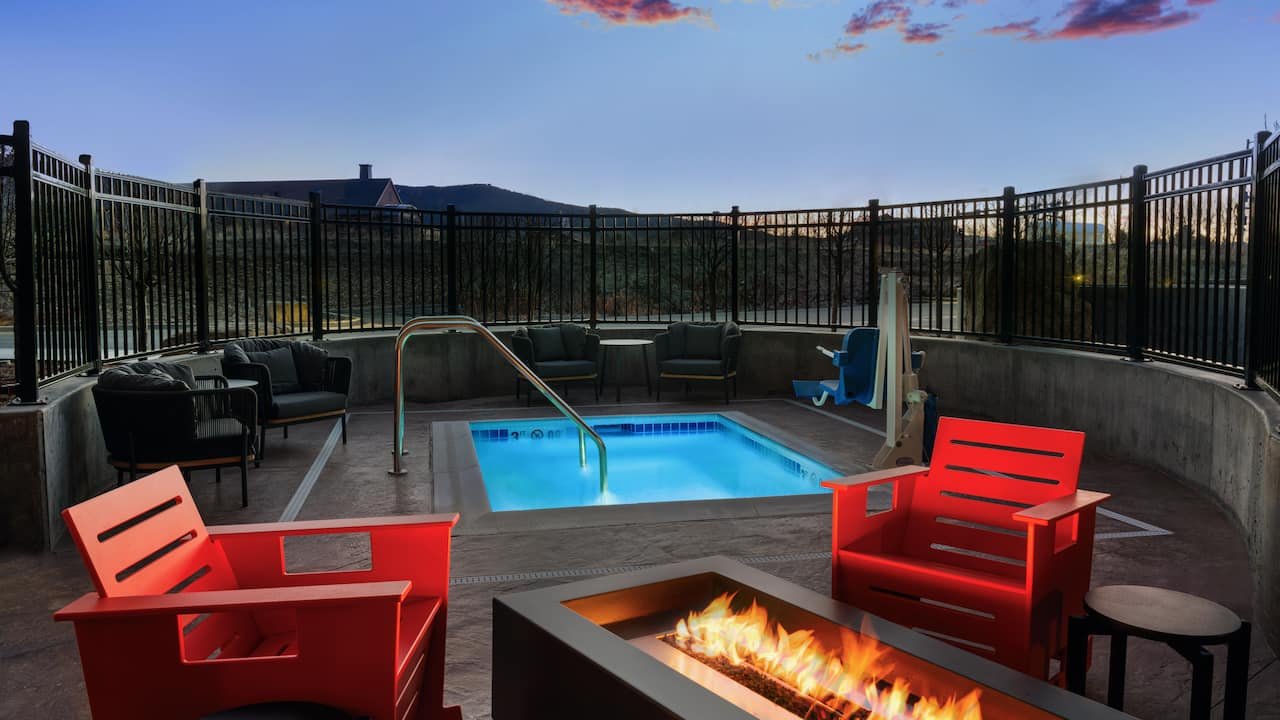

Tempranillo
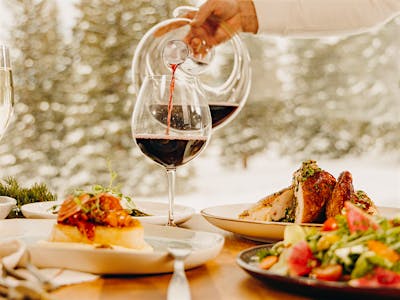
The wine
- Wine program
- Curated wine list
- Extensive wine list
Details
- Cozy
- Rustic
- Intimate
- Elegant
- Date Night
- Group Dining
- Celebration
- Open Kitchen
- Terrace
- Extensive Wine List
- Local Sourcing
- Small Plates
- A La Carte
- Wine
- Vegetarian Friendly
- Vegan Options
- Gluten Free Options
Current opening hours
- Monday
- 5–9 PM
- Tuesday
- 5–9 PM
- Wednesday
- 5–9 PM
- Thursday
- 5–9 PM
- Friday
- 5–9 PM
- Saturday
- 5–9 PM
- Sunday
- 5–9 PM
Hours can change for holidays and private events. Last verified .
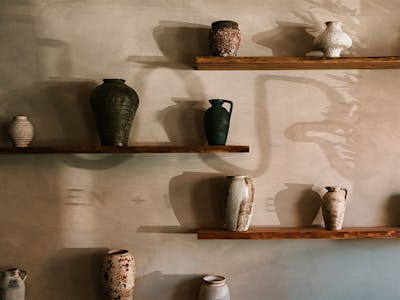
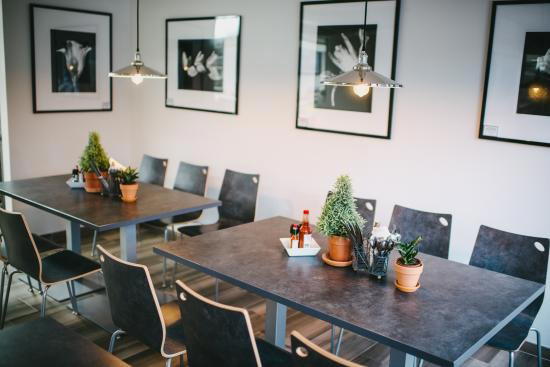
Cozy atmosphere featuring dark beams, fireplaces, and a welcoming community table.