Woody Creek Distillers
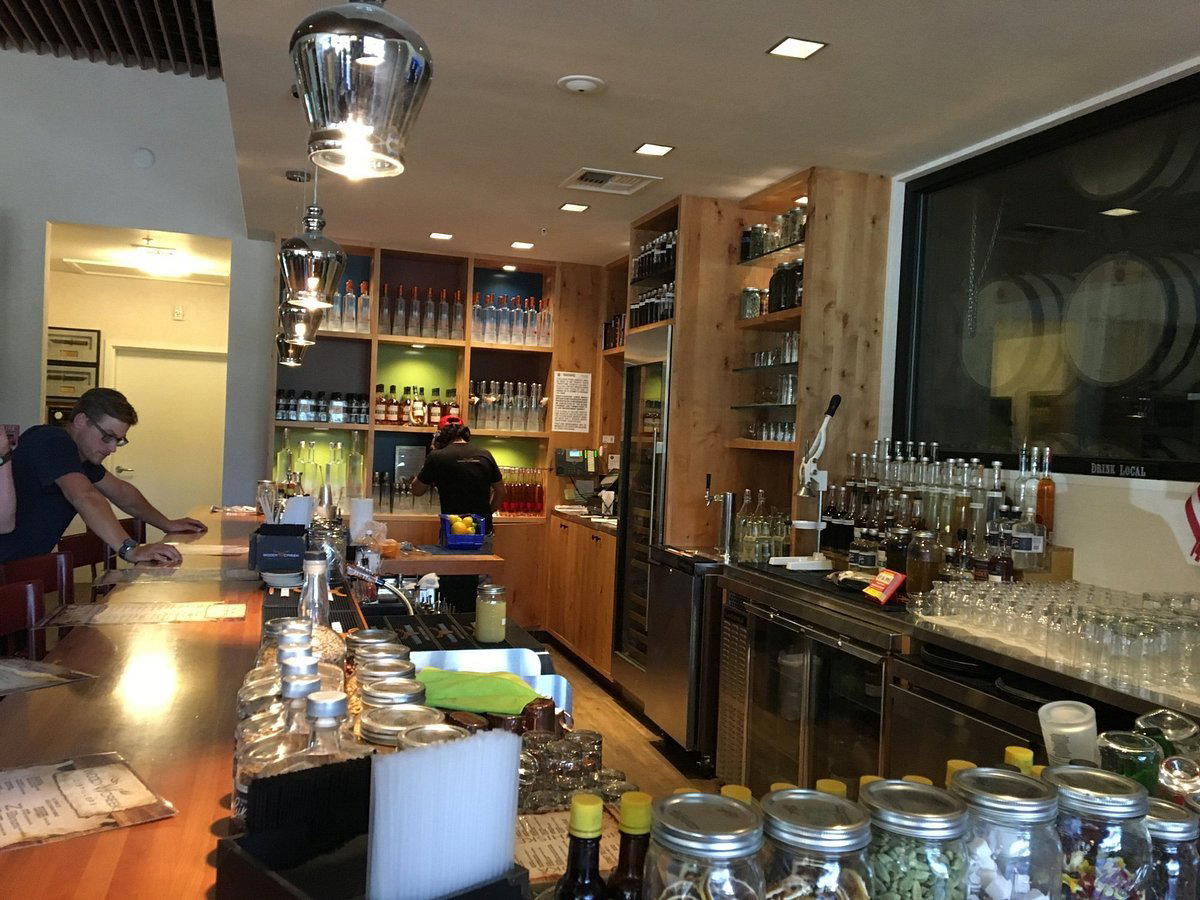
Woody Creek Distillers operates out of Basalt, Colorado, sitting in the Roaring Fork Valley corridor where farm-to-bottle production has found a serious foothold. The distillery draws on Colorado-grown ingredients, positioning itself within the regional craft spirits movement that has reshaped how mountain-town visitors think about local drinking culture. It is as much a destination for spirits education as it is a tasting room.

Pearl is the En Primeur Club membership app — saves, bookings, and concierge access live there. Same editors, same standards.
- Address
- 60 Sunset Dr, Basalt, CO 81621
- Phone
- (970) 279-5110
- Hours
- Mon–Tue ClosedWed–Sat 2–8 PMSun Closed
- Website
- woodycreekdistillers.com
- Directions
- Get directions
- Booking
- Book on the venue's website
The Craft Spirits Context in Colorado's Mountain Corridor
Colorado's distillery count has grown substantially over the past two decades, placing the state among the more active craft spirits producers in the American West. The Roaring Fork Valley specifically has developed a locavore identity that extends well beyond restaurants: local grains, local water sources, and the high-altitude growing conditions that affect everything from barley to potato crops all play into how distillers here define their raw material advantage. Woody Creek Distillers operates squarely within that framework, sourcing Colorado-grown potatoes for its vodka program in a way that directly references the valley's agricultural history rather than borrowing the romance of it.
That sourcing distinction matters in a spirits category where most vodka is made from commodity grain with little traceable origin. Potato vodka from a specific regional crop carries a different production logic entirely: the starch content and sugar profile of the potato variety shapes fermentation and distillation outcomes in ways that grain cannot replicate. The argument for terroir in spirits has always been harder to sustain than in wine, but single-source potato production is one of the more defensible cases for it. Compared to bars like ABV in San Francisco or Canon in Seattle, where the emphasis falls on assembled cocktail programs drawing from global spirits production, Woody Creek represents the upstream end of that supply chain: the point where a decision about what to grow determines what ends up in a glass three hundred miles away.
The Tasting Room as Spirits Education
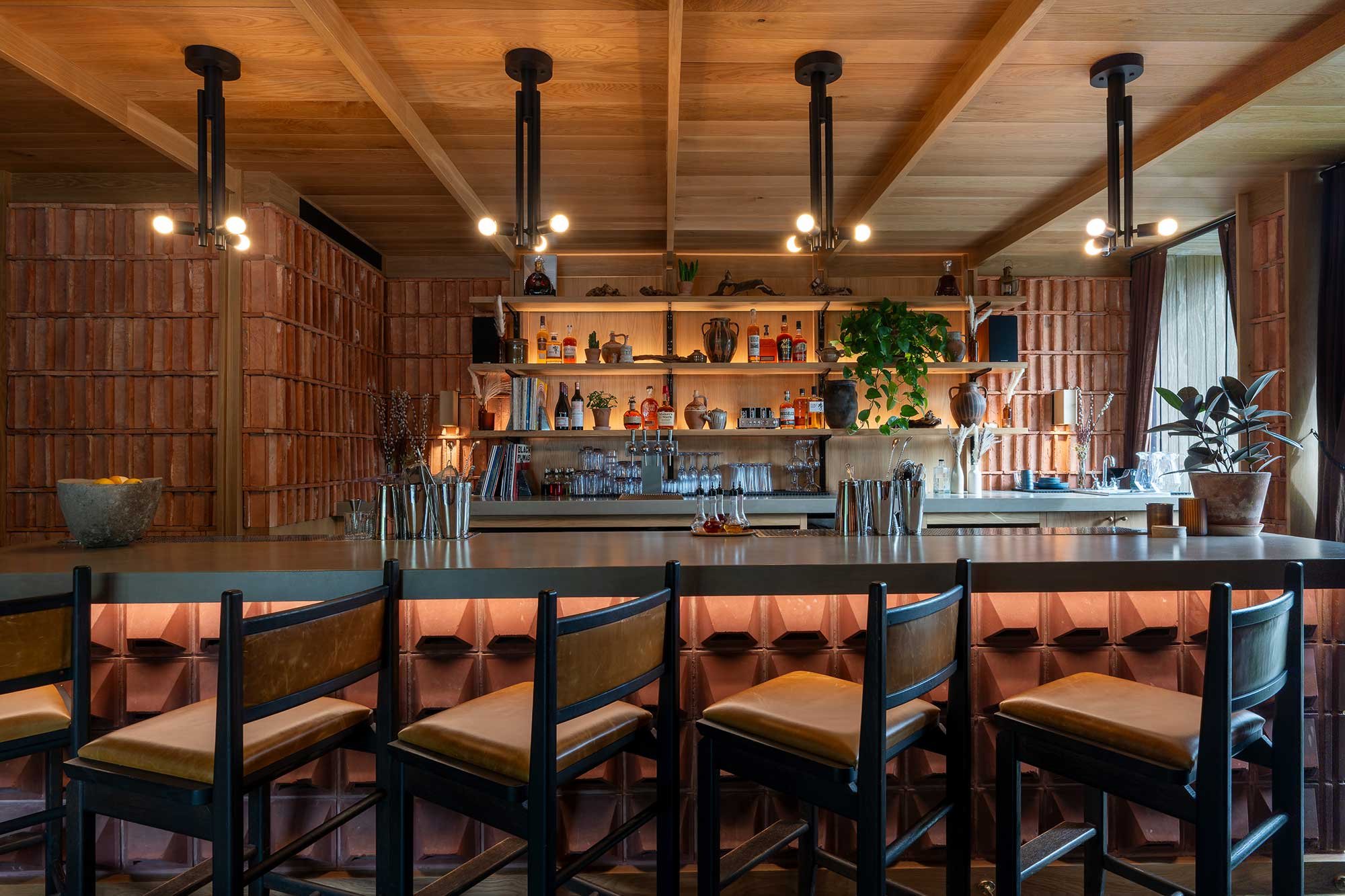
Tasting rooms attached to working distilleries occupy a specific category in the premium drinking experience spectrum. They are not bars in the traditional sense — the agenda is different, the pacing is different, and the conversation tends toward production rather than service. The better ones function as a controlled environment for understanding how a spirit is made and what distinguishes it from category peers. At Woody Creek, the proximity of the actual production equipment to the tasting space creates a context that a bar programme at even a technically rigorous urban cocktail venue cannot fully replicate. You are drinking in the same building where distillation decisions are made, which changes the register of the experience.
This is the structural opposite of what you encounter at a venue like Kumiko in Chicago or Jewel of the South in New Orleans, where the programme is built around the cocktail as a finished expression of bartender craft, with spirits as one ingredient among many. The distillery tasting room foregrounds the spirit itself, asking the visitor to assess it neat, or in simple formats that do not mask the base product. That is a harder ask of the drinker, and arguably a more informative one.
Within the mountain West's visitor economy, distillery visits have developed a distinct appeal for travelers who want a more process-oriented alternative to winery tours. The Roaring Fork Valley has several such stops, and the question of differentiation often comes down to the specificity of the sourcing story and the depth of the tasting experience on offer. A potato-forward vodka program with a defined agricultural origin gives Woody Creek a clear narrative hook that generic grain-based operations in the same geography cannot match.
Placing Woody Creek in the Broader American Craft Spirits Scene
American craft distilling has stratified over the past decade into roughly three tiers: volume producers who use the craft label for marketing purposes, genuine small-batch operations with real sourcing differentiation, and a smaller group of producers whose distribution and recognition have crossed into national awareness. Woody Creek's commitment to Colorado potato sourcing places it in the second tier at minimum, and its visibility among spirits-focused travelers to the Roaring Fork Valley suggests it has developed the kind of regional reputation that sustains a tasting room destination model.
The peer conversation for a venue like this is not primarily with urban cocktail bars, though there are useful reference points. Bitter and Twisted in Phoenix and Allegory in Washington, D.C. represent the cocktail-programme end of serious American drinking culture, where the distillery's output might eventually appear on a well-sourced back bar. Bar Leather Apron in Honolulu, Julep in Houston, Superbueno in New York City, Bar Kaiju in Miami, and The Parlour in Frankfurt each operate in distinct cocktail idioms, but they share a common reliance on sourcing quality at the production level. That is where a distillery like Woody Creek enters the supply-side argument for what makes serious drinking culture possible in the first place.
Planning a Visit to Basalt
Basalt sits roughly 20 minutes from Aspen and 15 minutes from Glenwood Springs via Highway 82, making it an accessible stop for visitors moving through the valley rather than a dedicated detour. For a fuller picture of what Basalt and the surrounding area offer in food and drink, see our full Basalt restaurants guide.
How It Stacks Up
| Venue | Cuisine | Price | Awards |
|---|---|---|---|
| Woody Creek DistillersThis venue — the venue you are viewing | Not listed | $20–30 | Not listed |
| Julep | Not listed | Not listed | World's 50 Best |
| Kumiko | Not listed | Not listed | World's 50 Best |
| ABV | Cocktail Bar | $20–30 | World's 50 Best #39 · Eater Cocktail Bar Guide |
| Bisous | Not listed | $20–30 | World's 50 Best #30 · James Beard Award Semi Finalist |
| Canon | Not listed | Not listed | World's 50 Best |

Woody Creek Distillers
The drinks
- Craft cocktails
Signature drinks: Blackberry Sage Smash, Vodka Lime Rickey, Woody's Paloma.
Details
- Rustic
- Cozy
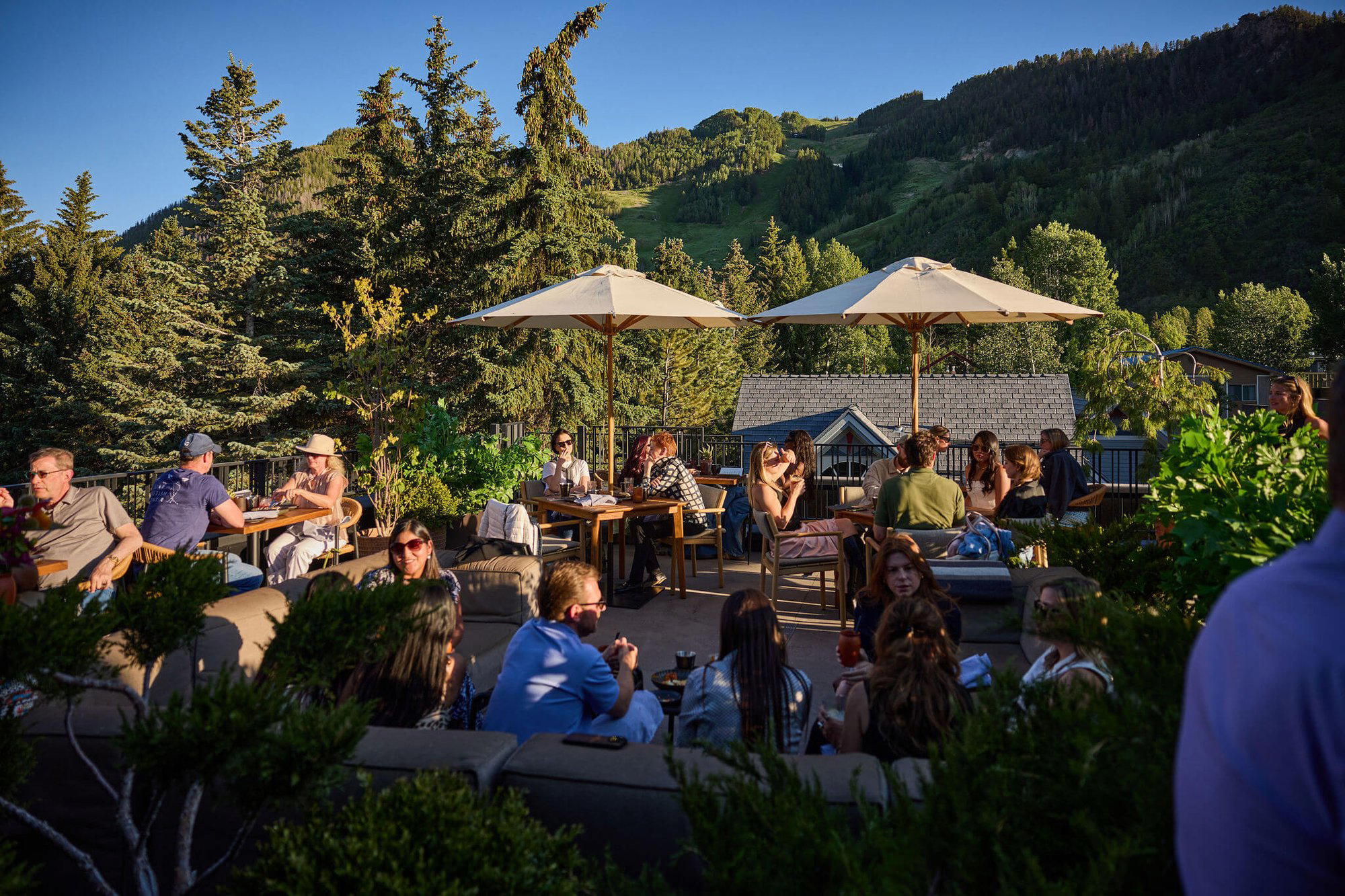
- Scenic
- Casual Hangout
- After Work
- Standalone
- Seated Bar
- Lounge Seating
- Craft Cocktails
- Mountain
Current opening hours
- Monday
- Closed
- Tuesday
- Closed
- Wednesday
- 2–8 PM
- Thursday
- 2–8 PM
- Friday
- 2–8 PM
- Saturday
- 2–8 PM
- Sunday
- Closed
Hours can change for holidays and private events. Last verified .
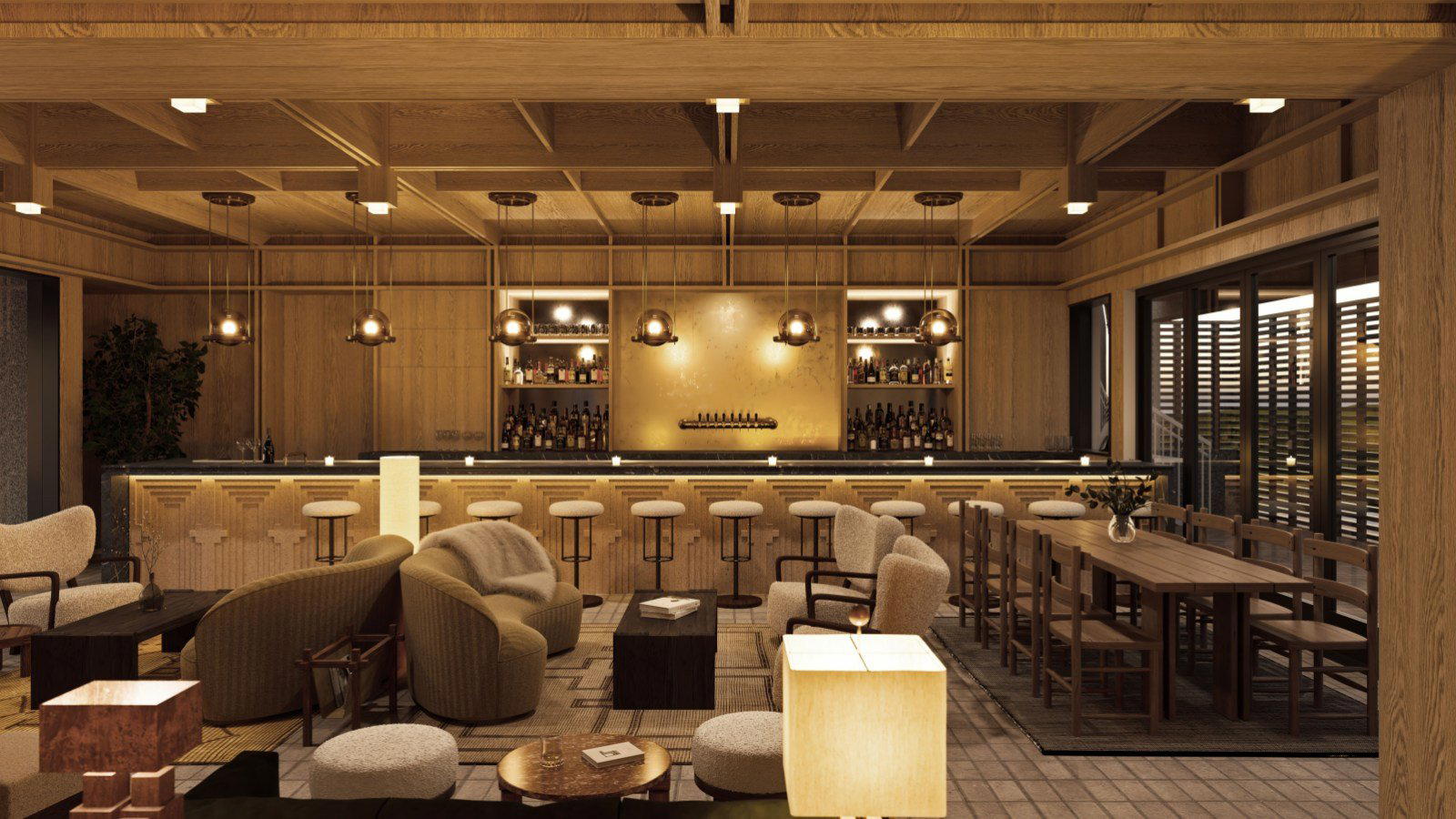
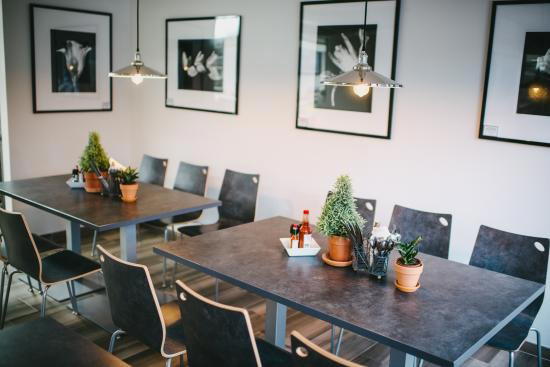
Relaxed tasting room atmosphere well-suited for sipping craft cocktails and local spirits amid rugged Colorado surroundings.