
Tedorigawa Takeyabu belongs to Ishikawa’s serious soba circuit rather than the urban tasting-menu race. Its Tabelog 100 Soba WEST selections in 2024 and 2025 place it among specialist buckwheat houses where sourcing, milling discipline, and restraint matter more than theatrical service.
Pearl is the En Primeur Club membership app — saves, bookings, and concierge access live there. Same editors, same standards.
- Address
- 石川県能美市三ツ屋町イ12
- Phone
- +81761517313
- Website
- hokuriku.yomiuri.co.jp
 Saves & bookings on Pearl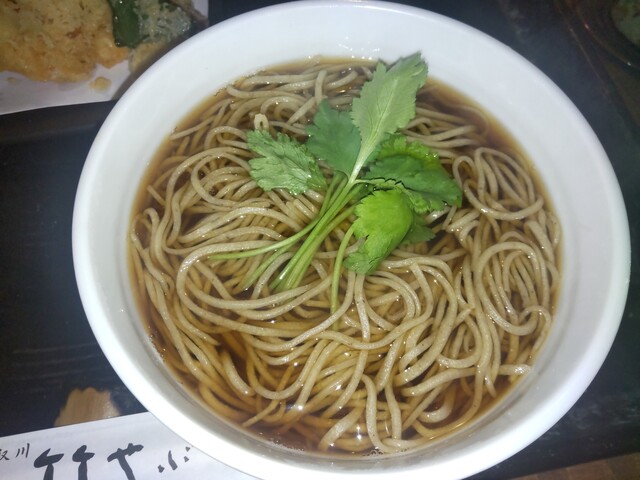
The approach to soba in rural Ishikawa is quieter than in Tokyo’s counter culture: fewer performance cues, more attention on grain, water, and the timing between boiling and serving. In Nomi, that matters. This part of the Hokuriku region sits close to farming country and sake country, and the strongest noodle houses here tend to read as ingredient-first rooms rather than chef-driven stages.
Tedorigawa Takeyabu fits that register. Its recognition in Tabelog’s Soba WEST 100 in both 2024 and 2025 gives it a clear external signal, but the more useful point is what the award category says about the meal. Soba is a narrow discipline: buckwheat aroma fades fast, texture collapses with sloppy timing, and the dipping sauce has to support rather than dominate. The restaurants selected in this category are being judged inside that demanding lane, not against broad Japanese dining.
Hokuriku soba rewards grain, water, and restraint
Soba in Japan can be casual, ceremonial, or somewhere in between. In Ishikawa, the format often leans toward restraint: a compact menu logic, a short eating window, and a meal that depends on clarity rather than abundance. Buckwheat noodles are not designed to carry heavy sauces or elaborate garnish. The point is the relation between noodle texture, dipping broth, condiments, and finishing sobayu, the hot noodle water traditionally used to loosen the remaining tsuyu at the end of the meal.
That ingredient hierarchy is why a soba specialist can be more revealing than a larger restaurant with broader ambitions. When the cooking is this focused, sourcing choices become visible through structure: how firm the noodle is, how cleanly it separates, how assertive the broth feels, and how much the meal allows buckwheat to remain at the centre. Tedorigawa Takeyabu’s placement in a western Japan soba selection puts it in conversation with a regional specialist class rather than with general-purpose restaurants in Nomi.
The presence of sake as the listed drink category also makes sense in this context. Ishikawa is a serious sake prefecture, and soba restaurants often sit comfortably beside nihonshu culture because both reward grain character, water quality, and temperature control. That does not turn the meal into a bar experience; it simply gives the table a local rhythm that fits the food.
A specialist room rather than a destination dining production
The useful comparison is not with luxury kaiseki or urban omakase. It is with modestly priced specialist restaurants where the narrowness of the offer is the point. In the surrounding out-of-metro set, Yao Ya and Soan sit in a lower published spend band, while SHÓKUDŌ YArn belongs to an innovative category altogether. Tedorigawa Takeyabu occupies a different middle ground: a soba house with enough recognition to attract diners beyond the immediate neighbourhood, but still anchored in a format that prizes directness.
This distinction matters for travellers building an Ishikawa itinerary. Nomi is not Kanazawa’s dense restaurant grid, where multiple genres compete within a short walk. A meal here asks for a specific reason to detour, and soba is that reason. The appeal is not breadth; it is the chance to read a regional craft at close range, in a setting where the meal is measured by precision rather than spectacle.
The room’s practical signals support that reading: a small seat count, private-room availability, and a non-smoking policy for the main space. Those details point to a restaurant built for focused meals, not lingering nightlife. For diners used to Japan’s cashless urban centres, the payment restrictions also deserve attention, since older specialist restaurants outside major cities often move at a different operational tempo.
How to place it in a Nomi itinerary
For a food-focused trip through Ishikawa, the restaurant makes the strongest sense as a lunch-centred stop rather than as a full evening anchor. That is partly because soba is naturally suited to daytime eating, and partly because Nomi rewards deliberate planning: transport, meal timing, and nearby activities need to line up more carefully than they do in larger cities.
The editorial case is strongest for travellers who already care about Japanese ingredient traditions. Buckwheat is not a luxury ingredient in the obvious sense, but serious soba turns it into a test of sourcing and technique. The value lies in compression: a small number of elements, handled with enough discipline that the grain remains legible. Diners looking for a long-format tasting menu may find the experience too spare; diners interested in regional food culture will understand why a restrained noodle meal can carry more local information than a broader menu.
For broader planning around the city, start with Our full Nomi restaurants guide, then pair the meal with Our full Nomi hotels guide, Our full Nomi bars guide, Our full Nomi wineries guide, and Our full Nomi experiences guide. For a wider view of Japan’s dining range, compare specialist formats with -Grilled beef Sukiyaki- KAMAKURA TANUKIAN 鎌倉 たぬき庵 in Kamakura, . 鮪と炭火焼き うお炭 秋葉原店 in Tokyo, .cafe in Osaka, .know in Kumamoto, (Shoku) Vietnam in Kawasaki, [Curry Senmon Ten] Maruyama Kyoju. in Sapporo, [ki:] in Kyoto, #肉といえば松田 奈良本店 in Kashihara, 1/3 HAMBURGER FACTORY in Kanazawa, 1000 in Yokohama, 1000mヒュッテ 1000m Hut in Kutchan, Jōdo Saké Bar in Los Angeles, and Onigiri Time in Pasadena.
How It Stacks Up
Comparable venues by cuisine and price in the same metro.
| Venue | Cuisine | Price | Notes |
|---|---|---|---|
| Tedorigawa TakeyabuThis venue — the venue you are viewing | Traditional Japanese Soba | $$ | Not listed |
| レストラン横倉 | Western-Japanese Ski Resort Fare | $$ | Zao Onsen |
| 樺太食堂 | Hokkaido Seafood Donburi | $$ | Noshappu |
| Kawakyu (とんかつ川久) | 鹿児島黒豚とんかつ | $$ | 鹿児島中央 |
| Hana Goori Kakigori | Japanese Kakigori (Shaved Ice) | $$ | Roppongi |
| Soup Curry & Dining Suage+ (suage+ 本店) | Hokkaido Soup Curry | $$ | Susukino, Chuo Ward |
Recognition history
Dated appearances from independent guides and award organizations, with the underlying list record or original source where available.
Tabelog 100 #20 · No. 20
Tabelog · Tabelog 100 - Soba - WEST - 2025
Continue exploring
More in Nomi
Restaurants in Nomi
Browse all →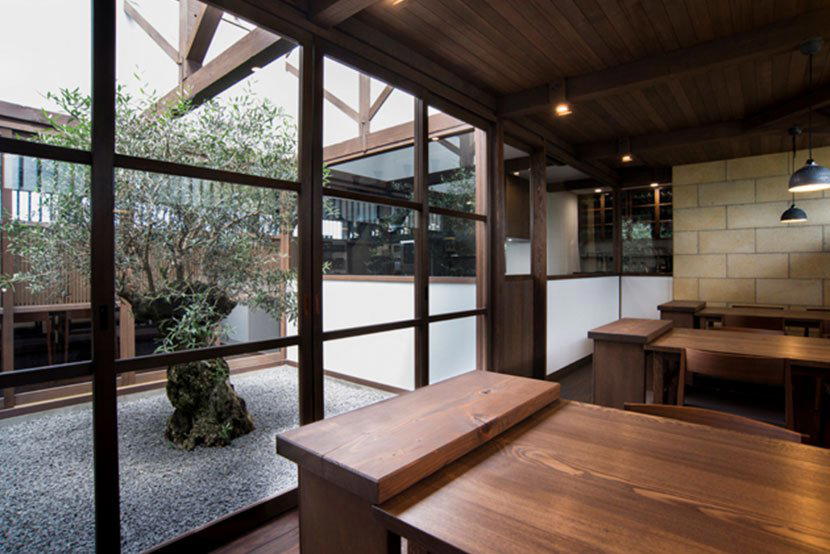
At a Glance
- Quiet
- Cozy
- Classic
- Solo
- Date Night
- Special Occasion
- Standalone
- Sake Program
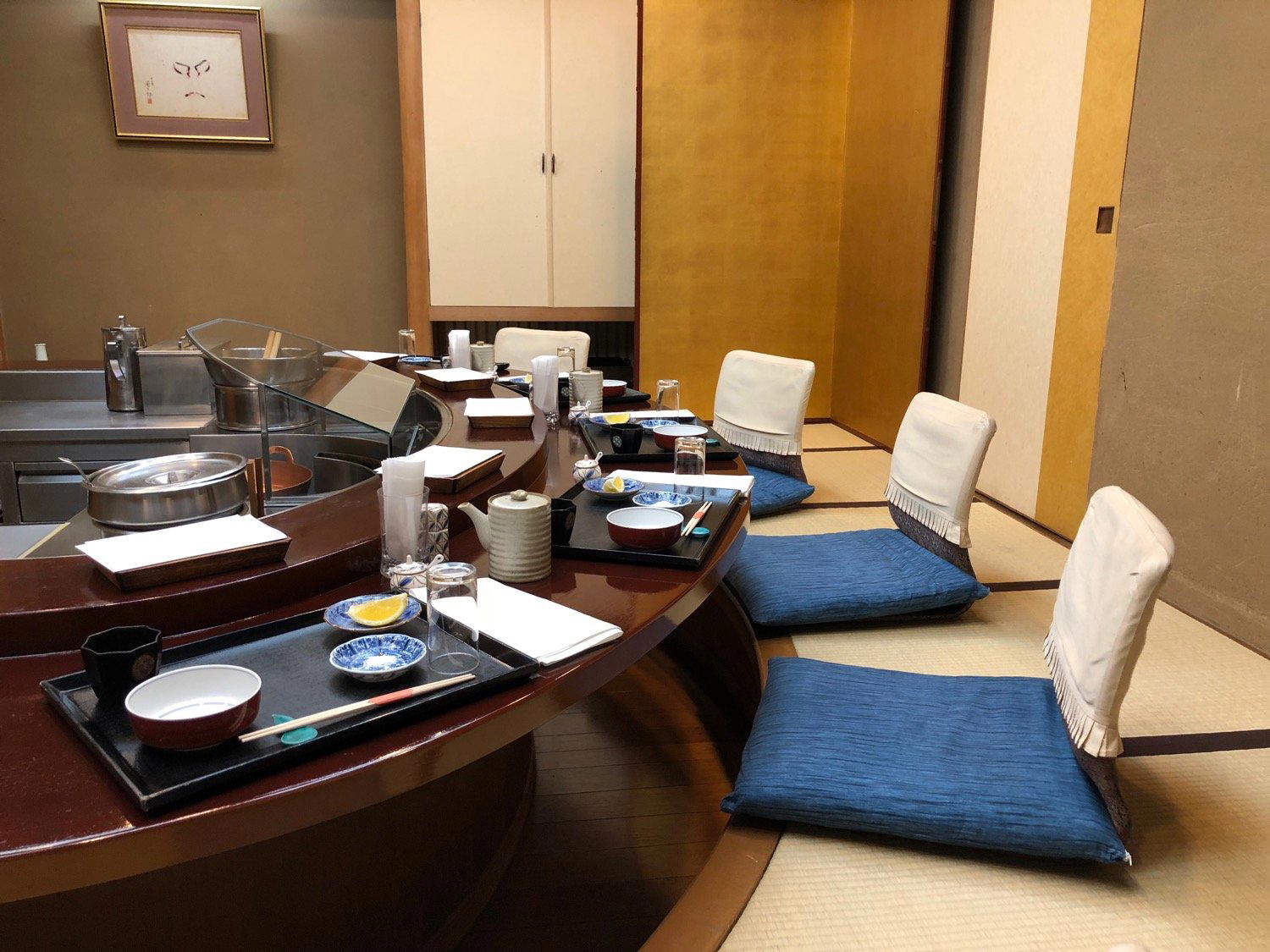
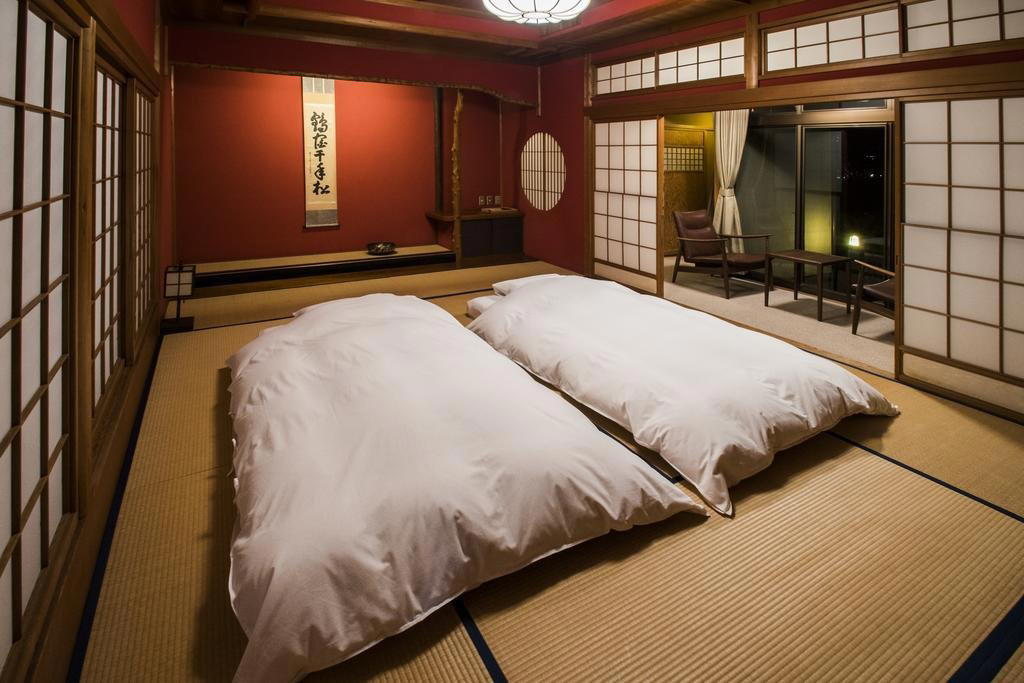
Traditional soba-ya atmosphere with a simple, classic interior focused on the craft of soba, creating a calm and unpretentious setting for leisurely meals.