Taza - a Lebanese Grill
Our verdict
On West 6th Street in Cleveland's Ohio City corridor, Taza - a Lebanese Grill brings the charcoal-fired traditions of Levantine cooking into a neighborhood that has become one of the city's more active dining stretches. The kitchen draws on the grilling and mezze formats that define casual Lebanese dining across the diaspora, offering a counterpoint to the European-leaning restaurants that dominate much of downtown Cleveland.

Pearl is the En Primeur Club membership app — saves, bookings, and concierge access live there. Same editors, same standards.
- Address
- 1400 W 6th St, Cleveland, OH 44113
- Phone
- (216) 274-1170
- Hours
- Mon–Thu 11 AM–9:30 PMFri–Sat 11 AM–10 PMSun 11 AM–9:30 PM
- Website
- mytaza.com
- Directions
- Get directions
- Booking
- Book on OpenTable
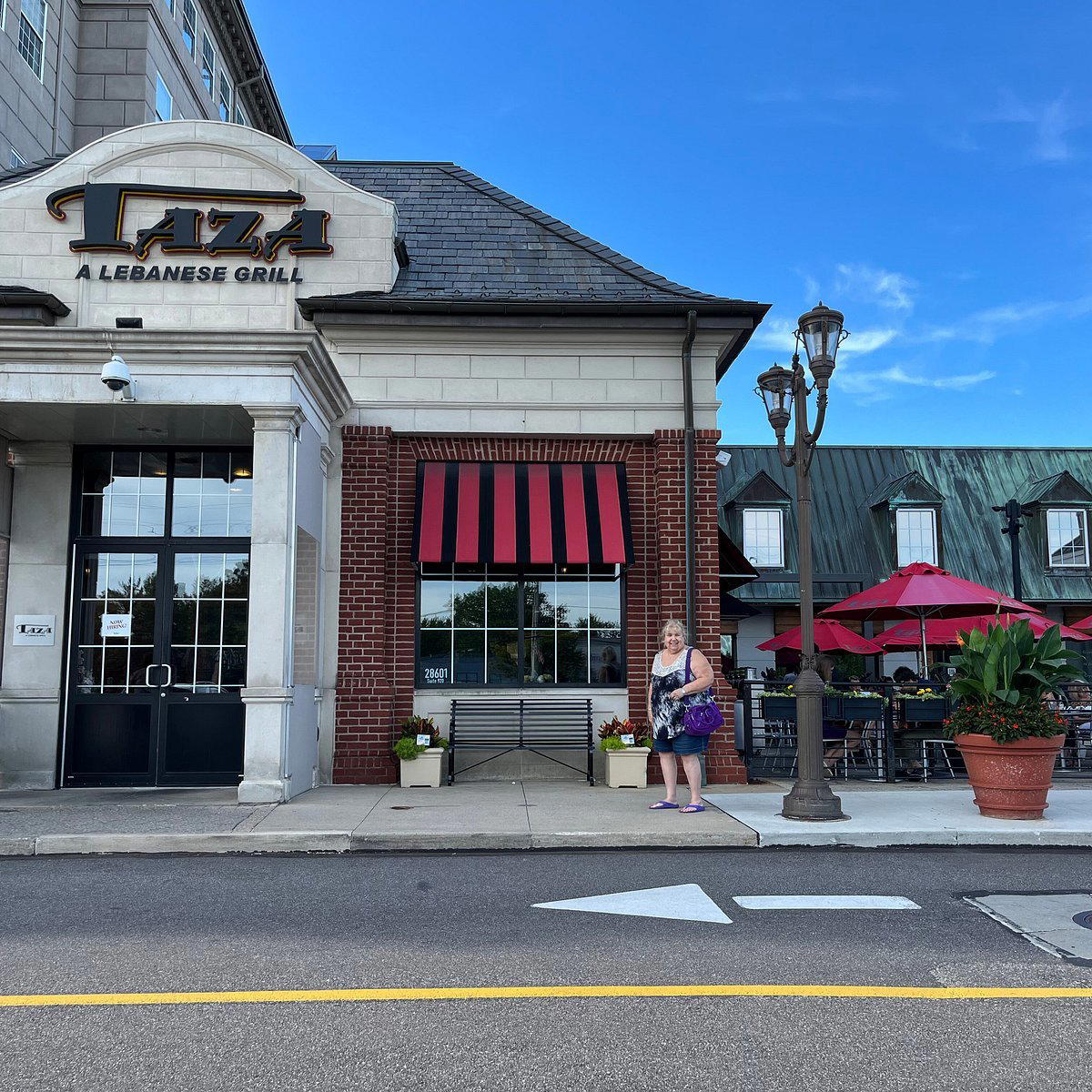
West 6th Street and the Case for Lebanese Grilling in Cleveland
Cleveland's West 6th Street corridor runs through a part of Ohio City that has absorbed several dining formats over the past decade: pizza counters, smokehouse spots, pho shops, and river-view American dining rooms have all taken root within a few blocks of one another. Into this mix, Taza - a Lebanese Grill stakes out a position that few addresses on the strip occupy — the charcoal-fired, mezze-forward tradition of Lebanese casual dining. That matters because Lebanese cooking, at its functional core, is a service model built around shared plates, open-flame proteins, and a kitchen culture where the timing of the table depends as much on the grill station as on any single cook. Arriving at Taza, that logic shapes the room before a dish arrives: the sense that a meal here will move at the rhythm of the fire rather than a preset tasting sequence.
The broader context is worth naming. Lebanese restaurants in American cities have historically clustered in communities with established diaspora populations — Dearborn, parts of Detroit, specific Brooklyn neighborhoods, rather than in downtown entertainment corridors. When a Lebanese grill does open in a city like Cleveland, it occupies a genuinely different competitive position than it would in those larger diaspora markets. That comparison works in Lebanese cooking's favor, because the format, communal, abundant, grilled, translates across demographics in ways that more specialized cuisines sometimes do not.
The Grill as Organizing Principle
Lebanese cooking's claim on the grill is specific rather than general. The relevant tradition runs through kafta, shish tawook, and mixed grills built around lamb, chicken, and beef, seasoned with spice blends that vary by region but share an emphasis on allspice, sumac, and fresh herb profiles. These are not slow-smoke formats; they are direct-heat, high-contact preparations where the quality of the fire and the timing of the cook determine the result. In restaurant terms, that means the grill station functions as the production center of the kitchen, the position around which the rest of the team organizes itself. In well-run Lebanese grills, front-of-house timing, the mezze pacing, and the sequence of shared plates are all calibrated to the grill's output. The collaboration between the kitchen and the floor is, in effect, the product the guest experiences.
This is also where the mezze tradition intersects with service quality in ways that are easy to underestimate. A table of cold mezze, hummus, tabbouleh, fattoush, baba ghanouj, can arrive immediately and occupy guests while the grill proteins finish. That sequencing is not incidental; it is a hospitality logic baked into the format over centuries, and it places a premium on the front-of-house team knowing when to move and when to hold. The dining experience at a Lebanese grill rises and falls on that coordination as much as on the cooking itself.
Ohio City's Dining Context and Where Taza Sits
The 1400 block of West 6th Street places Taza in proximity to some of Cleveland's more established casual and mid-tier dining addresses. 1330 on the River anchors the American dining end of the spectrum nearby, while #1 Pho covers the Southeast Asian end. Agave & Rye Cleveland and Acqua di Dea represent further range in the neighborhood's dining spread. Within that mix, Lebanese grilling is a distinct format rather than a crowded category, which gives Taza a clearer positioning than it might have in a larger market. Amba represents Middle Eastern flavor influence elsewhere in the Cleveland scene, but the overlap is more thematic than competitive.
For the broader context of Cleveland's dining evolution, our full Cleveland restaurants guide maps the city's key corridors and emerging formats. The West 6th Street stretch is one of the more active casual dining corridors in the city, drawing a mix of after-work, weekend, and event-adjacent traffic given its proximity to the entertainment district.
Seasonal Rhythms and When to Go
Lebanese grilling is not a heavily seasonal cuisine in its cooking technique, but the dining context in Cleveland is. Summer and early fall represent the strongest period for the West 6th Street corridor, when outdoor dining and later evening hours extend the useful window for casual meals. Winter shifts the dynamic toward indoor comfort, a format that Lebanese mezze handles well, given the abundance of warm dishes and the shareable structure of the menu. Spring arrivals often find the corridor still finding its footing after Cleveland's extended grey season, but by May the foot traffic on West 6th returns to levels that animate the strip. Visiting midweek rather than on Friday or Saturday evenings gives a quieter experience and, in any restaurant where kitchen timing matters, tends to produce better-paced service.
The Wider Reference Frame
The dining formats that draw the most sustained critical attention in American cities, tasting-menu destinations like Alinea in Chicago, Le Bernardin in New York City, The French Laundry in Napa, or Lazy Bear in San Francisco, operate at a structural remove from what a Lebanese grill does. The comparison is not unfavorable to either category; it simply marks them as different services. Where a Blue Hill at Stone Barns or Single Thread Farm in Healdsburg builds an entire evening around a single extended narrative, a Lebanese grill offers the opposite architecture: abundance, flexibility, and a table that can eat as much or as little as it wants. Atomix in New York City, Providence in Los Angeles, and Addison in San Diego each represent the composed, chef-directed end of the spectrum. Taza sits at the other end, a format that asks the table to direct itself through shared plates, which is its own kind of hospitality discipline. Emeril's in New Orleans, The Inn at Little Washington, and 8 1/2 Otto e Mezzo Bombana in Hong Kong each reflect Western fine-dining traditions that have little structural overlap with the Lebanese grill format, which underscores how genuinely distinct the category is.
Planning Your Visit
Taza - a Lebanese Grill is located at 1400 W 6th St, Cleveland, OH 44113, in the Ohio City dining corridor. Given the venue's position on a street with strong weekend foot traffic, weekday visits or early evening arrivals on weekends will generally offer a calmer experience. Specific hours, current booking policies, and reservation availability are best confirmed directly with the venue, as operational details can shift seasonally. For groups intending to work through a full spread of mezze and grilled proteins, arriving with four or more guests gives the table enough coverage to explore the format properly, Lebanese grilling is at its most coherent when the table is ordering broadly rather than individually.
Frequently asked questions
at Taza - a Lebanese Grill?
Is Taza - a Lebanese Grill reservation-only?
What's the standout thing about Taza - a Lebanese Grill?
How does Taza - a Lebanese Grill handle allergies?
Does Taza - a Lebanese Grill work well for group dining?
Same-City Peers
Comparable venues nearby, for context on price, style, and recognition.
| Venue | Cuisine | Price | Notes |
|---|---|---|---|
| Taza - a Lebanese GrillThis venue — the venue you are viewing | Authentic Lebanese Grill | $20–30 | Not listed |
| Mabel's BBQ | Cleveland-Style BBQ | $20–30 | Civic Center |
| La Bodega | American Deli Sandwiches & Salads | $20–30 | Tremont |
| Punch Bowl Social | Contemporary American Gastro Diner | $20–30 | East Bank |
| Don's Lighthouse Grille | Classic American Seafood & Steaks | $30–50 | Detroit-Shoreway |
| North Coast Cafe | American Casual Dining with International Buffet | $20–30 | Fairfax |
Continue exploring
More in Cleveland
Restaurants in Cleveland
Browse all →

Bars in Cleveland
Browse all →

Details
- Cozy
- Elegant
- Family
- Group Dining
- Casual Hangout
- Open Kitchen
- A La Carte
- Vegetarian Friendly
Current opening hours
- Monday
- 11 AM–9:30 PM
- Tuesday
- 11 AM–9:30 PM
- Wednesday
- 11 AM–9:30 PM
- Thursday
- 11 AM–9:30 PM
- Friday
- 11 AM–10 PM
- Saturday
- 11 AM–10 PM
- Sunday
- 11 AM–9:30 PM
Hours can change for holidays and private events. Last verified .
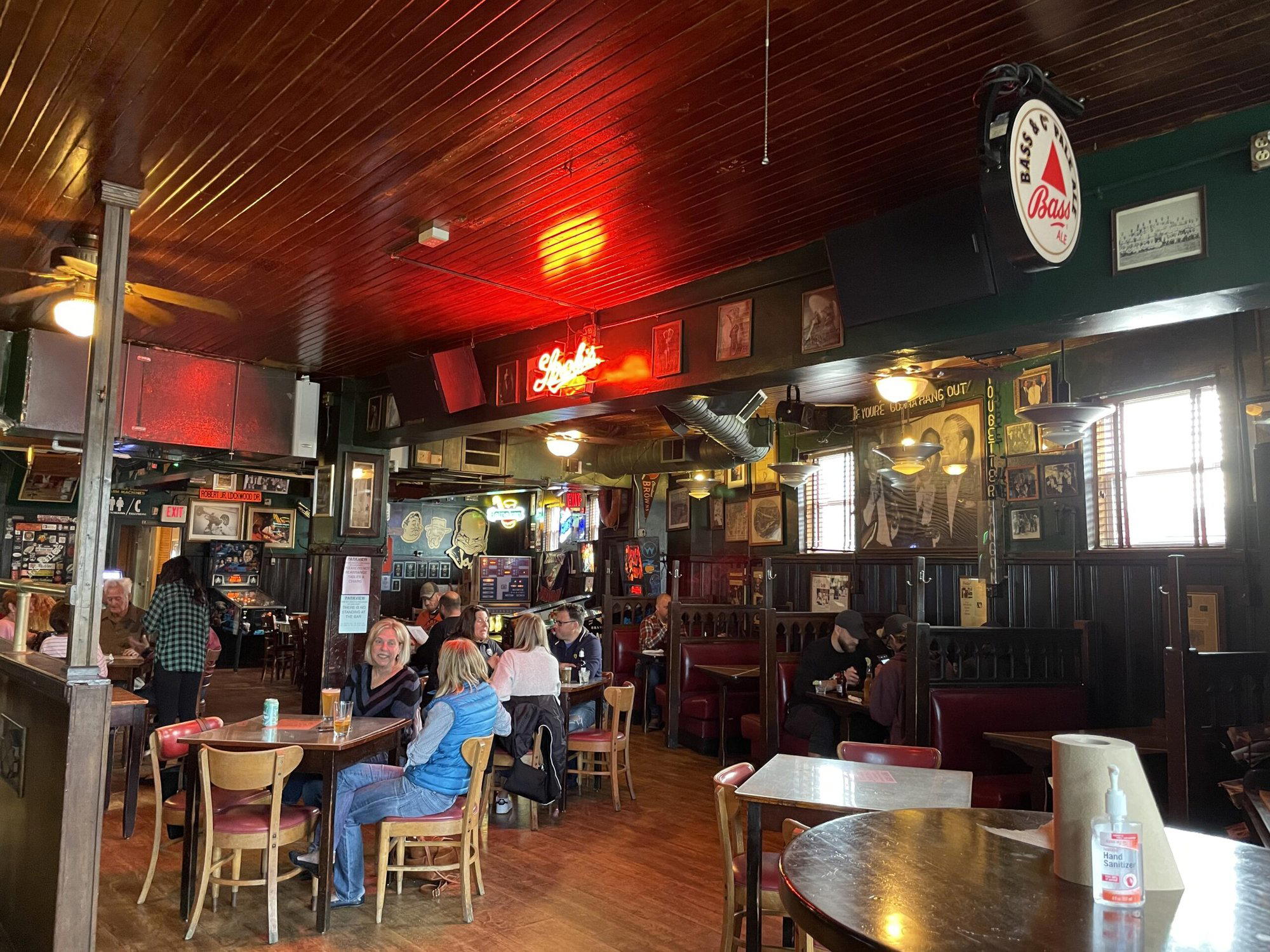
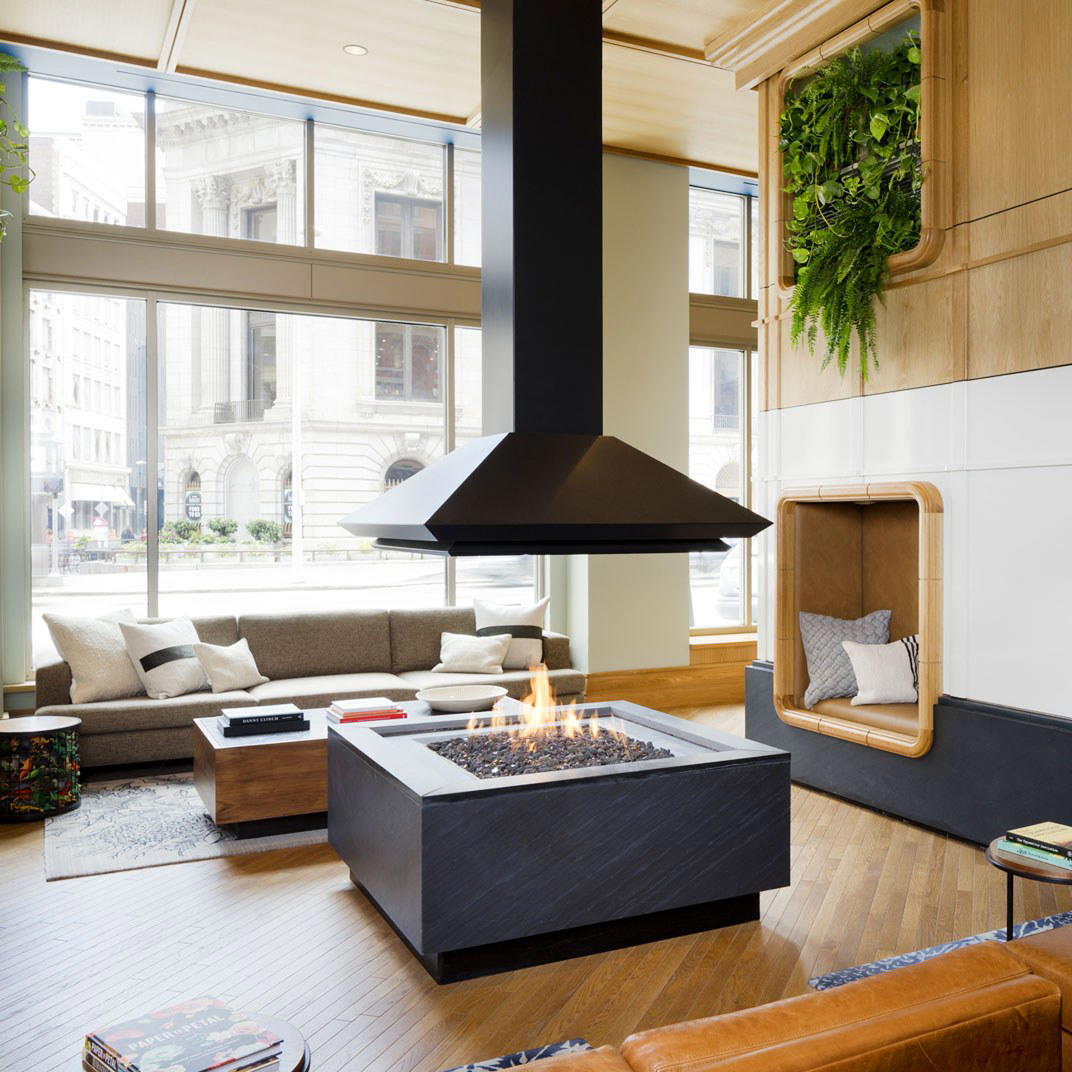
Ornate rust-colored textiles, Ottoman-inspired light fixtures, hardwoods, full bar, blazing brick oven, and shish kebab grill create a warm, upscale Middle Eastern atmosphere.