Acqua di Dea
Our verdict
Acqua di Dea occupies a prominent address on West St Clair Avenue in Cleveland's Warehouse District, positioning it within the city's most concentrated stretch of serious dining. The Italian name, water of the goddess, signals an Old World register that distinguishes it from the casual-American current running through much of the neighborhood. For visitors working through Cleveland's fine-dining tier, it belongs on the shortlist.

Pearl is the En Primeur Club membership app, where members save venues, book tables and use the concierge.
The menu
What to order
- Sweet potato gnocchi
- Crab risotto
- Grilled octopus
West St Clair and the Weight of Expectation
The stretch of West St Clair Avenue between the Flats and the near-west grid has quietly absorbed much of Cleveland's dining ambition over the past decade. Warehouse-era brick, wide sidewalks, and proximity to the Convention Center and Playhouse Square make it a reliable anchor for restaurants that need both walk-in foot traffic and a destination pull. Acqua di Dea, at 500 W St Clair Ave, occupies that dual-audience position, a Warehouse District address that draws locals as readily as visitors arriving for a show or a conference.
Italian-American fine dining in midsize American cities tends to occupy a specific cultural register: white tablecloths, restrained lighting, a wine list weighted toward Tuscany and Piedmont, and a kitchen that treats pasta as a serious proposition rather than a category filler. Whether Acqua di Dea meets that register fully is a question the room answers before the menu does. The name itself, loosely, water of the goddess, suggests an Italian identity chosen with intention, not convenience, and that kind of naming decision usually signals something about the ambition behind the project.
Italian Tradition in a Midwestern Room
The cultural roots of serious Italian cooking in America run deeper than the red-sauce narrative that dominated the twentieth century. From the 1980s onward, a generation of American chefs trained in northern Italy and returned with a different set of instincts: restraint over richness, regional specificity over category cuisine, and an understanding that Italian food is not a single tradition but a federation of distinct regional ones, Emilian pasta, Ligurian seafood, Roman offal, Neapolitan pizza, each with its own logic.
That shift has worked its way into the heartland more slowly than the coasts, which means a Cleveland restaurant committing to Italian cooking with genuine regional depth is operating in a less competitive field than its counterparts in New York or Chicago, but also with a more demanding task: building an audience that may not yet have the reference points. The leading Italian kitchens in American cities outside the major coastal markets often serve a double function, as genuine dining destinations and as quiet educators, introducing guests to producers and preparations they would otherwise only encounter on a trip to Bologna or Florence.
For context on what that upper tier of Italian-influenced American fine dining can look like, properties like Le Bernardin in New York City and The French Laundry in Napa demonstrate the ceiling of the format at scale, while Smyth in Chicago shows what serious ingredient-forward cooking looks like in a Midwest context.
Cleveland's Dining Scene, and Where Acqua di Dea Sits in It
Cleveland's restaurant culture has been in a sustained period of development. The city's reputation for serious food has grown incrementally, driven partly by a local agriculture scene that gives kitchens access to strong seasonal produce, and partly by a generation of chefs who chose to stay in or return to Northeast Ohio rather than relocate to coastal markets. The result is a dining landscape with genuine range: Vietnamese kitchens like #1 Pho operating at a high level of authenticity, riverfront rooms like 1330 on the River trading on location and occasion dining, and globally-inflected concepts like Amba and Batuqui - Larchmere building audiences for cuisines that would have found slower going in this market a decade ago.
Agave and the Mexican-American format has its own foothold, with Agave & Rye Cleveland representing the more casual, high-energy end of that category. Acqua di Dea occupies a different register entirely, more formal in name and address, more European in its culinary orientation, and more explicitly positioned at the occasion-dining tier.
That tier in Cleveland is smaller than in Chicago or New York, which concentrates both the opportunity and the pressure. A restaurant at this address and with this kind of identity is competing against a short list of peers for the city's special-occasion spending. The comparison set matters: properties like Providence in Los Angeles or Addison in San Diego illustrate how a committed fine-dining identity in a non-New York market can build sustained critical recognition. The question for Acqua di Dea is whether the kitchen's execution supports the positioning the name and address imply.
What the Address Implies About Format and Experience
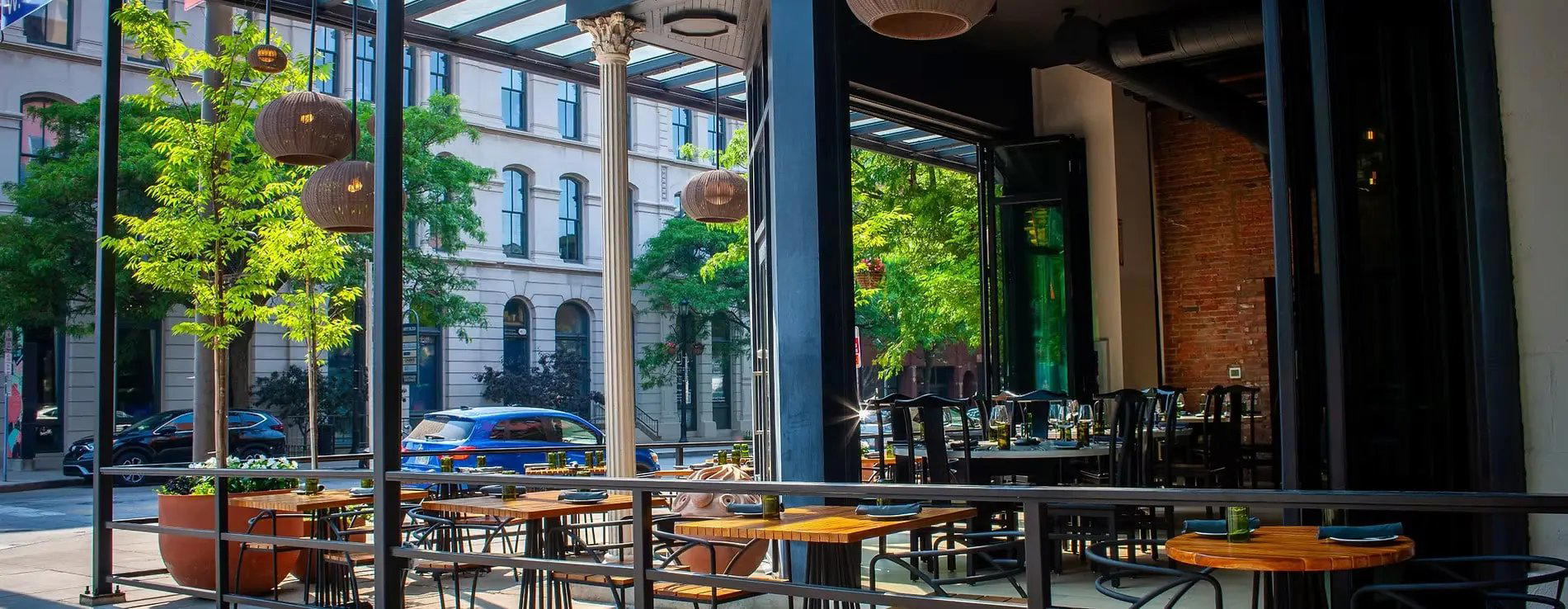
Fine dining in the Warehouse District operates under a specific set of physical constraints and opportunities. Street-level visibility is higher than in purely residential neighborhoods, which helps with walk-in conversion and event dining. The industrial architecture of the area, high ceilings, original brick, wide floor plates, suits formal dining rooms well when fitted out properly, creating the kind of spatial generosity that suburban strip-mall Italian restaurants cannot replicate.
For visitors arriving from out of town, the West St Clair corridor is accessible from downtown hotels without requiring a rideshare, which matters for pre-theater or conference-adjacent dining. That logistical convenience is a real asset for a restaurant at this address, and it partly explains why serious restaurants have continued to open and persist in this particular stretch. For a comparative sense of how location-specific identity works at scale, Blue Hill at Stone Barns in Tarrytown and Single Thread Farm in Healdsburg both demonstrate how address and format become inseparable at the destination-dining tier.
Nationally, the fine-dining conversation has also expanded to include formats that operate outside major coastal markets with genuine ambition, from The Inn at Little Washington in Washington to Emeril's in New Orleans. The Midwest contributes its own entries: Lazy Bear in San Francisco and Atomix in New York City represent the tasting-menu tier, while Atelier Moessmer Norbert Niederkofler in Brunico illustrates how strong regional identity can anchor a serious kitchen even in a geographically peripheral location. The model is applicable. For a broader picture of where Acqua di Dea fits in Cleveland's full dining spectrum, see our full Cleveland restaurants guide.
Planning Your Visit
Acqua di Dea is located at 500 W St Clair Ave, Cleveland, OH 44113, in the Warehouse District west of downtown. The address puts it within walking distance of the main downtown hotel corridor and a short distance from Playhouse Square, making it a practical choice for pre- or post-theater dinners. Given the occasion-dining positioning, reservations are advisable, particularly for weekend evenings and during conference or event season when Warehouse District restaurants fill quickly. Specific booking details, current hours, and menu pricing are best confirmed directly with the restaurant before visiting.
Frequently asked questions
How do I find Acqua di Dea?
Acqua di Dea is located at 500 W St Clair Ave, Cleveland, OH 44113, Cleveland.
How does Acqua di Dea compare to other Italian restaurants in Cleveland?
Cleveland carries genuine Italian-American depth, with the Murray Hill neighborhood historically anchoring the city's Italian community and shaping its restaurant culture over decades. Acqua di Dea operates from a Warehouse District address, a different context from the neighbourhood trattorias of Murray Hill, which positions it within Cleveland's more recent wave of destination dining rather than its legacy Italian tradition. That distinction in location and format is worth factoring into which experience you're looking for.
What should I order at Acqua di Dea?
Acqua di Dea's menu composition reflects its Italian positioning within Cleveland's Warehouse District, where kitchens in this address tier tend to anchor around house-made pasta and regional Italian technique. Without a published menu on file, the most reliable approach is to ask your server about the kitchen's current signatures on arrival. Occasion-dining rooms at this address level typically rotate offerings seasonally, so what defines the kitchen on any given visit is best confirmed directly.
Do I need a reservation for Acqua di Dea?
A reservation is advisable. Acqua di Dea's location at 500 W St Clair Ave in Cleveland's Warehouse District places it in a corridor that draws both downtown workers and destination diners, and rooms at this address level fill on weekend evenings and during the city's busier cultural calendar. Booking ahead, particularly for groups or Friday and Saturday sittings, reduces the risk of a wait. check the venue's official channels to confirm current availability.
Price Lens
Comparable venues nearby, for context on price, style, and recognition.
| Venue | Cuisine | Price | Notes |
|---|---|---|---|
| Acqua di DeaThis venue (the venue you are viewing) | Italian Seafood | $50–100 | Not listed |
| Michaelangelo's | Classic Northern Italian Fine Dining | $50–100 | Little Italy, Classic Northern Italian Fine Dining |
| Johnny's Downtown | Classic Italian Fine Dining | $50–100 | Warehouse District, Classic Italian Fine Dining |
| The Palazzo | Contemporary Italian | $30–50 | Edgewater, Contemporary Italian |
| La Pecora Pizzabar | Authentic Neapolitan Pizza | $20–30 | Larchmere, Authentic Neapolitan Pizza |
| Maxi's Bistro | Classic Italian Bistro | $20–30 | Little Italy, Classic Italian Bistro |
Continue exploring
More in Cleveland
Restaurants in Cleveland
All restaurants in Cleveland →
Details
- Elegant
- Trendy
- Cozy
- Sophisticated
- Date Night
- Special Occasion
- Business Dinner
- Open Kitchen
- Extensive Wine List
- Craft Cocktails
- A La Carte
- Wine
- Cocktails
- Vegetarian Friendly
- Gluten Free Options
Current opening hours
- Monday
- 5–10 PM
- Tuesday
- 5–10 PM
- Wednesday
- 5–10 PM
- Thursday
- 5–10 PM
- Friday
- 5–11 PM
- Saturday
- 5–11 PM
- Sunday
- 5–9 PM
Hours can change for holidays and private events. Hours as of .
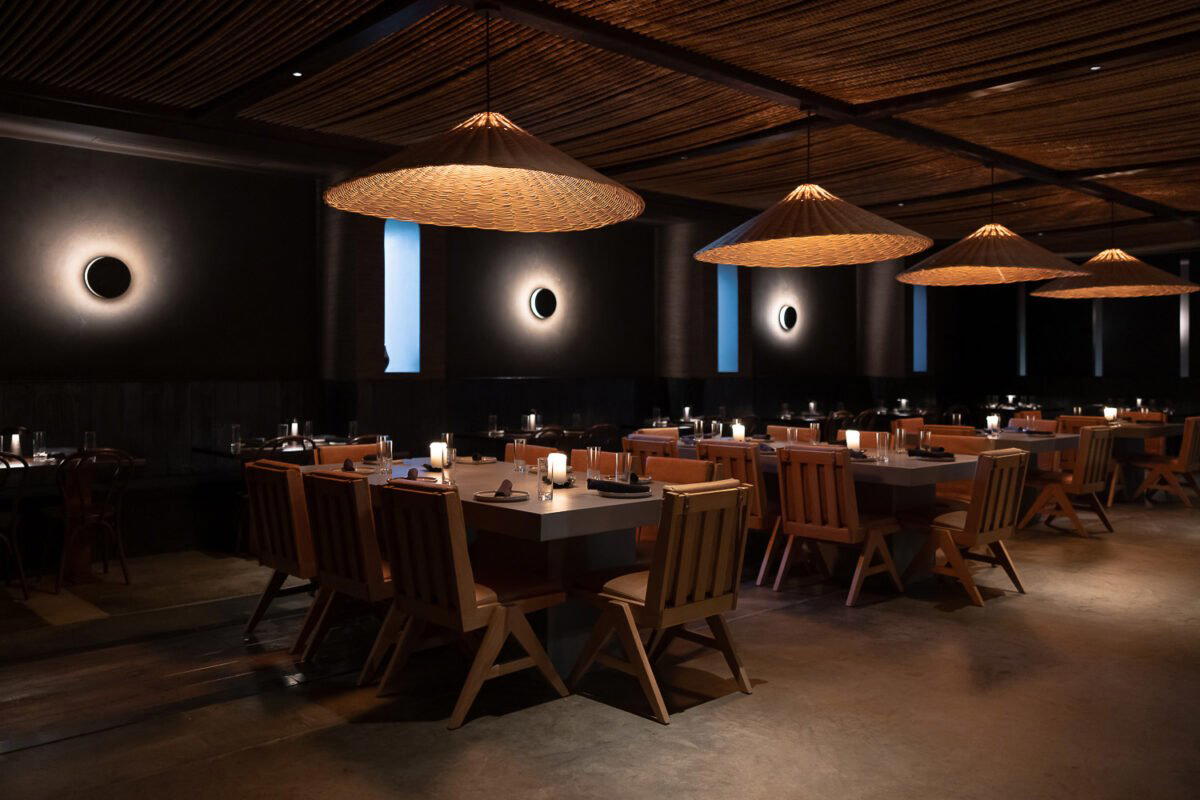
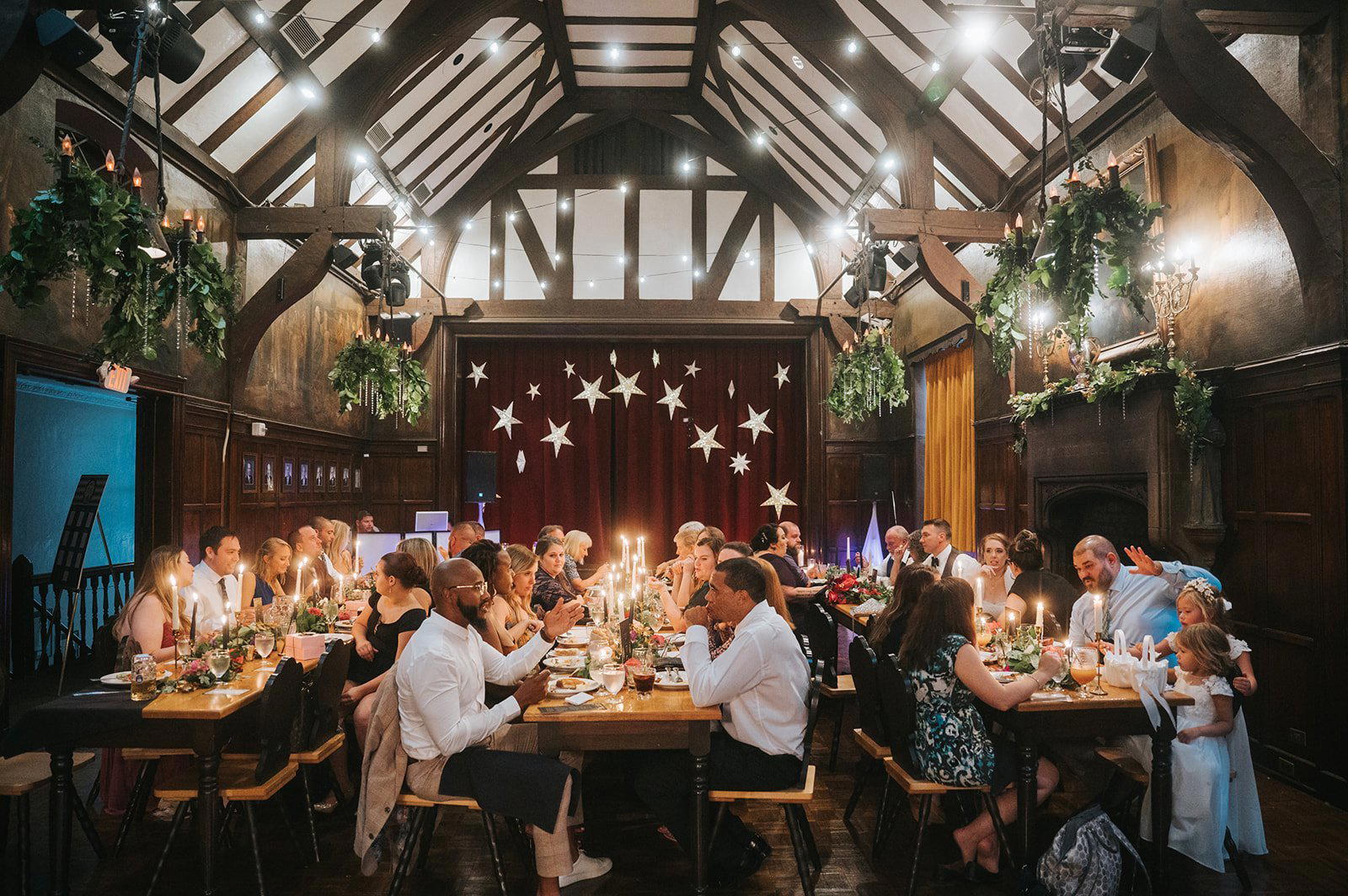
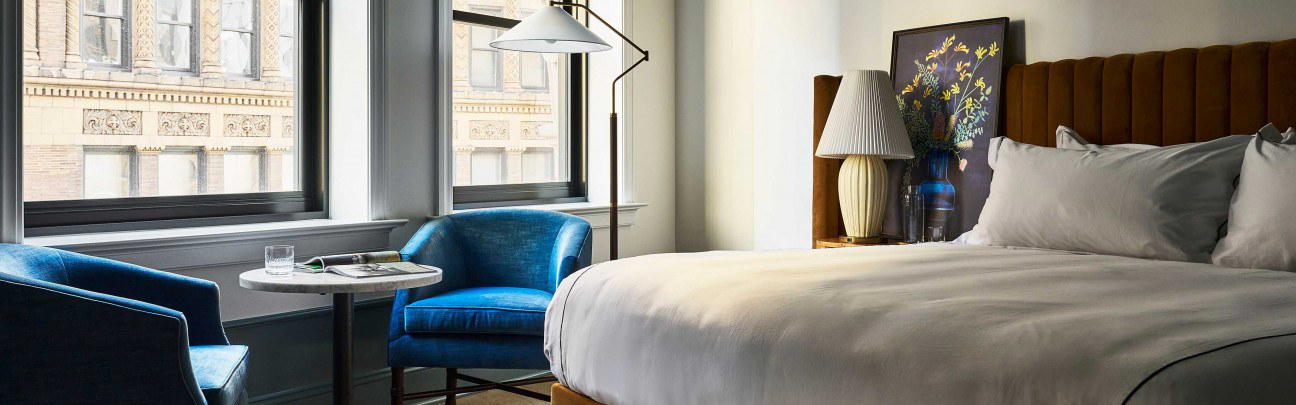
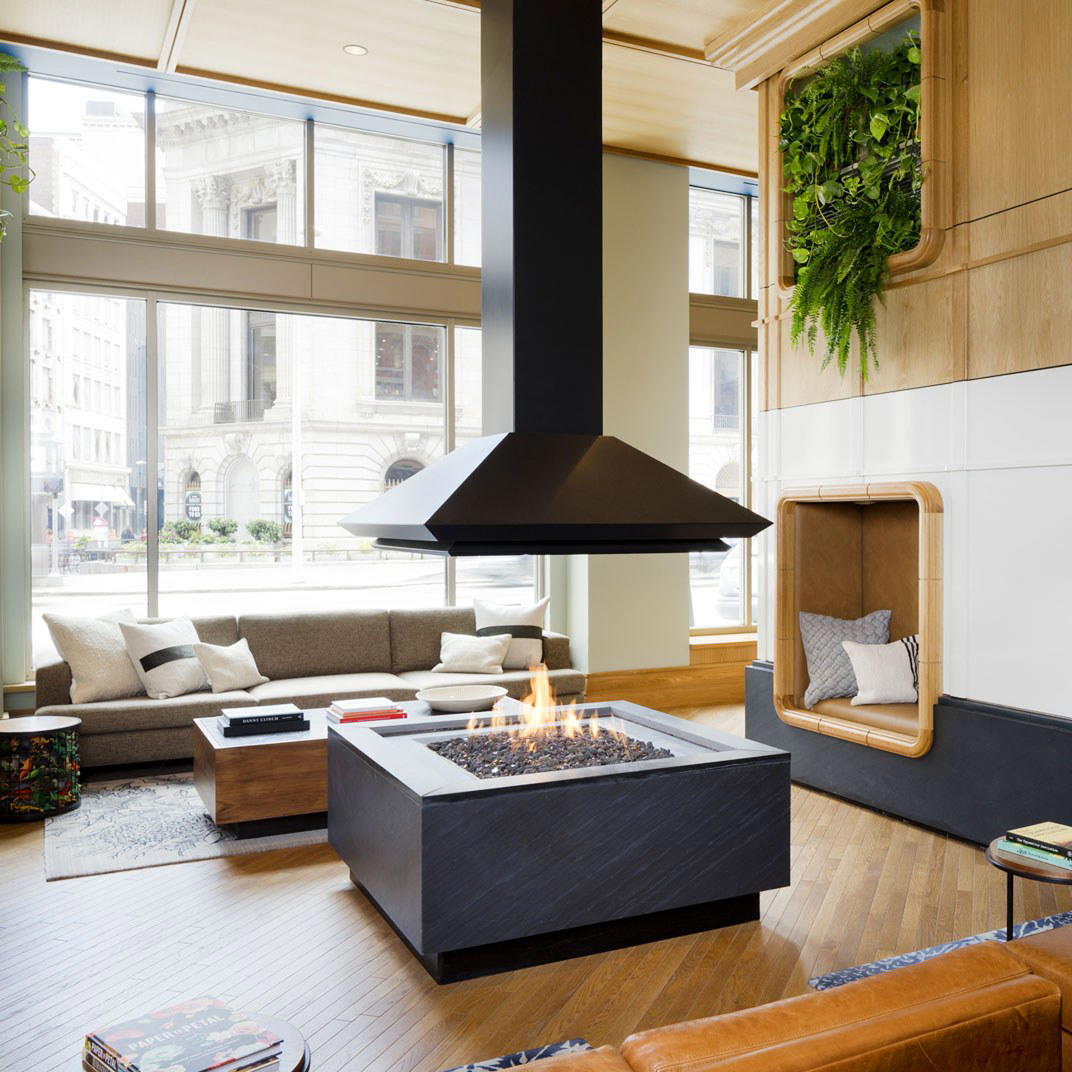
Cozy trendy atmosphere with dim lighting and attentive service.