Larder

James Beard Award Semi Finalist
Our verdict
On West 29th Street in Cleveland's Ohio City neighborhood, Larder occupies a category that the city's dining scene has long needed: a deliberate, produce-driven kitchen where the rhythm of the meal is as considered as the sourcing. The address places it inside a walkable cluster of serious independent restaurants, making it a logical anchor for an evening that moves between venues.

Pearl is the En Primeur Club membership app — saves, bookings, and concierge access live there. Same editors, same standards.
- Address
- 1455 W 29th St, Cleveland, OH 44113
- Phone
- (216) 912-8203
- Hours
- Mon ClosedTue–Wed 11 AM–6 PMThu–Sat 11 AM–8 PMSun Closed
- Website
- larderdb.com
- Directions
- Get directions
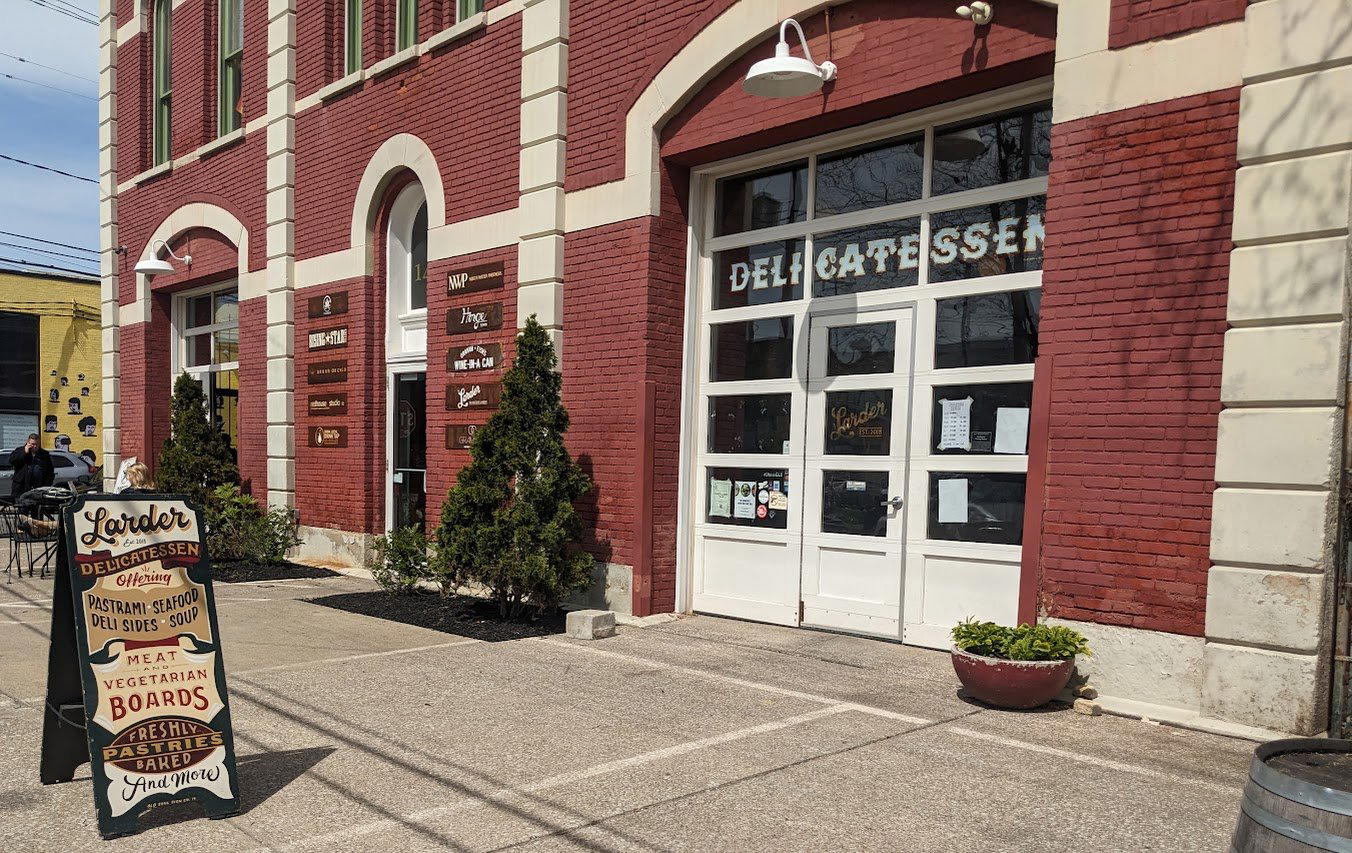
Ohio City and the Case for Deliberate Dining
Cleveland's Ohio City neighborhood has spent the better part of a decade sorting itself into two distinct tiers. There are the quick-pivot operators chasing volume, and there are the kitchens that treat the meal as a structured event with a tempo of its own. Larder, at 1455 West 29th Street, belongs firmly in the second category. Approaching the address, the signage is understated in the way that kitchens confident in their reputation tend to be: the building does the announcing, not the branding. Inside, the space reads as a working kitchen that also happens to have a dining room, which is a posture you encounter more often in cities like San Francisco or Brooklyn than in a Midwestern neighborhood that was, not long ago, better known for its proximity to the West Side Market than for destination dining.
That shift in Ohio City's character is worth understanding before you sit down at Larder, because the restaurant's entire operating logic makes more sense in that context. The neighborhood now anchors some of Cleveland's most serious independent food businesses, creating the kind of street-level density where a kitchen can commit to a specific, narrow identity without needing to hedge toward broad appeal. Larder operates in that space. It is not trying to be every kind of restaurant for every kind of evening. It has a point of view, and the room reflects it.
The Ritual of the Meal Here
Restaurants that take sourcing seriously tend to develop a dining ritual that differs from conventionally paced service. The meal does not sprint. Dishes arrive when they are ready, which means the kitchen sets the tempo rather than the front-of-house clock. At Larder, this pacing is the experience. Guests who arrive expecting the transactional rhythm of a neighborhood bistro, where orders are placed quickly and courses arrive on a compressed timeline, will need to recalibrate. This is a kitchen that asks you to slow down, and that ask is baked into the format rather than explained by the server.
This kind of dining ritual has antecedents across American restaurants that have committed to a farm-to-table ethos in its more rigorous form. The comparison set here is not coastal tasting-menu institutions like The French Laundry in Napa or Alinea in Chicago, which operate at a different scale of formality and price. The closer analogy is the mid-format kitchen that sits between casual and ceremonial, places like Lazy Bear in San Francisco or Blue Hill at Stone Barns in Tarrytown, where the sourcing philosophy shapes not just the menu but the social contract of eating there. The meal has a beginning, middle, and end that feel authored rather than assembled.
What that means practically: arrive with time. The leading version of an evening at Larder is one where you have not booked anything afterward, where the meal is the plan rather than the first act of one. That orientation will serve you better than any specific dish recommendation, because the menu responds to availability and season in ways that make fixed expectations counterproductive.
Larder in Cleveland's Broader Dining Conversation
Cleveland's restaurant conversation has matured considerably. The city now sustains a range of serious independent operators that would not look out of place in larger markets. Further afield, 1330 on the River and Agave & Rye Cleveland represent different points on the spectrum, from setting-led dining to format-driven concepts. #1 Pho anchors the more casual, cuisine-specific end of the city's offer. For a full picture of how these operations fit together, the EP Club Cleveland restaurants guide maps the relevant peer sets across neighborhoods and price tiers.
Larder's position in that map is at the deliberate, sourcing-focused end of the independent tier. It is not competing with the volume operators or the hotel dining rooms. Its competitive conversation is with the handful of kitchens in the city that have decided the product itself, where it comes from and how it is handled, is the primary argument for the evening. That is a smaller category than it might appear, and Larder occupies it with consistency that has built genuine word-of-mouth in a city where serious diners talk to each other.
For reference points at the furthest reaches of the format Larder nods toward, you might look at Single Thread Farm in Healdsburg, Providence in Los Angeles, or Addison in San Diego. These are not direct peers in price or scale, but they articulate the same underlying argument: that the sourcing decision is the first creative act of the meal, and everything that follows is a consequence of it. Larder makes that argument on a neighborhood scale, which is a different kind of achievement.
Planning Your Visit
West 29th Street in Ohio City is walkable from several of the neighborhood's other independent operators, which makes Larder a natural anchor for an evening that begins or ends elsewhere. The address at 1455 West 29th puts it within the corridor that runs toward the West Side Market, meaning the neighborhood itself has enough density to reward time spent before or after the meal. Because specific hours and booking policies for Larder are not published in publicly available databases at the time of writing, the practical advice is to verify current availability directly through the venue before planning around it.
Restaurants operating in Larder's format, with a commitment to seasonal sourcing and a slower, more deliberate service pace, tend to have limited covers and booking windows that fill earlier than the volume operators in any given city. The working assumption should be that advance planning is rewarded here, even if the specific booking window remains something to confirm at the source. Arriving without a reservation on a weekend evening in a neighborhood this active is a risk not worth taking.
Frequently asked questions
Where exactly is Larder?
Larder is located at î1455 W 29th St, Cleveland, OH 44113, Cleveland.
Is Larder in Cleveland a good option for a food-focused evening in Ohio City?
Larder's location on W 29th St places it within walking distance of several other independent operators that have helped establish Ohio City as Cleveland's most consistent neighborhood for serious independent dining. The kitchen's focus on whole-animal butchery and fermentation-driven preparations gives it a specific identity within that scene rather than a generalist menu. For visitors building an evening around food, it functions as a logical anchor before or after stops at the neighborhood's other destination-grade spots.
What dish is Larder famous for?
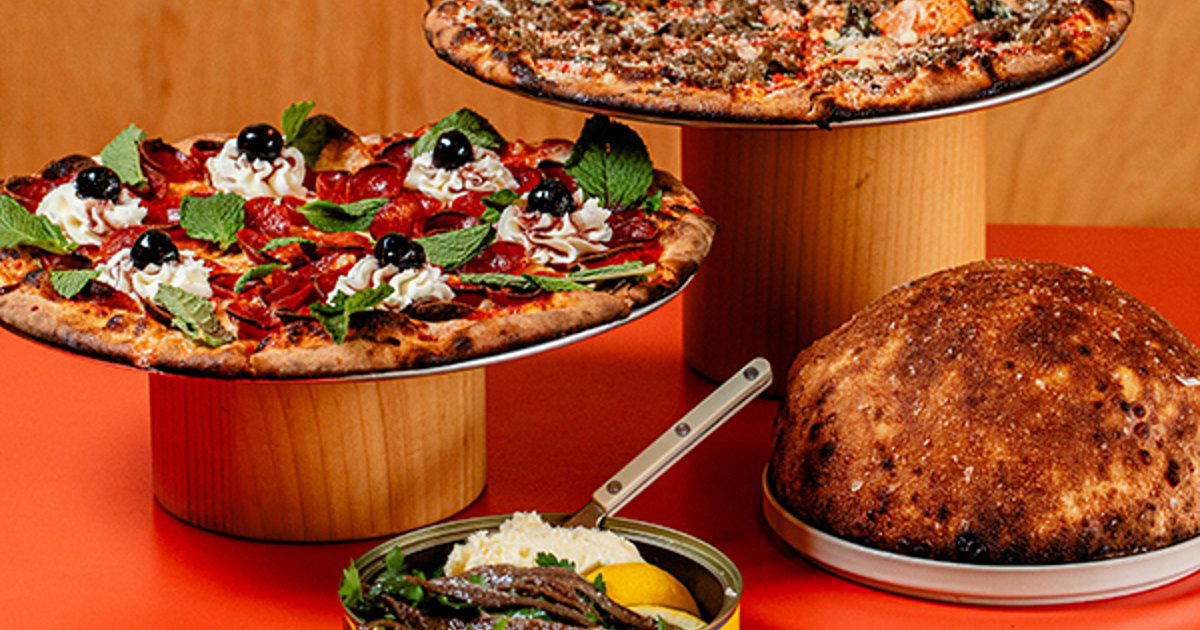
Larder's reputation in Cleveland centers on house-made charcuterie and preserved goods rather than any single plated dish. The kitchen's identity is built around cured and fermented preparations, which means the menu shifts with what is available and in season. Checking ahead is the best way to know what is currently on offer.
Should I book Larder in advance?
Ohio City's dining scene has grown competitive enough that the stronger independent operators fill seats well ahead of the weekend. Larder, at 1455 W 29th St, attracts a loyal local following alongside out-of-town visitors, so securing a reservation before arrival is a sound approach rather than an optional one.
What's the defining dish or idea at Larder?
The through-line at Larder is preservation: the philosophy that charcuterie, fermentation, and whole-animal butchery are not novelty techniques but the backbone of serious cooking. That commitment gives the menu its coherence, regardless of what specific preparations appear on a given evening.
How does Larder handle allergies?
A kitchen focused on cured meats and fermented goods works with a relatively complex ingredient matrix, so guests with dietary restrictions or allergies should contact Larder directly before booking. The venue's address is 1455 W 29th St, Cleveland, OH 44113, and reaching out in advance gives the kitchen the best opportunity to accommodate specific needs.
Should I splurge on Larder?
Cleveland's Ohio City now sustains a tier of independent operators whose cooking holds up against serious restaurants in larger markets, and Larder sits within that group. Whether the spend feels proportionate depends on how much you value sourcing transparency and craft preservation work over conventional restaurant formats. The tradeoff is a slower, more deliberate meal rather than a high-volume dining experience.
Style and Standing
Comparable venues nearby, for context on price, style, and recognition.
| Venue | Cuisine | Price | Awards | Notes |
|---|---|---|---|---|
| LarderThis venue — the venue you are viewing | Jewish Eastern European Deli | $10–20 | James Beard Award Semi Finalist | Not listed |
| Nautica Queen | American Buffet Cruise | Not listed | Not listed | Warehouse District |
| Fat Cats | Asian-Latin Fusion American | $20–30 | Diners, Drive-Ins and Dives Featured Restaurant | Industrial Flats |
| Punch Bowl Social | Contemporary American Gastro Diner | $20–30 | Not listed | East Bank |
| My Friends Restaurant | Classic American Diner | $10–20 | Not listed | Lakewood |
| Viking Public House | Viking-Themed Gastropub | Not listed | Not listed | The Quadrangle |
Recognition history
Dated appearances from independent guides and award organizations, with the underlying list record or original source where available.
James Beard Award Semi Finalist
James Beard Award
Continue exploring
More in Cleveland
Restaurants in Cleveland
Browse all →
Bars in Cleveland
Browse all →

Details
- Rustic
- Cozy
- Historic
- Casual Hangout
- Brunch
- Historic Building
- Farm To Table
- Local Sourcing
- A La Carte
- Vegetarian Friendly
- Gluten Free Options
Current opening hours
- Monday
- Closed
- Tuesday
- 11 AM–6 PM
- Wednesday
- 11 AM–6 PM
- Thursday
- 11 AM–8 PM
- Friday
- 11 AM–8 PM
- Saturday
- 11 AM–8 PM
- Sunday
- Closed
Hours can change for holidays and private events. Last verified .
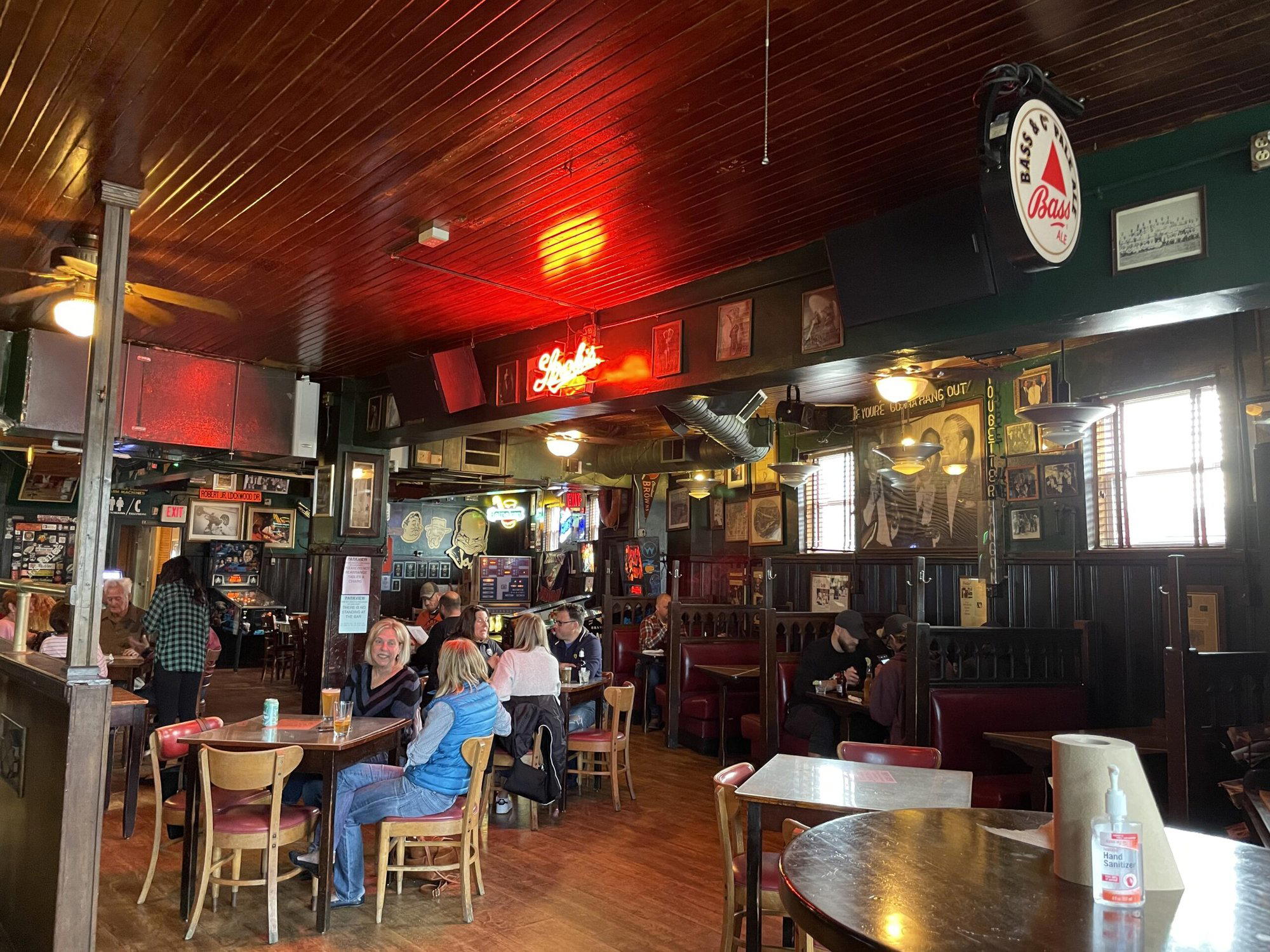
Casual, bustling deli counter atmosphere in a historic firehouse with fresh bakery aromas.