Great Lakes Brewing Company
Great Lakes Brewing Company operates out of the Ohio City neighborhood on Cleveland's near west side, anchoring a stretch of Market Avenue that has defined the city's craft beer culture for decades. The brewery operates both a production facility and a full pub on the same block, making it one of the few American craft operations where the taproom and the tanks share a street address. It belongs to the generation of regional breweries that shaped how Midwestern cities think about locally made beer.

Pearl is the En Primeur Club membership app — saves, bookings, and concierge access live there. Same editors, same standards.
- Address
- 2516 Market Ave, Cleveland, OH 44113
- Phone
- (216) 771-4404
- Hours
- Mon–Wed 12–9 PMThu–Fri 12–10 PMSat 11:30 AM–10 PMSun 11 AM–4 PM
- Website
- greatlakesbrewing.com
- Directions
- Get directions
- Booking
- Book on Resy
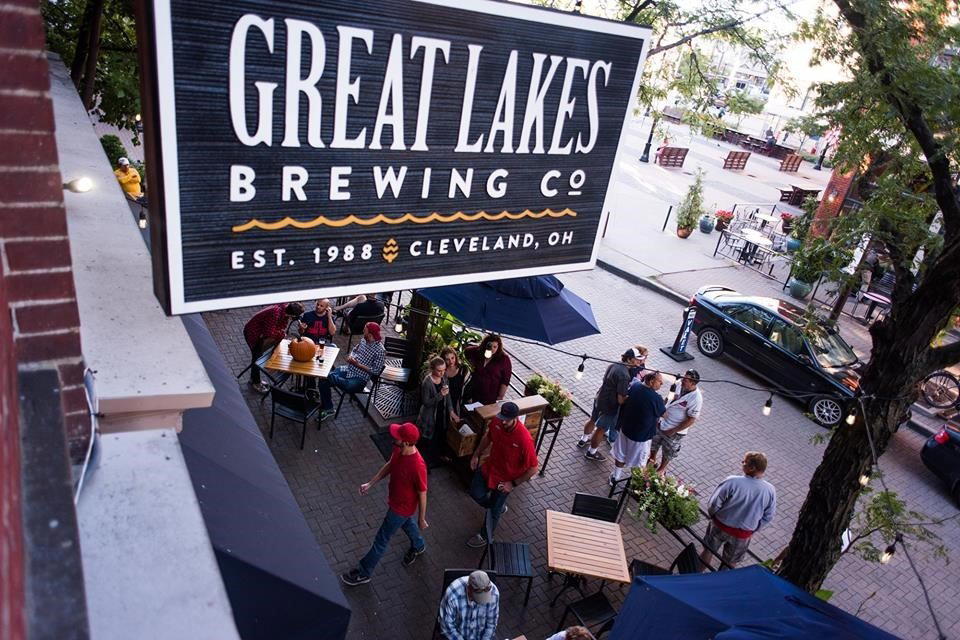
Ohio City and the Block That Built Cleveland's Craft Beer Identity
The near west side of Cleveland has a particular kind of gravity for anyone serious about the city's food and drink scene. Ohio City, the neighborhood surrounding West 25th Street and Market Avenue, developed its current character slowly — through decades of market activity at the West Side Market, immigrant food traditions, and eventually the kind of independent business density that larger neighborhoods rarely sustain. Great Lakes Brewing Company at 2516 Market Ave sits at the older, more established end of that story. This is not a recent entrant riding a neighborhood's upswing; it is part of the infrastructure that made the neighborhood worth talking about in the first place.
American craft brewing's first serious expansion wave happened in the late 1980s and early 1990s, when a handful of regional operations opened with the explicit goal of making beer that competed on flavor rather than volume. Great Lakes belongs to that founding cohort. The significance of that timing is easy to understate now, when craft brewing has become a category unto itself with thousands of producers, but in the Midwest of that era, the choice to build a serious production brewery in a Rust Belt city was a statement about what Cleveland could support. Decades later, the brewery's continued operation from the same address — production and pub together on the same block, places it in a small peer group of American craft breweries that have maintained original sites rather than relocating to industrial parks or expanding into regional chains.
How the Menu Reads: Beer as Architecture
The pub menu at Great Lakes operates on a logic that becomes clear once you understand the brewery's catalog. The food side is not an afterthought designed to keep drinkers seated longer; it is structured around pairing compatibility in a way that reflects serious attention to how different beer styles interact with different flavors. Breweries at this tier tend to organize their offerings around flagship year-round beers anchored by a rotating seasonal program, and Great Lakes follows that structure with particular discipline.
What the menu reveals, read as a document rather than a list of options, is a commitment to regional identity through ingredient sourcing and to style integrity through the beer program. The kitchen side tends toward American pub food with Midwestern inflection, the kind of dishes that make sense against a malt-forward amber or a dry-hopped pale rather than competing with them. This is a different philosophy from the gastropub model that treats beer as an afterthought to ambitious cooking. Here, the beer program is the architecture and the food fills the rooms.
Seasonal releases function as the most accurate signal of the brewery's ambitions. The pattern of what gets brewed and when, harvest ales in autumn, winter warmers as temperatures drop, lighter lager-adjacent styles as spring arrives, reflects both brewing tradition and local seasonality in a way that the year-round lineup cannot. Regulars track these releases with the same attention that wine-focused drinkers give to vintage announcements. For first-time visitors, the year-round flagship lineup provides the clearest entry point: styles that have been refined over many production cycles and that represent the brewery's accumulated technical knowledge in concentrated form.
Cleveland's Craft Brewing Tier and Where This Fits
Cleveland's current craft brewing scene sits in a different position than it occupied fifteen years ago. The city now has a substantial number of smaller taproom-focused operations, many of them concentrated in Ohio City and neighboring Tremont. Operations like Brewnuts and Blue Sky Brews represent the newer, more concept-driven end of that spectrum, where format and identity are as deliberate as the beer itself. For cocktail-oriented visitors, Acqua di Dea and Beachland Ballroom and Tavern offer different entry points into the city's drink culture.
When a new Cleveland brewery makes decisions about local sourcing, regional identity, or seasonal programming, it is working within a framework that Great Lakes helped establish. That kind of foundational status is not self-promotional; it is structural, visible in the choices that later entrants make and in the way that beer-focused visitors to Cleveland tend to use Great Lakes as a baseline orientation before exploring the broader scene. The full Cleveland restaurants guide maps that broader picture.
For comparison with what serious craft-focused programming looks like in other American cities, the conversation extends well beyond beer. Operations like Kumiko in Chicago and ABV in San Francisco illustrate how the leading drink-forward venues in peer cities approach program depth and ingredient specificity. Further afield, Bar Leather Apron in Honolulu, Jewel of the South in New Orleans, Julep in Houston, Superbueno in New York City, and The Parlour in Frankfurt on the Main each demonstrate how regional identity translates into drink programming at a high level of specificity. Great Lakes operates on comparable principles, applied to a Midwestern brewing context rather than a cocktail one.
Planning a Visit
The brewery's address at 2516 Market Ave places it within easy reach of the West Side Market, making a logical pairing for an afternoon that moves from market browsing to a seated session at the pub. Ohio City is walkable at the core, and the brewery's pub format means that visits can scale from a quick two-beer stop to a full sit-down meal without requiring advance planning. Walk-in capacity varies by day and season; weekend afternoons during warm months draw the highest volume, making weekday visits or off-peak weekend timing the more comfortable approach for anyone wanting table service rather than bar seating. Given the seasonal release calendar, visiting during a transition period, late September into October for harvest releases, for instance, adds a dimension that a midsummer or midwinter visit might not offer.
Credentials Lens
Comparable venues nearby, for context on price, style, and recognition.
| Venue | Cuisine | Price | Awards | Notes |
|---|---|---|---|---|
| Great Lakes Brewing CompanyThis venue — the venue you are viewing | beer_bar | $30–50 | Not listed | Not listed |
| Rowley Inn | pub | $10–20 | Diners, Drive-Ins and Dives Featured Bar | Tremont |
| The Brothers Lounge | lounge | $20–30 | Not listed | Edgewater |
| Larder Delicatessen and Bakery | Bar | Not listed | Not listed | Ohio City |
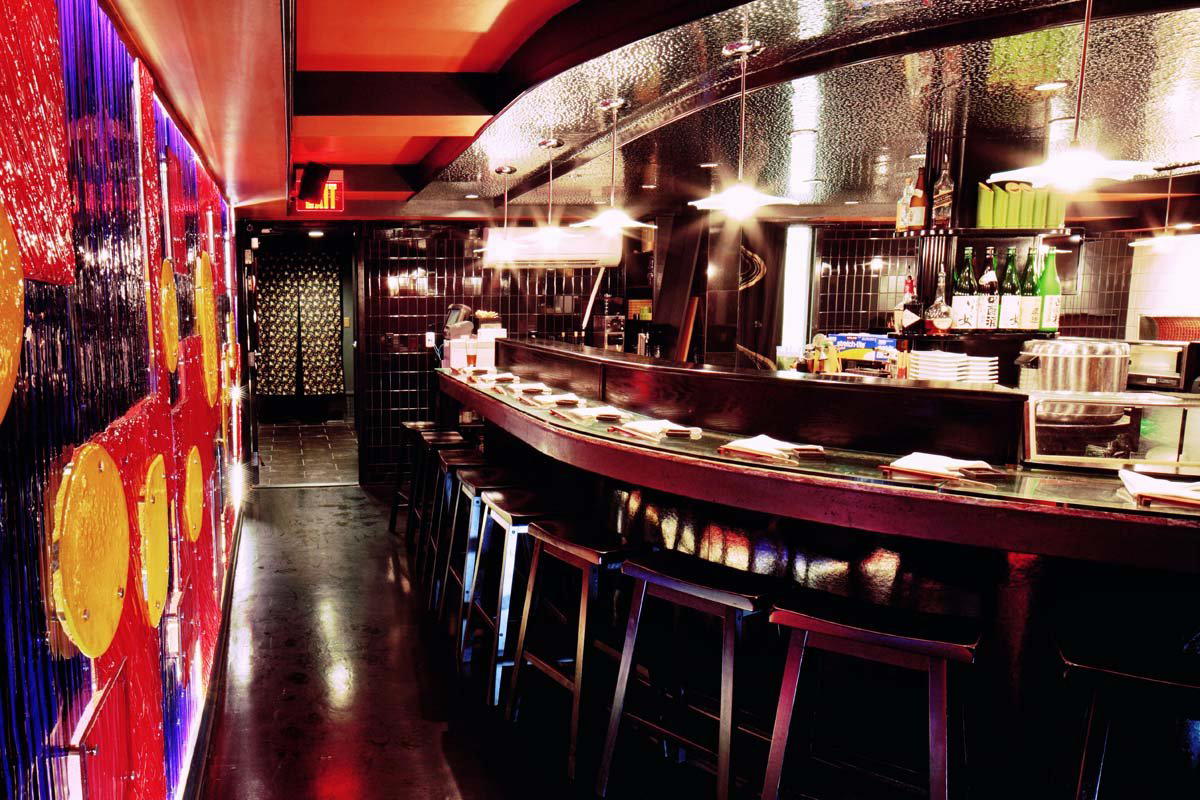
| Xinji Noodle Bar | sake_bar | Not listed | Not listed | Ohio City |
| RED the Steakhouse Downtown | cocktail_bar | $50–100 | Not listed | Playhouse Square |
Continue exploring
More in Cleveland
Bars in Cleveland
Browse all →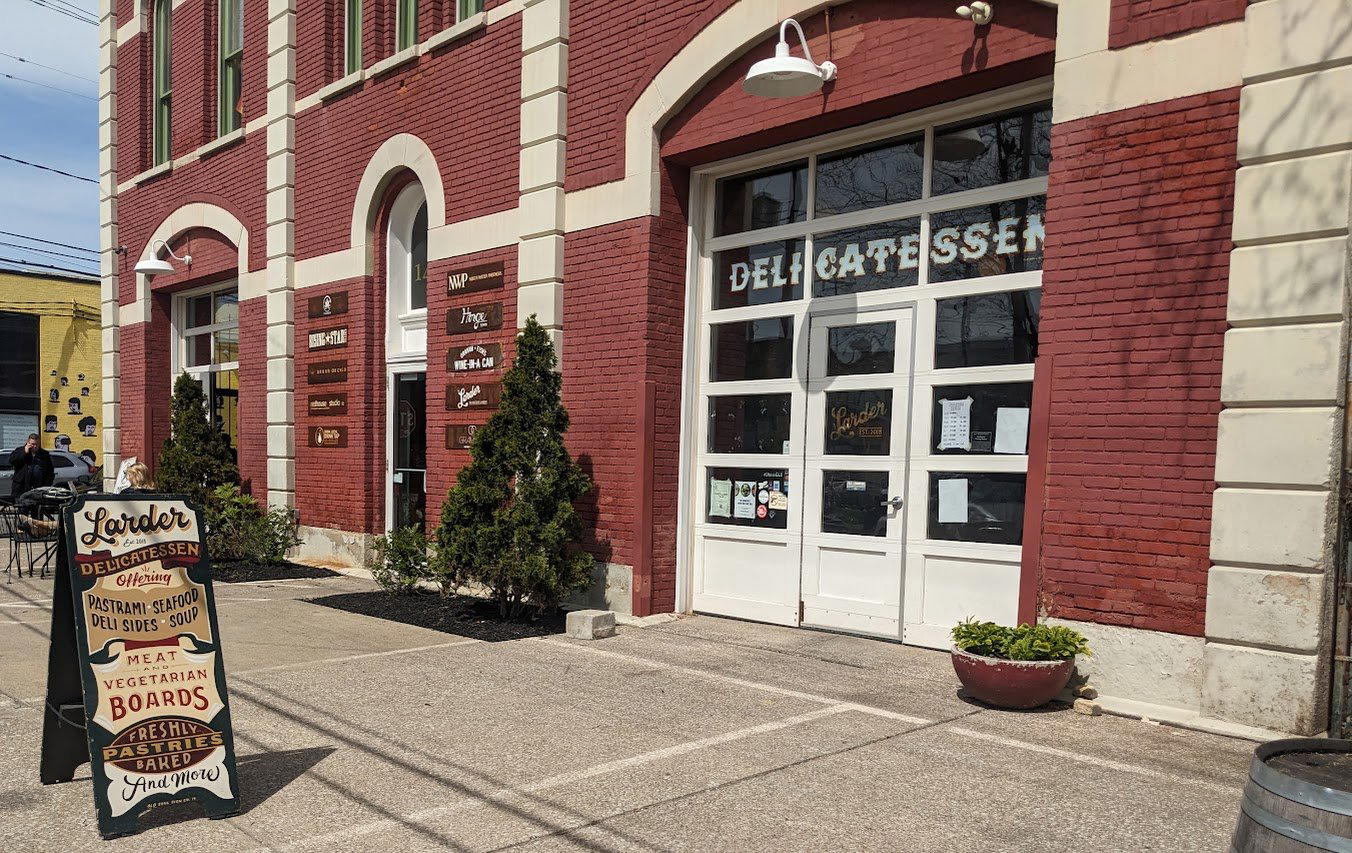

Restaurants in Cleveland
Browse all →


Details
- Lively
- Well Known
- Rustic
- Cozy
- Group Outing
- Casual Hangout
- Celebration
- After Work
- Beer Garden
- Historic Building
- Live Music
- Standalone
- Seated Bar
- Lounge Seating
- Outdoor Terrace
- Booth Seating
- Craft Beer
- Craft Cocktails
- Zero Proof
Current opening hours
- Monday
- 12–9 PM
- Tuesday
- 12–9 PM
- Wednesday
- 12–9 PM
- Thursday
- 12–10 PM
- Friday
- 12–10 PM
- Saturday
- 11:30 AM–10 PM
- Sunday
- 11 AM–4 PM
Hours can change for holidays and private events. Last verified .
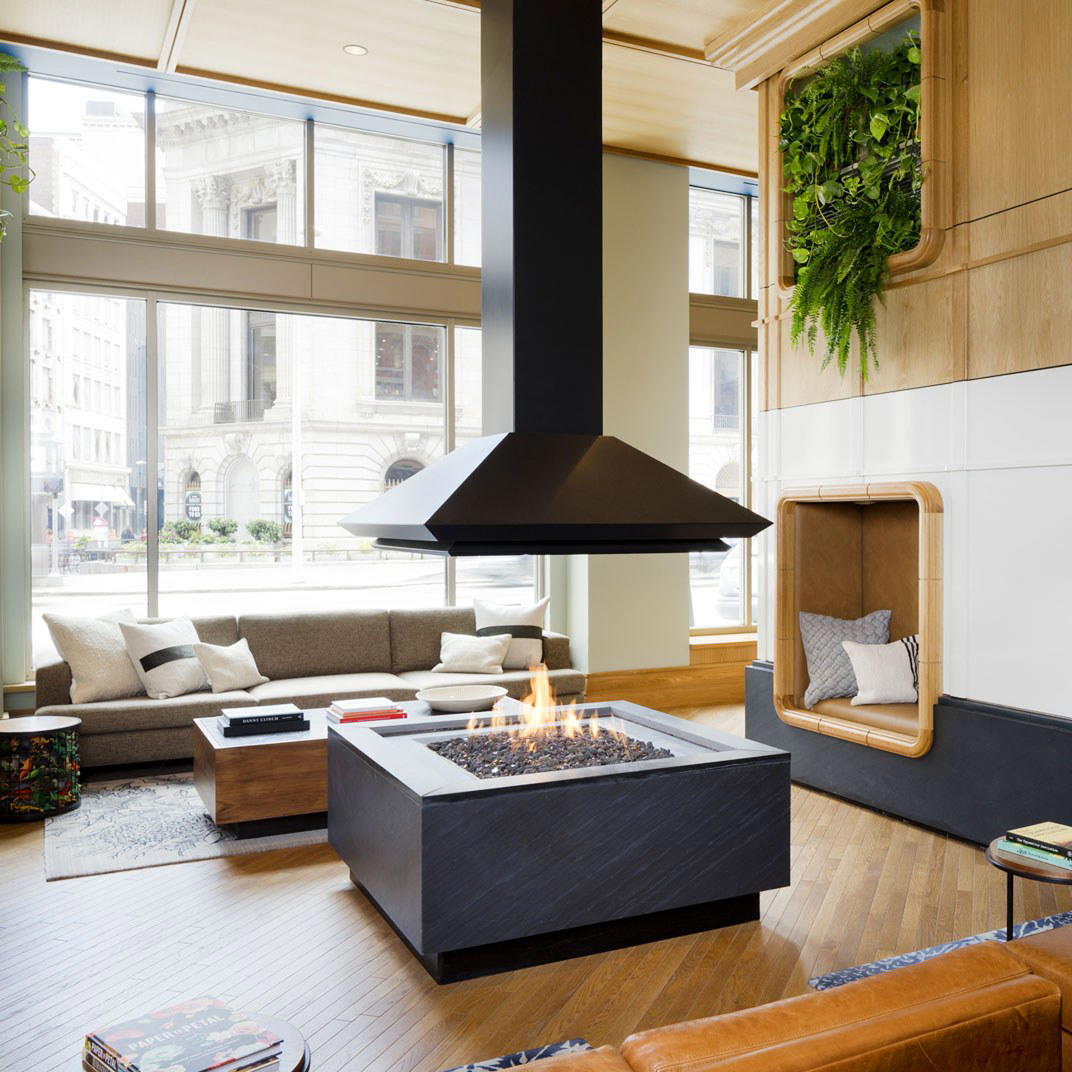
Charming historic space with cozy beer cellar, lively indoor-outdoor beer garden, and eco-friendly design reflecting Cleveland's brewing heritage.