Amba

James Beard Award Semi Finalist
Our verdict
The address places it within reach of the broader West Side dining corridor, competing in a tier defined more by neighborhood momentum than formal recognition. Details on cuisine, format, and booking remain sparse, making an advance inquiry advisable before visiting.

Pearl is the En Primeur Club membership app, where members save venues, book tables and use the concierge.
The menu
What to order
- Crispy Puris
- Popcorn Chicken with Thai Basil and Amchur
- Lentil Donuts
- Grilled Chicken Kofta
- Pea Samosas
That geographic placement matters more than it might appear. The neighborhood draws a local-first crowd rather than the hotel-and-convention traffic that orients some downtown rooms, and operators here tend to build regulars rather than tourist cycles. The result, across the neighborhood broadly, is a dining scene that rewards repeat visits and word-of-mouth more than it relies on marquee press.
The Neighborhood Frame
Ohio City's dining density makes comparison inevitable. Rooms in this radius compete quietly with one another for the same weeknight cover, and the neighborhood's best-known addresses have helped set expectations for format, price, and ambition. A W 28th Street address in Ohio City sits within a cluster of storefronts where foot traffic on weekend evenings is consistent and walk-in culture has historically been viable. That said, the neighborhood's dining options have become dense enough that the better-regarded rooms fill earlier than they did even five years ago. The West Side's character as a neighborhood also shapes what a room here can plausibly be. Unlike downtown spaces that accommodate large parties and expense-account dinners as a primary revenue model, Ohio City dining rooms typically run at more intimate scale. The infrastructure, the foot traffic, and the audience all orient toward tables of two and four, mid-week regulars, and the kind of deliberate neighborhood patronage that builds over seasons rather than spikes around events. The rooms that dominate that upper tier nationally, places like Le Bernardin in New York City, The French Laundry in Napa, Lazy Bear in San Francisco, and Smyth in Chicago, operate in markets with international visitor flows, deep investor capital, and review infrastructure that accelerates recognition. That same dynamic plays out in cities like New Orleans, where Emeril's built a regional identity before national recognition arrived, and in destination formats like Blue Hill at Stone Barns or Single Thread Farm in Healdsburg, where place and sourcing define the proposition as much as the plate.enprimeurclub.com/restaurants/providence">Providence in Los AngelesWhat the Address Signals
Ohio City's better independent rooms are, slowly, entering that kind of conversation at a regional level. The address is walkable from the West Side Market and accessible by car from downtown in under ten minutes. Ohio City parking on weekends concentrates around the market area, with street options thinning later in the evening, so arrival before peak hours on busy nights is advisable.
Frequently asked questions
Where exactly is Amba?
Amba is located at 1430 W 28th St, Cleveland, OH 44113, Cleveland.
Where exactly is Amba located in Cleveland, and how does the neighborhood factor into a visit?
Amba sits at 1430 W 28th St in Ohio City, one of Cleveland's most concentrated independent dining corridors on the near West Side. The address is within walking distance of several other well-regarded rooms, making it a practical anchor for an evening that moves between venues. Ohio City's grid is navigable on foot, and the W 25th Street RTA Red Line stop puts the neighborhood within reach from downtown Cleveland without a car.
What should I order at Amba?
Amba's confirmed menu details are not on public record at this time. Ohio City at this address draws restaurants with focused, ingredient-driven formats rather than broad menus, so arriving with flexibility is sensible.
Should I book Amba in advance?
W 28th Street in Ohio City sees consistent foot traffic on weekends, and smaller independent rooms at this address tend to fill without much notice. Contacting Amba ahead of your intended visit is the practical default, particularly for Thursday through Saturday evenings. Walk-in culture exists in this corridor but is no guarantee of a seat.
What do critics highlight about Amba?
No formal award citations or critical write-ups for Amba appear in current public documentation. Cleveland's West Side independent dining scene has attracted national editorial attention in recent years, but individual room coverage is uneven and often lags behind word-of-mouth reputation in neighborhoods like Ohio City.
The Short List
| Venue | Cuisine | Price | Awards |
|---|---|---|---|
| AmbaThis venue (the venue you are viewing) | Modern Indian Fusion | $50–100 | James Beard Award Semi Finalist |
| Leña Pizza + Bagels | Wood-Fired Neapolitan Pizza & Bagels | $20–30 | 50 Top Pizza USA #9 |
| Acqua di Dea | Italian Seafood | $50–100 | Not listed |
| Agave & Rye Cleveland | Modern Mexican Epic Tacos | $30–50 | Not listed |
| Blue Point Grille | Classic Seafood Grille | $50–100 | Not listed |
Recognition history
Dated appearances from independent guides and award organizations, with the underlying list record or original source where available.
James Beard Award Semi Finalist
James Beard Award
Continue exploring
More in Cleveland
Restaurants in Cleveland
All restaurants in Cleveland →
Details
- Modern
- Romantic
- Trendy
- Intimate
- Industrial
- Date Night
- Group Dining
- Casual Hangout
- Design Destination
- Open Kitchen
- Standalone
- Craft Cocktails
- Small Plates
- A La Carte
- Craft Cocktails
- Chai Spiced Bourbon
- Vegetarian Friendly
- Vegan Options
- Gluten Free Options
- Allergy Accommodating
Current opening hours
- Monday
- 4–10 PM
- Tuesday
- 4–10 PM
- Wednesday
- 4–10 PM
- Thursday
- 4–10 PM
- Friday
- 4–11 PM
- Saturday
- 4–11 PM
- Sunday
- Closed
Hours can change for holidays and private events. Hours as of .
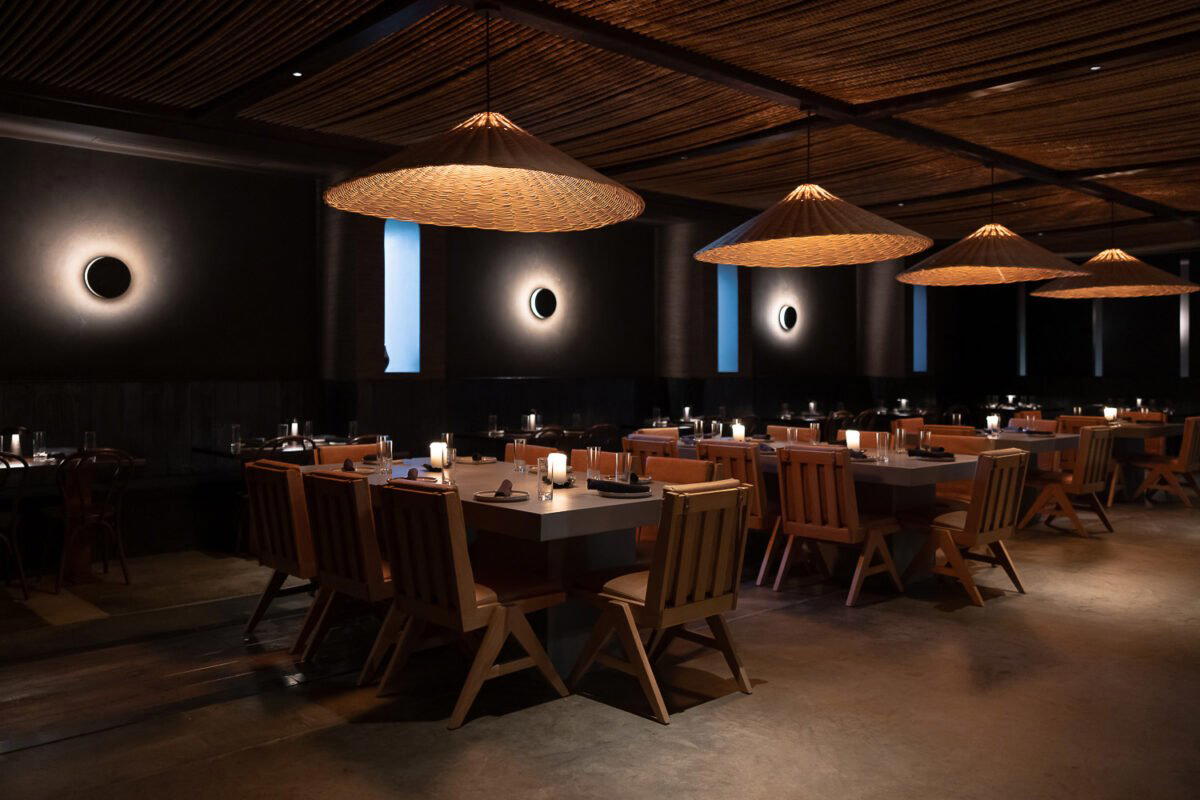
Dark, moody interior with stark black design, thick rope, rattan shades, and low lighting creating an immersive, sophisticated atmosphere with intense aromas of simmering spices.