Tawan Tai occupies a corner of Antwerp's Borgerhout-adjacent streets where the city's Asian dining scene has quietly consolidated over the past decade. Positioned outside the high-profile Michelin circuit that defines venues like Zilte or Hertog Jan at Botanic, it operates in a register that prizes ingredient integrity and regional sourcing over formal ceremony, a posture increasingly common among serious independent kitchens in mid-sized Belgian cities.
Pearl is the En Primeur Club membership app — saves, bookings, and concierge access live there. Same editors, same standards.
- Address
- Van Arteveldestraat 3, 2060 Antwerpen, Belgium
- Phone
- +3232332696
- Website
- tawan.be
- Directions
- Get directions
 Saves & bookings on Pearl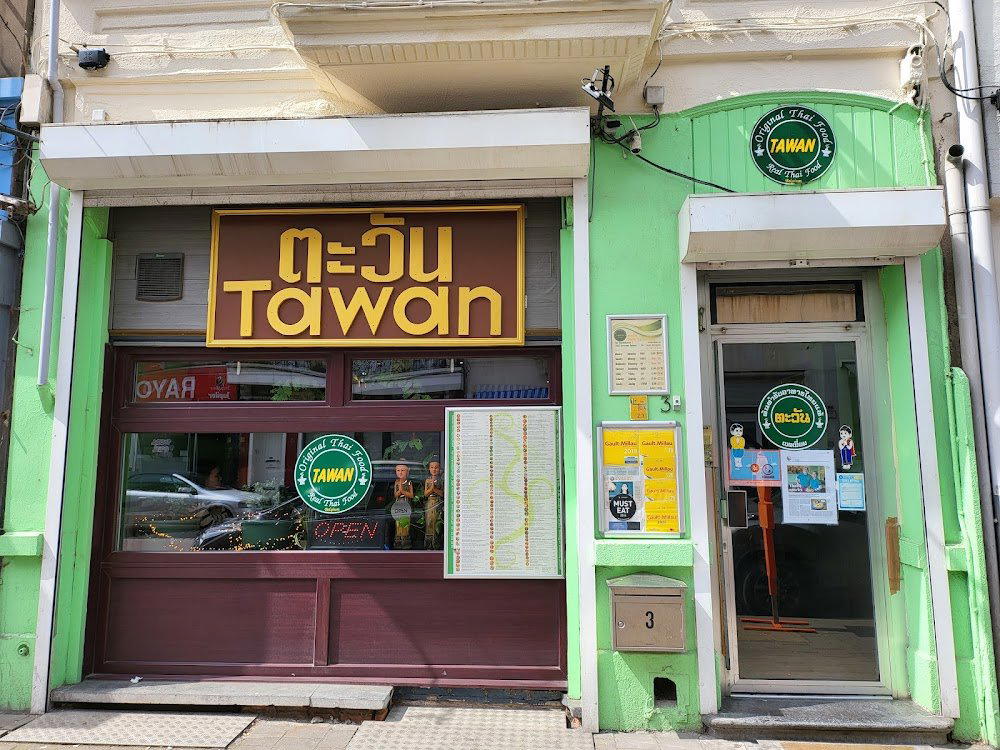
Where Antwerp's Independent Dining Scene Finds Its Footing
Tawan Tai is an Authentic Thai restaurant at Van Arteveldestraat 3, 2060 Antwerpen, Belgium. That geography is not incidental. Across Belgium's mid-sized cities, particularly interesting independent restaurants of the past several years have tended to settle precisely in these kinds of in-between neighbourhoods, areas where rent pressure is lower, foot traffic is self-selected rather than accidental, and a kitchen can build a regular clientele without competing for the passing tourist trade. Tawan Tai's address on Van Arteveldestraat 3 places it squarely in that pattern.
Antwerp's restaurant scene has bifurcated sharply. On one side sit the high-decoration establishments, Zilte, with its position atop the MAS museum, and Hertog Jan at Botanic in the city's southern green belt, where price points and ceremony match international fine-dining norms at €€€€. On the other side, a quieter tier of independent kitchens operates without the award scaffolding but with considerable sourcing discipline. Tawan Tai occupies that second register, which in Antwerp carries its own legitimacy.
The Sourcing Logic Behind Belgian-Asian Independent Kitchens
Belgium's relationship with Southeast and East Asian cuisines runs deeper than most Western European countries acknowledge. The Belgian Congo's colonial trade networks, mid-20th-century labour migration from Morocco and Turkey, and later waves of Vietnamese and Chinese settlement in port cities like Antwerp and Ghent created a layered demographic base that supported Asian restaurant culture well before it became fashionable. What distinguishes the current generation of serious Asian-influenced kitchens in Belgium is a sharper focus on where ingredients originate, not just which cuisine category a dish belongs to.
Tawan Tai's positioning suggests a kitchen working with the same sourcing-first logic, though at a lower price point than its Michelin-adjacent peers. At venues like DIM Dining, which operates at the €€€€ bracket with a Japanese and broader Asian focus, the provenance conversation has moved into the menu language itself: specific fish markets, named Belgian farms for proteins, European-sourced aromatics substituted for imported equivalents where seasonality allows. This shift mirrors what happened in Nordic cuisine a decade earlier, where localism became both a philosophical and a competitive marker.
The restaurant's position on Van Arteveldestraat suggests a kitchen working within that same broader conversation, though at a different price register and at a casual, recommended table where the appeal is direct rather than ceremonial. Across Belgian independent dining, that positioning has proven durable: venues like Castor in Beveren and La Durée in Izegem have demonstrated that ingredient-led kitchens outside major recognition circuits can build loyal local followings with consistent sourcing discipline rather than award-cycle visibility.
Antwerp in the Belgian Fine-Dining Geography
Understanding where the restaurant sits requires mapping Antwerp against the wider Belgian restaurant geography. Belgium punches significantly above its size in formal fine dining: Hof van Cleve in Kruishoutem and Boury in Roeselare operate at the country's highest recognition tier, while coastal kitchens like Bartholomeus in Heist and Willem Hiele in Oudenburg have built international reputations on hyper-local North Sea sourcing. In Brussels, the Bozar Restaurant operates within an arts institution context that frames dining differently again.
Antwerp's own contribution to this map has historically leaned on its port city identity, a cosmopolitan dining culture more open to non-European culinary traditions than the rural Flemish heartland. Classic Flemish technique as practised at 't Fornuis and more traditional French registers at Bistrot du Nord coexist with the Asian-influenced independent tier. That breadth is what makes Antwerp's dining scene function: it is not a monoculture of Michelin-chasing tasting menus, which gives independent kitchens genuine room to operate.
Internationally, the comparison point for ingredient-led Asian-influenced cooking at an accessible price point is instructive. At the formal end of the spectrum, Atomix in New York City has demonstrated how Korean fine dining can command a upper-tier position through sourcing rigour and format discipline. At the technique-over-spectacle end, Le Bernardin in New York City has spent decades proving that restraint and provenance outperform theatrics over the long run. The independent kitchens of Antwerp's 2060 district are working at a different scale, but the underlying logic, let sourcing do the argumentative heavy lifting, is consistent across price tiers.
Within Belgium itself, the Walloon equivalent to this kind of sourcing-forward independent kitchen appears at venues like L'air du Temps in Liernu and d'Eugénie à Emilie in Baudour, which have built reputations on agricultural relationships and seasonal discipline. And in Ghent's Sint-Kruis, De Jonkman operates in a similar register of quiet, provenance-driven seriousness. The restaurant joins a pattern that runs across the country's independent dining tier rather than representing an anomaly within it.
What the Address Tells You
Van Arteveldestraat 3 is not a destination address in the way that a Michelin-starred location on the waterfront or in the diamond district functions. Arriving there involves a deliberate choice, you navigate to it because you know it is there, not because it presents itself as part of a tourist circuit. That self-selection mechanism tends to produce a particular kind of dining room: guests who are committed rather than curious, regulars rather than first-timers, a neighbourhood customer base that treats the kitchen as part of its weekly rhythm rather than as an occasional treat.
In Antwerp's 2060 district, that dynamic is replicated across a handful of independent kitchens that have built followings without formal recognition. The sourcing discipline that characterises this tier, shorter supply chains, closer relationships with Belgian producers, menus that shift with what is actually available rather than what was promised in advance, requires exactly this kind of committed local audience to function economically. A kitchen that changes its sourcing weekly cannot afford to disappoint first-time visitors who came expecting a specific dish; it needs regulars who trust the process. For a fuller picture of how this tier fits into the city's broader restaurant culture, see our full Antwerp restaurants guide.
Know Before You Go
- Address: Van Arteveldestraat 3, 2060 Antwerpen, Belgium
- District: 2060 postal district, north of the city centre
- Booking: Reservations are recommended
- Price tier: 2, about $25 per person
- Getting there: Van Arteveldestraat 3, 2060 Antwerpen, Belgium
The Essentials
Comparable venues nearby, for context on price, style, and recognition.
| Venue | Cuisine | Price | Notes |
|---|---|---|---|
| Tawan TaiThis venue — the venue you are viewing | Antwerp, Authentic Thai | $$ | Not listed |
| Tamo | t'Zuid, Thai | $$ | Not listed |
| De Foyer | City Center, French-Belgian Brasserie | $$ | Not listed |
| Little BÚN | Not listed | $$ | Sint-Jorispoort, Authentic Vietnamese Street Food |
| Repasse | Not listed | $$ | near De Koninck, Classic French-Belgian Bistro |
| A Tavola | Not listed | $$ | Lange Lozanastraat, Authentic Italian Trattoria |
At a Glance
- Cozy
- Classic
- Casual Hangout
- Group Dining
- Family
- Open Kitchen
- Local Sourcing
Current opening hours
- Monday
- 12–8:30 PM
- Tuesday
- Closed
- Wednesday
- Closed
- Thursday
- 12–8:30 PM
- Friday
- 12–8:30 PM
- Saturday
- 12–8:30 PM
- Sunday
- 12–8:30 PM
Hours can change for holidays and private events. Last verified .
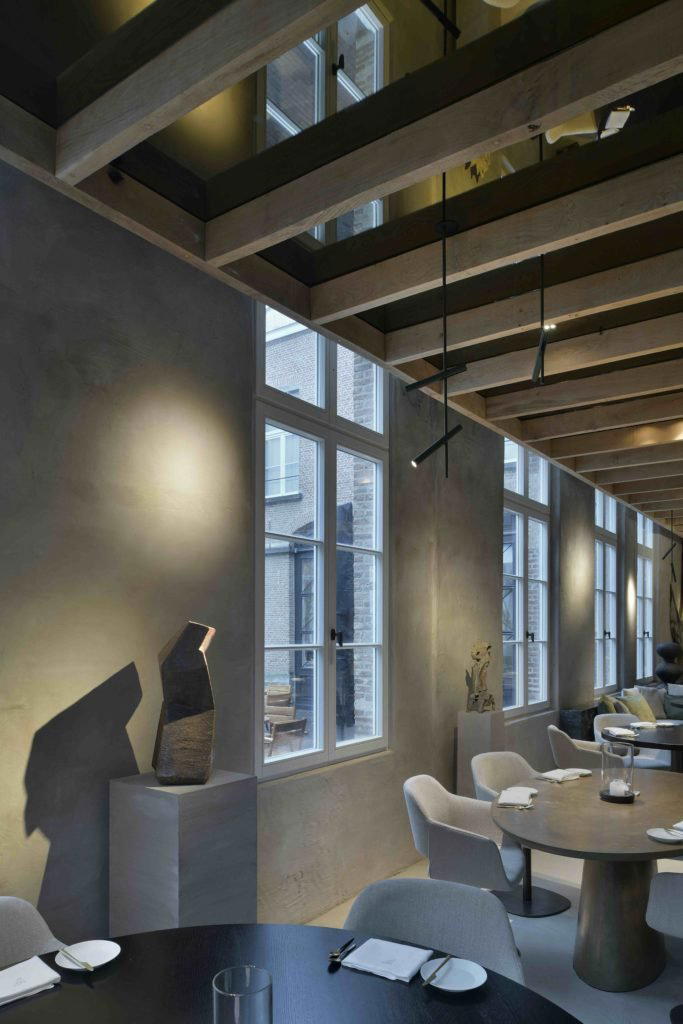
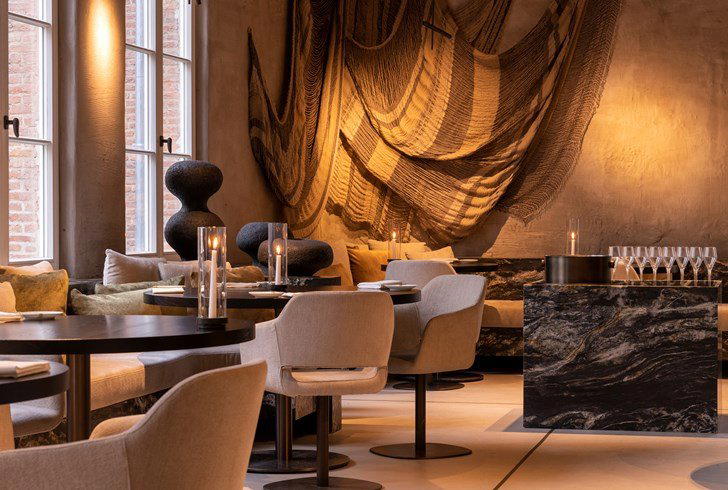
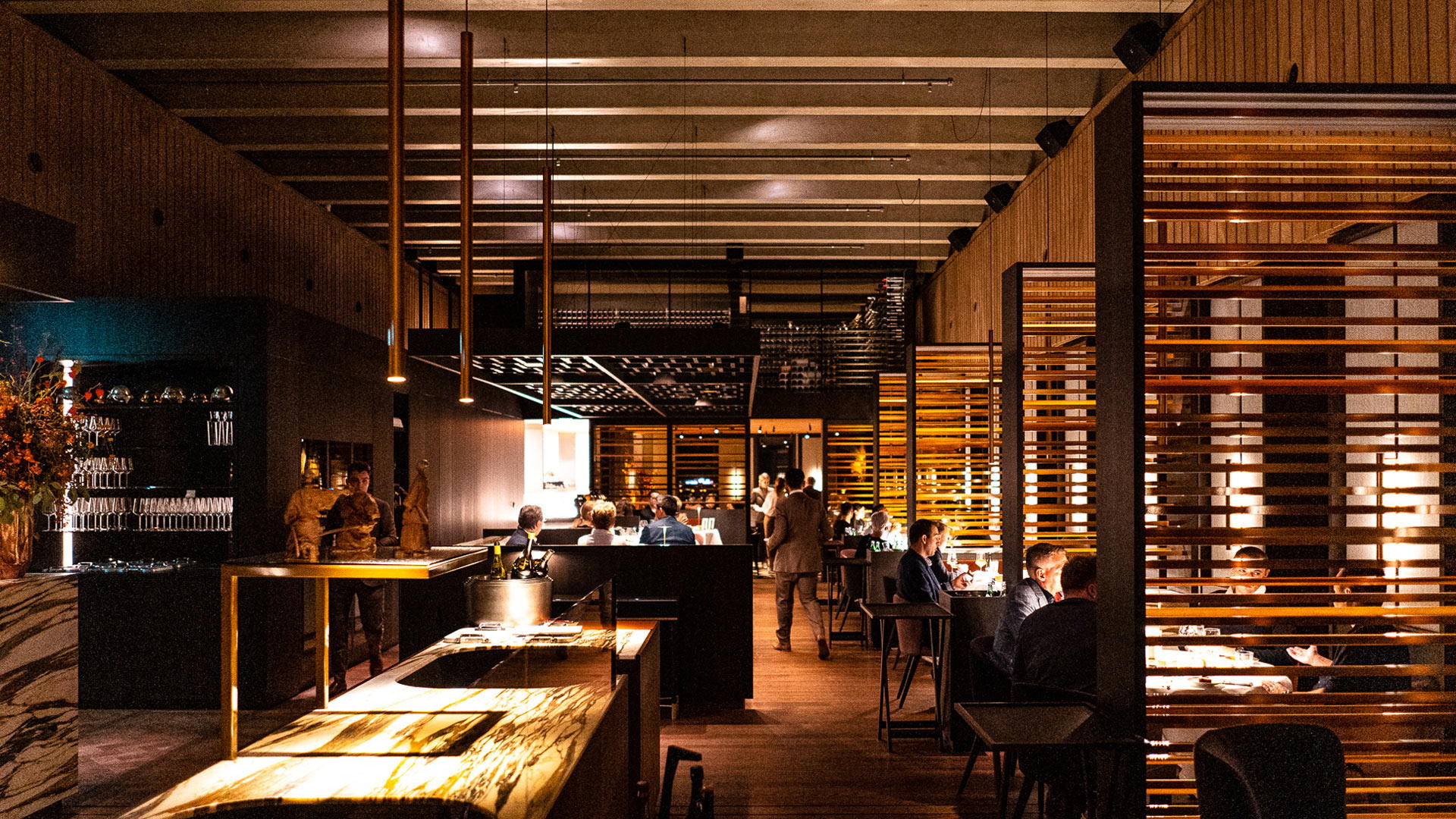
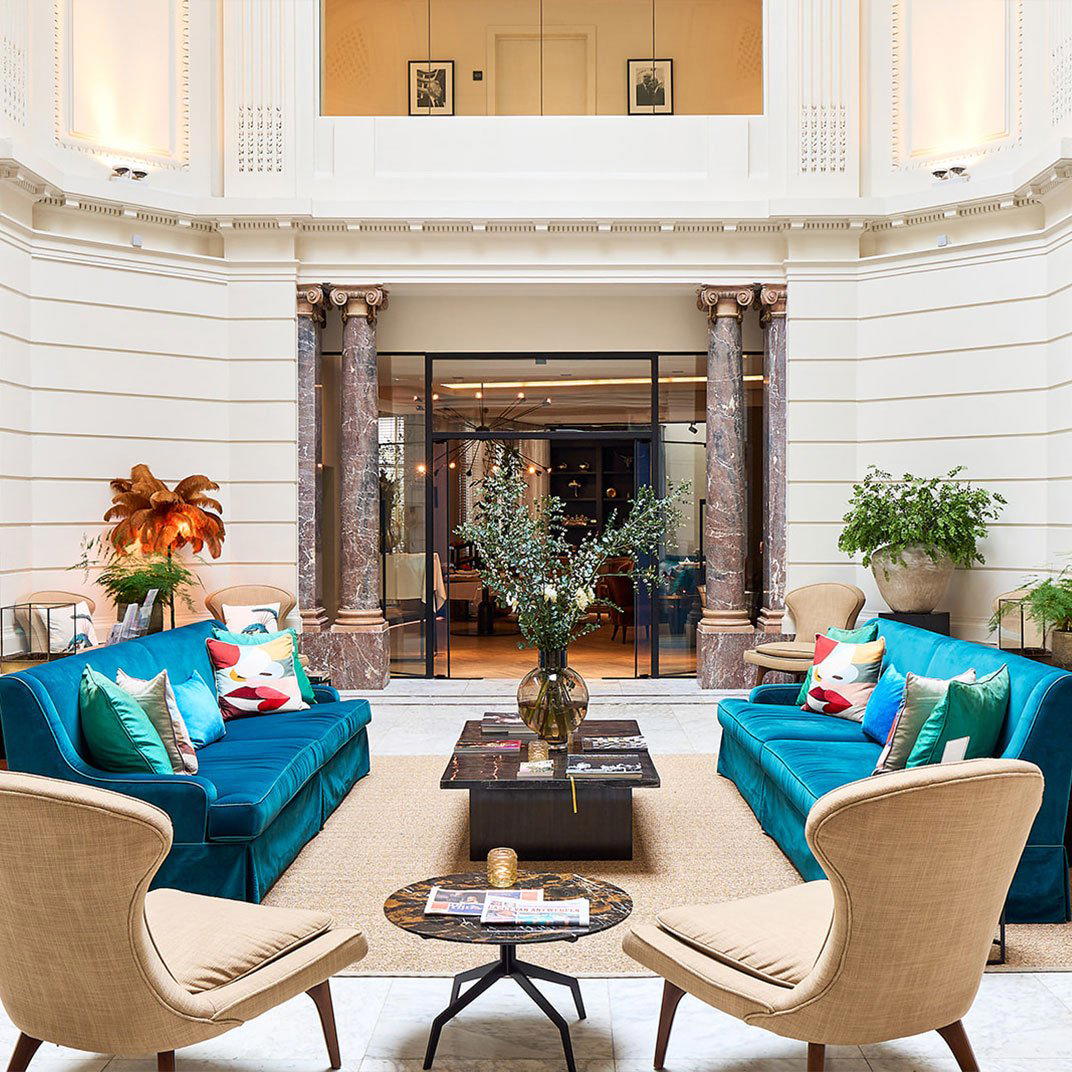
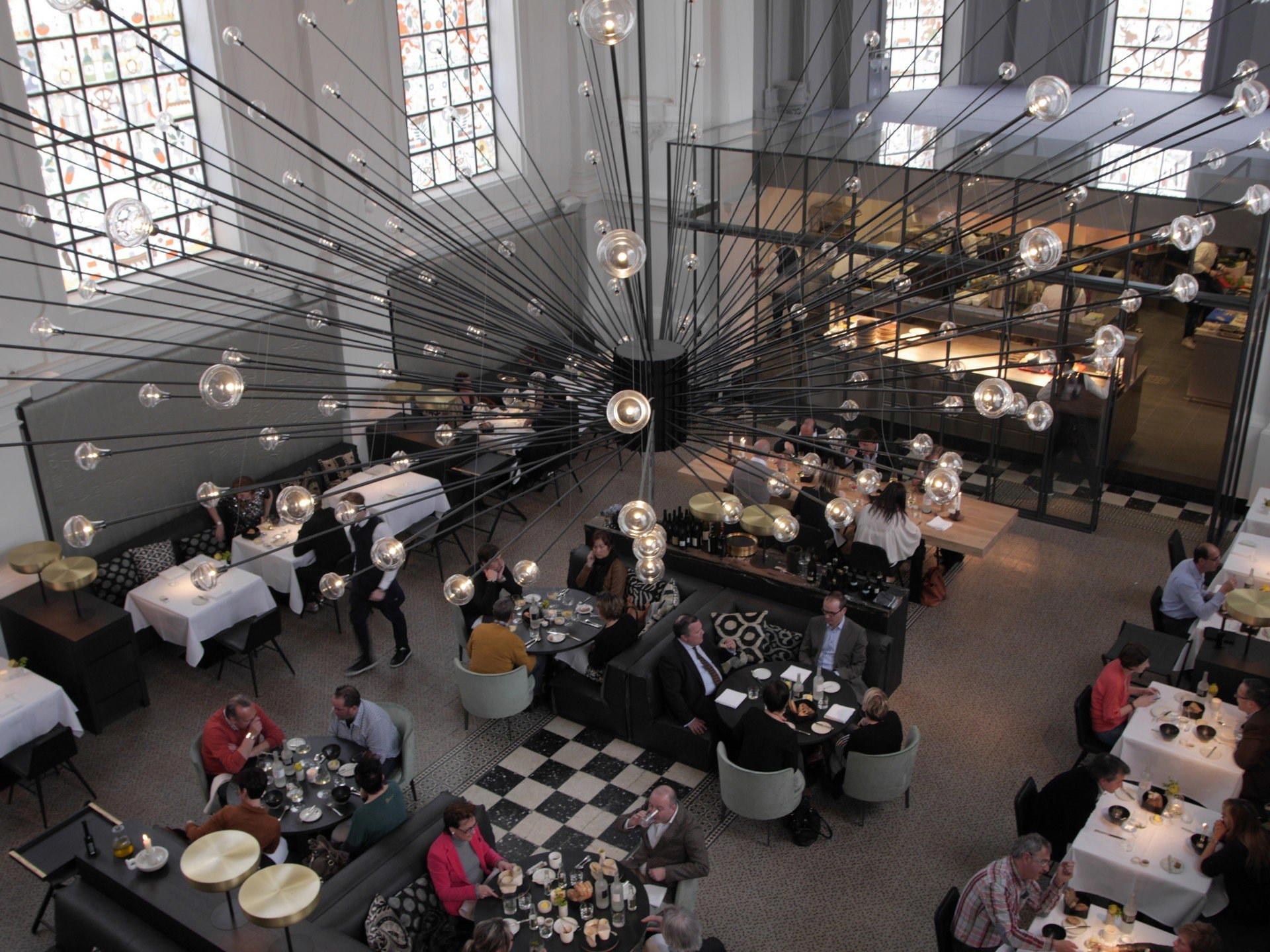
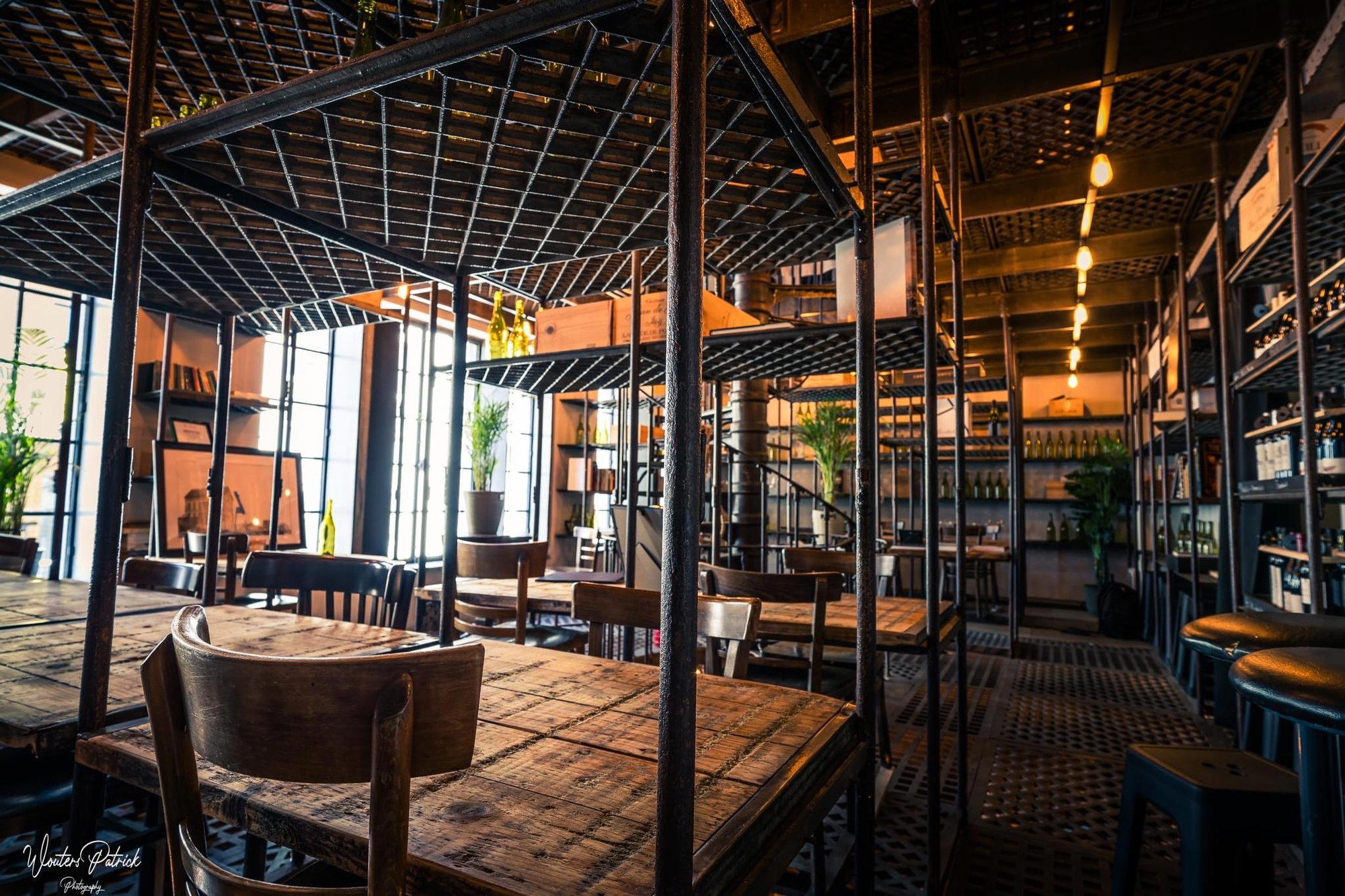
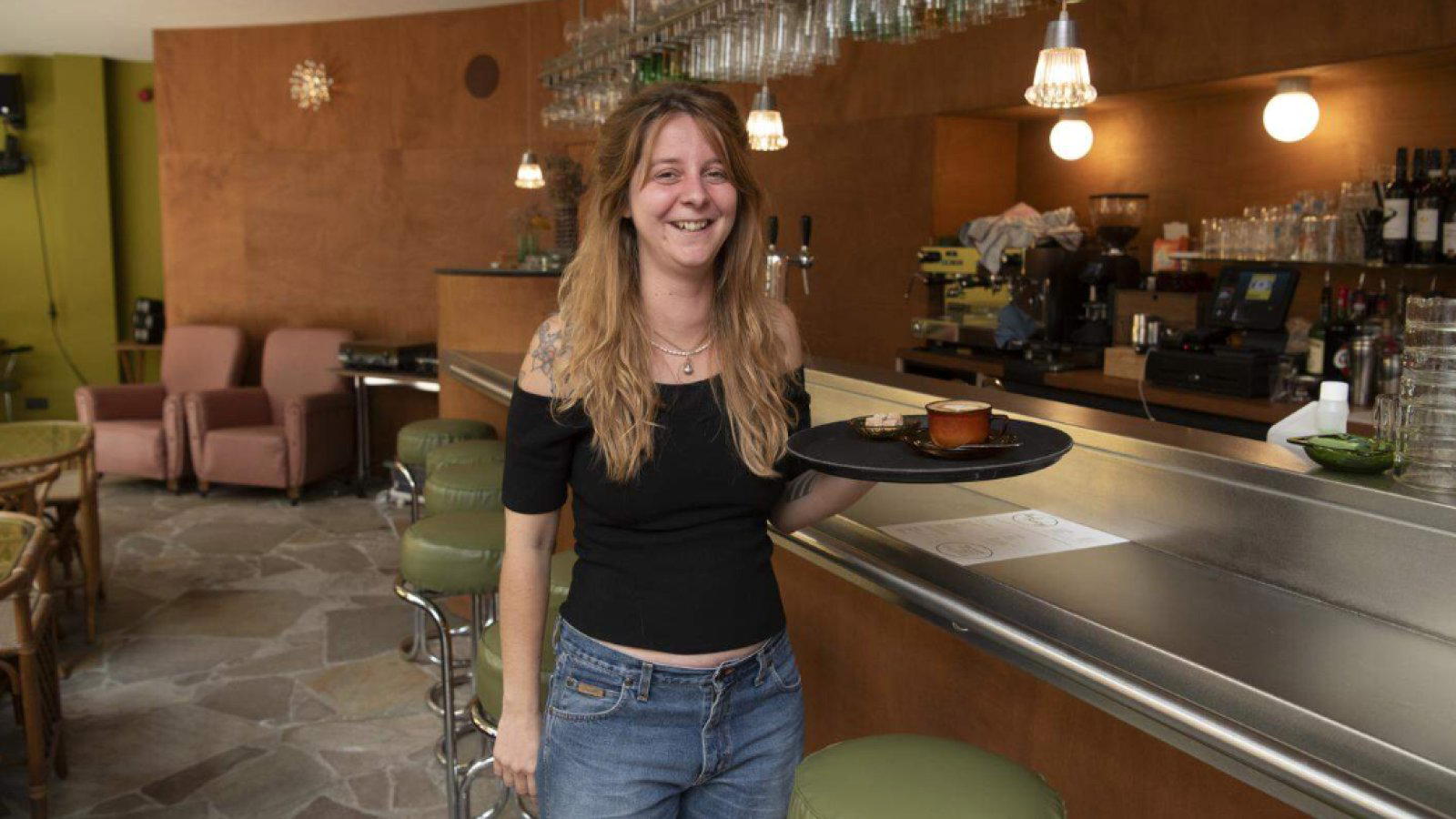
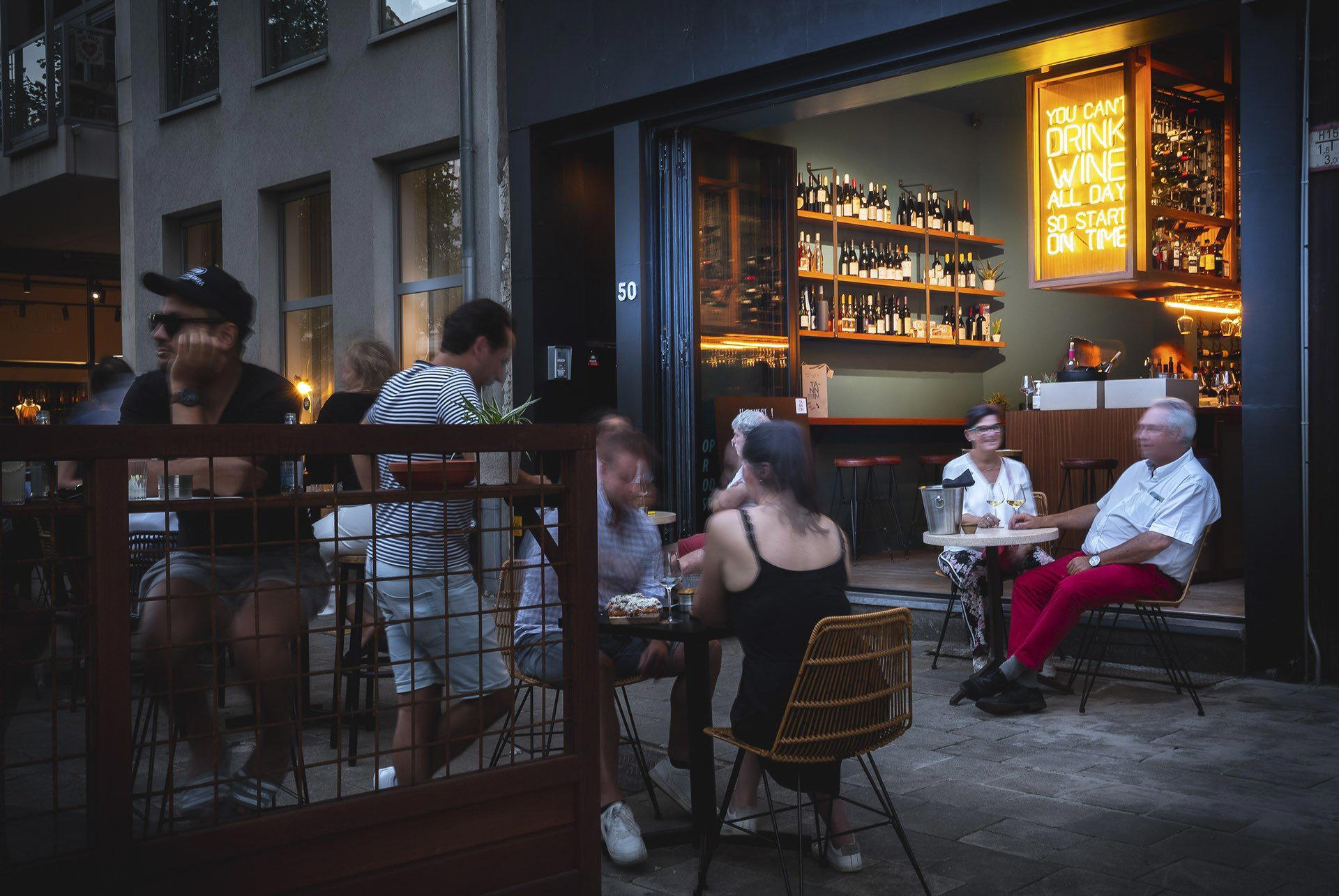
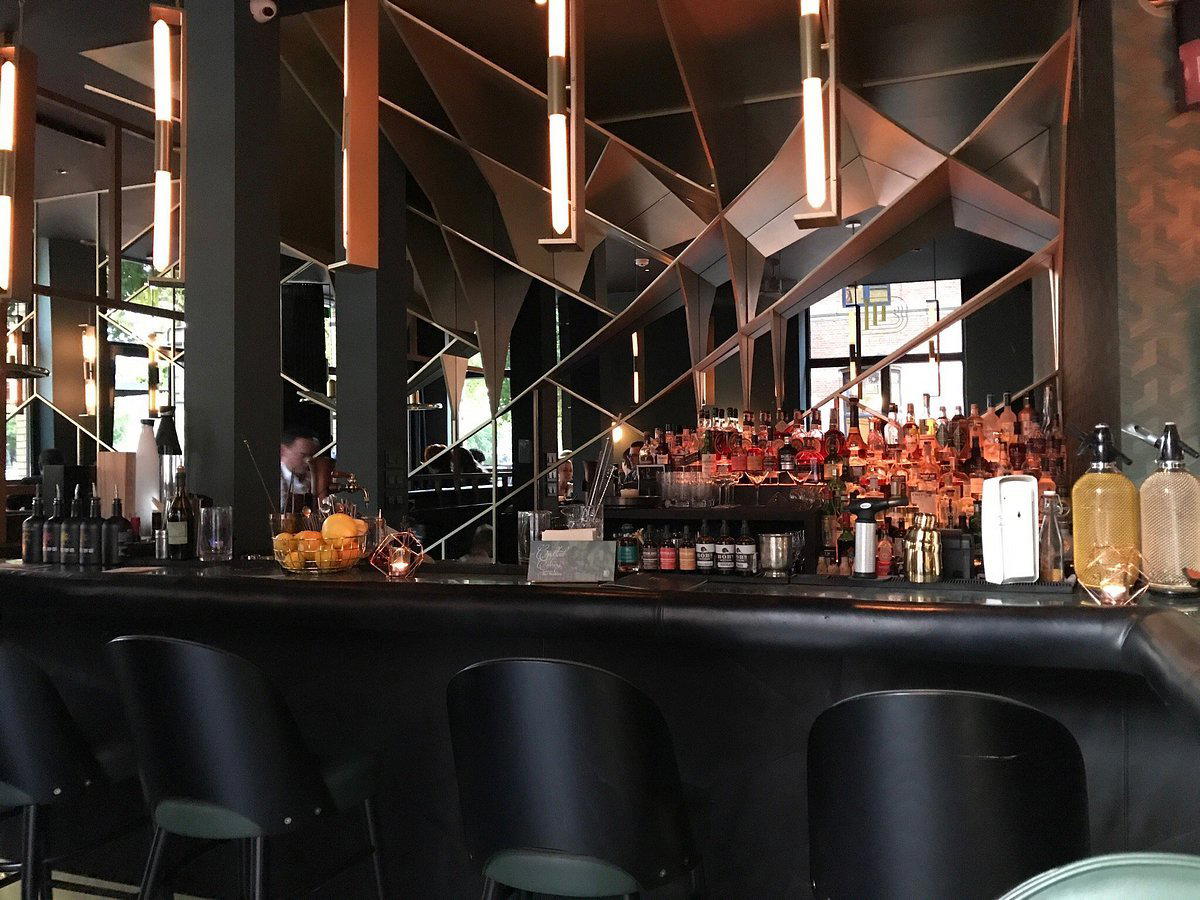
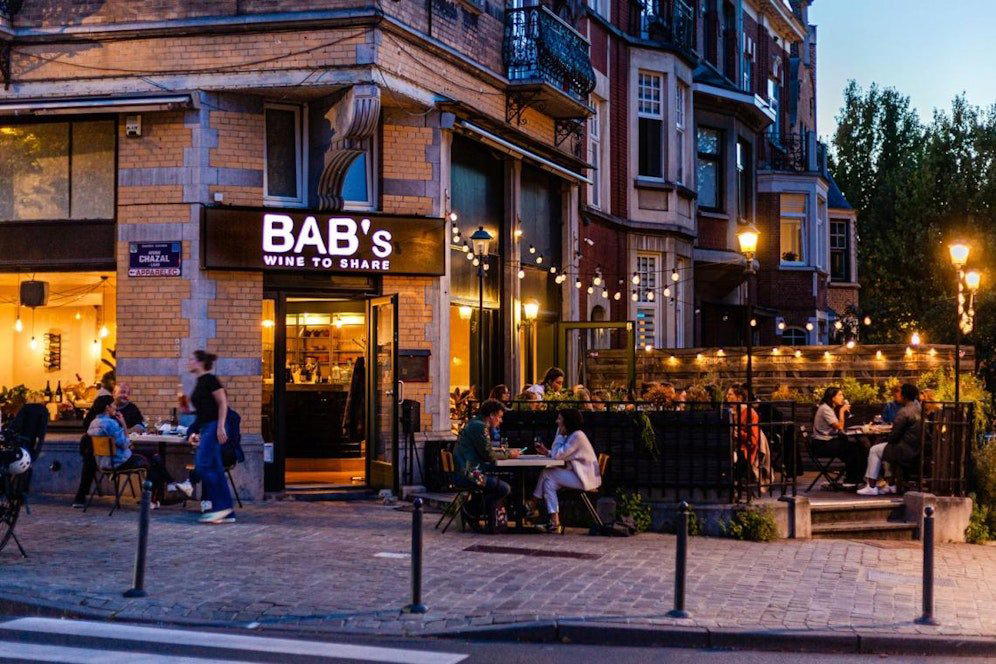
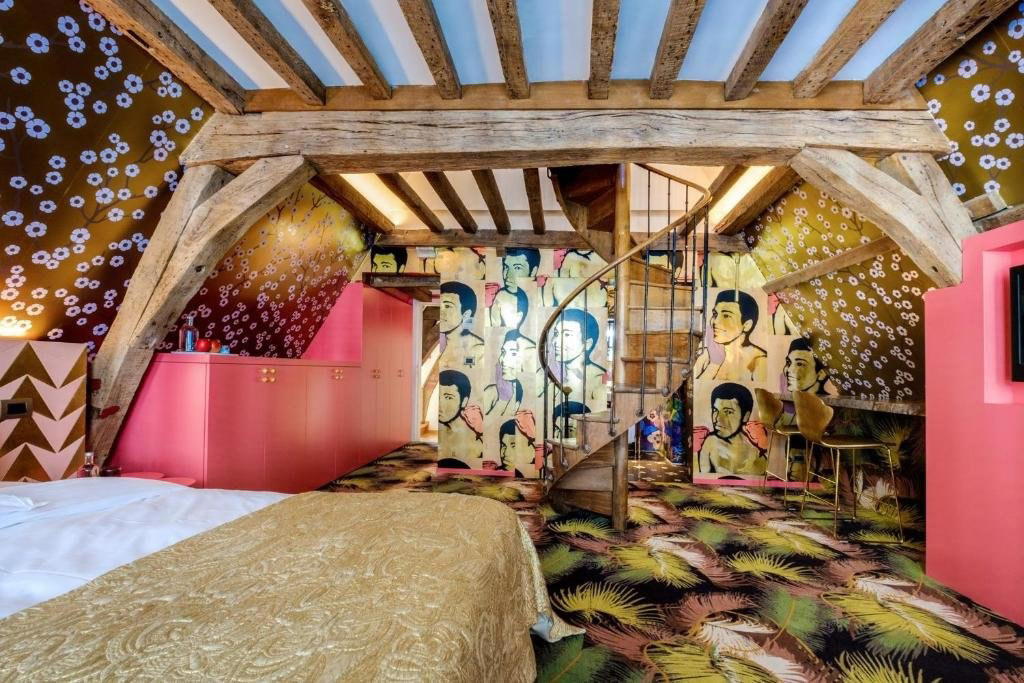
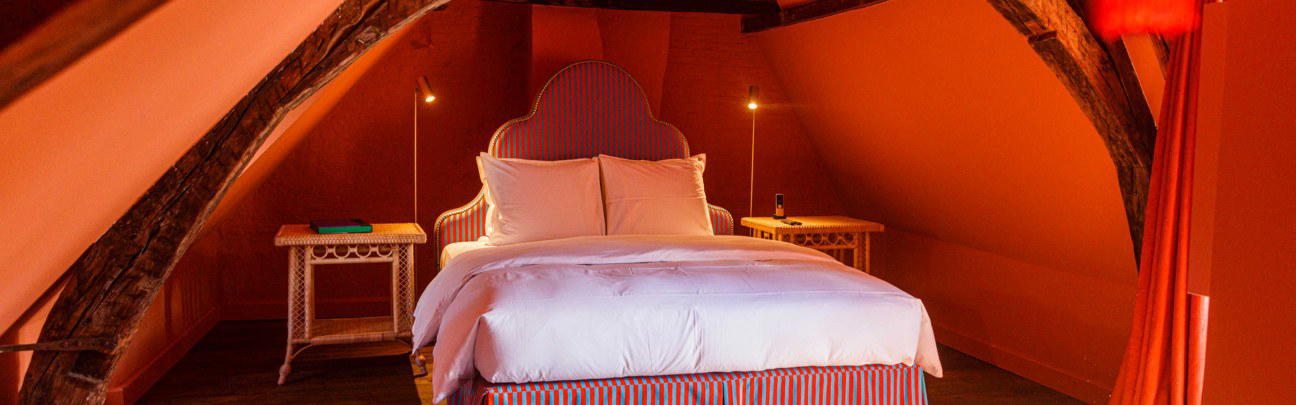
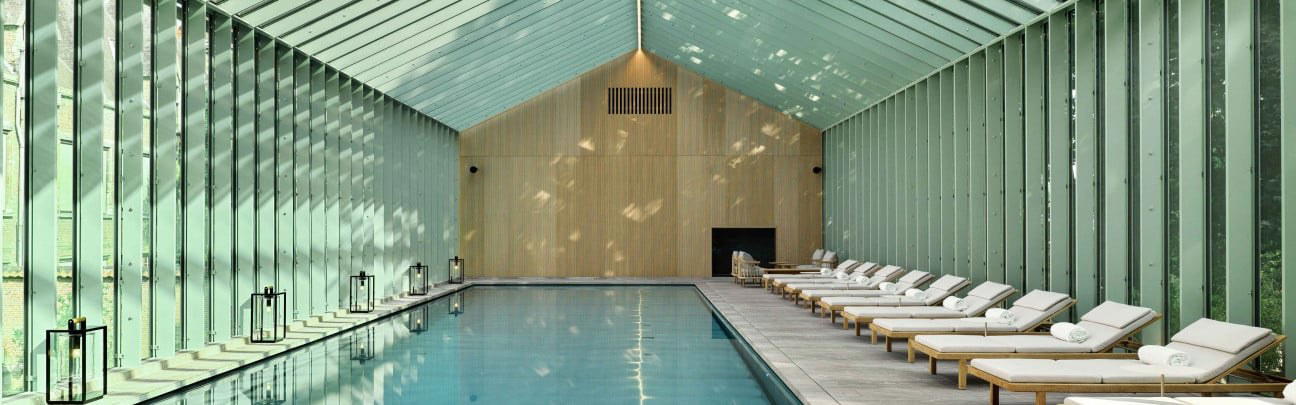
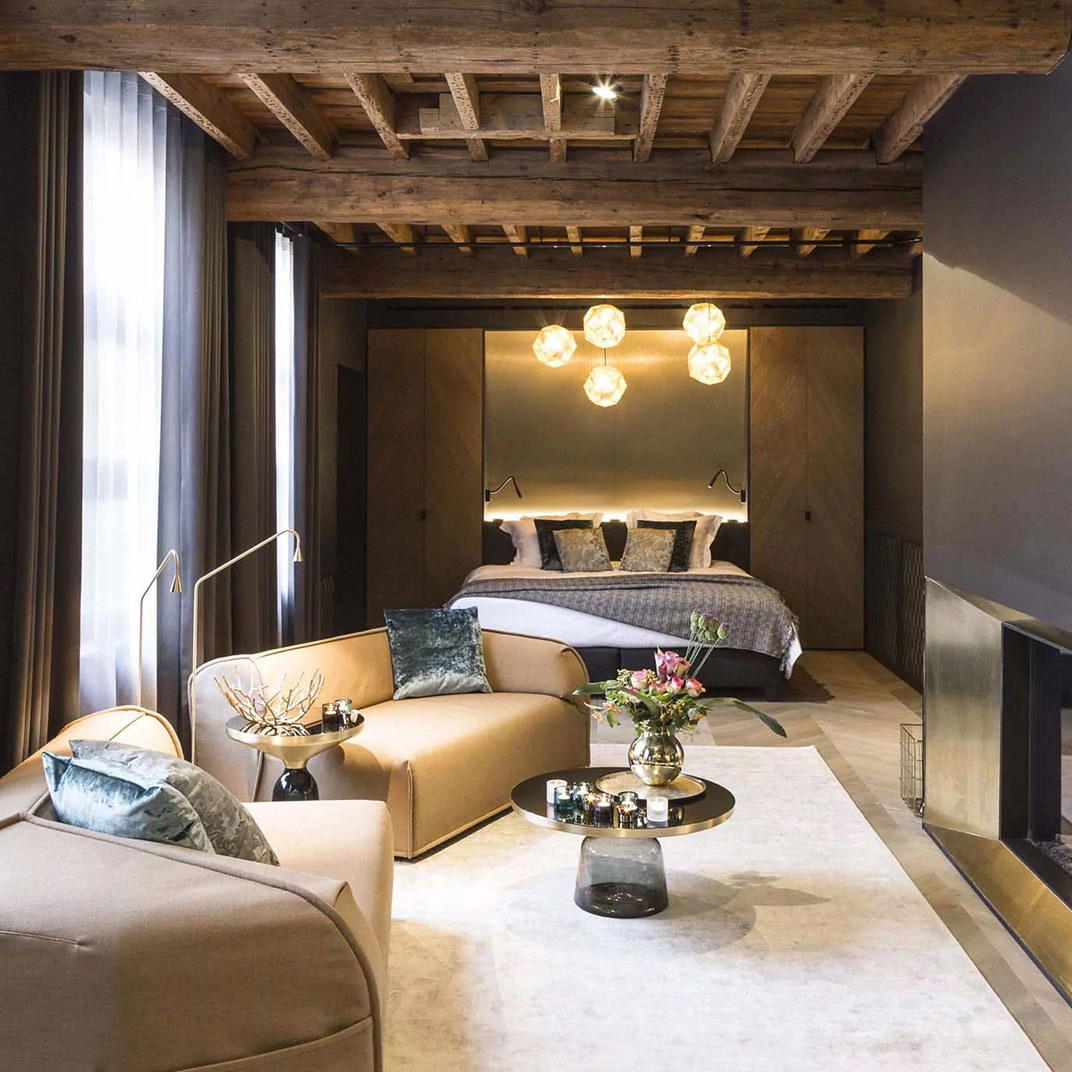
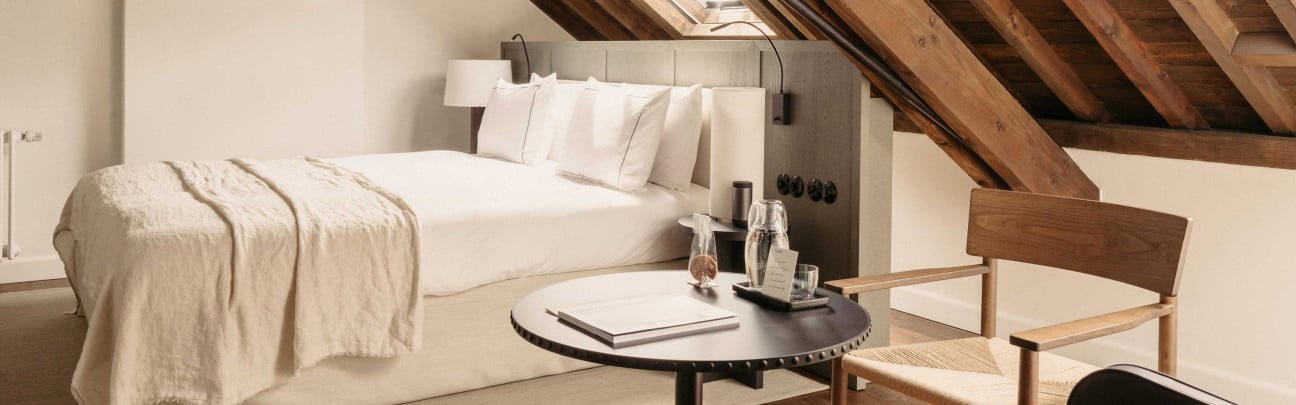
Warm and welcoming atmosphere reflecting authentic Thai dining experience with open kitchen elements and traditional décor.