Our verdict
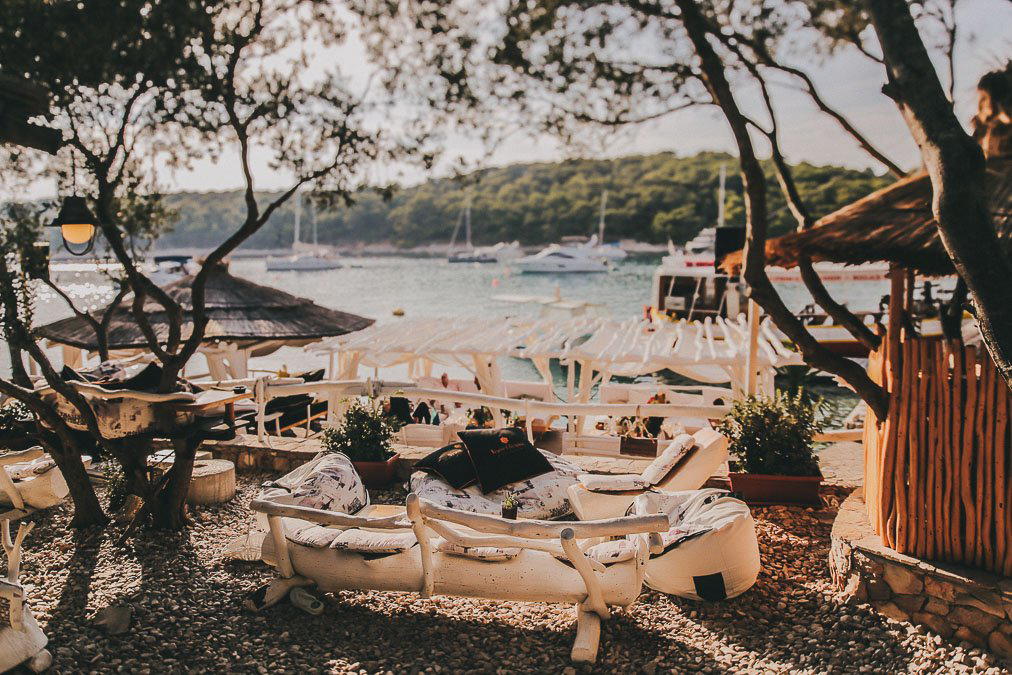
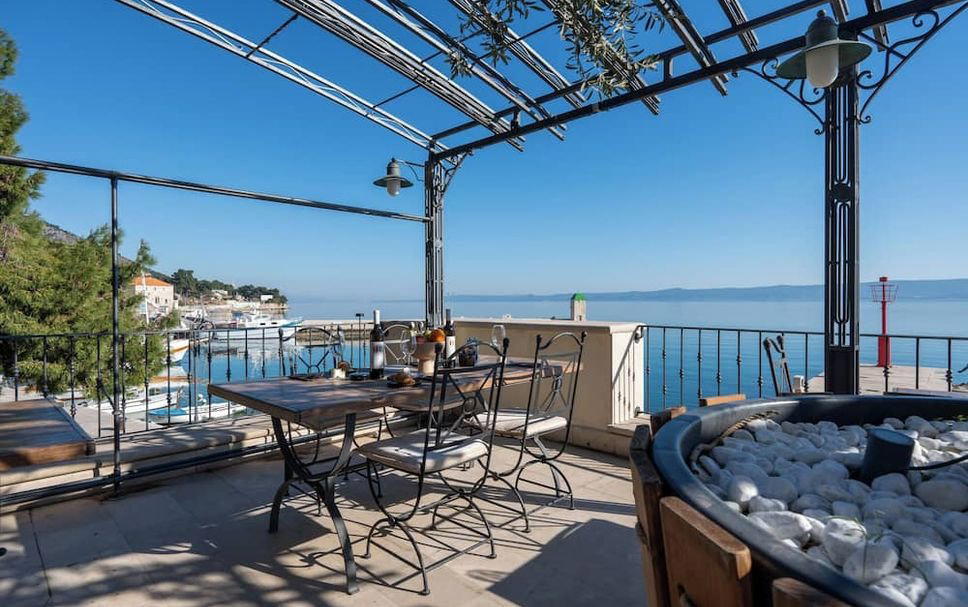
On the waterfront at Ul. Radića Frane 5, Taverna Riva occupies the kind of position that Dalmatian coastal dining is built around: close enough to the Adriatic that the evening air carries salt, close enough to Bol's promenade that the rhythm of the table mirrors the rhythm of the harbour. The kitchen draws from the same regional traditions that define the island's best konoba cooking, with seafood and slow preparation at the centre.

Pearl is the En Primeur Club membership app, where members save venues, book tables and use the concierge.

The menu
What to order
- Crab Gnocchi
- Black Risotto
- Octopus Salad
- Fishermen's Lobster
Where the Harbour Sets the Pace
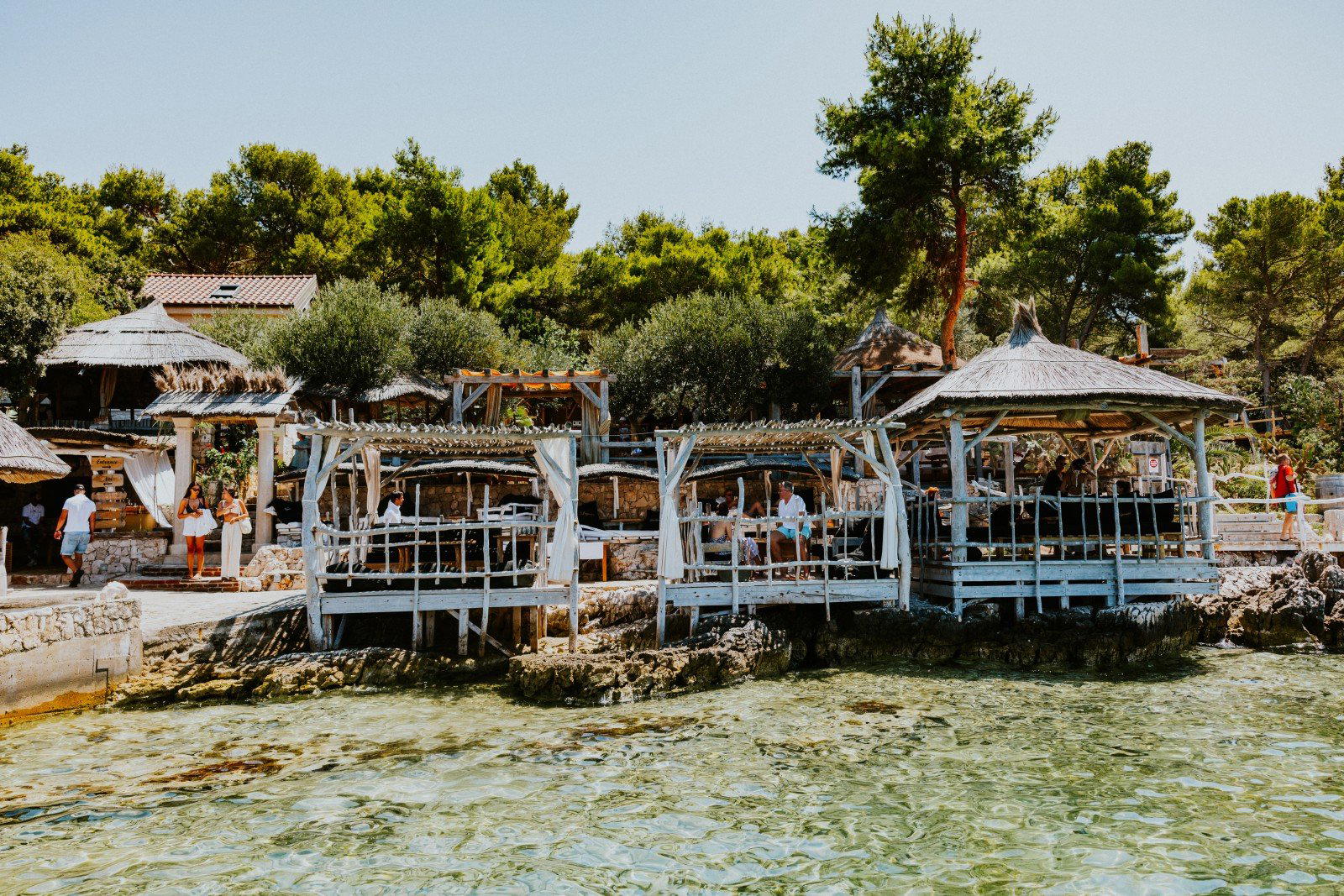
In Bol, the most instructive thing about a restaurant is often its relationship to the water. The town sits on the southern shore of Brač, and the dining culture here follows a pattern common to the better Dalmatian island ports: meals are long, ordered without urgency, and timed loosely to the movement of light across the Adriatic. Taverna Riva, addressed at Ul. Radića Frane 5, sits within that tradition. The waterfront position is not incidental; it shapes everything from how quickly dishes arrive to how long guests are expected to linger between courses. This is a place calibrated to the Croatian coastal ritual of eating as an extended social event rather than a transaction.
The Dalmatian Dining Ritual and What It Demands of the Table
Understanding a konoba-style taverna on the Dalmatian coast requires setting aside the expectations that come with urban European dining. There is no pressure to turn a table. Bread arrives early, often with olive oil pressed from Brač's own groves, which produce an oil distinct enough to carry protected designation status. The meal proceeds in waves rather than courses in the strict sense: shared starters of cured fish or marinated vegetables give way to a main that is typically grilled or baked, then a pause before anything sweet appears. Guests who try to compress this into 45 minutes are swimming against a cultural current that runs deep.
Along the Dalmatian coast more broadly, the restaurants that hold their reputation longest tend to be those that resist the temptation to modernise the pacing. Places like LD Restaurant in Korčula and Pelegrini in Sibenik have earned sustained editorial recognition in part because they understand that the ritual of the meal is itself the product. Taverna Riva operates further down the formality scale than either of those, sitting closer to the working taverna tradition: fewer architectural gestures, more direct cooking.
What the Kitchen Is Working With
Brač's geography gives its kitchens a particular pantry. The island's lamb, grazed on limestone terrain that imparts a mineral quality to the meat, has been a local point of pride for generations. The surrounding Adriatic supplies the other anchor of the menu: fish and shellfish that vary by season and catch, with dentex, sea bass, and John Dory appearing in summer, and heavier preparations of oily fish more common into autumn. In Dalmatian taverna cooking, the preparation vocabulary is deliberately narrow. Grilling over wood or charcoal, baking under a peka (the cast-iron lid buried in embers), and slow braising in wine are the primary methods. The restraint is not a limitation; it is the philosophy of the tradition.
Comparative context matters here. Within Bol itself, the dining scene spans a range: BioMania Bistro Bol takes a lighter, more health-oriented approach, while Boket78 and Gogy represent different points on the spectrum between casual and composed. Ribarska Kućica and Bretanide each bring their own register to Bol's waterfront eating. Taverna Riva's position in that local field is as a representative of the older taverna format: direct, seafood-led, and anchored to a sense of place rather than a constructed concept.
Ordering Through the Ritual
The practical choreography of a meal at a Dalmatian taverna like this one rewards a particular approach. Arrive without a fixed schedule. Order the fish by weight if it is presented whole, and ask about the day's catch rather than defaulting to the printed menu. Shared starters consumed slowly while the sun drops toward the Hvar channel across the water are not a preamble to the real meal; they are part of it. The wine choice at this tier of Dalmatian dining is typically drawn from the local island producers or the broader Dalmatia denomination: Pošip or Grk for white, Plavac Mali for red, varieties that pair with the cooking because they grew up alongside it.
For guests planning to visit during summer peak, Bol fills quickly from late June through August, when Zlatni Rat beach draws significant international traffic. Tables at waterfront addresses during this window are leading secured earlier in the day or by arriving outside the main dinner window. Shoulder season, particularly May and September, offers the same setting with considerably less competition for space.
Bol in the Broader Croatian Coastal Context
Croatia's Adriatic restaurant scene has diversified considerably over the past decade. At the upper end, addresses like Restaurant 360 in Dubrovnik, Agli Amici Rovinj, and Boskinac in Novalja have pushed the cuisine into a more technically ambitious register. Inland, Dubravkin Put in Zagreb and Korak in Jastrebarsko represent the continental tradition. On the coast, Krug in Split, Nebo by Deni Srdoč in Rijeka, and Alfred Keller in Mali Lošinj have each carved out recognisable positions in the country's developing fine dining conversation. Taverna Riva does not compete in that register and does not appear to intend to. It belongs to the category of Dalmatian eating that predates the fine dining wave and will likely outlast several iterations of it: the harbour taverna where the cooking is competent, the setting is the point, and the ritual of the meal is conducted at the pace the sea suggests.
For those building a broader Croatian dining itinerary, our full Bol restaurants guide maps the town's options across formats and price points. For international reference on what technical seafood cooking looks like at the very leading of its register, Le Bernardin in New York City and Atomix offer useful contrast points, though the tradition they represent is a different conversation entirely.
Planning Your Visit
Taverna Riva is located at Ul. Radića Frane 5, 21420 Bol, on the island of Brač. Brač is accessible by ferry from Split, with crossings operating regularly throughout the day during the summer season; the crossing takes approximately 50 minutes. Bol itself is on the southern coast of the island, roughly 30 kilometres from the main ferry port at Supetar, accessible by road. Given the absence of published booking infrastructure for this address, the most reliable approach is to visit in person to enquire about availability, or to arrive at the early end of the dinner service window during peak months.
Frequently asked questions
What's the address for Taverna Riva?
Taverna Riva is located at Ul. Radića Frane 5, 21420, Bol, Croatia, Bol.
What is the best time of year to visit Taverna Riva in Bol for a quieter, more local experience?
May and September are the clearest windows at Bol restaurants. The ferry crossings from Split continue to run across both months, so Brač remains accessible, but the summer crowds that compress harbour seating in July and August have thinned considerably. Taverna Riva is located at Ul. Radića Frane 5 in central Bol, putting it within the harbour zone where the difference between high and shoulder season is most felt.
What's the must-try dish at Taverna Riva?
The kitchen at Taverna Riva sits on Brač, an island whose limestone-grazed lamb is among the most distinctive on the Dalmatian coast. That lamb, slow-roasted under a peka (the cast-iron dome that defines konoba cooking across the region), is the dish most in keeping with the restaurant's setting and tradition. Fresh Adriatic catch is the other axis of a meal here, ordered simply and according to what arrived that morning.
How hard is it to get a table at Taverna Riva?
Bol draws significant visitor traffic in July and August, when the town's harbour-front spots fill early and hold tables through the evening. Arriving before 7pm or after 9pm improves your odds considerably during peak season. Shoulder months, May, June, and September, give you a far more relaxed experience at most tavernas on the island, and Riva is no exception.
What is Taverna Riva known for?
Taverna Riva is a konoba-format restaurant in Bol on the island of Brač, positioned close to the harbour that defines the town's daily rhythm. Its identity sits within a long Dalmatian tradition: seasonal, ingredient-led cooking built around local lamb, Adriatic seafood, and island wine. That consistency with regional cooking practice is the point, not a departure from it.
Is Taverna Riva allergy-friendly?
Dalmatian konoba kitchens work with a tight, ingredient-focused repertoire, grilled fish, roasted lamb, olive oil, and seasonal vegetables, which gives guests with common allergens a reasonable foundation for conversation with the kitchen. Gluten-heavy preparations are less central to this style of cooking than in northern European restaurants.
Is Taverna Riva good value for money?
Bol sits in the mid-tier of Croatian coastal pricing: more than a simple konoba inland, but well below the benchmark set by addresses like Restaurant 360 in Dubrovnik. Harbour-adjacent restaurants on Brač typically price fish by the kilogram and lamb dishes at a fixed rate, keeping the bill legible. Without published pricing for Taverna Riva specifically, the honest benchmark is the broader Bol harbour strip, where a full meal with local wine runs comfortably within what the island's tourist economy has established.
Cuisine and Credentials
| Venue | Cuisine | Price |
|---|---|---|
| Taverna RivaThis venue (the venue you are viewing) | Traditional Dalmatian Seafood | $20–30 |
| BioMania Bistro Bol | Organic Vegan Mediterranean Bistro | $20–30 |
| Bretanide | Mediterranean All-Inclusive Buffet | Not listed |
| Boket78 | Modern Dalmatian | Not listed |
| Gogy | Italian Pizza | Not listed |
| Ribarska Kućica | Mediterranean Seafood & Grilled Fish | $30–50 |
Continue exploring
More in Bol
Restaurants in Bol
All restaurants in Bol →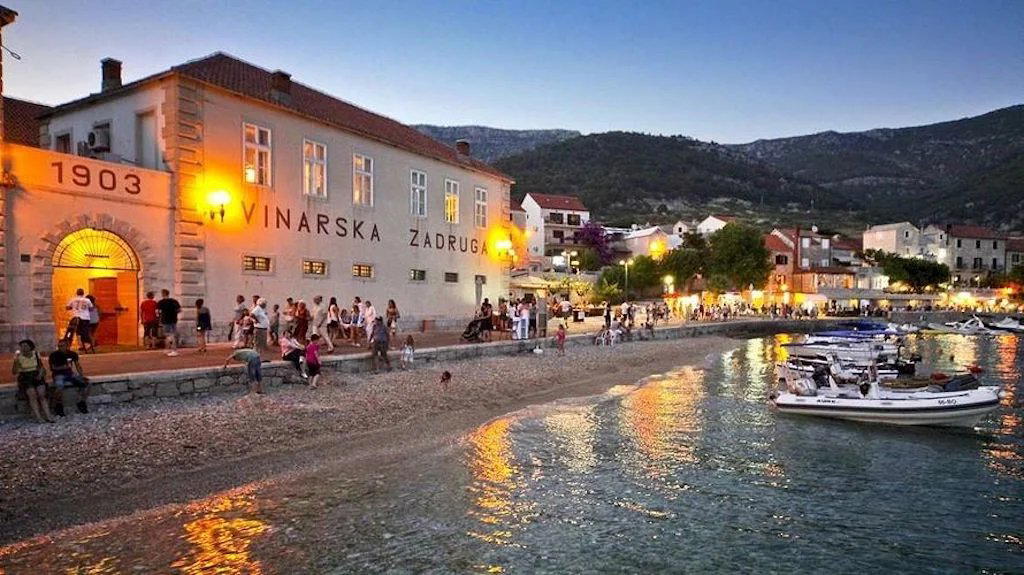
Bars in Bol
Browse all →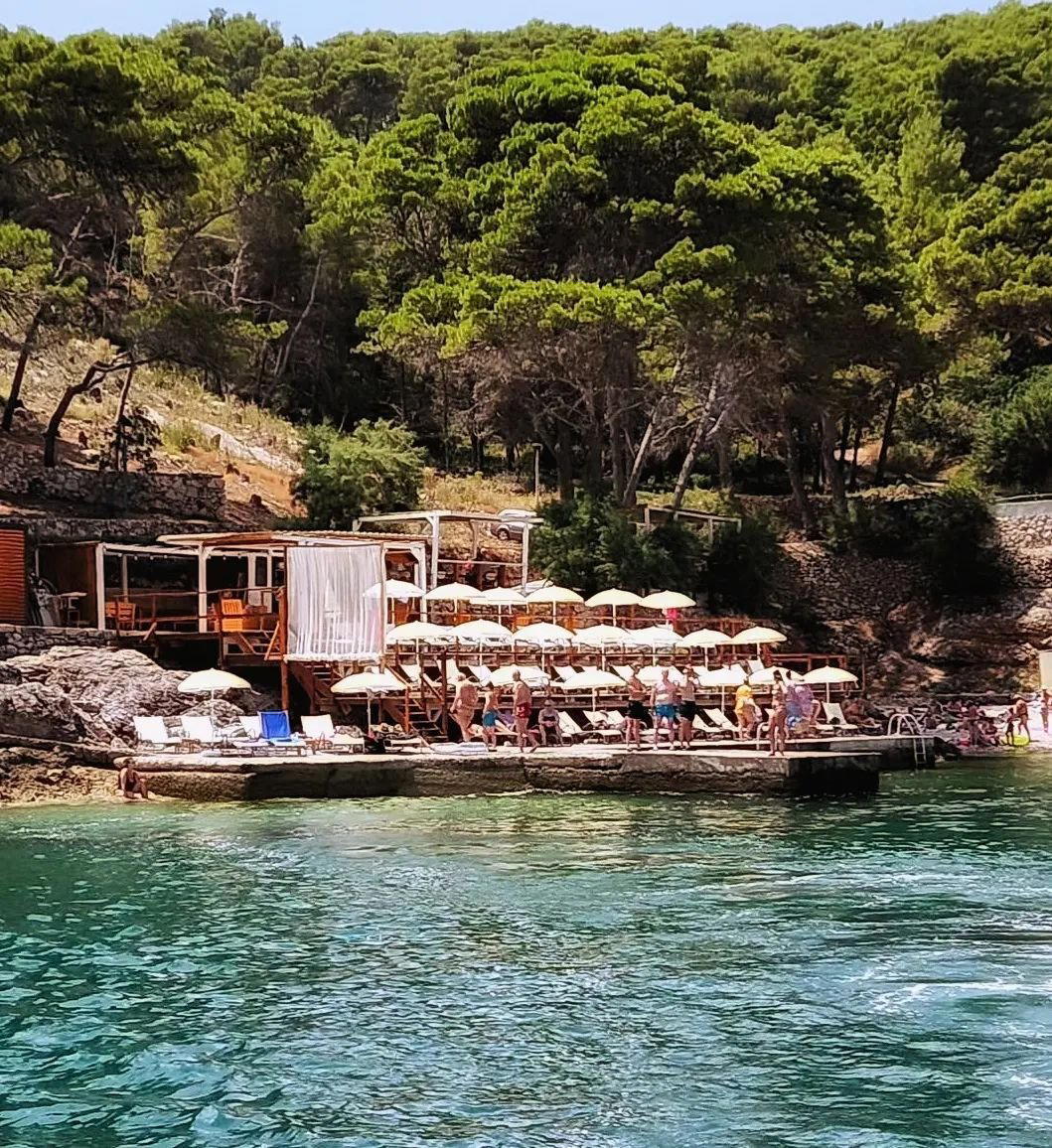

Details
- Rustic
- Scenic
- Cozy
- Classic
- Date Night
- Group Dining
- Celebration
- Casual Hangout
- Waterfront
- Terrace
- Open Kitchen
- Extensive Wine List
- Local Sourcing
- Waterfront
- Street Scene
- A La Carte
- Small Plates
- Croatian Wine
- Vegetarian Friendly
- Vegan Options
- Gluten Free Options
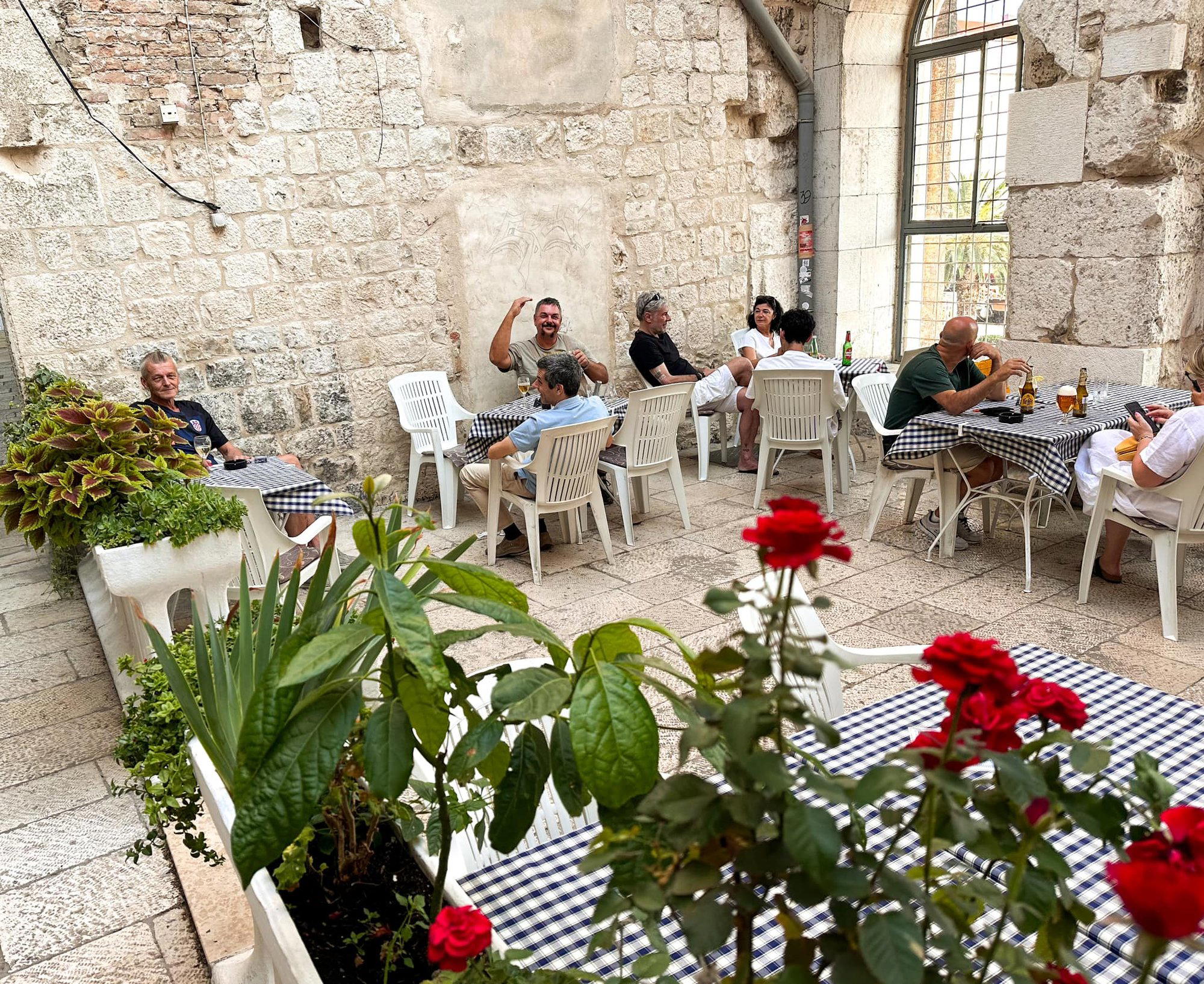
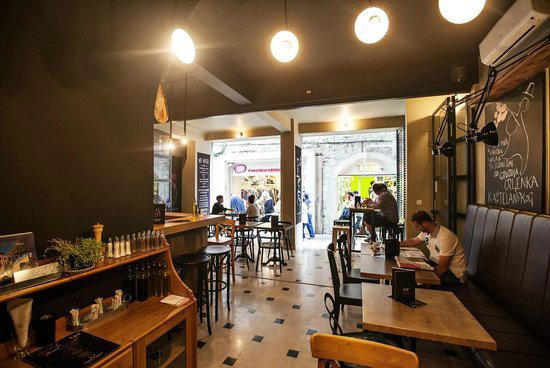
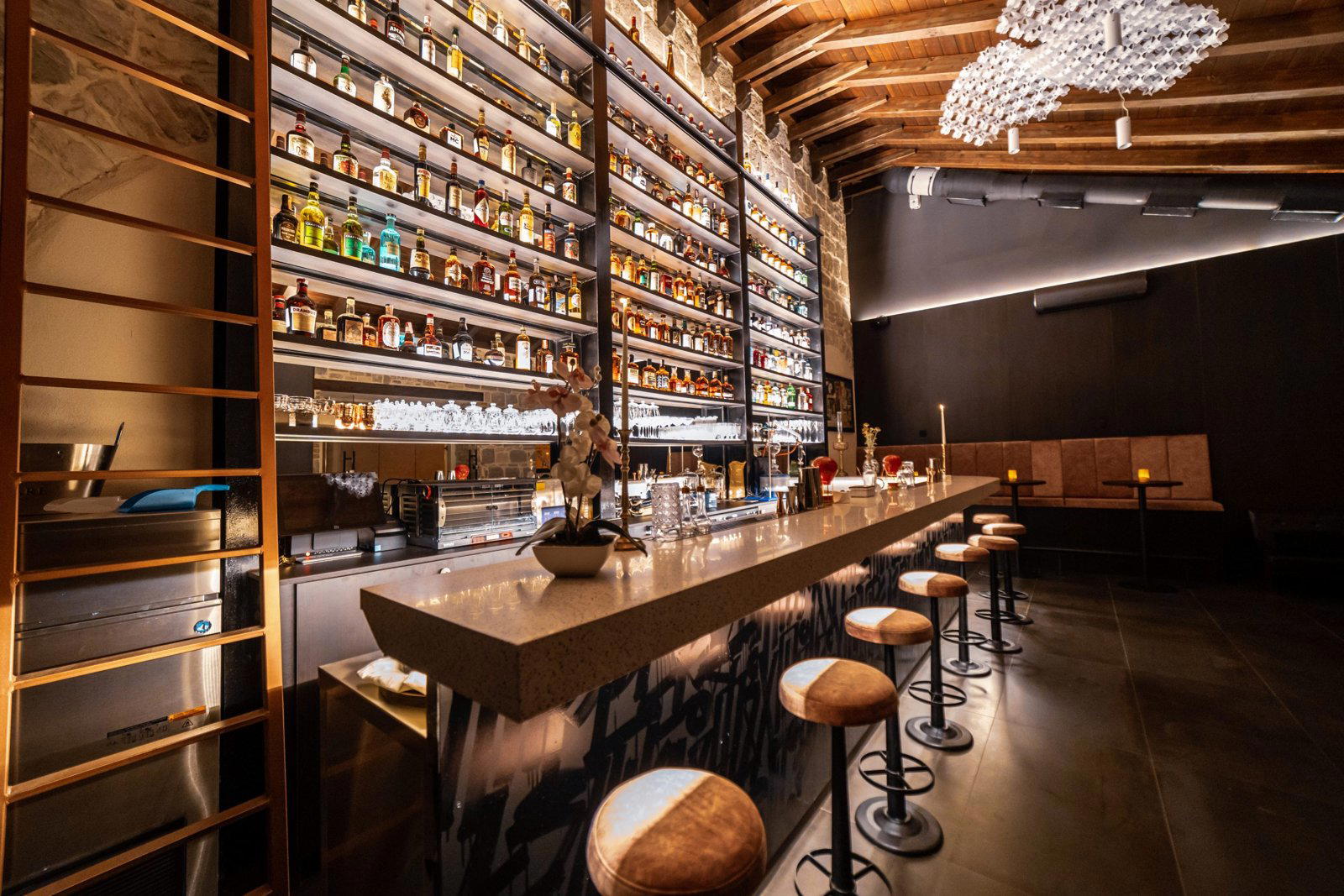
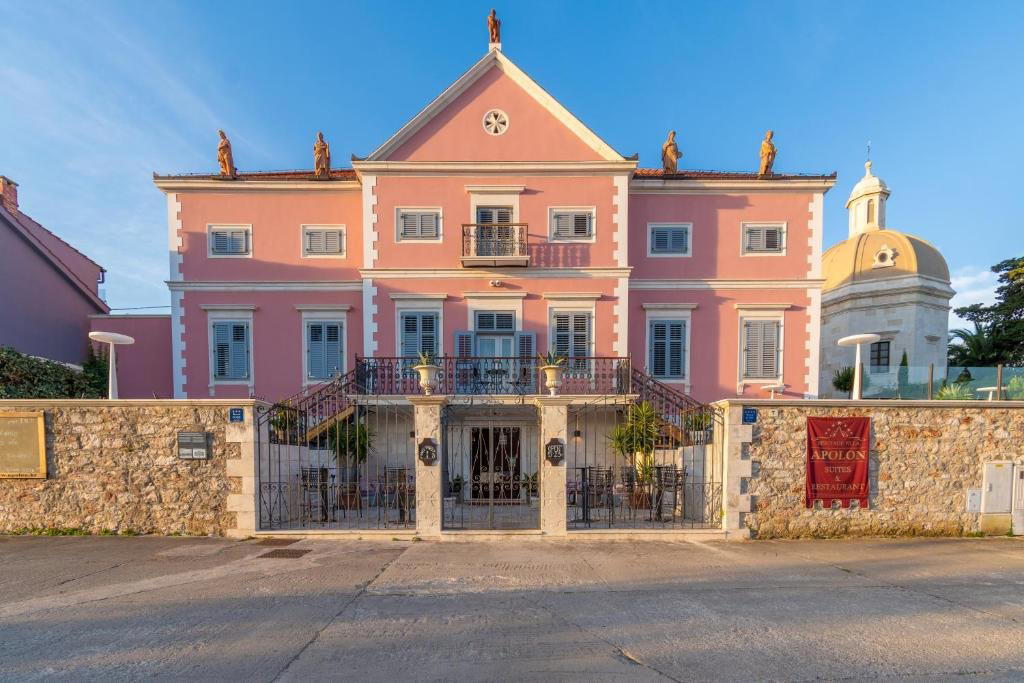
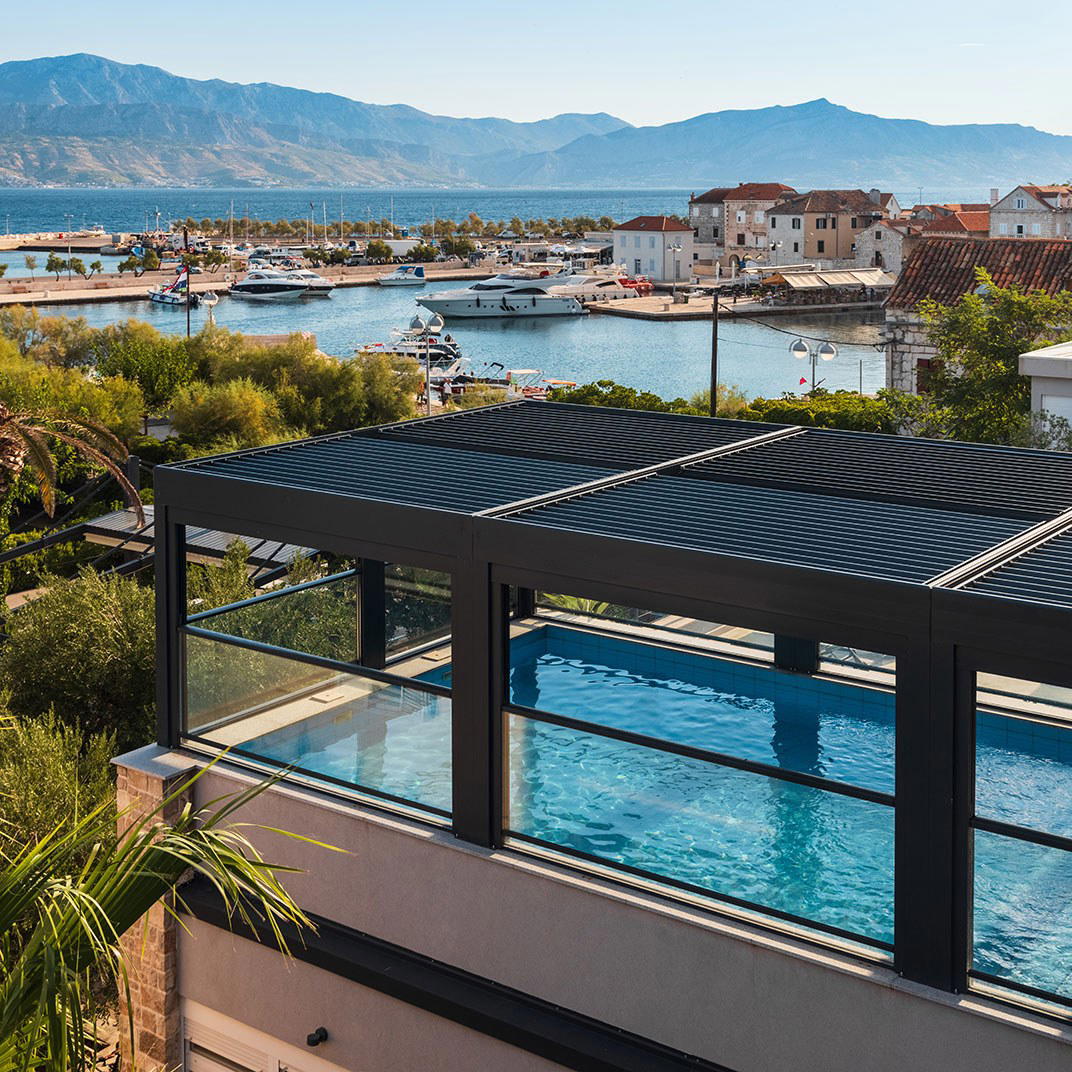
Warm and inviting atmosphere in an old stone house with terrace overlooking the sea and port, blending rustic charm and elegant unpretentious vibe.