Taverna Greek Kitchen - Souk Madinat Jumeirah
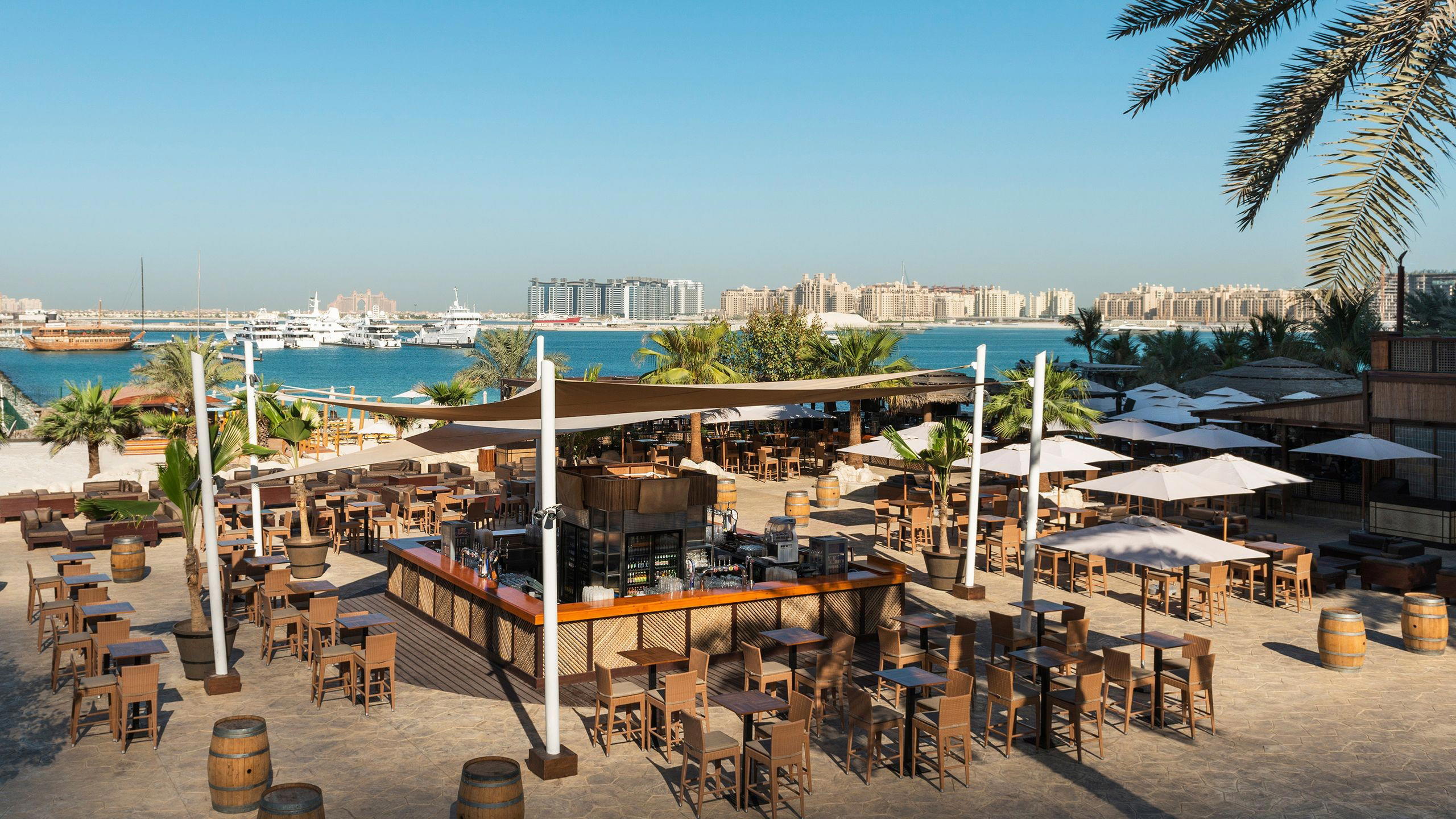
"With a fantastic waterfront location, authentic Greek food, and friendly service, Taverna Greek Kitchen is a safe choice for a good time. The restaurant is helmed by Greek chef Theo Rouvas, and the Greek salad, flaming cheese saganaki, sea bass carpaccio, wood-fire-grilled octopus, and kadaifi prawns won't disappoint."
Pearl is the En Primeur Club membership app — saves, bookings, and concierge access live there. Same editors, same standards.
- Address
- Al Sufouh 1 - Dubai - United Arab Emirates
- Phone
- +971 4 589 5665
- Website
- tavernagreek.ae
- Directions
- Get directions
 Saves & bookings on Pearl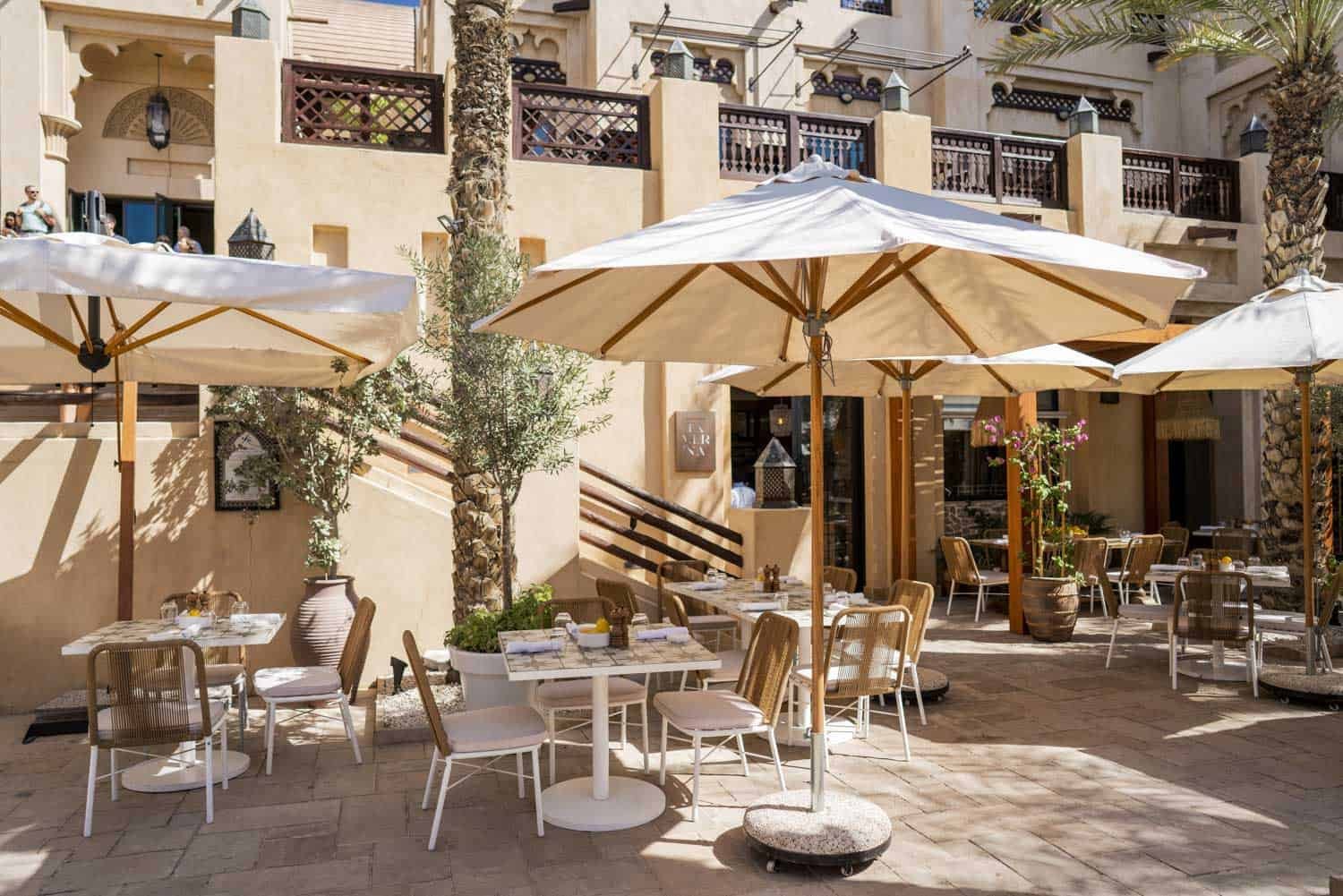
Greek at the Water’s Edge: Reading the Menu at Taverna Greek Kitchen
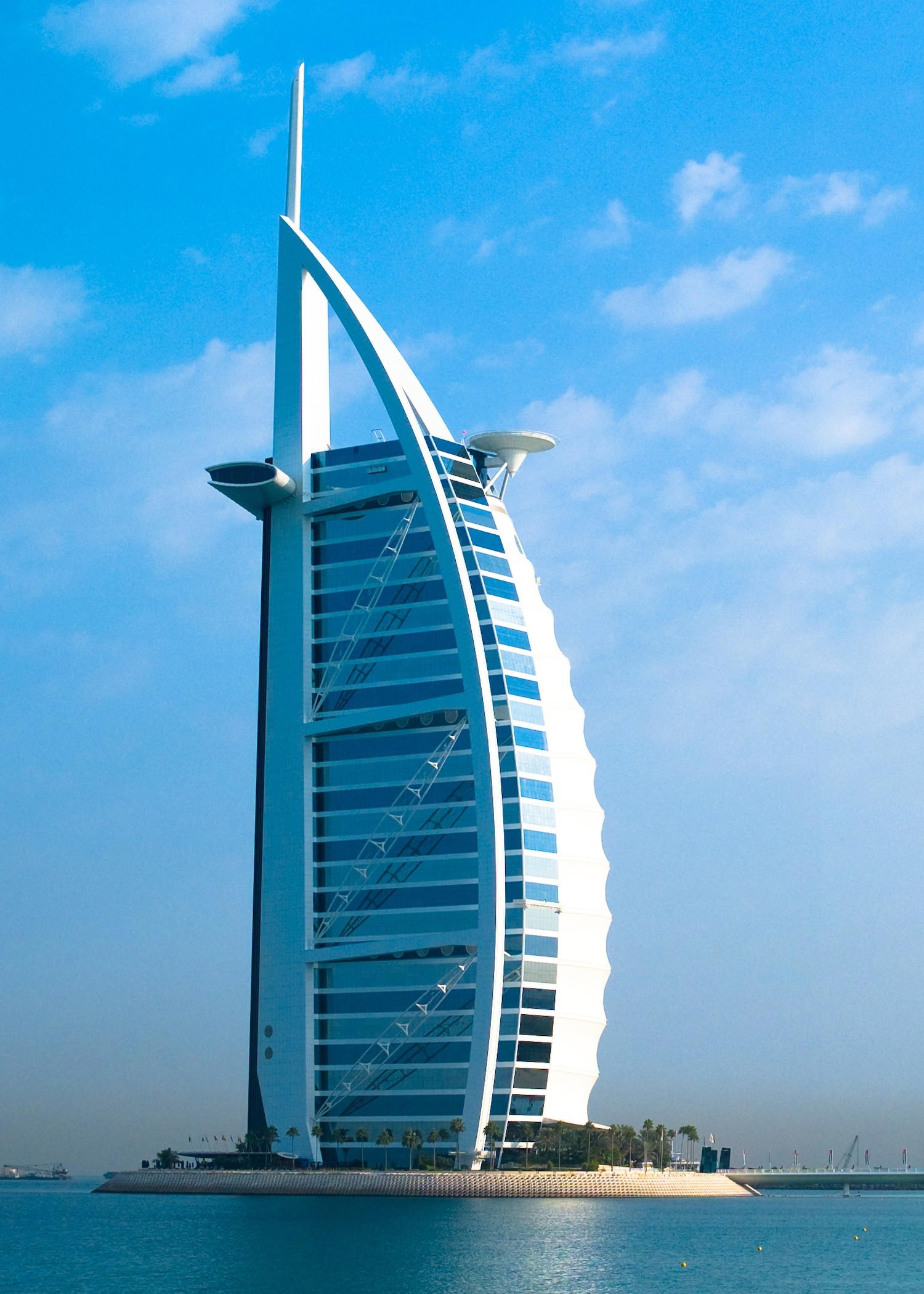
Souk Madinat Jumeirah is one of Dubai’s more considered dining environments: a low-rise, canal-threaded complex modelled on a traditional Arabian market, with the Burj Al Arab sitting in clear sightline across the water. The setting imposes a certain atmospheric logic on the restaurants that operate within it. Venues here compete on backdrop as much as plate, and the more successful ones let the environment do some of the work while keeping the kitchen focused. Taverna Greek Kitchen occupies this position, bringing a Mediterranean register to a district that already draws a consistent international crowd to properties like Jumeirah Group’s flagship hotels.
Greek cuisine in Dubai exists at an interesting tension point. The city’s dining market has, over the past decade, developed serious appetite for cuisine categories that prioritise sharing formats, fire-driven cooking, and ingredient legibility. Greek food aligns with all three instincts, which goes some way toward explaining why taverna-style restaurants have found a stable audience here alongside the city’s louder Japanese and steakhouse tiers.
How the Menu Is Constructed
The architecture of a well-run Greek restaurant menu is less about showpiece dishes and more about how the meze tier functions as the structural foundation. In traditional taverna practice, the cold and hot meze spread is not a prelude to the main event; it is the main event, with proteins and grilled items arriving alongside rather than after. This approach puts the emphasis on variety, pacing, and the quality of ingredients that require no elaboration: olive oil, herbs, legumes, preserved fish, and seasonal vegetables. A restaurant that understands this format designs its menu so the meze section is as considered as anything else on offer.
The Souk Madinat setting reinforces this structure rather than working against it. Al fresco and semi-open dining in this part of Dubai is viable across most of the cooler months, roughly October through April, and that kind of extended, open-air table time suits the communal rhythm of a meze-led menu far better than a compressed, course-by-course format. The waterway views and the ambient sound of the souk create conditions where guests tend to linger, which is precisely the tempo a taverna format rewards.
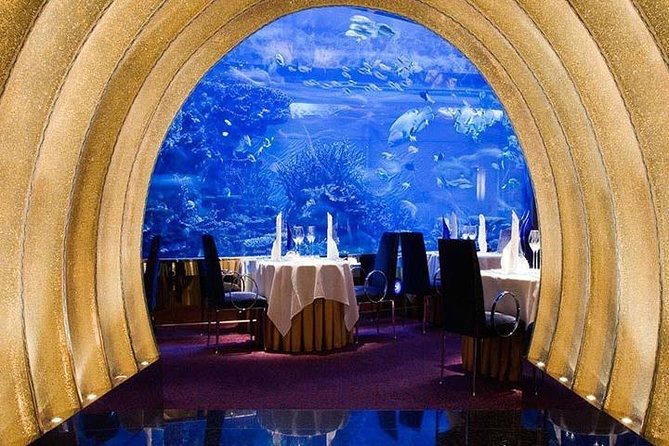
Grilled fish and whole proteins occupy the second structural tier in the classic taverna sequence, following the spread. This is where sourcing decisions become visible. Greek kitchens that take the format seriously tend to prioritise market-driven decisions on fish and seafood rather than locking in fixed-menu items throughout the year. The regional comparison is instructive: Mediterranean seafood restaurants operating at the premium end of the market, from coastal Italy to the Aegean, have increasingly positioned the sourcing narrative as the credential. Dubai’s market for seafood at this positioning is already competitive, with venues like Al Mahara operating at the summit of the city’s prestige seafood tier. Taverna occupies a different register, one where accessibility and format rather than ceremony define the experience.
Placing Taverna in Dubai’s Wider Dining Picture
Dubai’s fine dining tier has shifted decisively toward tasting-menu and counter formats over the past three years. Restaurants like Trèsind Studio, FZN by Björn Frantzén, and moonrise represent a cohort where the format itself is part of the proposition: fixed sequences, restricted seatings, and a theatrical delivery model. Row on 45 and 11 Woodfire occupy adjacent positions in the city’s creative dining tier, each with a specific technical or conceptual frame. Taverna sits in a different category entirely: a venue where the format is convivial rather than ceremonial, and where the menu’s legibility is a feature rather than a concession.
This matters because the convivial-dining segment in Dubai is not a lesser tier; it is a differently motivated one. Groups dining at Souk Madinat Jumeirah are often a mix of tourists and long-term residents who want a reliable, well-executed meal in a strong physical setting without the booking lead time or dress-code formality that the tasting-menu tier demands. The Greek format, with its built-in flexibility for dietary variation across a shared table, is well suited to that audience profile.
For readers comparing dining across the UAE, it is worth noting that Abu Dhabi’s dining scene takes a different approach to atmosphere-driven restaurants; Erth in Abu Dhabi is a useful point of reference for how the emirate positions heritage cuisine within contemporary dining environments. In Sharjah, AL NAWAB RESTAURANT LLC represents a further point on the regional dining map for those moving across the northern emirates.
The Setting as Part of the Offer
Souk Madinat Jumeirah’s design, with its abra water taxis, date-palm-lined canals, and view corridor toward the Burj Al Arab, makes the location an active component of any meal taken there. For atmosphere-led dining in Dubai, the district competes directly with waterfront alternatives at Dubai Marina and the Bluewaters development, but the Madinat setting has a more cohesive design logic than either of those zones.
For international context on what a committed regional cuisine can achieve within a destination-resort environment, the Italian comparison is instructive. Restaurants like Quattro Passi in Marina del Cantone and Uliassi in Senigallia demonstrate how Mediterranean coastal cooking anchored in strong sourcing and format discipline can sustain serious reputations. At a different scale and ambition level, Dal Pescatore in Runate shows what generational commitment to a regional format produces over time. These are not direct comparisons to Taverna’s positioning, but they trace the tradition that a well-executed taverna format participates in.
- grilled octopus
- souvlaki
- prawn kateifi
- mixed grill
- moussaka
- Greek salad
- saganaki
Reputation First
Comparable venues nearby, for context on price, style, and recognition.
| Venue | Cuisine | Price | Notes |
|---|---|---|---|
| Taverna Greek Kitchen - Souk Madinat JumeirahThis venue — the venue you are viewing | Authentic Greek Taverna | $$ | Not listed |
| Café Leon Dore | Greek-inspired bakery café by Aimé Leon Dore | $$ | Not listed |
| Mama'esh | Authentic Palestinian | $$ | Bussiness Bay |
| Maisan15 | Modern Lebanese Café | $$ | Al Barsha South 1 |
| SALT Kite Beach | American Beach Burgers and Sliders | $$ | Umm Suqeim |
| L'Antica Pizzeria da Michele | Authentic Neapolitan Pizza | $$ | Al Wasl |
At a Glance
- Romantic
- Rustic
- Cozy
- Scenic
- Elegant
- Date Night
- Group Dining
- Family
- Celebration
- Special Occasion
- Waterfront
- Open Kitchen
- Terrace
- Live Music
- Extensive Wine List
- Beer Program
- Local Sourcing
- Sustainable Seafood
- Waterfront
Current opening hours
- Monday
- 12 PM–12 AM
- Tuesday
- 12 PM–12 AM
- Wednesday
- 12 PM–12 AM
- Thursday
- 12 PM–1 AM
- Friday
- 12 PM–1 AM
- Saturday
- 12 PM–1 AM
- Sunday
- 12 PM–12 AM
Hours can change for holidays and private events. Last verified .
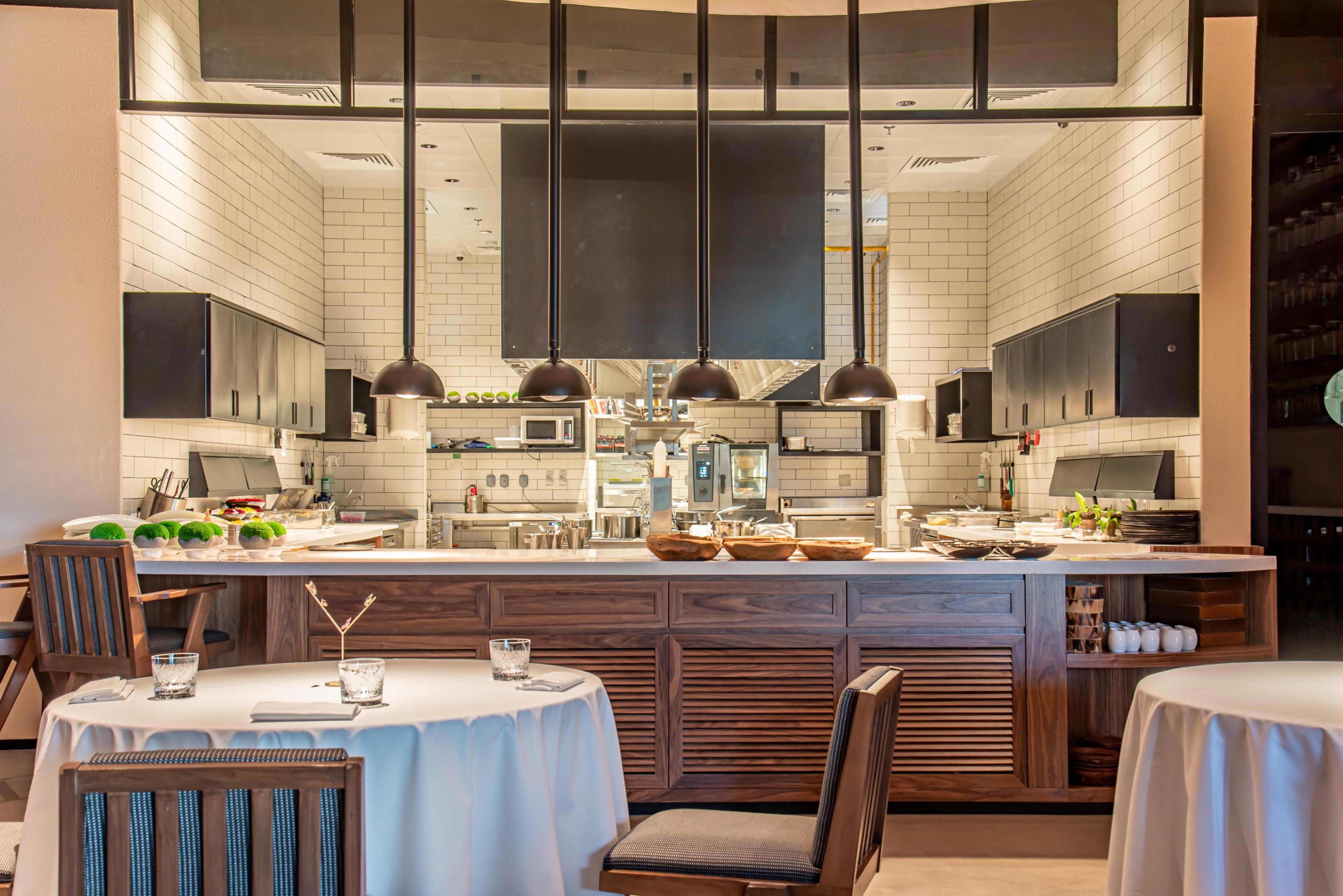
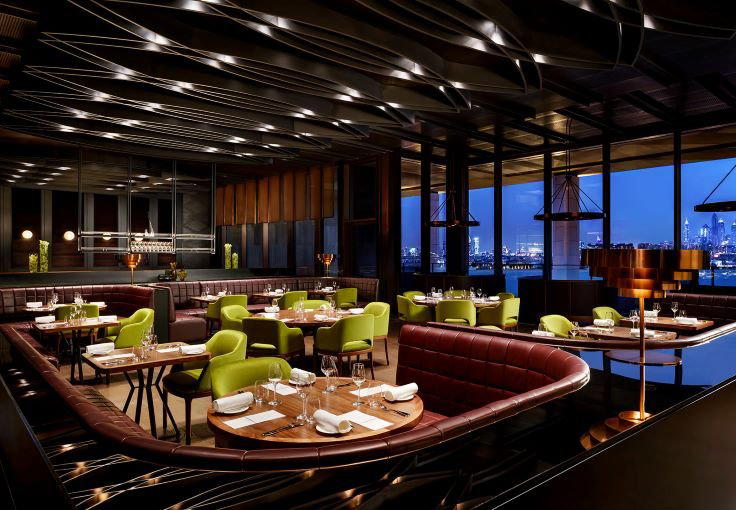
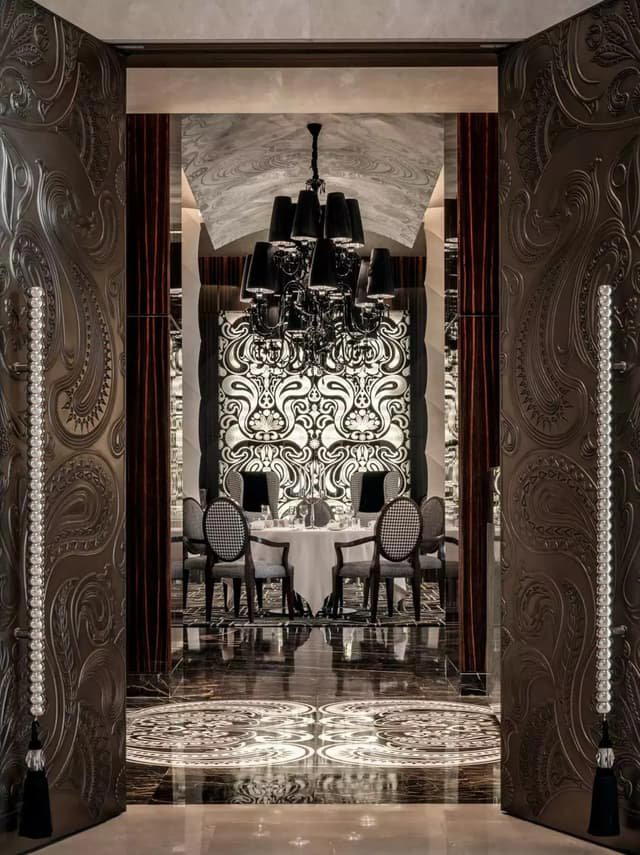
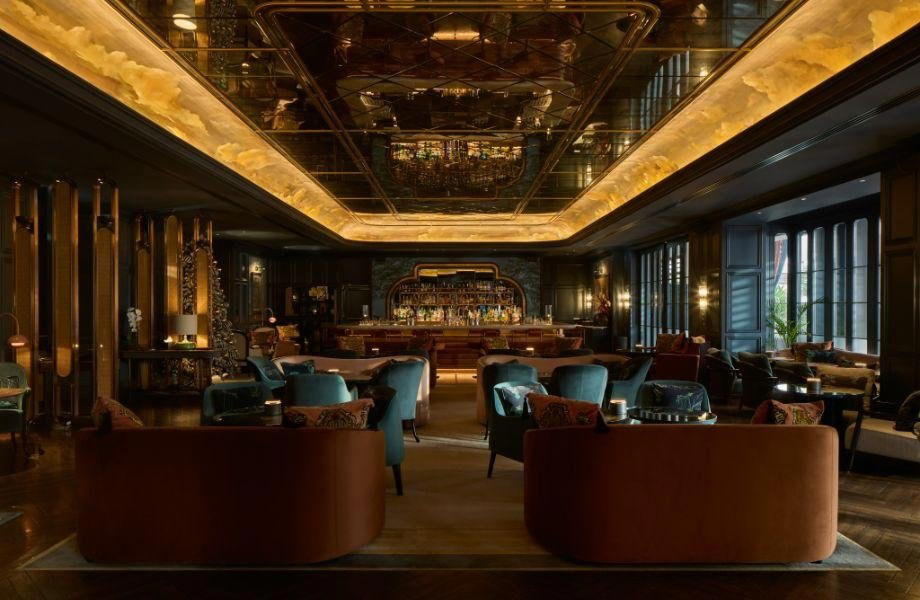
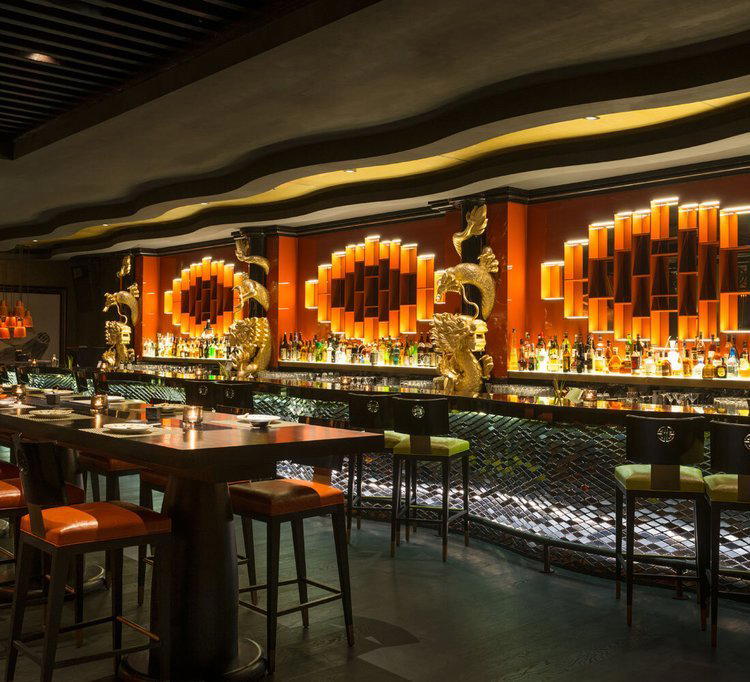
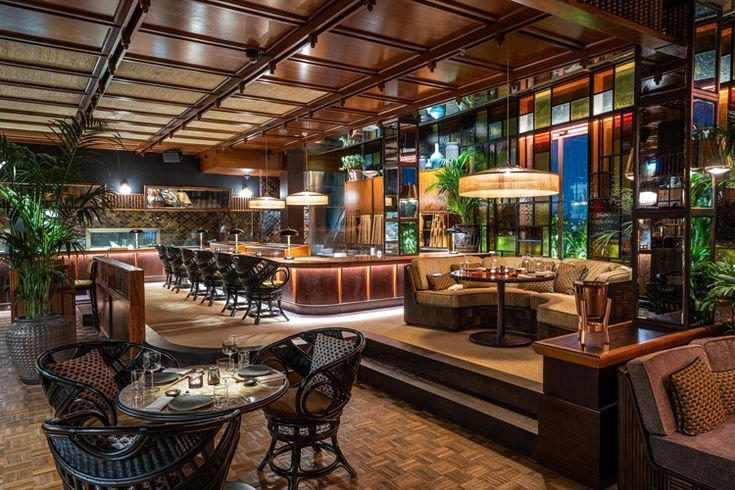
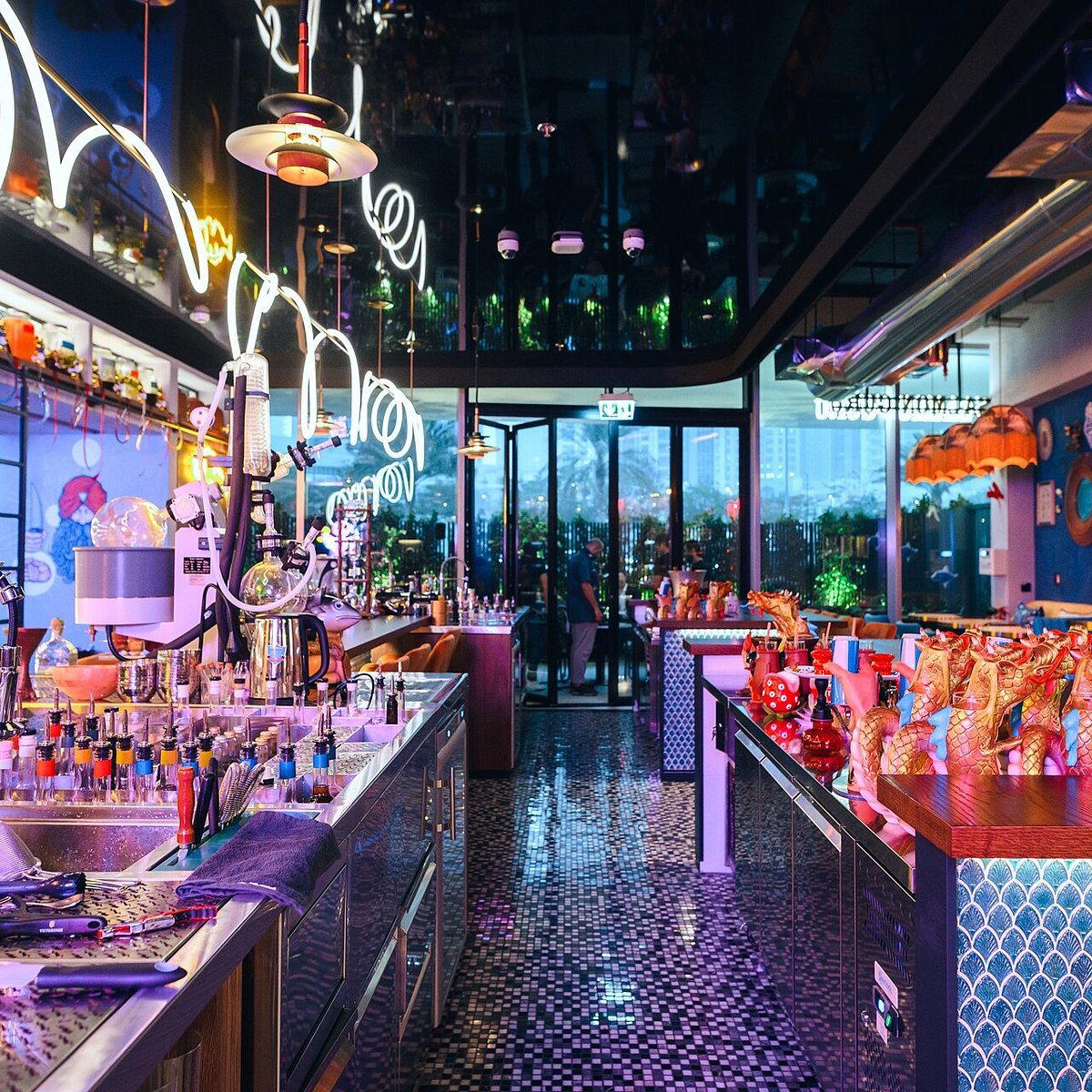
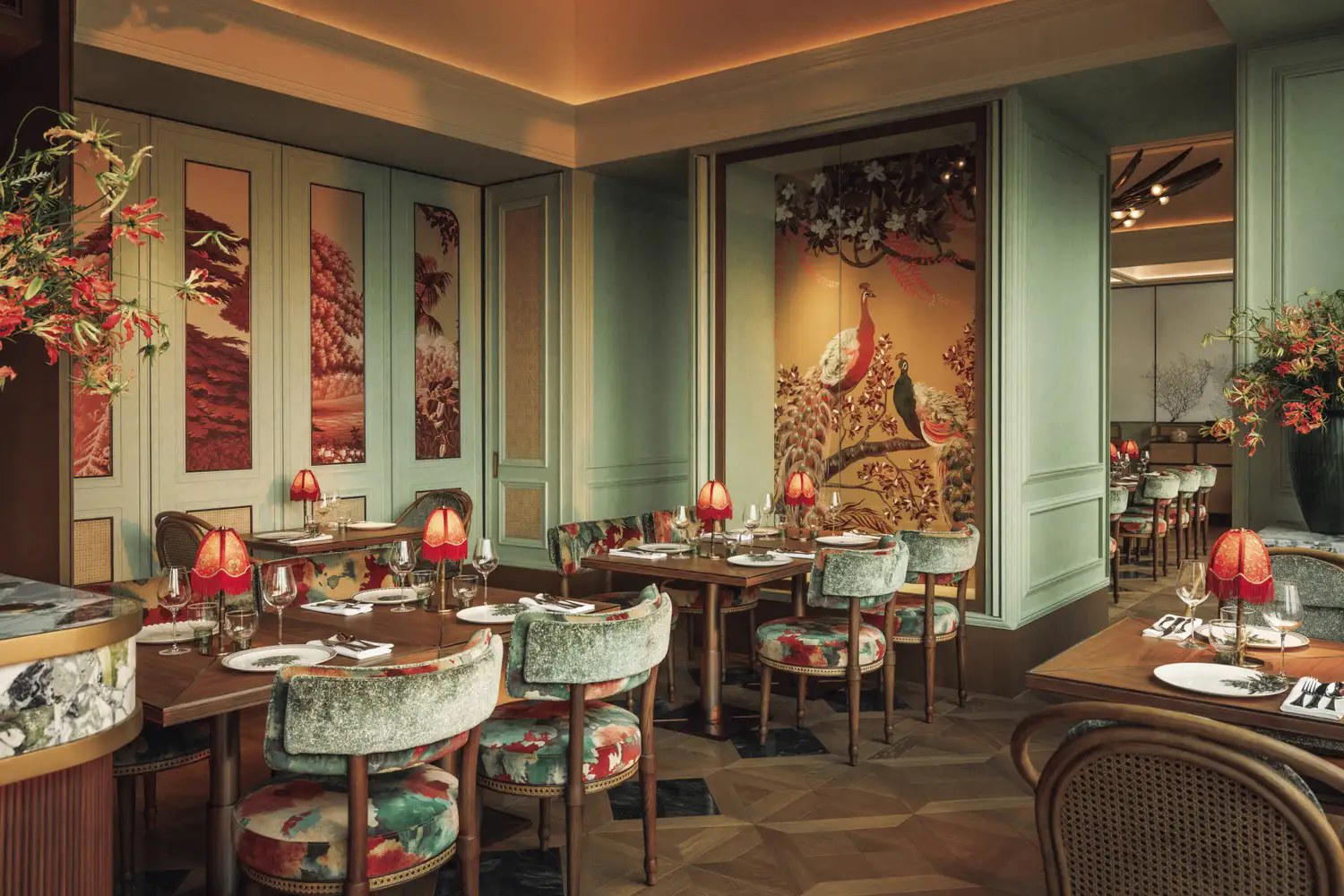
Warm Mediterranean atmosphere with whitewashed walls, exposed wood beams, tarnished copper accents, and an open semi-visible kitchen; intimate yet lively with the sound of the charcoal grill and waterfront views creating an authentic Greek taverna feel.