Taste of Peru
Peruvian cuisine in Chicago occupies a narrow but sharply defined niche, and Taste of Peru at 6545 N Clark St in Rogers Park sits within it as one of the city's more established addresses for the tradition. The kitchen draws on the coastal and highland registers that define the cuisine at a national level, making it a practical reference point for anyone benchmarking Chicago's Latin American dining scene against cities with larger Peruvian communities.
Pearl is the En Primeur Club membership app — saves, bookings, and concierge access live there. Same editors, same standards.
- Address
- 6545 N Clark St, Chicago, IL 60626
- Phone
- +1 773 381 4540
- Website
- tasteofperu.com
- Directions
- Get directions
 Saves & bookings on Pearl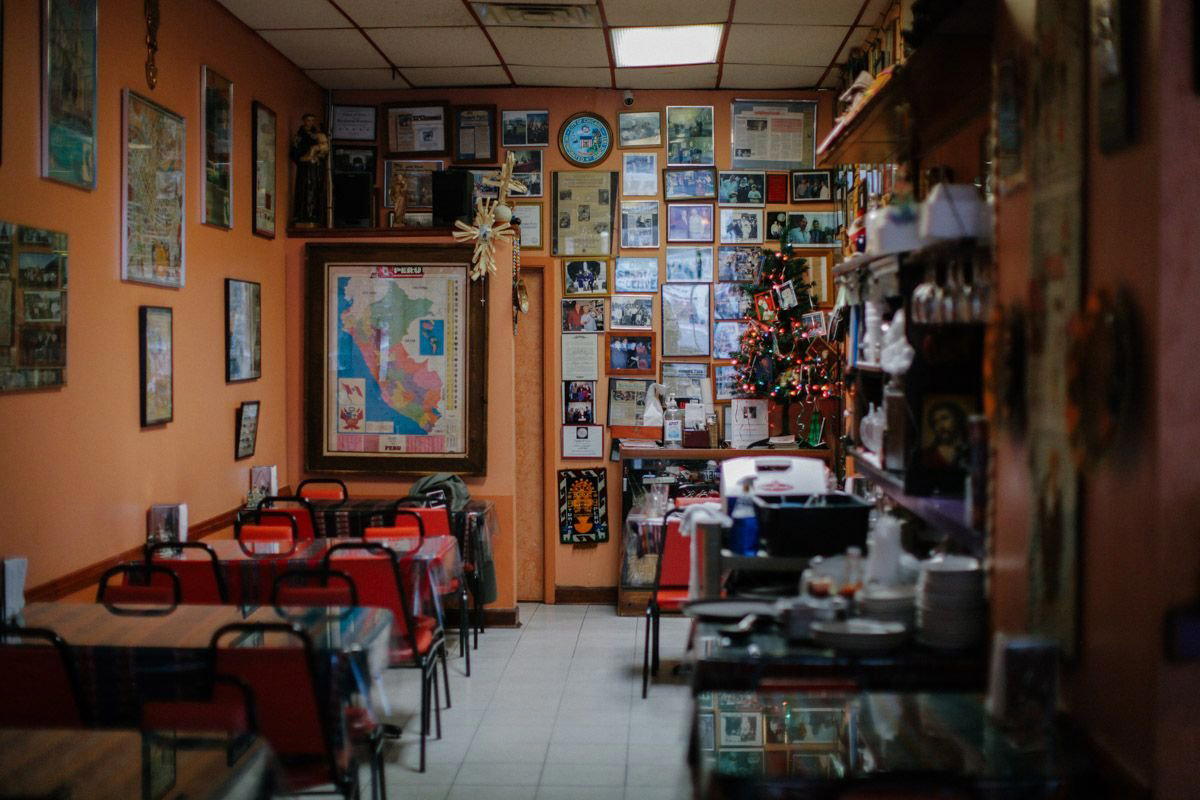
Rogers Park and the Geography of Peruvian Chicago
Chicago's Peruvian dining scene is small relative to the city's broader Latin American presence. While Mexican and Puerto Rican cuisines have deep residential roots across multiple neighborhoods, Peruvian restaurants cluster in far fewer corridors, making each established address carry more representative weight. Rogers Park, on the city's far North Side, has historically absorbed waves of immigration that don't always register in the restaurant press, and Taste of Peru at 6545 N Clark St sits in that context. For anyone building a serious picture of Chicago's Latin American table, that position matters.
The Clark Street stretch through Rogers Park runs parallel to the lakefront but draws a different crowd than the Michelin-tracked rooms downtown. Venues like Alinea, Smyth, and Oriole define Chicago's progressive fine-dining tier, and Kasama has established Filipino cuisine in the awards conversation. Taste of Peru operates in a different register entirely, one where the question isn't tasting-menu architecture but whether the kitchen is executing the fundamentals of a national cuisine with fidelity. Our full Chicago restaurants guide maps both tiers.
The Occasion Case for Peruvian Cuisine
Peruvian food has a structural advantage for occasion dining that doesn't always get acknowledged: the cuisine is built around sharing formats, table-spanning spreads, and dishes that reward conversation rather than contemplative silence. Ceviche served at the table becomes a reference point for the meal. A whole roasted or braised main establishes a tempo. The multi-component nature of a well-ordered Peruvian spread, moving from ceviches and causas through mains and into dessert, maps naturally onto celebratory meals where the food should feel generous rather than merely precise.
That structure distinguishes it from the tasting-menu format that dominates Chicago's high-end celebration dining. At Next Restaurant, the kitchen controls the sequence entirely. At a Peruvian table, the guests do, which changes the social register of the meal. For birthdays, informal milestones, or gatherings where the energy at the table matters as much as what arrives from the kitchen, that distinction is meaningful. Comparable occasion logic applies at some of the country's most decorated rooms, including Le Bernardin in New York City and The French Laundry in Napa, but those are structured performances. A neighborhood Peruvian room is a different kind of celebration entirely.
What the Cuisine Brings to the Table
Peru's national kitchen is among the more technically diverse in the Americas. It draws on Japanese immigration for nikkei preparations, Chinese influence for chifa techniques, indigenous Andean ingredient traditions, and Spanish colonial overlays. The result is a cuisine that can produce acid-forward raw fish preparations, slow-cooked highland stews, and stir-fried rice dishes from a single kitchen, without any of those registers feeling foreign to the tradition. That breadth is part of what makes a well-executed Peruvian menu capable of serving a full table with different preferences across a single sitting.
Ceviche is the entry point most diners use, and it's a fair one. The classic preparation, raw fish cured briefly in citrus, balanced with aji amarillo, and served with corn and sweet potato, is both a technical test and an immediate register of how seriously a kitchen treats its sourcing. Lomo saltado, the stir-fried beef preparation that reflects the Chinese influence on Peruvian cooking, is a second reference dish that separates kitchens working with care from those coasting on the format. Causa, the layered potato terrine with various fillings, rounds out the appetizer range and shows whether the kitchen has patience for the more demanding preparations. For occasion meals, a table that moves through all three categories will understand more about the kitchen than one that orders narrowly.
Internationally, Peruvian cuisine has been among the more critically recognized national traditions of the past two decades, with Lima's restaurant scene drawing comparisons to the kind of attention that Blue Hill at Stone Barns or Single Thread Farm in Healdsburg attract for ingredient-driven American cooking. The technique-meets-biodiversity argument for Peruvian cuisine is well-documented, which makes well-executed neighborhood representations of it more significant than they might first appear.
Placing Taste of Peru in Chicago's Broader Scene
Chicago has developed strong clusters of Latin American cuisine, but Peruvian specifically has not achieved the institutional density that Mexican or South American cuisines enjoy in cities like Los Angeles, where Providence anchors a seafood-focused fine dining tradition, or New York, where Korean tasting menus at places like Atomix show how immigrant-origin cuisines can reach the highest critical tier. In Chicago, the Peruvian reference set is small enough that each address in it carries more than its local weight.
For a city that has invested considerably in celebrating progressive American and European-influenced dining, from the Michelin three-star rooms to the wine-focused fine dining of Frasca Food and Wine in Boulder's model, the neighborhood Peruvian room represents a different kind of value proposition. It is not competing for awards or placement in ranked lists. It is doing the more basic and more durable work of keeping a national cuisine present and accessible in a city large enough to support it. That is its own form of service to a dining public that does not always eat within the fine-dining tier.
Visitors who are benchmarking Chicago against other American dining cities would find useful comparisons in how Lazy Bear in San Francisco, Emeril's in New Orleans, or Addison in San Diego each represent their city's relationship to a particular culinary tradition. Taste of Peru occupies a quieter but comparable position within Chicago's Latin American story.
Planning a Visit
The restaurant is located at 6545 N Clark St in the Rogers Park neighborhood of Chicago's Far North Side. The address puts it outside the central and near-north dining corridors where most of the city's press-reviewed rooms operate, which means the practical experience of getting there is part of the decision. The Red Line runs through Rogers Park, making the restaurant accessible by transit from most of the city without requiring a car. For occasion meals, the neighborhood's lower density relative to River North or the West Loop means parking is generally less complicated when driving. For one current information on booking format and availability, contacting the restaurant directly or checking current listings is the reliable path.
Quick Comparison
Comparable venues nearby, for context on price, style, and recognition.
| Venue | Cuisine | Price | Notes |
|---|---|---|---|
| Taste of PeruThis venue — the venue you are viewing | Authentic Peruvian | $$ | Not listed |
| La Licor Panamericana | Panamerican Latin American | $$$ | Logan Square |
| RAKKAN RAMEN | Vegetable-Based Japanese Ramen | $$ | Uptown |
| Kanela Breakfast Club | Greek-Influenced Brunch | $$ | Andersonville |
| Ramen Wasabi - West Loop | Japanese Ramen | $$ | West Loop |
Recognition history
Dated appearances from independent guides and award organizations, with the underlying list record or original source where available.
Diners, Drive-Ins and Dives Featured Restaurant
Diners, Drive-Ins and Dives · 2026 Diners, Drive-Ins and Dives Featured Restaurants
At a Glance
- Cozy
- Family
- Group Dining
- Date Night
- Casual Hangout
- Live Music
- Byob
Current opening hours
- Monday
- 11:30 AM–9 PM
- Tuesday
- 11:30 AM–9 PM
- Wednesday
- 11:30 AM–9 PM
- Thursday
- 11:30 AM–9 PM
- Friday
- 11:30 AM–10 PM
- Saturday
- 11:30 AM–10 PM
- Sunday
- 11:30 AM–9 PM
Hours can change for holidays and private events. Last verified .
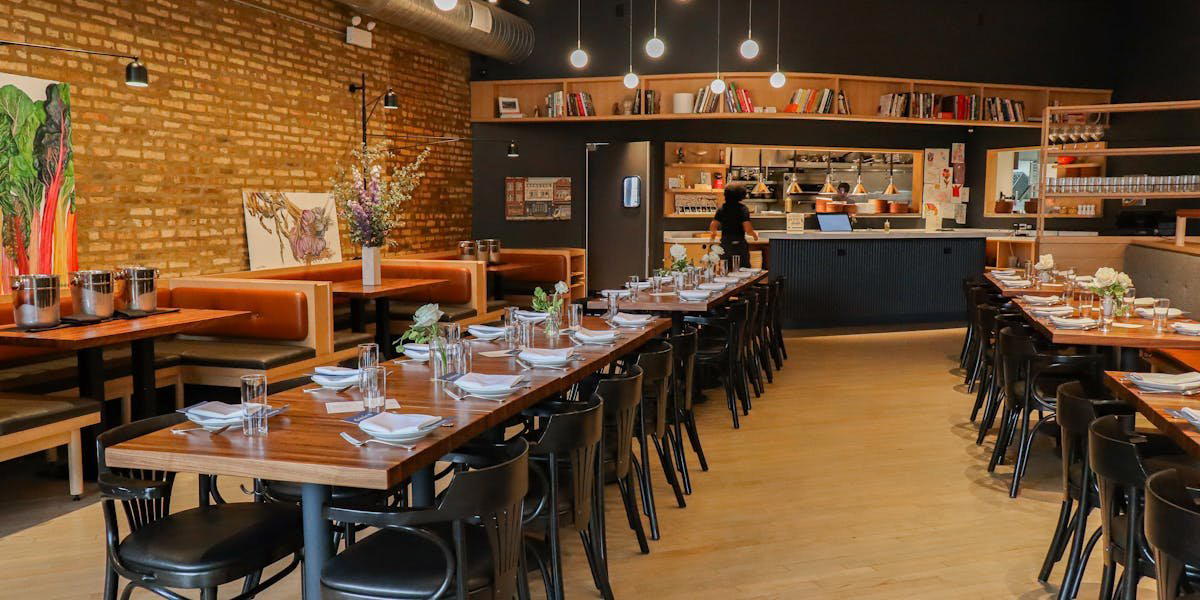
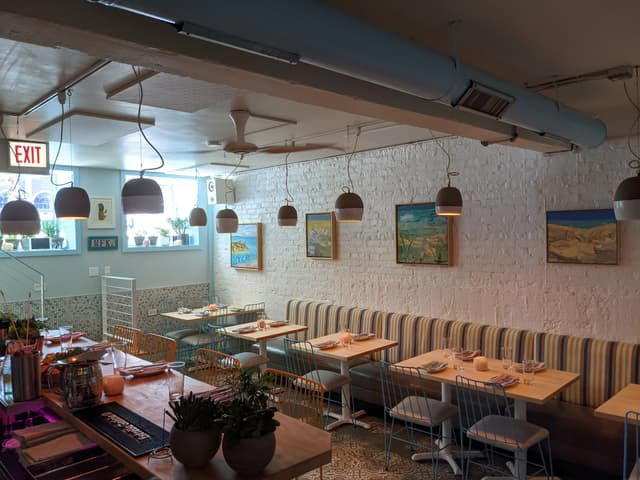
Cozy and inviting with Peruvian artwork on the walls, warm family atmosphere, and occasional live music creating a home-like feel.