Tasca by José Avillez



1 Michelin Star · Gault & Millau UAE Selected Restaurant
Our verdict
Tasca by José Avillez holds consecutive Michelin stars (2024 and 2025) for Portuguese cooking on Jumeirah Beach Road, placing it inside Dubai's small tier of European chef-led fine dining that earns sustained Michelin recognition. The menu draws on the traditions of the Portuguese tasca — the neighbourhood tavern — while operating at a price and format well above that register, making it one of the more considered repositions of Iberian culinary identity anywhere in the Gulf.

Pearl is the En Primeur Club membership app — saves, bookings, and concierge access live there. Same editors, same standards.
- Address
- Jumeirah Beach Rd - Jumeirah - Jumeirah 1 - Dubai - United Arab Emirates
- Phone
- +971 4 777 2231
- Hours
- Mon–Fri 12:30–3 PM, 6:30–11 PMSat 12:30–4 PM, 6:30–11 PMSun 12:30–3 PM, 6:30–11 PM
- Website
- mandarinoriental.com
- Directions
- Get directions
- Booking
- Book on SevenRooms
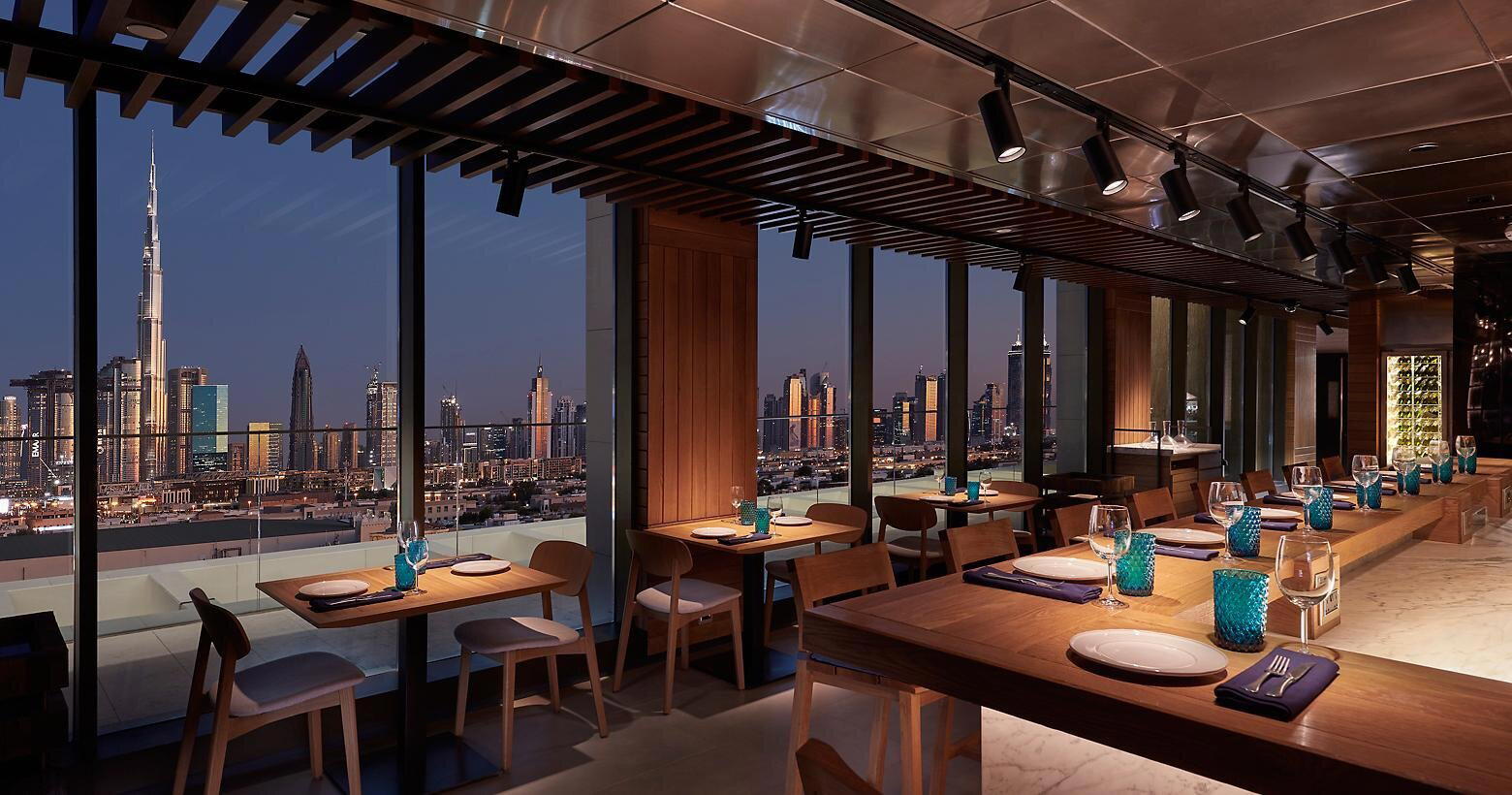
The menu
What to order
- Algarve Prawn Ceviche
- Lagareiro Octopus
- Tempura Cod Cake
A Portuguese Tradition, Reframed for the Gulf
The tasca is one of Portugal's most democratic dining formats: a neighbourhood tavern where rough wine comes in ceramic jugs, salt cod arrives in a dozen interpretations, and the room smells permanently of olive oil and bay leaf. Transporting that register to Jumeirah Beach Road in Dubai requires a set of decisions that say as much about how European fine dining has evolved in the Gulf as they do about any single restaurant. Tasca by José Avillez, now carrying back-to-back Michelin stars (2024 and 2025), represents one answer to those decisions — a Portuguese kitchen operating at fine-dining price and Michelin recognition, while anchoring its identity in the vocabulary of the tavern rather than the tasting-room.
The address, on Jumeirah Beach Road in Jumeirah 1, places the restaurant in one of Dubai's longer-established dining corridors, away from the newer DIFC cluster and the tower restaurants of Downtown. The neighbourhood's character is lower-rise and more residential than those districts, which affects the approach: the energy here is quieter and more considered than the high-volume spectacle that defines much of Dubai's restaurant scene.
Portuguese Cooking and the Question of Sourcing in the Gulf
Placing Portuguese cuisine at fine-dining level in the Gulf raises immediate questions about ingredient sourcing, and those questions connect directly to the sustainability considerations that define serious kitchens operating far from their source larder. Portuguese cooking is inseparable from specific ingredients: Alentejo olive oil, Azorean salt, bacalhau dried under particular conditions, wines from the Douro and Alentejo. Reproducing those flavours in Dubai means either air-freighting primary ingredients, substituting regional Gulf produce where appropriate, or accepting lower fidelity in certain dishes.
The more interesting kitchens in this position tend to run a mixed strategy: sourcing the ingredients where provenance is non-negotiable (certain cured fish, specific olive varieties, aged cheeses) while substituting locally or regionally for produce where the terroir signal is less critical. This approach is both more honest and more sustainable than wholesale importation, though it requires a kitchen confident enough to acknowledge the substitutions rather than pretending everything arrived from Lisbon yesterday. The Michelin committee, which increasingly flags sustainability practice as part of its evaluation criteria, awarded Tasca a star in both 2024 and 2025 — a signal that the kitchen is operating at a standard that satisfies scrutiny beyond the plate.
For comparison, the broader Dubai Michelin tier includes kitchens working with similarly imported culinary traditions: Trèsind Studio reframes Indian cooking through a progressive lens, while FZN by Björn Frantzén imports a Scandinavian sensibility. In each case, the kitchen's claim to seriousness rests partly on how thoughtfully it handles the tension between source cuisine and Gulf context. Tasca's sustained star across two consecutive guides suggests it has found a workable answer to that tension.
The Tasca Format and What It Means at This Price Point
The tasca tradition in Portugal sits at the opposite end of the formality register from fine dining. Its virtues are directness, generosity, and a certain lack of ceremony. Bringing that ethos into a Michelin-starred context in Dubai, a market that tends to read expense as formality, is a deliberate repositioning. The price tier ($$$ on the EP Club scale, shared by peers including 11 Woodfire and moonrise) sits below the $$$$ bracket occupied by some of the city's most formal rooms, which allows Tasca to carry Michelin weight without the full ceremony overhead.
That positioning is coherent with the tasca reference. The most successful transpositions of this format outside Portugal, and there are relatively few at this quality level globally, tend to preserve the directness of the original while improving the precision of execution. The Portuguese equivalent of bistronomy, in a sense: the warmth of a neighbourhood room, the discipline of a serious kitchen. BAHR in Lisbon and Vinha in Vila Nova de Gaia represent the home-market end of that spectrum; Tasca operates at a distance from the source tradition that demands a different kind of rigour.
José Avillez and the Broader Portuguese Fine Dining Export
Portuguese fine dining has internationalised more slowly than Spanish or French cuisine, partly because Lisbon itself only developed a substantial international fine-dining audience in the 2010s. José Avillez is among the figures most associated with that shift, having built a multi-restaurant operation in Portugal before extending the brand internationally. In the context of Dubai, where the Michelin Guide arrived only in 2022 and the starred tier is still establishing its character, a Portuguese kitchen with an established European reputation carries a different kind of credential than it might in a more mature market.
The Portuguese diaspora cooking scene globally, from Adega in San Jose to Barra Santos in Los Angeles and A Lorcha in Macau, shows considerable range in how Portuguese culinary identity travels. The community-driven, unpretentious end of that spectrum is well represented; the fine-dining end is rarer, which makes Tasca's position in Dubai more notable. Casal da Penha in Funchal and Casinha Velha in Leiria show how the tradition operates in regional Portuguese markets; Dubai is a different proposition entirely, serving an international clientele with limited prior exposure to the source cuisine.
Where Tasca Sits in Dubai's Wider Dining Map
Dubai's Michelin-starred tier has developed rapidly since the Guide launched. The 2025 selection includes a range of international cuisines operating at fine-dining level, with Indian, Japanese, and European kitchens making up the majority of the starred list. Portuguese is among the more unusual national cuisines to hold a star in this market, which positions Tasca in a relatively open competitive lane. The more direct comparison is to other European chef-branded restaurants on the city's fine-dining circuit: Row on 45 represents the creative European end of that tier.
For visitors moving between the Gulf's dining capitals, the comparison with Abu Dhabi is worth noting. Erth in Abu Dhabi shows how a different approach to regional identity can build credibility in the Gulf fine-dining market. Tasca's approach, anchoring in a specific European national tradition rather than a broader regional or fusion identity, is a less common strategy in this market, and its consecutive star retention suggests it is working.
For a fuller picture of where Tasca fits within Dubai's dining options, the EP Club Dubai restaurants guide maps the full tier. The Dubai bars guide, hotels guide, wineries guide, and experiences guide cover the broader planning picture.
Know Before You Go
- Address: Jumeirah Beach Road, Jumeirah 1, Dubai, UAE
- Cuisine: Portuguese
- Price tier: $$$
- Awards: Michelin 1 Star (2024 and 2025)
Frequently asked questions
Is Tasca by José Avillez child-friendly?
At the $$$ price tier with two consecutive Michelin stars, Tasca operates in a format that leans toward adult dining. Dubai's fine-dining rooms at this level are not typically structured around younger guests, and the more considered, quieter atmosphere of Jumeirah 1 reinforces that register. Families with older children comfortable in formal settings will find the environment manageable, but it is not a room designed around younger diners.
Is Tasca by José Avillez better for a quiet night or a lively one?
The Jumeirah Beach Road location, away from the high-density entertainment zones of DIFC and Downtown Dubai, sets an expectation of relative calm. At the $$$ tier with Michelin recognition, the room skews toward conversation-first dining rather than scene-and-spectacle. If the energy of Dubai's louder restaurant formats is what you are after, this is probably not the right choice; if a focused meal with serious cooking is the objective, the setting and price tier align with that expectation.
What's the must-try dish at Tasca by José Avillez?
What the kitchen's two consecutive Michelin stars and Portuguese identity do suggest is that the classics of the tasca tradition, salt cod preparations, slow-cooked meat dishes, egg-based desserts rooted in convent cooking, are likely to be present in some form. For comparable Portuguese kitchens in other markets, see BAHR in Lisbon or Vinha in Vila Nova de Gaia.
Reputation First
A compact comparison to help you place this venue among nearby peers.
| Venue | Cuisine | Price | Awards | Notes |
|---|---|---|---|---|
| Tasca by José AvillezThis venue — the venue you are viewing | Modern Portuguese Fine Dining | $100–150 | 1 Michelin Star · Gault & Millau UAE Selected Restaurant | Not listed |
| 11 Woodfire | Modern Woodfire Grill | $150–200 | 1 Michelin Star · World's 50 Best #14 | Modern Cuisine |
| Avatara Restaurant | Modern Vegetarian Indian Fine Dining | Not listed | 1 Michelin Star · Gault & Millau UAE Selected Restaurant | Indian |
| Al Mahara | Modern Italian Seafood | $300–500 | Michelin Plate · World's 50 Best #31 | Seafood |
| Zuma | Modern Japanese Izakaya | $150–200 | Michelin Plate · World's 50 Best #34 | Japanese - Asian, Japanese, Japanese Contemporary |
| City Social | Modern European with Japanese influences | $150–200 | Michelin Plate · Star Wine List | Modern British, Modern Cuisine |
Recognition history
Dated appearances from independent guides and award organizations, with the underlying list record or original source where available.
Michelin 1 Star
Michelin
Gault & Millau UAE Selected Restaurant
Gault & Millau · Gault & Millau UAE 2026 - Selected Restaurant
Opinionated About Dining Top Restaurants in Asia Recommended
Opinionated About Dining
Full recognition history (4 entries)
Michelin 1 Star
Michelin
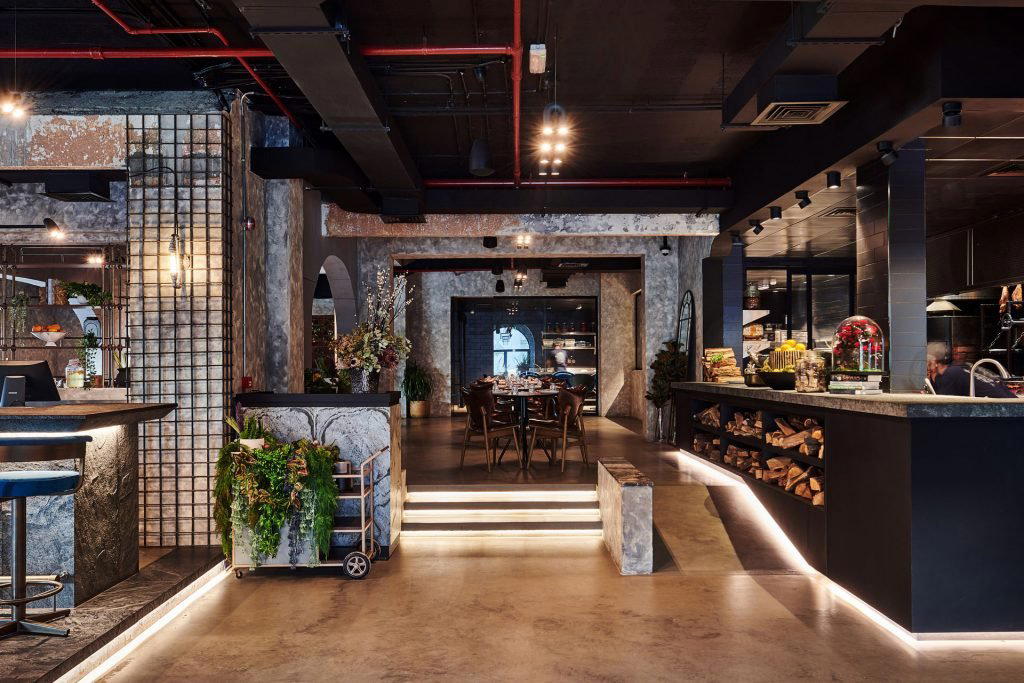
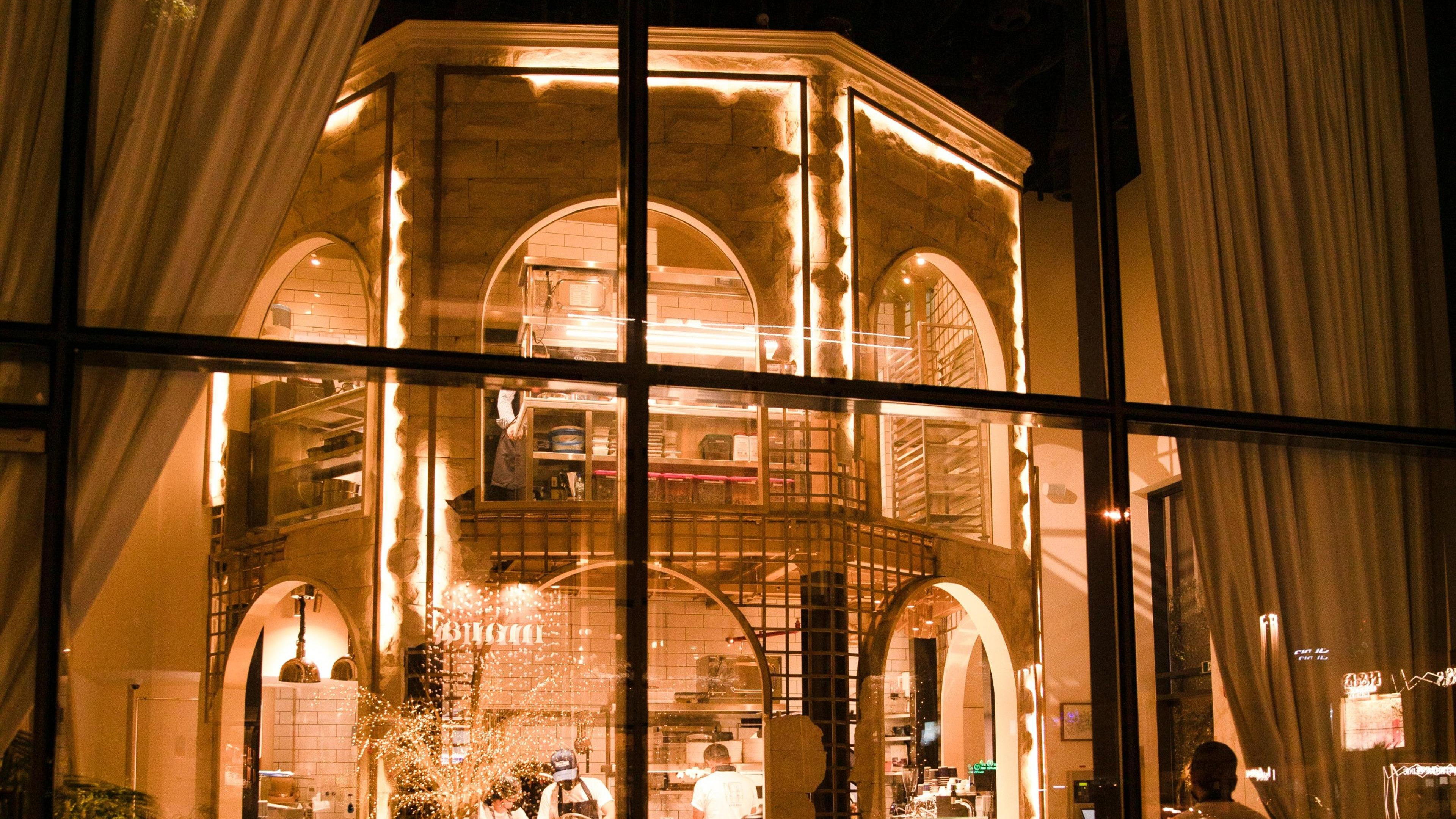
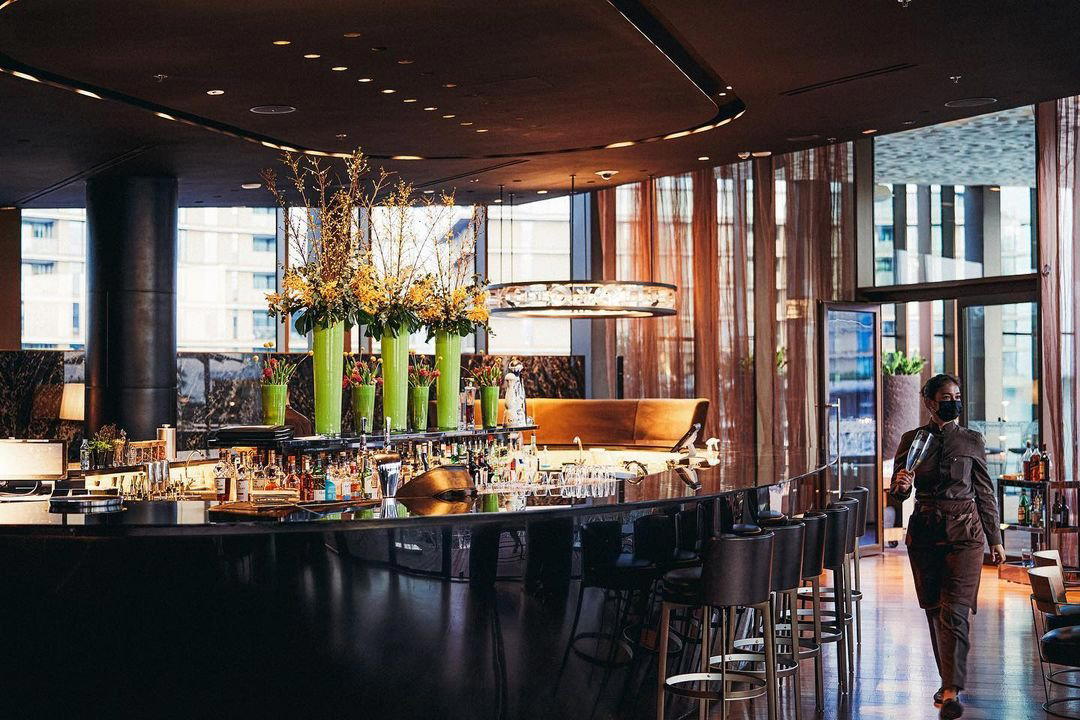



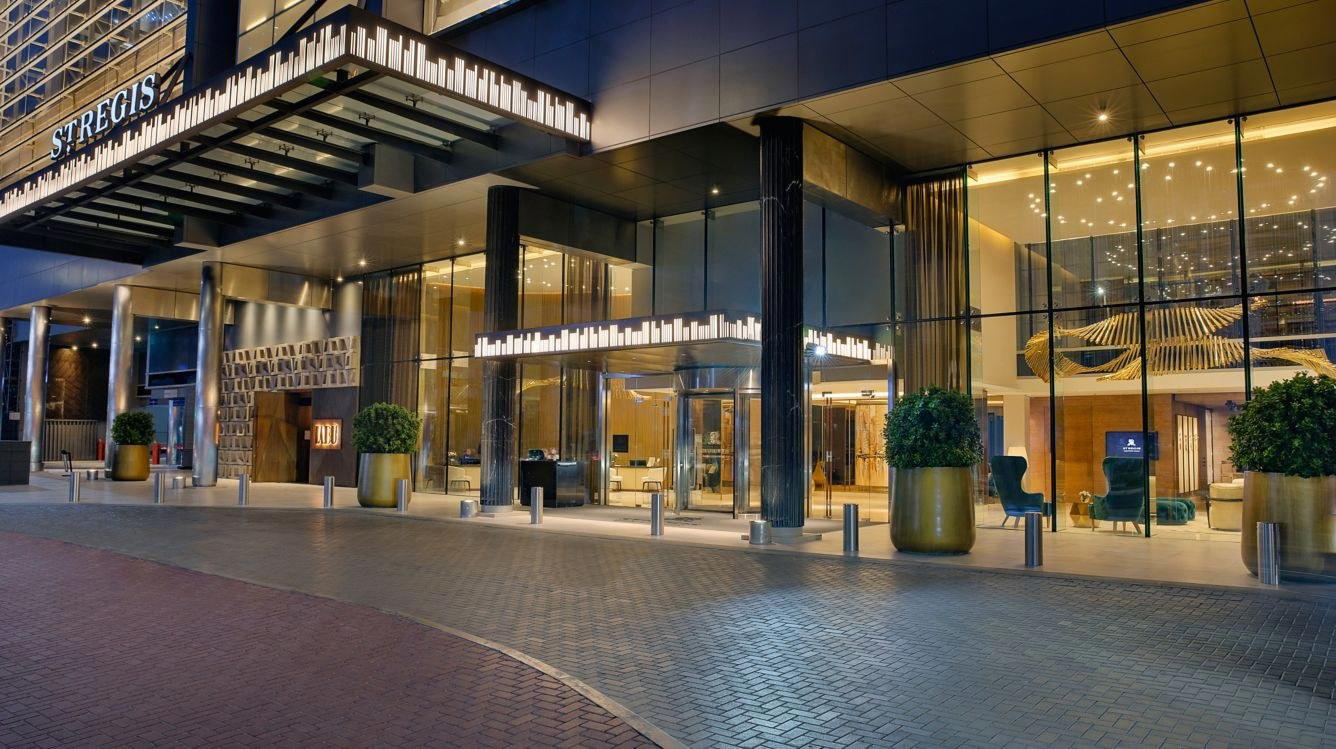
Tasca by José Avillez
The wine
- Wine program
- Curated wine list
- Extensive wine list
- Craft cocktails
Details
- Elegant
- Sophisticated
- Lively
- Date Night
- Special Occasion
- Celebration
- Rooftop
- Open Kitchen
- Terrace
- Panoramic View
- Hotel Restaurant
- Extensive Wine List
- Craft Cocktails
- Skyline
- Waterfront
- Small Plates
- A La Carte
- Tasting Menu
- Portuguese Wines
- Craft Cocktails
Current opening hours
- Monday
- 12:30–3 PM, 6:30–11 PM
- Tuesday
- 12:30–3 PM, 6:30–11 PM
- Wednesday
- 12:30–3 PM, 6:30–11 PM
- Thursday
- 12:30–3 PM, 6:30–11 PM
- Friday
- 12:30–3 PM, 6:30–11 PM
- Saturday
- 12:30–4 PM, 6:30–11 PM
- Sunday
- 12:30–3 PM, 6:30–11 PM
Hours can change for holidays and private events. Last verified .
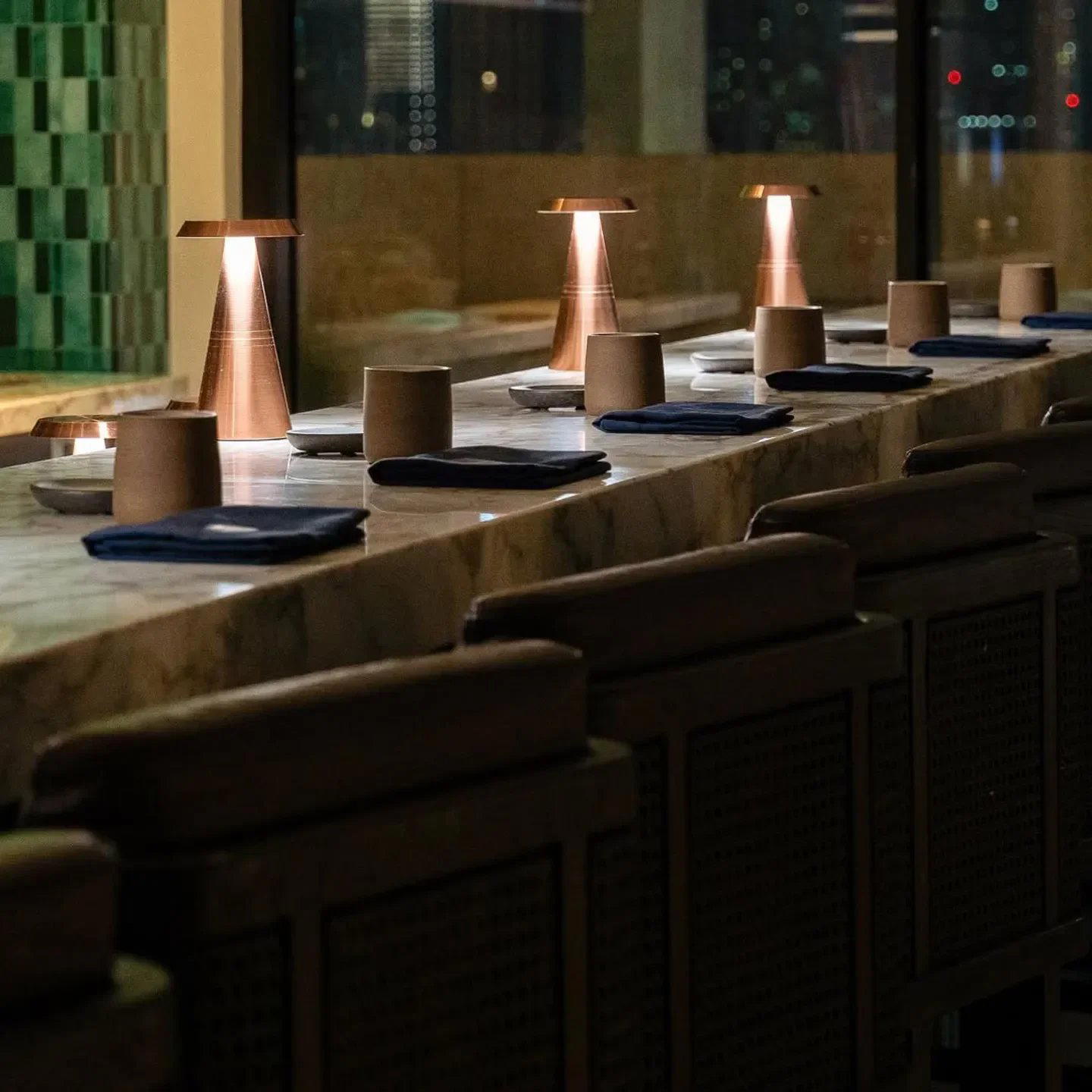
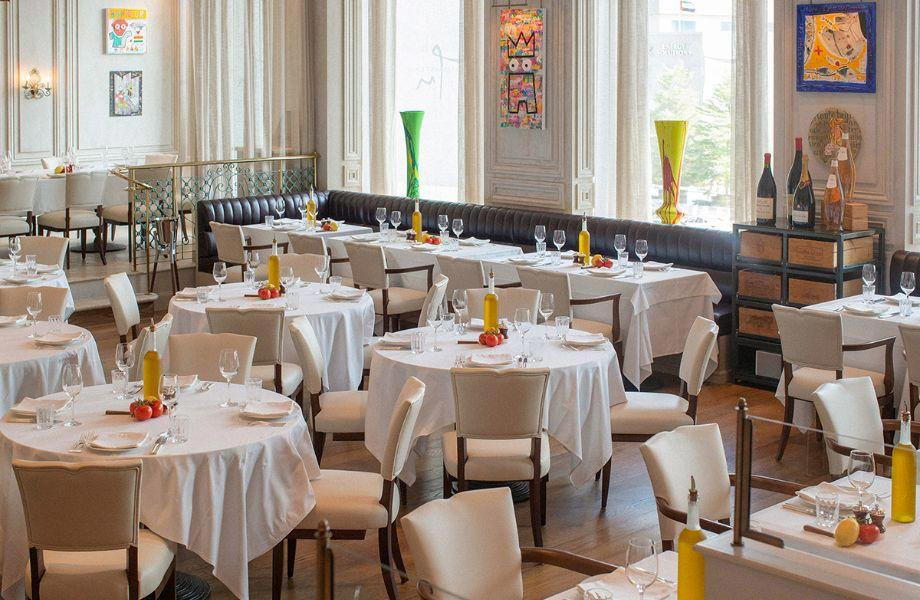
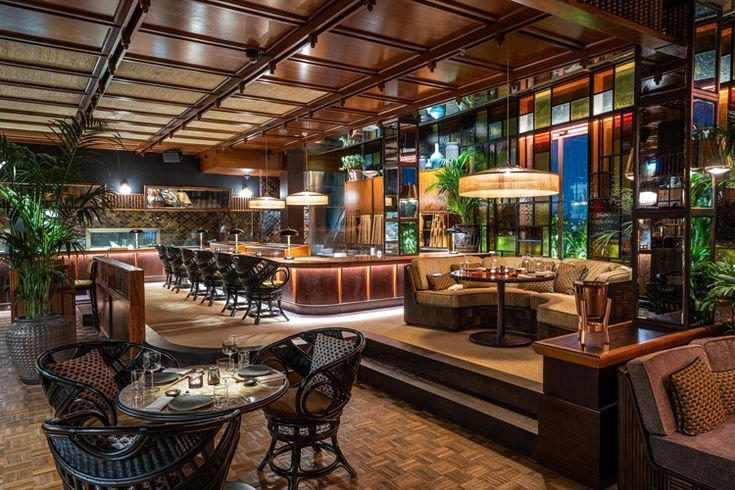
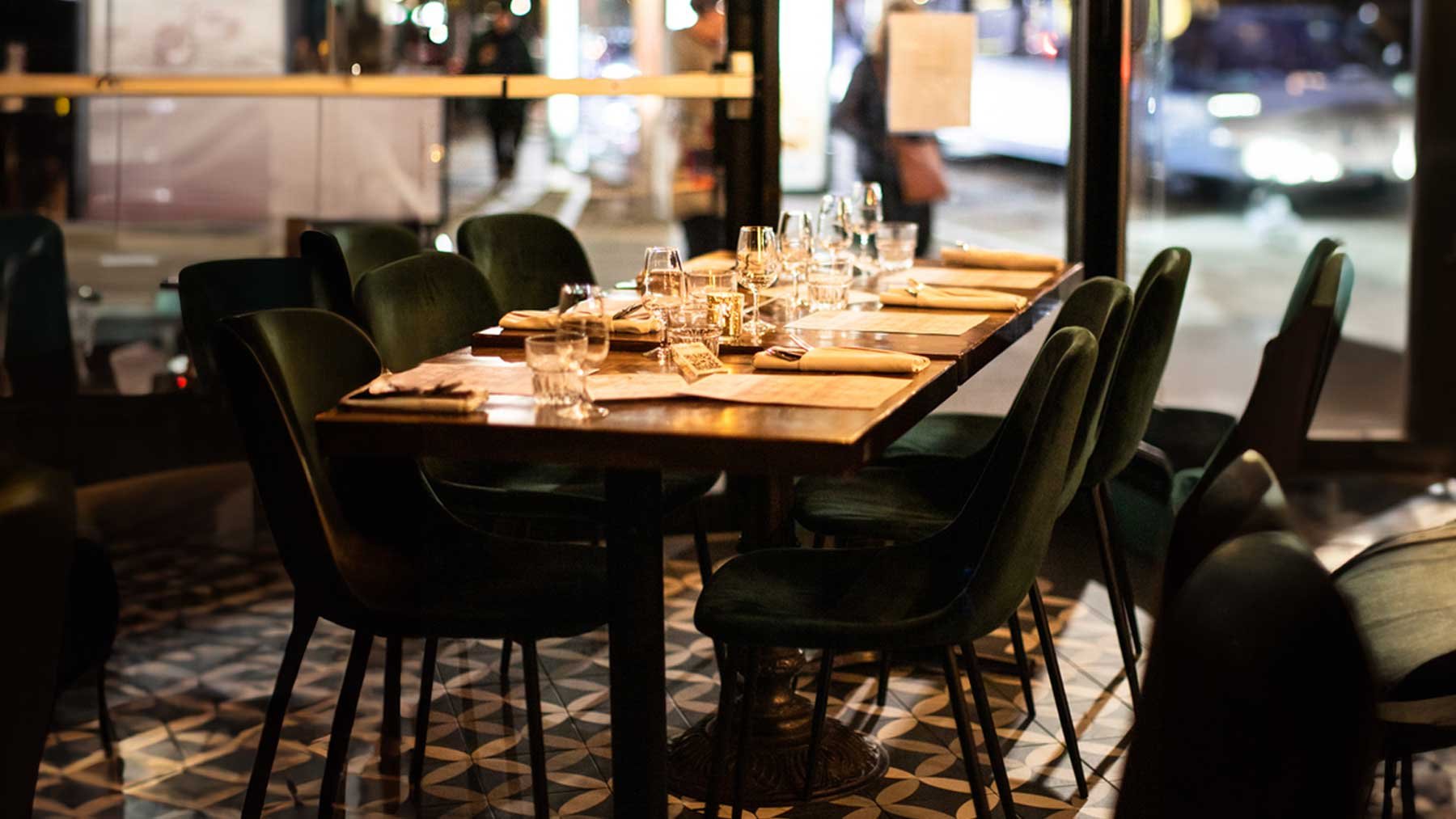
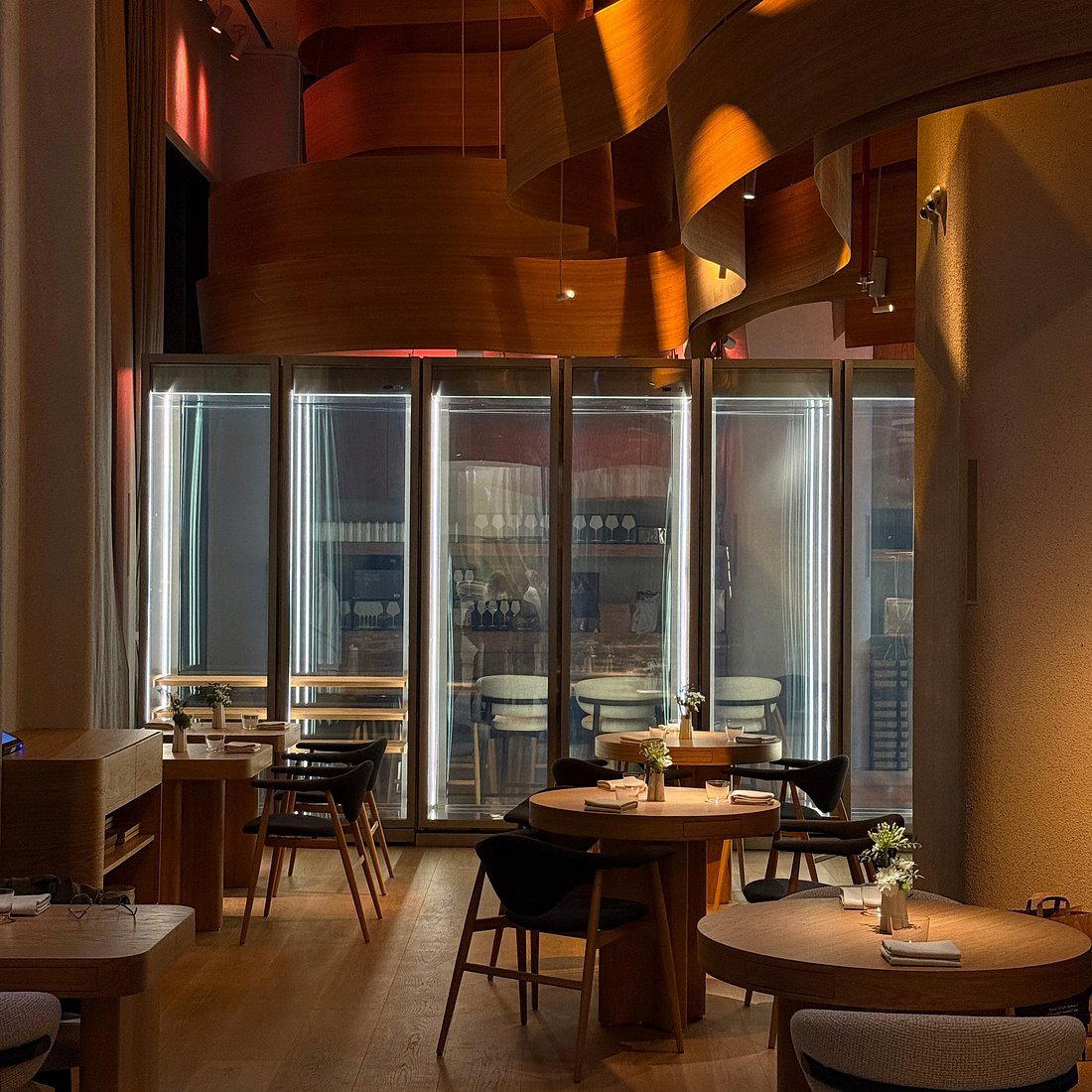
Lively and laid-back fine dining atmosphere with bright terrace seating, sea breezes, and live entertainment on weekends.