Johnny Sánchez
Our verdict
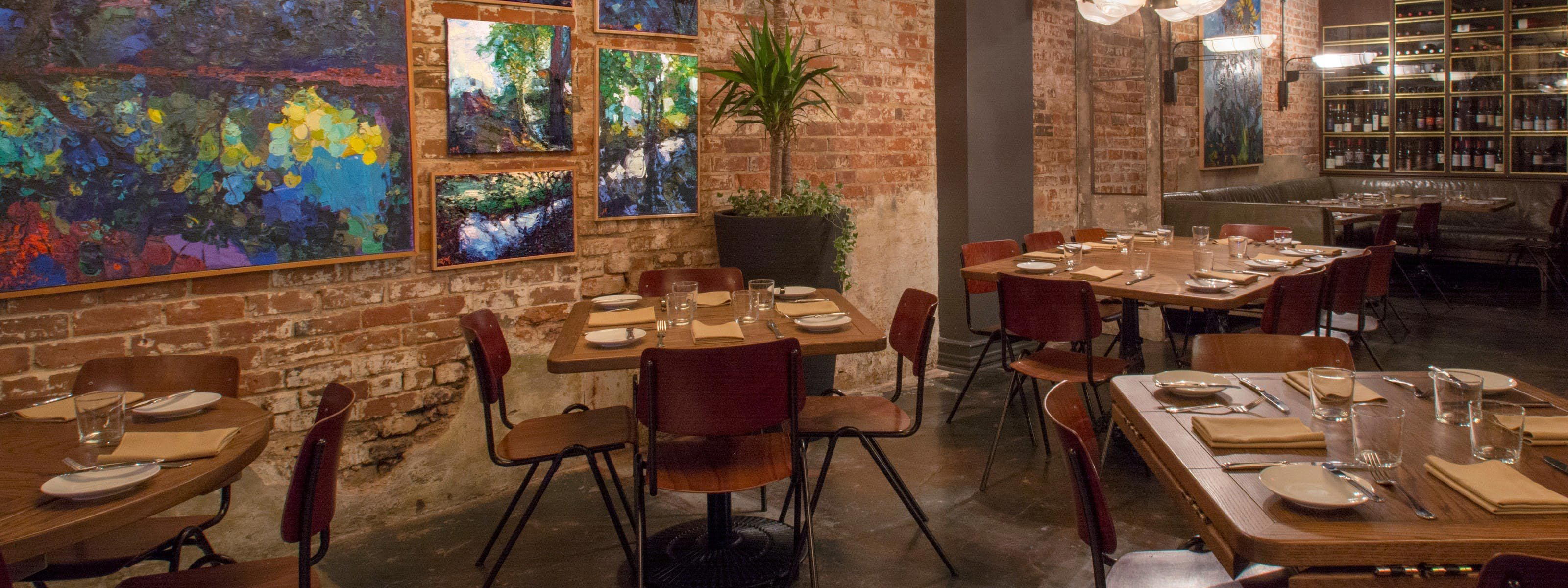
Stylish venue with lively interiors

The menu
What to order
- Chips and salsa
- Crispy brussels sprouts
- Chicken enchiladas
Where Poydras Street Meets the Mexican Border
Poydras Street runs through the heart of New Orleans' Central Business District with the utilitarian confidence of a city that has always known commerce and pleasure occupy the same block. Suite 101 at 930 Poydras sits inside that corridor, and Johnny Sánchez occupies the space with a concept that reads as genuinely counter-intuitive for this city: Mexican cooking served in a town whose culinary identity has been shaped for centuries by French technique, West African tradition, and the slow accumulation of Creole convention. The contrast is the point. New Orleans has always absorbed outside influences and made them its own, and a Mexican restaurant in the CBD is less an anomaly than it is another chapter in that longer pattern.
The Menu as Argument: What the Structure Reveals
In cities where Mexican cuisine has matured beyond the Tex-Mex tier, menus tend to signal their ambitions through structure rather than through individual dish descriptions. The arrangement of sections, the sourcing language, the decision to feature regional Mexican preparations rather than a generalized pan-Mexican approach, these architectural choices tell a reader more about a kitchen's intent than any superlative in the prose ever could. At Johnny Sánchez, the menu's framing positions it within the same generation of Mexican-inflected American restaurants that emerged in major cities during the 2010s, when chefs with fine-dining training began applying classical technique to masa, chiles, and coastal Mexican preparations rather than defaulting to French or Italian frameworks.
This approach is worth understanding in context. New Orleans already has a deep bench of restaurants working within established local idioms: Emeril's has anchored Cajun fine dining for decades, while Bayona represents the longer tradition of New American cooking informed by global influences. Johnny Sánchez enters that conversation from a different angle, proposing that Mexican cuisine, when treated with the same rigour applied to Creole or New American cooking, can operate in the same premium register without apology.
The CBD Dining Context
The Central Business District is not the neighbourhood that first comes to mind when most visitors think of eating well in New Orleans. The French Quarter draws the tourist volume; the Marigny and Bywater attract the food press; the Garden District has its own institutional prestige. The CBD, by contrast, operates closer to a working lunch and pre-theatre rhythm, which makes dinner destinations there feel more deliberate. A restaurant at this address is competing for a specific kind of diner: convention guests, downtown professionals, and visitors who are staying nearby and want something beyond the predictable hotel offering.
That competitive set in the CBD includes a range of price points and ambitions. Saint-Germain, operating at the top of the contemporary category, and Zasu, working the American Contemporary register at a slightly more accessible price point, represent different expressions of the same impulse to cook seriously in a part of the city that doesn't always reward ambition. Re Santi e Leoni adds a European contemporary layer to the mix. Johnny Sánchez sits in this neighbourhood as a Mexican restaurant making a case that the genre belongs in this conversation.
Mexican Fine Dining and the National Picture
Across the United States, the premium tier of Mexican cooking has been in sustained development since the early 2010s. Chefs trained in classical European or American fine-dining kitchens began interrogating Mexican culinary tradition with the same tools they would apply to any other regional cuisine: sourcing specific cultivars of corn, working with dried chiles by variety and origin, building salsas with the attention to balance that a French chef would apply to a reduction. The results pushed into territory that restaurants like Le Bernardin in New York City or Alinea in Chicago occupy in their own categories: cooking that demands to be taken seriously as an expression of culinary culture rather than as a casual dining proposition.
Johnny Sánchez's placement in New Orleans is part of this broader national pattern. The city, despite its reputation for culinary conservatism around its own traditions, has shown increasing appetite for restaurants that operate outside the Creole-Cajun axis. The success of restaurants working in contemporary and globally inflected registers, alongside the continued strength of institutions like Commander's Palace in the traditional Creole category, suggests a dining public that can hold both in mind simultaneously. A Mexican restaurant with fine-dining intent is a reasonable bet in that environment.
What Distinguishes the Approach
Menu architecture at this level of ambition typically signals distinction through a few reliable markers. Regional specificity, Oaxacan mole versus Yucatecan cochinita versus Veracruz-style seafood, indicates kitchen confidence and a willingness to commit to something narrower than a greatest-hits format. Masa preparation, whether house-ground or sourced from a specialist, is another signal: it is the grain-level commitment that separates a serious tortilla program from a functional one. Mezcal and tequila programs, when assembled with the same attention given to a wine list, complete the picture.
For comparison, the restaurants in the American fine-dining tier that have made similar commitments to specific regional traditions include Blue Hill at Stone Barns in Tarrytown with Hudson Valley sourcing and Single Thread Farm in Healdsburg with its Northern California Japanese framework. Both derive authority from the specificity of their commitment. The same logic applies to Mexican cooking: the more specific the regional frame, the more legible the kitchen's point of view.
Planning Your Visit
- Address: 930 Poydras St, Suite 101, New Orleans, LA 70112
- Neighbourhood: Central Business District
- Cuisine: Mexican, fine-dining register
- Nearby options: Saint-Germain, Zasu, Re Santi e Leoni
- Further reading: Our full New Orleans restaurants guide
Frequently asked questions
What's Johnny Sánchez's location?
Johnny Sánchez is located at 930 Poydras St Suite 101, New Orleans, LA 70112, New Orleans.
How does Johnny Sánchez compare to other Mexican restaurants in New Orleans?
Johnny Sánchez sits in a different category from the casual Mexican spots concentrated around the French Quarter, operating out of the Central Business District at 930 Poydras St with a menu built around regional Mexican fine dining. New Orleans has a smaller premium Mexican dining scene than cities like Los Angeles or Chicago, which makes the CBD address and the kitchen's regional focus relatively distinct in the local context. For travellers comparing options, the restaurant's ambition aligns more closely with nationally recognised upscale Mexican concepts than with neighbourhood taquerias.
What's the best thing to order at Johnny Sánchez?
The menu at Johnny Sánchez is structured around regional Mexican cooking rather than generalised Tex-Mex, so dishes built around specific regional techniques tend to show the kitchen's range most clearly. Look to preparations that highlight mole or slow-cooked proteins, as these are the markers of serious Mexican fine dining in the American premium tier. Because the menu changes, it is worth checking current offerings directly with the restaurant at 930 Poydras St, Suite 101.
Can I walk in to Johnny Sánchez?
Walk-in availability at this level of Mexican fine dining in New Orleans' Central Business District is inconsistent, particularly around lunchtime business crowds and weekend evenings. A reservation made in advance is the more reliable approach. check the venue's official channels at 930 Poydras St, Suite 101 to confirm current availability.
What's Johnny Sánchez best at?
Johnny Sánchez occupies a specific position in the New Orleans dining scene: Mexican cooking pitched above the Tex-Mex tier and placed squarely in the CBD, where few restaurants of this ambition operate. The kitchen's strength is in menu architecture that signals regional specificity rather than generic crowd-pleasing, which puts it in the same conversation as the wave of serious Mexican restaurants that emerged nationally from the early 2010s onward.
Cost and Credentials
Comparable venues nearby, for context on price, style, and recognition.
| Venue | Cuisine | Price | Notes |
|---|---|---|---|
| Johnny SánchezThis venue (the venue you are viewing) | Modern Mexican Taqueria | Not listed | Not listed |
| Superior Grill | Authentic Tex-Mex | $20–30 | Milan, Authentic Tex-Mex |
| Lengua Madre | Modern Mexican Tasting Menu | Not listed | Lower Garden District, Modern Mexican Tasting Menu |
| Couvant | French-Southern Brasserie | Not listed | Central Business District, French-Southern Brasserie |
| Taceaux Loceaux | Creative Fusion Tacos | $10–20 | West Riverside, Creative Fusion Tacos |
| El Gato Negro | Authentic Mexican from Michoacán | $20–30 | Lakeview, Authentic Mexican from Michoacán |
Continue exploring
More in New Orleans
Restaurants in New Orleans
All restaurants in New Orleans →
Bars in New Orleans
All bars in New Orleans →


Details
- Trendy
- Lively
- Modern
- Elegant
- Group Dining
- Casual Hangout
- Late Night
- Open Kitchen
- Craft Cocktails
- Local Sourcing
- Street Scene
- Small Plates
- A La Carte
- Craft Cocktails
- Vegetarian Friendly
- Vegan Options
- Gluten Free Options
Current opening hours
- Monday
- 11 AM–9 PM
- Tuesday
- 11 AM–9 PM
- Wednesday
- 11 AM–9 PM
- Thursday
- 11 AM–9 PM
- Friday
- 11 AM–10 PM
- Saturday
- 4–10 PM
- Sunday
- Closed
Hours can change for holidays and private events. Hours as of .
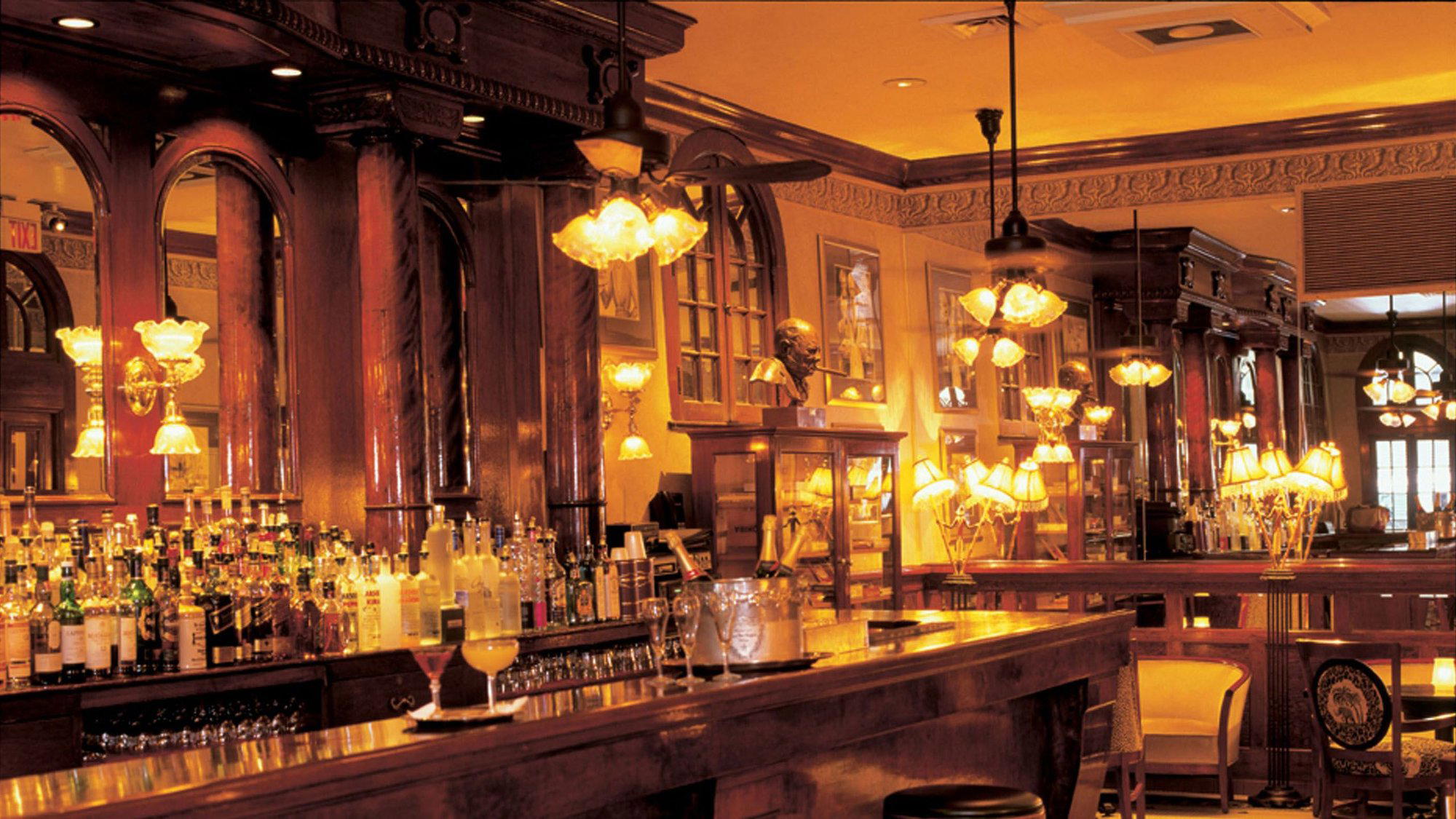
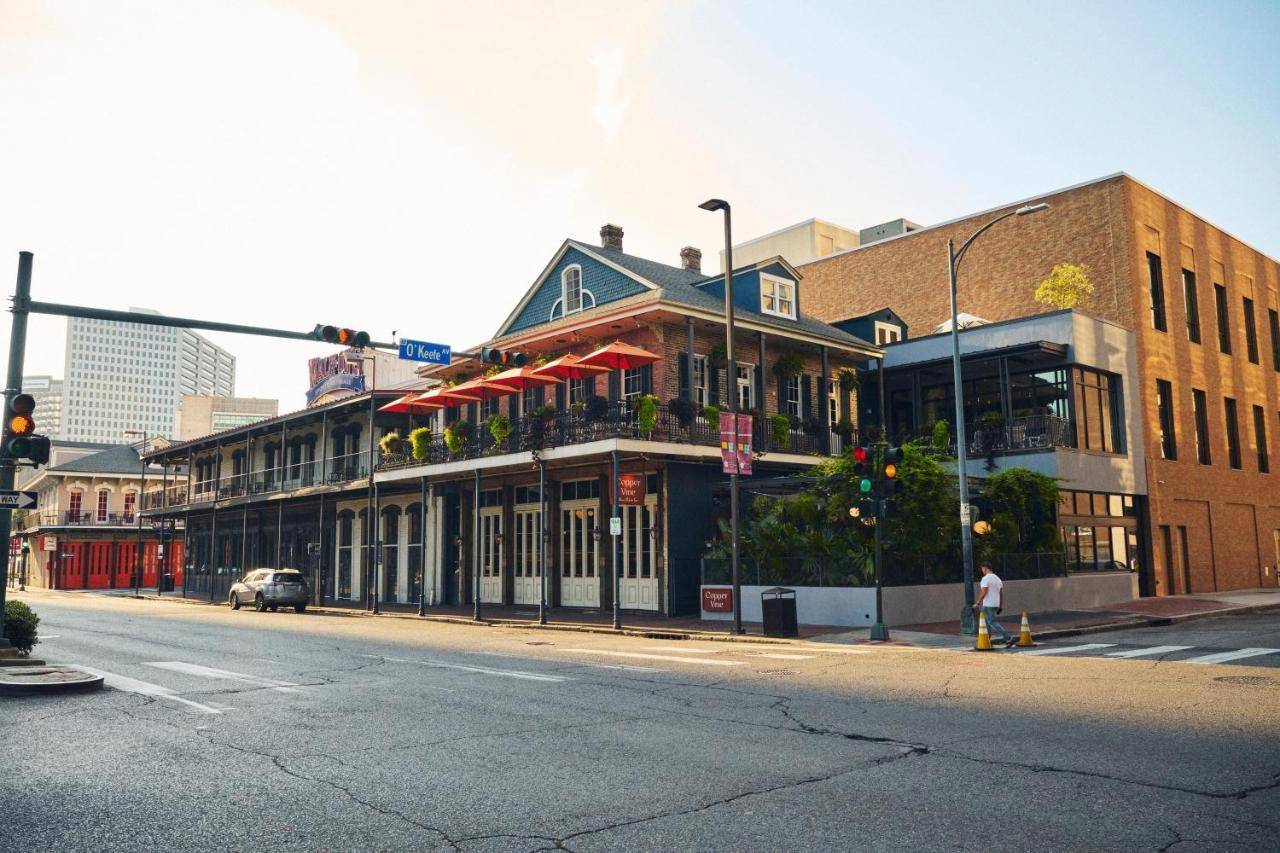
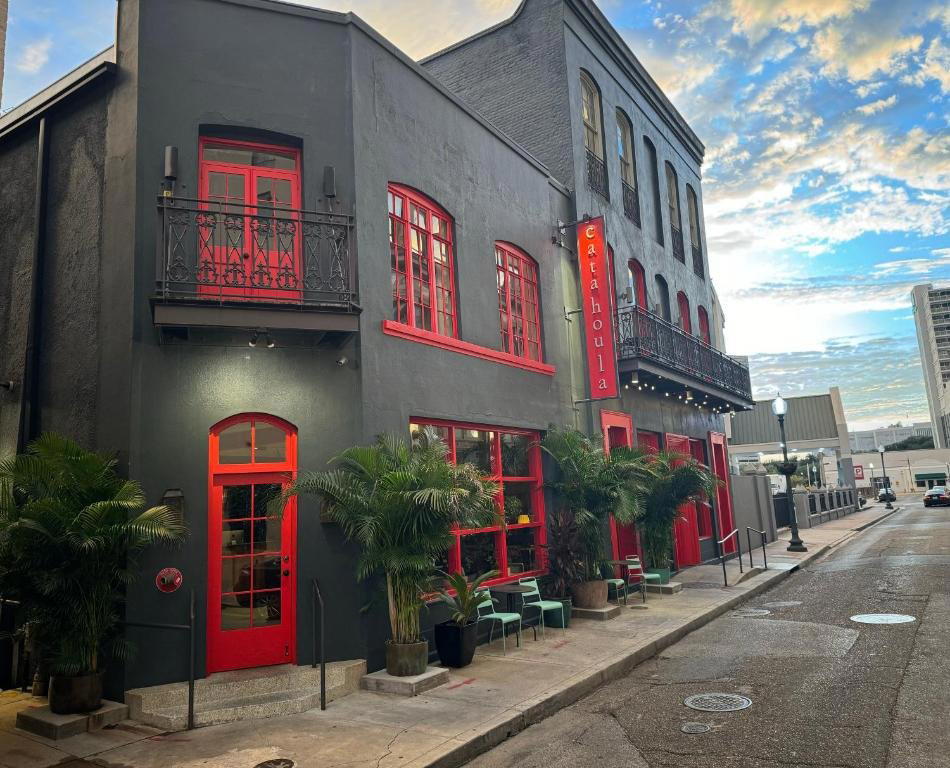
Chic contemporary décor with multi-colored chairs, eye-catching chandeliers, a large Mexican culture mural, and street-facing windows creating a fun, lively space.