El Gato Negro
El Gato Negro on Harrison Avenue sits in the Lakeview corridor, a stretch of New Orleans dining that trades French Quarter spectacle for neighbourhood regularity. Specific menu data and credentials are limited in the public record, but the address places it within a community-oriented dining scene that runs parallel to the more documented Uptown and Central Business District tables.
Pearl is the En Primeur Club membership app — saves, bookings, and concierge access live there. Same editors, same standards.
- Address
- 300 Harrison Ave, New Orleans, LA 70124
- Phone
- +15044880107
- Website
- elgatonegronola.com
- Directions
- Get directions
 Saves & bookings on Pearl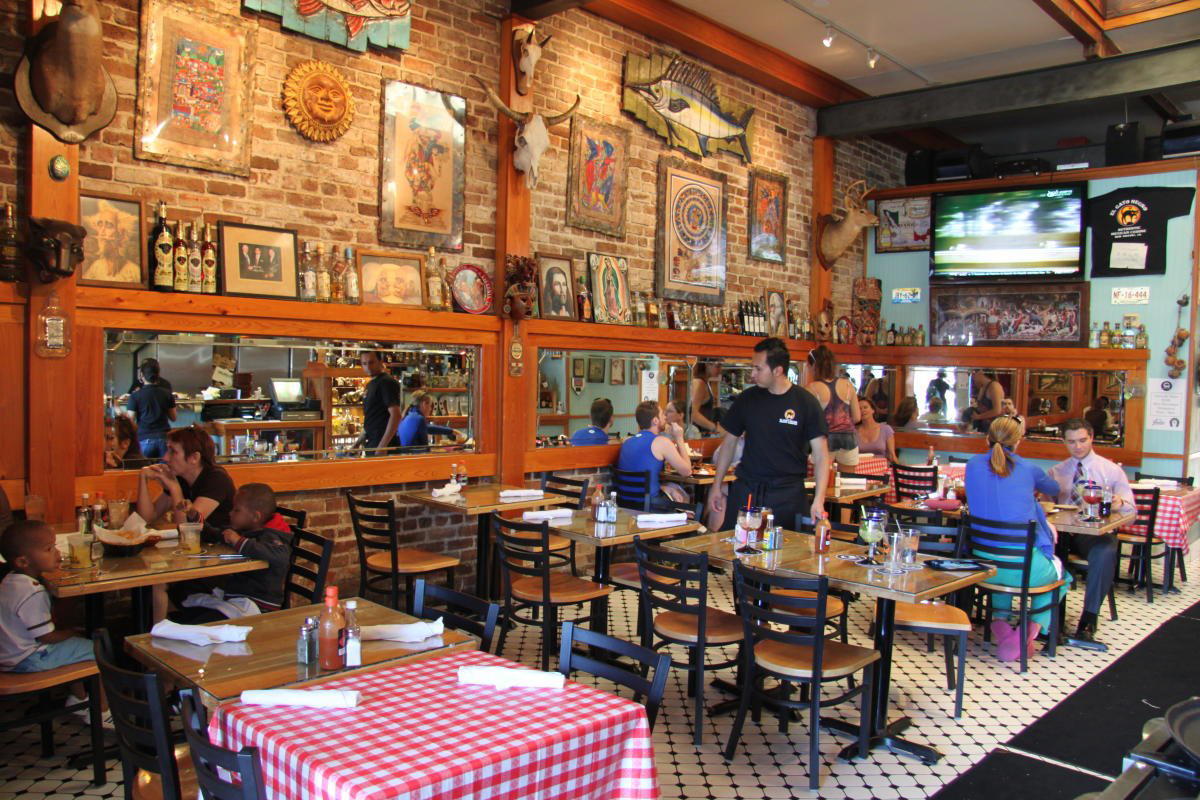
Lakeview in New Orleans is a residential dining district north of City Park. The neighbourhood north of City Park operates on a quieter register: corner restaurants, residents who return weekly, and a dining culture that measures success in consistency rather than ceremony. Harrison Avenue, where El Gato Negro holds its address at number 300, sits inside that rhythm.
The Lakeview Dining Context
New Orleans dining splits into at least three legible tiers when you map it geographically. The first is the French Quarter and Central Business District, where venues like Emeril's operate under the weight of accumulated national reputation and high visitor traffic. The second is the Uptown corridor, where Bayona and contemporaries draw from both the residential base and the James Beard-aware dining circuit. The third is the neighbourhood tier: Lakeview, Mid-City, the Marigny, Bywater. These pockets run on repeat business and word-of-mouth rather than reservation platforms and press cycles. El Gato Negro operates in that third geography. That positioning matters because it determines who the venue is actually cooking for, and what kind of sourcing and format decisions make sense in that context.
Across the city, the sourcing conversation in New Orleans restaurants has shifted over the past fifteen years. The Gulf Coast supply chain, which provides oysters, shrimp, redfish, and blue crab, has become a more explicit part of how serious tables talk about their food rather than an assumed background condition. Venues in the documented upper tier, from Saint-Germain at the four-dollar-sign bracket to Re Santi e Leoni in the contemporary register, have made Gulf provenance a front-of-house talking point. Neighbourhood venues have always used the same supply; they just rarely built marketing language around it. The ingredient is the same whether or not the menu copy says where it was pulled from.
Ingredient Sourcing as a Structural Issue, Not a Trend
In the American cities where sourcing-led dining has produced particularly documented results, the pattern is consistent: proximity to a specific agricultural or coastal supply chain, combined with format discipline, generates the conditions for ingredient-forward cooking. Single Thread Farm in Healdsburg built an entire operational model around a working farm on the same property. Blue Hill at Stone Barns in Tarrytown treats the surrounding farmland as the primary design element of every plate. Smyth in Chicago sources from its own downstate farm and structures seasonal menus around that specific supply.
New Orleans does not have farmland adjacent to its restaurants in that way, but it has something the inland cities lack: among the more productive fisheries in the continental United States, sitting forty minutes south of the city, and a bayou agricultural system that produces sugarcane, Creole tomatoes, Mirlitons, and Tasso in quantities and quality that still define what Louisiana cooking tastes like at its reference points. For any restaurant on Harrison Avenue, this supply chain is local in a literal sense. The question is how systematically it is used.
For comparison, consider how the sourcing question plays out at venues in other cities where EP Club has documented evidence. Providence in Los Angeles has built a long track record around sustainable seafood sourcing with Michelin recognition attached. Addison in San Diego holds Michelin three-star status in part because its sourcing program is legible and consistent. In New Orleans, Commander's Palace and Pêche Seafood Grill have both documented their Gulf sourcing relationships publicly.
What the Address Implies
Harrison Avenue in Lakeview is a commercial strip that serves a residential catchment. The demographic is largely professional, post-Katrina rebuild, and local in the sense that matters for restaurant economics: these are people with neighbourhood loyalty and enough dining frequency to develop opinions over time. A venue at 300 Harrison Ave is not positioned to absorb the overhead of a large tasting-menu format or a full sommelier program in the way that a CBD restaurant might be. The format that makes structural sense at this address is accessible, à la carte, and well suited to weeknight and weekend dining.
That format constraint is not a criticism. Zasu in the American Contemporary register and similar mid-tier New Orleans tables have demonstrated that the three-dollar-sign range can accommodate serious cooking without the apparatus of destination dining. The neighbourhood tier of any serious food city carries particularly technically honest cooking precisely because it is not performing for the awards circuit.
New Orleans in the National Sourcing Conversation
When sourcing-led dining is discussed at the national level, the reference venues are often coastal or farm-adjacent: Le Bernardin in New York City, The French Laundry in Napa, Lazy Bear in San Francisco. New Orleans rarely appears in that conversation at the national editorial level despite having among the more intact regional supply chains in the country. The Creole and Cajun traditions absorbed hyperlocal sourcing before it became a concept worth naming. Oysters from Plaquemines Parish, shrimp from Empire, redfish from the shallow Gulf shelf: these were practical decisions long before they were marketing ones. Internationally, the ethos runs parallel to what venues like Atelier Moessmer Norbert Niederkofler in Brunico have formalised under the Alps-to-table sourcing model. Frasca Food and Wine in Boulder and Atomix in New York City similarly draw identity from a specific regional ingredient logic. New Orleans has the raw material for that conversation. The venues that articulate it clearly are the ones that earn cross-market attention.
Planning a Visit
Know Before You Go
- Address: 300 Harrison Ave, New Orleans, LA 70124
- Neighbourhood: Lakeview, north of City Park
- Price range: about $25 per person
- Reservations: walk-in friendly
- Hours: Mon: 11 AM-3 PM, 5-9 PM; Tue: 11 AM-3 PM, 5-9 PM; Wed: 11 AM-3 PM, 5-9 PM; Thu: 11 AM-3 PM, 5-9 PM; Fri: 11 AM-3 PM, 5-10 PM; Sat: 11 AM-3 PM, 5-10 PM; Sun: 11 AM-3 PM, 5-9 PM
- Awards: No Michelin or James Beard awards on record
Pricing, Compared
Comparable venues nearby, for context on price, style, and recognition.
| Venue | Cuisine | Price |
|---|---|---|
| El Gato NegroThis venue — the venue you are viewing | Not listed | $$ |
| The Velvet Cactus | Lakeview, Mexican | $$ |
| Taqueria Corona | Audubon, Authentic Mexican Taqueria | $$ |
| Superior Grill | Milan, Authentic Tex-Mex | $$ |
| Juan's Flying Burrito | Lower Garden District, Creole Taqueria | $$ |
| Felipe's Taqueria | French Quarter, Mexican Taqueria | $$ |
Continue exploring
More in New Orleans
Restaurants in New Orleans
Browse all →
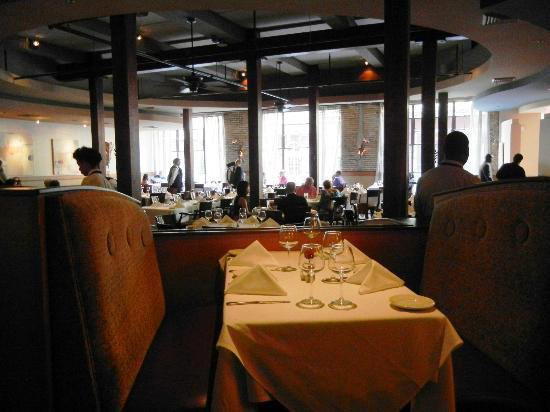
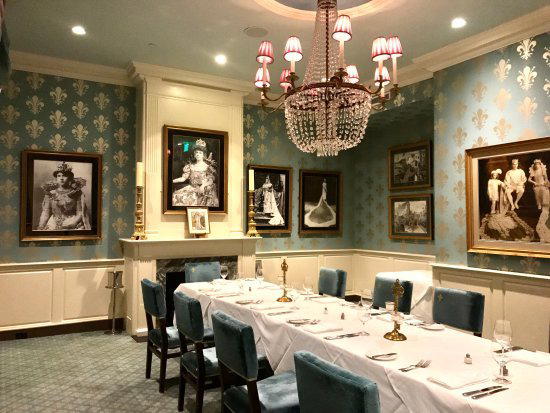
Bars in New Orleans
Browse all →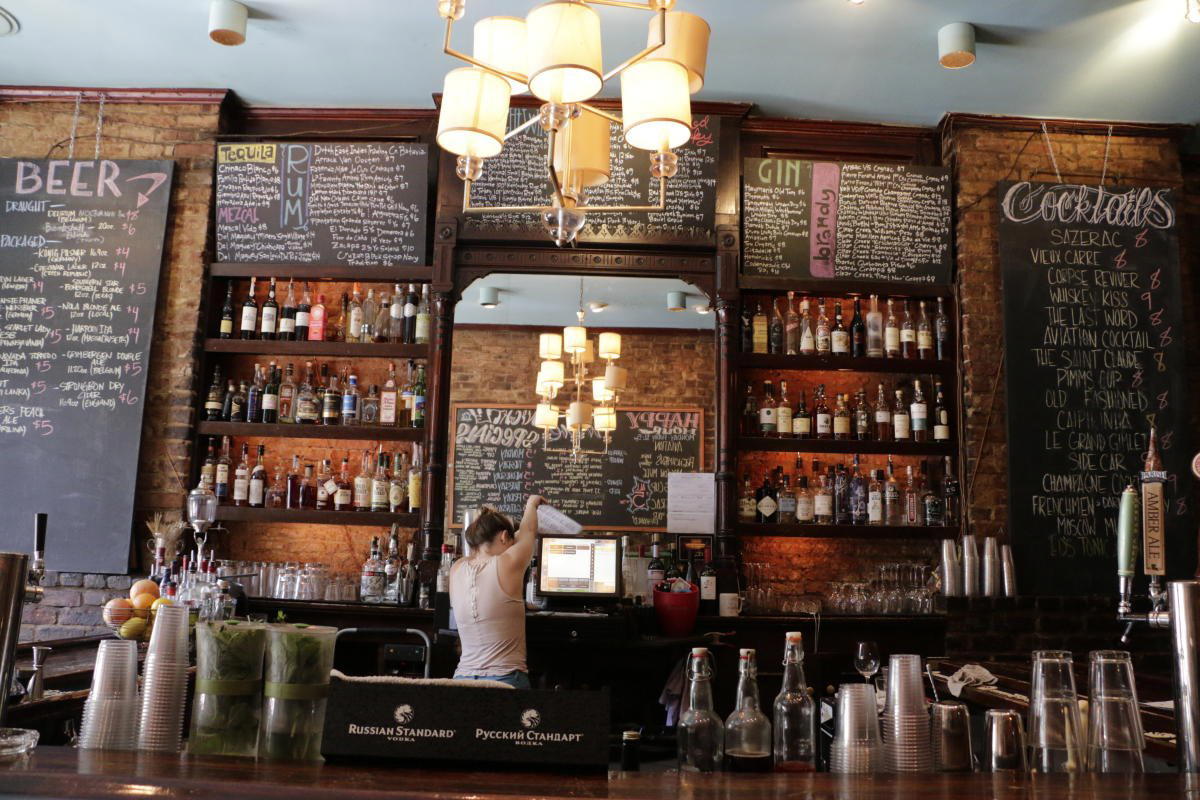
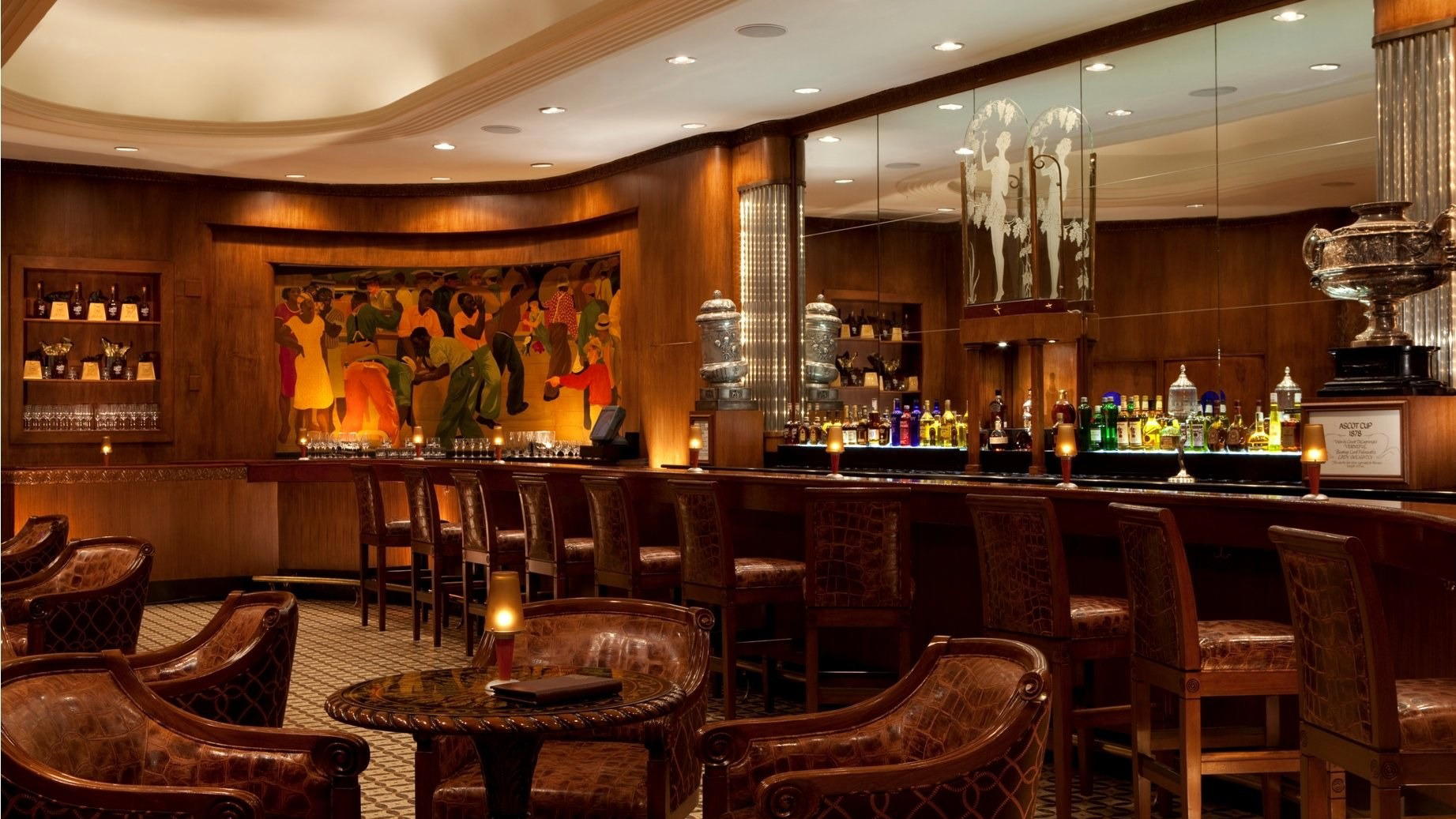

At a Glance
- Lively
- Trendy
- Casual Hangout
- Group Dining
- Brunch
- Open Kitchen
- Craft Cocktails
- Local Sourcing
- Street Scene
Current opening hours
- Monday
- 11 AM–3 PM, 5–9 PM
- Tuesday
- 11 AM–3 PM, 5–9 PM
- Wednesday
- 11 AM–3 PM, 5–9 PM
- Thursday
- 11 AM–3 PM, 5–9 PM
- Friday
- 11 AM–3 PM, 5–10 PM
- Saturday
- 11 AM–3 PM, 5–10 PM
- Sunday
- 11 AM–3 PM, 5–9 PM
Hours can change for holidays and private events. Last verified .
Casual and comfortable dining atmosphere with a focus on fresh, quality ingredients and exotic drinks.