The Arc of the Meal: How Al Pastor Unfolds at the Counter
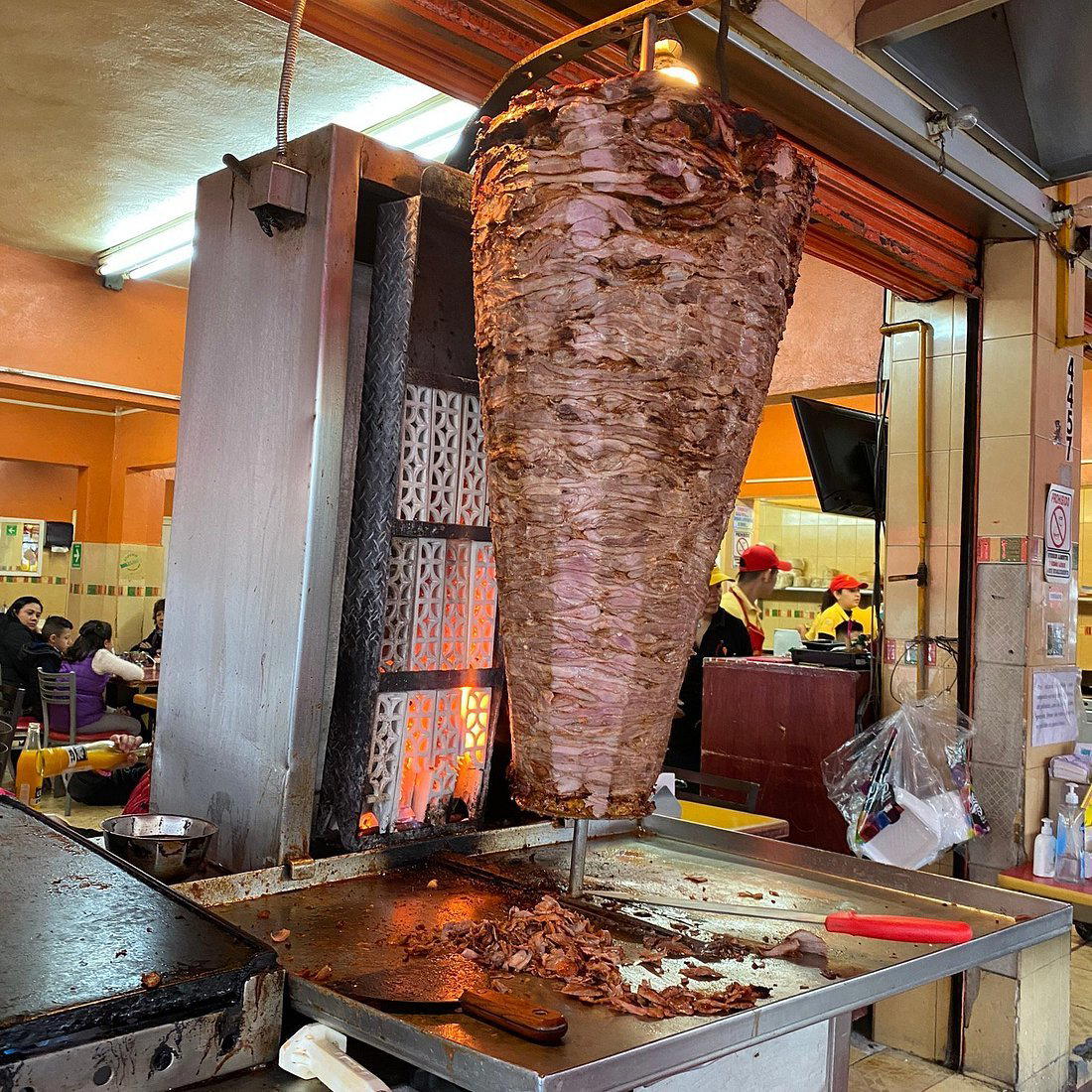
Understanding a taqueria like El Pastorcito requires thinking in sequences rather than individual dishes. Al pastor eating has a logic to it, a progression shaped by the trompo's rotation, the taquero's knife angle, and the order in which elements arrive. The meal does not begin when you sit down; it begins the moment you approach the spinning spit and make eye contact with the person working it.
The first taco is always diagnostic. It tells you where the trompo is in its cycle, whether the outer crust is freshly caramelised or whether you are eating from a log that has been rotating since early afternoon. In neighbourhoods like this one, the trompos tend to be active during the midday stretch when working residents break from nearby commercial streets. The pineapple at the summit of the spit, which drips over the layered pork as it cooks, introduces sweetness in uneven waves; the taco you receive at 1pm may taste measurably different from the one at 3pm.
The second and third tacos in the sequence are where the salsa decisions matter. The green tomatillo-based salsas common across Mexico City's taco counters tend to cut the fat of the marinated pork, while the darker chili-based options add smoke and depth. At this price tier, across the city's southeastern zones, these condiment stations are self-service and unrestricted, regulars build their own heat level across the course of the meal rather than committing to a single salsa from the start.
By the fourth or fifth taco, you are eating less from hunger and more from rhythm. This is the quiet argument that Mexico City's neighbourhood taqueria culture makes against the tasting menu format: the repetition is the pleasure, not a flaw. The experience at El Pastorcito belongs to that tradition, one that stretches across the capital and gives the city its reputation for taco culture that no amount of fine-dining ambition has displaced.
Al Pastor in the Context of Mexico's Regional Taco Traditions
Al pastor as a style has roots in Lebanese shawarma brought to Mexico by immigrant communities in the early twentieth century, adapted over decades into a distinctly Mexican form through the use of achiote, dried chiles, and pineapple. Mexico City became the style's dominant home, and the capital's al pastor tradition now functions as a baseline against which regional variations are measured. Visitors who arrive in the city after eating tacos elsewhere in the country often note how different the capital's version tastes: drier at the surface, more intensely marinated within, and typically served on smaller tortillas than those common in the north or the Yucatán.
That contrast is worth keeping in mind when comparing Mexico's broader taco geography. The wood-fire formats at Animalón in Valle de Guadalupe or the coastal inflections at HA' in Playa del Carmen represent regional expressions that diverge sharply from the capital's trompo tradition. The northern grill culture at KOLI Cocina de Origen in Monterrey and the ingredient-led Oaxacan approach at Levadura de Olla in Oaxaca each operate within separate culinary logics. Mexico City's al pastor, at its core, is an urban street format, fast, vertical, democratic, and El Pastorcito's Iztacalco address sits squarely within that lineage.
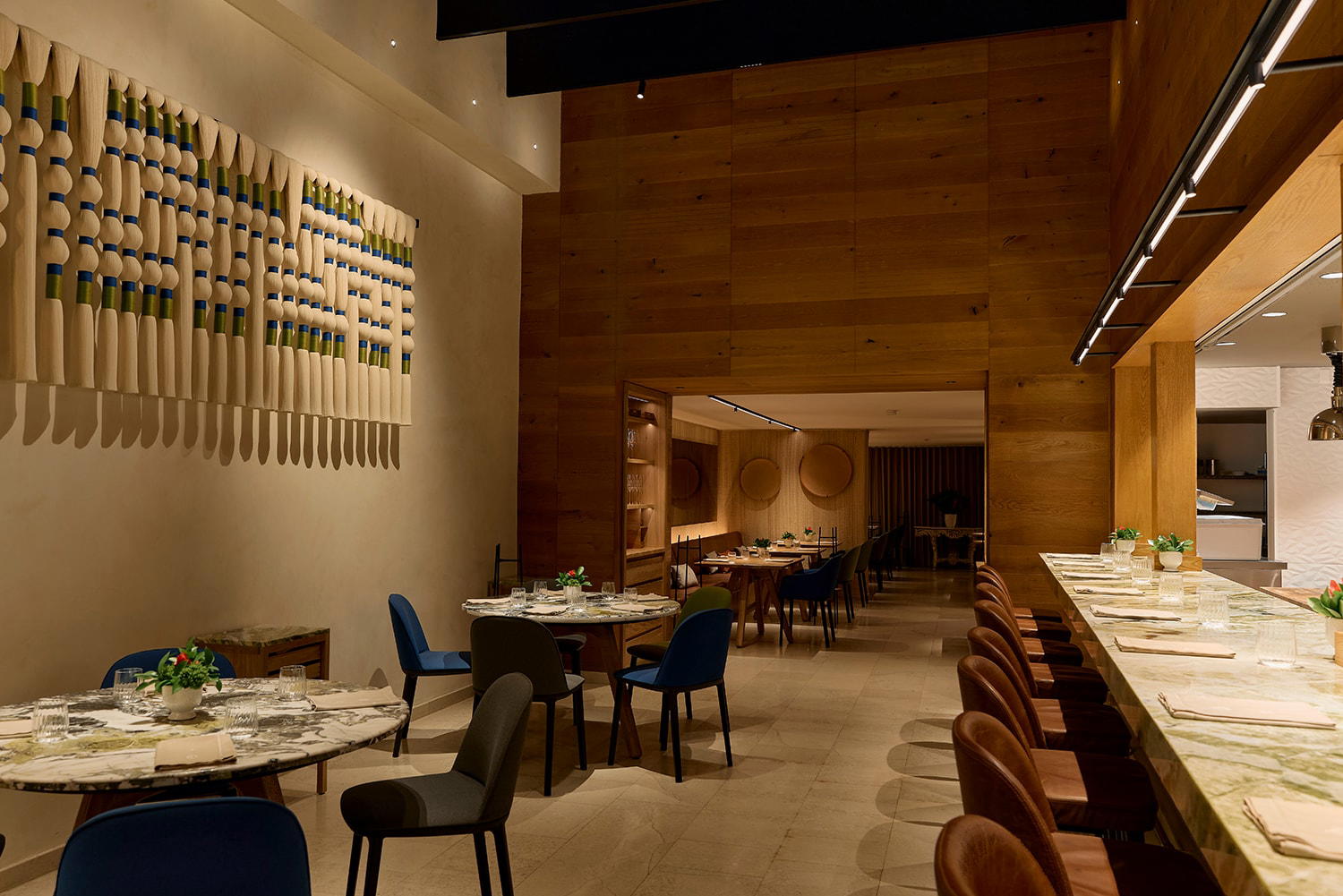
El Pastorcito's contribution is not in that fine-dining register; it operates in the category that predates and in many ways underpins it.
The scale and the setting differ; the degree of craft does not. The same applies when comparing across Mexico's coastal and inland fine-dining tier, from Le Chique in Puerto Morelos to Pangea in San Pedro Garza García to Olivea Farm to Table in Ensenada.
Planning a Visit
Taqueria El Pastorcito operates in a neighbourhood where taqueria culture is local infrastructure. The address at Lorenzo Boturini 4457 is accessible by metro from the historic centre, with Iztacalco-adjacent stations connecting the area to the Línea 8 corridor. Reservations: Walk-ins are the norm. Dress: Casual. Budget: About US$10 per person.