Modern Mamma Osteria serves Modern Italian Trattoria cooking with a leisurely, conversational pace and an extensive wine list, so it suits unrushed lunch or dinner plans.
Pearl is the En Primeur Club membership app — saves, bookings, and concierge access live there. Same editors, same standards.
- Address
- R. Manuel Guedes, 160 - Itaim Bibi, São Paulo - SP, 04536-070, Brazil
- Phone
- +5511930838387
- Website
- momaosteria.com.br
- Directions
- Get directions
 Saves & bookings on Pearl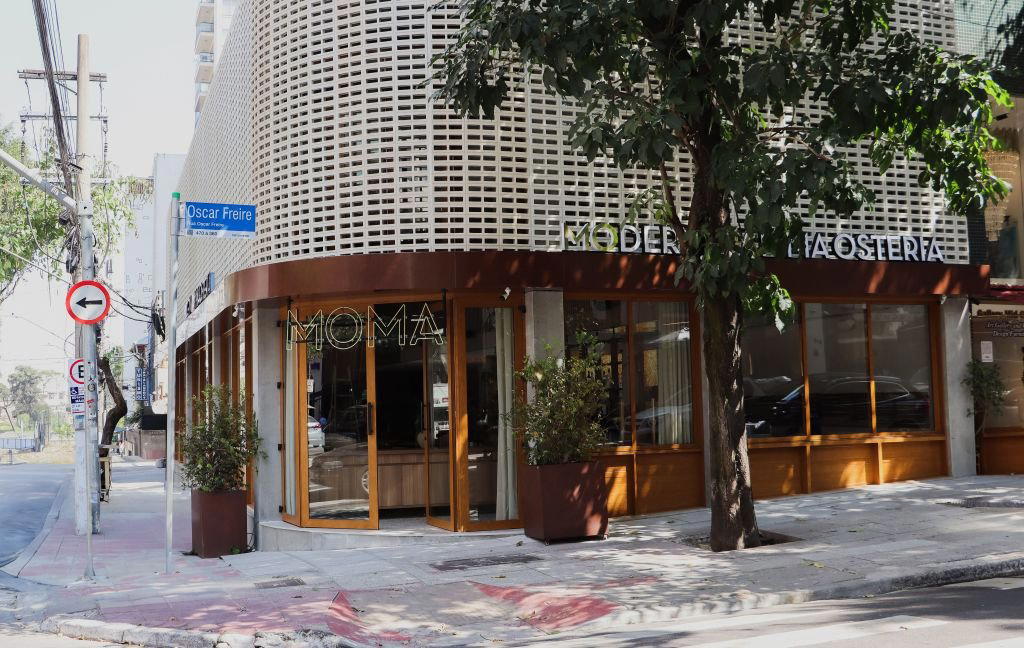
Italian Roots in Itaim Bibi: The Scene Around Modern Mamma Osteria
São Paulo's Italian dining tradition runs deeper than most visitors expect. The city received successive waves of Italian immigration across the late nineteenth and early twentieth centuries, and that inheritance now spans everything from neighbourhood cantinas in Mooca to refined contemporary kitchens in Pinheiros and Itaim Bibi. The contemporary end of that spectrum has bifurcated: one camp leans into imported-ingredient prestige and formal tasting menus, while another pursues a more grounded osteria register, where the cooking reads as Italian in instinct but composed with local produce and sensibility. Modern Mamma Osteria, on Rua Manuel Guedes in Itaim Bibi, sits in that second territory.
Itaim Bibi itself has evolved into one of São Paulo's most concentrated dining corridors. Financial district adjacency brings a weekday lunch and after-work dinner crowd; the residential density sustains neighbourhood regulars across the week. The result is a street-level dining scene that can support a range of formats, from quick all-day counters to longer, wine-led evenings. An osteria model fits that dual rhythm well, offering flexibility of pacing that a single tasting menu format cannot.
Where It Sits Among São Paulo's Italian Kitchens
São Paulo's Italian-leaning restaurant scene now includes a tier of highly technical, award-referenced addresses that price and position against international peers. Evvai, with its contemporary Italian framework and Michelin recognition, occupies the upper formal bracket. Fame Osteria operates in the more convivial, pasta-forward register that sits closer to the osteria tradition in spirit. Modern Mamma Osteria draws its identity from that same tradition — the communal table logic of central Italian cooking, where the point is generosity and repetition rather than novelty and spectacle.
The broader São Paulo creative dining scene, anchored by addresses such as D.O.M. in its modern Brazilian mode, Tuju for creative technique, and Maní at the Brazilian-international intersection, operates at price points that require pre-trip planning and often advance reservations. An osteria format generally signals a more accessible, walk-in-friendly posture, though the better addresses in this tier are not without a following of their own.
Sustainability as Operating Logic, Not Marketing Language
The most meaningful environmental commitments in restaurant kitchens are structural, not seasonal. They show up in purchasing relationships with specific producers, in how a menu is built around what is available rather than what is always available, and in how waste is treated as a cost variable rather than an afterthought. The osteria format, historically, was already built on this logic: cucina povera roots meant using the whole animal, cooking to the season, and building depth from less expensive cuts and preserved ingredients. A contemporary osteria that takes that inheritance seriously is not innovating so much as recovering a practice the category had before it became fashionable to name it.
In São Paulo, sourcing ethically presents particular pressures and particular opportunities. Brazil's agricultural geography is vast and varied, and the country produces ingredients at a range of quality levels that do not always reach city kitchens through conventional supply chains. Restaurants that build direct relationships with smaller producers, particularly for vegetables, grains, and animal proteins, are working against the gravity of centralised wholesale markets. That takes more administrative effort and typically means accepting variability in supply. A menu that holds this discipline will look different week to week, which is also a marker of an operation taking it seriously.
Waste reduction in kitchen practice often correlates with pasta-forward menus, where trim and off-cuts feed stocks, sauces, and stuffed pasta fillings. An osteria kitchen that makes its pasta in-house is already working in a format that rewards using more of each ingredient. Whether Modern Mamma Osteria operates explicitly within a documented sustainability framework or simply inherits the resourcefulness of the osteria tradition, the format itself creates conditions for lower-waste cooking that more produce-heavy, ornate tasting menus sometimes do not.
Approaching a Meal Here: What to Expect
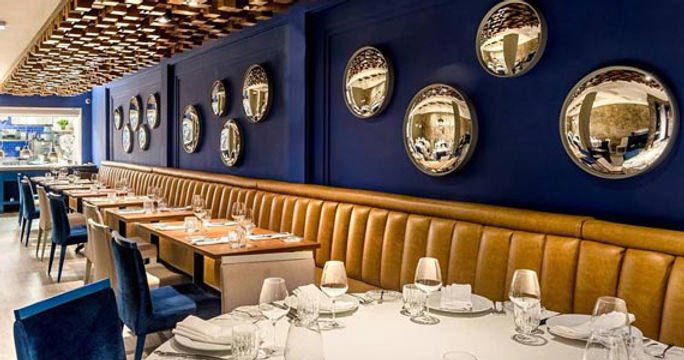
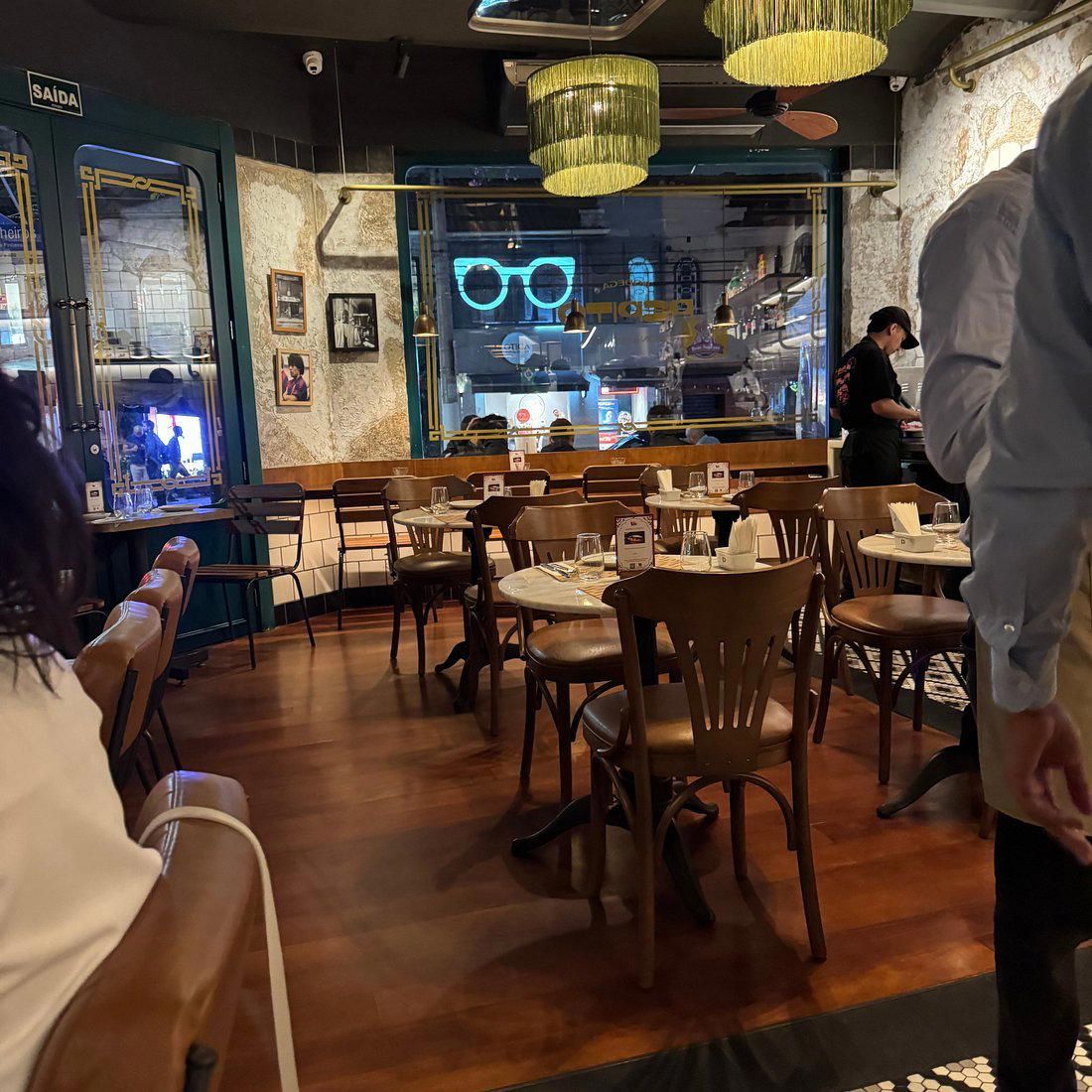
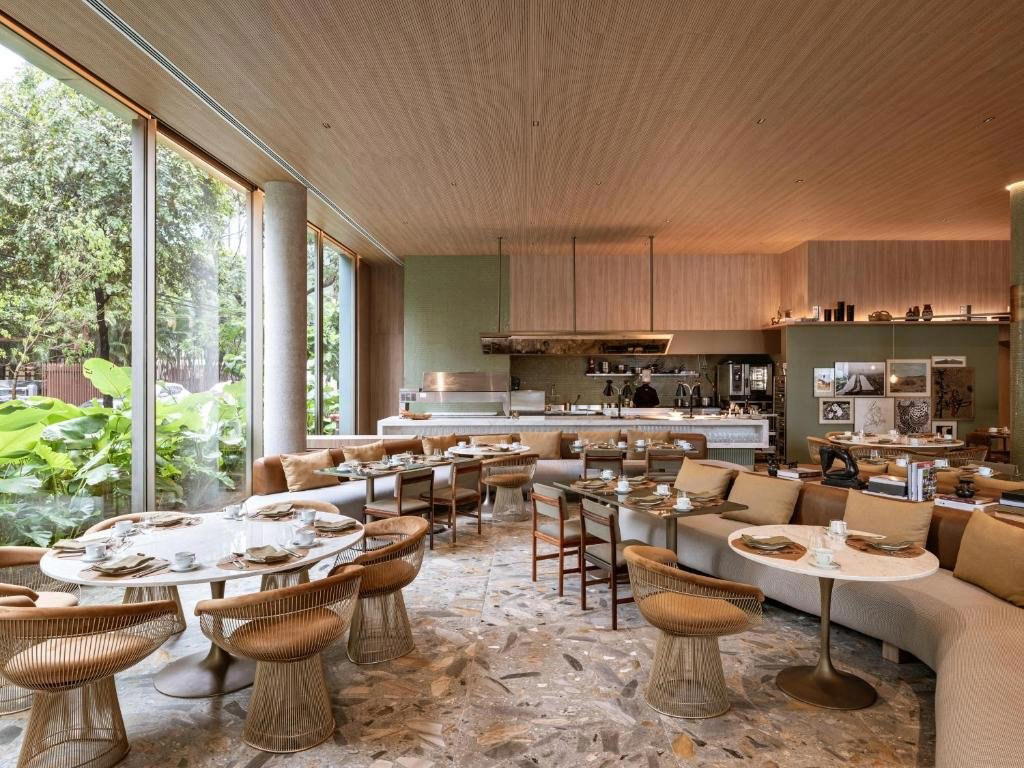
Rua Manuel Guedes is a quieter residential-commercial street within Itaim Bibi, distinct from the higher-traffic stretches of Rua Joaquim Floriano or the blocks closer to the major intersections. That positioning tends to attract a local, returning clientele rather than passing foot traffic, which in turn shapes the atmosphere inside: less transactional, more familiar. Osteria rooms in this mould are typically compact, with tables close enough together that the room feels full at modest numbers, and a noise level that rises with the evening rather than being engineered by design.
For planning purposes: the address is R. Manuel Guedes, 160, Itaim Bibi. The neighbourhood is well served by ride-share services from anywhere in the city centre or the Vila Olimpia-Brooklin corridor, and parking in the immediate area follows the standard Itaim Bibi pattern of street parking becoming scarce after 8pm. For those arriving from further afield, the Itaim Bibi restaurant strip is a reasonable anchor for an evening that might begin or end at one of the neighbourhood's wine bars or cocktail-led addresses. For broader context on planning a São Paulo itinerary, the full São Paulo restaurants guide maps the city's dining by neighbourhood and tier.
Among Italy-influenced cooking in Brazil more broadly, the São Paulo scene remains the country's most developed. Lasai in Rio de Janeiro represents the more sustainability-explicit end of Brazilian fine dining, and its approach to producer relationships offers a useful reference point for what committed sourcing looks like when fully documented. The comparison is instructive: sustainability as a kitchen discipline shows up in very different formats, from Rio's tasting-menu context to São Paulo's osteria register.
Planning Your Visit
For the most accurate information, checking directly via the restaurant's current listings or recent review platforms is the reliable approach. The Itaim Bibi dining corridor is active across lunch and dinner services on most days; osteria-format restaurants in this neighbourhood often see their heaviest demand Thursday through Saturday evenings, when a reservation provides more assurance than a walk-in attempt.
How Modern Mamma Osteria São Paulo compares with similar nearby venues.
| Venue | Cuisine | Price |
|---|---|---|
| Giulietta Carni | Meats and Grills | $$$ |
| Le Bife | Meats and Grills | $$ |
Continue exploring
More in São Paulo
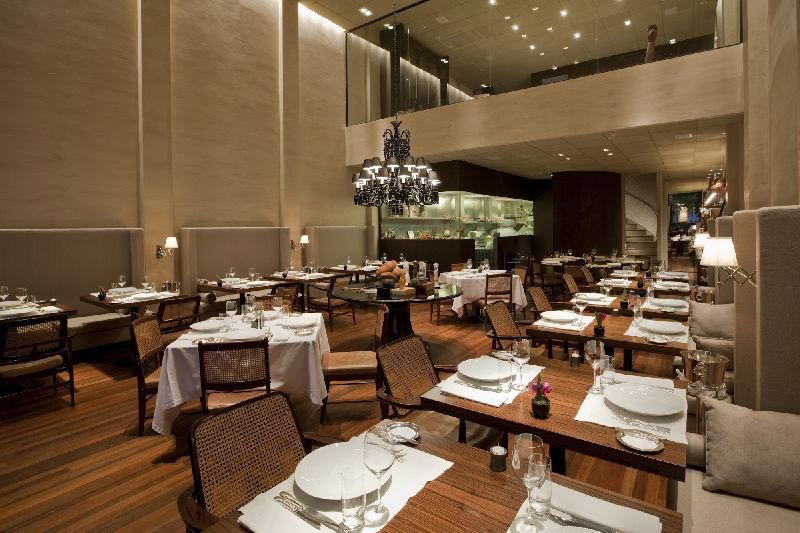
Restaurants in São Paulo
Browse all →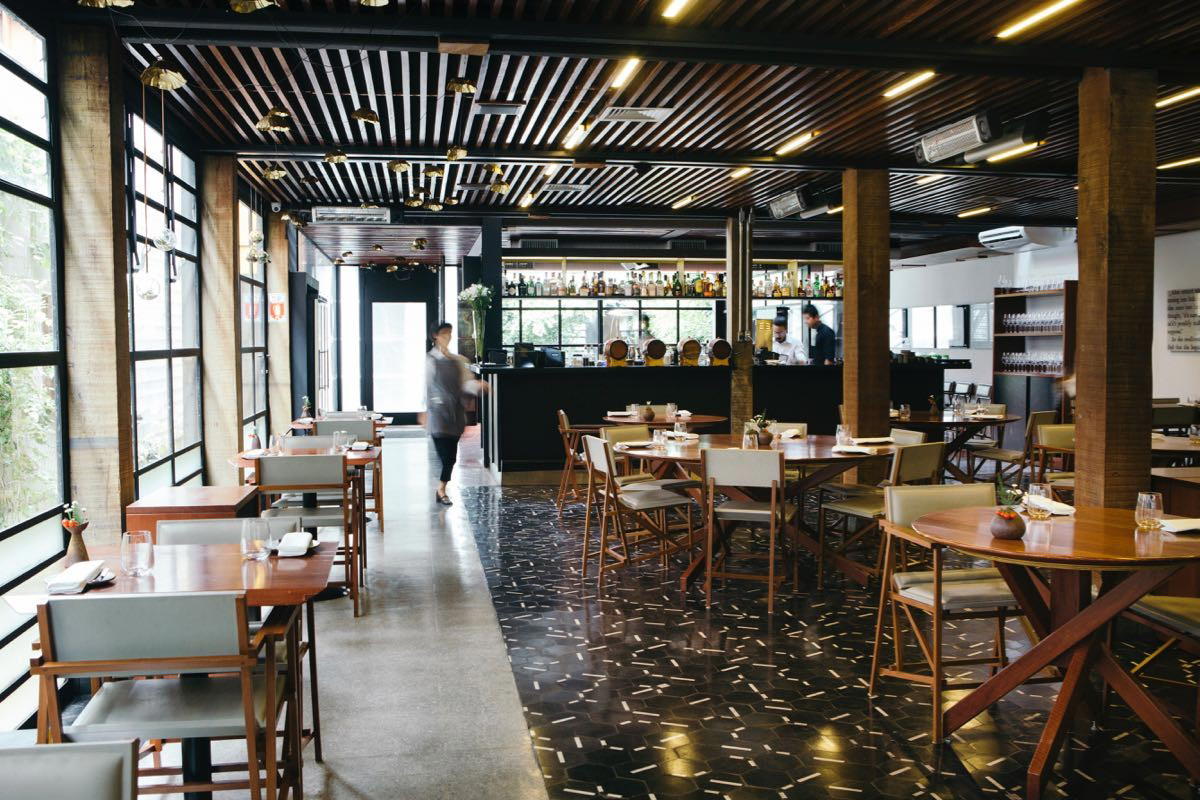
Bars in São Paulo
Browse all →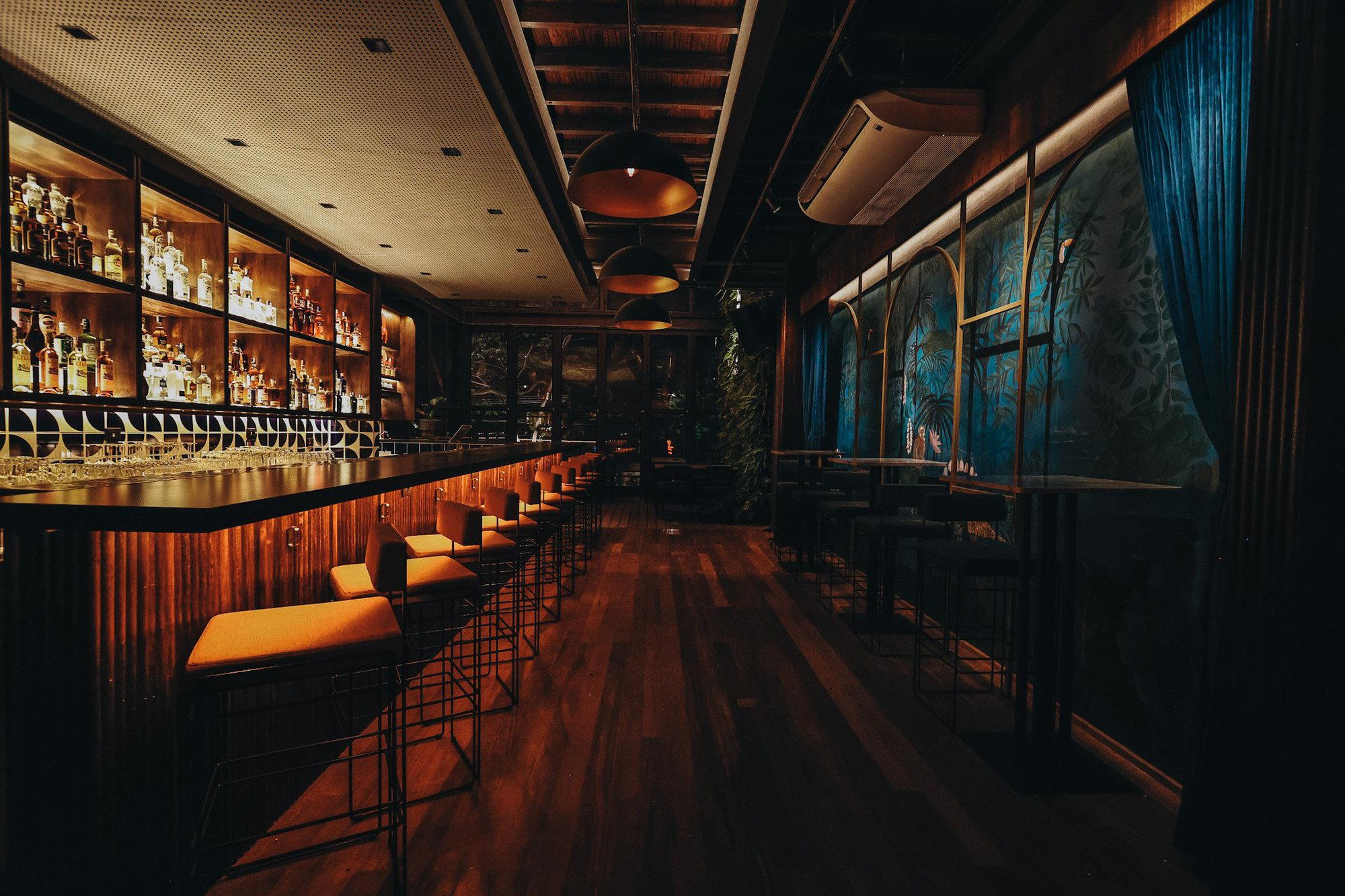
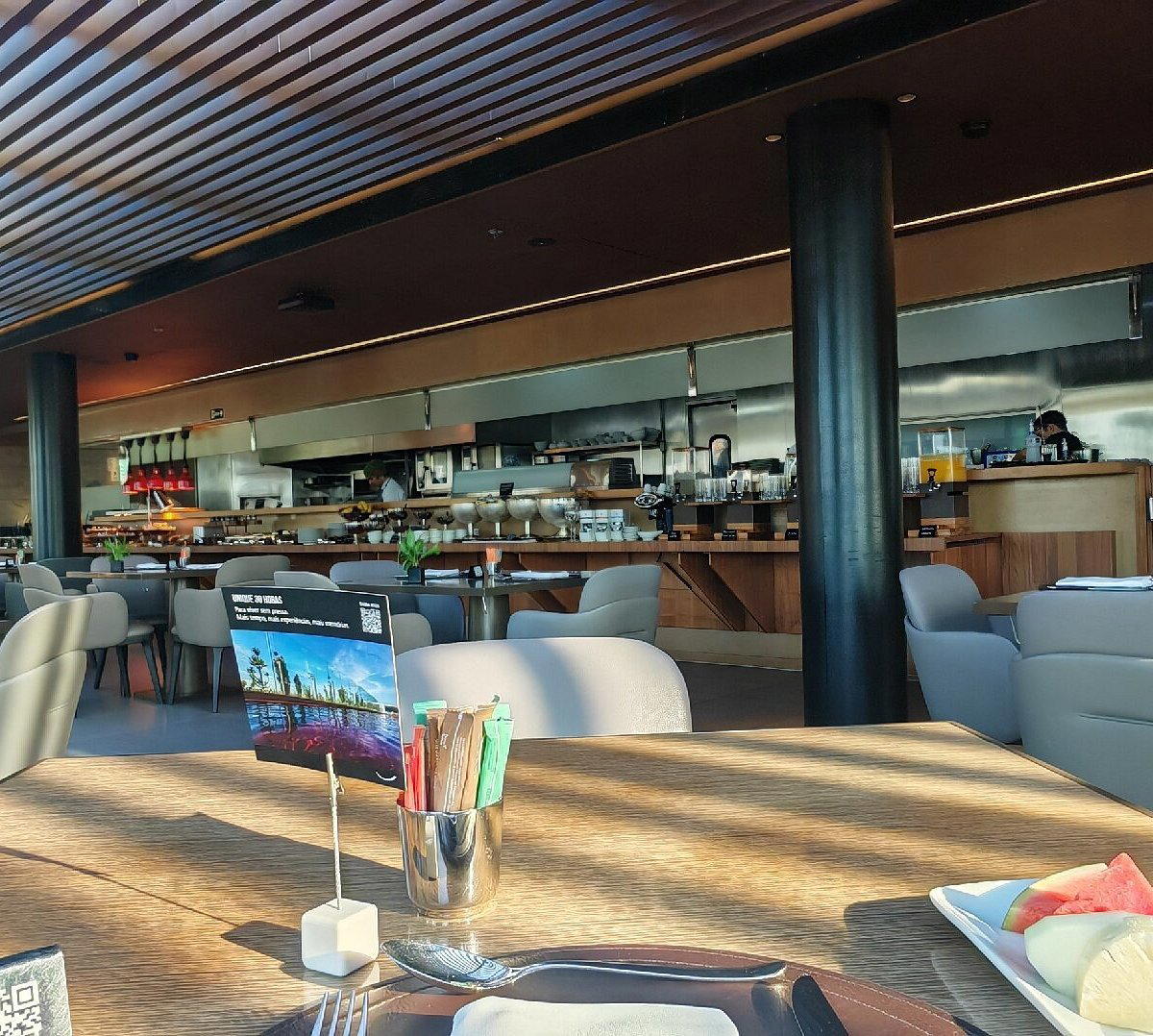
At a Glance
- Elegant
- Intimate
- Modern
- Date Night
- Group Dining
- Special Occasion
- Open Kitchen
- Extensive Wine List
Current opening hours
- Monday
- 12–3 PM, 6:30–11 PM
- Tuesday
- 12–3 PM, 6:30–11 PM
- Wednesday
- 12–3 PM, 6:30–11 PM
- Thursday
- 12–3 PM, 6:30–11 PM
- Friday
- 12–4 PM, 6:30–11 PM
- Saturday
- 12–11 PM
- Sunday
- 12–9 PM
Hours can change for holidays and private events. Last verified .
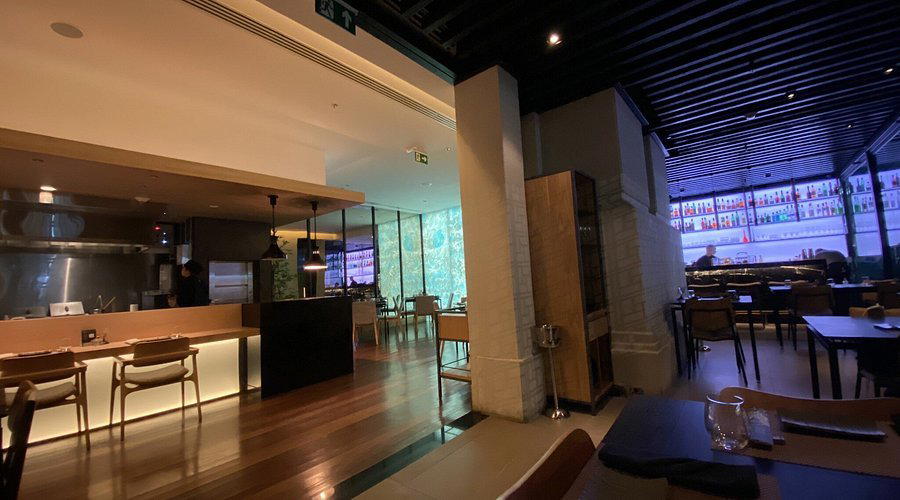
Sensational, intimist, and elegant environment with a clubby mood.
Know Before You Go
- Getting there
- R. Manuel Guedes, 160 - Itaim Bibi, São Paulo - SP, 04536-070, Brazil