
Beneath a 17th-century belltower in the small Alto Adige hamlet of Issengo, Tanzer occupies two Stube-style dining rooms that set the tone for what follows: regional ingredients sourced from the surrounding landscape and the restaurant's own kitchen garden, shaped into modern, imaginative plates by a kitchen-and-sommelier partnership. Michelin Plate recognition in both 2024 and 2025 confirms its standing in South Tyrol's serious dining tier at €€€ pricing.
Pearl is the En Primeur Club membership app — saves, bookings, and concierge access live there. Same editors, same standards.
- Address
- Dorfstraße, 1, 39030 Issengo BZ, Italy
- Phone
- +39 0474 565366
- Website
- tanzer.it
- Directions
- Get directions
 Saves & bookings on Pearl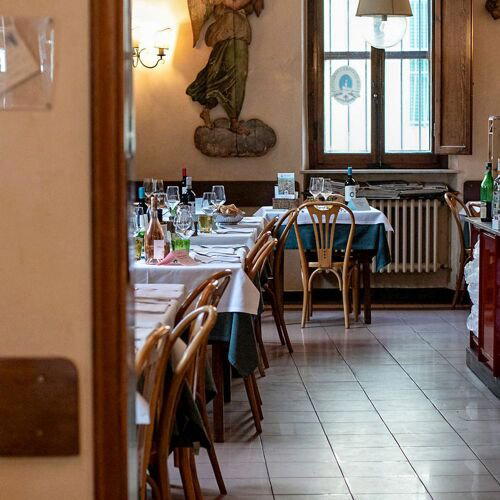
A Belltower, a Kitchen Garden, and the Logic of Short Supply Chains
The village of Issengo sits in the Val Pusteria corridor of South Tyrol, a region where the alpine and Italian identities of the cuisine have been in productive tension for decades. Here, proximity to ingredients is not a marketing posture: the short growing season, the altitude, and the density of small producers make sourcing locally a practical reality as much as a philosophical one. Restaurants in this tier of the South Tyrolean dining scene tend to lean into that reality with more discipline than their counterparts in larger Italian cities, and Tanzer is a clear illustration of that pattern.
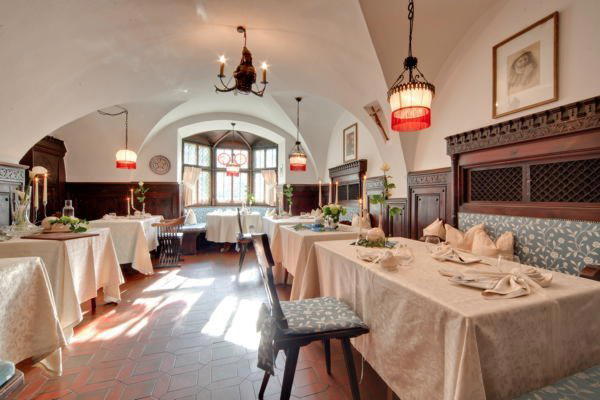
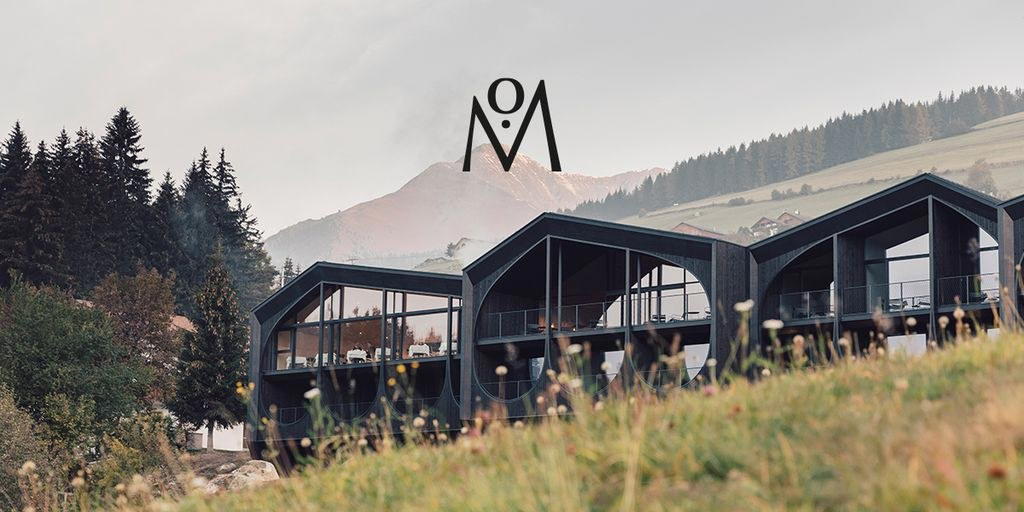
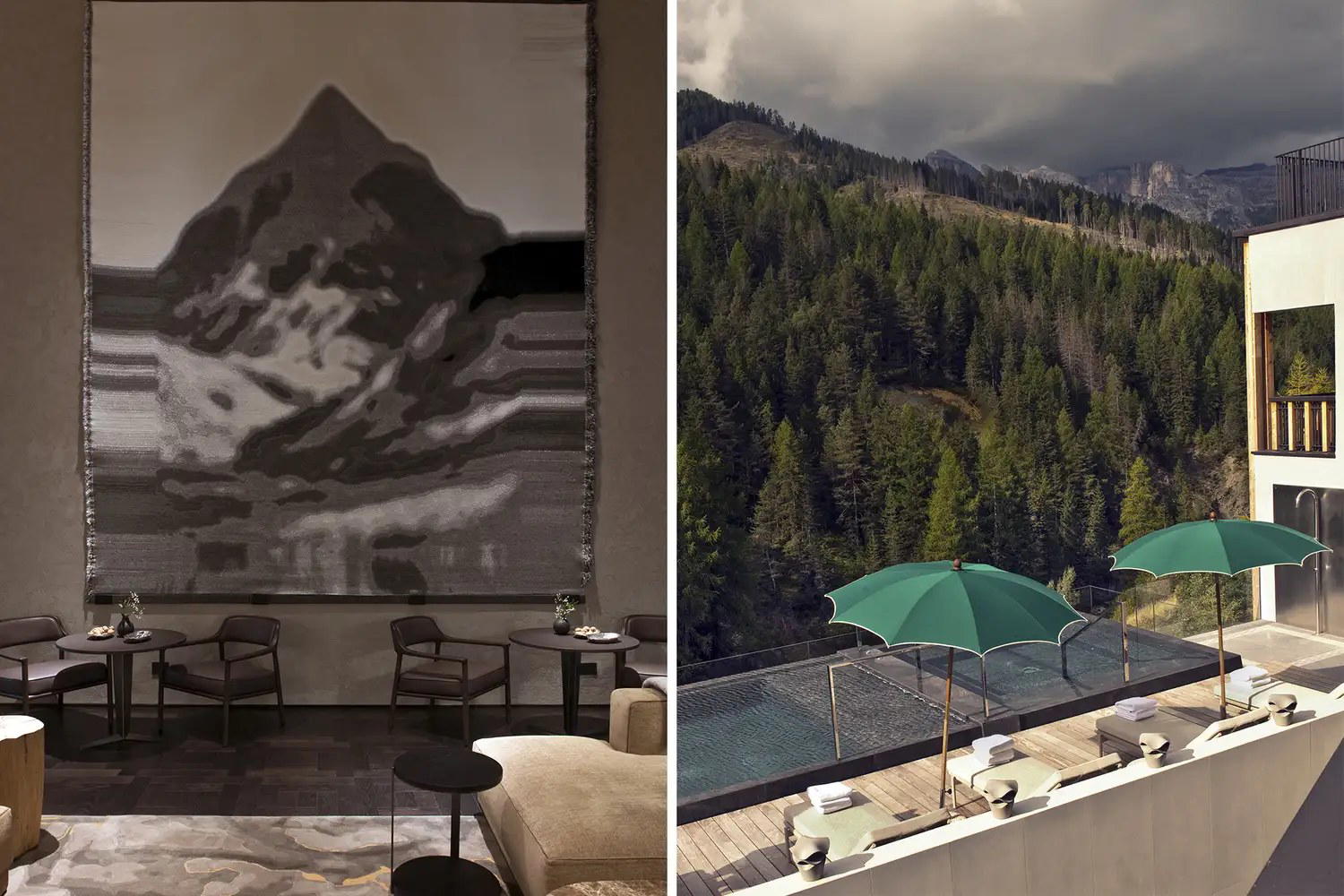
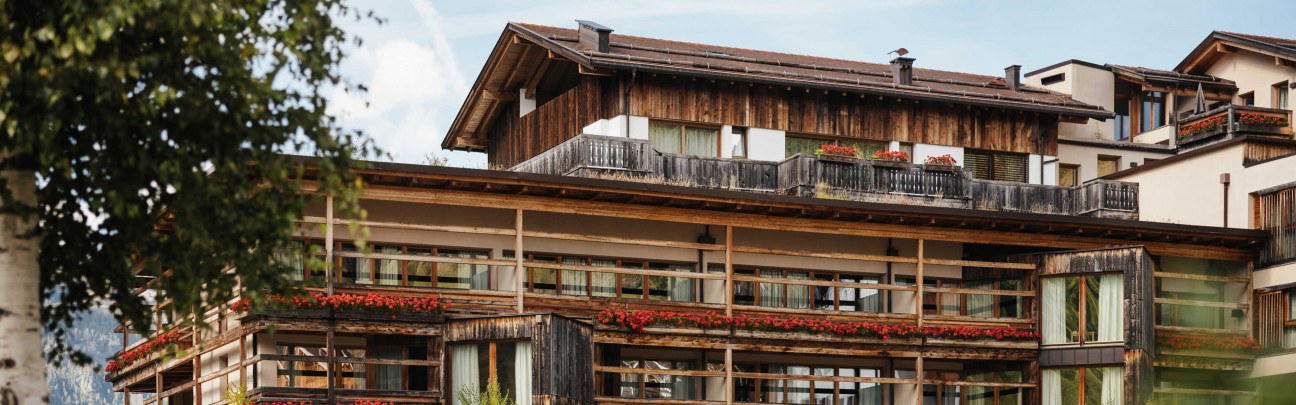
The building itself frames the experience before a single dish arrives. Positioned beneath the hamlet's belltower, Tanzer occupies two dining rooms built in the 17th-century Stube tradition: panelled timber walls, low ceilings, and a warmth that registers immediately on entry. The Stube format is not decorative nostalgia in this part of Italy; it is a spatial grammar that has governed communal eating in alpine households and inns for centuries, and restaurants that preserve it are signalling a continuity with that tradition even when the cooking inside it has moved into more contemporary territory.
From the Kitchen Garden Outward
Sourcing logic at Tanzer starts with the restaurant's own kitchen garden and radiates outward. This kind of hyperlocal supply structure, where the kitchen controls at least part of its raw material rather than relying entirely on third-party producers, shapes what ends up on the plate in ways that are distinct from more conventional procurement. Ingredients harvested at the point of use rather than transported across distribution chains retain different textures and intensities, and a kitchen that grows its own material develops a different relationship to seasonality: the menu is not adjusted quarterly to reflect what is available but is in continuous negotiation with what the garden and the immediate region can yield.
House-made syrups and jams are among the more noted elements of the Tanzer experience, and they are a logical extension of this sourcing approach. Preserving and transforming seasonal produce into condiments, accompaniments, and components is a deep tradition in alpine cooking, one that historically solved the problem of feeding through long winters on summer's surplus. At Tanzer, this practice is brought forward into a contemporary creative register rather than served as heritage pastiche.
South Tyrol as a region sits in an interesting position within Italian fine dining. At the upper end, restaurants such as Atelier Moessmer Norbert Niederkofler in Brunico operate at the €€€€ tier with full Michelin star recognition and a nationally prominent profile. Tanzer's €€€ positioning and Michelin Plate status place it in the tier below, which in this region means a kitchen doing creative, regionally grounded work without the ceremony or price point of the starred set. That is a distinct value proposition for a reader who wants serious cooking in an alpine setting without the formality that accompanies the higher-priced tier.
The Sommelier Partnership and the Room
The front-of-house dynamic at Tanzer is shaped by the partnership between the kitchen, led by Melanie, and the sommelier, Michael. In South Tyrol, wine service carries particular weight: the region produces some of Italy's most respected white wines, particularly Alto Adige Pinot Grigio, Gewürztraminer, and the crisp, mineral-forward whites from the Eisacktal and Vinschgau valleys. A sommelier operating in this context has a genuinely interesting cellar geography to work with, and the pairing possibilities for a creative, regionally inflected menu are considerable. The kitchen-sommelier partnership as a structural model, where both sides are equally invested in the guest experience rather than one functioning as support for the other, tends to produce more coherent meals, and it is the stated framework here.
The two Stube-style rooms seat guests in an atmosphere that is intimate without being austere. The scale is small, which is consistent with the village setting and with the kitchen's capacity to source carefully. Restaurants working at this level of ingredient specificity generally cannot scale without compromising the supply chain, and the room size at Tanzer reflects that constraint as a feature rather than a limitation.
Creative Cooking in the Alpine Register
Cuisine at Tanzer is described as regional, modern, and imaginative, three terms that in combination suggest a kitchen doing more than replicating local standards. South Tyrol's culinary tradition brings together Austrian-influenced cured meats, dairy, and grain preparations with Italian pasta and vegetable techniques, and interesting cooking in the region works across that seam rather than choosing one side of it. The creative direction here applies contemporary technique and imagination to that mixed inheritance, using local ingredients as the anchor rather than the constraint.
For context on where this kind of creative-regional approach sits within the broader Italian fine dining conversation, kitchens such as Osteria Francescana in Modena, Piazza Duomo in Alba, and Reale in Castel di Sangro have established that progressive Italian cooking need not mean urban or metropolitan. Regional grounding combined with technical ambition is a well-established mode in Italy, and Tanzer operates within that tradition at a scale and price point suited to its setting. Further afield, Dal Pescatore in Runate, Enoteca Pinchiorri in Florence, Enrico Bartolini in Milan, Quattro Passi in Marina del Cantone, Uliassi in Senigallia, Le Calandre in Rubano, and Casa Perbellini 12 Apostoli in Verona illustrate the range and regional spread of serious Italian creative cooking. For European comparison outside Italy, Alléno Paris au Pavillon Ledoyen and JAN in Munich represent the creative-cuisine tier in their respective cities.
Planning a Visit
Tanzer is located at Dorfstraße 1 in Issengo, a small hamlet in the province of Bolzano. The €€€ price range positions it as a considered occasion restaurant rather than an everyday stop, though the Stube atmosphere and the village setting make it feel less formal than the price tier might suggest. Michelin Plate recognition for 2024 and 2025 provides a reference point for expectation: this is a kitchen taken seriously by the guide's inspectors.
A Quick Peer Check
Comparable venues nearby, for context on price, style, and recognition.
| Venue | Cuisine | Price | Awards | Notes |
|---|---|---|---|---|
| TanzerThis venue — the venue you are viewing | Modern South Tyrolean | $$$ | Michelin Plate | Not listed |
| Oste Scuro - Finsterwirt | Traditional South Tyrolean Regional | $$$ | Michelin Plate | city centre |
| Gratschwirt | Traditional South Tyrolean | $$$ | Michelin Plate | Toblach |
| Baita Fraina | Regional Italian Mountain Cuisine | $$$ | Michelin Plate | Fraina |
| El Filò | Modern Trentino-Ladin Gourmet | $$$ | Michelin Plate | Pozza di Fassa |
| Hosteria Toblino | Modern Trentino Italian | $$$ | Michelin Plate | Sarche di Madruzzo |
Recognition history
Dated appearances from independent guides and award organizations, with the underlying list record or original source where available.
Michelin Plate
Michelin
Michelin Plate
Michelin
Michelin Plate
Michelin
Continue exploring
More in Issengo
Restaurants in Issengo
Browse all →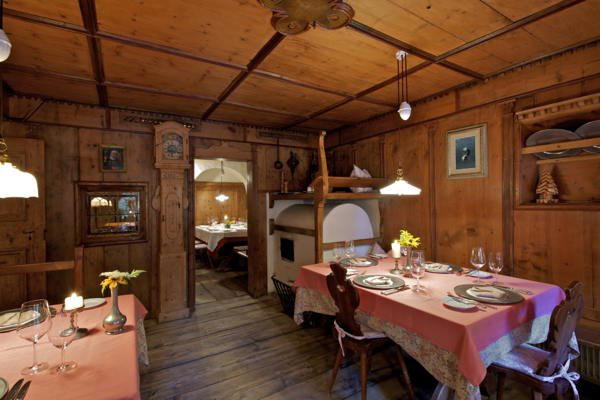
Bars in Issengo
Browse all →
Hotels in Issengo
Browse all →

At a Glance
- Romantic
- Cozy
- Elegant
- Intimate
- Date Night
- Special Occasion
- Garden
- Sommelier Led
- Local Sourcing
- Farm To Table
- Mountain
Romantic 17C Stube-style dining rooms with warm wood paneling, welcoming atmosphere, and attentive service.