El Filò

Michelin Plate
Our verdict
Cradled by the Dolomites’ dramatic peaks, El Filò draws discerning travelers with an artful union of Alpine elegance and Ladin culinary heritage. Following a meticulous refurbishment, the space glows with contemporary mountain warmth—wood, stone, and soft light framing a stage for the owner‑chef’s refined, terroir-led cuisine. Expect deeply rooted regional flavors lifted by modern technique and subtle global inflections, from pristine local game and mountain herbs to delicate pastas and thoughtfully composed broths. A deftly wine list, strong in regional bottlings, invites nuanced pairings and lingering conversations. At El Filò, the experience is intimate yet quietly grand—a celebration of place, craft, and the quiet luxuries of time, texture, and taste.

Pearl is the En Primeur Club membership app, where members save venues, book tables and use the concierge.
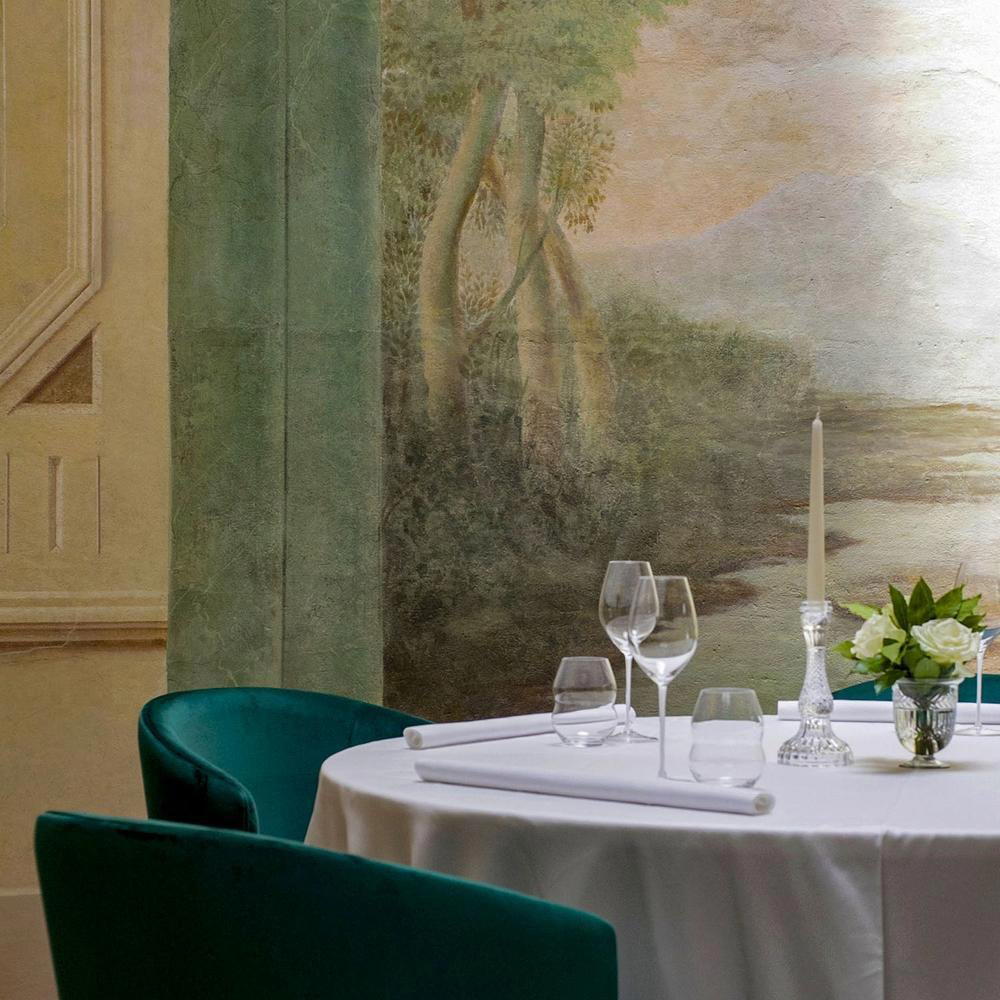
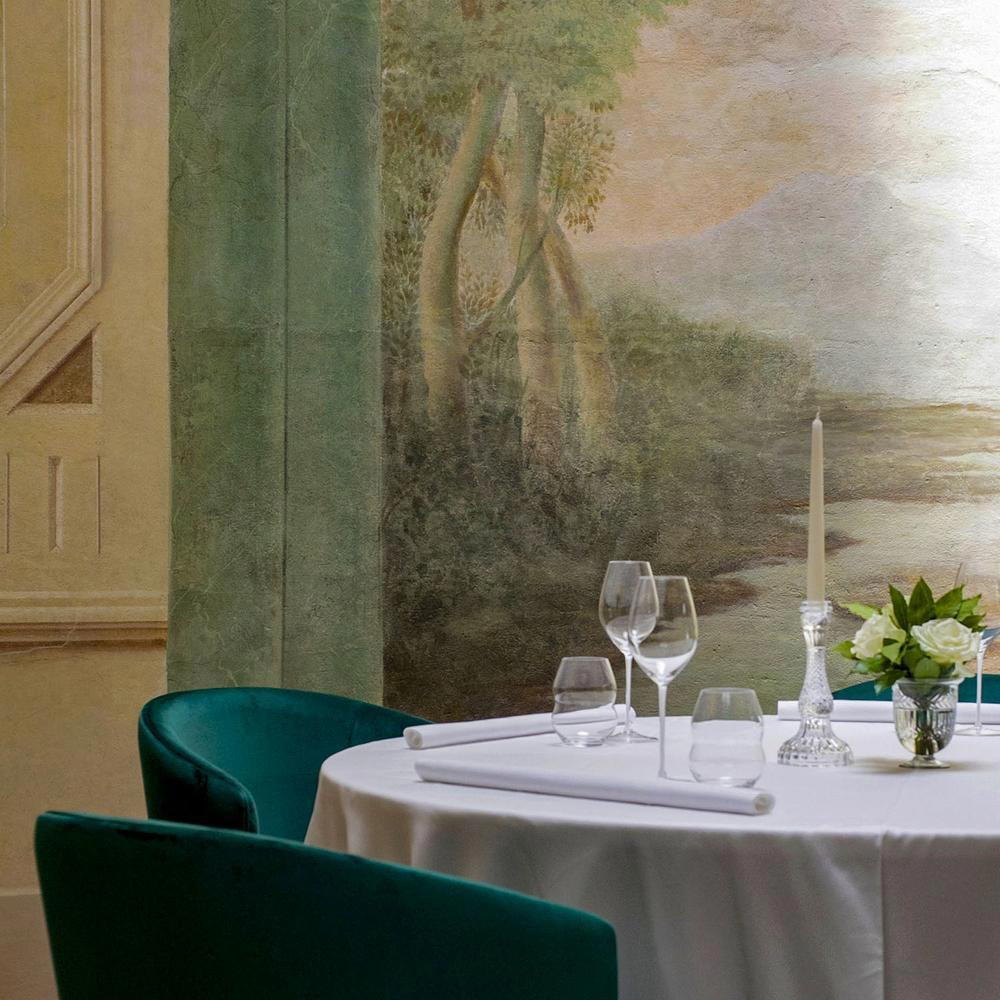
Where the Dolomites Shape the Plate
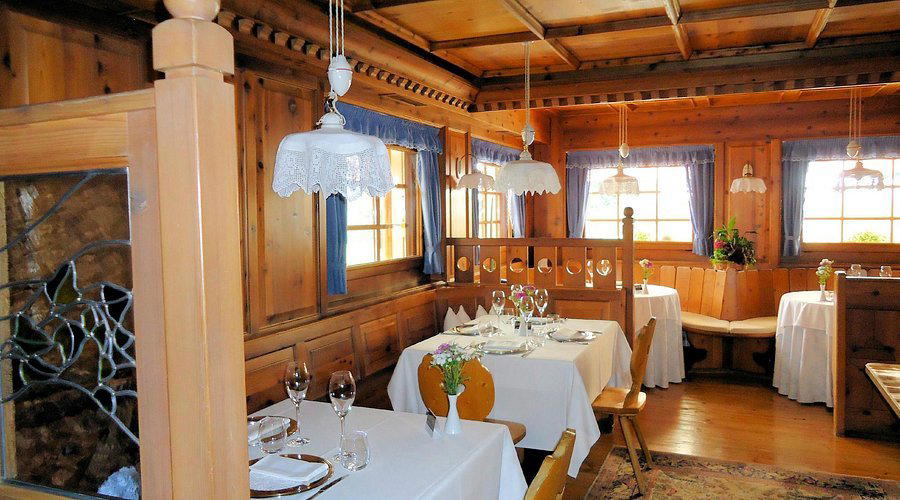
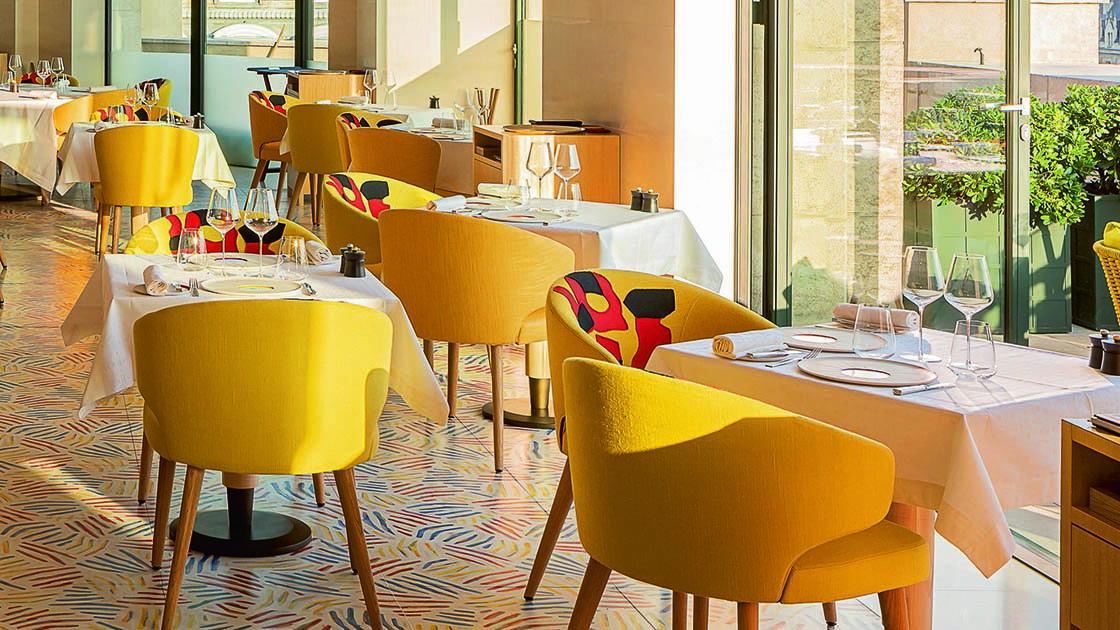
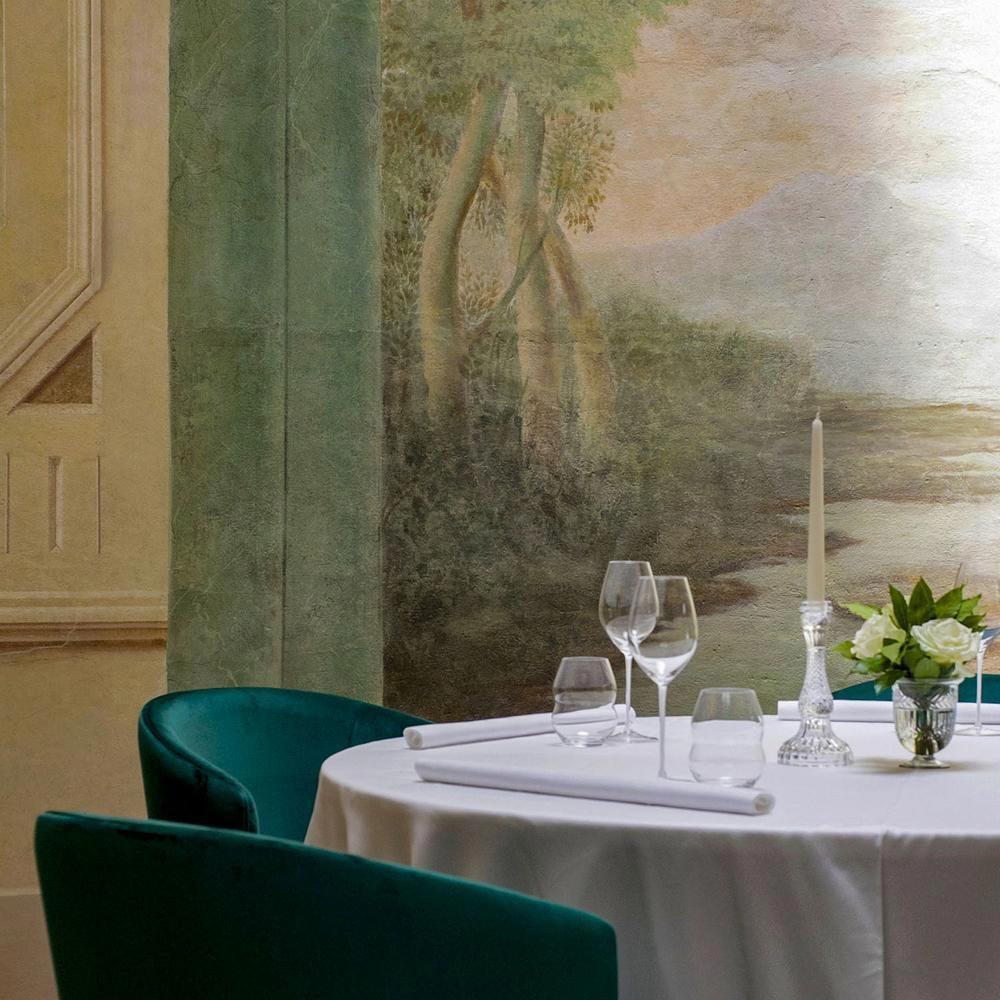
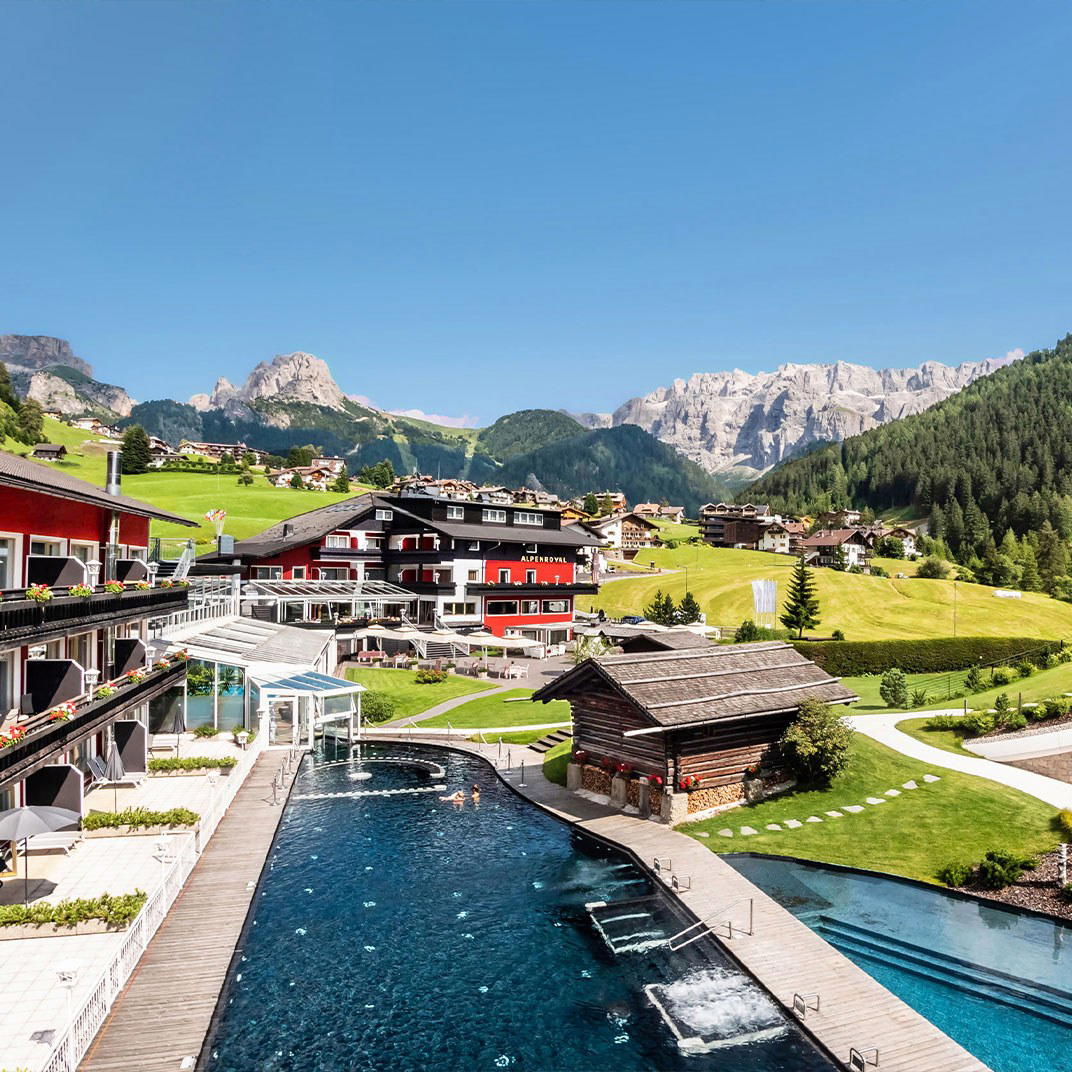
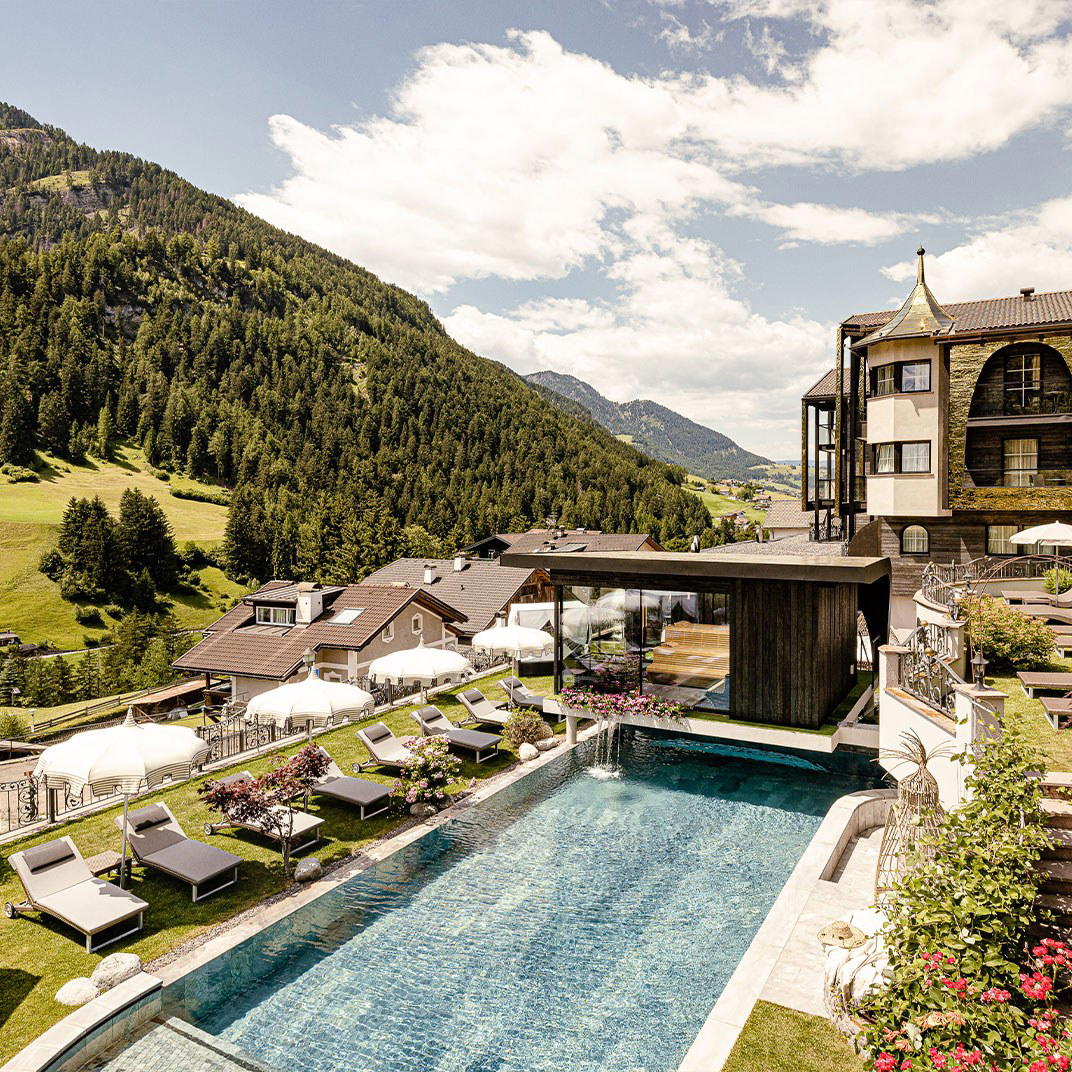
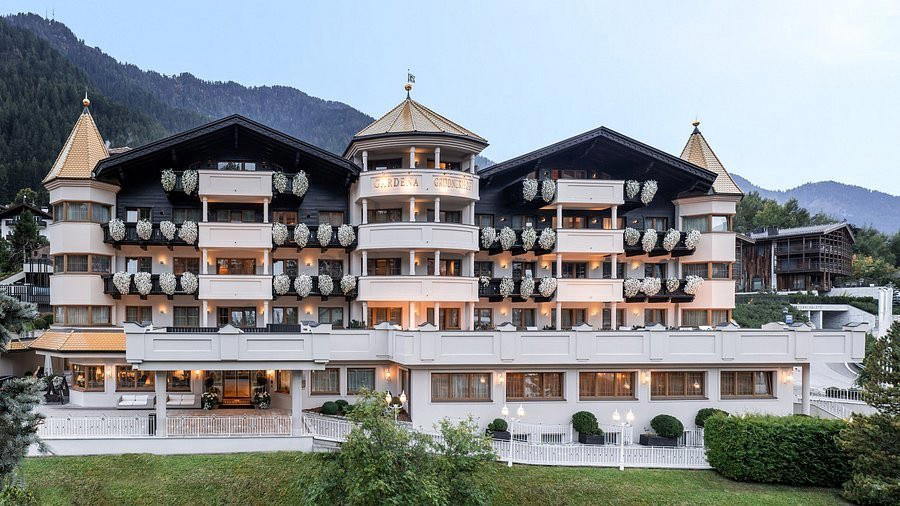
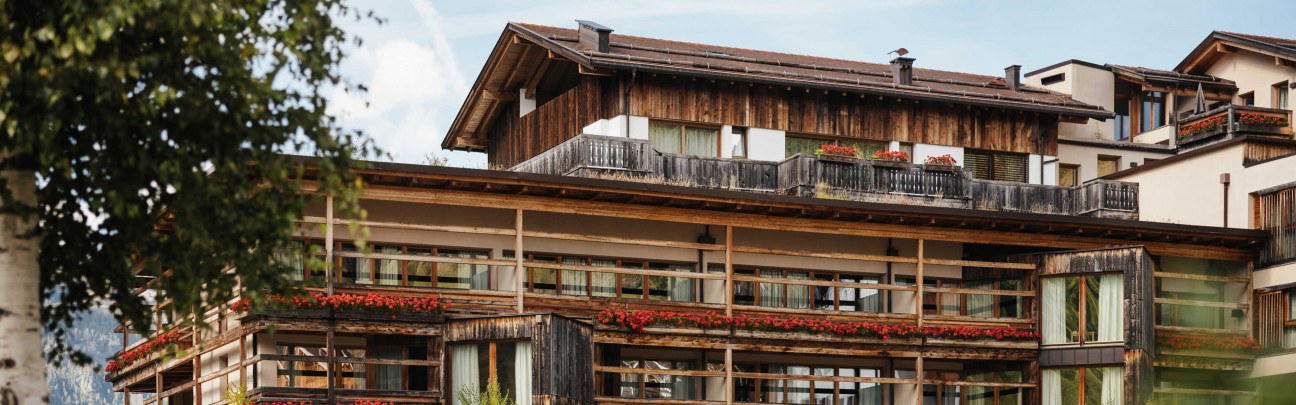
The Val di Fassa sits at the cultural and geographical crossroads of the eastern Alps, where the Ladin-speaking minority has maintained a distinct identity for centuries, one expressed as clearly in the kitchen as in language or architecture. Restaurants in this valley operate under a particular pressure: the alpine landscape generates strong ingredient logic, and a dining public that travels here specifically for immersion in the region tends to notice when a kitchen reaches outside it carelessly. El Filò, on Strada Dolomites in San Giovanni di Fassa, occupies a position that takes that pressure seriously. A recent refurbishment brought a contemporary Alpine interior, spare and considered, without displacing the culinary traditions that give the place its point. The dining room reads as a renovation done with restraint: the materials reference the surrounding mountains without resorting to the taxidermy-and-pine-beam register of lesser alpine establishments.
Ladin Ingredients and the Logic Behind Them
Ladin cuisine is one of the lesser-discussed regional traditions in northern Italy, operating in the shadow of Alto Adige’s more visible speck-and-dumpling identity and the Veneto’s wine-country profile. At its core, it draws on high-altitude pastoral farming: aged cheeses, cured meats, root vegetables, and the grains suited to short growing seasons. The sourcing logic in this tradition is not a marketing posture but a practical inheritance. For centuries, mountain communities cooked what was available within a day’s travel, and the flavour profiles that resulted, concentrated, preserved, fat-rich, reflect those constraints directly. El Filò’s kitchen works within this tradition while introducing modern technique and selective outside influence, a balance the Michelin guide acknowledged with a Plate designation in both 2024 and 2025. That recognition places the restaurant in the tier of recommended addresses that warrant attention without carrying starred status, which in a valley this size is a meaningful signal about culinary seriousness. For context, the full spectrum of Italian fine dining runs from El Filò’s Michelin Plate category through to three-starred rooms like Atelier Moessmer Norbert Niederkofler in Brunico, Osteria Francescana in Modena, and Dal Pescatore in Runate, but in the Alps specifically, the Plate tier fills a gap that starred restaurants, concentrated in South Tyrol, do not always reach into.
How the Menu Is Built
The kitchen’s approach to ingredient sourcing matters here because the Dolomite valleys offer a shorter but specific seasonal calendar. Spring brings foraged greens and the first dairy from animals returning to pasture; summer intensifies the wild herb and soft cheese supply; autumn delivers mushrooms, cured preparations, and aged mountain cheeses; winter returns the kitchen to preserved and slow-cooked material. A regional menu that tracks these shifts honestly produces a very different result from one that merely imports alpine aesthetics while sourcing from the Veneto plains. El Filò operates in the former mode, according to Michelin’s editorial assessment, which specifically notes that Dolomites and Ladin culinary traditions remain central to the cooking. The owner-chef format matters in this context: a single operator carrying both business responsibility and culinary direction tends to resist ingredient substitution more firmly than a large kitchen brigade where procurement and cooking are separate functions. The wine list, focused on regional selections, follows the same sourcing logic applied to the cellar. Trentino-Alto Adige produces distinctive whites, Gewurztraminer, Pinot Grigio, Kerner, that pair with alpine food in ways that Tuscan or Piedmontese bottles simply do not, and a regionally anchored list here is a considered choice, not a limitation.
Placing El Filò in the Regional Scene
The Val di Fassa dining scene is dominated by hotel restaurants and ski-season establishments, many of which operate on high turnover during the winter and summer peaks and close in the shoulder months. Restaurants that hold a consistent culinary identity across these cycles occupy a different category. The Michelin Plate across consecutive years suggests a kitchen that functions with similar standards regardless of the seasonal crowd composition, which in a resort valley is harder to achieve than it sounds. Compared with the broader Italian fine dining tier, rooms like Le Calandre in Rubano, Enoteca Pinchiorri in Florence, Enrico Bartolini in Milan, or Piazza Duomo in Alba, El Filò operates at a more accessible price point (€€€) and without the theatrical ambition of destination restaurants. The comparison holds across borders too: similar positions are occupied by Gannerhof in Innervillgraten and Fahr in Künten-Sulz, both regional cuisine addresses where mountain produce and local tradition drive the menu. This is a different proposition from the innovation-led rooms at Reale in Castel di Sangro, Uliassi in Senigallia, Quattro Passi in Marina del Cantone, or Casa Perbellini 12 Apostoli in Verona, and the reader choosing El Filò should be choosing it for what it is, not as a consolation prize for what it is not.
Planning Your Visit
El Filò sits at Strada Dolomites, 103 in San Giovanni di Fassa, a short drive from the central valley town of Pozza di Fassa. The €€€ price range positions it above the casual mountain hut tier but well below the destination-restaurant bracket that requires multi-month booking windows. Given the resort-town context, booking ahead is advisable during ski season (December through March) and the summer hiking peak (July through August); shoulder months offer more availability. The combination of contemporary interior, Michelin recognition, and a regionally serious wine list makes this a more considered choice than the valley’s volume hotel restaurants, and the €€€ positioning means the financial commitment is proportionate to what a single meal here delivers. For broader planning in the area, see our full Pozza di Fassa restaurants guide, alongside our guides to hotels, bars, wineries, and experiences in Pozza di Fassa.
Frequently asked questions
What's the pricing like at El Filò?
Pricing at El Filò is listed as €€€.
How It Stacks Up
| Venue | Cuisine | Price | Awards | Notes |
|---|---|---|---|---|
| El FilòThis venue (the venue you are viewing) | Modern Trentino-Ladin Gourmet | Not listed | Michelin Plate | Not listed |
| Atelier Moessmer Norbert Niederkofler | Modern Alpine Fine Dining | $300–500 | 3 Michelin Stars · World's 50 Best #20 | Italian, Creative |
| Dal Pescatore | Classic Italian Fine Dining | $200–300 | 3 Michelin Stars · World's 50 Best #38 | Italian, Italian Contemporary |
| Enoteca Pinchiorri | Contemporary Italian Fine Dining | $200–300 | 3 Michelin Stars · World's 50 Best #32 | Italian - French, Italian Contemporary |
| Enrico Bartolini | Modern Italian Fine Dining | $300–500 | 3 Michelin Stars · World's 50 Best #85 | Creative |
| Osteria Francescana | Avant-Garde Italian Contemporary | $300–500 | 3 Michelin Stars · World's 50 Best #1 | Progressive Italian, Creative |
Recognition history
Dated appearances from independent guides and award organizations, with the underlying list record or original source where available.
Michelin Plate
Michelin
Full recognition history (3 entries)
Michelin Plate
Michelin
Michelin Plate
Michelin
Continue exploring
More in Pozza di Fassa
Restaurants in Pozza di Fassa
All restaurants in Pozza di Fassa →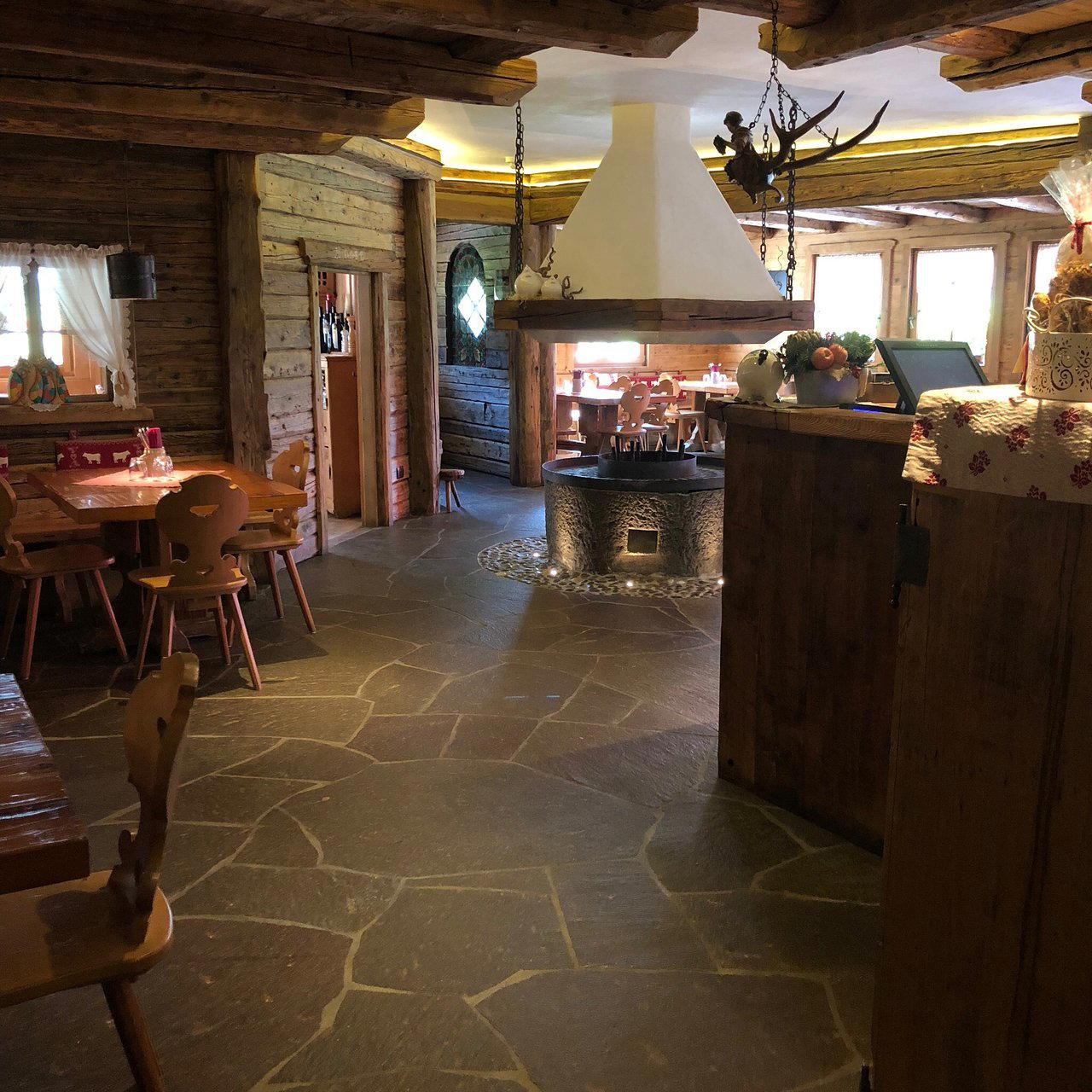
Bars in Pozza di Fassa
Browse all →

Details
- Cozy
- Rustic
- Intimate
- Elegant
- Date Night
- Special Occasion
- Open Kitchen
- Extensive Wine List
- Local Sourcing
- Tasting Menu
- A La Carte
- Vegetarian Friendly
- Vegan Options
Current opening hours
- Monday
- 7:30–9:30 PM
- Tuesday
- 7:30–9:30 PM
- Wednesday
- 7:30–9:30 PM
- Thursday
- 7:30–9:30 PM
- Friday
- 7:30–9:30 PM
- Saturday
- 7:30–9:30 PM
- Sunday
- Closed
Hours can change for holidays and private events. Hours as of .
Familial environment with mountain style and contemporary comfort, pleasant and welcoming like dining among friends.