Our verdict
At Straßerau 3 in Linz, Tante Kaethe occupies a position in the city's dining scene where regional character and environmental mindfulness converge. Against a Linz backdrop that tilts toward international formats and modern cuisine, this address signals something more locally anchored. Visitors drawn to Austria's broader farm-to-table conversation will find Tante Kaethe a useful reference point within the upper Danube region.

Pearl is the En Primeur Club membership app, where members save venues, book tables and use the concierge.

The menu
What to order
- Roast Pork
- Kaiserschmarrn
- Roast Goose
- Fish and Chips
Where the Danube Sets the Agenda
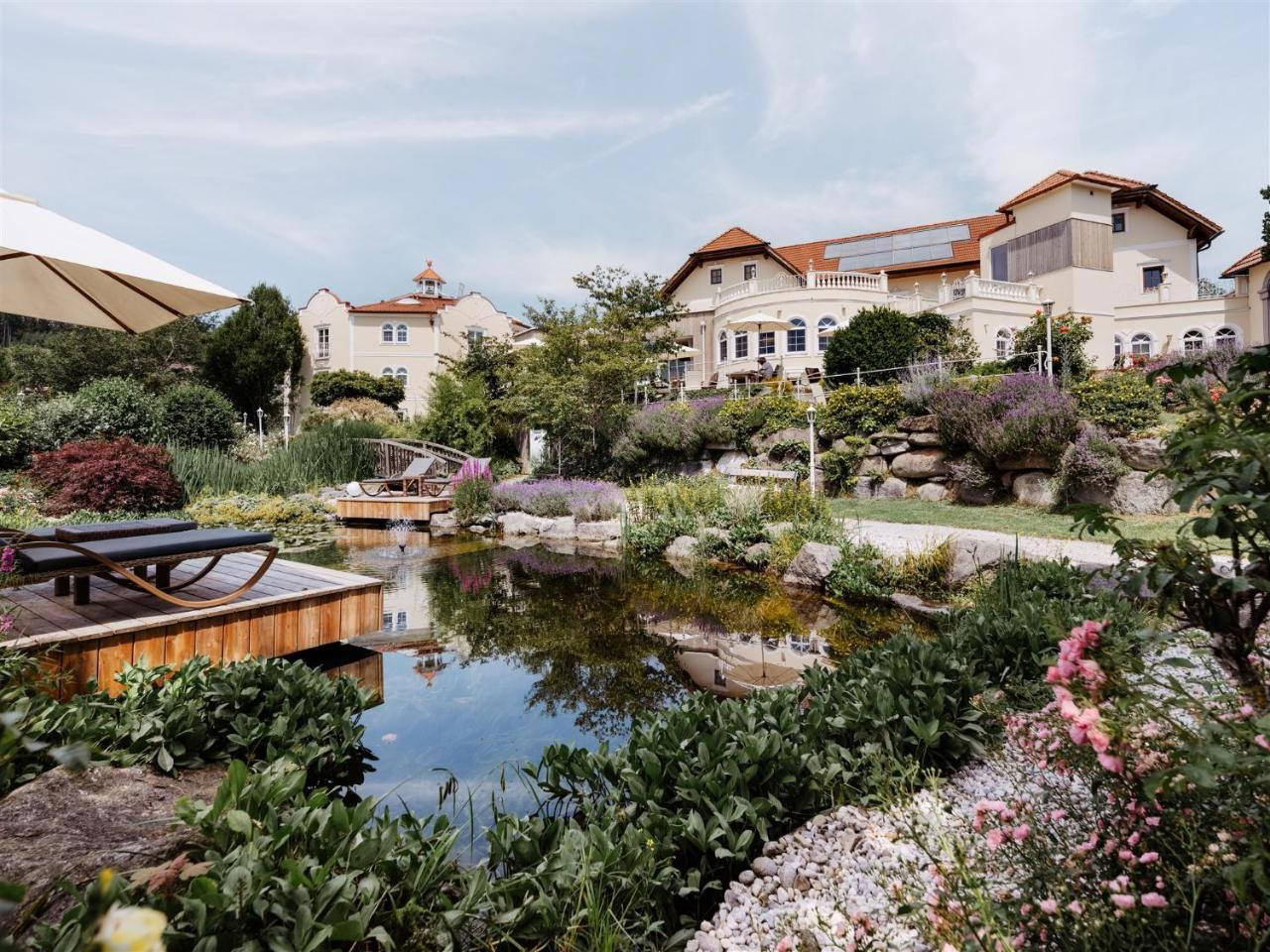
Linz sits at a crossing point between industrial ambition and deep Austrian ruralism, and its restaurant scene reflects that tension faithfully. The city's Straßerau quarter, addressed at number 3, places Tante Kaethe close to the Danube's edge, in a part of Linz where the river's proximity is a physical fact rather than a decorative backdrop. Approaching along the waterfront, the shift from the city's busier commercial corridors is immediate: the pace slows, the air carries more green, and the built environment becomes less insistent. This is the kind of setting that, across Austria, tends to attract restaurants with a specific orientation, where sourcing from within a tight regional radius is not a marketing position but a structural constraint shaped by geography itself.
Austrian dining has, over the past decade, sorted itself into fairly distinct tiers. At the leading, destinations like Steirereck im Stadtpark in Vienna and Döllerer in Golling an der Salzach have built internationally recognised programs around Austrian produce treated with serious technical ambition. Below that, a wide and varied middle tier covers everything from hotel dining rooms to wine-focused bistros. Linz has its own version of this spectrum: Rossbarth operates at the modern cuisine end with prices to match, Verdi covers the international register at a comparable price point, and addresses like Be Right Back occupy a more casual contemporary space. Tante Kaethe, by address and apparent orientation, sits at a remove from that central cluster, which in a city of Linz's scale tends to mean something deliberate.
Sustainability as Structure, Not Decoration
The turn toward environmental accountability in Austrian restaurant kitchens has followed a pattern visible across the German-speaking world: what began as a marketing differentiator in the 2010s has, for a smaller group of operators, become a structural commitment that shapes purchasing, menu length, and waste management in ways that are measurable rather than rhetorical. Upper Austria, the state in which Linz sits, has particular geographic advantages here. The region's farming hinterland is within practical delivery distance of the city, the Danube provides a freshwater corridor that supports certain fish and vegetable sourcing traditions, and the general Austrian culture of seasonal eating gives kitchen teams a customer base already oriented toward ingredient-led menus that shift with supply rather than remaining static year-round.
Restaurants that operate seriously within this framework tend to share certain characteristics regardless of price tier: shorter menus that reflect what is actually available rather than what the kitchen is technically capable of producing any month of the year; relationships with named producers rather than anonymous commodity suppliers; and a waste hierarchy that moves beyond composting into prep-forward cooking that treats trim and offcuts as assets. These are operational choices with aesthetic consequences, and they produce a dining experience that reads differently from the internationalist format dominant at venues like Verdi. Austria's most discussed practitioners of this approach, including Kräuterreich by Vitus Winkler in Sankt Veit im Pongau and Ois in Neufelden, have built programs where the garden, the regional producer network, and the kitchen form a closed loop. Tante Kaethe's Straßerau location positions it within that broader regional conversation.
Linz in Context: A City Finding Its Dining Register
Linz is Austria's third city by population and has historically lived in the cultural shadow of Vienna and Salzburg. That has begun to shift. The Lentos Kunstmuseum and the Ars Electronica Center have established the city as a serious cultural destination over the past two decades, and restaurant investment has followed arts infrastructure, as it reliably does in mid-sized European cities undergoing cultural repositioning. The dining scene now includes the tasting-menu ambition of Bruckner's im Brucknerhaus Linz, Thai cooking at Aroy Thai, and a growing number of addresses that sit outside the obvious tourist corridor. Internationally, Austria's fine dining reference points remain concentrated in Vienna and the alpine west, with names like Ikarus in Salzburg, Gourmetrestaurant Tannenhof in Sankt Anton am Arlberg, Griggeler Stuba in Lech, Obauer in Werfen, Landhaus Bacher in Mautern an der Donau, and Restaurant 141 by Joachim Jaud in Mieming drawing significant attention. Upper Austria as a dining region is less extensively mapped by international critics, which means addresses in Linz operate with somewhat less external validation and somewhat more local authority. For comparison, even globally recognised formats, whether the seafood precision of Le Bernardin in New York City or the tasting-menu architecture of Atomix in New York City, derive part of their weight from being set within cities that function as international dining reference points. Linz is not yet that, which changes the competitive calculus for restaurants operating here.
Planning a Visit
Tante Kaethe is located at Straßerau 3, 4020 Linz, placing it in a quieter riverside section of the city that rewards arriving on foot or by bicycle rather than by car, particularly in the warmer months when the Danube bank is at its most usable. Linz Hauptbahnhof connects the city to Vienna in roughly an hour and fifteen minutes by rail, making Linz a plausible day trip or short break from the capital for those building an Upper Austrian itinerary. For those building a broader Linz dining itinerary, our full Linz restaurants guide maps the city's current options across price tiers and cuisine types.
Frequently asked questions
Where is Tante Kaethe in Linz?
Tante Kaethe is located at Straßerau 3, 4020 Linz, Austria, Linz.
Is Tante Kaethe a good choice for dinner in Linz if I want something rooted in Upper Austrian tradition rather than international cuisine?
The Straßerau 3 address situates Tante Kaethe in a quieter riverside quarter of Linz, away from the city-centre venues more likely to chase broader tourist appeal. Upper Austria has a distinct culinary register, separated from Viennese refinement and Salzburg's festival-crowd orientation, built around Danube fish, regional grains, and dairy from the Alpine foothills. For a visitor prioritising that local character over a globalised menu, the location alone signals the right direction.
What do regulars order at Tante Kaethe?
The Straßerau address places the restaurant within Upper Austria's river and agricultural corridor, a region with a strong tradition of freshwater fish, root vegetables, and cured meats. Ordering around those regional staples is a reasonable starting point at any kitchen rooted in this geography.
How far ahead should I plan for Tante Kaethe?
Booking lead times for Tante Kaethe are not documented in our system. In Linz, restaurants with a strong local following in quieter residential or riverside locations, as Straßerau 3 suggests, tend to fill on weekends before midweek slots. Contacting the venue directly ahead of a Friday or Saturday visit is the practical approach.
A Tight Comparison
Comparable venues nearby, for context on price, style, and recognition.
| Venue | Cuisine | Price | Notes |
|---|---|---|---|
| Tante KaetheThis venue (the venue you are viewing) | Mediterranean & Austrian Classics | $20–30 | Not listed |
| Mondigo | Italian-Mediterranean Pizza | Not listed | 4020 Linz, Italian-Mediterranean Pizza |
| Schlossbrasserie | Modern Austrian Brasserie | $30–50 | Altstadtviertel, Modern Austrian Brasserie |
| Da Giulio Linz | Authentic Italian Pizza and Pasta | $20–30 | Urfahr, Authentic Italian Pizza and Pasta |
| Bruckner's im Brucknerhaus Linz | Modern Austrian with International Influences | $50–100 | Danube Park, Modern Austrian with International Influences |
| STEAKHOUSE | Steakhouse | Not listed | Urstadt, Steakhouse |
Continue exploring
More in Linz
Restaurants in Linz
All restaurants in Linz →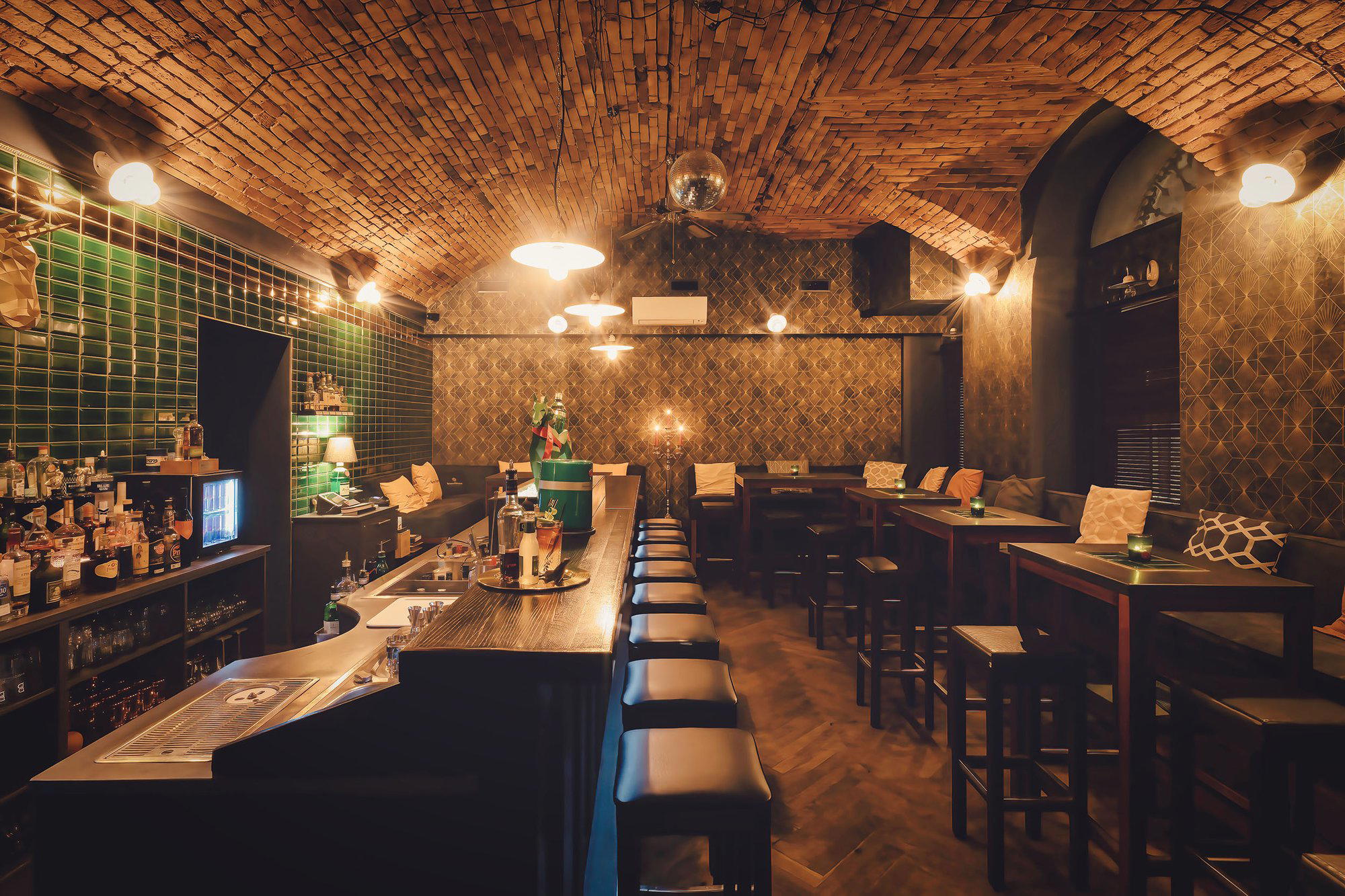
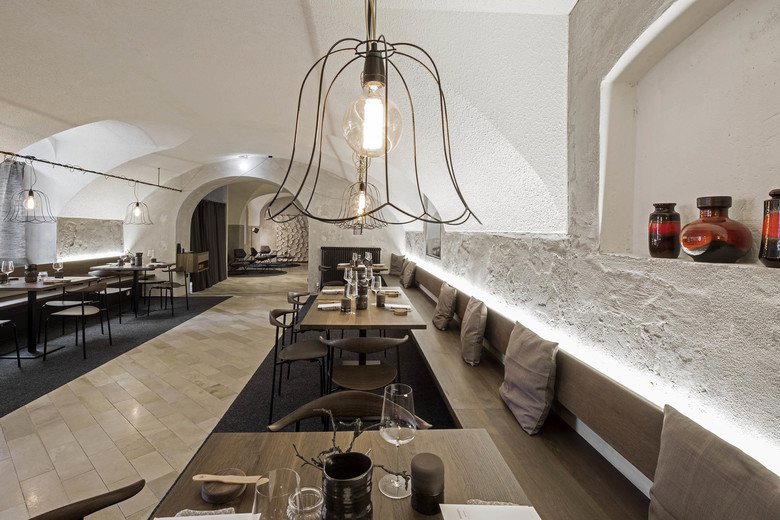
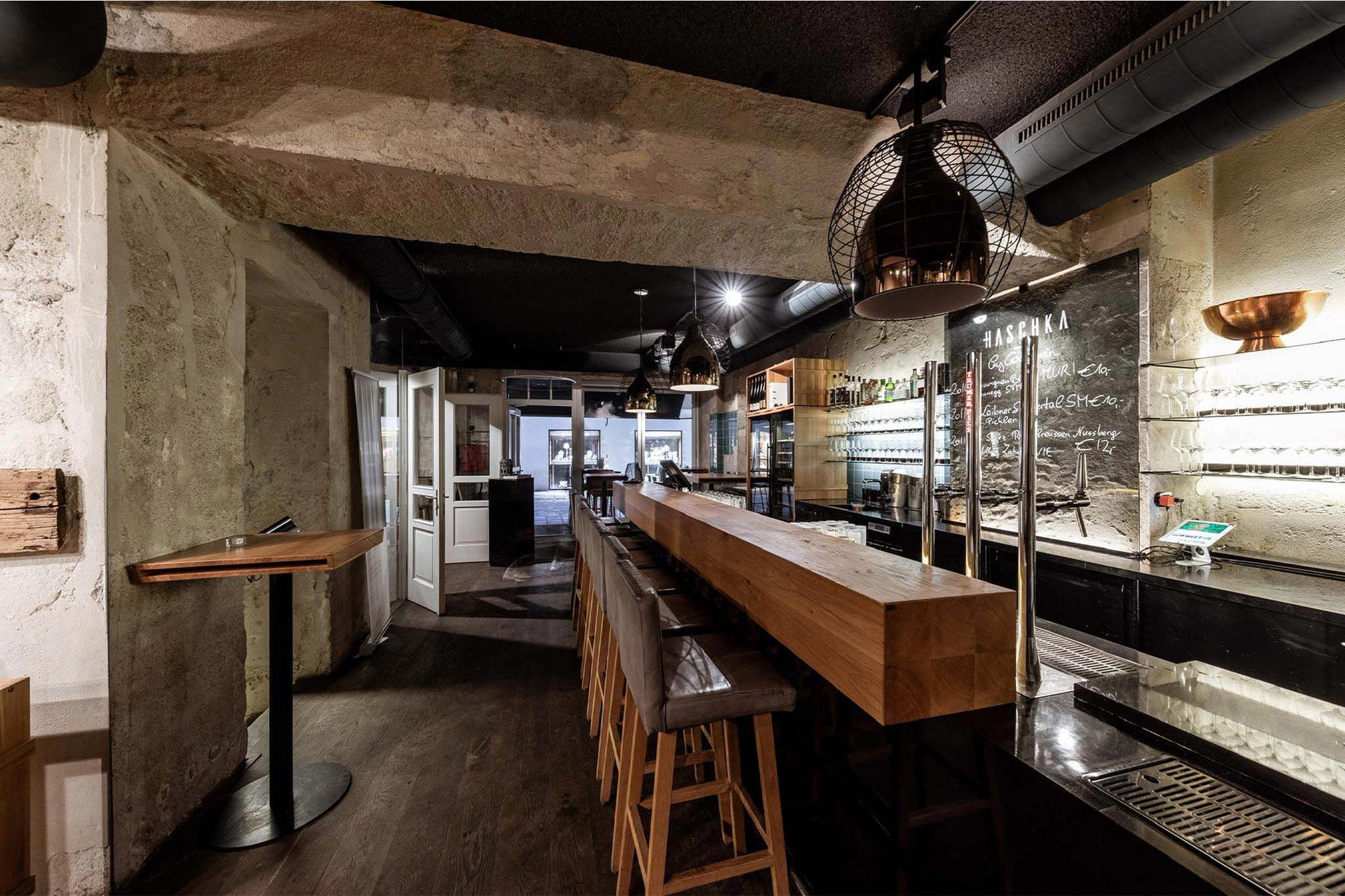
Hotels in Linz
All hotels in Linz →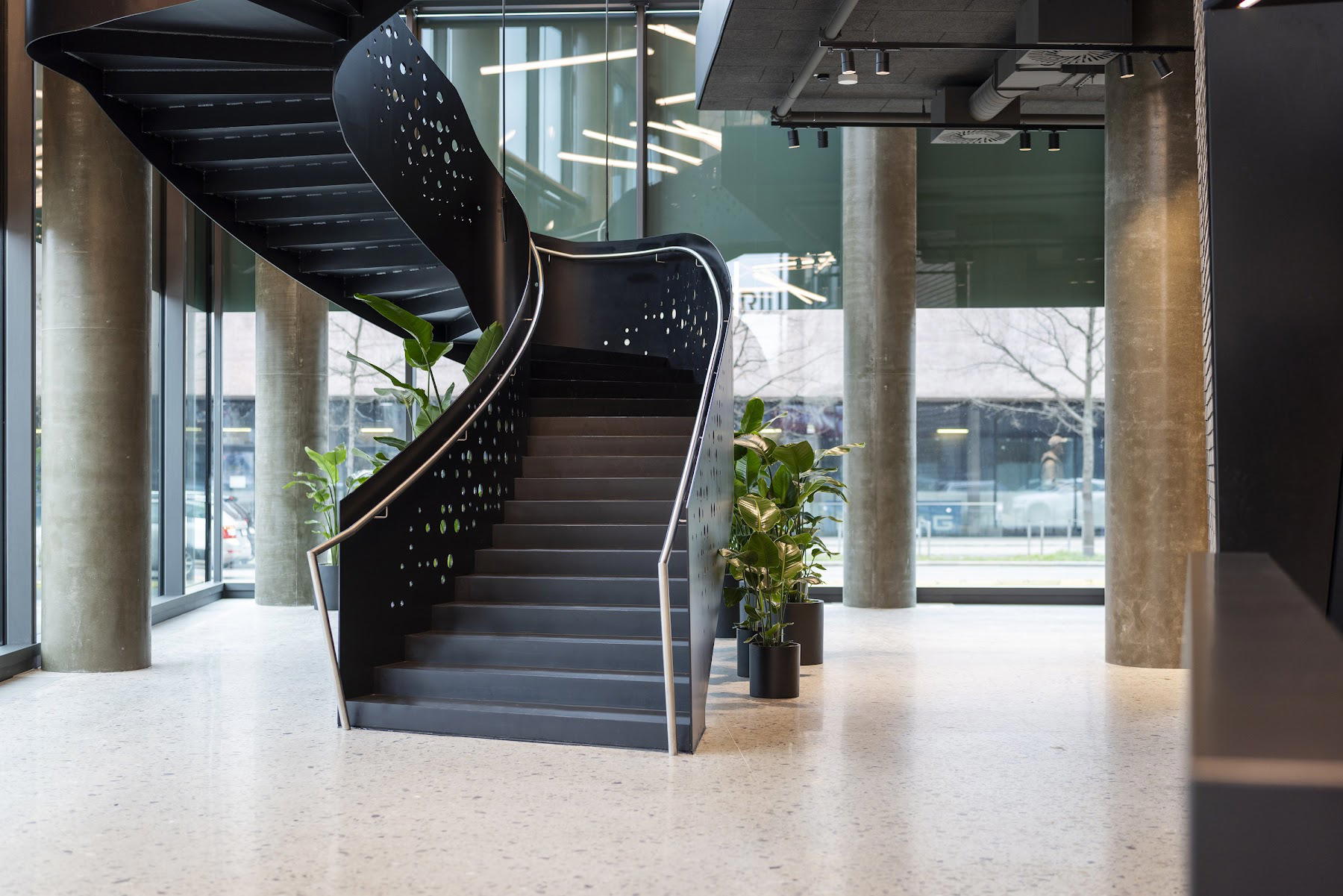
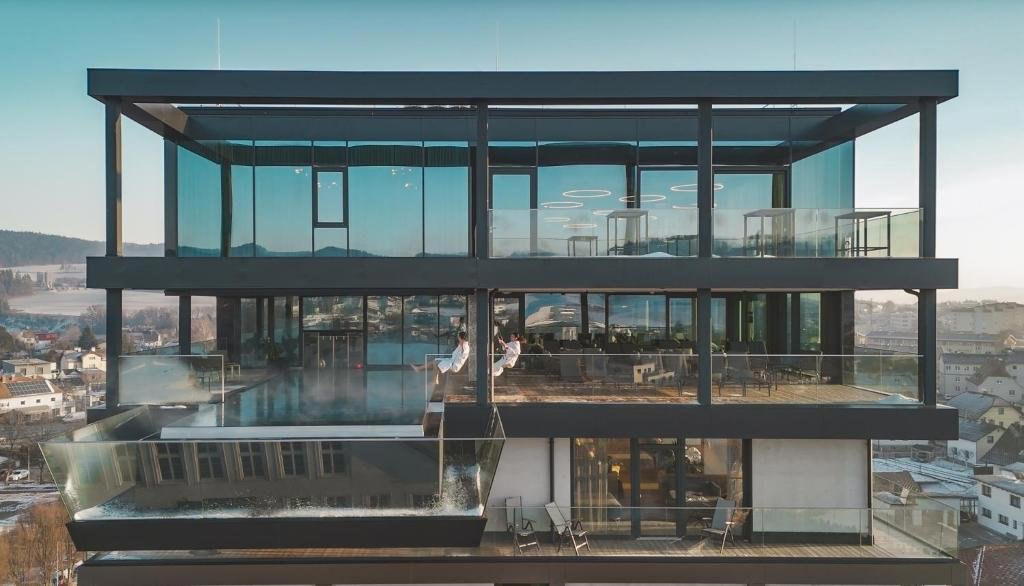

Details
- Scenic
- Lively
- Industrial
- Cozy
- Casual Hangout
- Group Dining
- After Work
- Late Night
- Waterfront
- Garden
- Live Music
- Terrace
- Beer Program
- Local Sourcing
- Waterfront
- Garden
- A La Carte
- Wine
- Beer
- Vegetarian Friendly
Current opening hours
- Monday
- Closed
- Tuesday
- 11:30 AM–12 AM
- Wednesday
- 11:30 AM–12 AM
- Thursday
- 11:30 AM–12 AM
- Friday
- 11:30 AM–12 AM
- Saturday
- 11:30 AM–12 AM
- Sunday
- 11:30 AM–12 AM
Hours can change for holidays and private events. Hours as of .
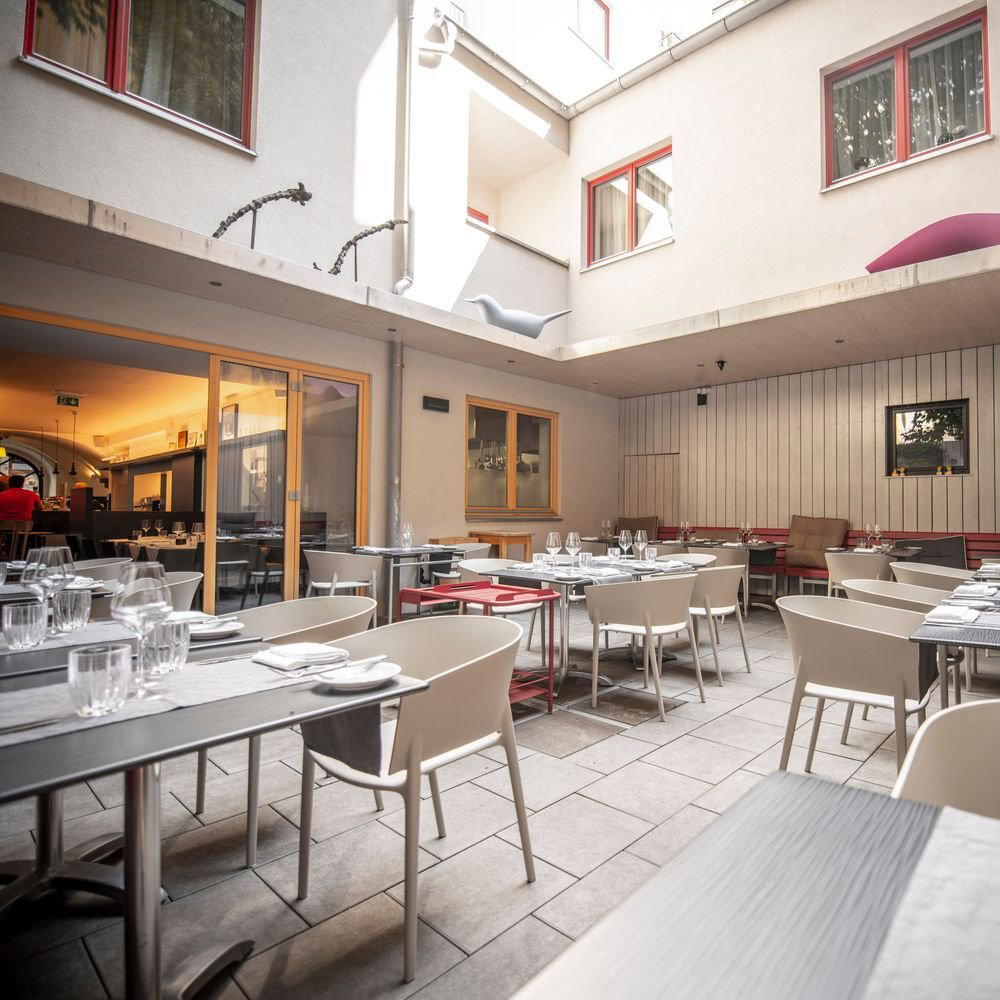
Industrial-style interior with great atmosphere; transforms into a lively party venue after 10 PM on weekends with resident DJs; bright and welcoming during daytime with natural light from garden views.