Tantalum
Positioned along the Pacific Coast Highway in Long Beach, Tantalum sits within a coastal dining corridor that rewards those who look beyond the waterfront chains. The address places it at the intersection of Southern California's sustainability-conscious food movement and the city's growing appetite for ingredient-driven cooking. For visitors tracking Long Beach's evolving restaurant scene, it belongs in the conversation.
Pearl is the En Primeur Club membership app — saves, bookings, and concierge access live there. Same editors, same standards.
- Address
- 6272 Pacific Coast Hwy, Long Beach, CA 90803
- Phone
- +15624311414
- Website
- tantalumrestaurant.com
- Directions
- Get directions
 Saves & bookings on Pearl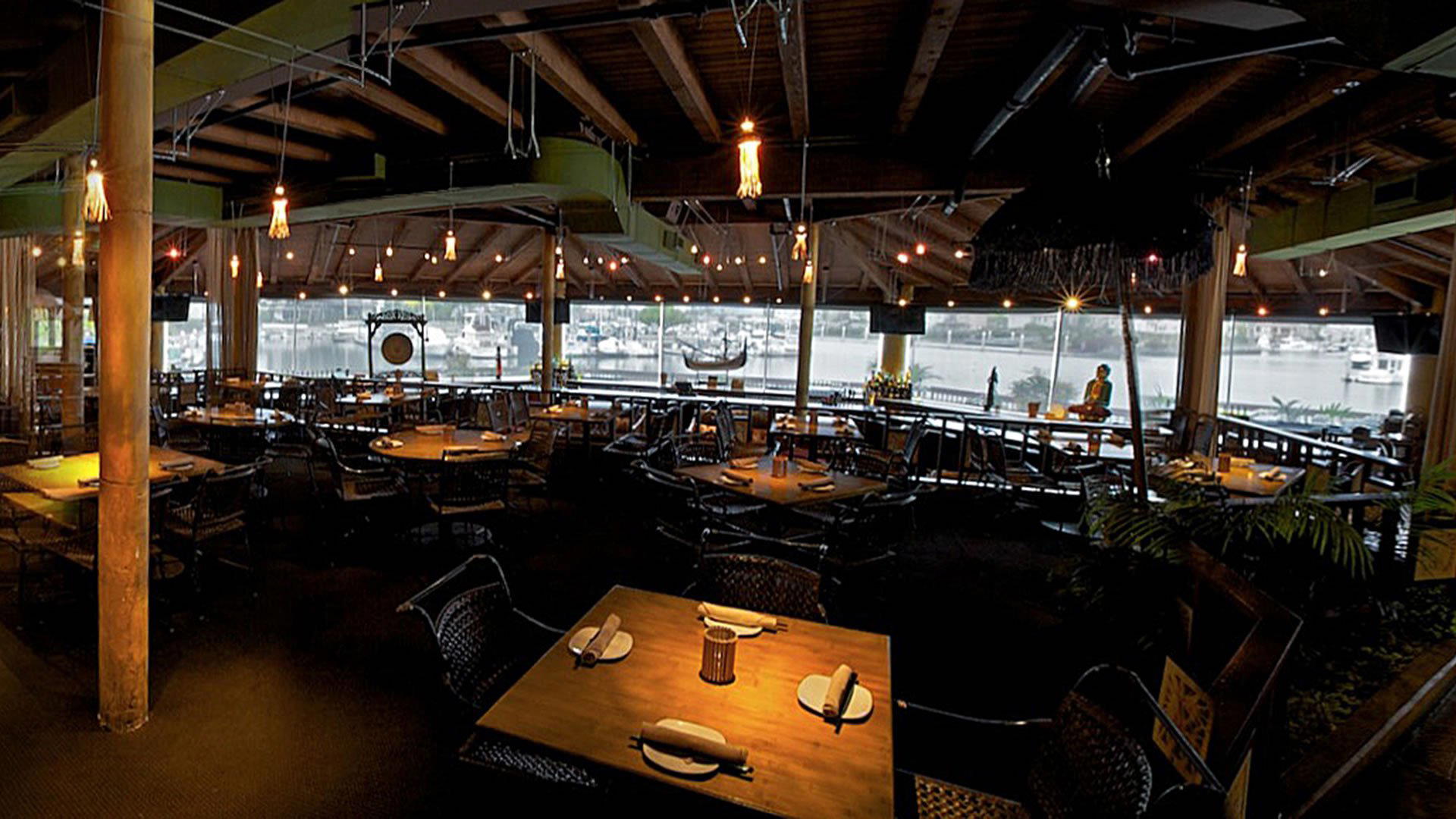
Pacific Coast, Considered: Dining With a View of What Matters
The stretch of Pacific Coast Highway running through Long Beach's eastern edge has long been the domain of casual seafood shacks and tourist-facing waterfront bars. What changes things is when a restaurant along that corridor takes the physical environment — the salt air, the proximity to the water, the quality of coastal light — as a prompt to think seriously about where ingredients come from and what it costs the ocean to put them on a plate. Tantalum, at 6272 Pacific Coast Hwy, occupies that more considered position in a part of the city that is starting to support it.
Long Beach's dining scene has matured considerably over the past decade. The city once existed primarily in the shadow of Los Angeles, with diners making the 25-mile drive north for anything requiring serious culinary attention. That calculus has shifted. A cluster of restaurants, from the Californian-focused Heritage (Californian) to the sharp steakhouse programming at 555 East, has established the city as a destination on its own terms. Tantalum sits within that emerging tier, and its Pacific Coast Highway address gives it a specific character that downtown Long Beach properties cannot replicate.
The Sustainability Frame: Coastal Dining's Harder Question
Across the American restaurant industry, the gap between sustainability claims and verifiable practice has become the defining tension of the current decade. Coastal venues face this most acutely. The proximity to the ocean is a marketing asset and, simultaneously, a responsibility: menus built on wild-caught seafood depend on the health of fisheries that are under documented pressure, and wine lists structured around shipping-heavy imports carry a carbon weight that farm-to-table sourcing of produce cannot offset by itself.
The restaurants that have handled this most credibly in California tend to share a few characteristics: close relationships with regional suppliers, menu flexibility that allows them to remove a species from service when stocks are low, and a willingness to let those constraints shape the menu rather than work around them. Single Thread Farm in Healdsburg has built an entire operating model around that principle, integrating farm ownership into the restaurant's supply chain. Blue Hill at Stone Barns in Tarrytown takes a comparable approach on the East Coast. These are extreme examples, but they set the reference point for what serious sourcing engagement looks like in a fine-dining context.
For a coastal Southern California property, the relevant regional comparisons are closer to home. Providence in Los Angeles has maintained a consistent commitment to sustainable seafood sourcing over many years, working with the Monterey Bay Aquarium's Seafood Watch program as a public accountability mechanism. Addison in San Diego operates within a similarly ingredient-conscious frame, though its emphasis leans toward Californian produce and wine. What unites them is a view that the sourcing decision is an editorial decision: what appears on the menu reflects a position on what the kitchen is willing to endorse.
Long Beach's Coastal Corridor in Context
Long Beach's waterfront dining has historically skewed toward high-volume, low-specificity formats: seafood buffets, chain-affiliated concepts, and bars that treat the ocean view as the primary offering. The shift toward more intentional cooking along this corridor is recent and not yet complete. The restaurants that have moved the conversation forward tend to sit slightly away from the busiest tourist clusters, which gives them the operational breathing room to work with smaller-scale suppliers and change menus at the pace the market requires.
Within Long Beach more broadly, the diversity of the city's food culture supports sustainability-conscious dining in ways that are easy to underestimate. The city's Vietnamese community, which has shaped dining in areas like the Cambodian District, has long worked with producers and supply chains that prioritize freshness and proximity over brand recognition. Venues like Benley and Alli Kaphiy represent that tradition. The Boathouse on the Bay positions itself explicitly around its waterfront access and seafood focus. Tantalum's Pacific Coast Highway placement puts it in conversation with all of these, while its setting gives it a distinct physical context that the inland and downtown properties share differently.
Where Tantalum Fits the Broader Coastal Fine-Dining Arc
The broader American fine-dining conversation around sustainability has been shaped by a handful of reference points over the past two decades. Le Bernardin in New York City built its reputation in part on deep sourcing relationships with fishers and a kitchen philosophy that treats the quality of the raw ingredient as the primary variable. Lazy Bear in San Francisco works within a format that allows close control over ingredient provenance. Alinea in Chicago and Atomix in New York City represent the technical and creative apex of the form, while restaurants like Emeril's in New Orleans and The Inn at Little Washington in Washington have built long-term identities around a defined relationship between place and plate. Further afield, 8 1/2 Otto e Mezzo Bombana in Hong Kong and The French Laundry in Napa demonstrate how the sourcing-first philosophy translates across different culinary traditions and price points.
What links these references is not a shared aesthetic but a shared operating principle: the decision about what to serve is inseparable from the decision about where it comes from and what its production costs the environment. For a restaurant on the Pacific Coast Highway in Long Beach, that principle is not abstract. It is visible in the water outside the window.
Planning a Visit
Tantalum is located at 6272 Pacific Coast Hwy in Long Beach, CA 90803, in the eastern stretch of the city closer to Seal Beach than to the downtown waterfront. The address is accessible by car along PCH, and the coastal corridor setting means parking considerations are relevant, particularly on weekend evenings when the stretch sees higher traffic. For those building a Long Beach dining itinerary around more than one stop, consulting our full Long Beach restaurants guide provides a structured overview of where Tantalum sits relative to other city options by neighborhood, cuisine type, and price tier. Current hours, reservation availability, and menu details are best confirmed directly with the venue before visiting, as coastal restaurants in this price segment frequently adjust their programming seasonally.
Continue exploring
More in Long Beach
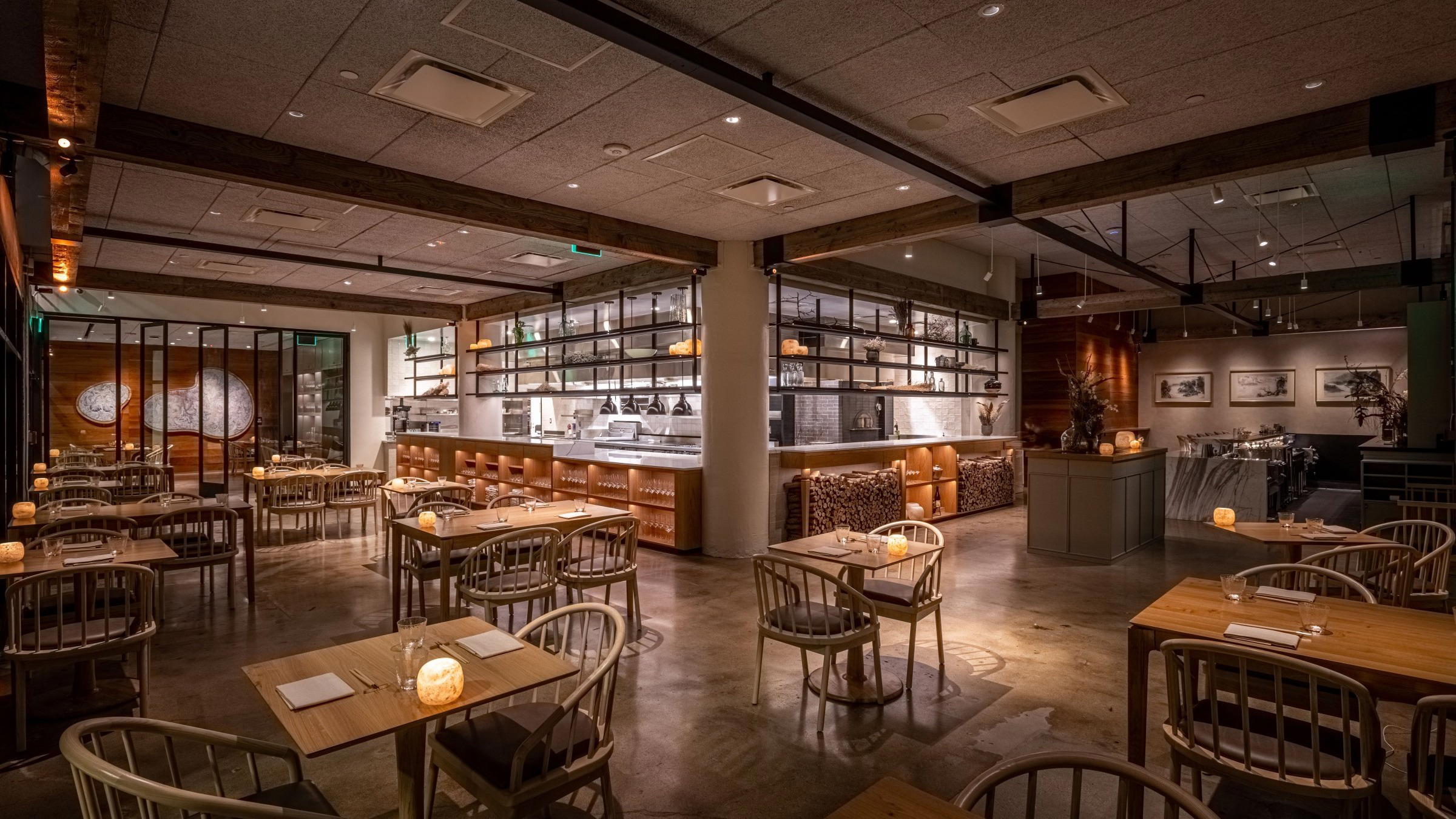
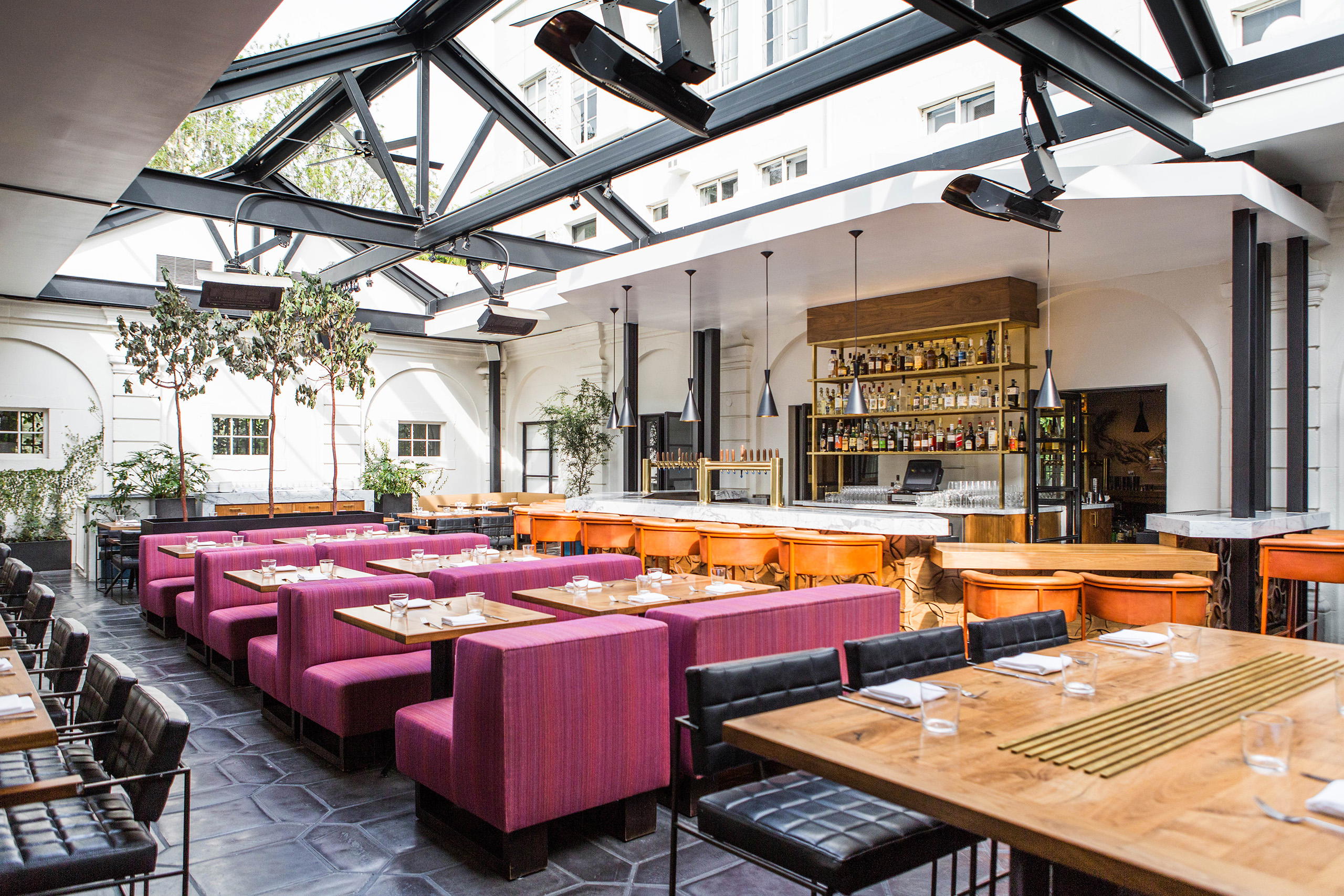
Restaurants in Long Beach
Browse all →
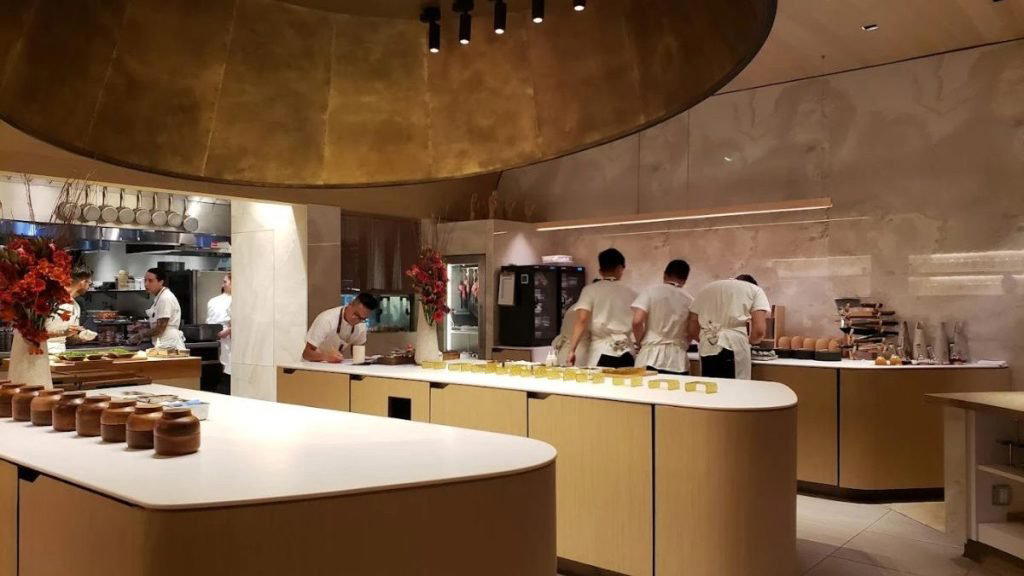
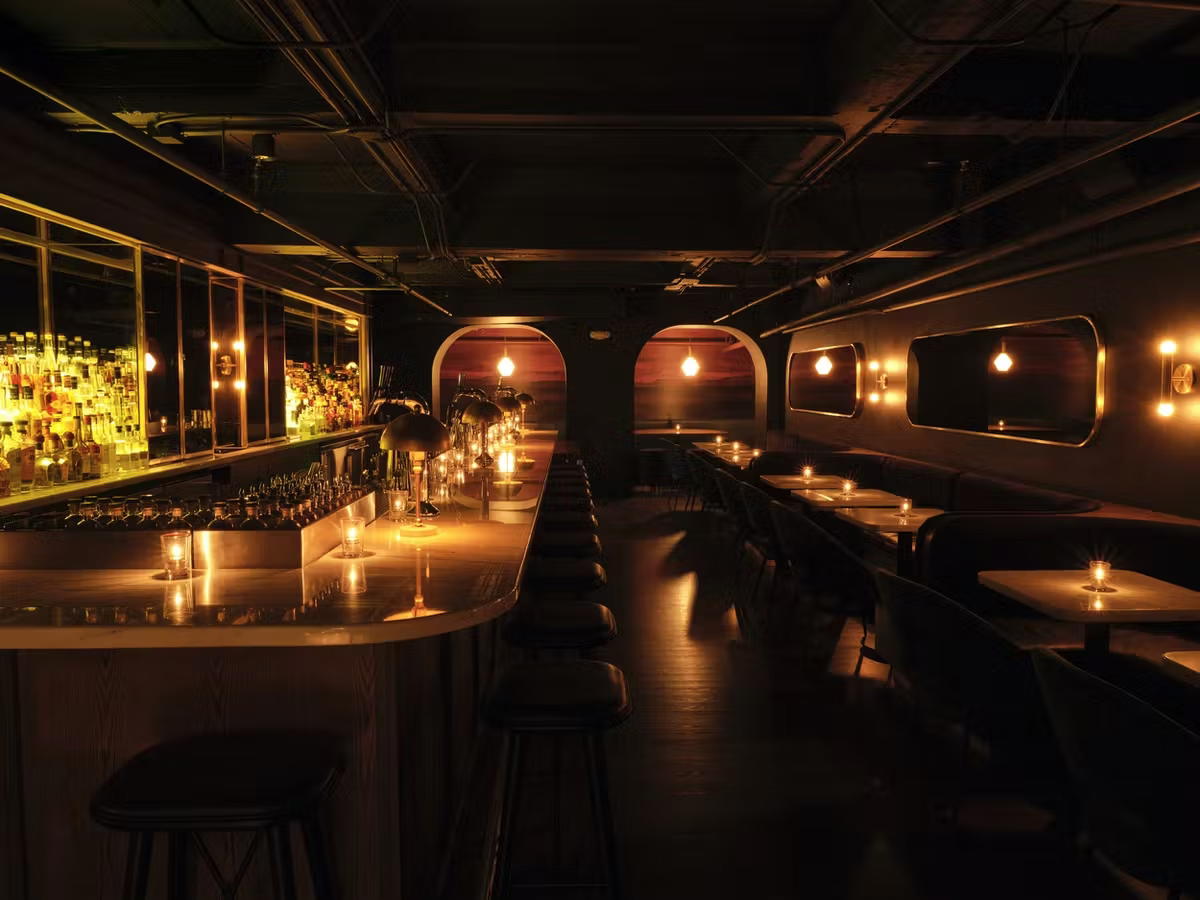
Bars in Long Beach
Browse all →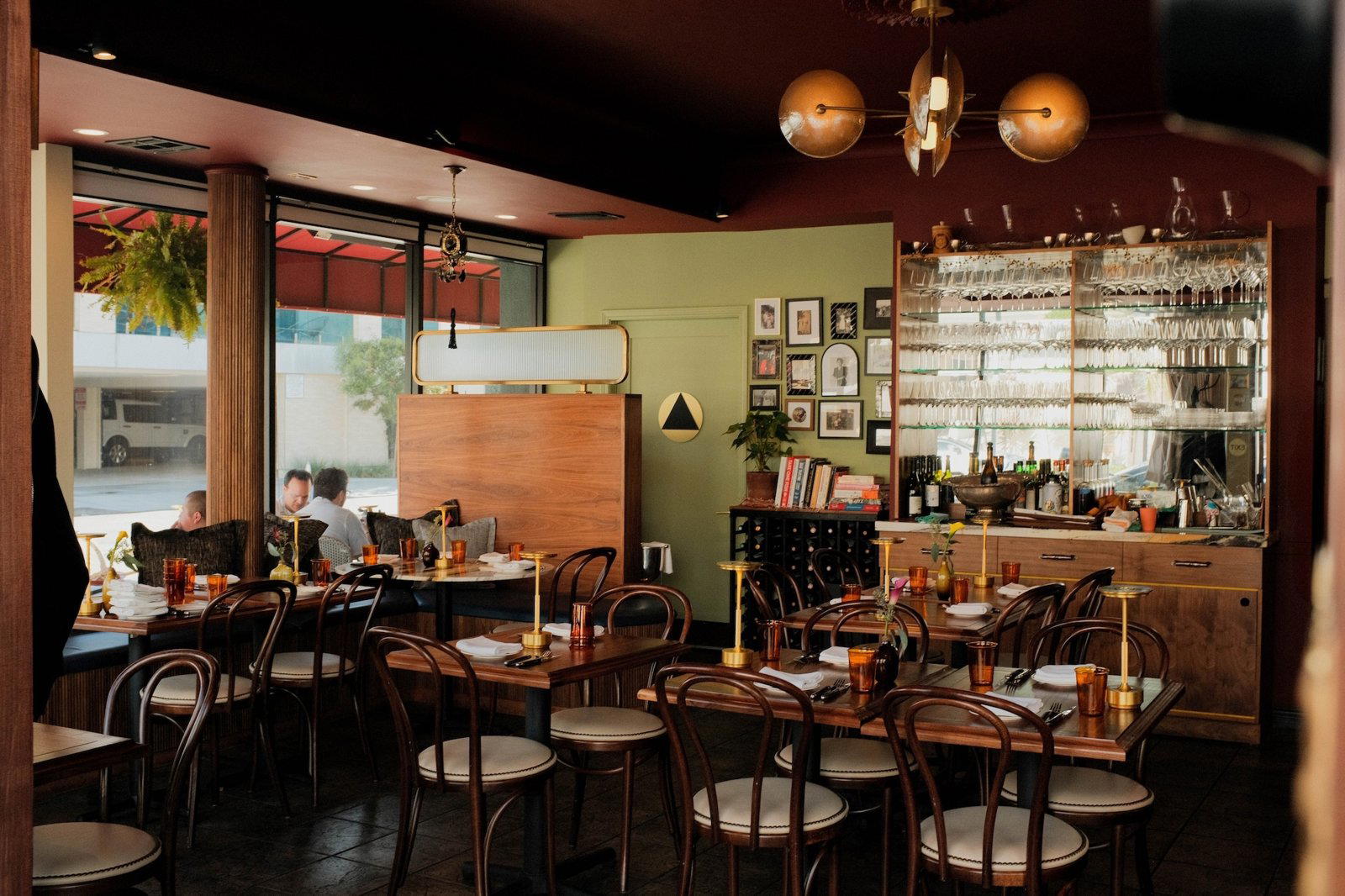
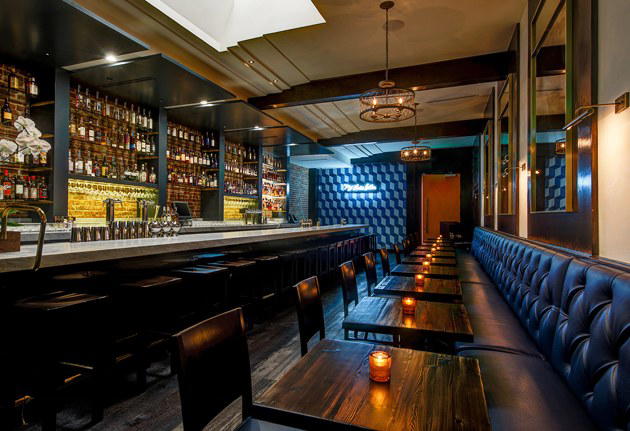
Hotels in Long Beach
Browse all →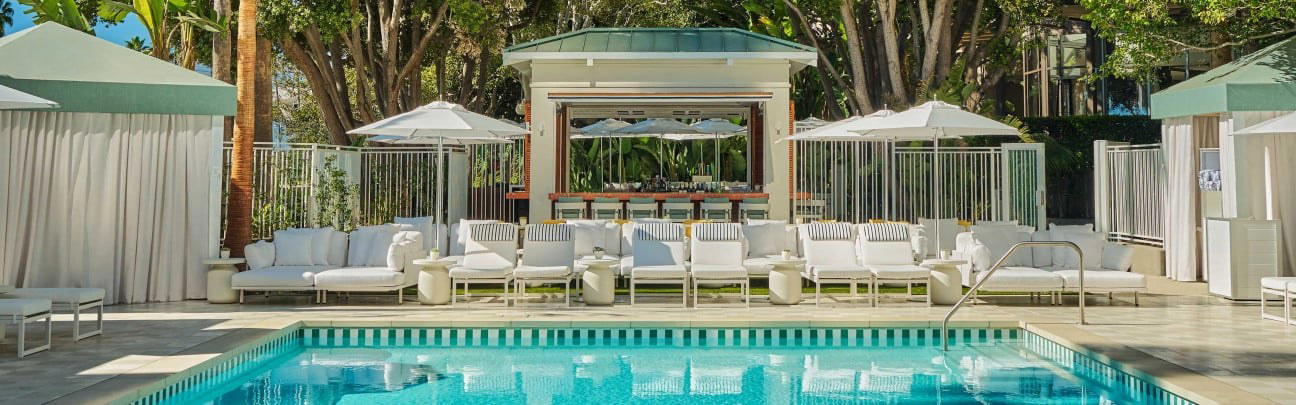
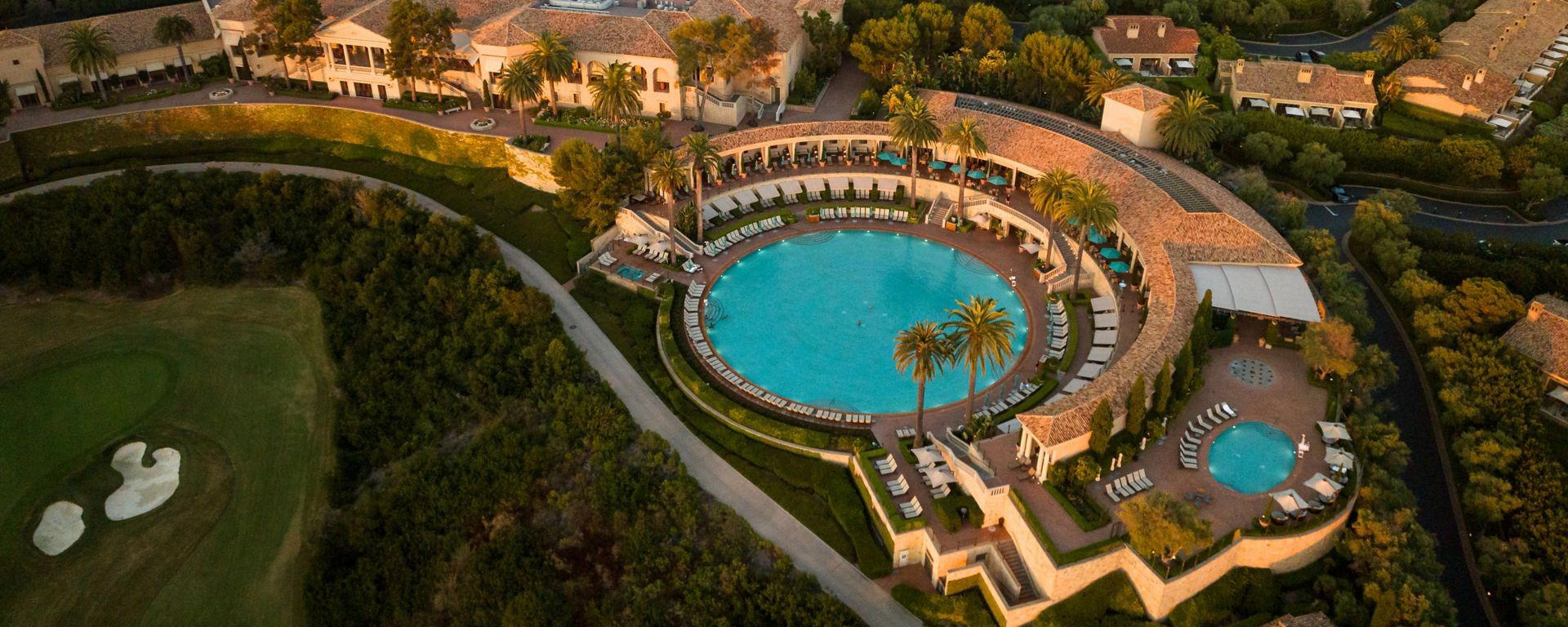
Wineries in Long Beach
Browse all →
At a Glance
- Trendy
- Elegant
- Modern
- Scenic
- Date Night
- Special Occasion
- Brunch
- Waterfront
- Live Music
- Open Kitchen
- Craft Cocktails
- Extensive Wine List
- Waterfront
Current opening hours
- Monday
- 11:30 AM–9 PM
- Tuesday
- 11:30 AM–9 PM
- Wednesday
- 11:30 AM–9 PM
- Thursday
- 11:30 AM–9 PM
- Friday
- 11:30 AM–10 PM
- Saturday
- 10 AM–10 PM
- Sunday
- 10 AM–9 PM
Hours can change for holidays and private events. Last verified .
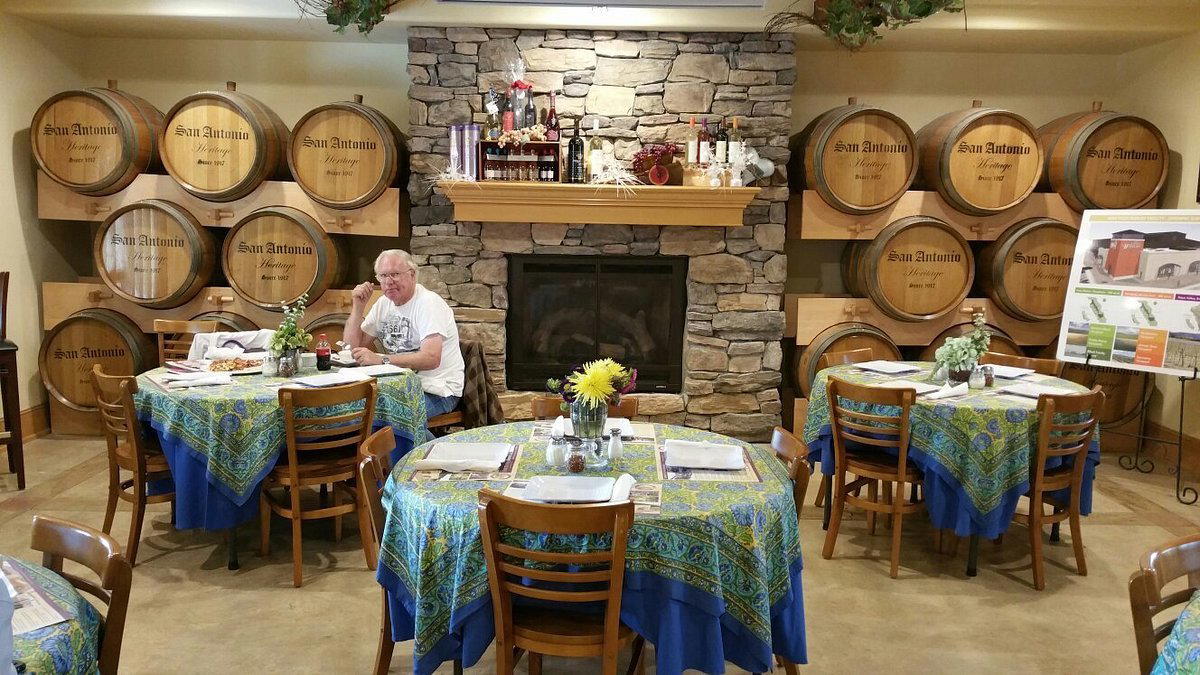
Chic interior evocative of Indonesian islands with dark woods, lush foliage, tropical décor, and far-reaching panoramic bay views.
Know Before You Go
- Getting there
- 6272 Pacific Coast Hwy, Long Beach, CA 90803