Tannenmühle
Tannenmühle sits in Grafenhausen at the edge of the Black Forest, a region where the sourcing traditions of southwest German cooking run deep. The setting and address place it firmly within a landscape of farm-to-table practice that has shaped this corner of Baden-Württemberg for generations. For travellers moving through the southern Black Forest, it warrants a place on the itinerary alongside the region's broader fine dining conversation.
Pearl is the En Primeur Club membership app — saves, bookings, and concierge access live there. Same editors, same standards.
- Address
- Tannenmühleweg 5, 79865 Grafenhausen, Germany
- Phone
- +49497748215
- Website
- tannenmuehle.de
- Directions
- Get directions
 Saves & bookings on Pearl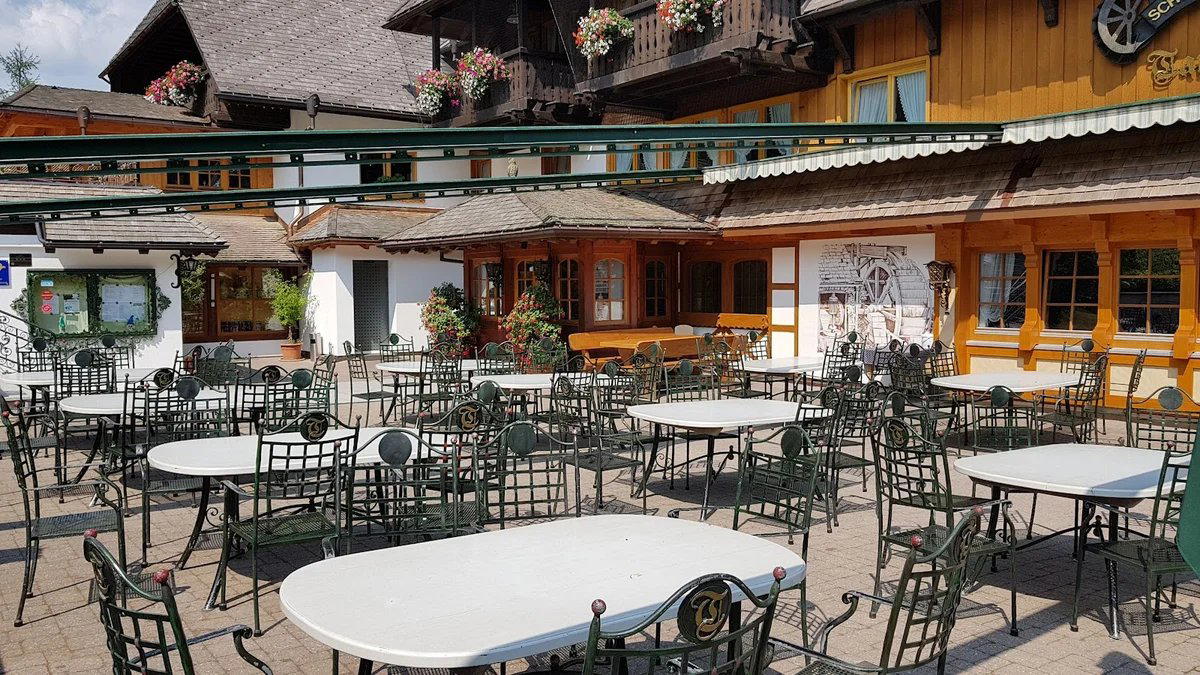
Grafenhausen and the Black Forest Sourcing Tradition
The southern Black Forest has built its culinary reputation not on spectacle but on proximity. The farms, forests, and rivers that define this corner of Baden-Württemberg sit close enough to the kitchen door that sourcing here is less a philosophy than a practical reality. Grafenhausen, a small town at roughly 900 metres elevation near the Swiss border, sits in the middle of that tradition. Tannenmühle, at Tannenmühleweg 5, occupies a position that places it near the kind of agricultural context that urban restaurants spend considerable effort approximating. That geographic fact matters: in this part of Germany, the distance between a producer and a plate is often measured in minutes, not supply chains.
This sourcing reality is what separates the southern Black Forest dining scene from the broader German fine dining conversation. Places like Schwarzwaldstube in Baiersbronn have made the region internationally legible, but Grafenhausen operates at a different register: quieter, less trafficked, more rooted in the day-to-day habits of southwest German cooking. The region's cuisine has historically leaned on smoked meats, freshwater fish, game from the Schwarzwald, and dairy from high-altitude pastures. A venue at this address draws from that same supply pool, whether or not it articulates it in the language of contemporary farm-to-table marketing.
What the Location Signals About the Food
Understanding what draws serious eaters to rural Black Forest addresses requires some context about how this region fits into Germany's wider dining geography. The country's premium restaurant tier is not concentrated in one or two cities. Aqua in Wolfsburg and JAN in Munich represent urban poles of the conversation, while destinations like Waldhotel Sonnora in Dreis and ES:SENZ in Grassau demonstrate that some of the country's most considered cooking happens in places where the surroundings directly inform the menu. Grafenhausen follows that pattern. The village's position near the Schluchsee reservoir and the dense conifer forests to the south means that local game, foraged ingredients, and cold-water fish are not sourced from a distance. They come from the immediate region, and that immediacy tends to shape both the cooking style and the menu's seasonal rhythm.
Germany's rural fine dining tradition also carries a specific expectation around hospitality that differs from city dining. In towns like Grafenhausen, the relationship between a restaurant and its surrounding community tends to be more durable and more direct than in urban contexts. Regulars often know the kitchen's supply relationships personally. That embeddedness creates a kind of accountability around sourcing that marketing cannot manufacture. For visitors arriving from outside the region, it also means the cooking they encounter is more likely to reflect actual seasonal availability than a curated interpretation of it.
The Black Forest Compared to Germany's Other Rural Fine Dining Regions
Germany's rural restaurant scene can be mapped across several distinct culinary zones, each shaped by different agricultural and historical conditions. The Moselle valley, where Schanz in Piesport operates, is shaped by viticulture and river fish. The Eifel region, home to Bagatelle in Trier, draws on a different set of woodland and pastoral ingredients. The Black Forest sits apart from both: higher, denser, more defined by game and smoked products, with a culinary tradition that runs from farmhouse Vesper culture up through formal dining. Ammolite in Rust, a short drive to the north near the Rhine plain, represents the zone where Black Forest produce meets a more cosmopolitan kitchen sensibility.
Grafenhausen's altitude and forest cover place it in the upper Black Forest tier, where the season is shorter and the ingredients more defined by cold-climate conditions. That narrower seasonal window tends to produce more focused menus: what's available at a given moment is less varied, which concentrates kitchen attention on a smaller set of ingredients. For comparison, urban creative formats like CODA Dessert Dining in Berlin or technically ambitious programs at Vendôme in Bergisch Gladbach operate with ingredient access that is geographically unlimited. A rural Black Forest kitchen does not have that freedom, and the cooking is typically more legible for it.
Planning a Visit to Grafenhausen
Grafenhausen is not on a major transit corridor. Reaching it typically requires a car, and the nearest larger town with meaningful transport connections is Waldshut-Tiengen, roughly 30 kilometres to the south. Visitors combining a stay in this area often use Titisee-Neustadt or Schluchsee as a base, both within easy driving distance. The area is most visited in summer, when the Schluchsee draws lakeside tourism, and in winter during ski season in the nearby Feldberg area. Spring and autumn represent the quieter windows, and also the moments when game and foraged seasonal produce tend to be most present on regional menus. Accommodation in Grafenhausen is limited; visitors prepared to stay within the village itself rather than commuting from a larger hub will find the experience more coherent. For the broader context of what the area's dining scene offers,
The wider southwest Germany dining circuit is worth considering for anyone making the journey. ATAMA by Martin Stopp in Sankt Ingbert, Victor's Fine Dining by Christian Bau in Perl, and AURA by Alexander Herrmann and Tobias Bätz in Wirsberg sit along routes that reward a multi-stop approach. For those with a reference point outside Germany, the regional sourcing discipline here shares something with the philosophy that defines tightly focused programs at Le Bernardin in New York City or the seasonal precision at Atomix, though the cultural and culinary contexts are entirely different. Restaurant Haerlin in Hamburg and AUGUST in Augsburg round out the German comparative set for travellers building a longer itinerary around serious German cooking.
Side-by-Side Snapshot
Comparable venues nearby, for context on price, style, and recognition.
| Venue | Cuisine | Price | Notes |
|---|---|---|---|
| TannenmühleThis venue — the venue you are viewing | Traditional German with House-Farmed Trout | $$ | Not listed |
| Hausmann's | Traditional German Brasserie | $$ | Frankfurt Airport |
| Das Walz | German Central European | $$ | city center |
| Kreuzeck Wirtshaus | Austrian-Bavarian Wirtshaus | $$ | Wiehre |
| Nesenbach Brauhaus | Swabian Brauhaus with Bavarian Influences | $$ | Gablenberg |
| Plenum - Stuttgart | Modern Regional German with Swabian Influences | $$ | Gablenberg |
Continue exploring
More in Grafenhausen
Restaurants in Grafenhausen
Browse all →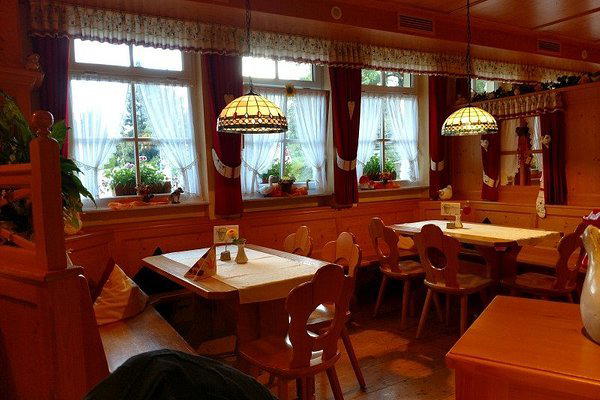
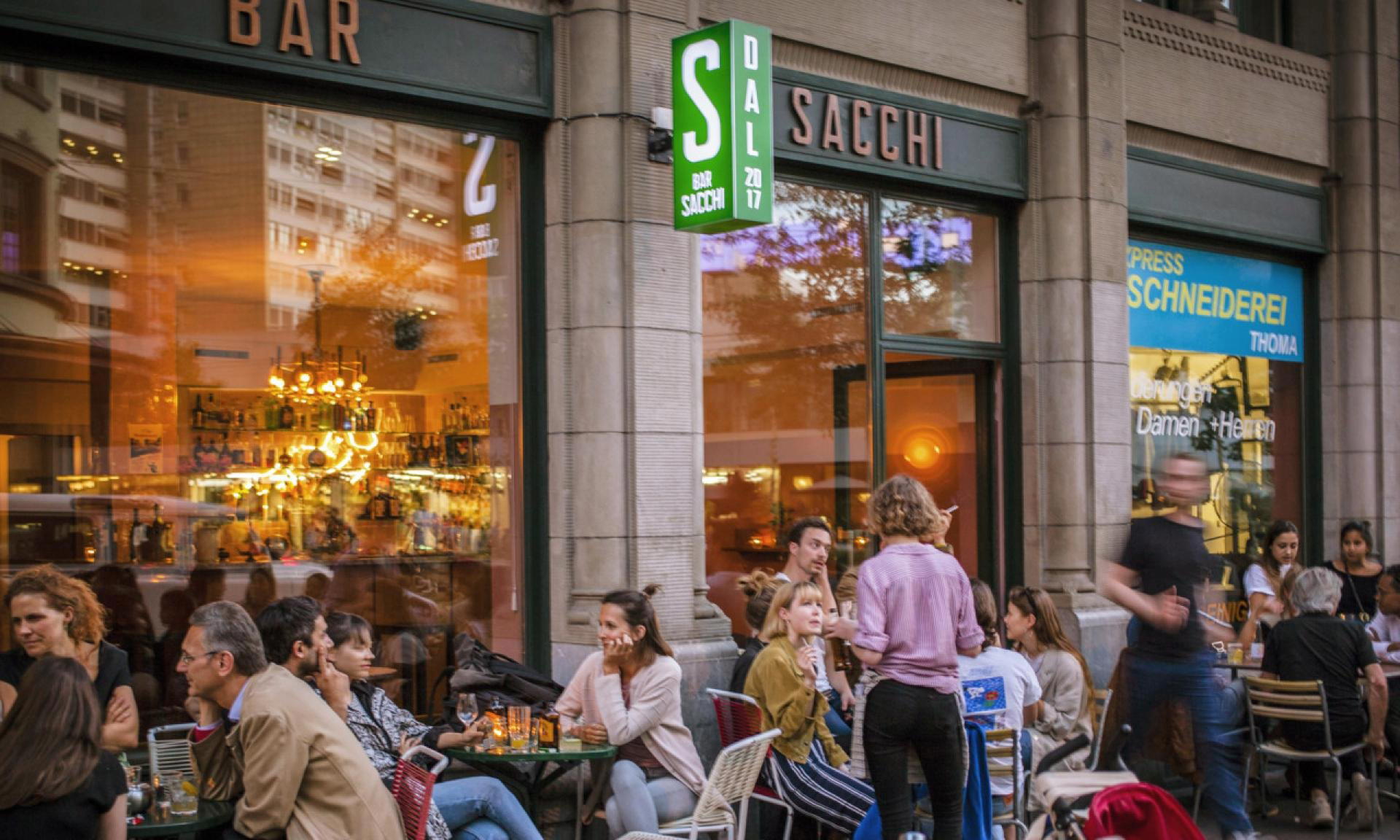
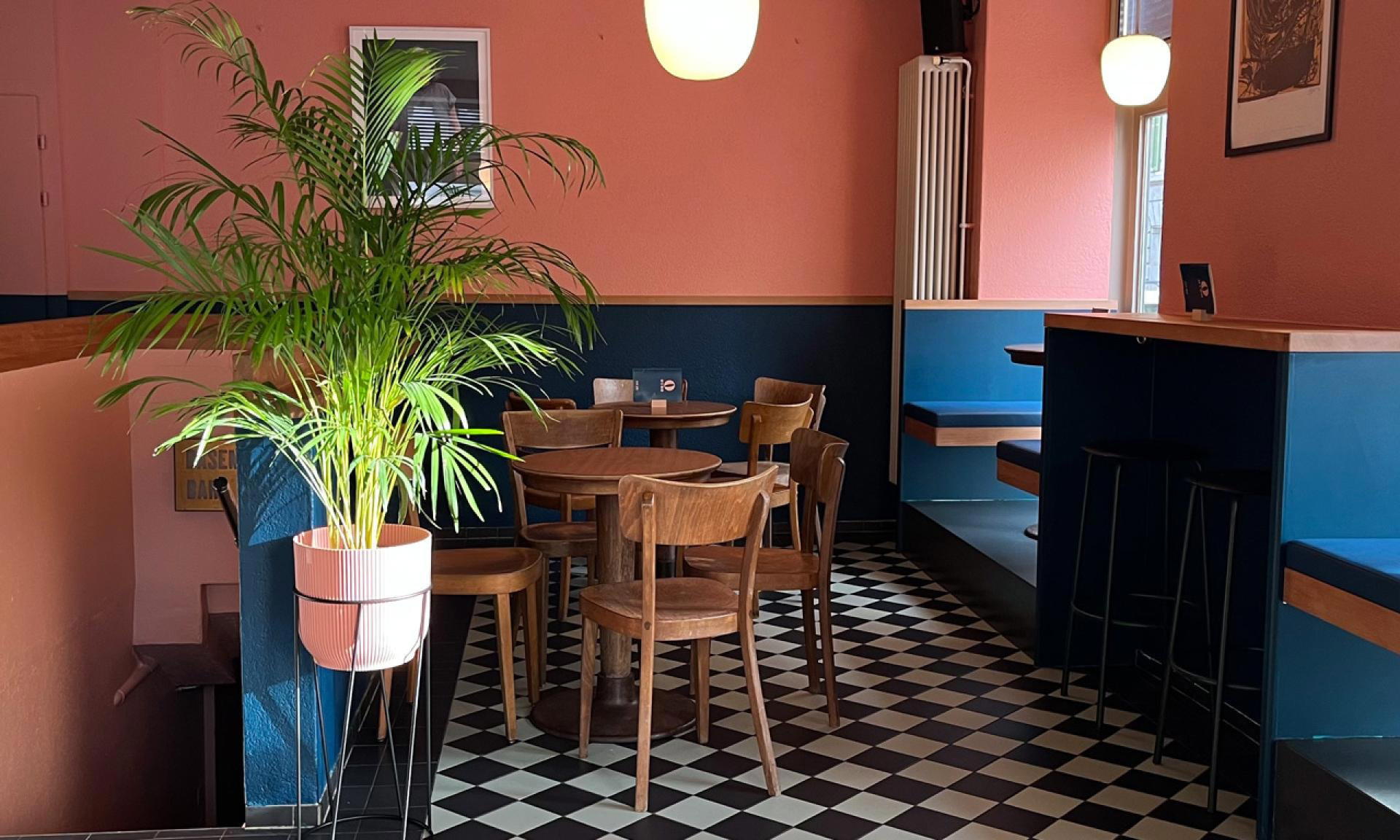
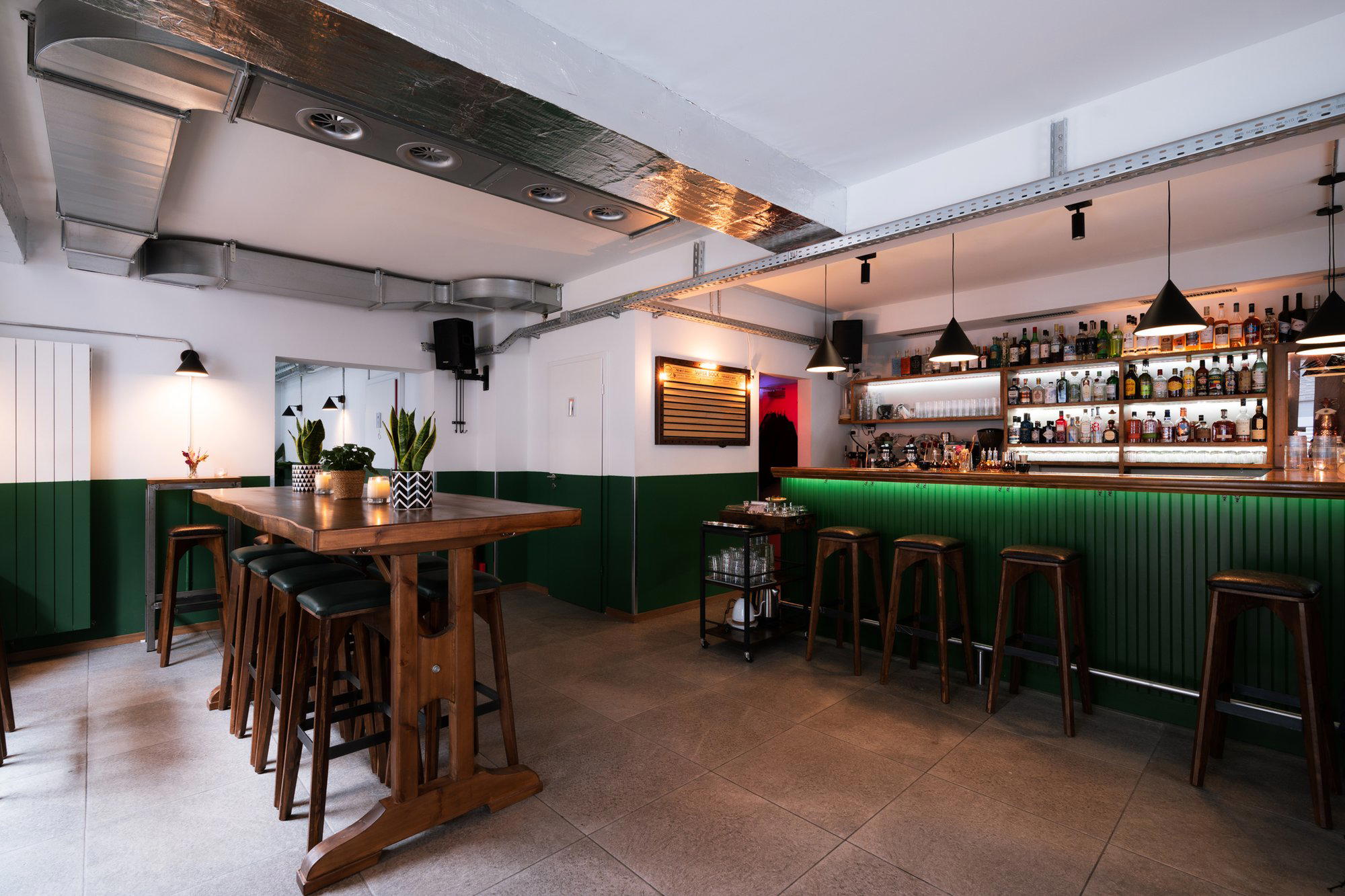
Bars in Grafenhausen
Browse all →
Hotels in Grafenhausen
Browse all →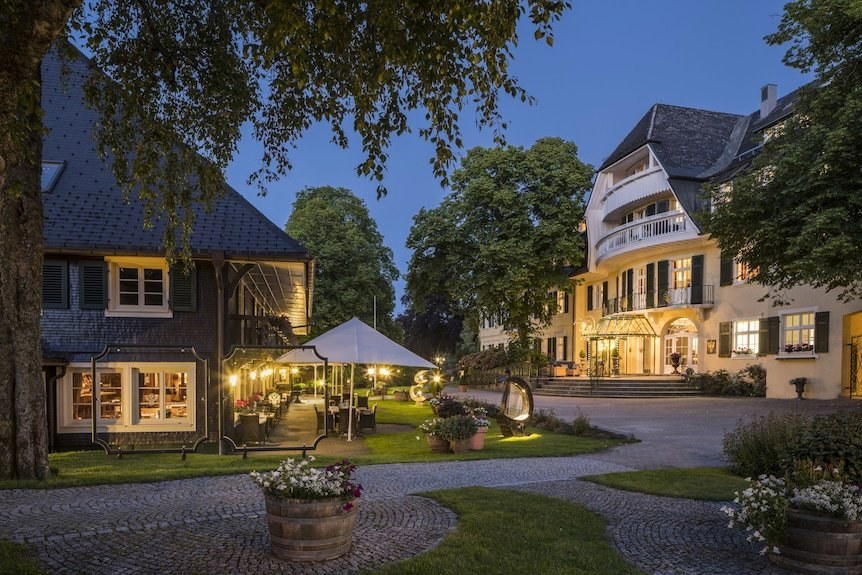
Wineries in Grafenhausen
Browse all →
At a Glance
- Cozy
- Rustic
- Classic
- Family
- Casual Hangout
- Terrace
- Historic Building
- Extensive Wine List
- Local Sourcing
Gemütlich eingerichtete Stuben with traditional Schwarzwälder Charme, cozy lighting, and historic themed rooms like the Mühlenstube.