Tamarind Tree
On South Jackson Street in Seattle's International District, Tamarind Tree occupies a stretch of the city where Vietnamese culinary tradition runs deep. The restaurant draws from that community fabric, serving a menu rooted in regional Vietnamese cooking within a neighbourhood that rewards unhurried exploration. For visitors tracing Seattle's immigrant dining culture, it is a practical and revealing starting point.
Pearl is the En Primeur Club membership app — saves, bookings, and concierge access live there. Same editors, same standards.
- Address
- 1036 S Jackson St, Seattle, WA 98104
- Phone
- +12068601404
- Website
- tamarindtreerestaurant.com
- Directions
- Get directions
 Saves & bookings on Pearl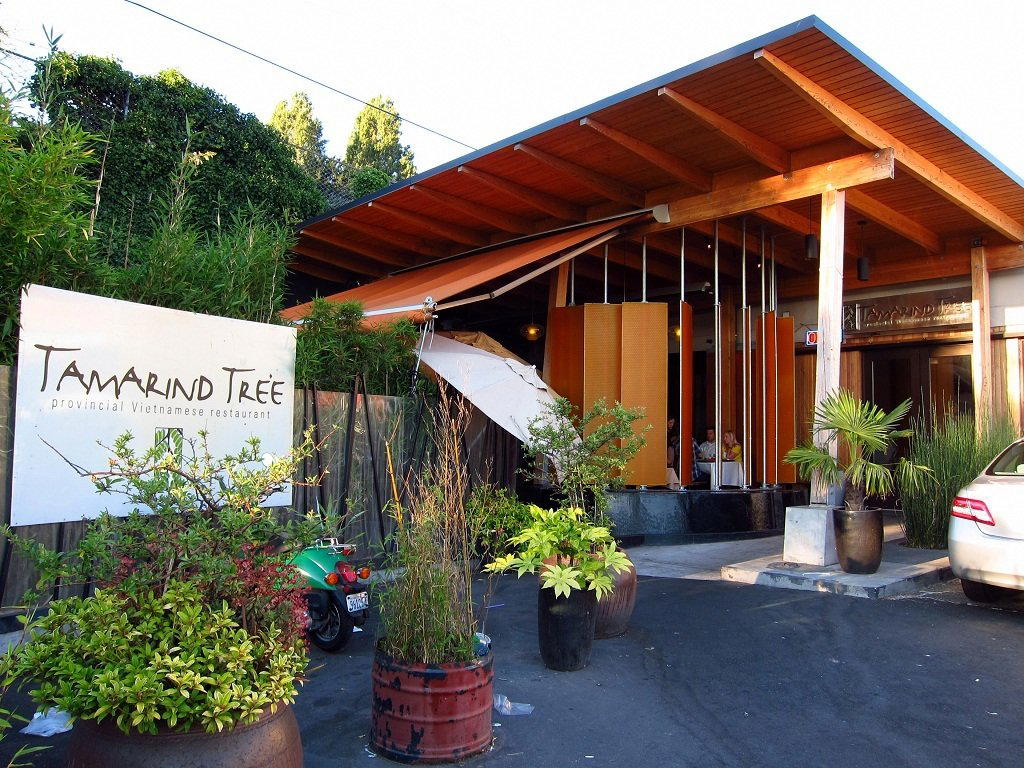
South Jackson Street and the Vietnamese Dining Corridor
The International District end of South Jackson Street operates on a different register from Seattle's more photographed dining neighbourhoods. The signage is multilingual, the foot traffic purposeful, and the restaurants here are answering to a community rather than a reservation queue. Tamarind Tree, at 1036 S Jackson St, sits within that fabric. The address alone tells you something about its competitive set: this is not Capitol Hill or South Lake Union, where concept-driven rooms chase the same editorial attention. It is a corridor where Vietnamese cooking has been practised continuously for decades, where the reference points are Hanoi and Ho Chi Minh City rather than fusion menus or tasting formats.
Vietnamese cuisine in Seattle has followed a similar arc to other American cities with significant post-1975 Vietnamese communities: early decades of family-run pho houses and bánh mì counters, followed by a gradual expansion into regional variety, and eventually a bifurcation between neighbourhood staples and a newer generation of chef-led rooms. Places like Joule, operating under a New Asian banner, represent one trajectory. The International District corridor, where Tamarind Tree operates, represents another: continuity over reinvention, community legibility over editorial novelty.
What the Cuisine Carries
Vietnamese cooking in the American context is frequently flattened into a handful of dishes, pho and spring rolls chief among them. The reality of the tradition is considerably wider. Northern Vietnamese cooking, associated with Hanoi, tends toward cleaner broths and fewer fresh herbs, while the southern style brought by many of the post-1975 diaspora skews sweeter and more herb-forward. Central Vietnamese food, from the old imperial capital of Hue, is especially complex among the three: intensely spiced, layered, and historically associated with court cooking. A restaurant's position within this geography of flavour tells you more about its ambitions than any awards citation would.
The tamarind of the restaurant's name is itself a signal. Tamarind appears across Vietnamese cooking but is particularly associated with southern and central preparations, in canh chua (sour soup), in braises, and in dipping sauces where its tartness provides structural contrast. It is a flavour that requires balance rather than dominance, and its appearance in a restaurant's name suggests an orientation toward the more layered end of Vietnamese cooking rather than the streamlined, high-throughput model of a pho house.
For the Seattle dining reader accustomed to the price architecture of rooms like Canlis, the International District's Vietnamese corridor operates in a fundamentally different register. The value proposition is built on ingredient fluency and generational recipe knowledge rather than service theatre or room design. This is not a lesser form of dining; it is a different one, with different criteria for quality assessment.
The International District in Seasonal Terms
The neighbourhood around Tamarind Tree rewards visits at specific times. The Tet lunar new year period, typically falling in late January or early February, brings concentrated energy to the International District: specialty pastries, bánh chung preparations, and a general sharpening of the corridor's identity as a cultural anchor rather than a casual dining strip. Visiting during this window means encountering the neighbourhood at its most legible as a living community rather than a dining destination.
Summer months bring a different logic. Seattle's farmer's markets are at their height from July through September, and Vietnamese cooking's reliance on fresh herbs and vegetables means the gap between a dish prepared in August and one prepared in January is material. Restaurants drawing on local produce supply tend to reflect this in what they emphasise on the menu, even when the menu itself does not change formally. The herb plates that accompany many Vietnamese dishes, the lettuces and perillas and bean sprouts, are noticeably different at peak season.
Where Tamarind Tree Sits in Seattle's Dining Geography
Seattle's restaurant coverage tends to concentrate on a smaller number of high-profile rooms. Canlis anchors the fine-dining end. The city's growing cohort of Asian-inflected restaurants, including Joule, attracts consistent editorial attention for its chef-driven format. The International District's Vietnamese restaurants, including the restaurant, occupy a different tier of attention without occupying a different tier of quality. This gap between coverage and quality is a consistent feature of immigrant-community dining across American cities.
For comparison, rooms at the far end of the national fine-dining spectrum, places like Le Bernardin in New York City, Alinea in Chicago, or The French Laundry in Napa, operate with the full apparatus of Michelin recognition, months-long booking windows, and price points that position them as occasions rather than meals. The restaurant operates entirely outside that framework. Its comparable set is defined not by award tiers but by the density and quality of the Vietnamese cooking it competes with locally, and by how accurately it reflects the tradition it draws from.
Planning Your Visit
| Factor | The restaurant | Joule (New Asian) | Canlis (New American) |
|---|---|---|---|
| Neighbourhood | International District | Wallingford | Queen Anne |
| Cuisine register | Vietnamese (community) | Asian-inflected, chef-led | Fine dining, occasion |
| Booking lead time | Not specified | Moderate | Long (weeks to months) |
| Price tier | Not specified | Mid-high | Premium |
| Leading seasonal window | Tet period or summer | Year-round | Year-round |
The restaurant is open daily from 11 AM to 9 PM, and reservations are recommended. The address, 1036 S Jackson St, Seattle, WA 98104, places it within easy reach of the broader International District corridor, making it a natural anchor for a longer afternoon spent in the neighbourhood.
Nearby-ish Comparables
Comparable venues nearby, for context on price, style, and recognition.
| Venue | Cuisine | Price | Notes |
|---|---|---|---|
| Tamarind TreeThis venue — the venue you are viewing | Provincial Vietnamese | $$ | Not listed |
| Ba Bar South Lake Union | Modern Vietnamese Street Food | $$ | South Lake Union |
| Pho Bac Súp Shop | Traditional Vietnamese Pho | $$ | Atlantic |
| Poquitos | Authentic Mexican with Northwest Sourcing | $$ | Broadway |
| Assaggio | Authentic Central Italian | $$ | Denny Triangle |
| Jae's Asian Bistro & Sushi | Japanese Sushi & Pan-Asian | $$ | Stevens |
Continue exploring
More in Seattle
Restaurants in Seattle
Browse all →
Bars in Seattle
Browse all →
Hotels in Seattle
Browse all →
At a Glance
- Elegant
- Cozy
- Date Night
- Group Dining
- Special Occasion
- Craft Cocktails
Current opening hours
- Monday
- 11 AM–9 PM
- Tuesday
- 11 AM–9 PM
- Wednesday
- 11 AM–9 PM
- Thursday
- 11 AM–9 PM
- Friday
- 11 AM–9 PM
- Saturday
- 11 AM–9 PM
- Sunday
- 11 AM–9 PM
Hours can change for holidays and private events. Last verified .
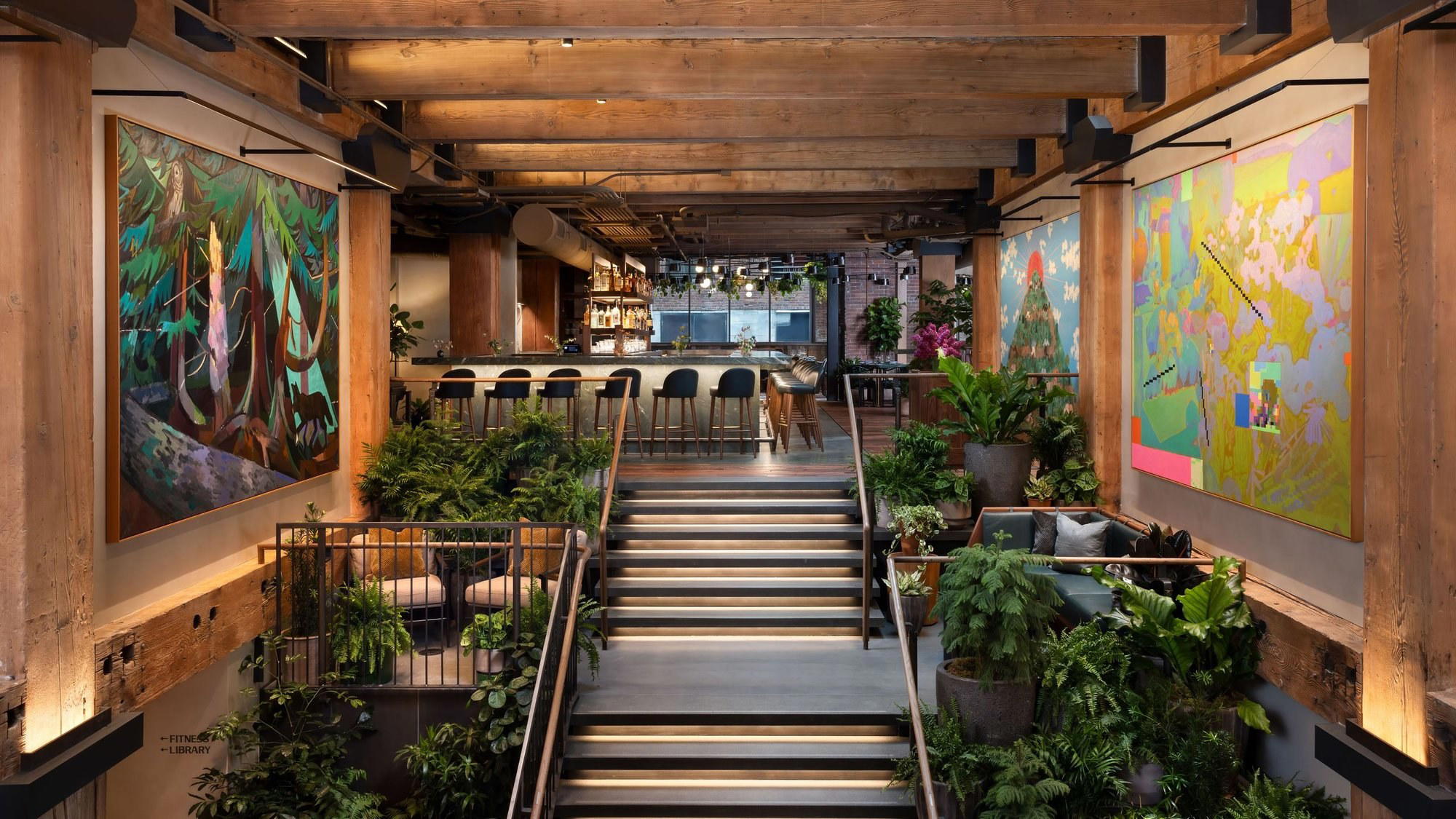
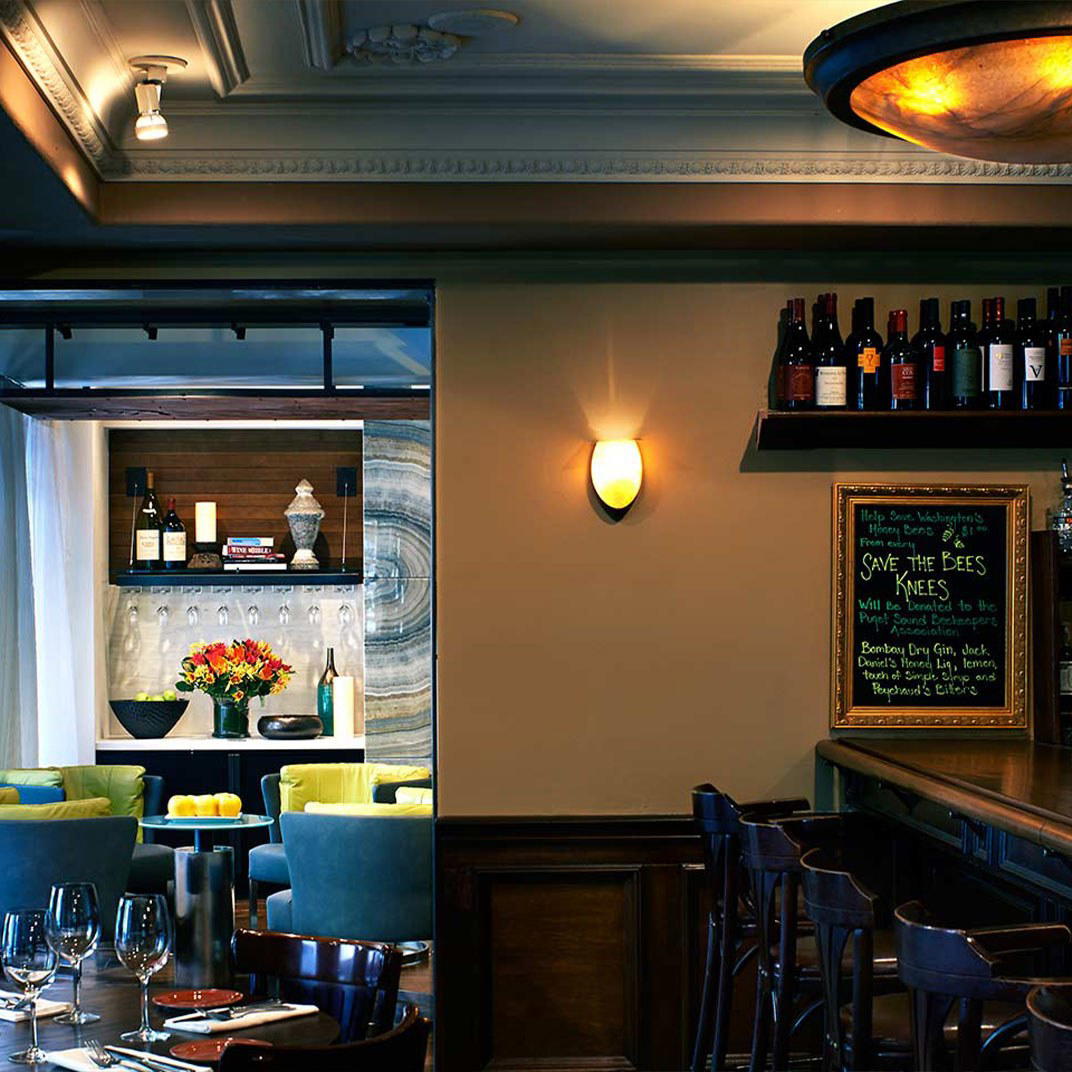
Upscale and Westernized decor resembling an island resort lobby with sophisticated lighting and welcoming atmosphere.