Tamarind Kitchen

A Michelin Plate-recognised Indian restaurant on Wardour Street, Tamarind Kitchen operates as a more relaxed sibling to the long-established Tamarind in Mayfair. The menu moves across regional India, from biryani to lobster Malabar curry, and the cocktail programme receives equal attention.
Pearl is the En Primeur Club membership app — saves, bookings, and concierge access live there. Same editors, same standards.
- Address
- 167-169 Wardour St, London W1F 8WR, United Kingdom
- Phone
- +44 20 7287 4243
- Website
- tamarindkitchen.co.uk
- Directions
- Get directions
 Saves & bookings on Pearl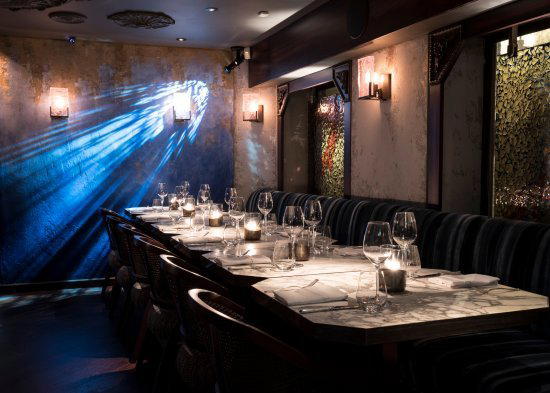
Soho's Indian Dining Corridor and Where Tamarind Kitchen Sits in It
London's Indian restaurant scene has long been stratified between formal Mayfair institutions and the faster, more casual operators that serve the city's working lunch and pre-theatre crowds. Wardour Street in Soho occupies an interesting middle ground: a thoroughfare where serious cooking and neighbourhood accessibility meet. Tamarind Kitchen positions itself at that intersection, carrying the Michelin Plate recognition it has held in both 2024 and 2025, while operating at the ££ price tier that makes it accessible to a wider audience than its Mayfair sibling, Amaya or Benares.
The Michelin Plate, awarded to restaurants serving food of a good standard, places Tamarind Kitchen in a tier below starred peers but above the undifferentiated mass of central London's Indian options. Consistent execution at a mid-market price point is harder than it looks in a city where diners move freely between categories.
The Bread Question: How Indian Restaurants Signal Their Range
If you want to understand how seriously an Indian kitchen approaches its regional breadth, start with the bread. India's bread traditions are genuinely diverse, shaped by geography, grain, and cooking method: the tandoor-fired naan of the north, the thin whole-wheat roti, the layered paratha, the fermented rice-and-lentil dosa of the south. A menu that lists only naan and peshwari naan is, implicitly, a northern Indian menu dressed as a pan-Indian one. A kitchen that moves between bread types is usually a kitchen that moves between regions with some conviction.
This matters for the restaurant because its stated identity is a menu that traverses India. The bread selection at any pan-Indian restaurant is one of the cleaner ways to verify that claim without relying on marketing language. Restaurants like Trishna, which focuses on coastal Indian cooking with southern inflections, demonstrate how regional specificity changes both the bread and the broader menu logic. The pan-Indian format that restaurant pursues requires a wider pantry and more demanding kitchen management to execute across multiple traditions rather than one.
For context on how Indian cooking is being reframed internationally, Trèsind Studio in Dubai and Opheem in Birmingham represent the avant-garde tier, where tasting-menu formats and modernist technique are applied to Indian culinary traditions. The restaurant operates in a different register entirely: accessible, broad-menu, neighbourhood-facing. The ambition is legibility and range, not technical provocation.
What the Menu Actually Covers
The publicly documented dishes give a useful sense of the menu's geography. The biryani anchors the northern and Mughal tradition, a rice-based preparation that in its proper form requires careful layering and timed steam-cooking. The lobster Malabar curry signals a move toward the southwestern coast of India, where coconut milk and spice profiles from Kerala produce the creamy, aromatic base the dish is known for. These are not adjacent traditions. Putting both on one menu with equal credibility is the challenge that pan-Indian kitchens set themselves.
The cocktail programme receives explicit attention in Michelin's own notes on the restaurant. The 'Passion Chilli Sour' is cited directly, a drink that uses fruit acidity and chilli heat in a format common to modern cocktail bars that work with Asian flavour profiles. In London's bar scene, which has moved toward ingredient-led and technically precise programmes, a restaurant cocktail list that earns editorial mention is doing something beyond the perfunctory.
The Soho Context: Why Location Shapes Expectations
Wardour Street runs through the heart of Soho, a neighbourhood whose dining character is defined by density and turnover. The area absorbs international cuisine formats at a faster rate than most London postcodes, which means the competition is lateral as well as vertical. The restaurant is not competing only against other Indian restaurants; it is competing for the same dinner slot as a wide range of Soho operators across every cuisine category.
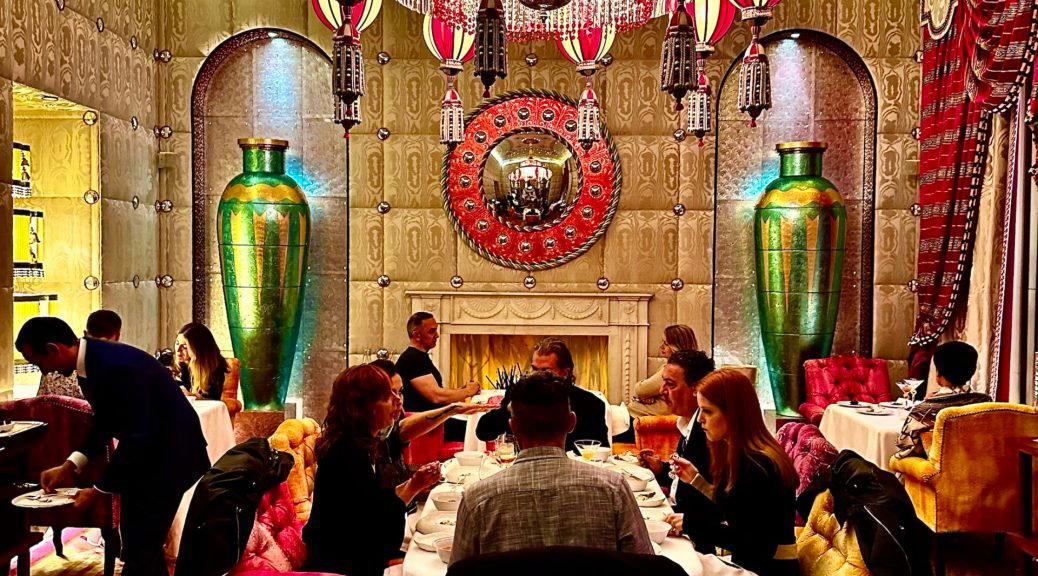
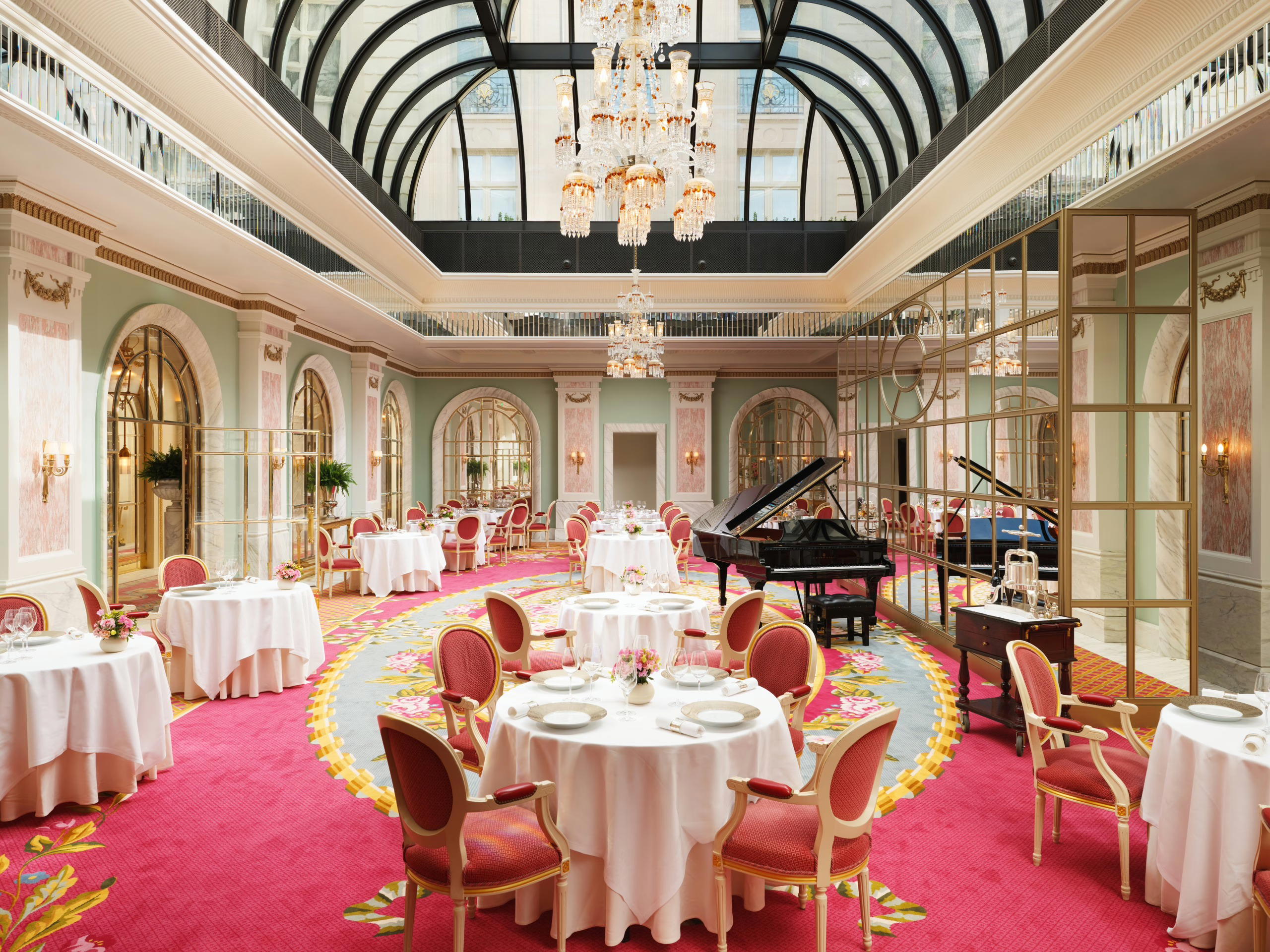
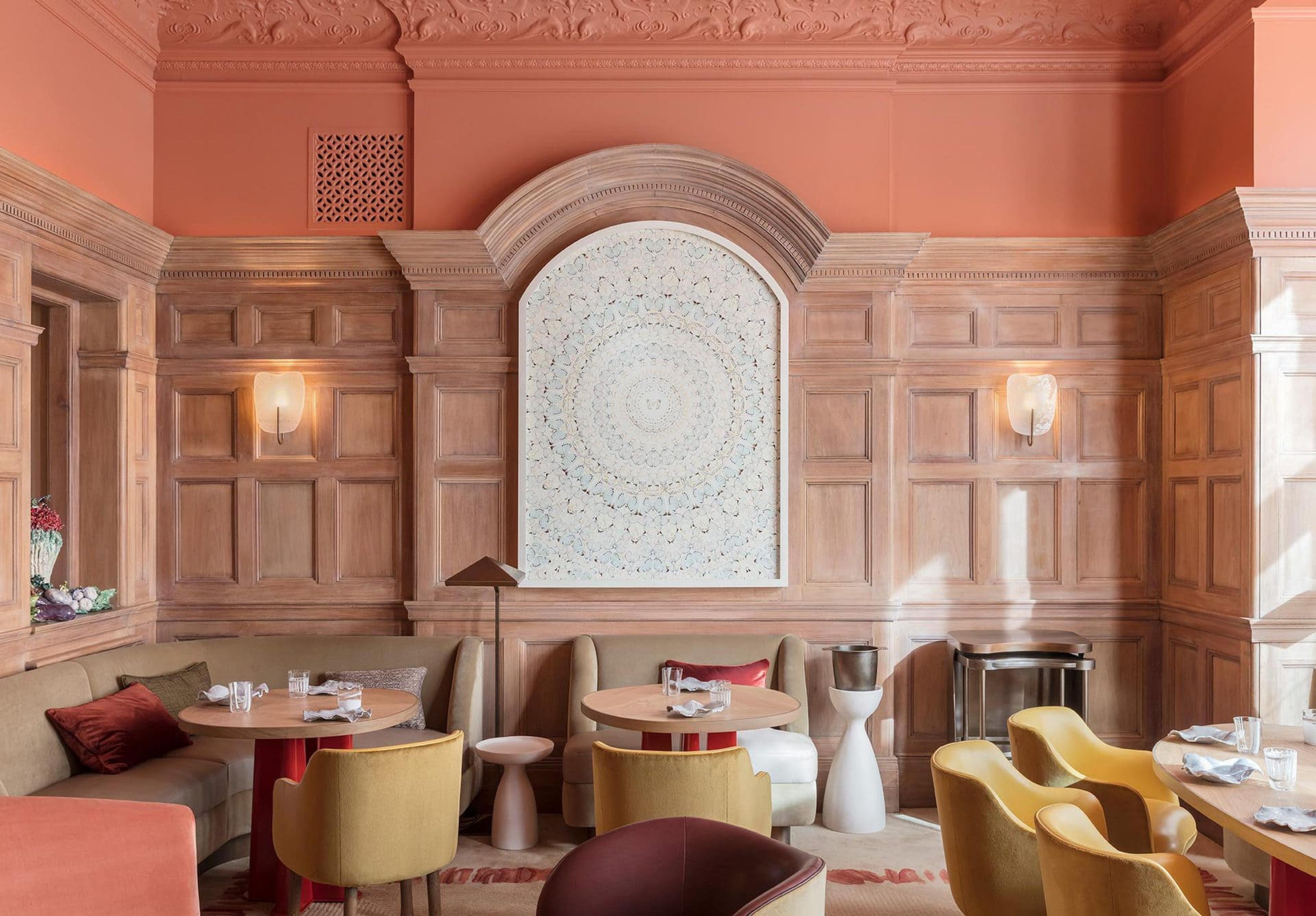
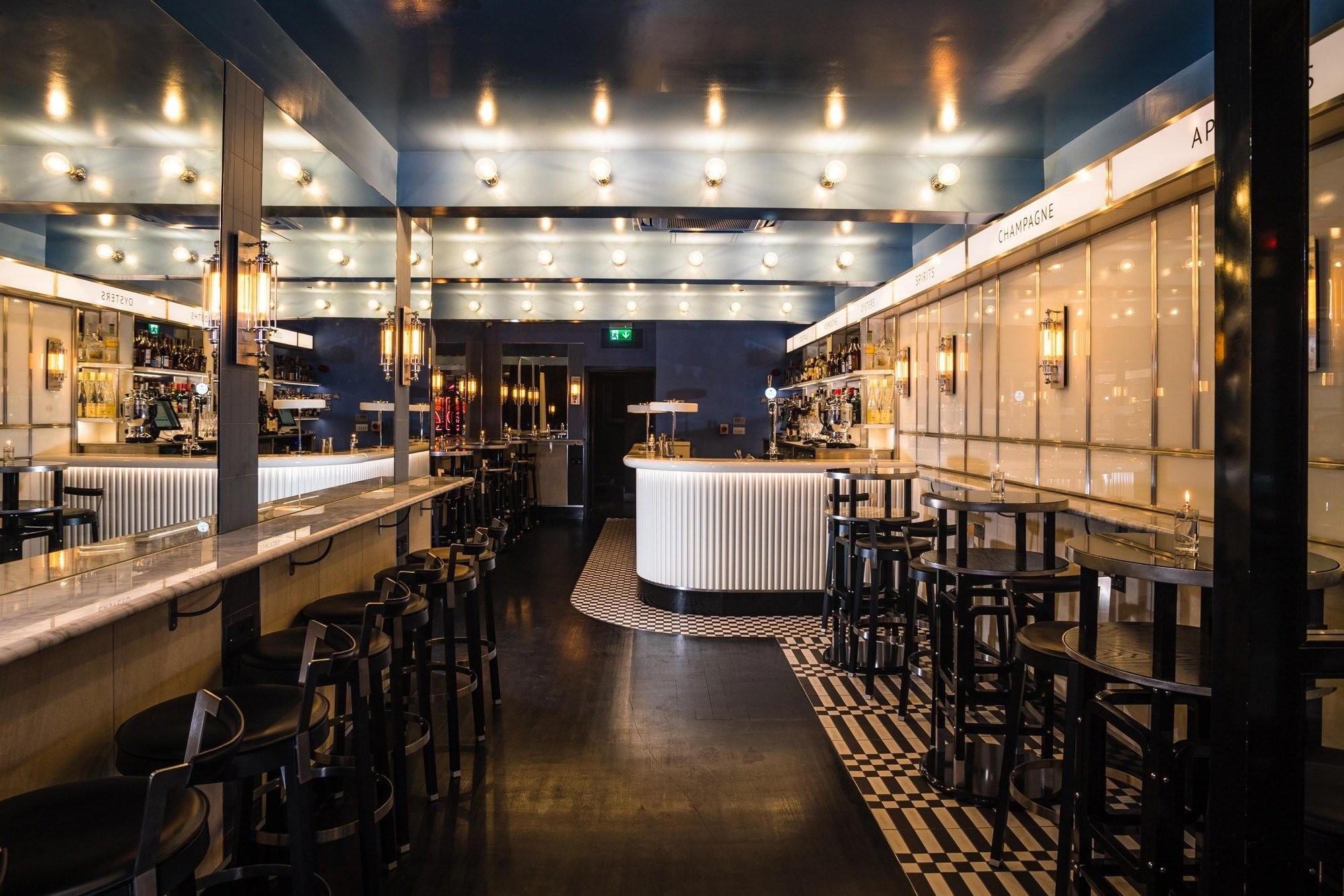
In this context, the warm atmosphere noted in Michelin's write-up carries practical weight. A restaurant that creates a genuinely welcoming room in Soho, where foot traffic is high and expectations are set by experience-hungry diners rather than loyal regulars, is solving a harder problem than the same achievement might represent in a quieter neighbourhood. Ambassadors Clubhouse and Babur operate in different parts of the city and illustrate how location shapes the kind of regularity and loyalty an Indian restaurant can build. Soho demands something different: the ability to win new diners repeatedly rather than rely on a settled neighbourhood base.
Placing Tamarind Kitchen in the Wider London Dining Picture
London's dining scene at the summit tier runs through a set of restaurants that operate at price points and ambition levels far above the ££ category. Kitchens like The Fat Duck in Bray, L'Enclume in Cartmel, Moor Hall in Aughton, Gidleigh Park in Chagford, Hand and Flowers in Marlow, and Le Manoir aux Quat' Saisons in Great Milton define what the UK's starred category looks like. The restaurant's value proposition is different: Michelin recognition at an accessible price point, in a location where convenience matters.
That is a legitimate market position. London needs restaurants that hold quality standards without requiring a special-occasion budget, and the Indian cuisine category has historically offered some of the strongest value-to-quality ratios in the city. For a complete picture of where to eat across the capital,
Planning Your Visit
The restaurant sits at 167-169 Wardour Street, W1F 8WR, in the centre of Soho. The pricing places it in the mid-market bracket for central London. Google's 4.1 average across 1,271 reviews reflects a broad sample of diner experience rather than a curated selection.
Where It Fits
Comparable venues nearby, for context on price, style, and recognition.
| Venue | Cuisine | Price | Awards | Notes |
|---|---|---|---|---|
| Tamarind KitchenThis venue — the venue you are viewing | Modern Indian | $$$ | Michelin Plate | Not listed |
| Kanishka | Modern Indian Fine Dining | $$$ | Michelin Plate | Mayfair |
| Heritage Dulwich | Modern Indian Fine Dining | $$$ | Michelin Plate | West Dulwich |
| Haandi | Traditional North Indian Haandi | $$$ | Not listed | Knightsbridge |
| Cavita | Modern Mexican | $$$ | Michelin Plate | Marylebone |
| Darjeeling Express | Authentic Bengali Home Cooking | $$$ | Michelin Plate | Soho |
Recognition history
Dated appearances from independent guides and award organizations, with the underlying list record or original source where available.
Michelin Plate
Michelin
Michelin Plate
Michelin
Michelin Plate
Michelin



At a Glance
- Elegant
- Modern
- Cozy
- Sophisticated
- Date Night
- Business Dinner
- Group Dining
- Special Occasion
- Open Kitchen
- Extensive Wine List
- Craft Cocktails
Current opening hours
- Monday
- 5–10 PM
- Tuesday
- 5–10 PM
- Wednesday
- 5–10 PM
- Thursday
- 5–10 PM
- Friday
- 5–10:30 PM
- Saturday
- 12–2:30 PM, 5–10:30 PM
- Sunday
- 12–2:30 PM, 5–9:30 PM
Hours can change for holidays and private events. Last verified .
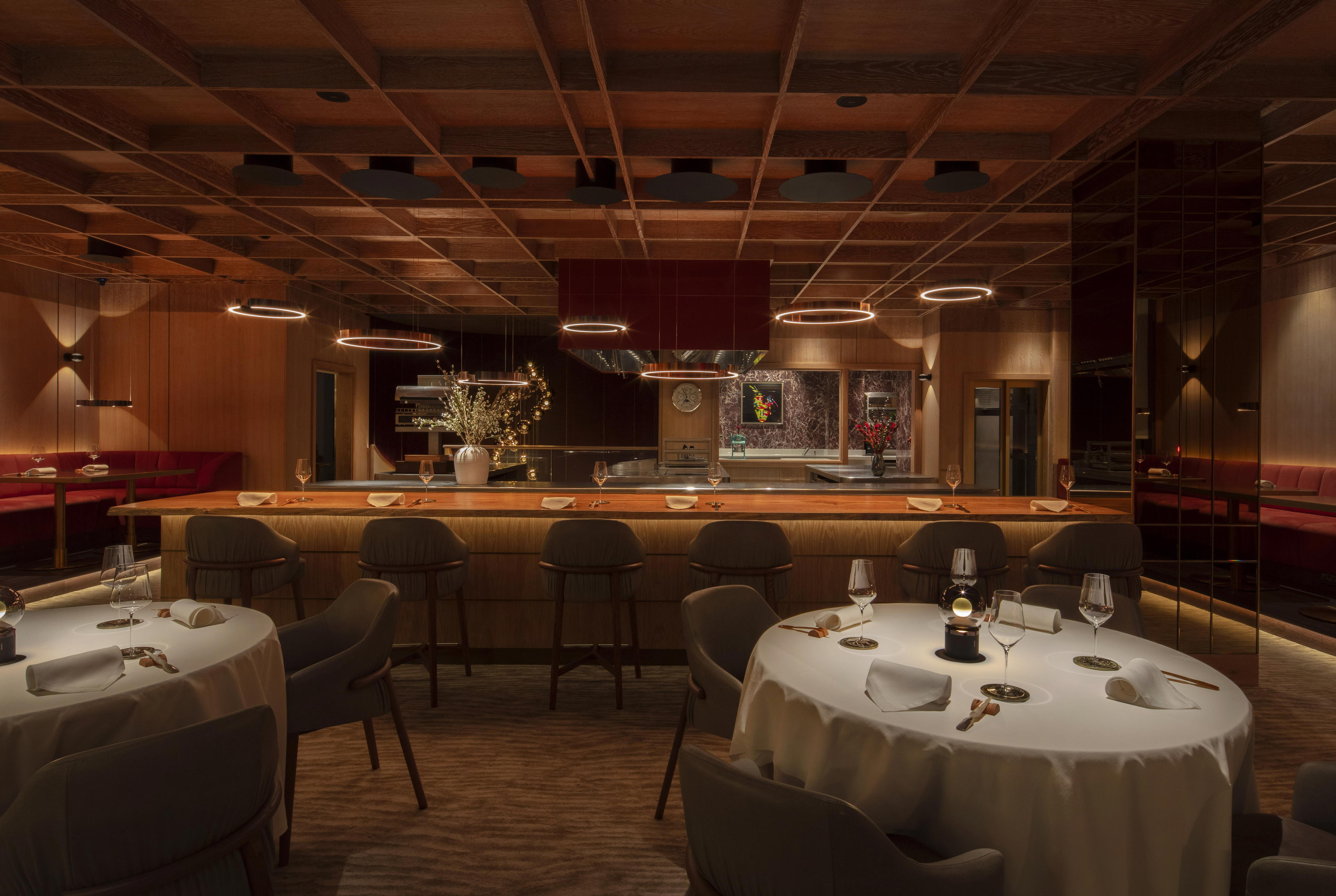
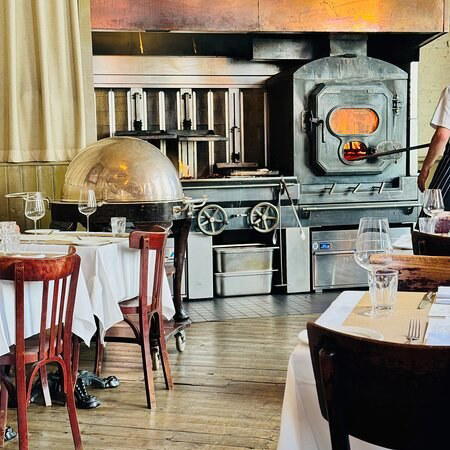
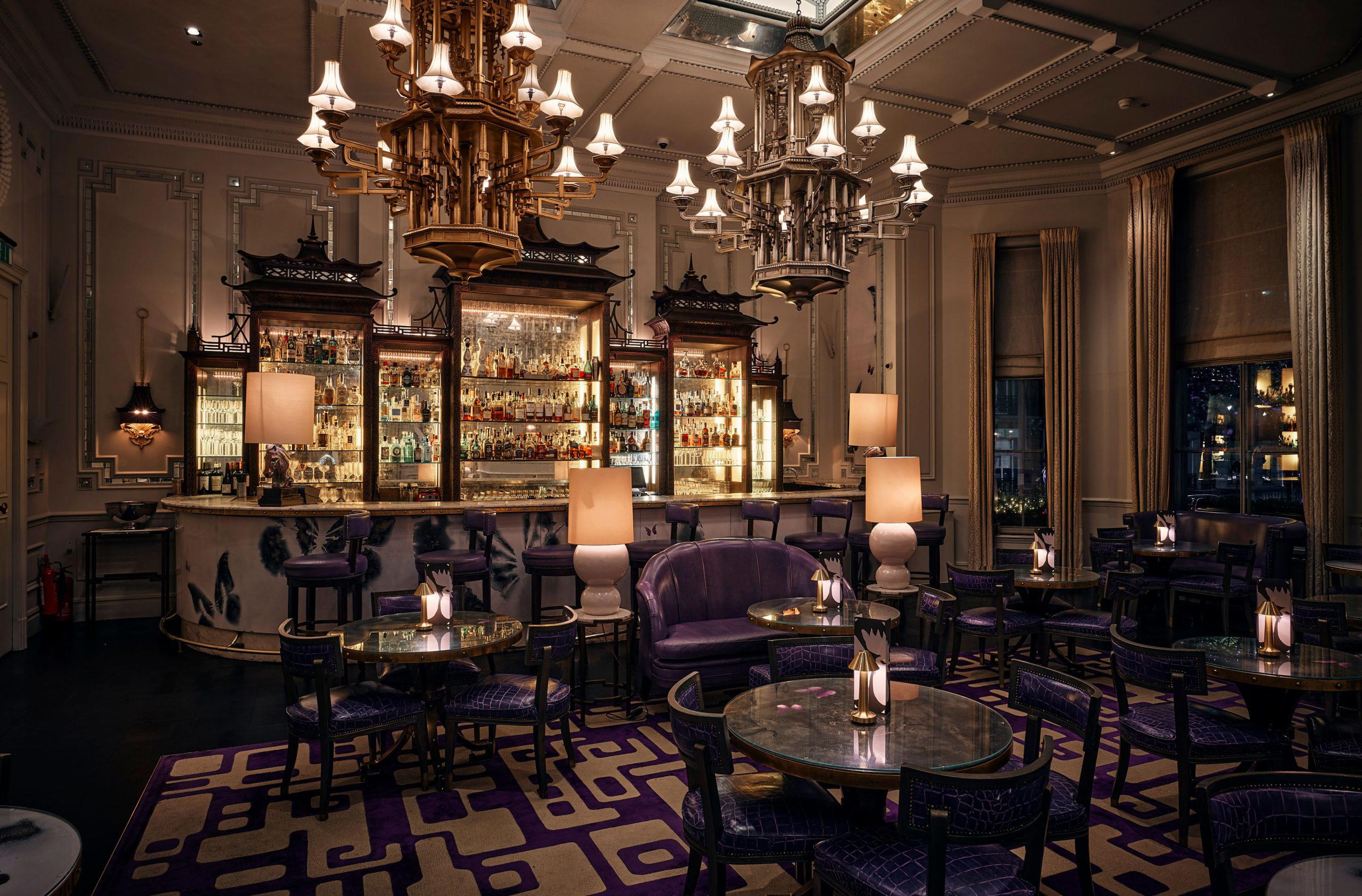
Comfortable tables under individual pools of light with a stylish, relaxed, candlelit atmosphere that's elegant yet infectious.