Tallgrass
Our verdict
Tallgrass operates from a address on South State Street in Lockport, Illinois, placing serious dining well outside Chicago's downtown orbit. The restaurant sits within a broader Midwest tradition of farm-anchored fine dining, where ingredient provenance carries as much weight as technique. For visitors to the region, it represents a deliberate detour rather than a passing stop.

Pearl is the En Primeur Club membership app — saves, bookings, and concierge access live there. Same editors, same standards.
- Address
- 1006 S State St, Lockport, IL 60441
- Phone
- (815) 838-5566
- Hours
- Mon–Wed ClosedThu–Sat 5–10 PMSun 5–8 PM
- Website
- tallgrassrestaurant.com
- Directions
- Get directions
- Booking
- Book on OpenTable
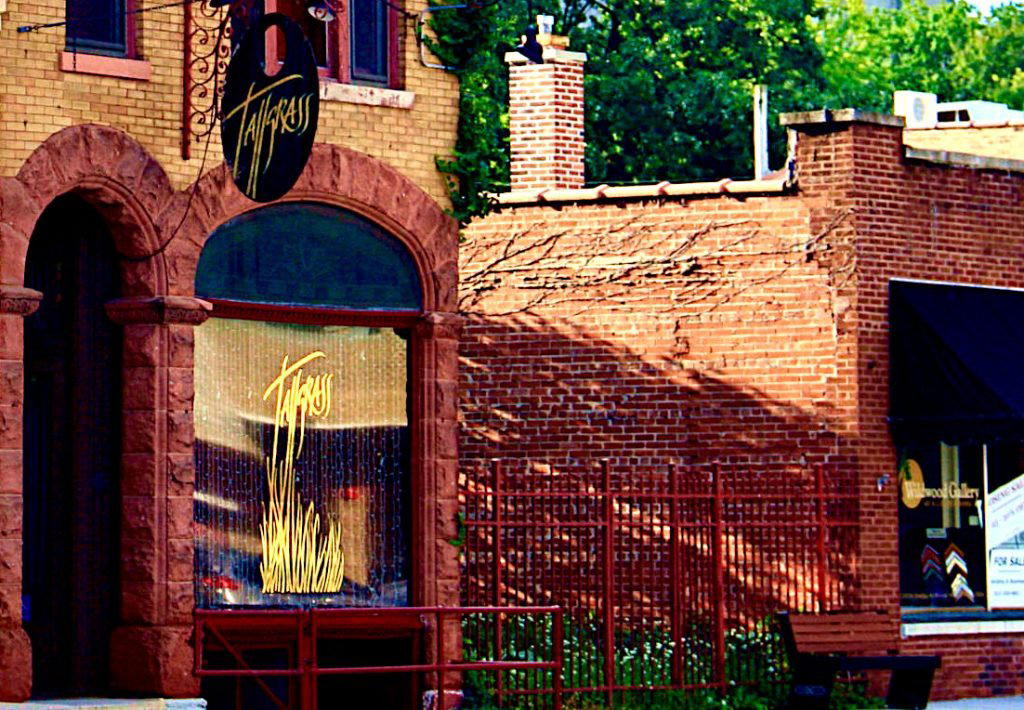
Lockport and the Case for Dining Outside the Loop
Illinois fine dining has long been read as a Chicago story, with Alinea in Chicago and its peers anchoring most critical attention inside the city limits. But a quieter tradition exists in the communities that line the old Illinois and Michigan Canal corridor, where small-town addresses have housed serious cooking without the noise of metropolitan press cycles. Lockport, roughly thirty miles southwest of the Loop, belongs to that tradition. Tallgrass, situated at 1006 South State Street, operates in that context: a fine dining proposition in a mid-sized Illinois city whose historic downtown provides a different kind of setting than a Chicago dining room.
The approach matters here more than the address. Across American fine dining, the restaurants that have built the most durable reputations outside major metro centers share a common orientation: they root their menus in place. Blue Hill at Stone Barns in Tarrytown built its identity around the farm behind the dining room. Single Thread Farm in Healdsburg treats ingredient sourcing as the architectural logic of the menu. In the Midwest, where agricultural land is the dominant geographic fact, farm-to-table is not a branding exercise but a logistical reality: the supply is there, if the kitchen chooses to use it.
Ingredient Sourcing as the Editorial Frame
The broader movement in American fine dining over the past two decades has shifted the credit hierarchy in a kitchen. Where technique once held the leading position, sourcing now competes with it for primacy. At restaurants like The French Laundry in Napa, the garden behind the property supplies a portion of what lands on the plate; at Bacchanalia in Atlanta, the farm connection has been a defining credential for years. The question these restaurants ask is not only what can we cook, but where does it come from and why does that matter.
For a restaurant in Lockport, the answer to that question is geographic before it is philosophical. The surrounding region, from the Fox River valley to the broader Illinois agricultural belt, produces ingredients that metropolitan kitchens import from the same geography at a premium. A kitchen thirty miles from Chicago's wholesale markets operates with different proximity to those sources. The seasonal rhythms of the upper Midwest, with a compressed growing season and cold winters that define what arrives and when, give the menu a structure that cannot be fabricated by sourcing from elsewhere.
This is the logic that connects restaurants like Tallgrass to a wider national conversation about where fine dining belongs and what it should be made of. The restaurants that have earned the most sustained attention in this mode, from Lazy Bear in San Francisco to Brutø in Denver, share a commitment to making place legible on the plate. Lockport is a place with a specific agricultural and industrial history, and a kitchen that takes that seriously has material to work with.
The Dining Room and What to Anticipate
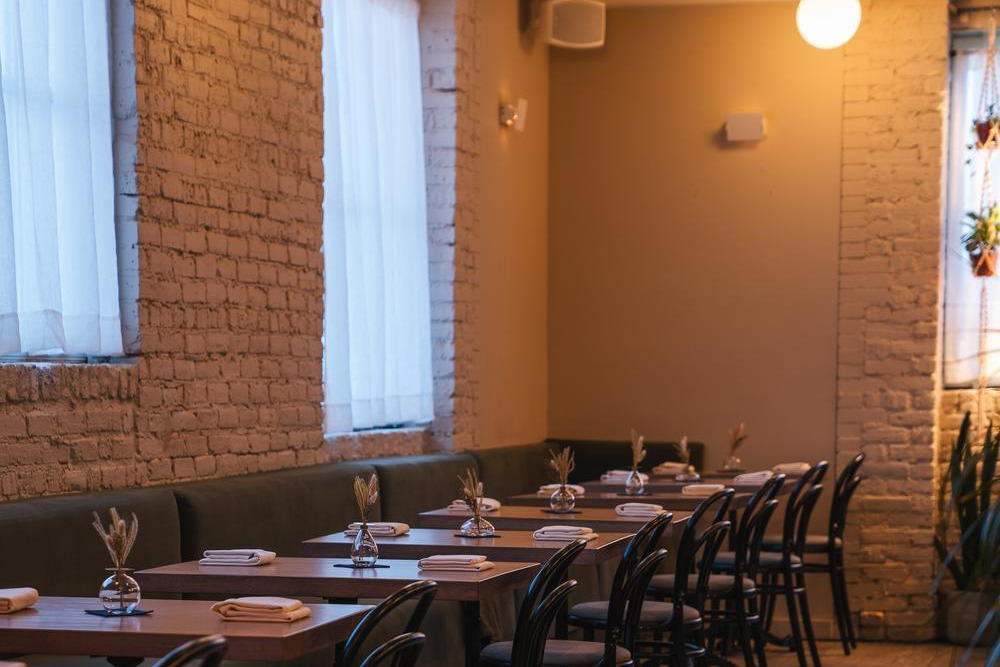
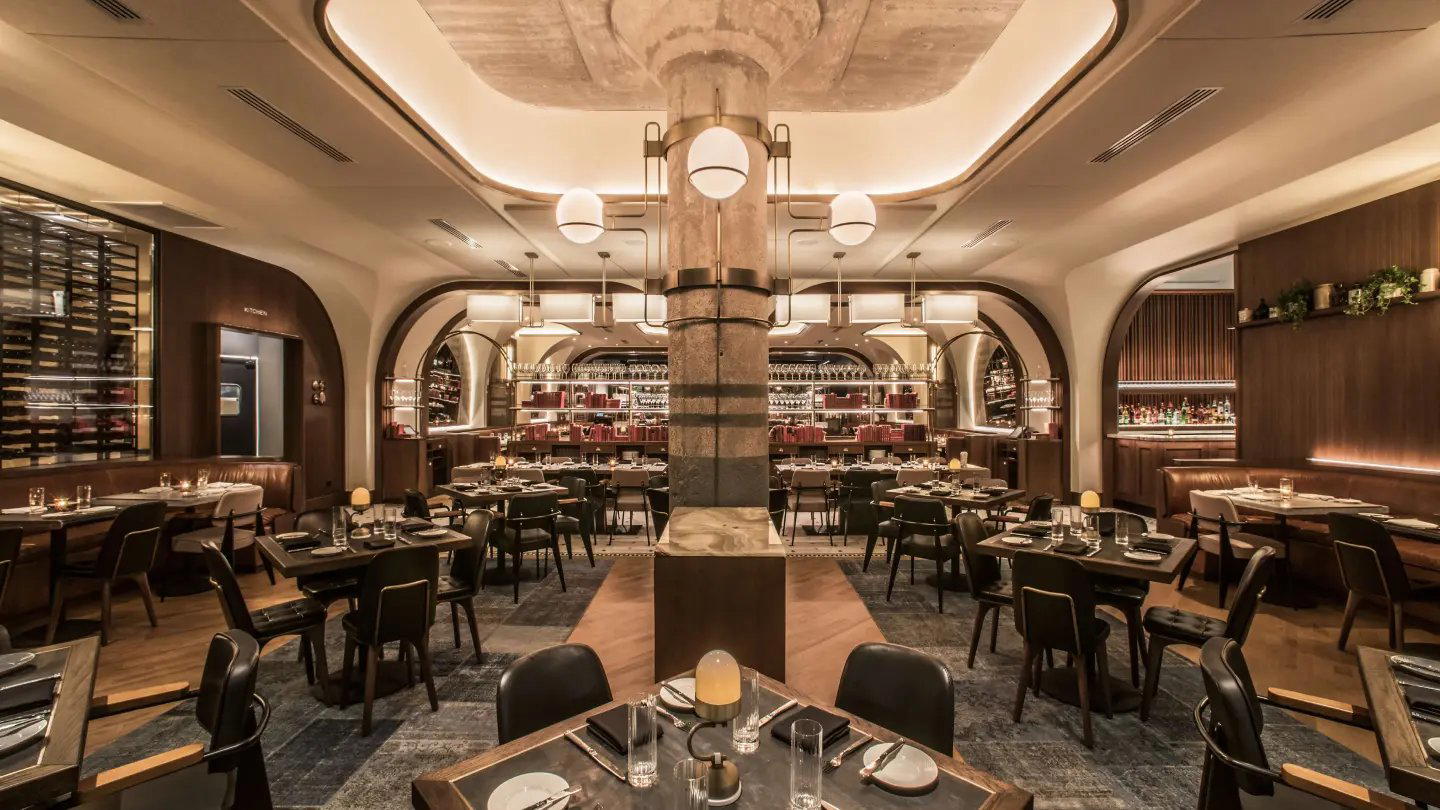
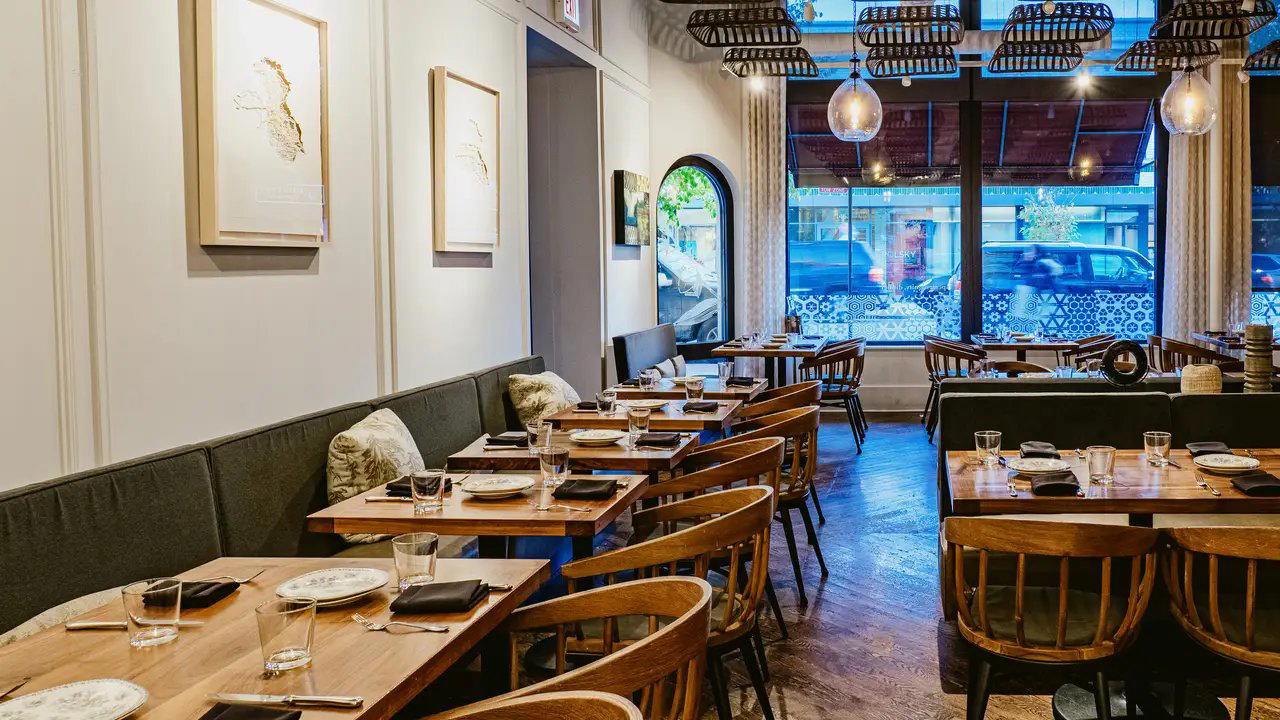
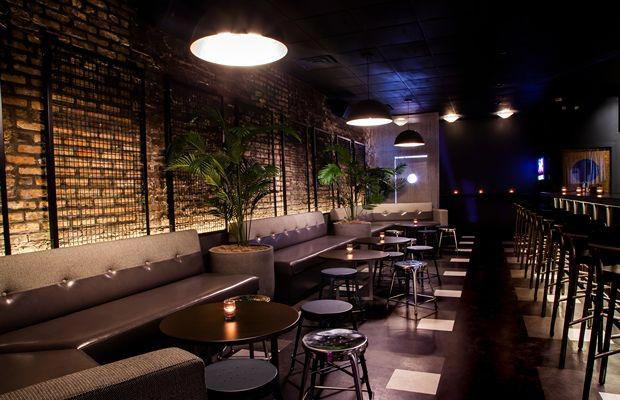
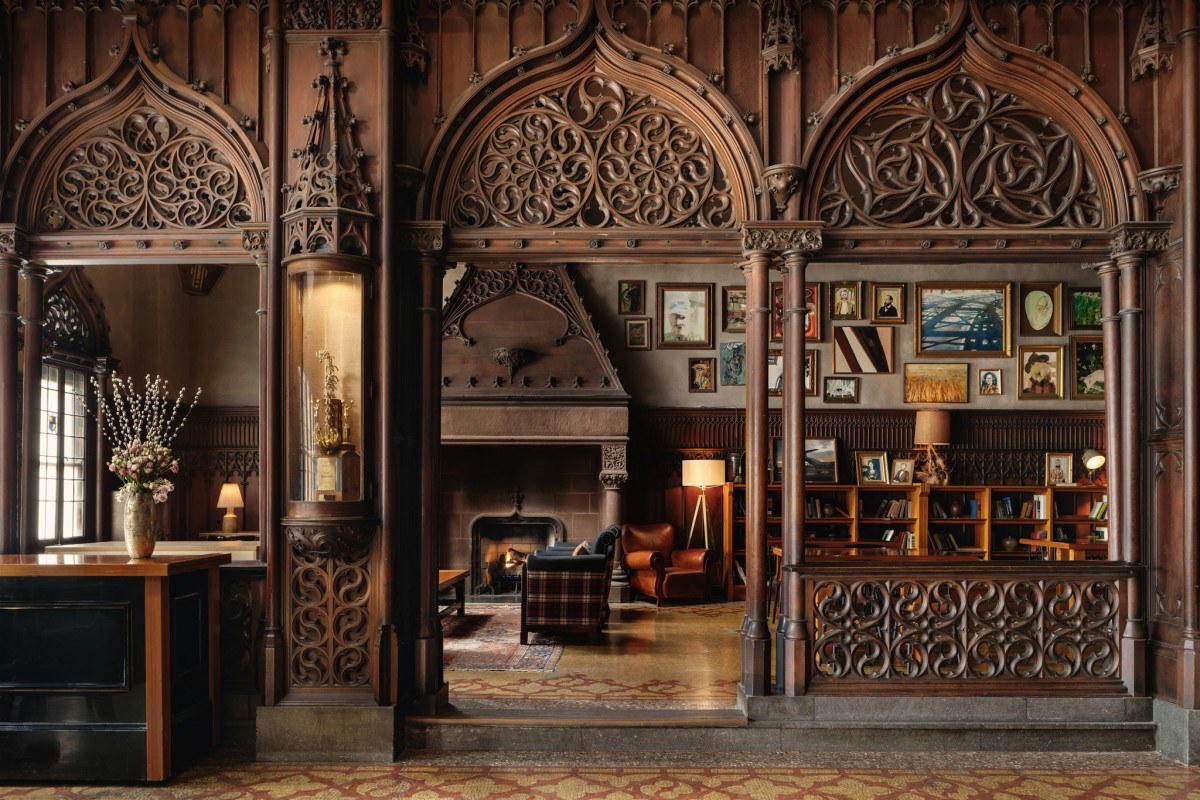
Lockport's South State Street corridor sits within the city's historic district, where nineteenth-century stone buildings from the canal era remain in use. The physical environment carries its own argument: this is not a purpose-built dining destination constructed to project ambience, but an older space repurposed for a different kind of hospitality. That architectural frame tends to produce dining rooms with more texture than new construction, and less predictability in how sound, light, and spatial proportion work.
For context, the tier of restaurant that Tallgrass occupies in a city like Lockport functions differently from its equivalents in a major metro. In a smaller city, the calculus changes: a restaurant of this type is more likely to draw guests who have made a deliberate decision to be there, which tends to shape the atmosphere differently. The room skews toward occasion dining, anniversaries, and destination meals rather than the weeknight spontaneity of urban dining.
That demographic fact is worth understanding before you book. Restaurants like The Inn at Little Washington in Washington or Frasca Food and Wine in Boulder have built their reputations partly on the clarity of their audience: guests who arrive knowing what they are there for, which tends to make service interactions more focused and unhurried.
The relevant comparison set for Tallgrass is not downtown Chicago. It is the category of serious independent American restaurants operating in smaller cities and towns, where the fine dining proposition is sustained without the foot traffic density of a metropolitan address. Addison in San Diego and Providence in Los Angeles operate with the full machinery of a large market behind them; Tallgrass does not have that infrastructure, which means its sustained operation rests on a more committed local audience and destination visitors willing to make the drive.
That is not a disadvantage so much as a different kind of durability test. Restaurants that survive in smaller markets without the constant turnover of metropolitan foot traffic tend to develop a more consistent kitchen voice, because the menu cannot rely on novelty-seeking visitors to fill seats every week. The cooking has to earn repeat visits from the same base. That pressure produces either a restaurant that calcifies or one that refines, and the ones worth the drive are almost always the latter.
For comparison, consider how Emeril's in New Orleans or Causa in Washington, D.C. situate themselves within a specific city identity. Tallgrass, by contrast, operates in a city without a strong pre-existing fine dining reputation, which means the restaurant carries more of the definitional weight itself. It is effectively the argument for why Lockport merits a place in a regional dining itinerary, which you can read more about in our full Lockport restaurants guide.
Planning a Visit
Lockport sits along Interstate 355 and Illinois Route 7, accessible by car from Chicago in under an hour from most North Side or Loop starting points. There is no practical public transit connection from Chicago for a dinner visit, so guests arriving from the city should plan on driving or arranging a car service. The historic district on South State Street is compact and parking is generally available. Given that this type of restaurant in a smaller market tends to run on tighter reservation availability than its size might suggest, particularly on weekends when occasion dining concentrates, booking ahead rather than walking in is the prudent approach. Guests who have experience with similarly positioned restaurants, whether ITAMAE in Miami, Atomix in New York City, or 8½ Otto e Mezzo Bombana in Hong Kong, will recognize the format: this is not a casual drop-in, but a meal that rewards some advance thought about timing and intent.
Frequently asked questions
Is Tallgrass a family-friendly restaurant?
Tallgrass occupies a historically significant stretch of Lockport's South State Street corridor, within a setting shaped by nineteenth-century canal-era architecture. The format skews toward adult diners focused on the meal itself. Families with younger children would likely find the atmosphere better suited to older guests who can engage with a deliberate, course-driven dining experience.
What should I expect atmosphere-wise at Tallgrass?
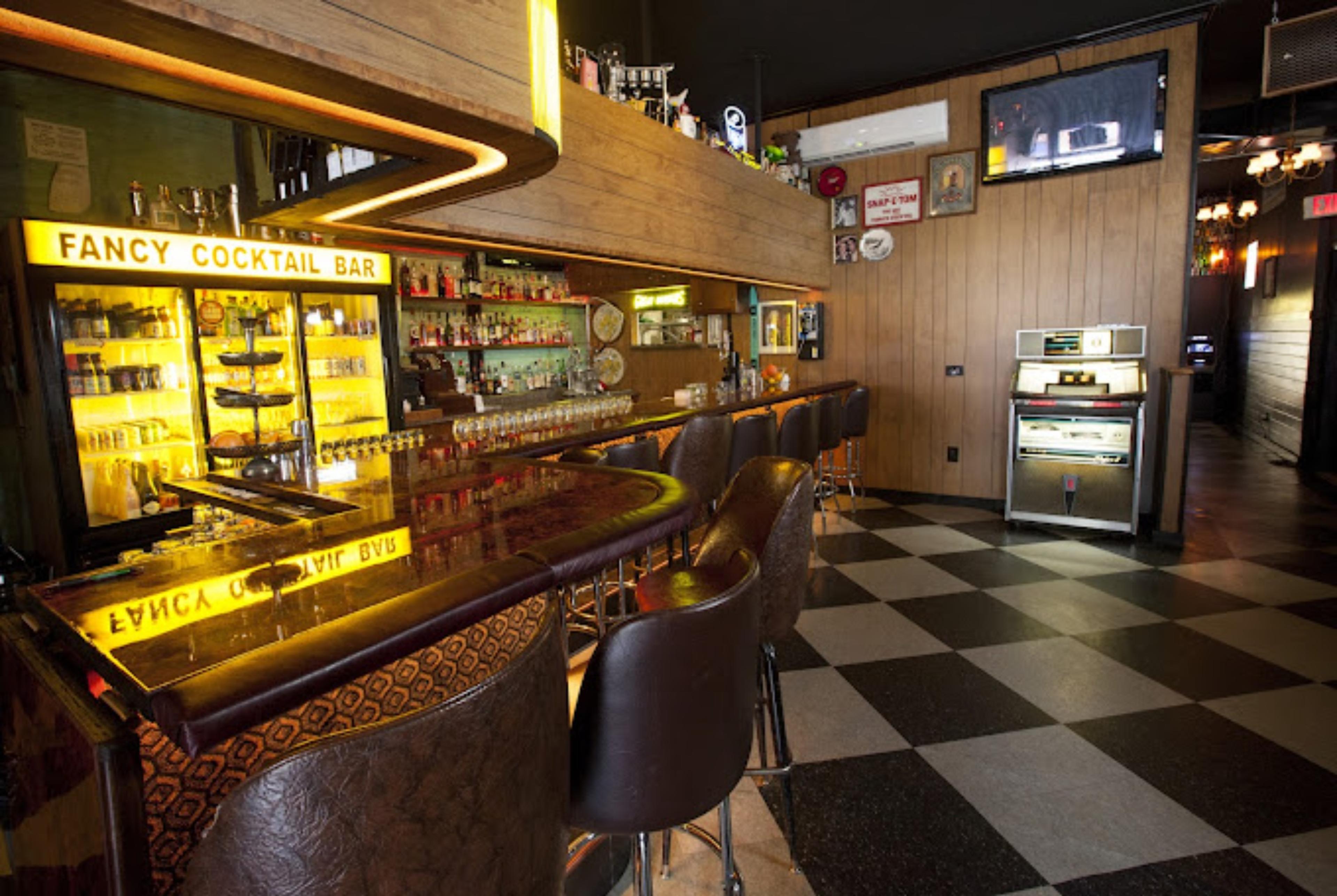
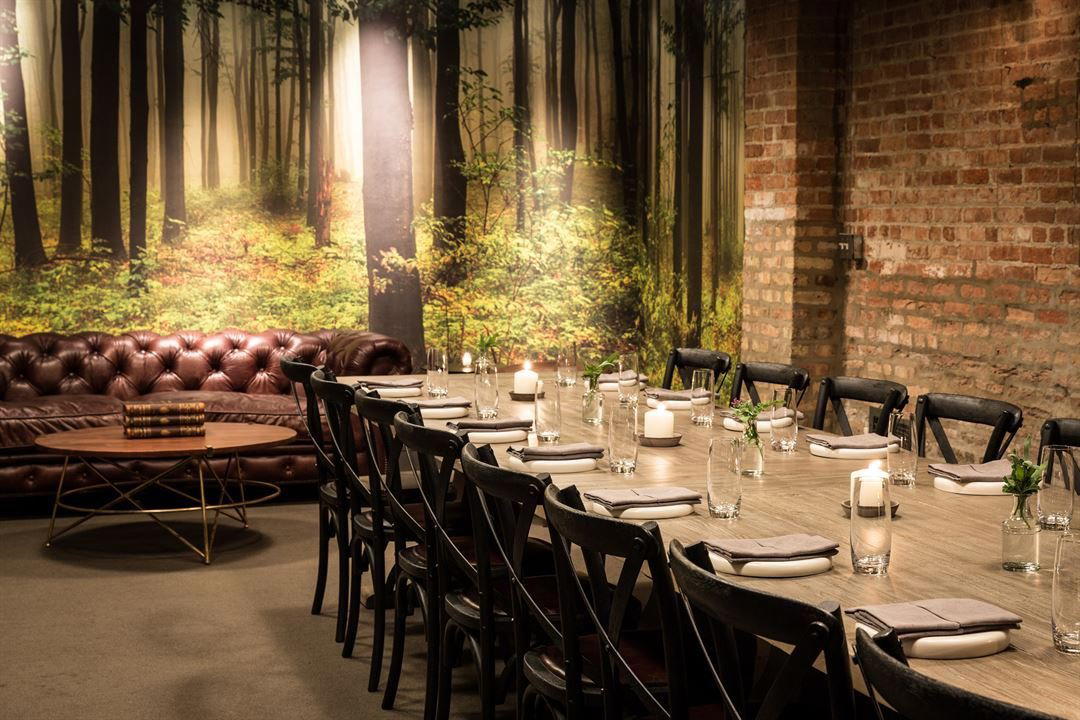
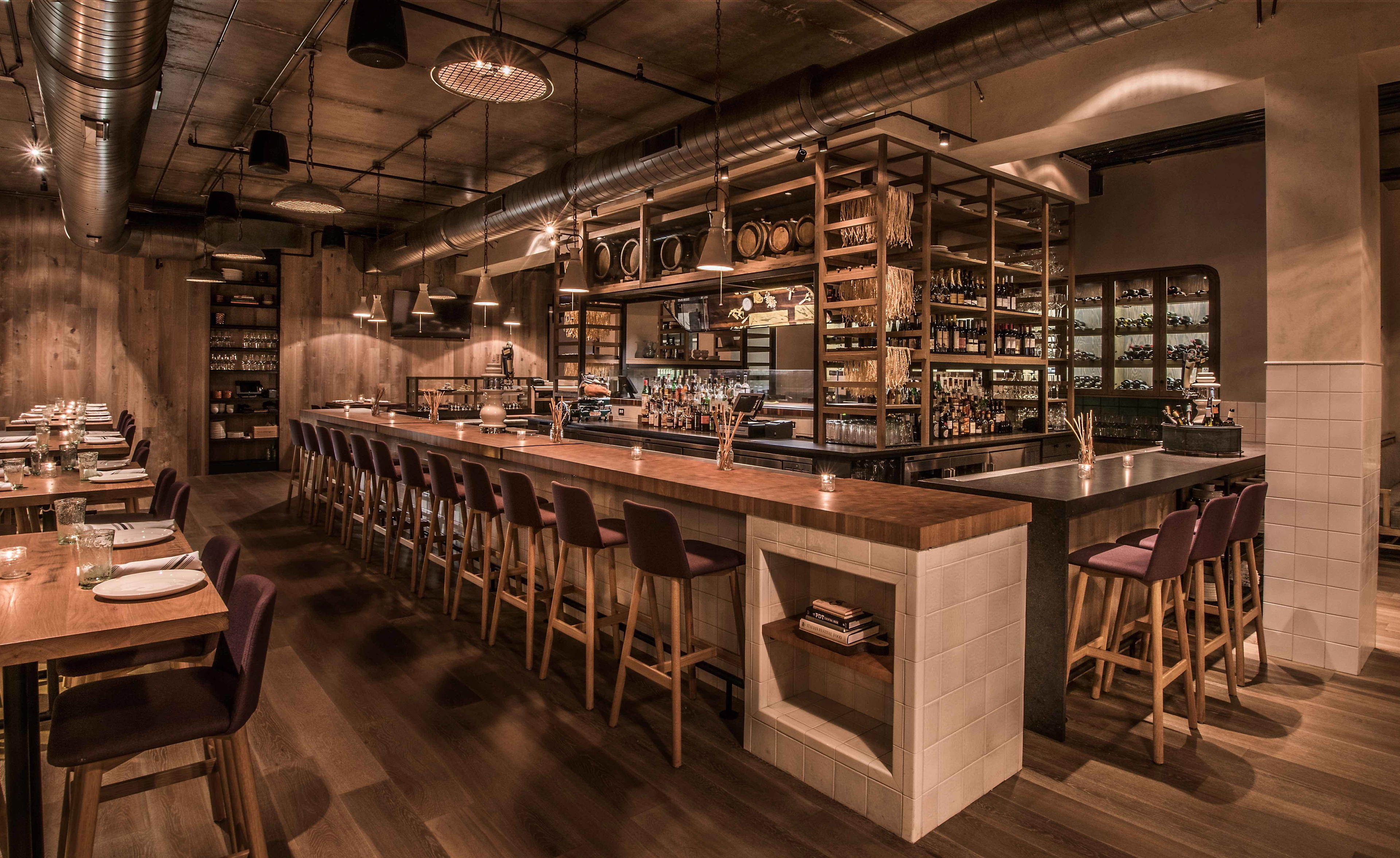
The restaurant sits in Lockport's historic district, where the surrounding stone buildings date to the Illinois and Michigan Canal era — a context that shapes the room's character in ways no downtown Chicago address can replicate. Expect a composed, unhurried pace rather than the ambient noise and high turnover common to city-center dining rooms. It reads as a destination rather than a neighborhood drop-in.
How far is Tallgrass from downtown Chicago, and is it worth the drive from the city?
Lockport sits along Interstate 355 and Illinois Route 7, placing Tallgrass roughly 35 miles southwest of Chicago's Loop — under an hour by car from most North Side or downtown starting points. For diners willing to leave the city, the case is straightforward: the restaurant operates in a category of independent American fine dining where the cooking is the argument, not the proximity to other venues. The historic canal-district setting at 1006 S State St adds a sense of occasion that a mid-city dining room rarely provides.
What's the signature dish at Tallgrass?
Specific menu details are not available in current documentation for Tallgrass. The restaurant's broader editorial identity is tied to ingredient sourcing and American fine dining rather than any single plated centerpiece. Contacting the restaurant directly at 1006 S State St, Lockport, IL 60441 is the most reliable way to get current menu information before visiting.
Where is Tallgrass located?
Tallgrass is located at 1006 S State St, Lockport, IL 60441, Lockport.
Do I need a reservation for Tallgrass?
For any restaurant operating in the serious independent American dining category, reservations are advisable, particularly on weekends when suburban fine-dining rooms of this caliber tend to fill well in advance. Tallgrass is located at 1006 S State St in Lockport, IL — calling ahead or checking availability before making the drive from Chicago is the practical approach.
What is Tallgrass known for?
Its location in Lockport's historic canal district on South State Street gives it a physical context that few suburban Illinois restaurants share.
Comparable Venues
Comparable venues nearby, for context on price, style, and recognition.
| Venue | Cuisine | Price | Awards | Notes |
|---|---|---|---|---|
| TallgrassThis venue — the venue you are viewing | Modern French Cuisine | $30–50 | Not listed | Not listed |
| The Wellsley | French Bistro | Not listed | Not listed | River North |
| Bandol | French Brasserie & Raw Bar | $50–100 | Not listed | Loop |
| Hemmingway's Bistro | Classic French Bistro | $30–50 | Not listed | Oak Park |
| La Serre | Coastal French-Mediterranean | $30–50 | Wine Spectator Award of Excellence | West Loop |
| Francois Frankie | French-American Brasserie | $30–50 | Not listed | The Loop |
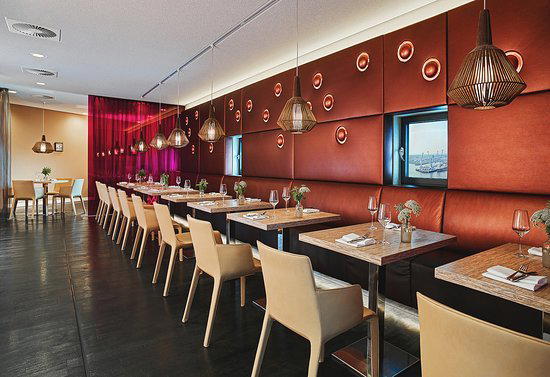
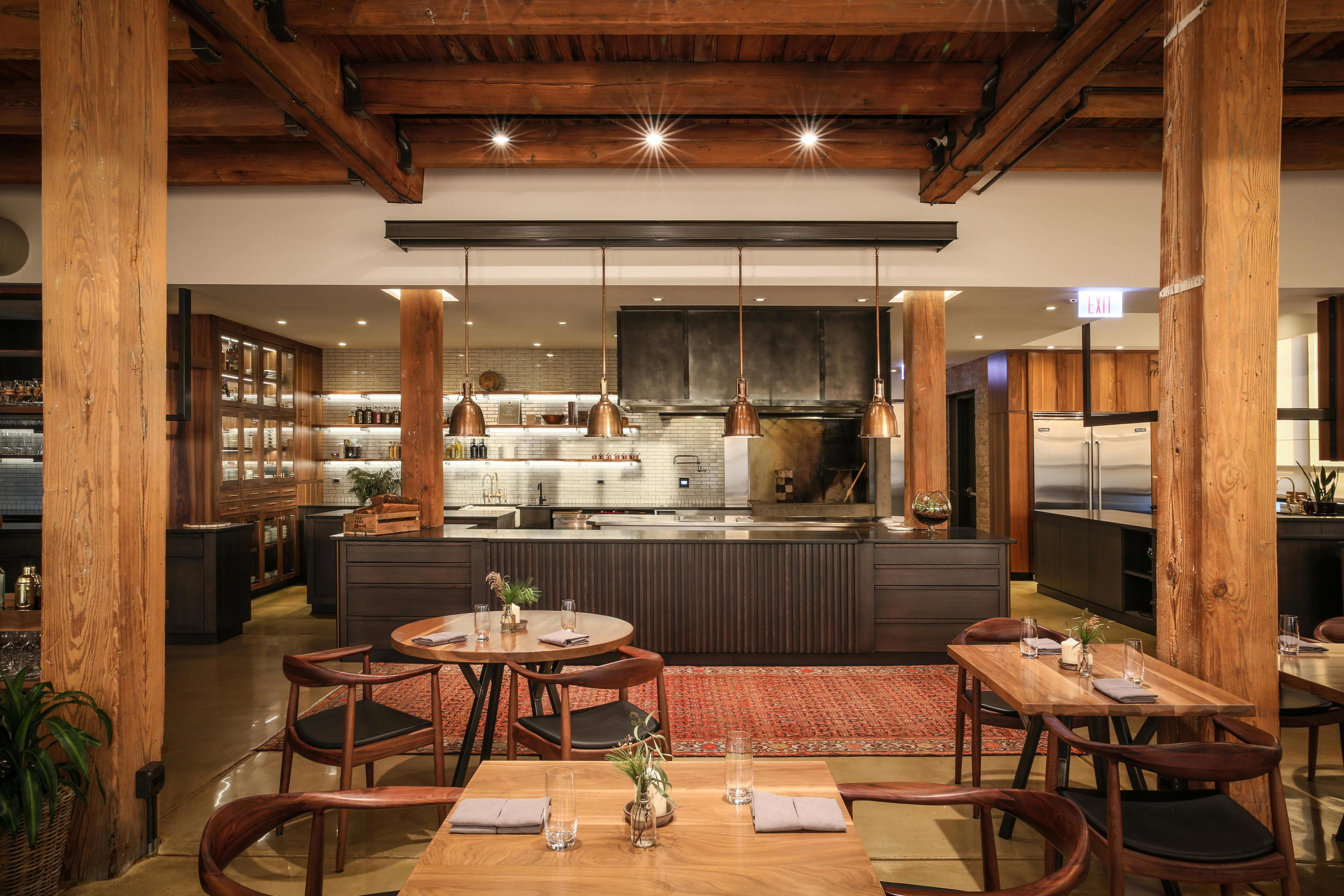
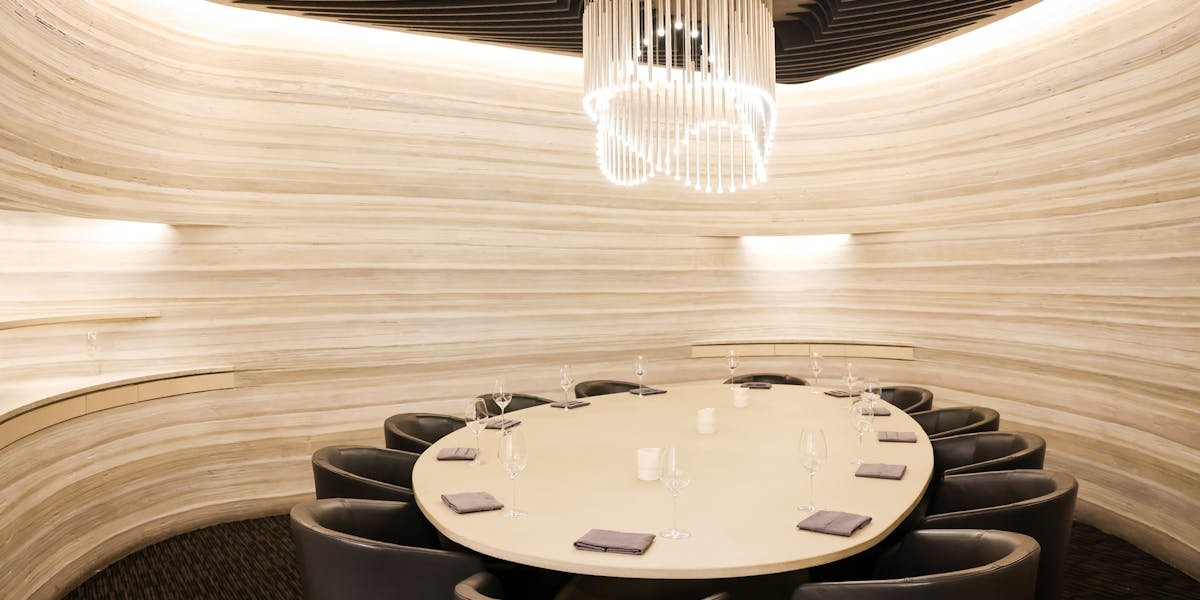
Tallgrass
The wine
- Wine program
- Curated wine list
- Extensive wine list
- Craft cocktails
Details
- Elegant
- Sophisticated
- Classic
- Cozy
- Romantic
- Special Occasion
- Date Night
- Celebration
- Casual Hangout
- Historic Building
- Standalone
- Extensive Wine List
- Craft Cocktails
- Local Sourcing
- A La Carte
- Wine
- Cocktails
- Vegetarian Friendly
- Gluten Free Options
Current opening hours
- Monday
- Closed
- Tuesday
- Closed
- Wednesday
- Closed
- Thursday
- 5–10 PM
- Friday
- 5–10 PM
- Saturday
- 5–10 PM
- Sunday
- 5–8 PM
Hours can change for holidays and private events. Last verified .
Charming and inviting, with a warm, polished feel that suits special occasions.