
Tabelog 100 #76
Our verdict
Taku brings Nagoya’s compact teppanyaki culture into a nine-seat counter format in Fushimi, with steak, wine, sake, and shochu forming the core of the evening. Its selection for Tabelog 100 Steak / Teppanyaki EAST 2025 places it in a nationally watched category, while the small-room format suits diners who want heat, timing, and portion control visible from the counter.

Pearl is the En Primeur Club membership app, where members save venues, book tables and use the concierge.
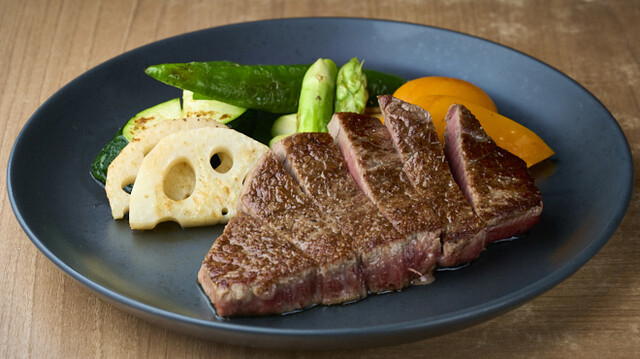
The menu
What to order
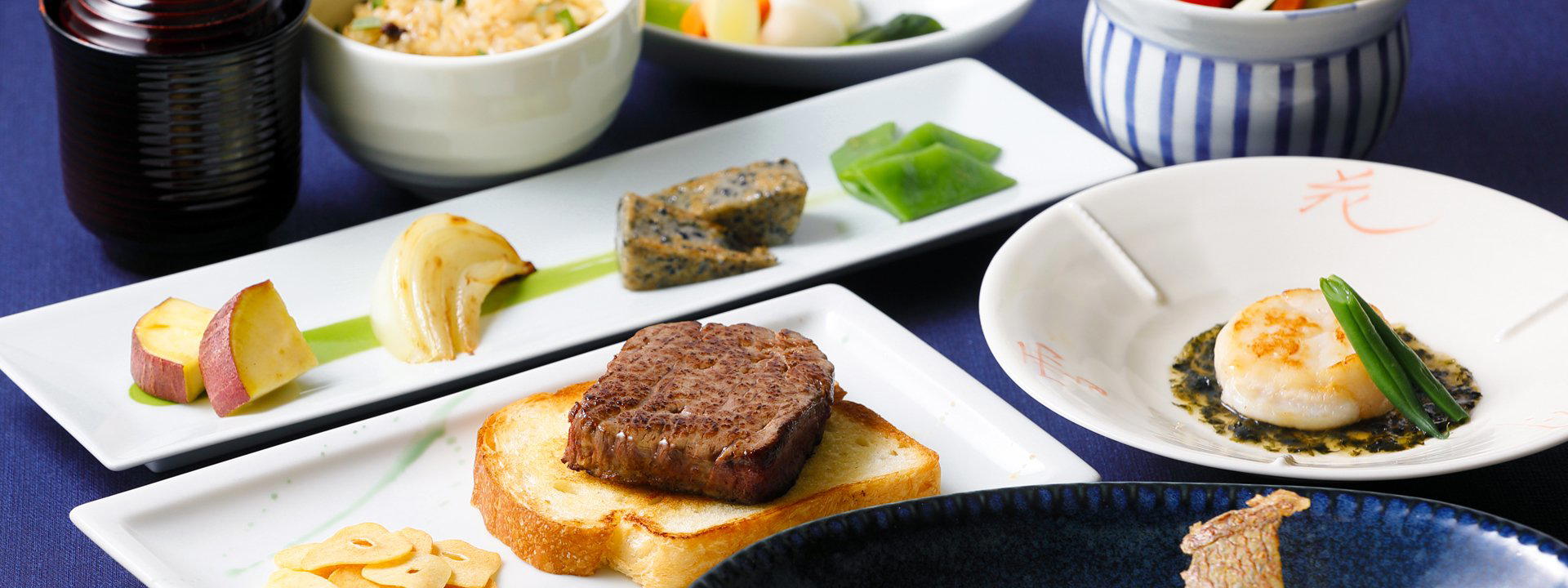
- Wagyu filet steak
- Teppan-grilled seafood
- Beef tongue
- Teppanyaki course menus (4000/6000/9000 JPY)
Nagoya dining often reveals itself at human scale rather than through hotel-lobby grandeur: modest rooms, restrained frontage, and a quick shift from daytime city rhythms to evening grill culture. Teppanyaki suits that scale. Cooking is closely tied to the room, the grill is workspace and stage, and waste can narrow when a meal depends on heat, sequencing, and immediate service rather than hidden-kitchen sprawl.
That is the useful lens for Taku. Nagoya has plenty of meat-led dining, but the interesting tier is not only the loud steakhouse; it is the focused restaurant where beef, vegetables, drinks, and pacing face scrutiny. A disciplined grill format changes the economics and ethics of the meal. Portions can be managed closely, the kitchen responds to the room, and guests see how much depends on restraint rather than abundance. In a category often sold through excess, that matters.
Nagoya teppanyaki, scaled down to counter discipline
Teppanyaki in Japan sits apart from Western steakhouse culture. The premium cue is not just the beef cut, but temperature control, fat handling, and how accompaniments enter the meal without turning the table into surplus display. The format makes those decisions visible. It also makes sustainability less abstract: fewer distractions, shorter preparation-to-service distance, and less tolerance for over-ordering support leaner hospitality.
Taku belongs to the steak and teppanyaki category rather than the broader izakaya or yakiniku field, and its listing in the Tabelog Hyakumeiten 2025 data is the clearest public trust signal available here. The recognition matters because it separates grill-focused rooms from the broad middle of casual meat restaurants. It does not make dinner a trophy exercise, but places the restaurant in a competitive bracket where execution, consistency, and category identity are judged against specialists.
The drinking side also signals a certain Nagoya evening. Pairing choices can make or soften the meal as grilled ingredients move between richness, salt, and smoke. The smarter order is not luxury labels for their own sake; it is beverage choice that keeps the meal from becoming heavy. In a focused room, restraint is not austerity. It keeps the format sharp.
Nagoya's useful middle: serious dinner without hotel-restaurant distance
Nagoya gives its restaurants a practical advantage: the city works for business dinners, date-night meals, and late-evening plans without turning every booking into a destination detour. That geography matters for teppanyaki because the meal rewards attention. Arriving rushed from the wrong side of town dulls the point of a grill format where timing is part of the value.
Within Nagoya, pricing also defines the scene. BAR BARNS occupies a cocktail-led bracket in the city's drinking culture, while Gyoza to Sparkling Bubbles and SUSURU Fushimi hanare sit in more casual lanes. These are not culinary equivalents, but they show how central Nagoya supports several registers of evening spending: noodles, gyoza, cocktails, and steak or teppanyaki within the same urban dining field. Taku belongs to the tighter, meal-focused end.
For a Nagoya itinerary, treat dinner here as part of a larger city pattern rather than one reservation chased in isolation. The local field includes other Nagoya dining rooms, each in a different lane of the city's hospitality map. For broader planning, use Our full Nagoya restaurants guide alongside Our full Nagoya hotels guide, Our full Nagoya bars guide, Our full Nagoya wineries guide, and Our full Nagoya experiences guide.
What the format says about responsible luxury
Sustainability in Japanese fine dining is often discussed through sourcing, but teppanyaki offers another route: precision. A grill-focused room need not preach environmental virtue to make a lower-waste argument. It can do so through controlled preparation, close timing, and a menu structure that discourages casual sprawl. The more focused the room, the more each booking affects purchasing and prep. That is operational discipline, not decoration.
Taku's 2025 Tabelog Hyakumeiten listing is a useful signal for a venue in a crowded category, alongside a posted score of 3.61 and a dinner budget of JPY 6,000 - JPY 7,999. The stronger reading is not that attention alone defines the restaurant, but that the format aligns with where premium dining in Japan has moved: clearer specialization and retreat from luxury as mere scale. In steak and teppanyaki, that shift is welcome. Meat carries a higher environmental burden than many restaurant categories, so the credible response is not excess dressed as celebration. It is careful portioning, attentive pacing, and a room where guests can see the discipline.
Travelers comparing Nagoya with other Japanese food cities should not treat teppanyaki as a generic splurge. Other dining rooms across Japan point to different beef traditions, seafood-and-fire formats, casual counters, and narrow specialist propositions. Even outside Japan, drink-and-rice cultures underline the same lesson: specificity beats sprawl.
The critical case for Taku is not spectacle. It is category clarity. A Nagoya teppanyaki restaurant, recognized in a 2025 Tabelog Hyakumeiten context, gives the city a focused expression of grill dining at a scale where waste, timing, and attention are harder to hide. For diners who care about responsible luxury, that is more interesting than grand-room theatrics.
Frequently asked questions
What's the price range at Taku?
Pricing at Taku is listed as JPY 6,000 - JPY 7,999.
Where do I go for Taku?
Nagoya.
How hard is it to get a table at Taku?
Taku is recognized in the 2025 Tabelog Hyakumeiten data, so timing may matter for diners planning a Nagoya meal.
What do critics highlight about Taku?
Coverage around Taku can fairly focus on the steak and teppanyaki category and its 2025 Tabelog Hyakumeiten recognition. It is also listed with a JPY 6,000 - JPY 7,999 dinner budget and a 3.61 score.
Do they accommodate allergies at Taku?
Those details are not published in the provided listing. Taku is in Nagoya, which makes direct confirmation advisable before arrival. Check the venue's official channels for the latest details.
Similar Picks
Nearby venues at a similar price tier for orientation.
| Venue | Cuisine | Price | Awards | Notes |
|---|---|---|---|---|
| TakuThis venue (the venue you are viewing) | Teppanyaki Steakhouse | $30–50 | Tabelog 100 #76 | Not listed |
| BAR BARNS | Bar / Whiskey & Cocktail Bar | $30–50 | Tabelog 100 #97 | JPY 5,000 - JPY 5,999 |
| SUSURU Fushimi hanare | Chicken paitan ramen & Chinese-style small plates | $10–20 | Tabelog 100 #18 | JPY 1,000 - JPY 1,999 JPY 1,000 - JPY 1,999 |
| Gyoza to Sparkling Bubbles | Creative Gyoza and Sparkling Drinks | $10–20 | Tabelog 100 #66 | JPY 2,000 - JPY 2,999 |
| cucina Wada | Seasonal Italian | $50–100 | Tabelog 100 #30 | Not listed |
Recognition history
Dated appearances from independent guides and award organizations, with the underlying list record or original source where available.
Tabelog 100 #76 · No. 76
Tabelog · Tabelog 100 - Steak / Teppanyaki - EAST - 2025
Continue exploring
More in Nagoya
Details
- Cozy
- Intimate
- Lively
- Date Night
- Business Dinner
- Solo
- Celebration
- After Work
- Special Occasion
- Chefs Counter
- Open Kitchen
- Standalone
- Extensive Wine List
- Corkage Allowed
- Local Sourcing
- Set Menu
- A La Carte
- Counter Dining
- Wine
- Sake
- Allergy Accommodating
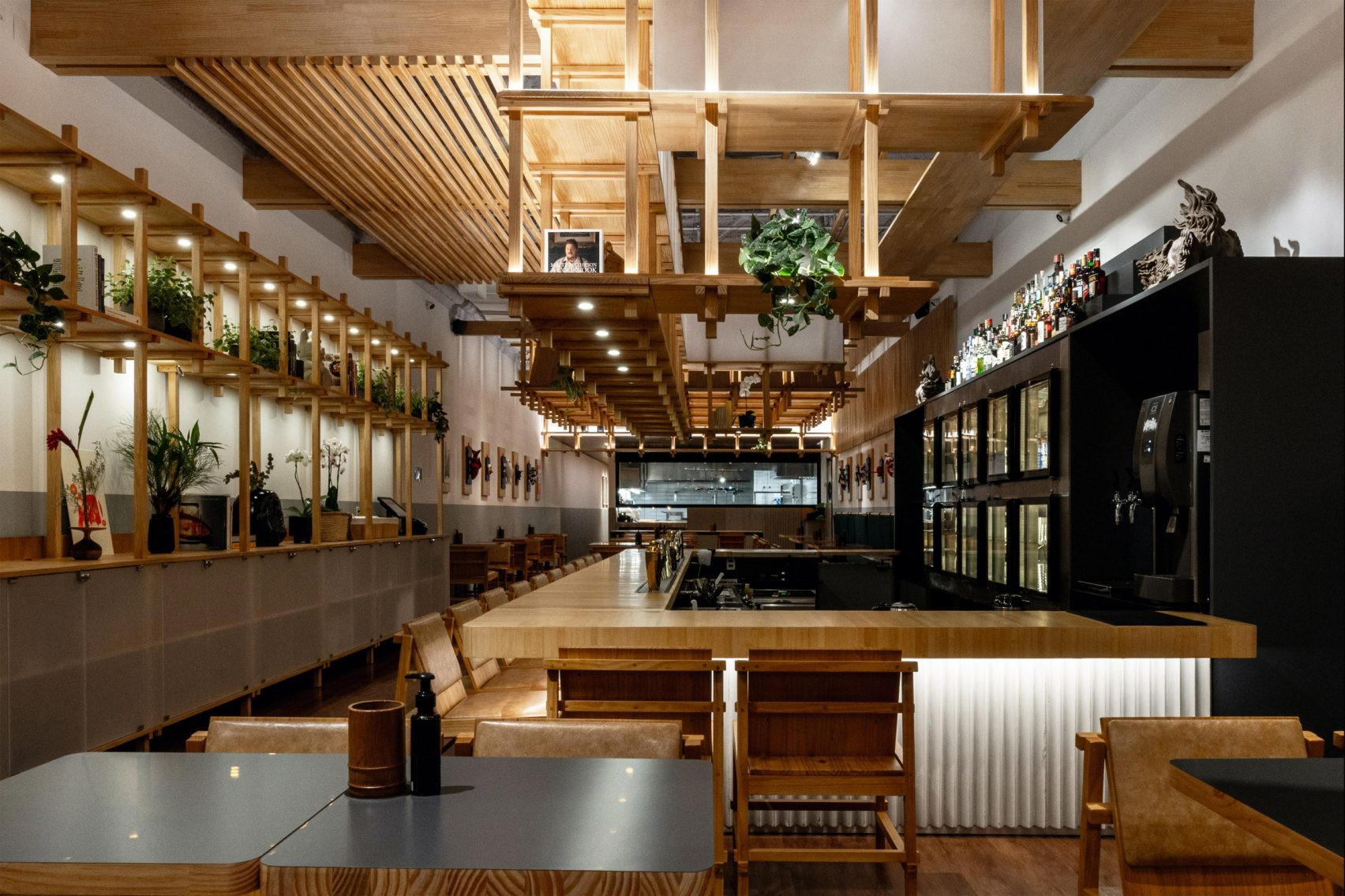
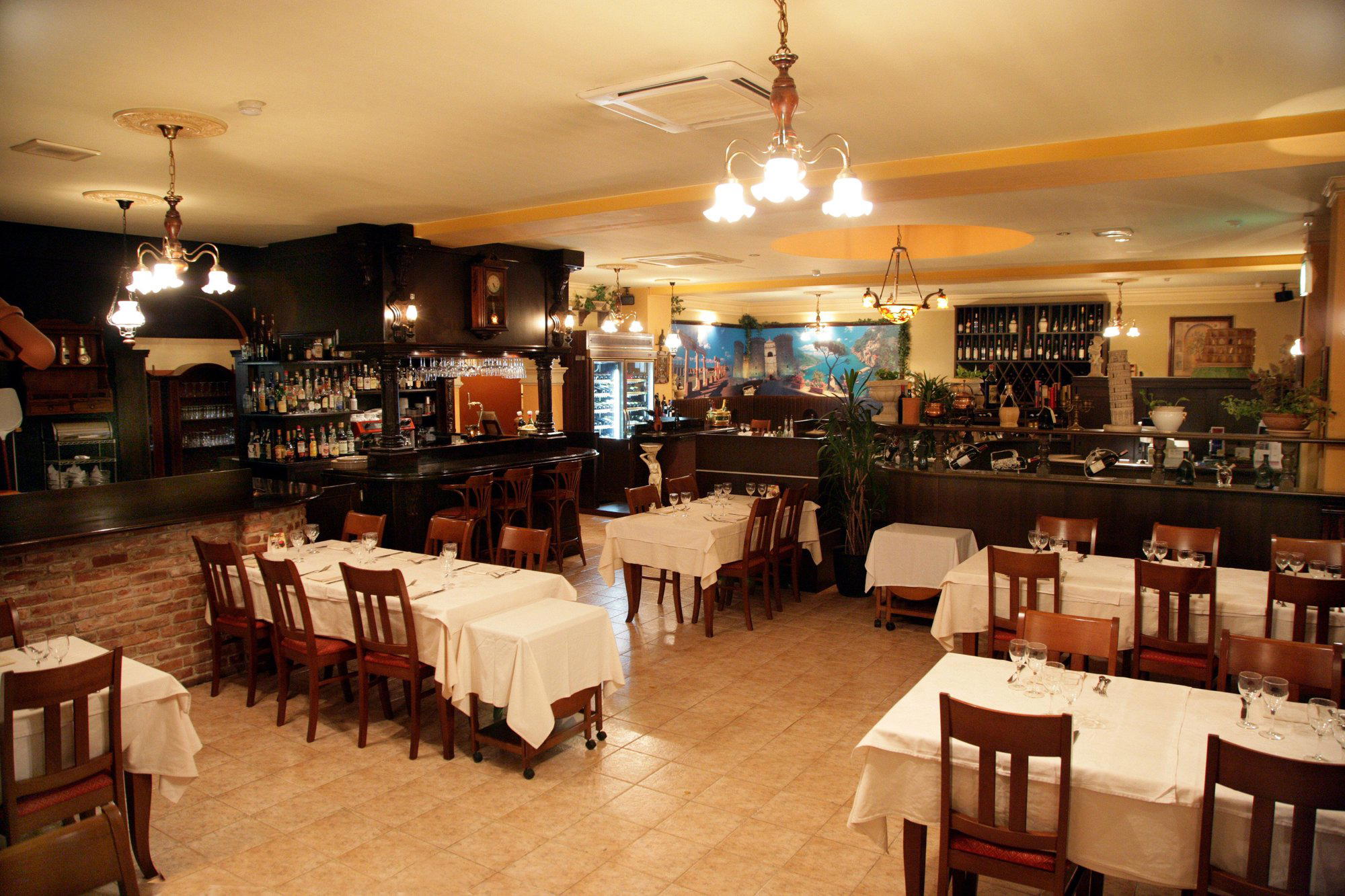
An intimate counter around a hot steel teppan inside a casual yatai-style arcade, combining the theater of live cooking and steakhouse aromas with a warm, at-home feel rather than a formal luxury vibe.