Takami Sushi & Robata Restaurant
Our verdict
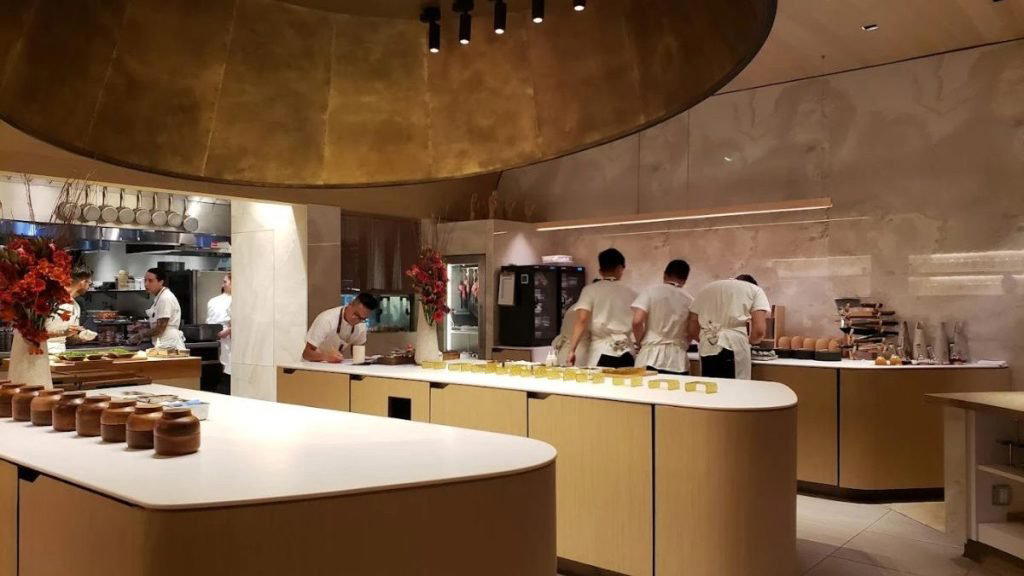
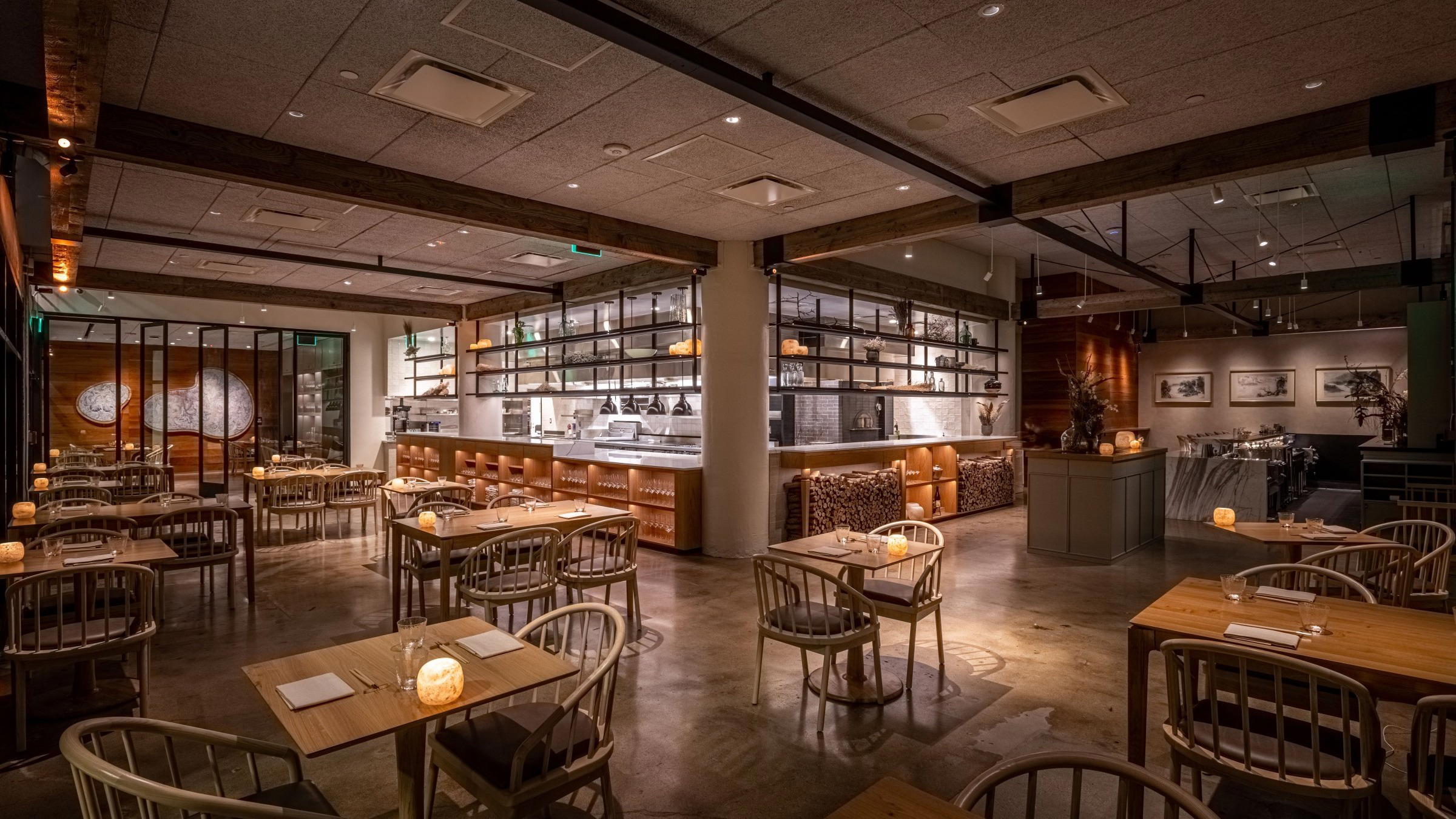
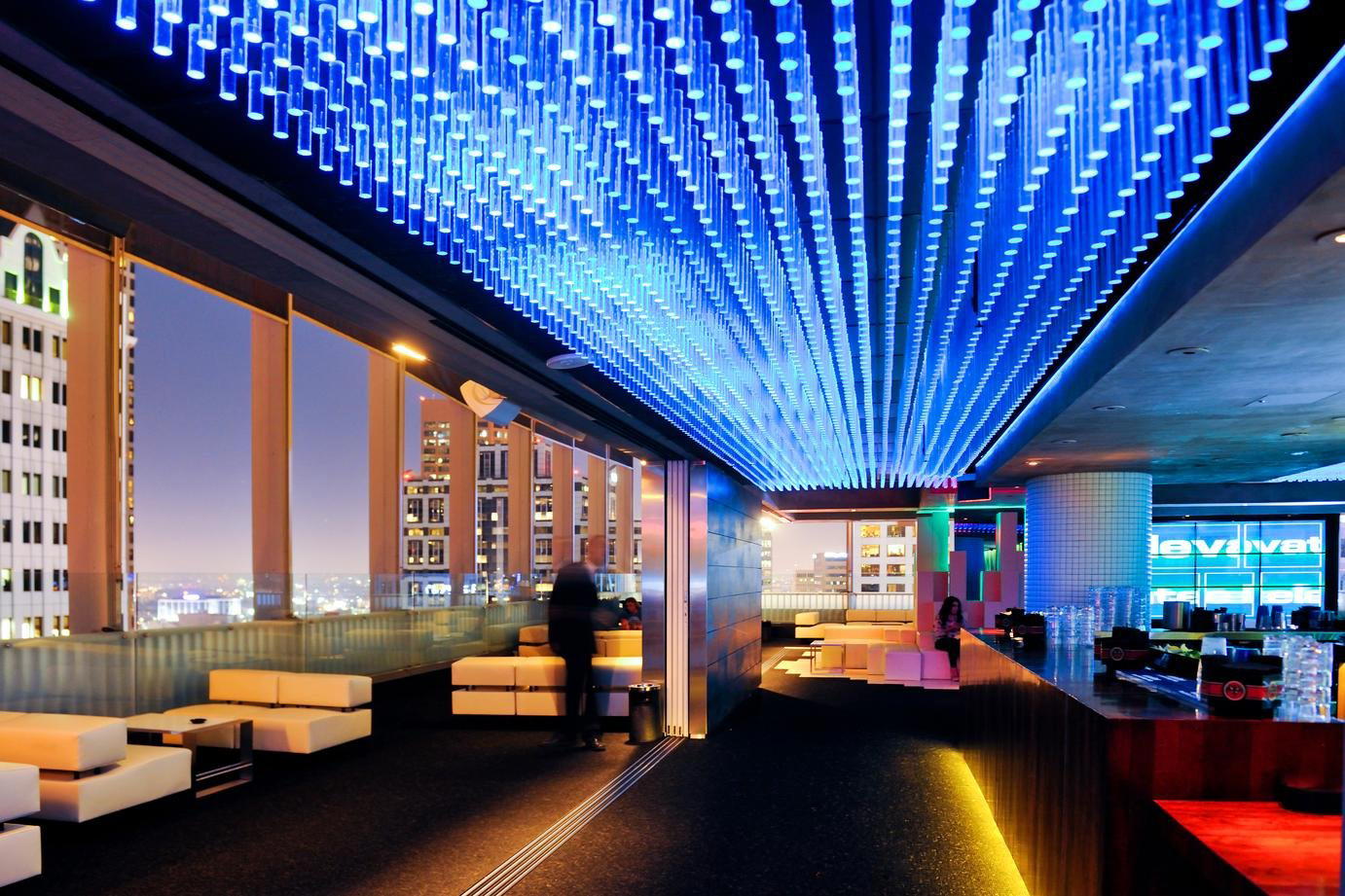
Perched on the 21st floor of 811 Wilshire in downtown Los Angeles, Takami Sushi and Robata Restaurant combines a Japanese sushi counter with open-fire robata grilling against a panoramic skyline backdrop. The format sits at the intersection of traditional Japanese dining ritual and contemporary Los Angeles spectacle, drawing a crowd that expects both technical precision and a strong sense of occasion.

Pearl is the En Primeur Club membership app — saves, bookings, and concierge access live there. Same editors, same standards.
- Address
- 811 Wilshire Blvd #2100, Los Angeles, CA 90017
- Phone
- (213) 236-9600
- Hours
- Mon–Thu 11:30 AM–2:30 PM, 5–9:30 PMFri 11:30 AM–2:30 PM, 5–10:30 PMSat 5–10:30 PMSun 5–9:30 PM
- Website
- takamisushi.com
- Directions
- Get directions
- Booking
- Book on OpenTable
The menu
What to order
- Japanese Taco
- Rock Shrimp
- Robata Lamb
- Robata Salmon
- Kanpachi Sashimi
- 21st Roll
A Downtown Perch and the Ritual of Japanese Fire and Fish
Downtown Los Angeles has always maintained an awkward relationship with serious dining. For decades, the financial district thinned out after market close, leaving a handful of hotels and expense-account reliables to serve a shrinking evening crowd. That dynamic has shifted measurably over the past fifteen years as residential density increased and the broader LA dining scene pushed inward from the Westside. Takami Sushi and Robata Restaurant, occupying the 21st floor of 811 Wilshire Boulevard, arrived as part of that longer arc: a high-floor Japanese restaurant positioned to serve both the downtown professional class and visitors drawn by the view of a city that rarely reveals itself from this angle.
The format itself draws from two distinct Japanese cooking traditions that, in Japan, rarely share the same room. Sushi, with its emphasis on temperature control, knife discipline, and the studied economy of the counter, and robata, the charcoal-grilling method rooted in the communal hearth culture of Hokkaido fishermen, each carry their own etiquette and pacing. Combining them under one roof is a distinctly export-market move, common in Los Angeles and New York where Japanese restaurants must satisfy broader appetites, but it creates an interesting editorial question: does one tradition cannibalize the other, or do they coexist as distinct acts within the same meal?
The Meal as Structure: Pacing, Sequence, and the Logic of the Menu
In traditional omakase settings, the chef controls the meal entirely. At sushi-robata hybrid restaurants, that authority is distributed. The diner constructs their own arc, which means the pacing discipline has to come from somewhere else, typically from the staff and the menu architecture. The leading Japanese restaurants in Los Angeles operating in this format treat the meal as two movements: raw and delicate first, grilled and smoky second, with rice courses arriving as punctuation rather than filler. This is the structural logic that separates a considered Japanese dining experience from a menu that simply lists sushi and grilled items side by side without narrative coherence.
Robata cooking, when executed at the right distance from binchotan charcoal, produces a quality of heat that Western grilling rarely replicates. The white charcoal burns at lower, more consistent temperatures, and the fat from proteins falls into ash rather than flaring, which means the smoke character is clean rather than acrid. For a diner unfamiliar with the format, this translates into proteins that carry a faint mineral smokiness without the char-forward aggression of an American grill. The fish and vegetable courses that precede it in a sushi-led meal make that contrast legible.
Los Angeles has produced a cohort of serious Japanese restaurants that approach this question of sequencing with real rigor. Hayato operates as a kaiseki counter where every course is a considered act. Kato applies Taiwanese-Japanese sensibility to a similarly architect meal. Both seat small numbers and book weeks in advance. Takami operates in a different register, one where the spectacle of the room and the breadth of the menu are part of the offer, placing it closer to the high-volume, high-ambiance tier than the intimate counter model.
The View as Context, Not Compensation
There is a category of restaurant where the view does the work the kitchen cannot. Takami's position on the 21st floor of a Wilshire Boulevard tower means the Los Angeles skyline is always present, particularly at dusk when the light drops behind the Santa Monica Mountains and the city grid begins to illuminate. The critical question for any refined restaurant is whether the kitchen earns its place alongside the setting, or whether the setting is the excuse for the kitchen's limitations.
Los Angeles has several strong reference points for this kind of dual offer. Providence on Melrose has sustained serious seafood credentials through multiple critical cycles without the benefit of a skyline. Osteria Mozza built its reputation on the strength of a wood-fired format and a wine list, not a view. The restaurants that have proved most durable in Los Angeles tend to have a culinary argument that holds up in daylight, not just at sunset. That standard applies here as much as anywhere.
Where Takami Sits in the Los Angeles Japanese Scene
Los Angeles has one of the most concentrated Japanese dining ecosystems outside Japan itself. The city's Japanese-American community, centered historically in Little Tokyo and extending into the San Gabriel Valley and the South Bay, has sustained everything from workaday ramen counters to multi-course kaiseki formats for generations. The premium tier has grown more competitive in recent years, with Hayato earning Michelin recognition and a new cohort of omakase counters targeting the $200-and-above price point that was once rare outside New York and San Francisco.
Takami occupies a middle position in that hierarchy: more accessible than the elite omakase counters, more ambitious than the casual sushi-bar format. This is a useful position to hold in a city where the premium dining scene, represented by venues like Somni, is highly concentrated and capacity-constrained. For diners who want a Japanese-focused meal with occasion built into the setting, without committing to the full omakase ritual, the hybrid sushi-robata format serves a genuine function.
Nationally, the conversation around serious Japanese dining has migrated toward the omakase model, with Atomix in New York City demonstrating how a Korean-Japanese counter format can operate at the highest critical tier. The robata tradition has received less attention in that conversation, partly because it is harder to frame as an intimate ritual and partly because the smoke and char aesthetic reads as casual even when the sourcing and technique are not. That framing creates an opening for restaurants that take the robata side of the menu seriously.
Planning a Visit
Takami is located at 811 Wilshire Boulevard, Suite 2100, in the Financial District of downtown Los Angeles. The 21st-floor location means arrival itself requires a brief orientation; visitors should confirm elevator access with the building directory on arrival. Downtown LA is accessible by Metro Rail from several city neighborhoods, and the 7th Street/Metro Center station is within walking distance of Wilshire. For visitors staying elsewhere in the city, parking in the Financial District runs easiest on weekday evenings when office traffic has cleared. The restaurant draws both pre-theater and occasion-dining crowds, which means timing the reservation relative to other downtown events is worth considering. For broader orientation to the Los Angeles dining scene across neighborhoods and price tiers, the full Los Angeles restaurants guide provides useful comparative context.
For readers building a broader US dining itinerary, comparable high-ambition Japanese and contemporary formats appear in different cities: Lazy Bear in San Francisco approaches the communal dining ritual from a New American direction, while Alinea in Chicago and Le Bernardin in New York City represent the precision-first end of the fine dining spectrum. On the West Coast specifically, Single Thread Farm in Healdsburg, The French Laundry in Napa, and Addison in San Diego each offer distinct reference points for what the region's premium dining tier can produce. Elsewhere in the country, Emeril's in New Orleans, Bacchanalia in Atlanta, Blue Hill at Stone Barns in Tarrytown, and The Inn at Little Washington illustrate how occasion dining takes different forms by region. Internationally, 8 1/2 Otto e Mezzo Bombana in Hong Kong shows how a high-floor, view-forward setting can anchor serious culinary ambition.
Frequently asked questions
Where do I go for Takami Sushi & Robata Restaurant?
Takami Sushi & Robata Restaurant is located at 811 Wilshire Blvd #2100, Los Angeles, CA 90017, Los Angeles.
Is Takami Sushi & Robata a good option for a downtown Los Angeles business dinner?
Takami's address at 811 Wilshire Blvd, Suite 2100 places it directly in the Financial District, making it one of the few full Japanese dining destinations within walking distance of downtown LA's major office towers. The sushi-robata format offers enough menu range to accommodate varied preferences across a group, and the 21st-floor setting provides a backdrop suited to a hosted meal. Los Angeles's Japanese dining concentration is historically anchored further west in areas like Little Tokyo and the Westside, so Takami fills a geographic gap for downtown-based diners.
What dish is Takami Sushi & Robata Restaurant famous for?
Takami is a sushi-robata hybrid, meaning the menu spans both raw fish preparations and wood-fire grilled dishes cooked over a traditional Japanese robata hearth. That dual format is the defining characteristic of the kitchen at 811 Wilshire Blvd, distinguishing it from straight sushi counters elsewhere in the Los Angeles Japanese dining scene.
Should I book Takami Sushi & Robata Restaurant in advance?
Given its position in downtown Los Angeles's Financial District and its dual identity as both a sushi and robata destination, Takami draws a mixed crowd of after-work diners and destination visitors. The 21st-floor location at 811 Wilshire Blvd adds a draw beyond the food alone, which tends to increase demand on weekend evenings. Securing a reservation ahead of time is advisable, particularly for prime dinner slots.
What is Takami Sushi & Robata Restaurant known for?
Takami is known for combining two distinct Japanese cooking traditions, sushi and robata grilling, under one roof on the 21st floor of a Wilshire Boulevard tower in downtown Los Angeles. The elevated position gives the dining room a skyline panorama that frames the meal, though the kitchen's hybrid format is the structural point of difference in the Los Angeles Japanese restaurant scene. It occupies a specific niche: a format-driven Japanese restaurant in a part of the city that has historically been underserved by serious dining.
Credentials Lens
Comparable venues nearby, for context on price, style, and recognition.
| Venue | Cuisine | Price | Awards | Notes |
|---|---|---|---|---|
| Takami Sushi & Robata RestaurantThis venue — the venue you are viewing | Modern Japanese Sushi & Robata | $50–100 | Not listed | Not listed |
| Tamon Sushi | Japanese Sushi Bar | $50–100 | Not listed | Little Tokyo |
| Maison Kasai | French-Japanese Teppanyaki Fusion | $150–200 | Not listed | Downtown |
| Katsuya | Modern Japanese Sushi & Omakase | $50–100 | Not listed | Westwood |
| Hide | Traditional Japanese Sushi | $30–50 | Not listed | Sawtelle |
| Sobar | Japanese Izakaya Soba | $20–30 | LA Times 101 Best Restaurants #80 | Culver West |