Sobar

LA Times 101 Best Restaurants #80
Our verdict
Masato Midorikawa's Culver City restaurant has earned a place on the LA Times 101 Best Restaurants 2024 list for its focused approach to ju-wari soba, noodles made purely from buckwheat flour and water, produced to order each morning on a custom machine. The meal follows a prescribed sequence of tastes: bare noodle, yuzu salt, matcha salt, then broth. It is one of the few places in Los Angeles where soba is treated as a primary subject rather than a supporting dish.

Pearl is the En Primeur Club membership app, where members save venues, book tables and use the concierge.
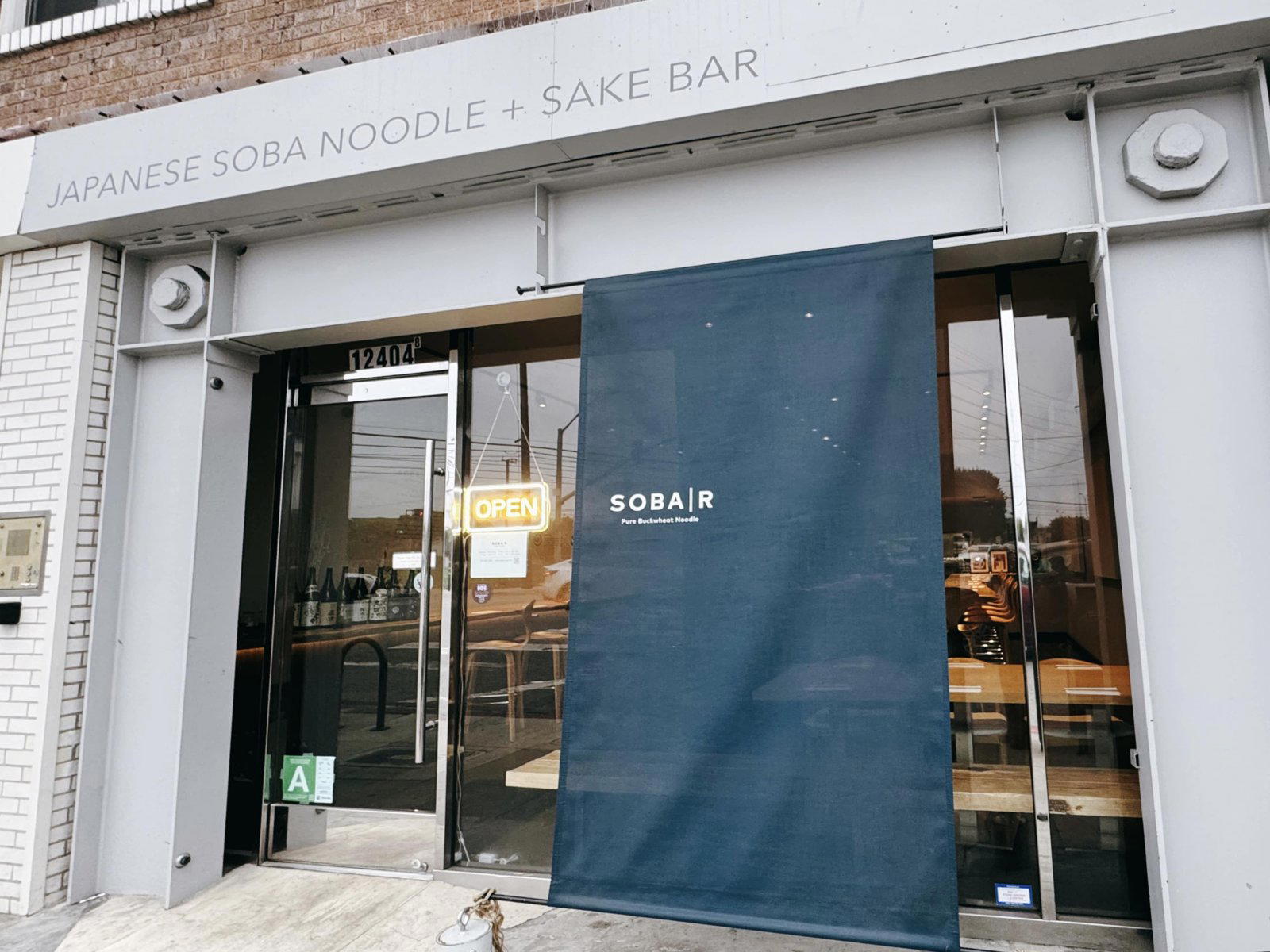
The menu
What to order
- TG-Scallop Shiso Maze Soba
- TG-Ribeye Niku Soba
- Crispy Tuna Grab Sushi
How Los Angeles Came to Take Soba Seriously
Soba has long occupied an ambiguous position in Japanese dining outside Japan. In the United States, it tends to appear on menus as a secondary noodle, a gluten-free alternative or a cold salad option, rather than as the central, disciplined subject it is in Tokyo's specialist shops. That framing has been shifting in Los Angeles over the past decade, as a cohort of Japanese-born chefs has pushed the city's Japanese dining conversation well beyond ramen and omakase. Hayato, for example, has established that kaiseki at full Japanese register belongs in Culver City as much as in Kyoto. Against that backdrop, Sobar, also in Culver City, at 12404 Washington Blvd, represents a narrower but equally serious proposition: a restaurant built around a single noodle style and the ritual through which it is meant to be eaten.
The LA Times placed Sobar at number 80 on its 2024 list of 101 Best Restaurants in Los Angeles, a list that includes establishments across all price tiers and categories. For a restaurant with a tightly defined menu and no apparent ambition to expand its scope, that recognition positions it inside a competitive conversation that includes Kato, Providence, and Somni, restaurants with far broader menus and, in several cases, significantly higher price points. The placement suggests that the LA Times jury values precision and conceptual commitment as much as scale or ambition.
The Ritual Before the First Bite
Most restaurants in the noodle category present a bowl and expect the diner to proceed as instinct dictates. Sobar takes the opposite approach. Each bamboo sieve of noodles arrives with a set of written instructions that establish a specific sequence: eat the noodles plain first, then add a pinch of yuzu salt, then try the matcha salt, and only after those three tastings should the noodles be dipped in the broth provided alongside.
This sequencing is not affectation. It is the logical structure for understanding ju-wari soba, noodles made from one hundred percent buckwheat flour with no wheat flour addition. The absence of wheat produces a noodle that is denser, more brittle, and carries a deeper, more concentrated earthy flavor than the blended noodles found at most soba restaurants. The first bare bite establishes a baseline. The yuzu salt, added next, draws out the nuttiness of the buckwheat without covering it. The matcha salt works more subtly, adding a grassy undertone that reads differently against the same buckwheat base. By the time the noodle meets broth, available cold or hot, the diner has already built a sensory vocabulary for what they are eating.
This format borrows from the tasting logic of fine wine service or single-origin coffee flights: isolate the primary subject first, then introduce variables one at a time. It is an educational structure delivered casually, without ceremony or condescension, which is a harder balance to strike than it appears.
Production as Philosophy
Masato Midorikawa mills or mixes his buckwheat flour and water each morning and produces every tray of noodles to order on a machine he developed in collaboration with a partner in Japan. The co-development of that equipment is a meaningful credential: it signals that the production process at Sobar cannot simply be replicated by purchasing commercial equipment, and that the texture and density of the noodles are consequences of deliberate engineering rather than convention.
Ju-wari soba is technically demanding precisely because buckwheat contains no gluten. Without the elasticity that wheat provides, the dough is fragile and the noodles break easily if not handled correctly. The speckled gray appearance and the brittle texture are not imperfections; they are the expected results of the format done properly. The depth of flavor that buckwheat-only soba delivers is the trade-off for that fragility, and Sobar's entire service model, the instructions, the salt sequence, the broth timing, exists to make sure the diner encounters that flavor at its most expressive point.
What Surrounds the Noodle
The menu beyond the soba is deliberately small. A selection of appetizers and sashimi rounds out the meal without competing with the primary subject. The kakiage, a cylinder of fried onions and shrimp that arrives bound together in the fryer, is described in the LA Times write-up as the preferred soba companion, and the logic holds: its light, savory crunch reads as a textural counterpoint without adding broth or sauce that would interfere with the salt-tasting sequence. Karaage, agedashi tofu, and Japanese pickles fill out the appetizer list, each positioned as a supporting element rather than a destination in itself.
This is a deliberate restraint that places Sobar in a different category from the broader Japanese dining scene in Los Angeles, where even focused concepts tend to expand their menus over time to accommodate demand and diversify revenue. Sobar's refusal to do that is itself an editorial statement about what the restaurant thinks it is for.
Where Sobar Sits in the Los Angeles Dining Scene
Los Angeles's Japanese restaurant tier has deepened considerably over the past decade. The city now hosts kaiseki (Hayato), high-register omakase, and Taiwanese-Japanese boundary work (Kato) at price points and ambition levels that compete with top-tier restaurants in cities like New York, where Atomix and Le Bernardin define the upper end, or San Francisco, where Lazy Bear and Single Thread Farm anchor different ends of the fine dining spectrum. Against that broader American context, Sobar occupies a distinct niche: a single-technique specialist that earns its place on a major newspaper's annual list not through luxury signaling but through the rigor of its central proposition.
That model of focused specificity has international precedent. Noodle and rice specialists in Tokyo and Hong Kong, where places like 8½ Otto e Mezzo Bombana represent a very different kind of focus, have long demonstrated that a narrow menu executed with technical seriousness can hold as much critical weight as a broad tasting menu. Sobar applies that logic to Culver City, and the 2024 LA Times ranking suggests it is working.
For readers building a broader picture of what Los Angeles offers beyond Sobar, our full Los Angeles restaurants guide covers the wider field. Those planning a longer stay will also find useful context in our Los Angeles hotels guide, bars guide, wineries guide, and experiences guide.
Planning Your Visit
Sobar is located at 12404 Washington Blvd in Culver City. Given the LA Times 2024 recognition, walk-in availability on weekends should not be assumed.
Address: 12404 Washington Blvd, Los Angeles, CA 90066.
Frequently asked questions
Where do I go for Sobar?
Sobar is located at 12404 Washington Blvd, Los Angeles, CA 90066, Los Angeles.
Has Sobar won any awards?
Sobar has received recognition including: LA Times 101 Best Restaurants 2024 - Ranked #80. At Sobar, Masato Midorikawa’s Culver City restaurant, your bamboo sieve of noodles comes with a set of instructions. First, taste the noodles bare. Next, sprinkle some yuzu salt onto one bite….
What do people recommend at Sobar?
The ju-wari soba is the core reason to visit: buckwheat-only noodles served with yuzu salt, matcha salt, and a choice of cold or hot broth, with a prescribed tasting sequence printed on an instruction card. The kakiage, a fried cylinder of onion and shrimp, is the recommended side. Karaage, agedashi tofu, and Japanese pickles round out a deliberately short supporting menu.
Do I need a reservation for Sobar?
Sobar's inclusion in the LA Times 101 Best Restaurants 2024 at #80 signals consistent demand, so checking ahead before arrival is advisable.
Where It Fits
Comparable venues nearby, for context on price, style, and recognition.
| Venue | Cuisine | Price | Awards | Notes |
|---|---|---|---|---|
| SobarThis venue (the venue you are viewing) | Japanese Izakaya Soba | $20–30 | LA Times 101 Best Restaurants #80 | Not listed |
| Tsujita Annex | Tokyo-Style Tonkotsu Shoyu Ramen | $20–30 | Not listed | Sawtelle |
| Iki Ramen | Modern Japanese Ramen | $20–30 | Not listed | Wilshire Center |
| Kiku Sushi | Japanese Sushi | $20–30 | Not listed | Larchmont |
| Bengara | Modern Japanese Binchotan Grill | $30–50 | Not listed | Arts District |
| Hakata Izakaya Hero | Hakata Izakaya | $30–50 | LA Times 101 Best Restaurants #72 | Little Persia |
Recognition history
Dated appearances from independent guides and award organizations, with the underlying list record or original source where available.
LA Times 101 Best Restaurants #80
LA Times
Continue exploring
More in Los Angeles
Restaurants in Los Angeles
All restaurants in Los Angeles →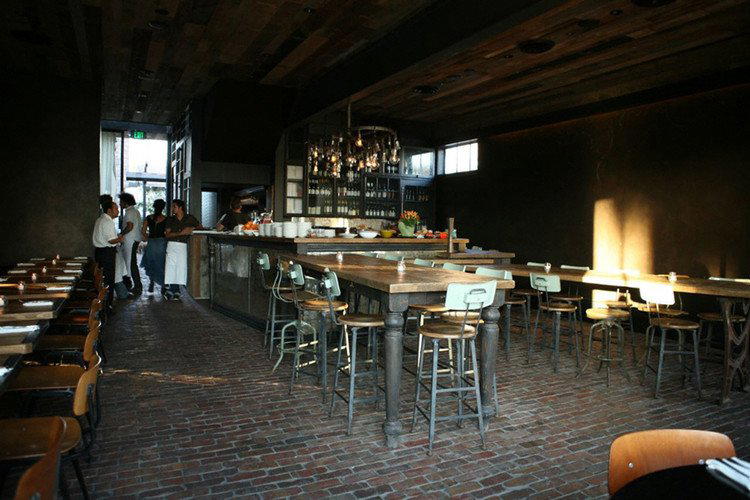
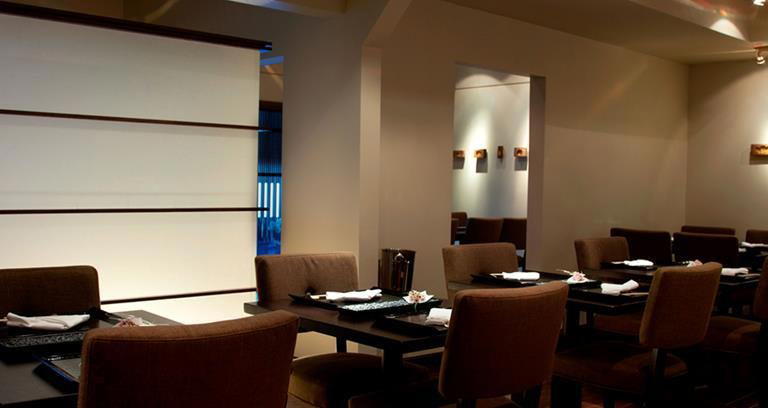
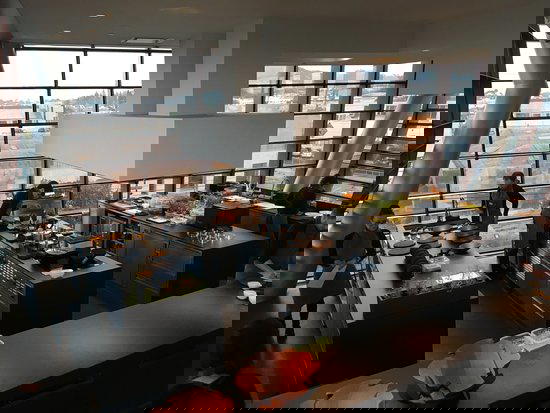
Bars in Los Angeles
All bars in Los Angeles →
Hotels in Los Angeles
All hotels in Los Angeles →
Wineries in Los Angeles
All wineries in Los Angeles →
Details
- Quiet
- Modern
- Intimate
- Minimalist
- Solo
- Date Night
- Casual Hangout
- Sake Program
- Organic
- Local Sourcing
- A La Carte
- Small Plates
- Sake
- Gluten Free Options
- Vegetarian Friendly
- Vegan Options
Current opening hours
- Monday
- 12–2:30 PM, 5:30–9 PM
- Tuesday
- 12–2:30 PM, 5:30–9 PM
- Wednesday
- 12–2:30 PM, 5:30–9 PM
- Thursday
- 12–2:30 PM, 5:30–9 PM
- Friday
- 12–2:30 PM, 5:30–10 PM
- Saturday
- 12–2:30 PM, 5:30–10 PM
- Sunday
- 12–2:30 PM, 5:30–9 PM
Hours can change for holidays and private events. Hours as of .
Calm and meditative with lo-fi music, blank canvases on walls creating a trance-like peaceful atmosphere.