
Taishu Chuuyuuka Shokudo Hakkai puts Osaka’s everyday Chinese-curry crossover into a serious small-room format, with counter seats, table seating, shochu, take-out, and repeat selection for Tabelog Chinese WEST 100 in 2024 and 2026. The draw is less ceremony than rhythm: a compact Higashiosaka dining room where regulars know the category, the pace, and the value bracket before they sit down.
Pearl is the En Primeur Club membership app — saves, bookings, and concierge access live there. Same editors, same standards.
- Address
- 6-11 Choeiji, Higashiosaka, Osaka 577-0055, Japan
- Phone
- +81 6-6781-8807
- Website
- instagram.com
 Saves & bookings on Pearl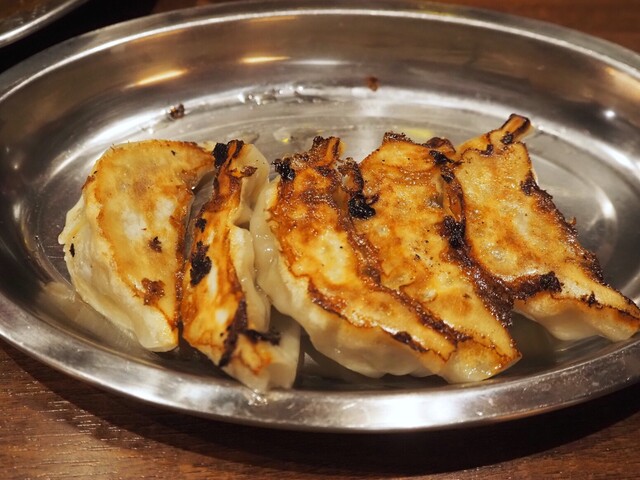
Approaching this part of Higashiosaka, the dining mood shifts from central Osaka’s spectacle economy to station-side streets, compact rooms, and restaurants whose regulars read the room faster than any menu explanation can. Taishu Chuuyuuka Shokudo Hakkai belongs to the Osaka category where Chinese cooking, curry culture, shokudo informality, and neighborhood repeat trade overlap. It is not chasing long-course luxury; it works where everyday appetite and critical recognition coexist.
That matters in a city often reduced, from outside Japan, to takoyaki, okonomiyaki, and late-night drinking. Osaka more broadly rewards food that can carry frequency: casual lunch, solo counter meal, small table, or quick return visit after the first meal proves the point. Hakkai’s recognition on the Tabelog Chinese WEST 100 list in both 2024 and 2026 is therefore a useful signal, placing a modest-format restaurant inside a regional Chinese-cuisine conversation often crowded with higher-ceremony rooms, hotel dining, and chef-led tasting formats.
Chinese-curry Osaka, read through the regulars
Osaka has a long appetite for hybrid comfort: rice plates, wok heat, curry gravies, gyoza counters, ramen shops, and Chinese-derived everyday dishes absorbed into Japan’s urban food grammar. Hakkai’s Chinese-and-curry listing says more than a cuisine label. It points to a place where the unwritten order is shaped by repeat visits rather than one trophy dish. The room reinforces that rhythm: counter seating for solo diners, tables for small groups, and a scale that rewards decisiveness over ceremony.
The regulars’ perspective is the right lens because this format depends on familiarity. Restaurants in this bracket need consistency, speed, and enough character to pull people back, not a long introduction. Compared with nearby Osaka casual specialists such as Toriyaki Shogun Eiwa in a higher dinner bracket, or noodle-led rooms like Gokuju Bimen umami, Chuka Soba Fukuhara, Chotakasui Jun Teuchi Men Nishimura, and Junai Udon Nadeshiko, Hakkai sits in a different everyday lane. It is neither yakitori nor ramen nor udon, but it competes for the same local decision: where to eat well without turning the meal into an event.
For readers mapping Osaka beyond central hotel dining, the lesson is useful. The city’s casual depth is not a consolation prize beneath fine dining; it is a parallel system with its own standards. A low price bracket can still attract serious attention when the format is coherent and the cooking category has local pull. Hakkai’s Tabelog score of 3.67 and Chinese WEST 100 selections make that case with numbers rather than adjectives.
A small-room format with award-level scrutiny
The Japanese Chinese dining category runs from banquet rooms to family-run machi-chuka counters. Osaka’s version often tilts toward generosity and speed, but the better rooms are disciplined differently: tighter menus, fast turnover, efficient seating, and cooking that must land across repeat visits. Hakkai’s 25-seat layout, with five counter seats, four four-seat tables, and two two-seat tables, keeps the experience close to the kitchen’s rhythm without becoming omakase-style performance.
Tabelog’s Chinese WEST 100 list carries particular weight because it is regional and cuisine-specific. It does not simply reward glamour; it places restaurants into a field where diners compare Chinese cooking across western Japan, including Osaka’s dense middle tier. In that field, a shokudo-scale Chinese-and-curry address counters the idea that only high-budget formats deserve culinary attention.
The absence of private rooms also tells readers how to use the place. This is a shared-room meal, not a sealed business dinner. Non-smoking status, take-out, and shochu availability suggest a practical neighborhood restaurant rather than a formal destination room. For travelers, the appeal is eating within a local cadence: come for the category, accept the compactness, and do not expect luxury-dining insulation.
Osaka’s broader dining map supports that contrast. A day could move from bakery culture at 52CHO-ME BAKERY to pork-bun ubiquity at 551 Horai (551蓬莱), then into Italian at a canto (Italian) or pizza at 99 Pizza Napoletana Gourmet. Add a quieter stop like .cafe, and the pattern is clear: Osaka is strongest when meals are chosen by neighborhood function as much as cuisine category. Hakkai fits neatly.
How to fold Hakkai into an Osaka food itinerary
The smart itinerary does not isolate Higashiosaka as a single-restaurant detour. It uses the area to widen the city beyond Namba, Umeda, and the usual visitor grid. Hakkai is near JR Kawachi Eiwa and Kawachi-Eiwa, so it suits diners comfortable building a day around rail movement rather than taxis. Opened in 2021, it belongs to the post-pandemic generation of compact Japanese restaurants that had to earn local traction quickly and operate with leaner assumptions.
The payment setup has a cash-first implication: credit cards, electronic money, and QR payments are not accepted. That detail belongs to a broader point about Japan’s serious casual dining rooms. Many carry national or regional recognition while keeping payment, seating, and service habits closer to the neighborhood than to inbound-tourism expectations. The right reader does not treat that as friction; it is part of the operating culture.
Use Hakkai as a calibration meal for Osaka’s casual Chinese scene, then compare it with other Japanese regional formats outside the city: sukiyaki at -Grilled beef Sukiyaki- KAMAKURA TANUKIAN 鎌倉 たぬき庵 in Kamakura, seafood grilling at. 鮪と炭火焼き うお炭 秋葉原店 in Tokyo, contemporary dining at.know in Kumamoto, Vietnamese cooking at (Shoku) Vietnam in Kawasaki, curry specialization at [Curry Senmon Ten] Maruyama Kyoju. in Sapporo, and Kyoto’s tighter modern register at [ki:] in Kyoto. For a broader Osaka plan, start with Our full Osaka restaurants guide, then build around Our full Osaka hotels guide, Our full Osaka bars guide, Our full Osaka wineries guide, and Our full Osaka experiences guide. The same casual-serious lens also helps abroad, from sake-led dining at Jōdo Saké Bar in Los Angeles to Japanese comfort formats at Onigiri Time in Pasadena.
Peers Worth Knowing
Comparable venues to place this listing in its category.
| Venue | Cuisine | Price | Notes |
|---|---|---|---|
| Taishu Chuuyuuka Shokudo HakkaiThis venue — the venue you are viewing | Chinese restaurant | $ | Not listed |
| 551 Horai (551蓬莱) | Traditional Chinese Dim Sum & Pork Buns | $ | Namba |
| Ippotei Honten | Traditional Osaka-style Chinese & dim sum | $ | Naniwa |
| Tachinomi Izakaya LIBERTY | Chinese Izakaya / Standing Bar | $$ | Kita |
| Tenshin Kobo Kowloon | Dim sum & Yum cha | $$ | Higashisumiyoshi |
| Kaen | Casual Chinese lunch counter | $ | Nishi |
Recognition history
Dated appearances from independent guides and award organizations, with the underlying list record or original source where available.
Tabelog 100 #84 · No. 84
Tabelog · Tabelog 100 - Chinese cuisine - WEST - 2026
Continue exploring
More in Osaka
Restaurants in Osaka
Browse all →




Bars in Osaka
Browse all →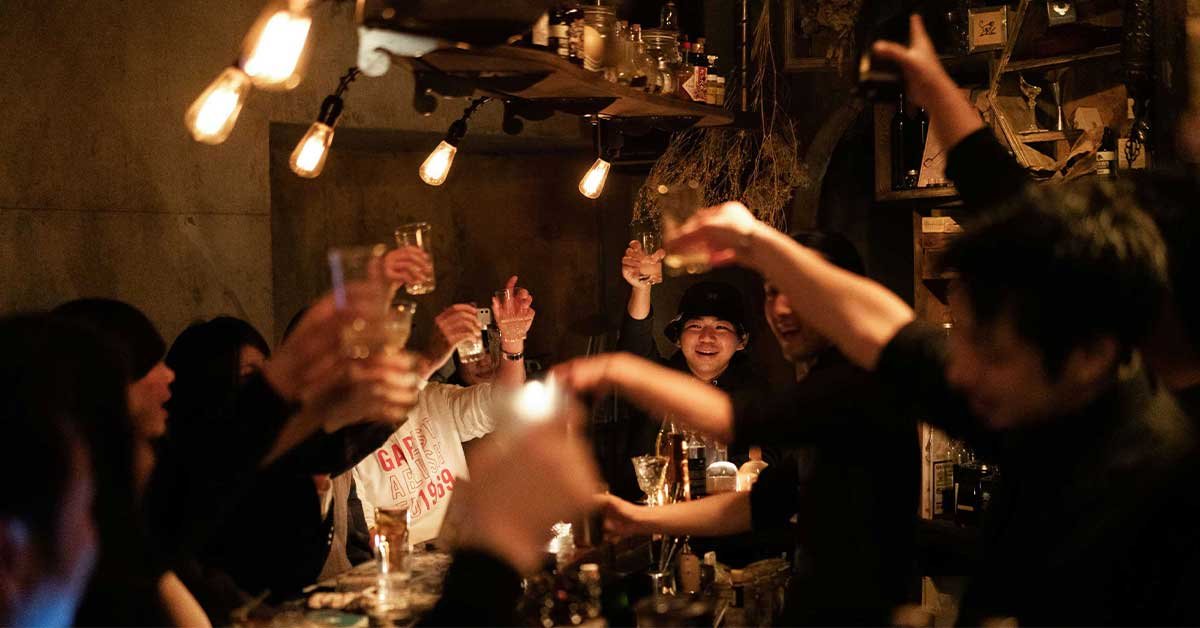
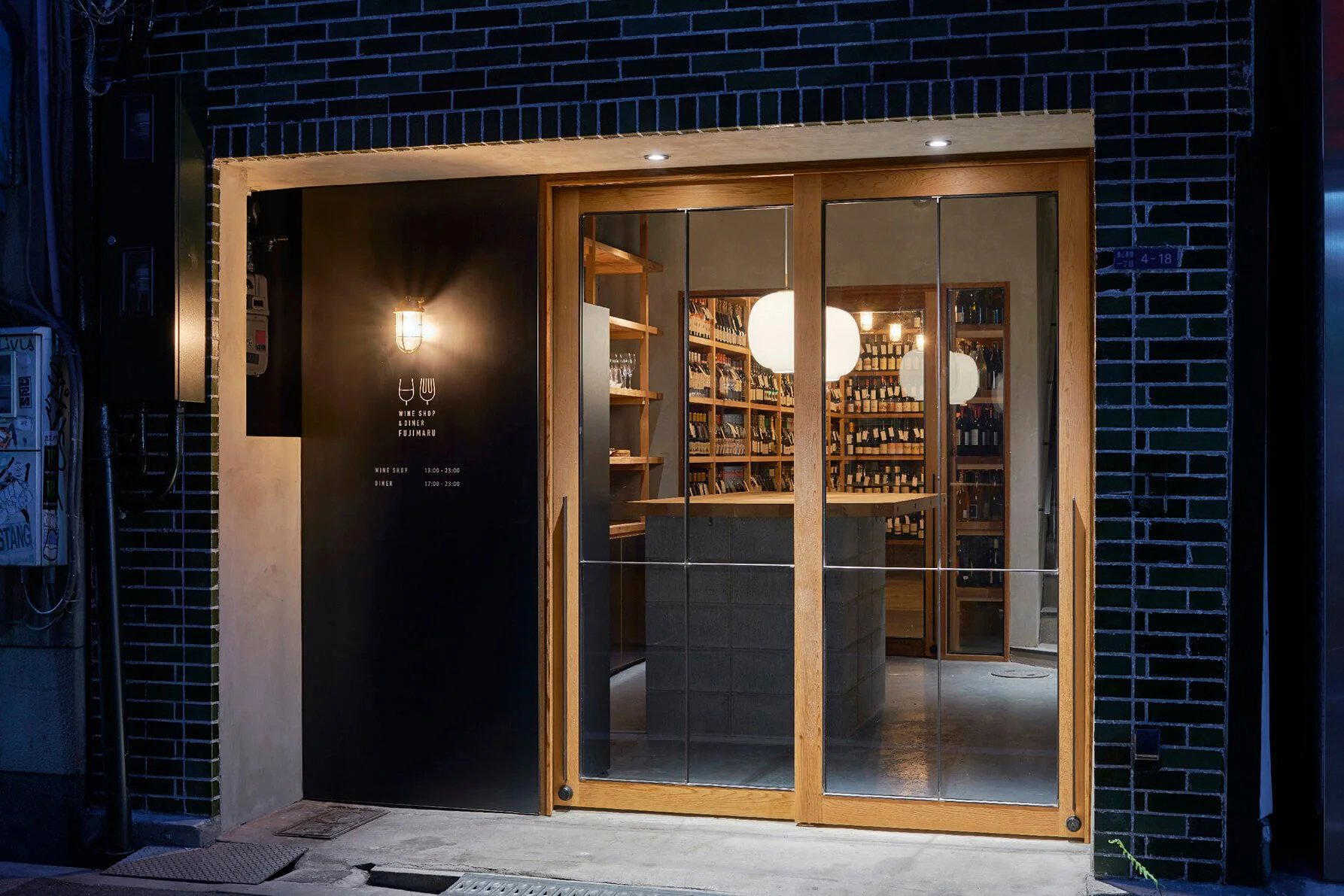

Hotels in Osaka
Browse all →



Wineries in Osaka
Browse all →
At a Glance
- Standalone
Current opening hours
- Monday
- Closed
- Tuesday
- Closed
- Wednesday
- 12–1:45 PM, 6–8:45 PM
- Thursday
- 12–1:45 PM, 6–8:45 PM
- Friday
- 12–1:45 PM, 6–8:45 PM
- Saturday
- 12–1:45 PM, 6–8:45 PM
- Sunday
- 12–1:45 PM, 6–8:45 PM
Hours can change for holidays and private events. Last verified .