Tafel Twaalf
Tafel Twaalf occupies a quiet address on Kerkstraat in Sint Laureins, a rural Flemish commune that sits closer to the Dutch border than to any major Belgian city. The restaurant trades on the produce logic of its surroundings: flat polderland, market gardens, and the kind of supplier relationships that only come from staying put in one place. For diners willing to leave the motorway behind, that rootedness translates directly to the plate.
 Discover on Pearl
Pearl is the En Primeur Club membership app — saves, bookings, and concierge access live there. Same editors, same standards.
- Address
- Kerkstraat 12, 9988 Sint-Laureins, Belgium
- Phone
- +32471920533
- Website
- tafeltwaalf.be
Polderland on a Plate: The Sourcing Logic of Sint Laureins
Belgium's most talked-about restaurant destinations tend to cluster along predictable axes: Ghent's canal-side dining rooms, Antwerp's port-adjacent newcomers, the Roeselare corridor that produced Boury and its peers. Sint Laureins sits well outside those circuits. The commune occupies the northern edge of East Flanders, where the land flattens into polder and the growing season is measured in root vegetables, field salads, and early-summer asparagus rather than the kitchen-garden theatre more familiar to urban fine dining. Tafel Twaalf, at Kerkstraat 12, works within that agricultural reality rather than despite it.
That positioning matters more than it might first appear. A generation of Belgian kitchens built reputations on classical French technique applied to premium imports. The more recent shift, visible across houses like De Jonkman in Sint-Kruis and Willem Hiele in Oudenburg, has moved toward hyper-regional sourcing as the primary editorial statement of a menu. Sint Laureins is not a destination that generates footfall on its own terms, which means a restaurant there is making a deliberate argument: that the produce available within a short radius of the polders is worth the detour.
What the Address Tells You Before You Sit Down
Arriving at a Kerkstraat address in a Flemish village sets particular expectations. These are not the converted farmsteads of the Ardennes or the grand bourgeois dining rooms of Brussels. The village church anchors one end of the street; the scale is domestic rather than monumental. Restaurants in this format in Flemish East Flanders tend toward a specific register: unfussy interiors, tables that seat fewer than forty, and a menu structure that changes with what the land around them is actually producing. The name itself, Tafel Twaalf, translates directly as Table Twelve, a reference to the street number that doubles as a quiet signal about format over brand-building.
That restraint in presentation is common across the category of destination restaurants in small Flemish communes. Hof van Cleve in Kruishoutem established the template for what serious cooking outside a major city looks like in Flanders, and a number of smaller operations have followed the logic without the same scale or recognition. The visitor arriving at Tafel Twaalf should calibrate accordingly: the draw here is not the setting as spectacle but the sourcing as argument.
The Ingredient Geography of the Polders
The agricultural land surrounding Sint Laureins is part of the broader Flemish polder system that extends north toward Zeeland and west toward the Ghent-Bruges corridor. This terrain produces particular things well: chicory, endive, white asparagus in spring, potatoes across a long season, and field-grown brassicas that carry more character than hothouse equivalents. It is not the most glamorous larder in Belgium, but it is a specific one, and specificity is what separates sourcing-led kitchens from those that simply claim locality as a marketing position.
Restaurants built around this kind of ingredient logic tend to place seasonal timing above all other booking considerations. The gap between a visit in late April, when white asparagus from East Flanders reaches its short peak, and one in August, when courgette and summer brassicas define the menu, is not cosmetic. For the reader planning a visit to Tafel Twaalf, the question of when matters as much as whether. This is consistent with how serious sourcing-led kitchens across Belgium operate: L'air du Temps in Liernu and Castor in Beveren both demonstrate how tightly a menu tied to regional supply shifts across the calendar year.
Placing Tafel Twaalf in the Flemish Restaurant Field
Belgium's fine dining conversation is dominated by establishments with Michelin recognition and clear positioning within international comparable venues. Zilte in Antwerp, Nuance in Duffel, and Bartholomeus in Heist each occupy defined slots in that hierarchy. Tafel Twaalf has a 5.0 Google rating from 81 reviews, which places it among the most consistently praised dining rooms in the area. Neither reading is automatically a disadvantage. Some of the most consistent cooking in Flanders happens at restaurants that have not attracted the attention of major guides, partly because the guides themselves underweight remote addresses.
For the reader accustomed to planning around Michelin constellations, the right comparison is less with the starred houses and more with the category of serious neighbourhood restaurants in secondary Flemish towns. La Durée in Izegem and Maison Colette in Tongerlo operate in a similar register: committed cooking in addresses that require the diner to seek them out rather than stumble across them. That dynamic creates a particular kind of visit, one where the reader has already made the decision that the food is the point, not the scene around it.
Planning a Visit: What to Know
Sint Laureins is approximately 25 kilometres north of Ghent by road, making it a realistic destination for a dedicated lunch or dinner from the city rather than an overnight stay. The commune has no significant hotel infrastructure, so visitors arriving from outside the region should plan accommodation in Ghent, where the range runs from boutique canal-side properties to business hotels near the station, or in Bruges, roughly 30 kilometres to the northwest. Booking ahead is advisable for any restaurant of this format and size in a small Flemish village, where cover counts tend to be low and demand from local regulars is consistent. Direct contact via the Kerkstraat 12 address is the starting point for planning.
For context on what serious Belgian cooking looks like across different price tiers and formats, the the guide editorial coverage of Bozar Restaurant in Brussels, Le Chalet de la Forêt in Uccle, and d'Eugénie à Emilie in Baudour offers useful calibration across the country's dining geography. For readers comparing the sourcing-led Flemish model with what the format looks like at the highest international level, Le Bernardin in New York City and Atomix in New York City demonstrate how ingredient provenance functions as a primary menu argument in very different urban contexts. La Table de Maxime in Our shows how the rural Belgian model translates to the Walloon south, where the larder is different but the logic of place-driven cooking is the same.
Side-by-Side Snapshot
Comparable venues nearby, for context on price, style, and recognition.
| Venue | Cuisine | Price | Awards | Notes |
|---|---|---|---|---|
| Tafel TwaalfThis venue — the venue you are viewing | Seasonal Flemish Fine Dining | $$$ | , | |
| Laissez-Faire | Modern French Bistro | $$$ | , | St. Pieters |
| Coeur d'amis | French and Belgian Bistro | $$$ | , | Wingene |
| Verjus | Modern Franco-Belgian Bistro | $$$ | , | Lochristi |
| Two Cooks | Modern French-Belgian Fine Dining | $$$ | , | Velzeke-Ruddershove |
| Het Patronaat | French-Belgian Bistro | $$$ | , | Hamme |
Continue exploring
More in Sint Laureins
Restaurants in Sint Laureins
Browse all →
Bars in Sint Laureins
Browse all →
At a Glance
- Cozy
- Intimate
- Romantic
- Elegant
- Date Night
- Special Occasion
- Open Kitchen
- Local Sourcing
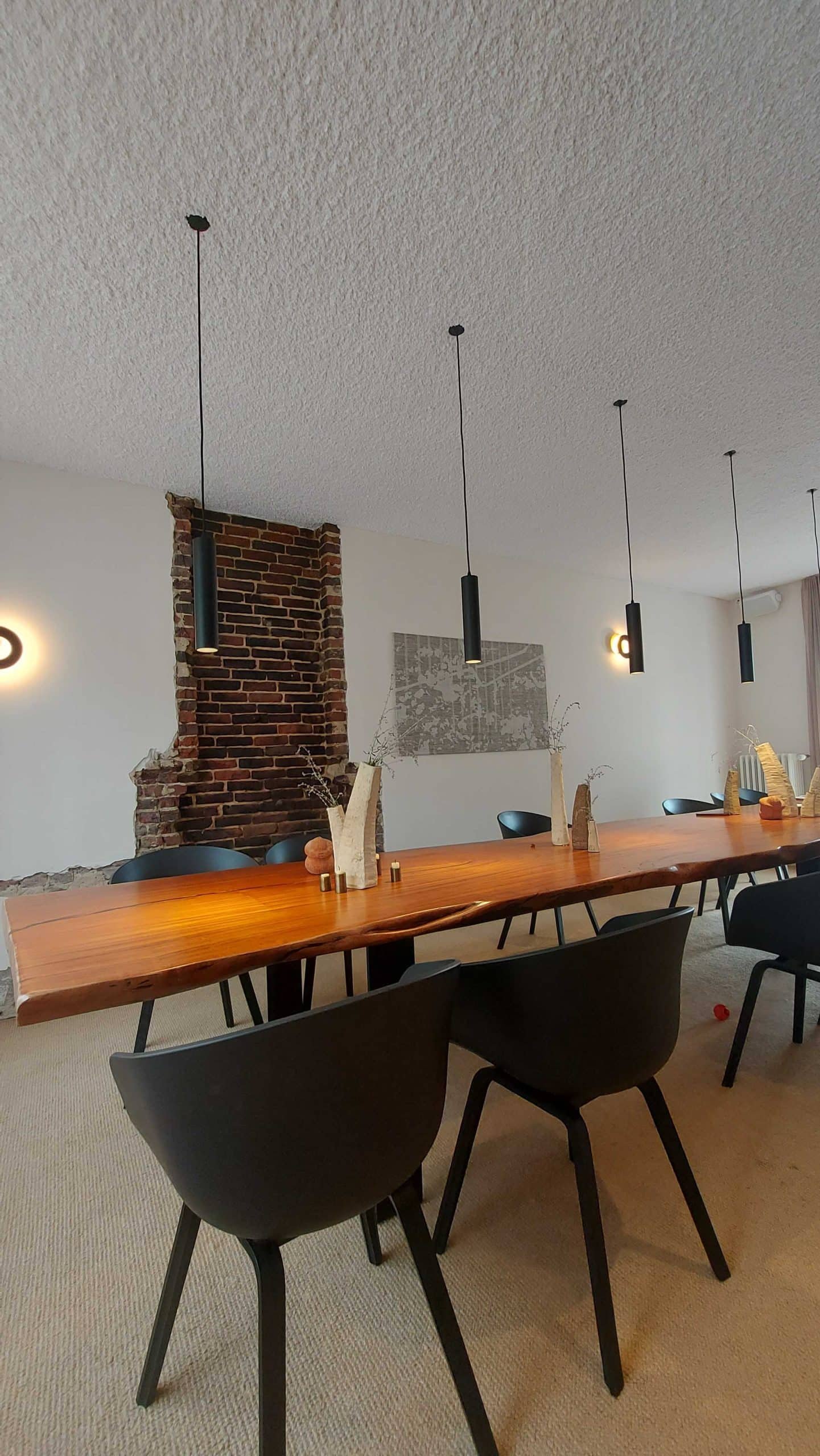
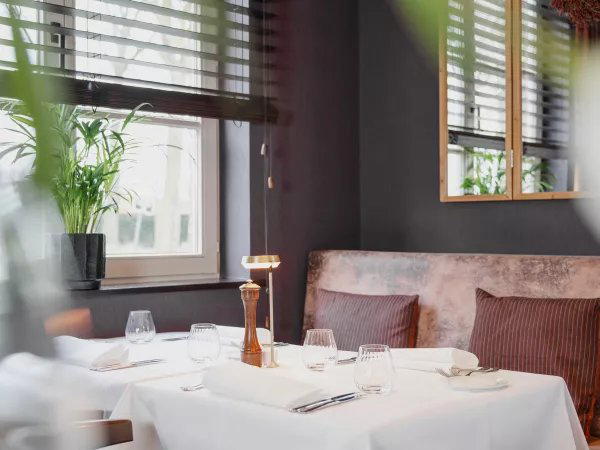
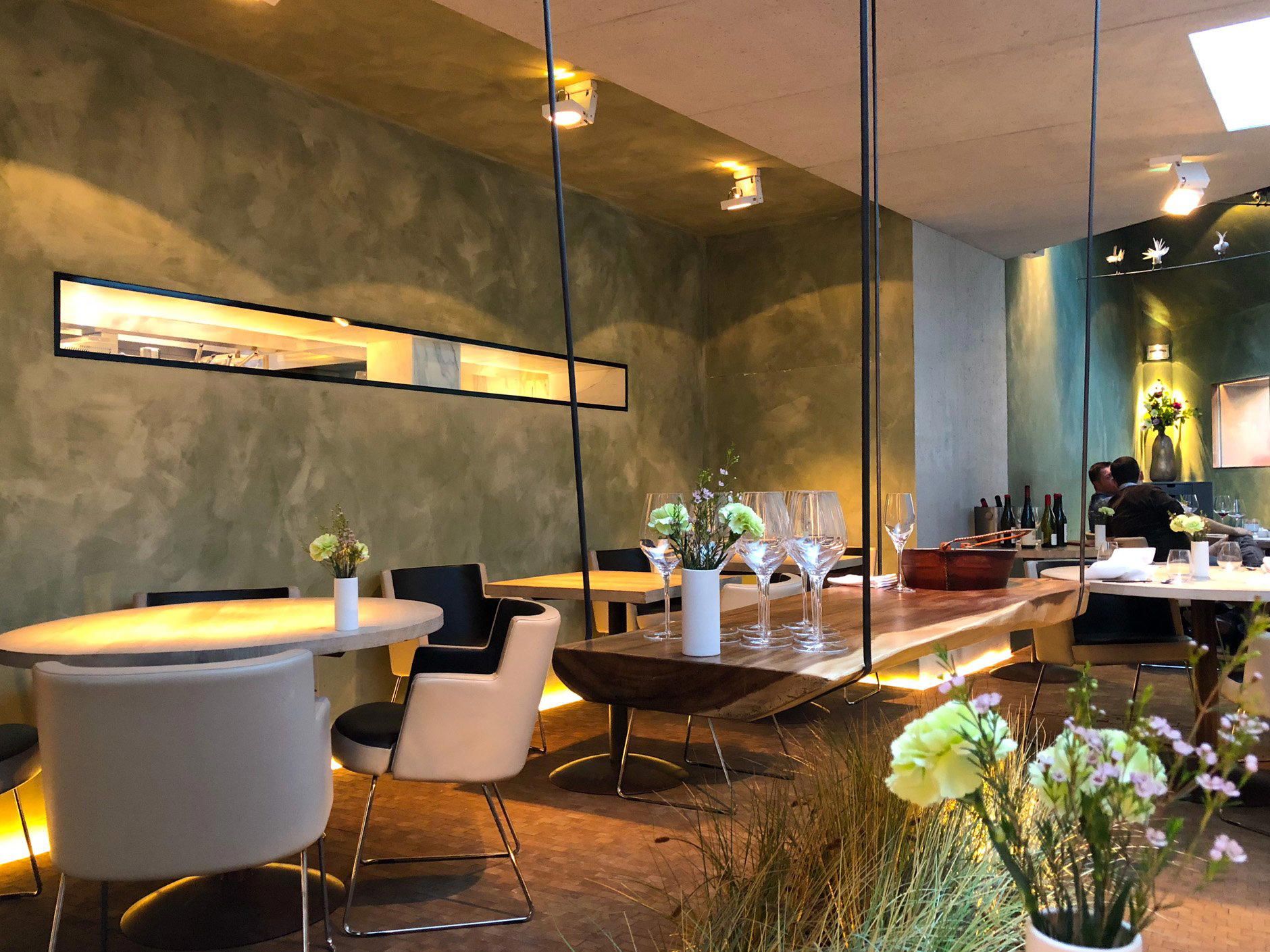
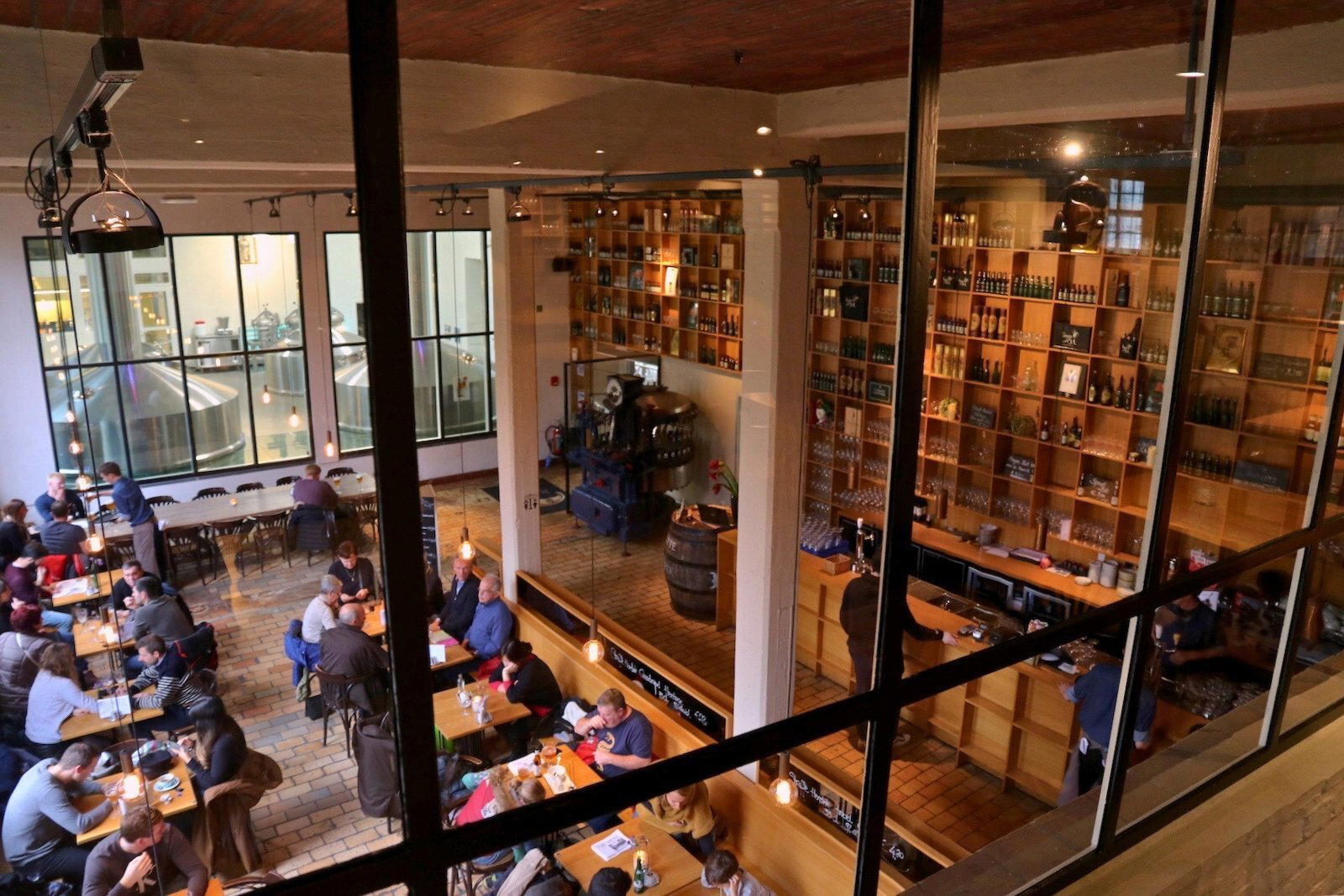
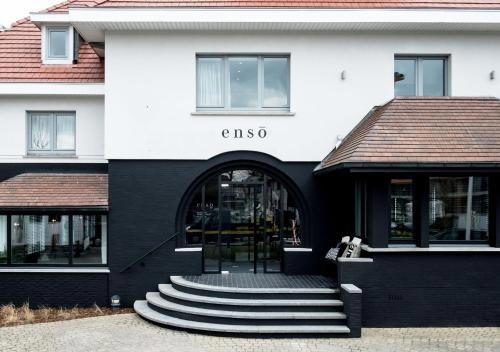
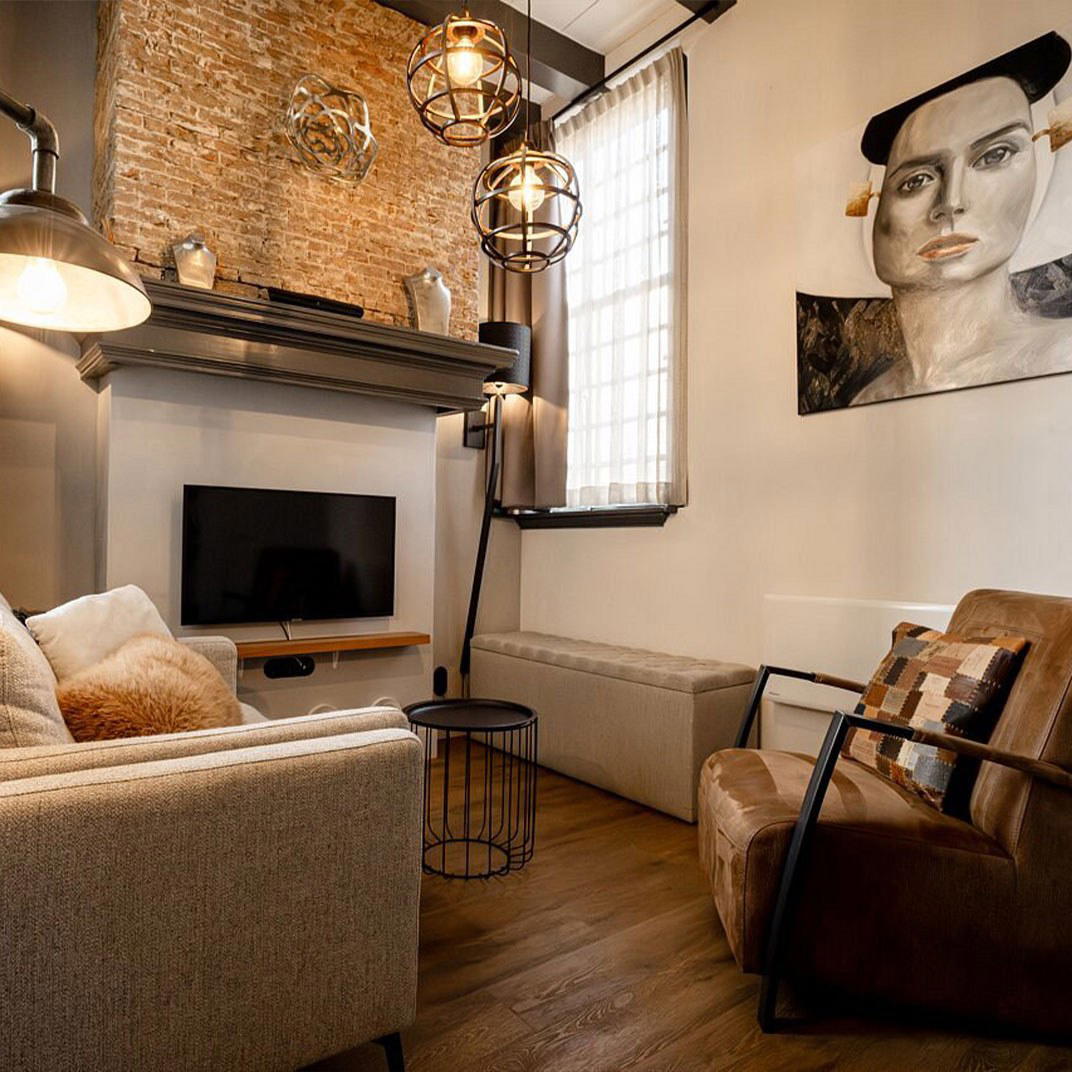
Relaxed homely atmosphere with wooden accents, tasteful light colors, and intimate communal table setting.