Ô Tablier
Ô Tablier serves Modern Jura French Bistro cooking with croûte aux morilles et vin jaune and fondue aux cèpes, backed by local sourcing, an extensive wine list, and a leisurely, quiet pace.
Pearl is the En Primeur Club membership app — saves, bookings, and concierge access live there. Same editors, same standards.
- Address
- 20 Rue Emile Monot, 39000 Lons-le-Saunier, France
- Phone
- +33384242659
- Website
- fr-fr.facebook.com
- Directions
- Get directions
 Saves & bookings on Pearl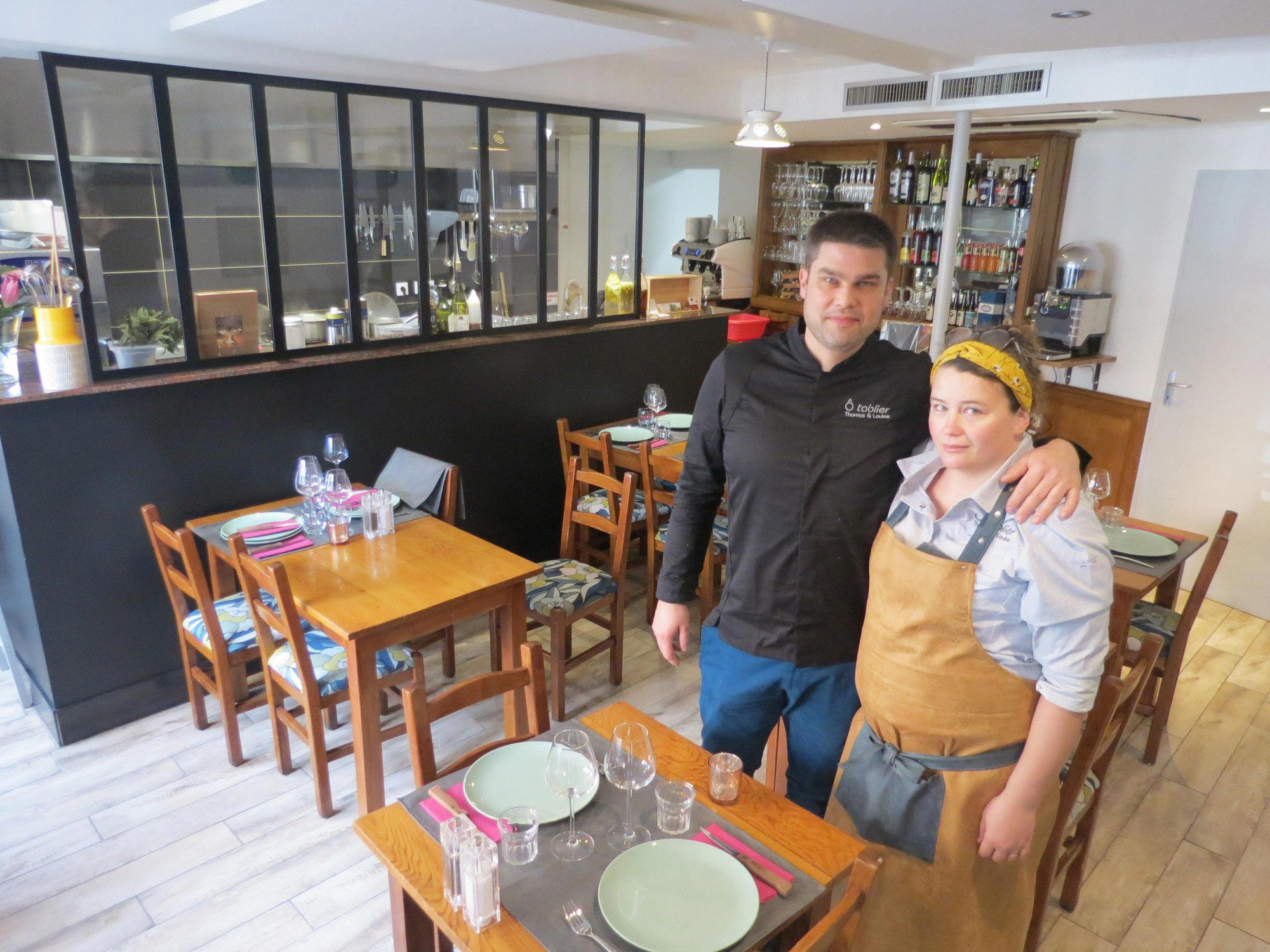
Rue Emile Monot and the Quiet Restaurant Culture of Lons-le-Saunier
Ô Tablier is a restaurant in Lons-le-Saunier, France, serving Modern Jura French Bistro cooking at about $45 per person. There is a particular quality to dining in a small French prefecture that no metropolitan restaurant can replicate: the absence of performance. Lons-le-Saunier, the capital of the Jura department in Bourgogne-Franche-Comté, sits at an elevation and a temperament far removed from Lyon's gastronomic theatre or Paris's bracket of grand institutions like Alléno Paris au Pavillon Ledoyen. What the town offers instead is a more provincial register of French cooking, where the restaurant's address on a market-town street tells you something meaningful about the priorities of the people who run it.
Ô Tablier sits at 20 Rue Emile Monot, a central address that places it inside the walkable core of Lons-le-Saunier rather than on a destination road requiring a car. That positioning matters. In smaller French cities, restaurants on principal pedestrian or commercial streets draw from a mixed clientele of regulars, local professionals at lunch, and visitors who have made the effort to be in a place that most of France overlooks. The address is not incidental; it is an editorial statement about the kind of room and the kind of cooking on offer.
Lons-le-Saunier in the Jura Dining Context
The Jura is a region that rewards patience. Its wines, from Savagnin and Poulsard grapes grown on the slopes between Arbois and Château-Chalon, are among France's most individual. Its cheeses, Comté chief among them, are produced within a short radius of Lons-le-Saunier itself. This density of local product shapes what is possible at a neighbourhood table in ways that are less available to restaurants in more anonymous settings. When the surrounding countryside produces Comté aged at nearby affineurs and vin jaune from estates within an hour's drive, the question for any serious cook is how to make that abundance legible on a plate rather than simply list it on a menu.
That context positions Lons-le-Saunier somewhere between the high-altitude refinement of Flocons de Sel in Megève and the rural intensity of Bras in Laguiole: not a destination in the same category, but operating on the same underlying logic that place should be the starting point for a kitchen's identity. The smaller restaurants of Lons-le-Saunier, including Ô Tablier and peers such as Jem, LA TABLE DE PERRAUD, and Le Bistrot des Marronniers, represent the working layer of that tradition: restaurants that serve the town first and visiting eaters second.
What a Tablier Signals
The name itself is worth a moment. Tablier is French for apron, and the definite article combined with the accent over the O gives the name a particular familiarity, as if the apron were already hanging on the hook when you arrived. It is the kind of naming choice that positions a restaurant away from formality and toward craft: the image of the cook at work rather than the dining room on display. Across French provincial towns, this register of bistrot-leaning, craft-forward cooking has grown more confident over the past decade. Rooms that might once have defaulted to white tablecloths and amuse-bouches have moved toward shorter menus, direct sourcing, and a more candid presentation of what is actually good that week.
That shift mirrors developments visible at a much larger scale in institutions such as Troisgros - Le Bois sans Feuilles in Ouches, where a multigenerational kitchen has progressively stripped back ceremony in favour of ingredient clarity. The direction of travel in French cooking broadly runs toward honesty about product, and a small restaurant named for an apron, on a street in a Jura prefecture, fits that trajectory.
The Neighbourhood and What It Asks of a Restaurant
Rue Emile Monot connects to the main commercial arteries of Lons-le-Saunier within a few minutes on foot. The town's covered market, its arcaded streets, and the thermal spa district that gives the city some of its older tourist identity are all within reach. A restaurant at this address serves a lunch trade that can include market-day shoppers, a dinner trade that is more deliberate, and a general expectation that the cooking will feel connected to where it is rather than transplanted from somewhere else.
This is the dynamic that differentiates a Lons-le-Saunier table from the grander provincial anchors of eastern France, say Auberge de l'Ill in Illhaeusern or Au Crocodile in Strasbourg. Those rooms carry the weight of documented history and multi-decade reputations. A restaurant on Rue Emile Monot operates without that inherited authority and must earn its position meal by meal, in a room where the clientele knows exactly what the Comté is supposed to taste like and will notice if the vin jaune in the sauce is not right. That level of local accountability is, in its way, a more rigorous test than the anonymity of serving a purely tourist audience.
Planning Your Visit
Lons-le-Saunier is approximately two and a half hours from Lyon by road, making it a realistic day-trip or overnight destination for visitors already in the Rhône corridor. Those arriving from further afield can use the TGV connection to Dijon or Besançon and continue by regional train. Reservations are recommended, particularly for weekend visits when smaller provincial restaurants in France tend to fill on short notice.
Visitors planning a wider circuit of serious French cooking in the arc between Burgundy and the Alps might pair a Lons-le-Saunier meal with the three-star cooking of Mirazur in Menton or the technically exacting menus at AM par Alexandre Mazzia in Marseille as southern anchors, and Assiette Champenoise in Reims as a northern counterpoint. Ô Tablier operates at a different register and price tier from any of those, but the logic of eating locally and seasonally in a place shaped by specific agriculture is the same across the range.
For readers whose reference points are transatlantic, the comparison to destination-driven neighbourhood cooking in New York is instructive: rooms like Atomix or the sustained classical rigour of Le Bernardin operate in a different category entirely, but the underlying commitment to a specific culinary identity rooted in place is the thread that connects serious restaurants at every scale. The restaurant, on its street in Lons-le-Saunier, makes that argument at the local and direct register available.
For those comparing options across the broader French provincial circuit, Auberge du Vieux Puits in Fontjoncouse, Christopher Coutanceau in La Rochelle, and Paul Bocuse - L'Auberge du Pont de Collonges in Collonges-au-Mont-d'Or illustrate how different French regions have built distinct restaurant identities from local product. The Jura's contribution to that map is specific, flavour-forward, and, at a table like Ô Tablier, served without ceremony.
The Minimal Set
Comparable venues nearby, for context on price, style, and recognition.
| Venue | Price | Notes |
|---|---|---|
| Ô TablierThis venue — the venue you are viewing | $$$ | Not listed |
| LA TABLE DE PERRAUD | $$ | centre-ville, Traditional French Brasserie with Franc-Comtois Specialties |
| Le Bistrot des Marronniers | $$ | rue de Vallière, Traditional French Bistro |
| Jem | $$$ | Lons-le-Saunier, Contemporary French Bistro |
| Saturne | $$$ | 2nd Arrondissement, Modern French with Nordic Influences |
| Caveau des Arches | $$$ | Beaune town center, Traditional Burgundian Bistro |
Continue exploring
More in Lons Le Saunier
Restaurants in Lons Le Saunier
Browse all →
Hotels in Lons Le Saunier
Browse all →
Wineries in Lons Le Saunier
Browse all →
At a Glance
- Cozy
- Elegant
- Intimate
- Date Night
- Special Occasion
- Open Kitchen
- Extensive Wine List
- Local Sourcing
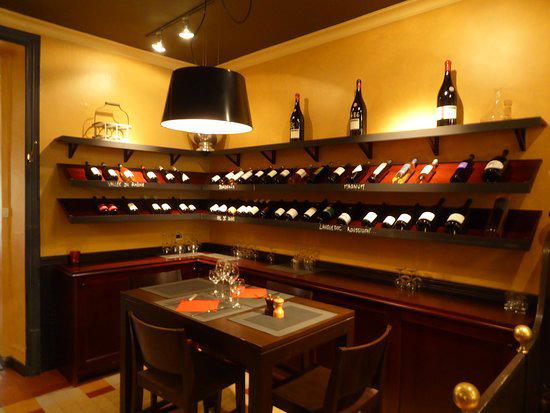
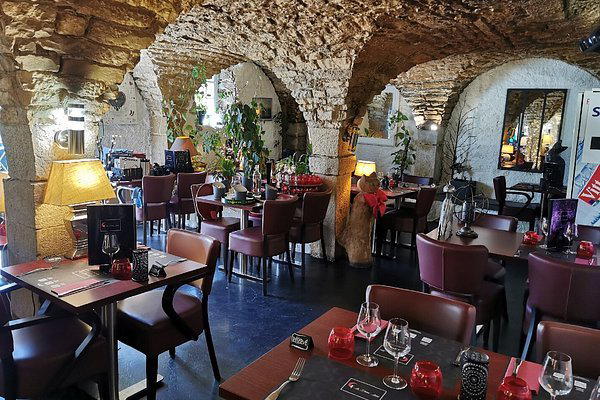
Warm and elegant decor blending tradition and modernity with attentive, welcoming service.