Our verdict
Jem sits at 4 Rue de Ronde in Lons-le-Saunier, a mid-sized Jura capital where the restaurant scene is anchored in French regional cooking rather than metropolitan trends. With limited publicly available details, Jem draws interest from visitors exploring the Jura's distinctive culinary character — vin jaune country, comté territory, and an eastern French tradition that remains largely off the international radar.

Pearl is the En Primeur Club membership app — saves, bookings, and concierge access live there. Same editors, same standards.
- Address
- 4 Rue de Ronde, 39000 Lons-le-Saunier, France
- Phone
- +33 3 84 35 42 28
- Hours
- Mon 12–1:30 PM, 7:15–9:30 PMTue–Wed 12–1:30 PMThu–Fri 12–1:30 PM, 7:15–9:30 PMSat–Sun Closed
- Website
- jemrestaurant.fr
- Directions
- Get directions
- Booking
- Book on Zenchef
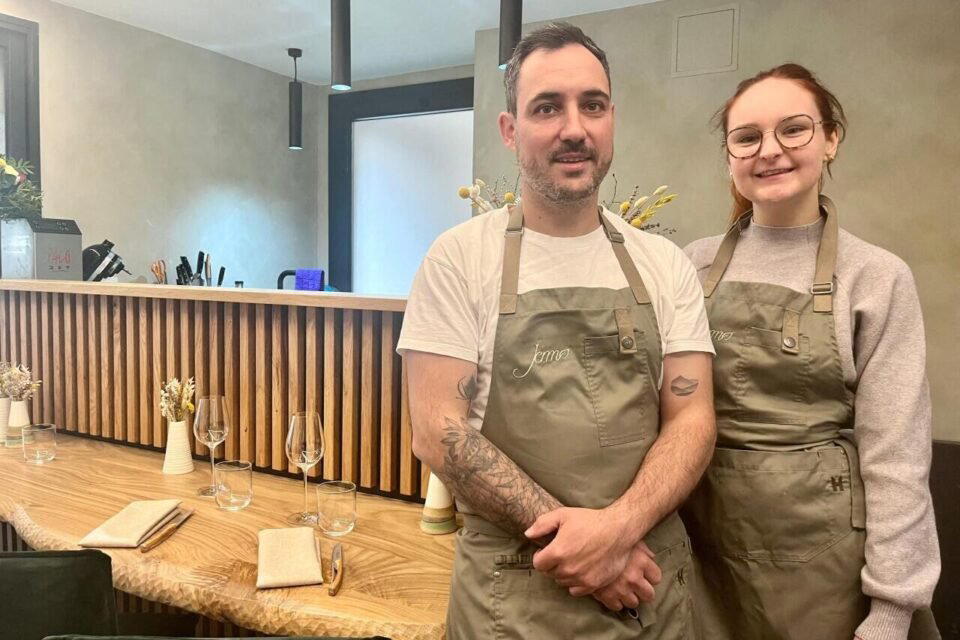
Lons-le-Saunier and the Jura Table
The Jura is one of France's most coherent regional food cultures, and Lons-le-Saunier is its administrative centre. The département produces comté in wheels aged anywhere from four to over twenty-four months, vin jaune from Savagnin grapes left on the vine until late autumn, and morilles that surface in spring across the plateau forests. These are not ingredients that travel well as abstractions — they are leading understood in context, in kitchens that treat them as local fact rather than imported prestige. That is the culinary logic that shapes what restaurants here do, and what visiting diners should come expecting.
The city itself sits at the edge of the Bresse plain, where the cooking tradition leans toward cream, poultry, and freshwater fish, before rising toward the plateau and a cooler, more austere register. This geographic tension — between the rich lowland and the spare, high Jura, runs through regional cooking in ways that are worth paying attention to. Restaurants in Lons-le-Saunier, unlike those in Lyon or Dijon, are rarely performing for an international audience. The local dining culture here is the primary reference point.
Jem operates from 4 Rue de Ronde, a central Lons-le-Saunier address within walking distance of the old town's colonnaded arcades, which are among the most intact in eastern France. The address places it in the heart of a compact city where most serious eating happens within a small radius. Visitors arriving by train from Lyon (roughly ninety minutes on regional services) or driving south from Besançon will find Lons walkable and unhurried in ways that larger Burgundian or Alsatian cities are not.
Where Jem Sits in the Local Scene
Lons-le-Saunier's restaurant offering is modest in volume but specific in character. The city does not have a Michelin-starred anchor in the way that nearby Lyon, home to Paul Bocuse - LAuberge du Pont de Collonges in Collonges-au-Mont-dOr, has historically commanded. Nor does it draw the destination-dining traffic of Flocons de Sel in Megève or the coastal authority of Mirazur in Menton. What it has instead is a network of smaller, regionally committed kitchens that serve a local clientele with genuine knowledge of Jura produce.
Among those kitchens, Jem's presence on Rue de Ronde positions it alongside a handful of places worth comparing. LA TABLE DE PERRAUD and Le Bistrot des Marronniers both operate within the city's main dining orbit, and Ô Tablier represents a slightly more casual format in the same neighbourhood. The competitive set here is not ambitious in the Parisian or Lyonnais sense, it is specific, rooted, and aimed at diners who already understand what they are looking for rather than those being introduced to French fine dining for the first time. See our full Lons Le Saunier restaurants guide for a broader orientation across the city's dining options.
French regional kitchens of this type occupy a different position in the national conversation than their profile suggests. The tradition that produced Troisgros - Le Bois sans Feuilles in Ouches and Auberge de l'Ill in Illhaeusern is rooted in exactly this kind of provincial seriousness, kitchens that cook from the land around them and resist the temptation to perform. The Jura's version of that tradition is less publicised than Alsace's or the Rhône valley's, which makes venues operating inside it worth the attention of diners who have already worked through more familiar circuits.
The Jura Culinary Frame
Understanding what kitchens in Lons-le-Saunier are working with requires some orientation around Jura produce. Comté is the region's most internationally recognised export, but the local cheese canon extends to morbier (with its distinctive ash seam) and mont d'or, a washed-rind cheese sold in spruce boxes during winter months. Vin jaune, the oxidative Jura white made from Savagnin under a voile of yeast in barrel, functions in regional cooking the way sherry functions in Andalusian kitchens: as both an ingredient and a reference point. A sauce built on vin jaune and morilles is arguably the Jura's most defining preparation, and understanding it tells you a great deal about how the region thinks about depth, patience, and restraint in cooking.
That context matters when assessing any kitchen here. French regional cooking at this level, whether at Bras in Laguiole, Auberge du Vieux Puits in Fontjoncouse, or a smaller provincial address, succeeds or fails largely on how faithfully and intelligently it engages with what surrounds it. The question for any Jura kitchen is not whether it can match the technical ambition of Alléno Paris au Pavillon Ledoyen in Paris or AM par Alexandre Mazzia in Marseille, it is whether it gives you something those kitchens, working at metropolitan scale and ambition, cannot: the specific, grounded taste of a place.
Planning a Visit
For visitors combining Jem with a broader Jura or eastern France itinerary, Lons-le-Saunier connects logically with Arbois (thirty minutes north by car), the Jura's wine capital and home to several respected producers, and with the Reculée des Planches, a limestone valley that gives a sense of the plateau terrain. Those coming from further afield might route through the dining corridors of Assiette Champenoise in Reims or Au Crocodile in Strasbourg to the north, or pair a visit with Christopher Coutanceau in La Rochelle as part of a wider French regional circuit.
Given the limited dining options in a city of Lons-le-Saunier's size, securing a reservation in advance rather than arriving speculatively is the sensible approach, particularly on weekends and during the spring morille season when regional interest peaks. For reference, comparable addresses at this tier in provincial French cities tend to run lunch services through the week and fuller evening services on Fridays and Saturdays, but that pattern should be confirmed directly.
Frequently asked questions
Where do I go for Jem?
Jem is located at 4 Rue de Ronde, 39000 Lons-le-Saunier, France, Lons Le Saunier.
Is Jem a good base for exploring Jura wine country around Lons-le-Saunier?
Lons-le-Saunier sits thirty minutes south of Arbois by car and is within reach of the Château-Chalon AOC, the source of vin jaune, making it a practical anchor for Jura wine exploration. A dinner at Jem on Rue de Ronde pairs logically with cellar visits to the north, particularly for travellers combining the Reculet plateau and the vineyards around Pupillin in a single itinerary.
What's the signature dish at Jem?
The kitchen sits in the capital of the Jura département, a region where comté, morteau sausage, freshwater fish, and vin jaune define the culinary frame — so the menu almost certainly reflects those materials in some form. For current dish information, check the venue's official channels at 4 Rue de Ronde, Lons-le-Saunier.
How hard is it to get a table at Jem?
Lons-le-Saunier is a small city with a contained dining scene, which means the few restaurants worth seeking out tend to fill quickly among locals and regional visitors.
What's Jem best at?
Jem's address in central Lons-le-Saunier places it within one of France's most coherent regional food cultures. The Jura tradition prioritises local produce and deliberate sourcing over theatrical presentation, and kitchens here are typically judged on how well they handle that material — comté at the right age, wines from Arbois or Château-Chalon, proteins drawn from the plateau. That is the standard Jem operates against.
Can Jem handle vegetarian requests?
No confirmed dietary policy is available for Jem. Jura cooking is historically protein-forward, but plant-based accommodation is increasingly standard across French regional restaurants. Contact the kitchen directly at 4 Rue de Ronde, Lons-le-Saunier before visiting if dietary requirements are a priority.
Should I splurge on Jem?
No pricing data is confirmed for Jem, so it is not possible to say whether this constitutes a splurge or a modest meal. What is clear is that Lons-le-Saunier is not a city with an oversupply of serious restaurants, which gives Jem a relevance that a comparable address in Lyon or Dijon would not carry by default. If you are already in the Jura for wine or cheese tourism, the case for a considered dinner here is straightforward.
Cost Snapshot
Comparable venues nearby, for context on price, style, and recognition.
| Venue | Cuisine | Price | Awards | Notes |
|---|---|---|---|---|
| JemThis venue — the venue you are viewing | Contemporary French Bistro | $30–50 | Not listed | Not listed |
| LA TABLE DE PERRAUD | Traditional French Brasserie with Franc-Comtois Specialties | $20–30 | Not listed | centre-ville, Traditional French Brasserie with Franc-Comtois Specialties |
| Ô Tablier | Modern Jura French Bistro | $30–50 | Not listed | central Lons-le-Saunier, Modern Jura French Bistro |
| Le Bistrot des Marronniers | Traditional French Bistro | $30–50 | Not listed | rue de Vallière, Traditional French Bistro |
| La Muse Bouche | French Regional Bistro | $30–50 | Not listed | Poligny, French Regional Bistro |
| Bienheureux | Modern French Creative | Not listed | Michelin Plate | Wasquehal, Modern French seasonal tasting menu |
Continue exploring
More in Lons Le Saunier
Restaurants in Lons Le Saunier
Browse all →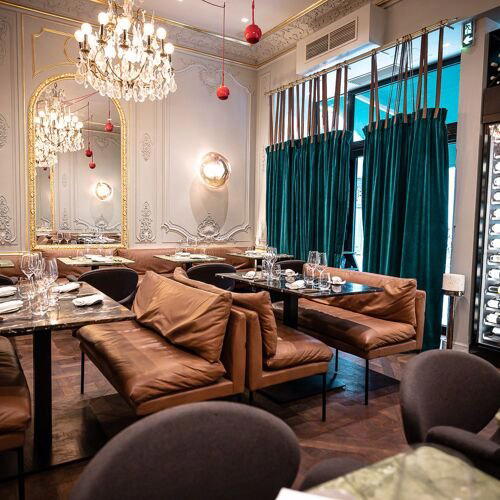
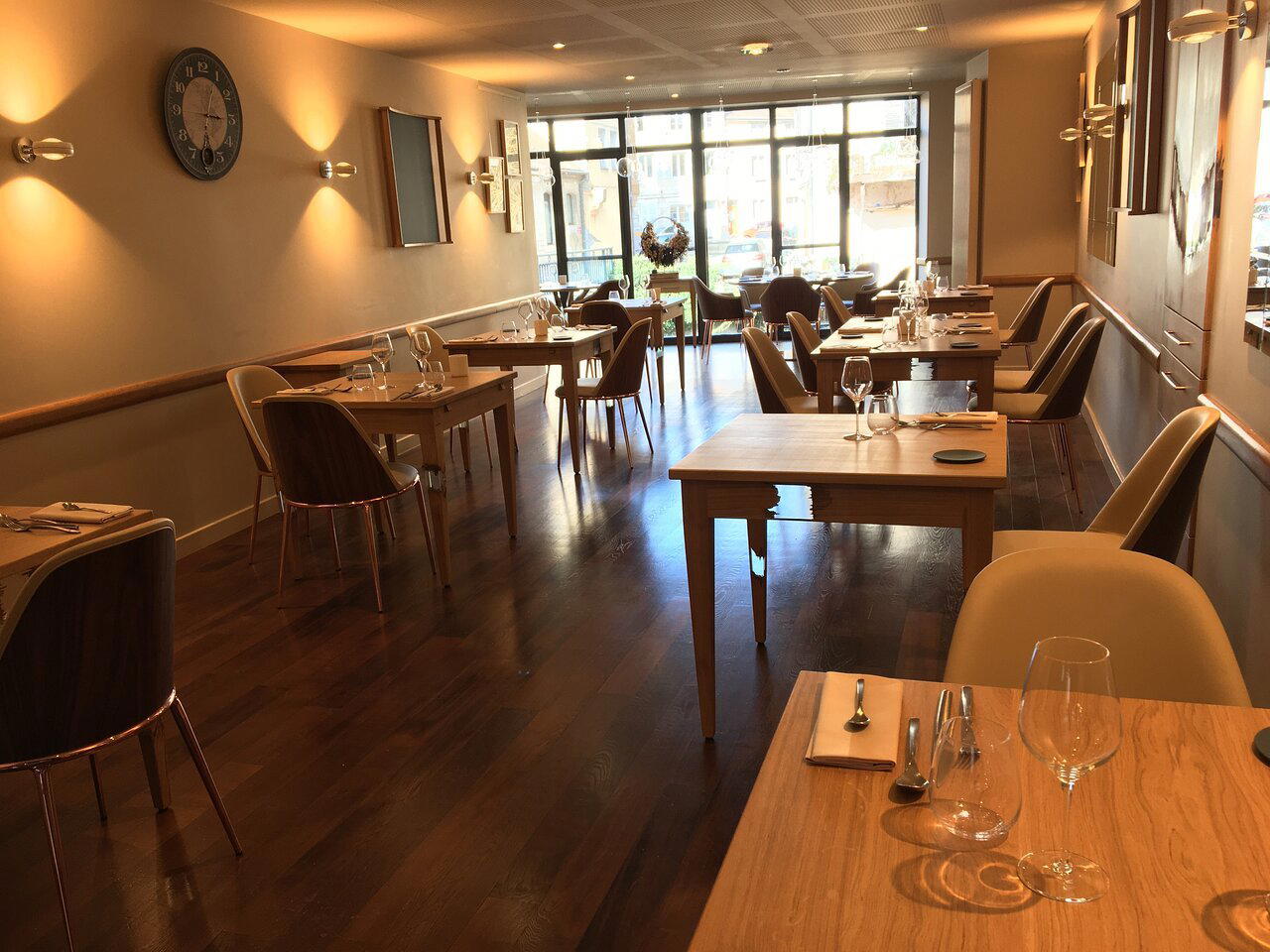
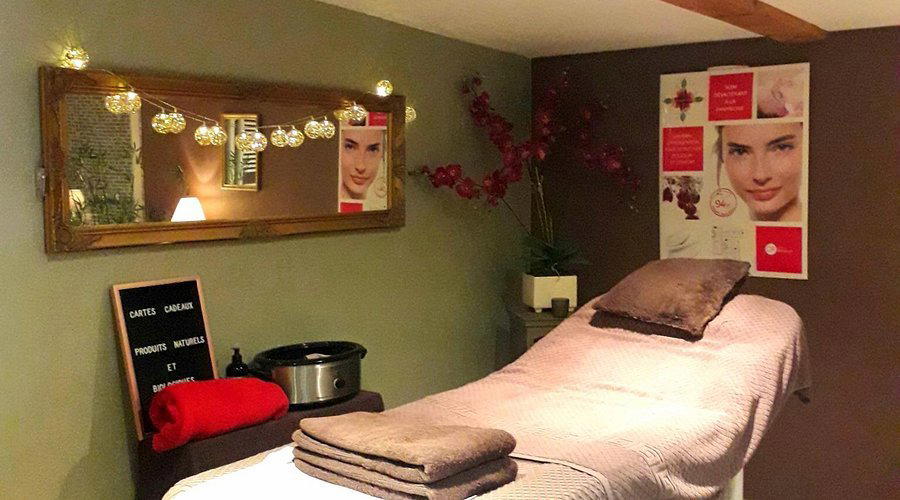
Hotels in Lons Le Saunier
Browse all →

Details
- Cozy
- Classic
- Rustic
- Casual Hangout
- Group Dining
- Special Occasion
- Terrace
- Open Kitchen
- Farm To Table
- Local Sourcing
- Organic
- A La Carte
- Prix Fixe
- Vegetarian Friendly
- Organic Focus
- Allergy Accommodating
Current opening hours
- Monday
- 12–1:30 PM, 7:15–9:30 PM
- Tuesday
- 12–1:30 PM
- Wednesday
- 12–1:30 PM
- Thursday
- 12–1:30 PM, 7:15–9:30 PM
- Friday
- 12–1:30 PM, 7:15–9:30 PM
- Saturday
- Closed
- Sunday
- Closed
Hours can change for holidays and private events. Last verified .
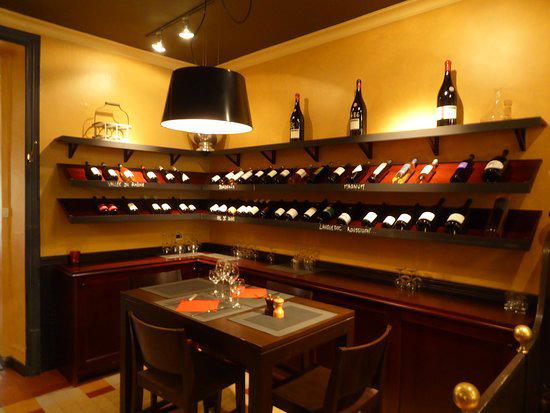
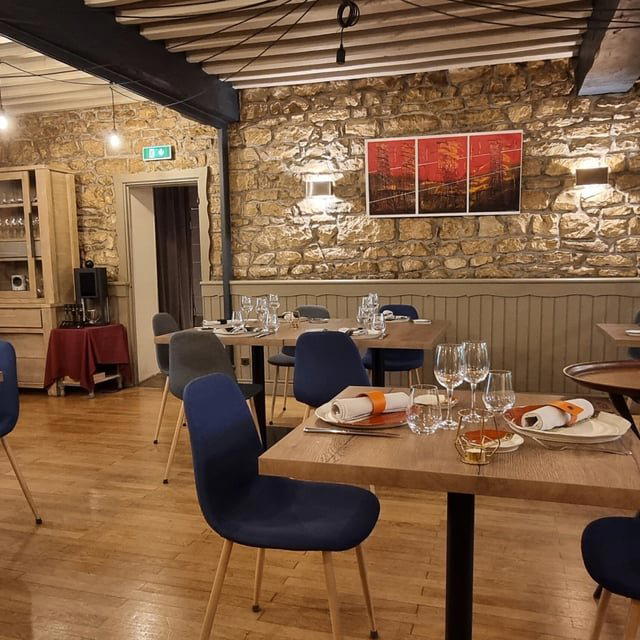
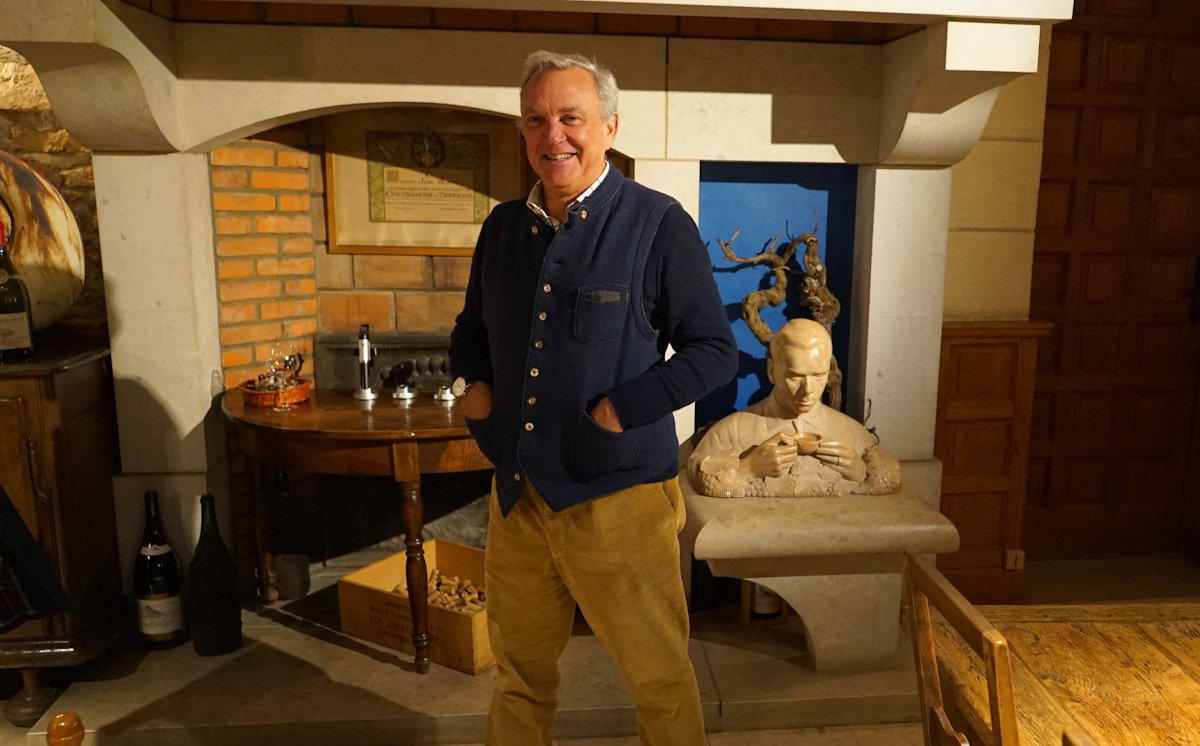
Warm and welcoming atmosphere in a recently renovated space that balances contemporary sensibilities with traditional French bistro charm.