Le Bistrot des Marronniers
Our verdict
A chestnut-shaded bistrot on Rue de Vallière, Le Bistrot des Marronniers sits at the quieter end of Lons-le-Saunier's dining scene, where French regional cooking and Jura produce share equal billing. The format is classic bistrot: honest sourcing, direct flavours, and the kind of unhurried pace that distinguishes provincial France from capital-city dining. For visitors moving through the Jura, it registers as a reliable address in a city with a small but considered restaurant offer.

Pearl is the En Primeur Club membership app — saves, bookings, and concierge access live there. Same editors, same standards.
- Address
- 22 Rue de Vallière, 39000 Lons-le-Saunier, France
- Phone
- +33384430604
- Hours
- Mon 12–2:30 PMTue 12–2:30 PM, 7–10:30 PMWed 12–2:30 PMThu–Fri 12–2:30 PM, 7–10:30 PMSat 7:30–10:30 PMSun Closed
- Directions
- Get directions
- Booking
- Book on the venue's website
The menu
What to order
- Pièce de boeuf
- Ravioles aux champignons
Bistrot Dining in the Jura: What the Format Demands
The French bistrot is not a fixed object. In Paris, the word has been stretched to cover everything from zinc-countered neighbourhood canteens to neo-bistrot showrooms with natural wine lists and small-plate menus. In provincial towns like Lons-le-Saunier, the bistrot tends to reassert its original logic: a contained room, a menu built around what the surrounding region produces, and a pace calibrated to the local lunch or dinner rather than the tourist tick-box. Le Bistrot des Marronniers, at 22 Rue de Vallière, operates inside that provincial model, in a city that has never competed for the kind of dining attention directed at Lyon, 80 kilometres to the west, or the alpine resort addresses of Megève, where Flocons de Sel holds three Michelin stars and a very different kind of visibility.
That distinction matters for setting expectations correctly. Lons-le-Saunier is the prefecture of the Jura département, a market town of roughly 17,000 people surrounded by vineyards, limestone plateaux, and dairy farms producing Comté and Morbier. The ingredients available to any serious kitchen here are, by French regional standards, genuinely good: raw material that producers in larger cities often pay a premium to import. The question a bistrot in this position has to answer is how faithfully it connects that local supply to what arrives at the table.
The Produce Case for the Jura
France's eastern corridor from Alsace south through Franche-Comté and into the Jura has long sustained a distinct culinary identity rooted in altitude, cold winters, and a tradition of preservation and aging. Comté — the region's most prominent cheese, aged anywhere from four months to over three years in the region's caves — appears in sauces, gratins, and as a standalone course across kitchens of every register here. Morteau sausage, smoked over juniper and fir sawdust in the traditional tuyé smokehouses of the Haut-Doubs, and freshwater fish from the Ain and Doubs rivers round out the pantry that any serious address in the area has access to. The Jura wine appellation, producing oxidative Savagnin-based wines including the famous Vin Jaune alongside increasingly well-regarded Chardonnay and Poulsard, offers a pairing context that is distinct from anything produced in Burgundy to the north or the Rhône to the south.
For comparison, consider how sourcing functions at the level of destination-restaurant cooking in France: at Bras in Laguiole, the Aubrac plateau is not just a backdrop but the literal content of the menu, with wild herbs, local cattle breeds, and regional dairy defining the tasting experience. At Mirazur in Menton, the kitchen's own gardens and Mediterranean proximity are integral to how the restaurant positions itself internationally. At the bistrot level, the ambition is narrower but the sourcing principle is the same: the food should taste specifically of where it comes from, not of a generalised French kitchen vocabulary.
Lons-le-Saunier's Restaurant Offer
The city's dining scene is modest in scale but coherent in character. A small cluster of independent restaurants serves the local population and the steady flow of visitors passing through the Jura on the way to the Alps or the Swiss border. Jem and La Table de Perraud represent different registers of that local offer, as does Ô Tablier. None of these addresses competes with the destination-dining tier of eastern France, where names like Au Crocodile in Strasbourg or Auberge de l'Ill in Illhaeusern draw visitors from across the continent. Within Lons-le-Saunier's own register, the bistrot format that Le Bistrot des Marronniers occupies serves a clear function: a reliable, locally grounded meal without the formality or price point of the region's more ambitious addresses.
This is a dynamic visible elsewhere in provincial France. In towns without a marquee restaurant, the well-run bistrot carries disproportionate weight in representing local food culture to visitors. Our full Lons-le-Saunier restaurants guide maps the full range of options across the city for readers planning a longer stay.
What the Bistrot Format Signals to the Traveller
Approaching Rue de Vallière, the street name itself provides a quiet orientation point in a city centre where the arcaded main square and the birthplace of Rouget de Lisle (composer of La Marseillaise) draw most of the heritage attention. The bistrot sits in the fabric of the town rather than on its showcase circuit. That positioning is not incidental: the leading provincial bistrot cooking in France has historically happened in unremarked rooms on secondary streets, a pattern visible from Burgundy's village bistrot tradition through to the working-lunch addresses of towns like Béziers or Cahors.
For the traveller planning logistics, Lons-le-Saunier is connected by TGV from Paris Gare de Lyon with a change at Dole, making it reachable in roughly three hours total. The town is also a natural stop on a driving route between Burgundy and the Swiss Jura, which gives it a role as a meal rather than a destination in its own right for many visitors. In that context, a neighbourhood bistrot with honest regional cooking at accessible prices answers a specific need that no amount of destination-level ambition would serve better. For those whose France extends to the upper registers of the national table, addresses like Alléno Paris au Pavillon Ledoyen, Paul Bocuse - L'Auberge du Pont de Collonges, or Assiette Champenoise in Reims define a different tier entirely; but the bistrot occupies its own necessary place in the spectrum.
Planning a Visit
As is standard for this class of provincial French bistrot, walk-in availability at lunch tends to be greater than at dinner, and reservations made directly via phone or in person typically secure preferred seating. The address at 22 Rue de Vallière, 39000 Lons-le-Saunier, is direct to locate in the town centre. Visitors to the wider region with an interest in serious French cooking at higher registers should cross-reference our coverage of Auberge du Vieux Puits in Fontjoncouse, Christopher Coutanceau in La Rochelle, AM par Alexandre Mazzia in Marseille, Troisgros - Le Bois sans Feuilles in Ouches, and for readers whose itineraries extend to North America, Le Bernardin and Atomix in New York City for a sense of where French technique lands in an international context.
Frequently asked questions
Where exactly is Le Bistrot des Marronniers?
Le Bistrot des Marronniers is located at 22 Rue de Vallière, 39000 Lons-le-Saunier, France, Lons Le Saunier.
Is Le Bistrot des Marronniers a good choice for experiencing Jura regional cooking in Lons-le-Saunier?
For travellers specifically seeking the flavours of Franche-Comté and the Jura, a bistrot in Lons-le-Saunier is a more direct route than the polished restaurant rooms found in larger cities — the format tends to keep proximity to local suppliers intact. Le Bistrot des Marronniers sits at 22 Rue de Vallière, in a city that serves as the administrative capital of the Jura département, giving it natural access to the region's cheese, charcuterie, and wine production.
What's the best thing to order at Le Bistrot des Marronniers?
The kitchen operates in the bistrot register, which in the Jura context typically means dishes built around the region's mountain produce: aged Comté, freshwater fish, and cured meats from the Franche-Comté tradition. No specific menu data is confirmed for this address on Rue de Vallière, so arrive with appetite for whatever the day's market supply dictates — that flexibility is the format's central logic.
How hard is it to get a table at Le Bistrot des Marronniers?
Lons-le-Saunier's dining scene is small enough that independent restaurants like this one draw a loyal local following, particularly at midweek lunch when the town's professional population fills covers quickly.
What's Le Bistrot des Marronniers best at?
Its address on Rue de Vallière positions it within a city centre defined by the arcaded main square and a modest but coherent independent restaurant scene serving both locals and visitors passing through the Jura. The bistrot format itself signals a commitment to honest, produce-led cooking over theatrical presentation — which, in a region with as strong a larder as the Jura, is a credible proposition.
Comparable Spots, Quickly
Comparable venues nearby, for context on price, style, and recognition.
| Venue | Cuisine | Price | Notes |
|---|---|---|---|
| Le Bistrot des MarronniersThis venue — the venue you are viewing | Traditional French Bistro | $30–50 | Not listed |
| LA TABLE DE PERRAUD | Traditional French Brasserie with Franc-Comtois Specialties | $20–30 | centre-ville |
| Ô Tablier | Modern Jura French Bistro | $30–50 | central Lons-le-Saunier |
| Jem | Contemporary French Bistro | $30–50 | Lons-le-Saunier |
| L’aventure | French Mountain Grill | $30–50 | Oz en Oisans |
| Le Bouchon | Traditional French Burgundian Bistro | $20–30 | Meursault |
Continue exploring
More in Lons Le Saunier
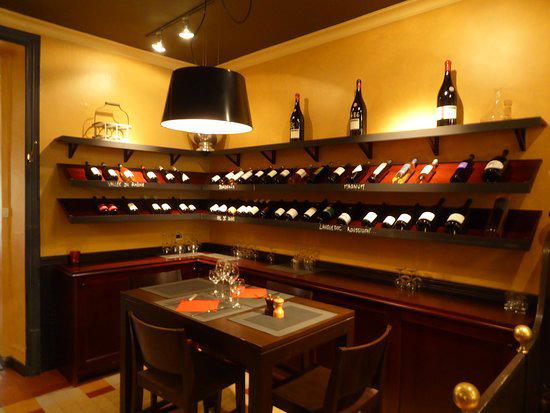
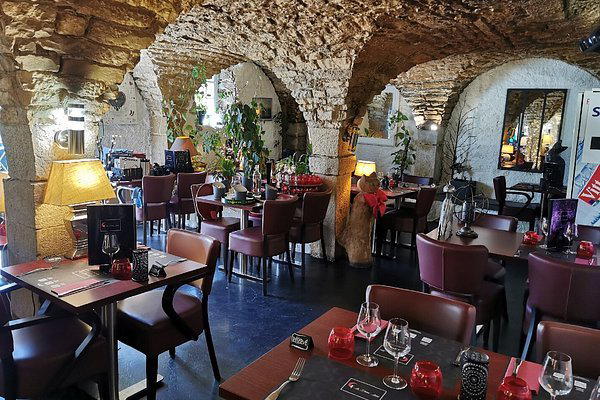
Restaurants in Lons Le Saunier
Browse all →
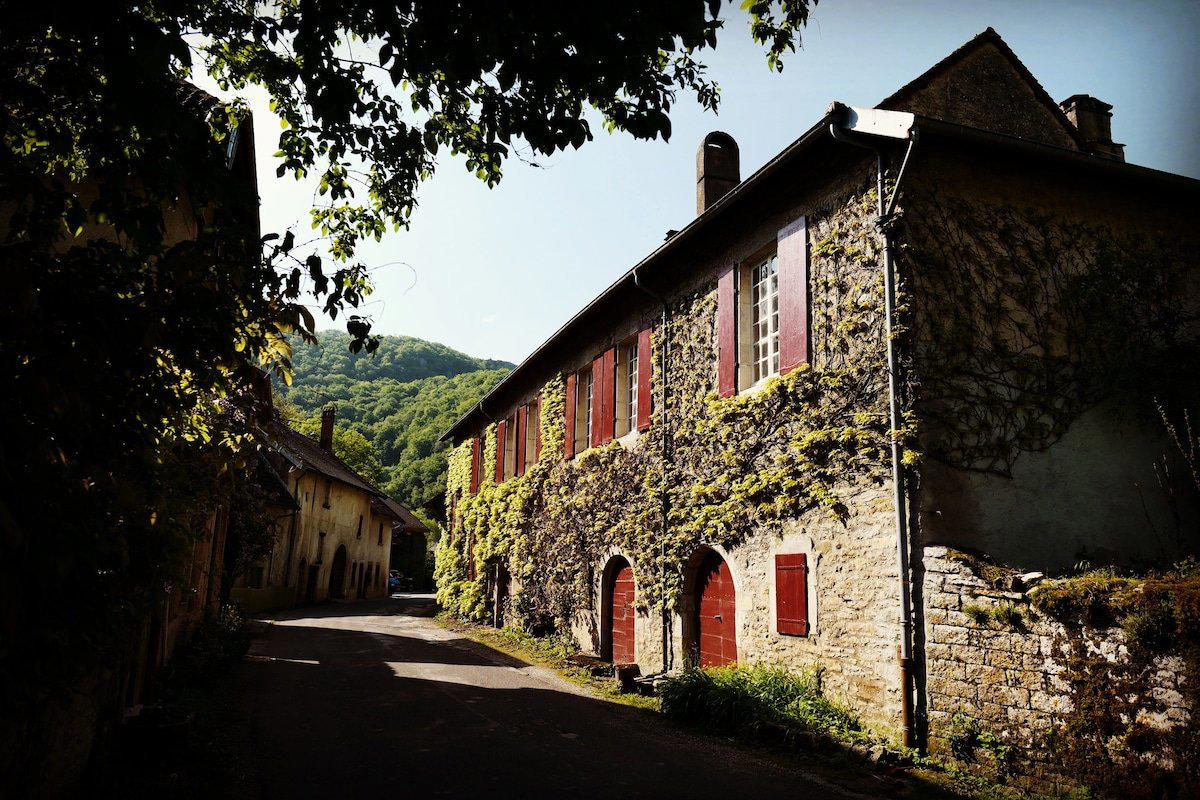
Hotels in Lons Le Saunier
Browse all →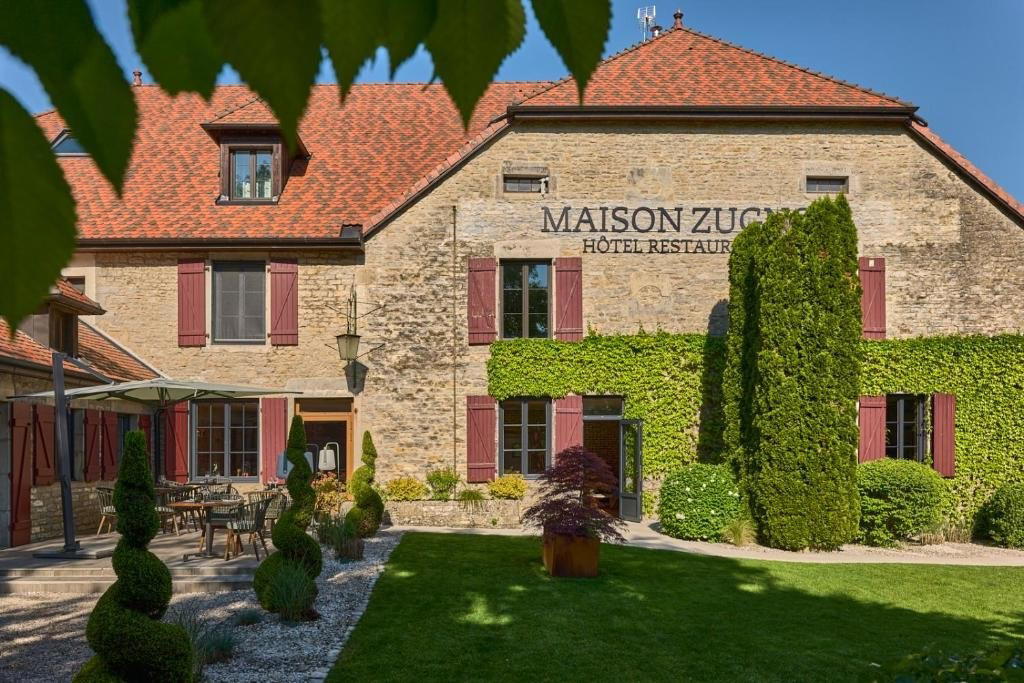

Details
- Cozy
- Classic
- Rustic
- Family
- Group Dining
- Business Dinner
- Terrace
- Local Sourcing
- Street Scene
- A La Carte
Current opening hours
- Monday
- 12–2:30 PM
- Tuesday
- 12–2:30 PM, 7–10:30 PM
- Wednesday
- 12–2:30 PM
- Thursday
- 12–2:30 PM, 7–10:30 PM
- Friday
- 12–2:30 PM, 7–10:30 PM
- Saturday
- 7:30–10:30 PM
- Sunday
- Closed
Hours can change for holidays and private events. Last verified .
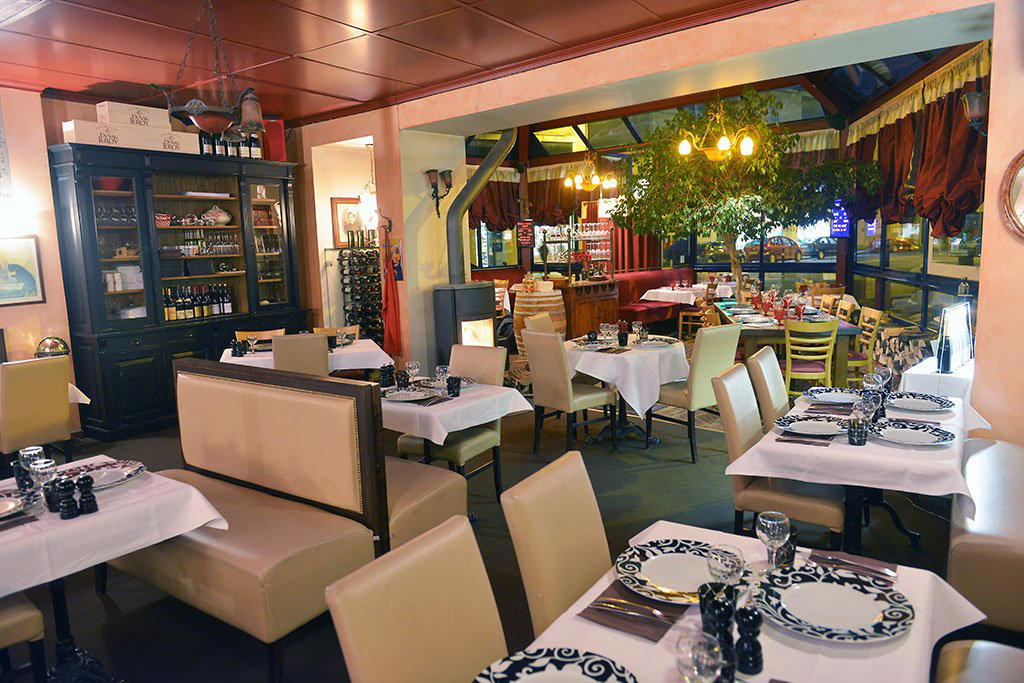
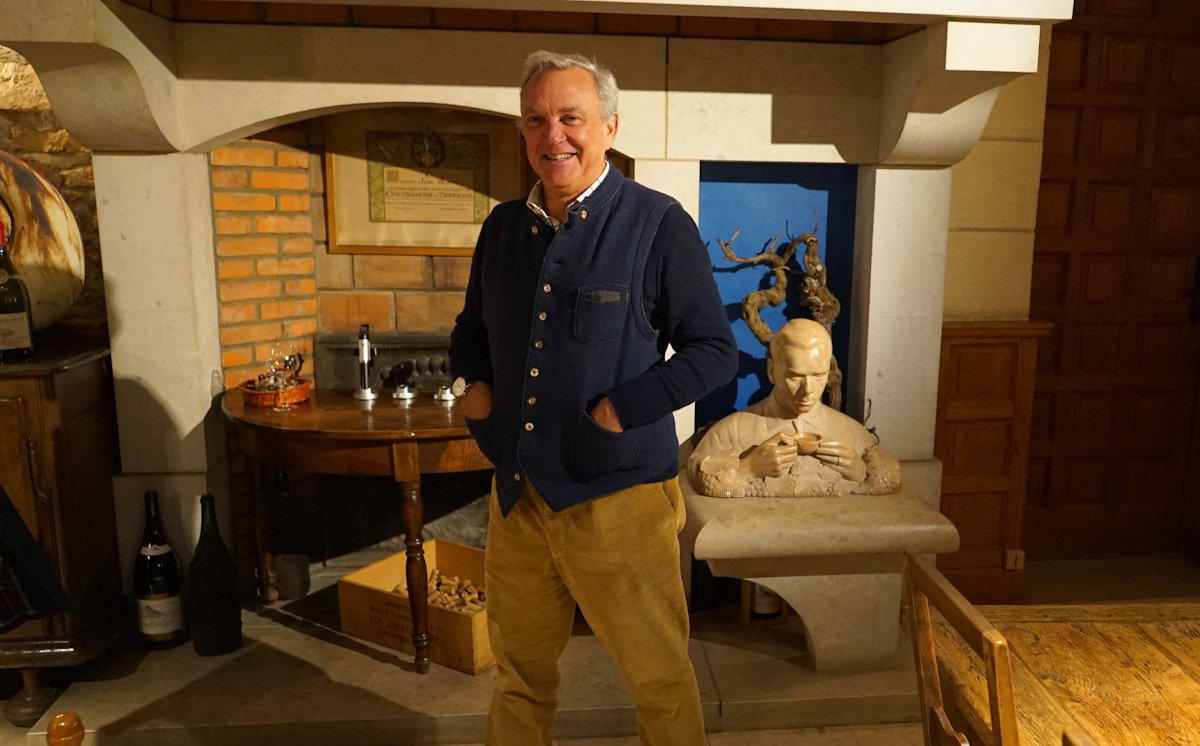
Cozy and warm with natural light from large glass walls, parquet floors, white tablecloths, and a welcoming family atmosphere.