Lilli and Loo
On a stretch of Ninth Avenue in Chelsea where pan-Asian restaurants have quietly taken hold over the past two decades, Lilli and Loo occupies a room that earns its keep through atmosphere as much as plate. The address at 198 9th Ave places it within walking distance of the High Line and the gallery corridors that define Chelsea's cultural identity, making it a natural stop for a neighbourhood that rewards unhurried exploration.
Pearl is the En Primeur Club membership app — saves, bookings, and concierge access live there. Same editors, same standards.
- Address
- 198 9th Ave, New York, NY 10011
- Phone
- +12125104122
- Website
- lilliandloonyc.com
- Directions
- Get directions
 Saves & bookings on Pearl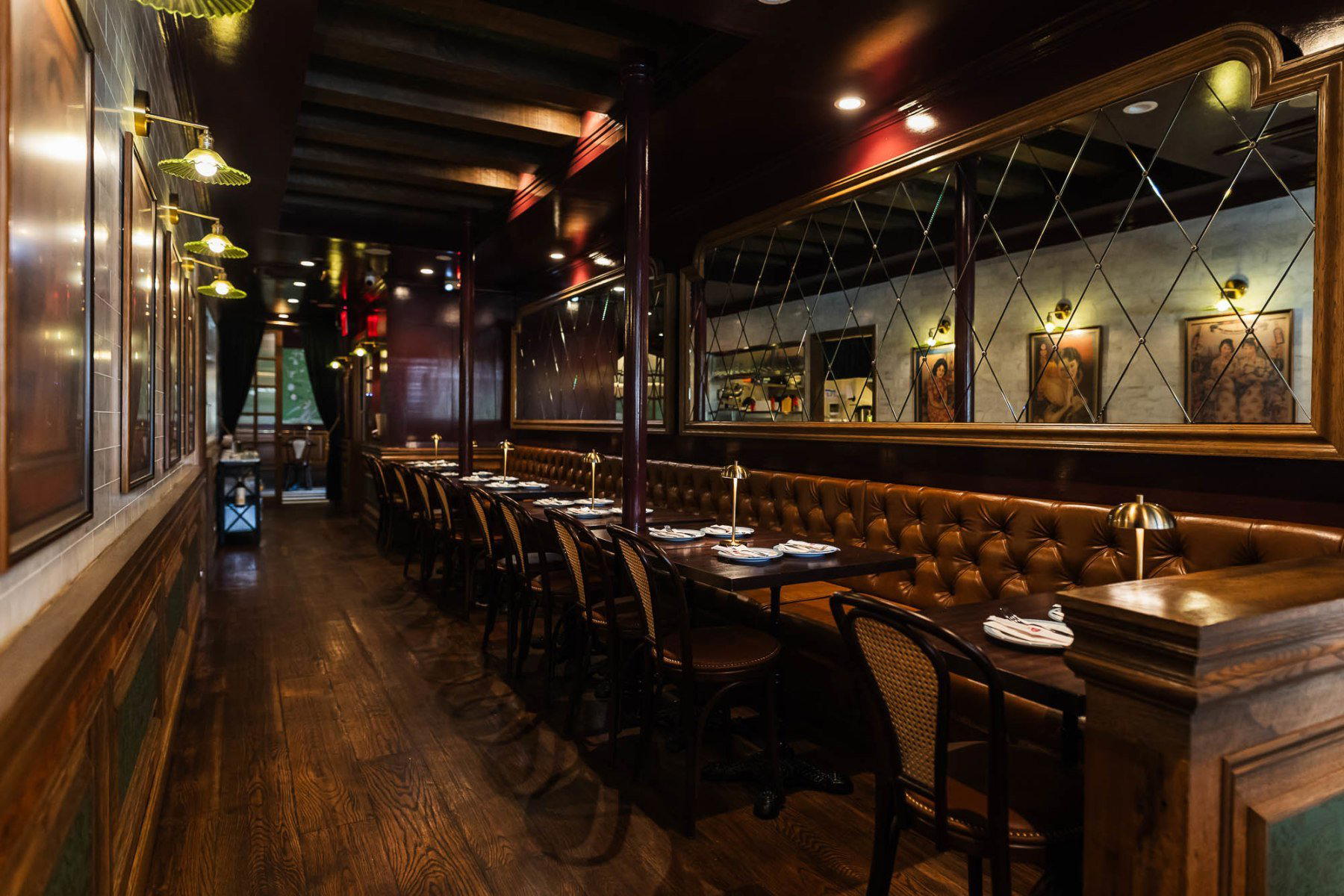
Chelsea's Pan-Asian Dining Corridor and Where Lilli and Loo Sits Within It
Ninth Avenue in Chelsea has never been a destination dining strip in the way that, say, the West Village or the Upper West Side commands food-press attention. That relative quietude is partly why a certain kind of neighbourhood restaurant has survived and sometimes thrived there: places that depend on repeat locals and word-of-mouth rather than the churn of tourist traffic or the halo of a Michelin listing. Lilli and Loo, a casual gluten-free Chinese restaurant at 198 9th Ave in New York City, serves about $20 per person and has occupied this stretch long enough to become part of the area's fabric rather than a headline act within it.
Context matters when reading Chelsea's dining scene. The neighbourhood sits between the High Line's gallery-adjacent foot traffic to the west and the broader Manhattan grid to the east, which means it attracts a dining public that skews toward the aesthetically minded and the geographically committed: people who live within walking distance, or who are already in the area for an exhibition or a gallery opening. For a restaurant like Lilli and Loo, that is an audience that tends to value a considered room and a coherent menu proposition over the bells and whistles of destination dining. Compare that to the $$$$ counters and Michelin-flagged kitchens further downtown or in Midtown, places like Le Bernardin, Per Se, or Masa, and the competitive sets barely overlap. Lilli and Loo plays a different game, in a neighbourhood that rewards consistency over spectacle.
The Room: Space, Scale, and the Physical Logic of the Interior
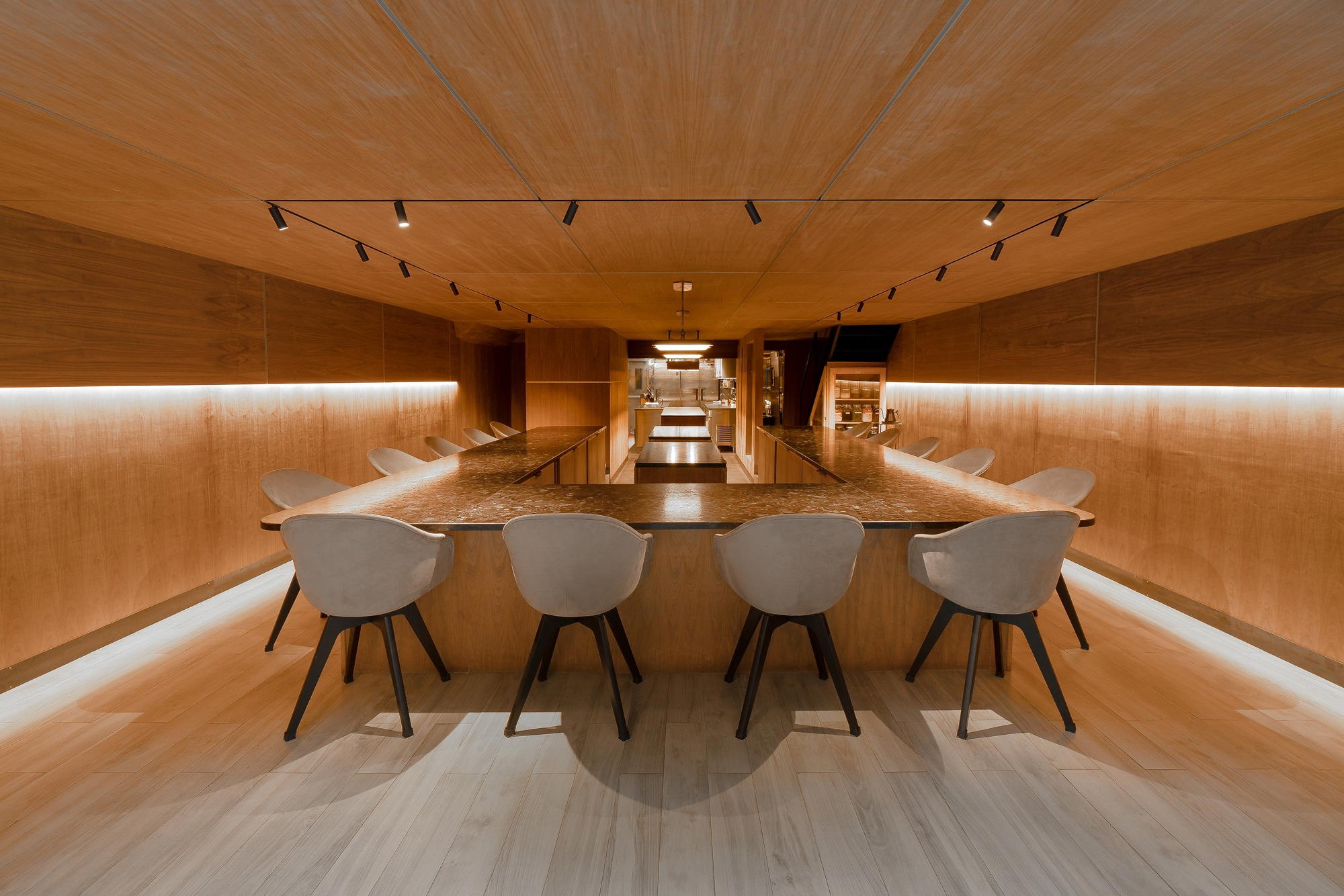
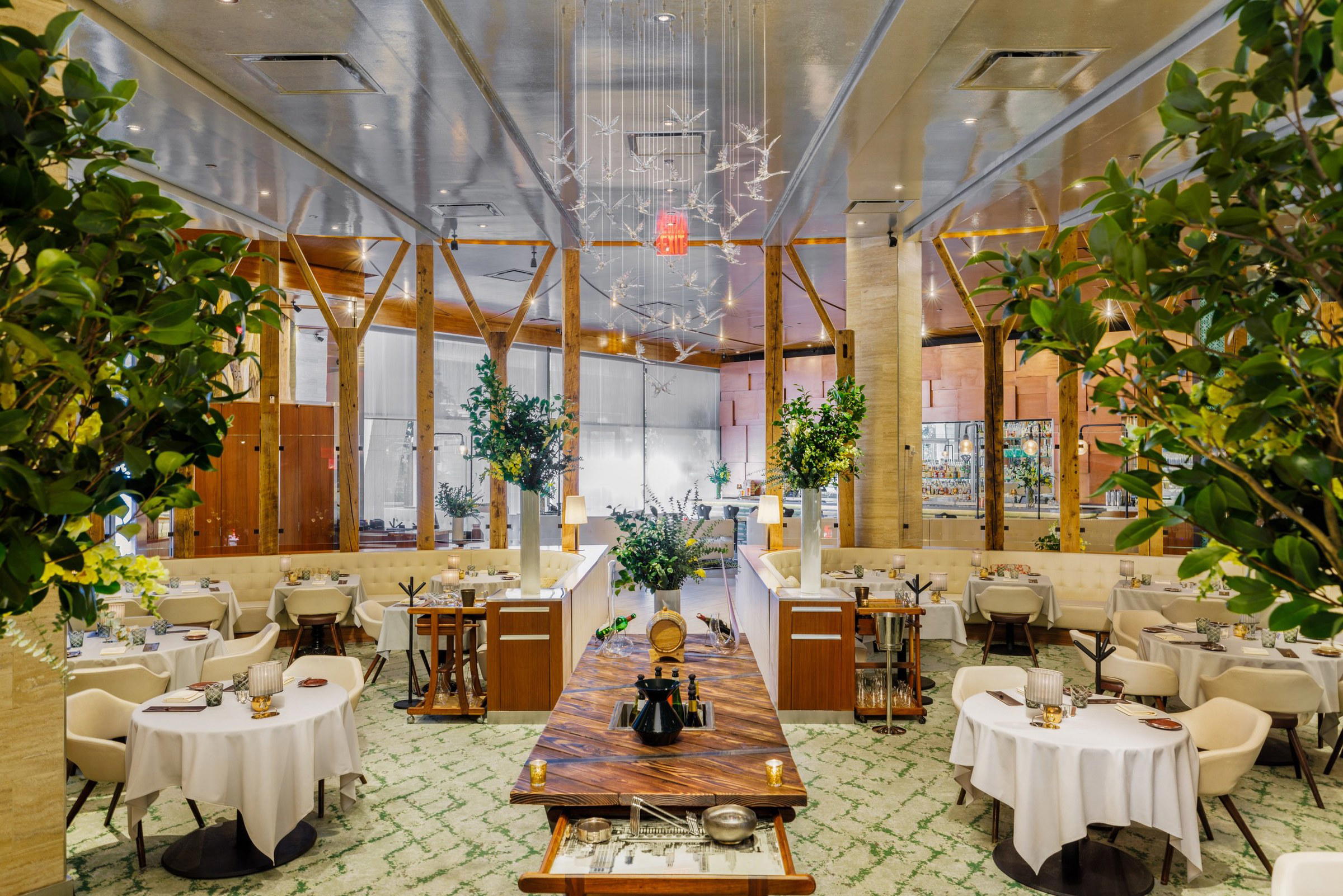
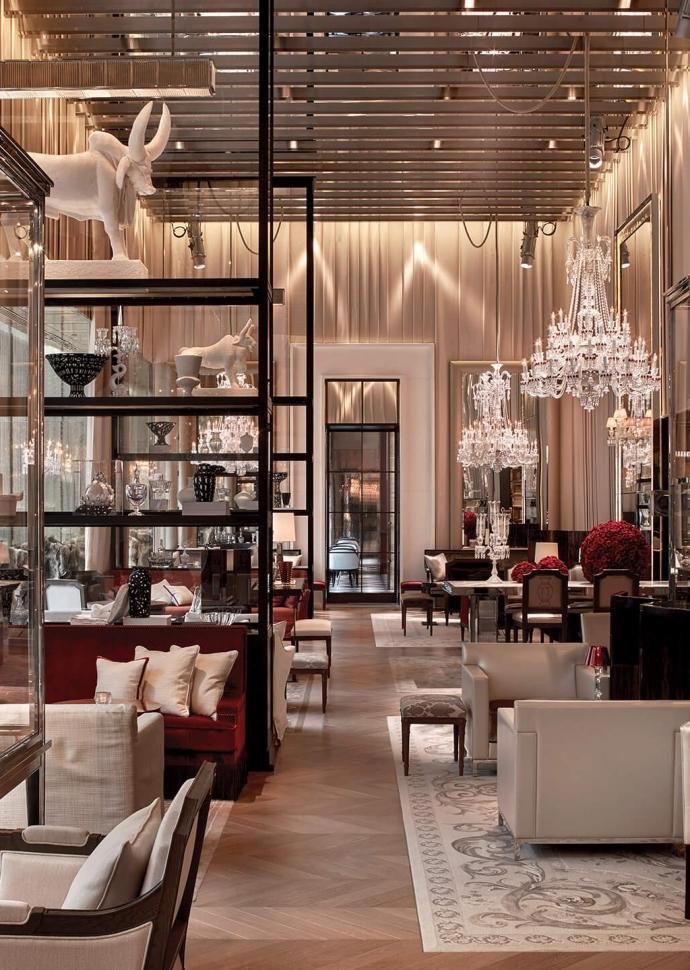
The editorial angle on the restaurant that holds up under scrutiny is not its menu in isolation but the way its physical container shapes the dining experience. Chelsea's converted commercial spaces and brownstone-adjacent storefronts tend to produce either cramped, maximally seated rooms or sprawling, under-furnished spaces that feel more like canteens than restaurants. The more successful neighbourhood restaurants in this part of the city have worked out that the room itself carries half the argument for a return visit.
Pan-Asian restaurants operating in New York's mid-tier have historically faced a design tension: the category spans enough culinary geography (Chinese, Japanese, Southeast Asian, Korean influences) that the interior risks becoming a grab-bag of visual references rather than a coherent spatial statement. The rooms that avoid this trap tend to do so by committing to a single tonal register, warm materiality, restrained lighting, deliberate seating arrangements, rather than attempting to signal every regional influence through décor. That discipline in the physical container is what separates a room people return to from one they photograph once and forget.
At 198 9th Ave, the address itself gives a clue to the building's character: a Ninth Avenue ground floor in Chelsea typically means a narrow frontage with depth running back from the street, which tends to produce a sequential spatial experience, you move through the room rather than arriving in it all at once. That kind of layout rewards considered seating arrangements, where proximity and sightlines matter more than raw capacity. It is the opposite logic from the large-format dining rooms that define, say, the higher-volume pan-Asian concepts further uptown or across the river in Williamsburg.
For the dining public the High Line brings into Chelsea, visitors from elsewhere in the city, international travellers staying in the cluster of hotels along West 23rd and West 28th, a room with spatial coherence and a human scale reads as a counterpoint to the overwhelming size of the cultural institutions nearby. That is a positioning a smaller neighbourhood restaurant can hold without competing on the same terms as a Atomix or a Jungsik New York, both of which operate in a tier defined by tasting menus, prix-fixe structure, and extended service choreography.
Pan-Asian Dining in New York: The Category and Its Pressures
New York's pan-Asian category has moved through several phases in the past three decades. The 1990s and early 2000s produced a wave of high-concept fusion restaurants that collapsed the distance between Japanese, Chinese, and Southeast Asian cooking in ways that often pleased neither purist nor casual diner. The correction that followed pushed in two directions simultaneously: toward hyper-specific regional cuisines (Sichuan, Shanghainese, specific regional Korean), and toward a more calibrated, less provocative pan-Asian register that prioritised approachability and neighbourhood fit over conceptual ambition.
The second of those directions is where a restaurant like Lilli and Loo operates. It is a category that the New York press covers less aggressively than the Michelin-chasing tasting-menu tier, but one that does more of the city's daily dining work. Across the US, the restaurants that sustain a city's food culture over decades tend to be mid-register neighbourhood places with coherent identities rather than the award-season fixtures: consider the longevity of places like Emeril's in New Orleans or the role that settled neighbourhood institutions play in cities from San Francisco (see Lazy Bear's community-first model) to Chicago (Alinea operates at the far opposite end of the formality spectrum, but both depend on repeat visitors with strong loyalty).
For New York specifically, Chelsea's dining scene has never produced the density of destination-level restaurants that the West Village, Tribeca, or the East Village generate. That means the restaurants that do well in Chelsea tend to earn their place through neighbourhood trust rather than critical attention, a different kind of durability, and in some ways a more reliable one. The restaurant's address at 198 9th Ave puts it in a location where that durability is the relevant metric.
Planning Your Visit
Chelsea sits on Manhattan's west side, with Ninth Avenue running north-south through the heart of the neighbourhood. The closest subway access is via the C and E trains at 23rd Street, or the 1 train at 18th or 23rd Street, putting the restaurant within a short walk of multiple transit options. The High Line entrance at 20th Street is also nearby, making a pre- or post-dinner walk along the refined park a natural pairing. For visitors staying in Midtown or the West Village, the neighbourhood is straightforwardly accessible by cab or rideshare.
Quick reference: 198 9th Ave, Chelsea, Manhattan. Nearest subway: C/E at 23rd St or 1 at 18th/23rd St.
Recognition Snapshot
Comparable venues nearby, for context on price, style, and recognition.
| Venue | Cuisine | Price | Notes |
|---|---|---|---|
| Lilli and LooThis venue — the venue you are viewing | Gluten-Free Chinese | $$ | Not listed |
| Nom Wah Tea Parlor | Hong Kong-Style Dim Sum | $$ | Chinatown-Two Bridges |
| Jabä | Modern Taiwanese | $$ | Upper East Side-Lenox Hill-Roosevelt Island |
| Chun Vegetarian | Chinese Vegetarian | $$ | Bedford-Stuyvesant (West) |
| Breeze | Sichuan with Dim Sum | $$ | Greenpoint |
| Mission Chinese Food | Sichuan Fusion Chinese | $$ | Chinatown-Two Bridges |
Continue exploring
More in New York City
Restaurants in New York City
Browse all →
Bars in New York City
Browse all →
Hotels in New York City
Browse all →






At a Glance
- Casual Hangout
Current opening hours
- Monday
- 12–9 PM
- Tuesday
- 12–9 PM
- Wednesday
- 12–9 PM
- Thursday
- 12–9 PM
- Friday
- 12–9 PM
- Saturday
- 12–9 PM
- Sunday
- 12–9 PM
Hours can change for holidays and private events. Last verified .
Casual neighborhood spot focused on reliable, flavorful gluten-free Chinese dishes in a welcoming Midtown atmosphere.